
Strumigenys exilirhina
- Sci. Name
- Strumigenys exilirhina
- Tribe
- Attini
- Subfamily
- Myrmicinae
- Author
- Bolton, 2000
- Distribution
- Found in 2 countries
Introduction
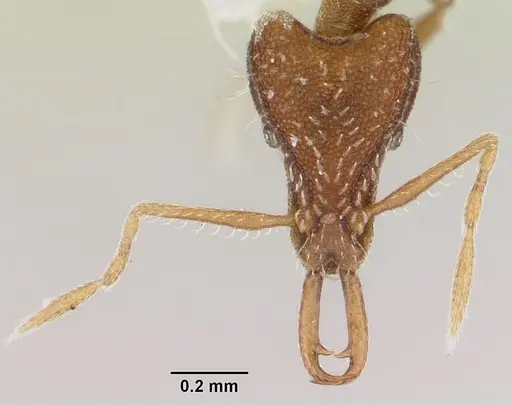
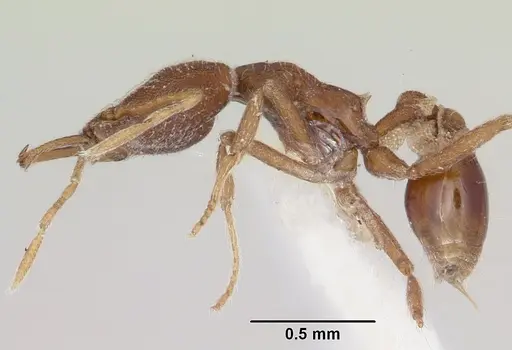
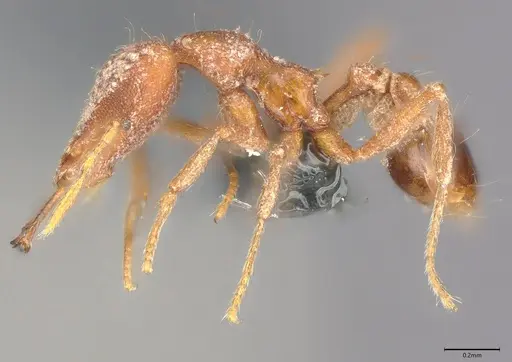
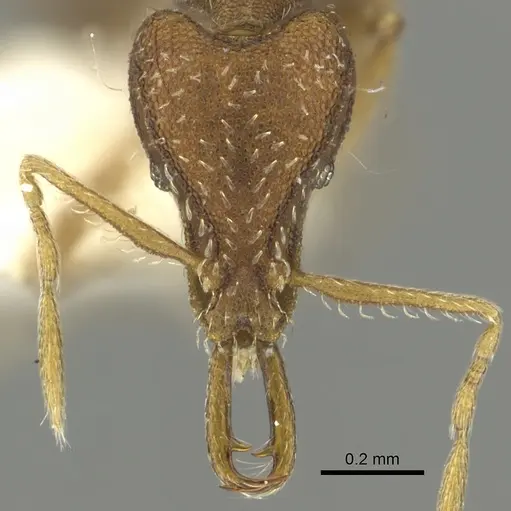
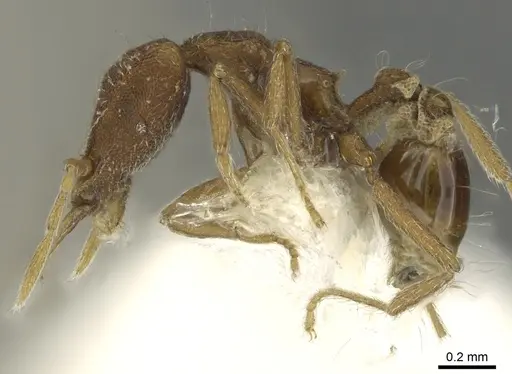
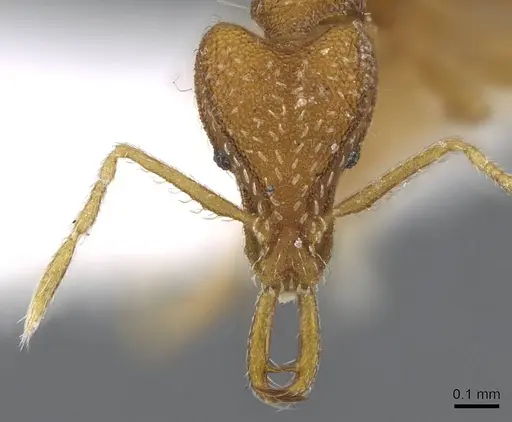
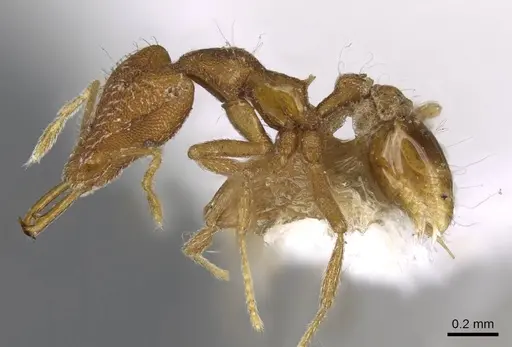
Strumigenys exilirhina is a tiny predatory ant. Workers are 2.2-2.7 mm long with a brown body . It is one of the most common Strumigenys species in Hong Kong, found in disturbed urban forests, rubber plantations, shrubland, secondary forests, and Feng Shui woods . It nests in soil and under moss on rocks, at elevations from 1 up to 911 m . The species has a wide range across East and Southeast Asia, including Bhutan, China, India, Japan, Nepal, and Thailand .
Quick Summary
- Difficulty: Expert
- Origin & Habitat: Native to East and Southeast Asia: Bhutan, China (Guangdong, Guangxi, Hainan, Hong Kong, Jiangxi, Macau, Tibet, Yunnan), India, Japan (Okinawa), Nepal, Thailand [3][4][5]. Found from disturbed urban areas to primary forests, nesting in soil, under moss, or in leaf litter [5][2][3].
- Colony Type: Social structure is not well documented. Nuptial flights occur from mid-May to mid-June in Hong Kong [2].
- Size & Growth:
- Queen: Size data unavailable, queens are present in the type series [6].
- Worker: 2.2-2.7 mm [1][2][3]
- Colony: Not documented, related Strumigenys species form small colonies.
- Growth: Unknown, but likely slow based on typical Strumigenys patterns.
- Development: Not documented, estimated 6-10 weeks based on typical warm‑climate Myrmicinae development. (Estimate, specific data lacking.)
- Antkeeping:
- Temperature: Keep at 22-26°C (based on tropical/subtropical range). No specific data, start at lower end and observe.
- Humidity: High humidity required, aim for a damp forest‑floor feel. Keep nest substrate consistently moist but not waterlogged.
- Diapause: No data. Being from tropical and warm subtropical areas, likely does not require true diapause, but a slight winter cooling (18-20°C) may be safe.
- Nesting: Naturally nests in soil and under moss [5]. In captivity, use a soil or plaster nest with small chambers to suit tiny workers. Avoid acrylic nests.
- Behavior: Specialized predator of springtails and other tiny arthropods (based on trap‑jaw morphology). Not aggressive, will flee rather than fight. Extremely small workers pose a very high escape risk, use fine mesh barriers and tight lids.
- Common Issues: escape prevention is critical due to 2.2-2.7 mm worker size, they can slip through tiny gaps., specialized diet likely requires live springtails, standard ant foods may not sustain the colony., high humidity needs can lead to mold if ventilation is inadequate., slow colony growth may tempt overfeeding or nest disturbance.
Housing and Nest Setup
Because workers are just 2.2-2.7 mm, escape prevention is your top priority. Use a tightly sealed nest with fine mesh on any ventilation openings. A naturalistic setup works well: a shallow container with damp substrate (soil or plaster) topped with moss imitates their wild habitat [5]. Chambers should be small to match the colony size. Avoid acrylic nests, they are not suitable for such tiny ants. A small outworld allows feeding without disturbing the colony.
Feeding and Diet
The natural diet of Strumigenys exilirhina is not confirmed in the literature. Based on their trap‑jaw mandibles and related Strumigenys species, they almost certainly feed on springtails (Collembola) and other tiny arthropods. Offer live springtails as the main food source. You may also try fruit flies, booklice, or soil mites, but springtails should be the staple. Do not rely on sugar water or honey, Strumigenys are not typically attracted to sweets. Feed every 2-3 days and remove uneaten prey after 24 hours. [5][2]
Temperature and Humidity
Coming from tropical and warm subtropical regions [3], Strumigenys exilirhina needs warmth: aim for 22-26°C. Use a heating cable on one side to create a gradient. Humidity should be high, think damp forest floor. Keep the nest substrate consistently moist but not waterlogged. Mist the nest occasionally, but avoid standing water that could drown the tiny workers. Poor humidity will quickly lead to colony decline.
Colony Development and Growth
No specific development data is available for this species. Based on related Strumigenys, growth is slow and colonies likely remain small (maybe under 100 workers). The queen lays eggs that develop through the usual ant life stages. First workers appear after several weeks to months, depending on temperature and food. Do not expect quick growth, patience is key. Disturb the nest as little as possible. [2][3]
Behavior and Temperament
Workers are active, stealthy hunters that search through leaf litter and soil for tiny prey [5]. They are not aggressive toward threats and will retreat rather than sting. Their small size makes escape prevention vital. Inside the nest you may see workers tending the queen and brood. They do not form large foraging trails. This species is best observed in a naturalistic setup where you can watch their hunting behavior.
Frequently Asked Questions
Can I keep Strumigenys exilirhina in a test tube?
Test tubes can work for a founding queen but are not ideal long‑term. The tiny workers need very small water reservoirs to prevent drowning, and it is hard to maintain high humidity and provide live prey in a tube. A naturalistic setup with moist substrate is better for an established colony.
What do Strumigenys exilirhina ants eat?
Their natural diet is not confirmed, but based on morphology and related species they almost certainly hunt springtails (Collembola) and other tiny arthropods. Offer live springtails as the main food. Fruit flies, booklice, or soil mites may also be accepted. They are not attracted to sugar water or honey.
How long does it take for the first workers to emerge?
This has not been documented for this species. Based on typical warm‑climate Myrmicinae, you might expect 6-10 weeks from egg to worker, but this is a rough estimate. Growth is slow.
Are Strumigenys exilirhina good for beginners?
No. Their tiny size (escape risk), specialized feeding, and high humidity needs make them challenging. They are better suited for experienced keepers.
How big do Strumigenys exilirhina colonies get?
Colony size is not documented. Related Strumigenys species remain small (likely under 100 workers). Do not expect large colonies.
Do Strumigenys exilirhina need hibernation?
Probably not. They come from tropical and warm subtropical areas, so a true diapause is likely unnecessary. A slight winter cooling (18-20°C) may be beneficial but is not required.
Why are my Strumigenys exilirhina dying?
Common causes: lack of live springtails (they may not accept other foods), insufficient humidity, escape through tiny gaps, or stress from disturbance. Ensure you provide proper conditions before diagnosing other issues.
When should I move my colony to a formicarium?
Moving is risky for a tiny, slow‑growing colony. Wait until you have at least 20-30 workers and the ants are foraging actively. A naturalistic substrate nest may be preferable to a traditional formicarium.
Can I keep multiple queens together?
This has not been studied. Strumigenys are typically monogyne, so it is safer to house queens separately. Do not combine unrelated queens.
Report an Issue
The current care sheet is based fully on literature. See inconsistencies, or something that's incorrect? Please , it will be resolved after review from an admin. Contributing to the blogs tab also helps providing information, to make us be able to further improve the caresheets. Thank you for your support!
References

This caresheet is licensed under CC BY-SA 4.0 .
Community Blogs
CASENT0102650
View on AntWeb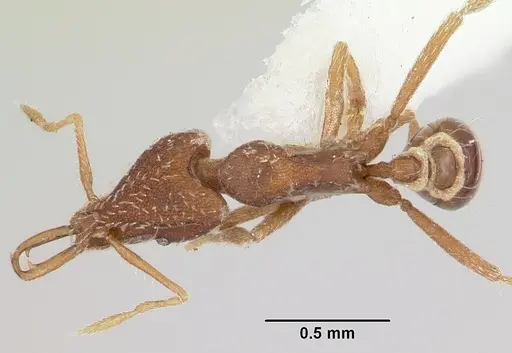
CASENT0728834
View on AntWeb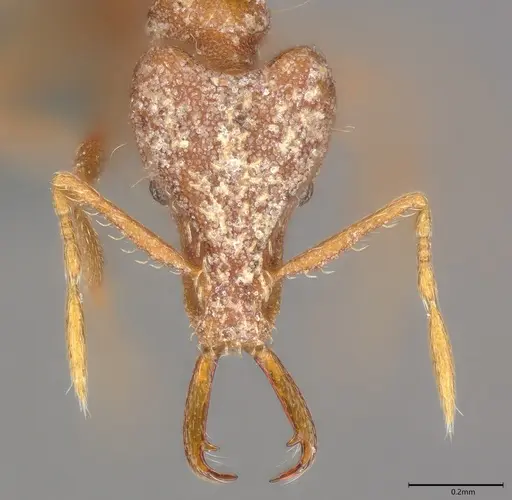
CASENT0900837
View on AntWeb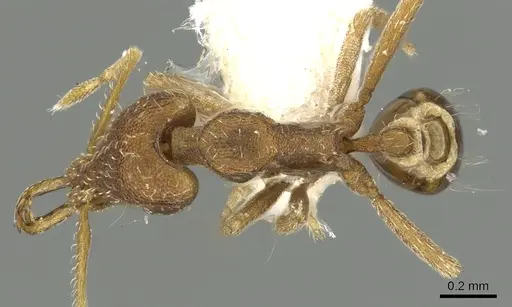
CASENT0914791
View on AntWeb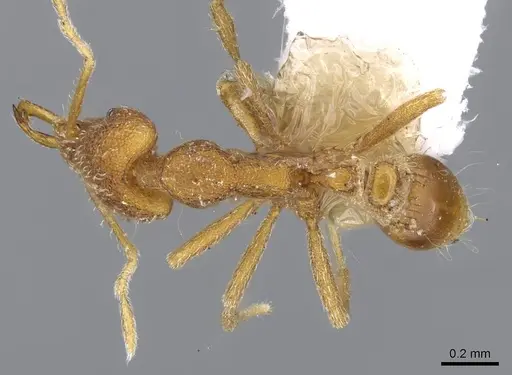
Literature
Loading distribution map...Loading products...