
Strumigenys erynnes
- Sci. Name
- Strumigenys erynnes
- Tribe
- Attini
- Subfamily
- Myrmicinae
- Author
- Bolton, 2000
- Distribution
- Found in 1 countries
Introduction
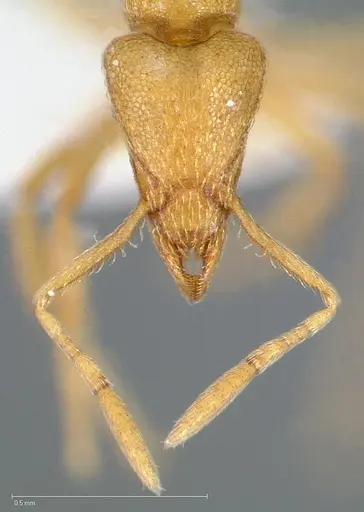
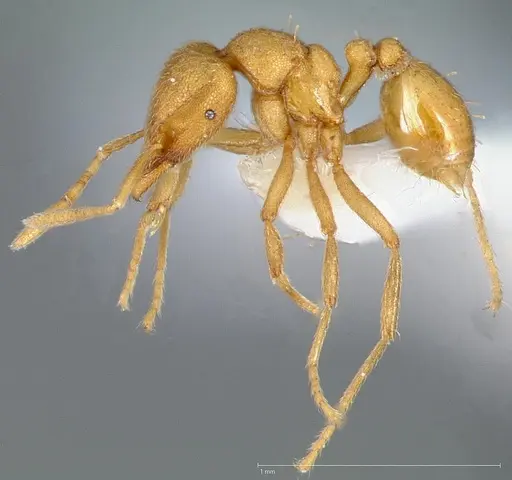
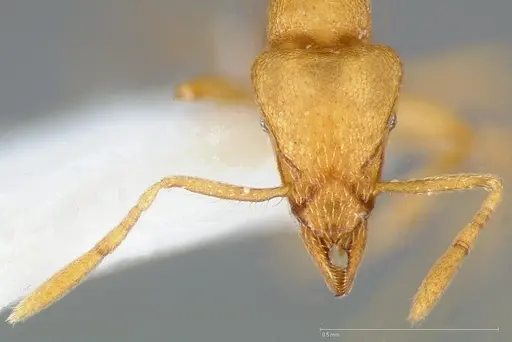
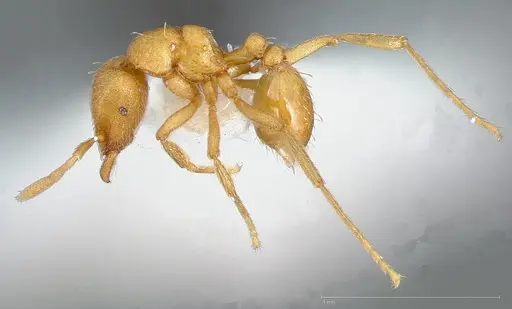
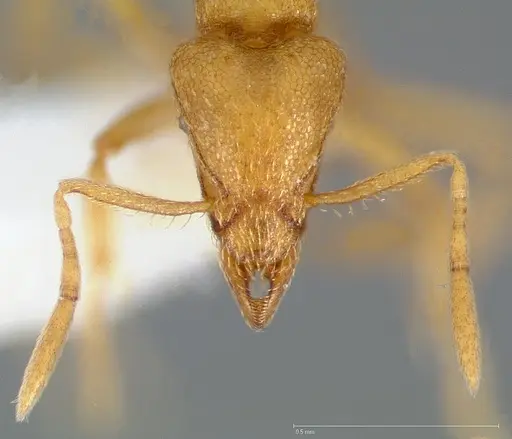
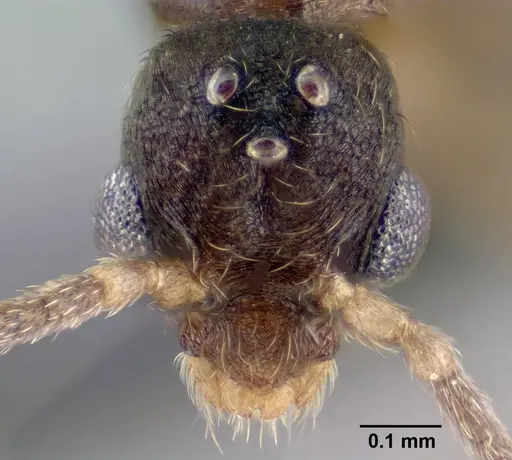
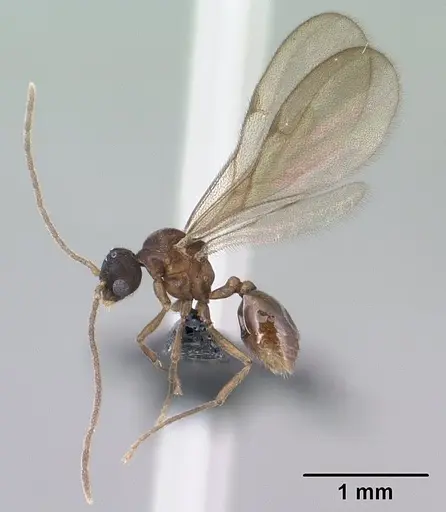
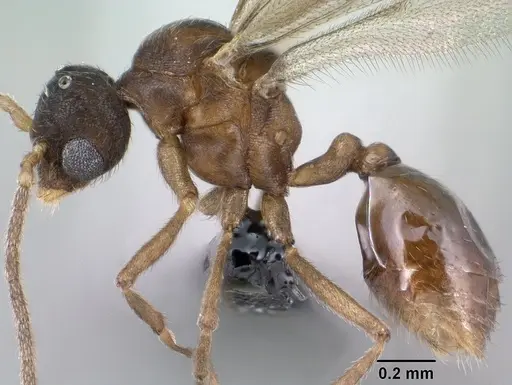
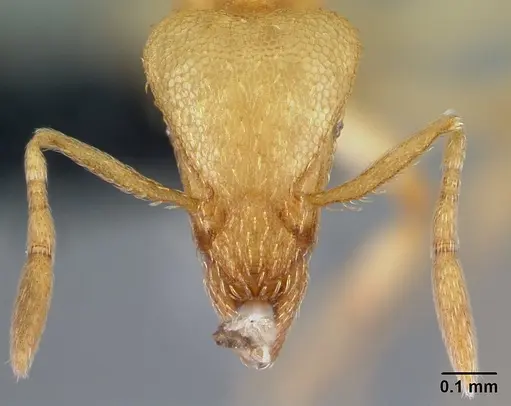
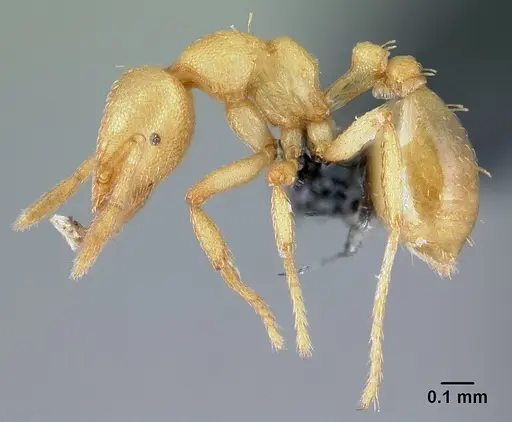
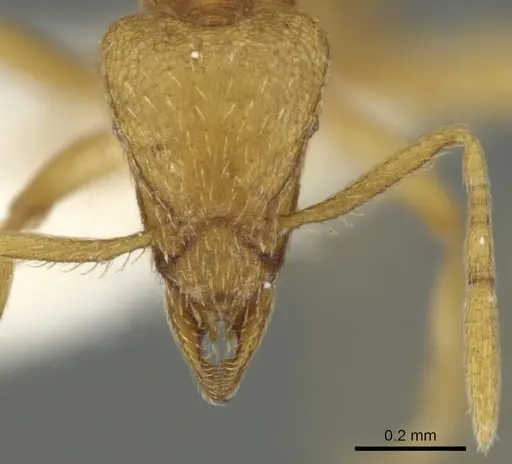
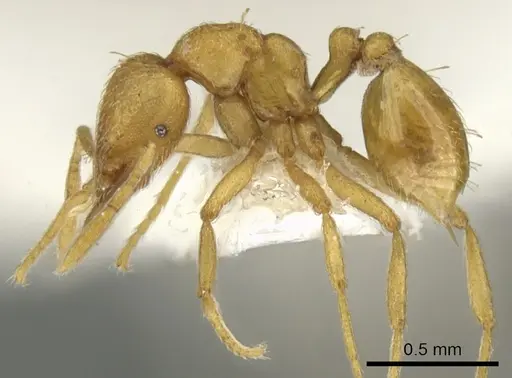
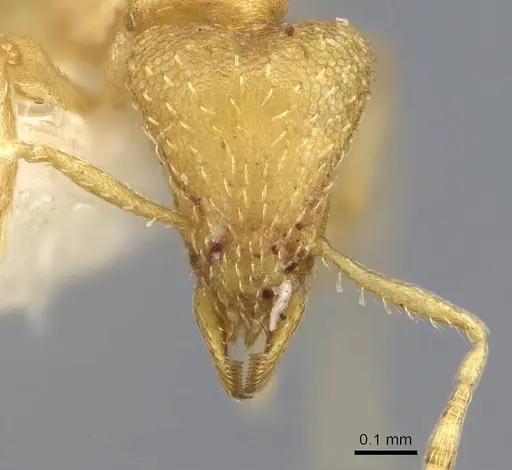
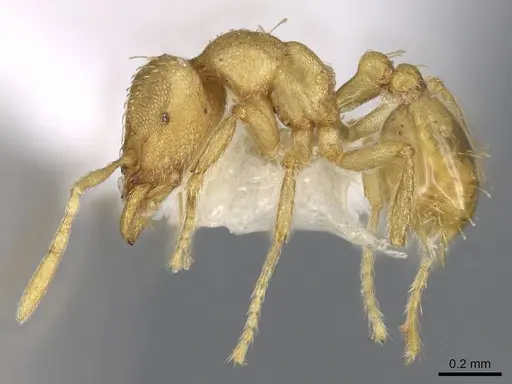
Strumigenys erynnes is a tiny predatory ant from Madagascar, measuring about 2.0-2.2 mm total length . These ants belong to the tribe Attini and have slender antennae and trap-jaw mandibles typical of the genus. Workers have a finely textured body and stout hairs on the upper body and waist. This species is part of the Strumigenys mutica group. It lives in rainforest leaf litter, soil, under stones, and in dead wood at elevations from 400 m to over 1200 m .
Quick Summary
- Difficulty: Expert
- Origin & Habitat: Madagascar (Afrotropical region), found in rainforest habitats at elevations between 400-1240 m. Lives in leaf litter, soil, under stones, and in dead wood [3][1].
- Colony Type: Colony structure is unconfirmed. Based on typical Strumigenys patterns, colonies likely contain a single queen (monogyne) and may reach several hundred workers at maximum. Founding behavior is unconfirmed.
- Size & Growth:
- Queen: Unconfirmed
- Worker: 2.0-2.2 mm total length [1]
- Colony: Likely several hundred workers at maximum based on typical Strumigenys colony sizes
- Growth: Moderate to slow
- Development: Estimated 6-10 weeks based on typical Attini development patterns (Development time is estimated from related Strumigenys species, specific data for this species is unavailable)
- Antkeeping:
- Temperature: Keep at 22-26 °C, these are tropical forest ants that prefer warm, stable conditions. Avoid temperatures below 20 °C.
- Humidity: Keep the nest substrate consistently moist but not waterlogged. These litter-dwelling ants need high humidity similar to the rainforest floor [1].
- Diapause: No, as a tropical species from Madagascar, they do not require hibernation. Maintain year‑round warm conditions.
- Nesting: Naturally nests in leaf litter, soil, under stones, and in dead wood [1]. In captivity, use a naturalistic setup with moist substrate (soil mixed with rotting wood). Y‑tong or plaster nests with very small chambers also work, but must retain moisture well. Due to their tiny size, passages and chambers must be narrow.
- Behavior: Strumigenys are specialized predators with trap‑jaw mandibles for capturing small prey. They actively forage in the leaf litter for springtails, mites, and other tiny arthropods. Workers are small and can squeeze through tiny gaps, escape prevention must be excellent. They are not aggressive toward humans but have a functional stinger (not medically significant). Their primary defense is fleeing.
- Common Issues: escape prevention is critical, they are extremely tiny and can squeeze through the smallest gaps., high humidity requirements can lead to mold if ventilation is poor., specialized diet makes them difficult to feed, they need live small prey like springtails., slow growth can lead to overfeeding, which causes waste buildup and mold., wild‑caught colonies may carry parasites that kill them in captivity.
Housing and Nest Setup
Due to their tiny size, Strumigenys erynnes need very secure housing. Use a naturalistic setup with a moist substrate mix of soil and rotting wood to mimic leaf litter. A shallow container maximizes surface area. If you use a formicarium, choose one with very small chambers and narrow passages, these 2 mm ants feel secure only in tight spaces. Test tubes are usually too large unless modified with cotton plugs to shrink the chamber. Escape prevention is absolutely critical: apply fluon to all edges and cover ventilation holes with fine mesh. [1]
Feeding and Diet
Strumigenys erynnes is a specialized predator that needs live tiny arthropods. Their main food should be springtails (collembola), which they hunt naturally. They may also accept mites, booklice (psocids), and other minute prey. Offer prey no larger than the ant itself. Sugar sources are unlikely to be accepted, they are obligate predators. Feed every 2-3 days, giving only what the colony can eat in a day. Remove leftovers quickly to prevent mold in the humid setup. [1]
Temperature and Humidity
Keep the temperature at 22-26 °C year‑round. These tropical Madagascar ants do not tolerate cool conditions, avoid anything below 20 °C. A heating cable on one side can create a gradient, but the nest area must stay in the optimal range. Humidity is vital: the substrate should be consistently moist but never waterlogged. Mist lightly if needed, but rely on damp substrate or a water reservoir for stable humidity. Poor humidity will quickly kill these moisture‑loving ants. [1]
Behavior and Temperament
Strumigenys erynnes is calm and non‑aggressive. Workers are small, docile, and will not attack you, but they do have a functional stinger (though it is not medically significant). Their first instinct is to flee. They are active hunters that forage alone in the leaf litter, using their trap‑jaw mandibles to ambush prey. Activity may be day or night, watch your colony to learn their peak times. These ants do not form big colonies, so you will never see massive swarms, expect a modest colony of several dozen to a few hundred workers at most. [1]
Colony Establishment
Starting a colony takes patience. If you have a wild‑caught queen, place her in a small, humid chamber with damp substrate, just big enough for her and her brood. Queens likely seal themselves in (claustral founding), living on stored fat until the first workers emerge. First workers (nanitics) will be tiny and may take several months to appear. Do not disturb the chamber during this sensitive period. If you buy a colony from another keeper, move it gently into an appropriately sized setup. [1]
Frequently Asked Questions
Can I keep Strumigenys erynnes in a test tube?
Standard test tubes are too large for these tiny ants. If you want to use one, modify it with cotton plugs to create a much smaller chamber. A naturalistic shallow setup with moist substrate is more suitable for this litter‑dwelling species.
What do Strumigenys erynnes eat?
They need live small arthropods, springtails are the best staple. Other tiny prey like mites and booklice may also work. They will not accept sugar water or other plant‑based foods.
How long does it take for first workers to emerge?
Exact development time is unknown for this species. Based on related Strumigenys species, expect approximately 6-10 weeks from egg to first worker at optimal temperature (around 24 °C).
Are Strumigenys erynnes good for beginners?
No. Their tiny size, need for high humidity, specialized carnivorous diet, and extreme escape‑prevention requirements make them an expert‑level species. Only experienced keepers should attempt to keep them.
Do Strumigenys erynnes need hibernation?
No, as a tropical species from Madagascar, they require warm temperatures year‑round. Keep them at 22-26 °C throughout the year.
How big do Strumigenys erynnes colonies get?
Colony size is not confirmed, but based on typical Strumigenys patterns, expect at most a few hundred workers. They do not form large colonies like many other ants.
Why are my Strumigenys erynnes dying?
Common causes: low humidity (they need constantly moist substrate), temperatures below 20 °C, escape through tiny gaps, lack of appropriate live prey, or stress from frequent disturbance. Check these issues immediately if you see deaths.
When should I move Strumigenys erynnes to a formicarium?
Only move them when the colony has grown significantly and the current setup clearly gets too small. Many keepers prefer keeping them in a naturalistic setup long‑term rather than moving to a traditional formicarium.
Can I keep multiple queens together?
Combining unrelated queens of this species has not been documented. Based on typical Strumigenys behavior, it is not recommended, start with a single queen for the best chance of success.
Report an Issue
The current care sheet is based fully on literature. See inconsistencies, or something that's incorrect? Please , it will be resolved after review from an admin. Contributing to the blogs tab also helps providing information, to make us be able to further improve the caresheets. Thank you for your support!
References

This caresheet is licensed under CC BY-SA 4.0 .
Community Blogs
CASENT0005448
View on AntWeb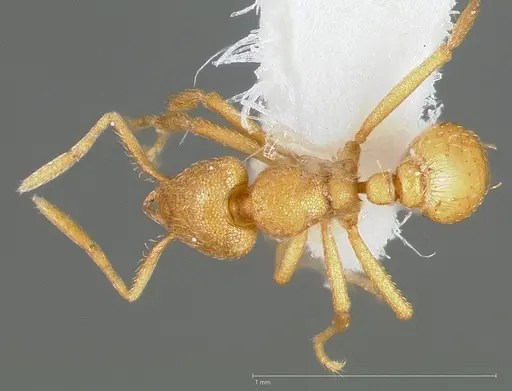
CASENT0005449
View on AntWeb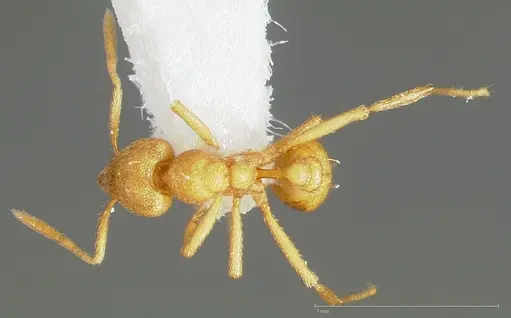
CASENT0005450
View on AntWeb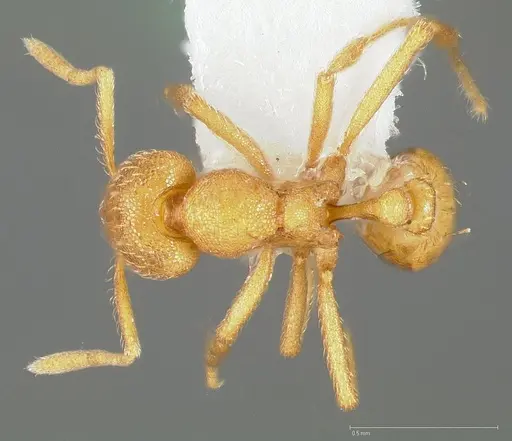
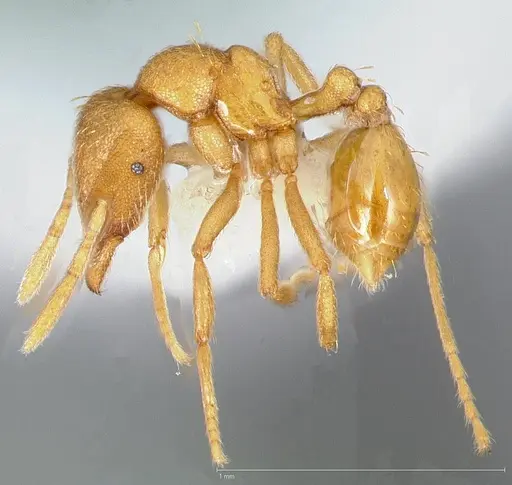
CASENT0006000
View on AntWeb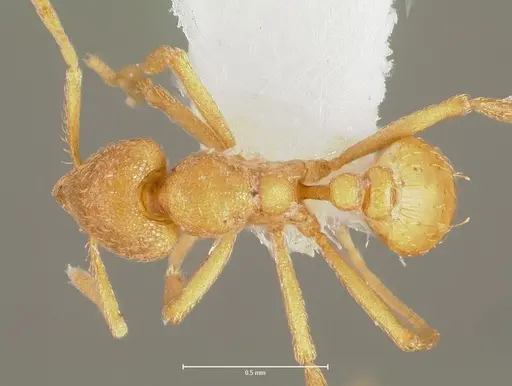
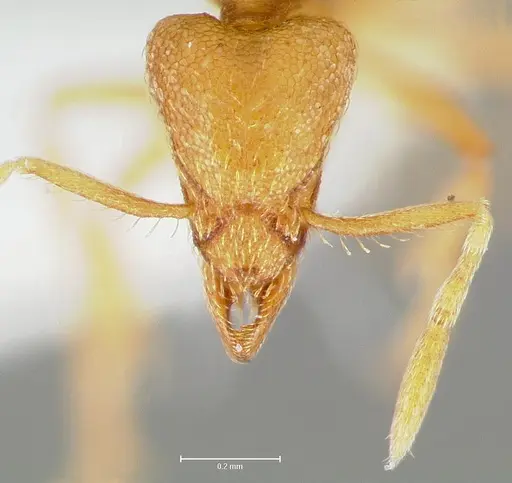
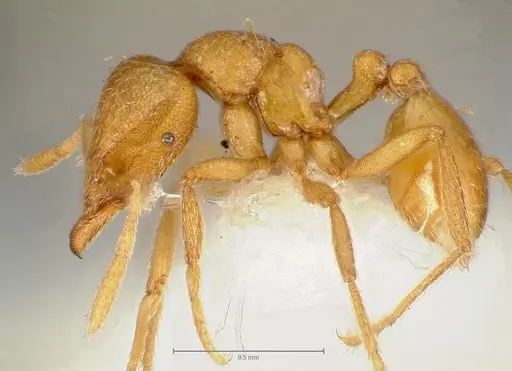
CASENT0144567
View on AntWeb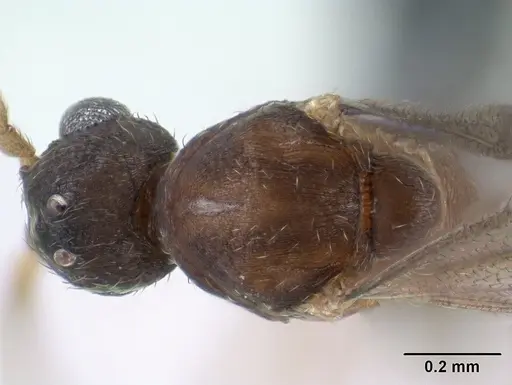
CASENT0151597
View on AntWeb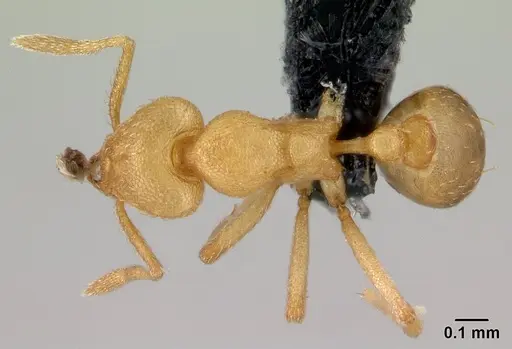
CASENT0900034
View on AntWeb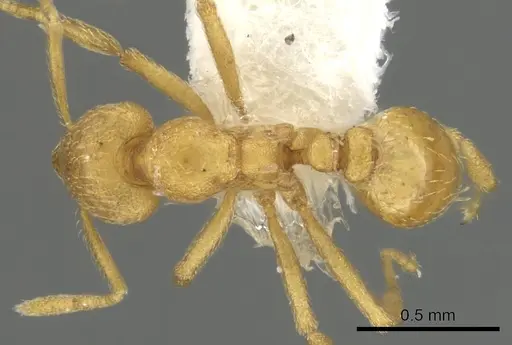
CASENT0914634
View on AntWeb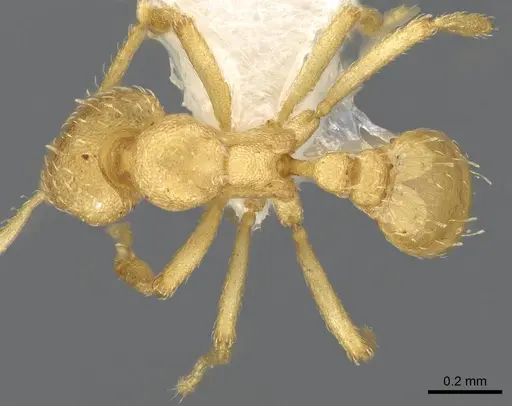
Literature
Loading distribution map...Loading products...