
Strumigenys dicomas
- Sci. Name
- Strumigenys dicomas
- Tribe
- Attini
- Subfamily
- Myrmicinae
- Author
- Fisher, 2000
- Distribution
- Found in 3 countries
Introduction
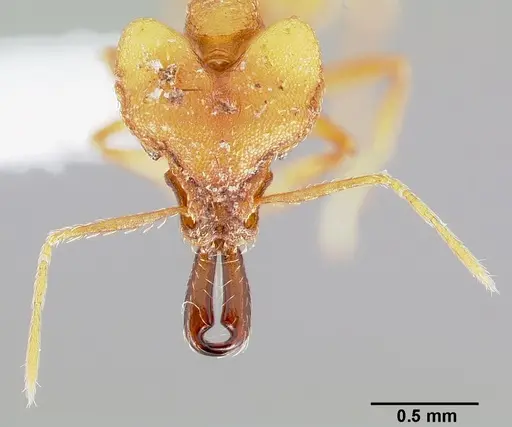
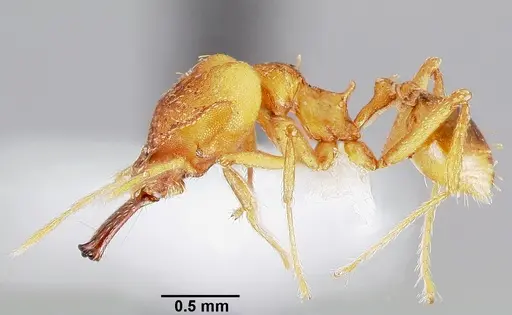
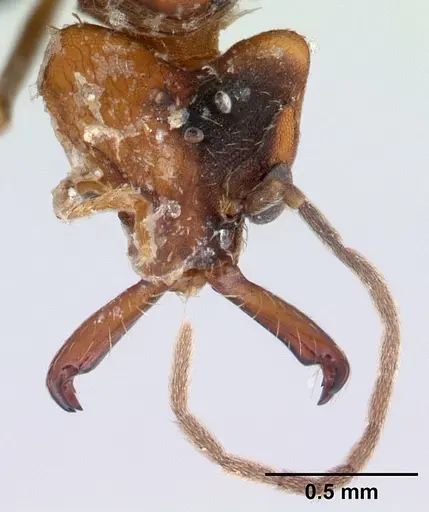
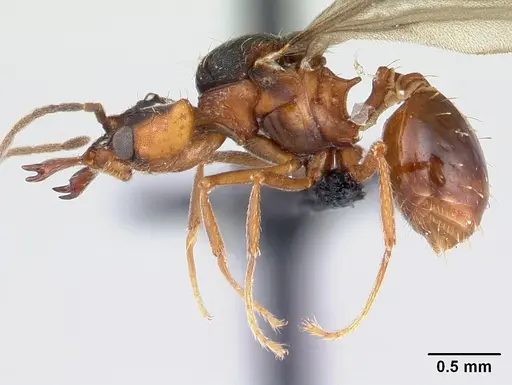
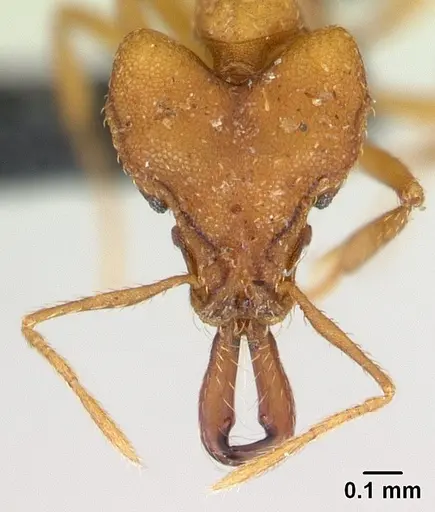
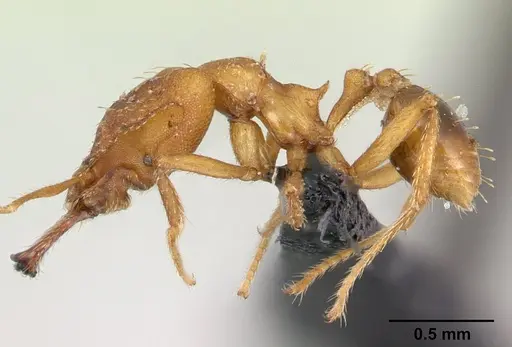
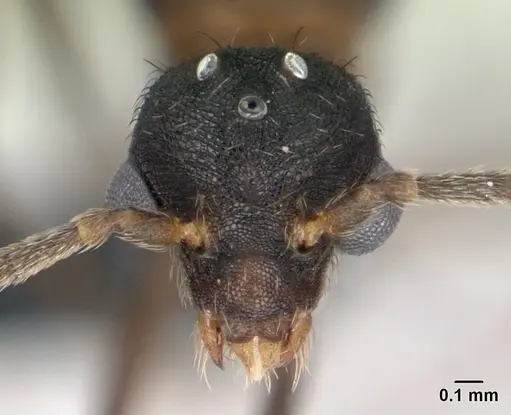
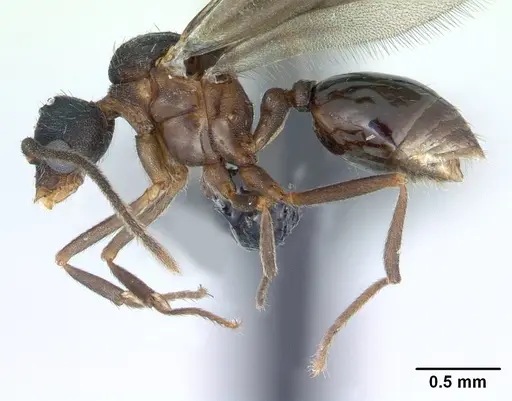
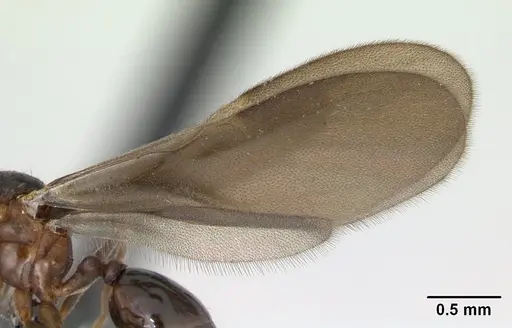
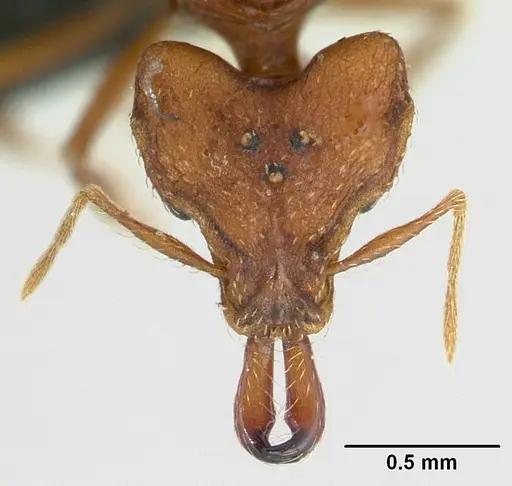
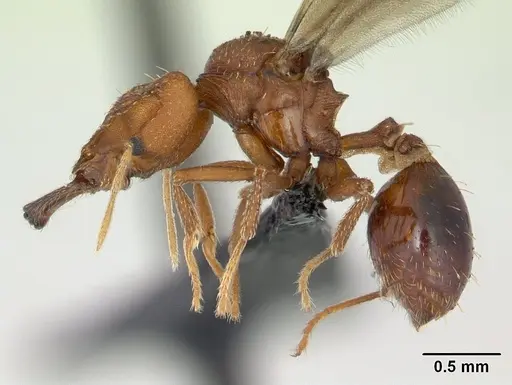
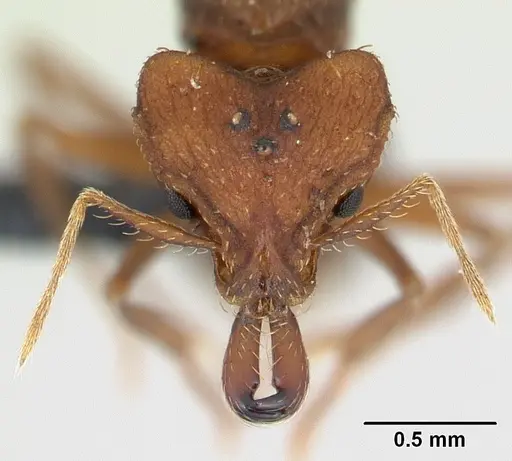
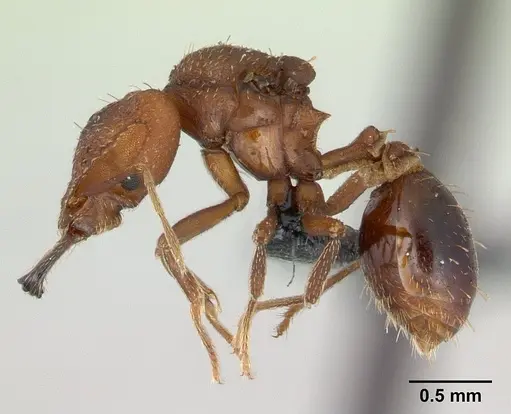
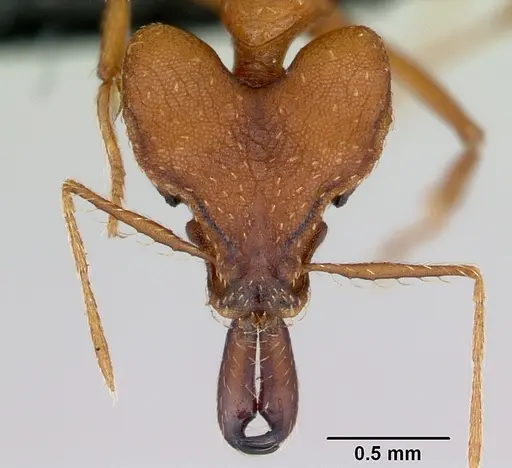
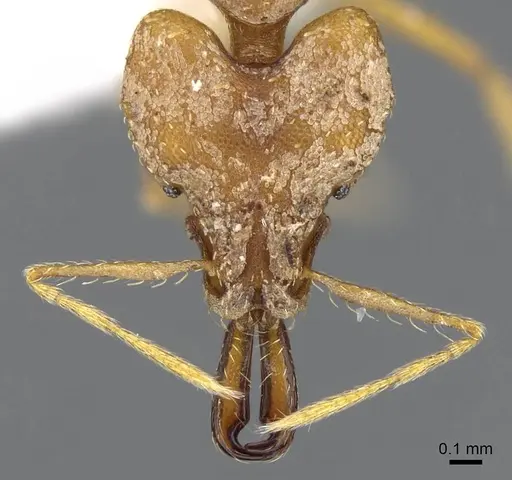
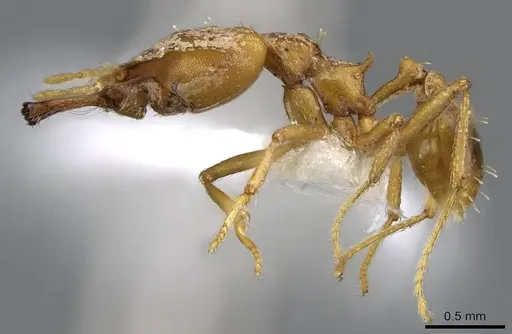
Strumigenys dicomas is a tiny predatory ant native to Madagascar and the Comoros (Mayotte) in the Afrotropical region . Workers measure 3.6-4.2 mm total length and are dull yellow to light brown . This species nests in dead wood on the forest floor, rotten logs, stumps, and downed sticks, and is also common in leaf litter samples . It is the only member of the Strumigenys koningsbergeri group found in the Malagasy region, with a wide distribution across Madagascar . As a ground-dwelling, humid-loving ant, it lives in montane rainforest at elevations from 400 m to 1240 m .
Quick Summary
- Difficulty: Medium
- Origin & Habitat: Native to Madagascar and the Comoros (Mayotte) in the Afrotropical region. Found in montane rainforest at elevations from 400 m to 1240 m [2]. Nests in dead wood on the ground, rotten logs, stumps, downed sticks, and is also found in leaf litter [1].
- Colony Type: Colony structure is unconfirmed. Based on typical Strumigenys patterns, likely monogyne (single queen), but not yet confirmed in the literature.
- Size & Growth:
- Queen: Approximately 3.6-4.2 mm total length (inferred from worker size and paratype data) [1]
- Worker: 3.6-4.2 mm total length [1]
- Colony: Up to a few hundred workers (inferred from related Strumigenys species) [1]
- Growth: Unconfirmed, likely moderate
- Development: Unconfirmed. Based on typical Strumigenys patterns, estimate 6-10 weeks from egg to first worker at optimal temperatures. (Estimated based on genus-level data, specific development times have not been documented for this species.)
- Antkeeping:
- Temperature: Keep at 20-24°C. This species comes from montane rainforest at elevations up to 1240 m, suggesting it prefers moderate temperatures. Avoid temperatures above 28°C [2].
- Humidity: High humidity is essential, these ants live in damp forest floor environments. Keep the nest substrate consistently moist but not waterlogged. Provide a humidity gradient so ants can choose their preferred zone. Mist the outworld occasionally and use a water reservoir in the nest [1].
- Diapause: Diapause requirements are unconfirmed. Given its Madagascar origin (tropical island), a true hibernation is likely not necessary, but a slight cooling period during cooler months may be beneficial.
- Nesting: In captivity, these tiny ants do well in naturalistic setups with moist substrate or test tube setups with a water reservoir. They prefer tight chambers scaled to their small size. A Y-tong (AAC) nest, plaster nest, or soil nest with good moisture retention works well. Avoid dry, airy nests, they need damp conditions [1].
- Behavior: Strumigenys dicomas is a calm, non-aggressive ant that poses no threat to keepers. Workers are active foragers that hunt individually on the forest floor using rapid mandible strikes (trap-jaw) to capture small prey. They rarely sting and are not territorial toward the colony owner. Their tiny size (under 4 mm) means escape prevention is critical, they can squeeze through tiny gaps. Standard barrier methods must be in good condition [1].
- Common Issues: high humidity needs can lead to mold problems if ventilation is poor., tiny size makes escape prevention challenging, use fine mesh and tight-fitting lids., predatory diet means they need live prey, they won't accept sugar water., slow colony growth can frustrate beginners who overfeed and cause mold., wild-caught colonies may have parasites that affect survival in captivity.
Housing and Nest Setup
Strumigenys dicomas is a tiny ant that needs careful housing. For founding colonies, a simple test tube setup works well, ensure the water reservoir is not too large to prevent flooding. As the colony grows, switch to a Y-tong (AAC) nest, plaster nest, or naturalistic setup that holds moisture well. The key is maintaining high humidity while preventing stagnation. Use a small outworld for foraging and feeding. Because of their tiny size (under 4 mm), escape prevention must be excellent, check that all connections are tight and use fine mesh on any ventilation holes [1].
Feeding and Diet
As predatory ants, Strumigenys dicomas needs a protein-based diet of small live prey [1]. Springtails (collembola) are ideal, they match the ants' natural diet of forest floor micro-arthropods. Other accepted prey includes fruit flies, small mealworms, and tiny crickets. Live prey is essential, they typically do not accept sugar water or honey. Feed every 2-3 days, removing uneaten prey to prevent mold. A varied diet helps maintain colony health [1].
Temperature and Humidity
Keep Strumigenys dicomas at moderate temperatures of 20-24°C [2]. This species comes from montane Madagascar where temperatures are cooler than lowland tropical areas. Avoid heat sources that push temperatures above 28°C. Humidity is critical, these forest floor ants need damp conditions. The nest substrate should feel consistently moist but never waterlogged. Provide a humidity gradient by having one side of the nest slightly drier. Use a water tube or gel reservoir to maintain moisture. Poor humidity leads to colony decline and death [2][1].
Colony Development
Colony development in Strumigenys dicomas is likely slower than many common ant species. Queens are approximately the same size as workers (3.6-4.2 mm) and are dealate (wingless) when founding colonies [1]. The first workers (nanitics) will be smaller than mature workers. Expect 6-10 weeks from egg to first worker at optimal temperatures, this is estimated based on related species, not directly documented for this species. Mature colonies likely reach up to a few hundred workers. Patience is key, these ants grow slowly and stress easily during founding. Avoid disturbing the queen during the founding phase [1].
Behavior and Temperament
Strumigenys dicomas is a calm, non-aggressive ant that poses no threat to keepers [1]. Workers are active foragers that hunt individually on the forest floor using rapid mandible strikes (trap-jaw) to capture small prey. They are not territorial or aggressive toward the colony owner. The main concern is their tiny size, while they cannot sting effectively, they can escape through remarkably small gaps. Standard ant farm barriers are usually sufficient, but double-check for gaps. These ants are diurnal foragers, most active during the day [1].
Frequently Asked Questions
How long does it take for Strumigenys dicomas to produce first workers?
The exact timeline is unconfirmed. Based on typical Strumigenys development, expect 6-10 weeks from egg to first worker at optimal temperatures (20-24°C). The founding phase requires patience, do not disturb the queen during this time [1].
What do Strumigenys dicomas ants eat?
These are predatory ants that need live protein prey [1]. Feed them springtails (collembola), fruit flies, small mealworms, or tiny crickets. They are strict predators and do not typically accept sugar water or honey. Live prey is essential for colony growth and health [1].
Can I keep Strumigenys dicomas in a test tube setup?
Yes, test tubes work well for founding colonies. Ensure the water reservoir is appropriately sized to prevent flooding, and maintain high humidity. Transfer to a larger nest once the colony outgrows the test tube, showing signs like workers spending more time in the outworld or the water reservoir depleting quickly [1].
What temperature is best for Strumigenys dicomas?
Keep them at 20-24°C. This species comes from montane Madagascar and prefers moderate temperatures. Avoid temperatures above 28°C, as heat stress can kill colonies [2][1].
How big do Strumigenys dicomas colonies get?
Colony size is unconfirmed for this species, but related Strumigenys species typically reach up to a few hundred workers. Growth is relatively slow compared to common ant species, so patience is required [1].
Do Strumigenys dicomas need hibernation?
Diapause requirements are unconfirmed. Given their Madagascar origin (a tropical island), a true hibernation is likely not necessary. However, a slight cooling period during winter months may be beneficial. Monitor colony activity and adjust accordingly [1].
Why are my Strumigenys dicomas dying?
Common causes include low humidity (they need damp conditions), poor diet (they need live prey), temperature stress (too hot or too cold), and disturbance during founding. Ensure proper humidity, feed live prey, and avoid moving the nest during early colony development [1].
Are Strumigenys dicomas good for beginners?
This species is rated as medium difficulty. While not aggressive, they have specific humidity and dietary requirements that make them more challenging than common species like Lasius or Camponotus. They require live prey and high humidity, which beginners may find challenging [1].
When should I move Strumigenys dicomas to a formicarium?
Wait until the colony has outgrown the test tube. Signs include workers spending more time in the outworld, the water reservoir depleting quickly, or the nest becoming visibly crowded. Use a nest with good moisture retention, such as Y-tong (AAC) or plaster [1].
Report an Issue
The current care sheet is based fully on literature. See inconsistencies, or something that's incorrect? Please , it will be resolved after review from an admin. Contributing to the blogs tab also helps providing information, to make us be able to further improve the caresheets. Thank you for your support!
References

This caresheet is licensed under CC BY-SA 4.0 .
Community Blogs
CASENT0005518
View on AntWeb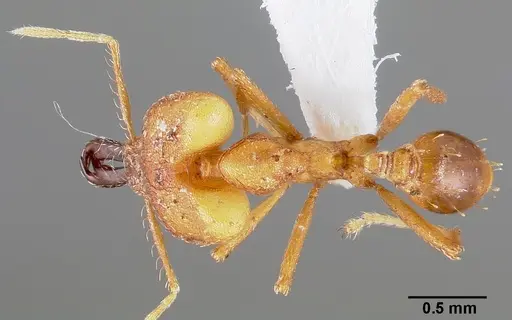
CASENT0005519
View on AntWeb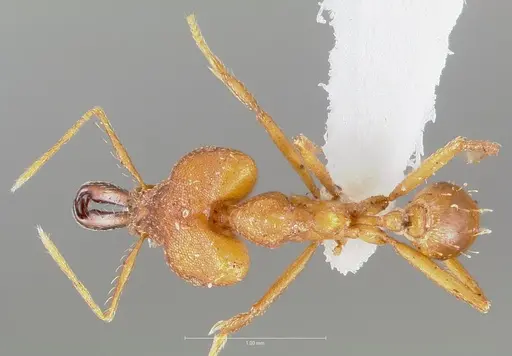
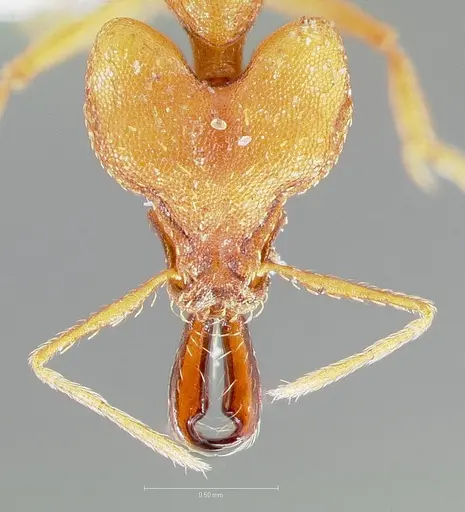
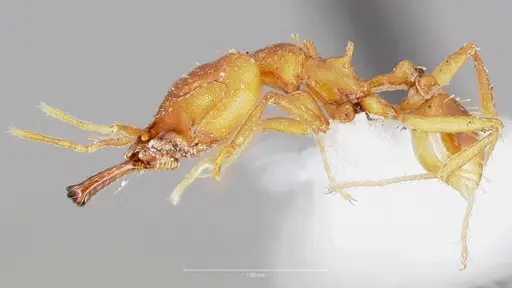
CASENT0005520
View on AntWeb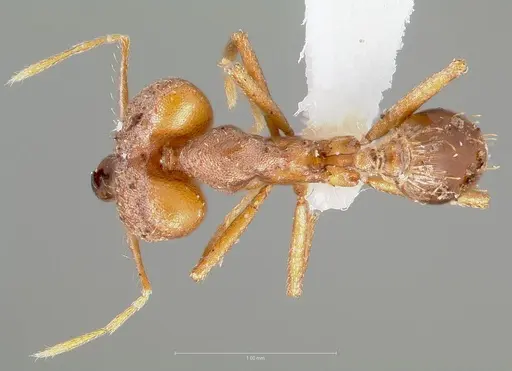
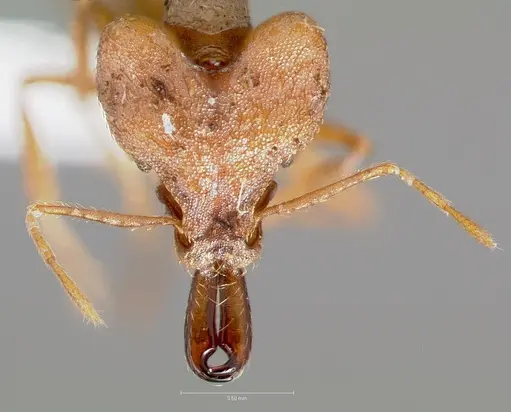
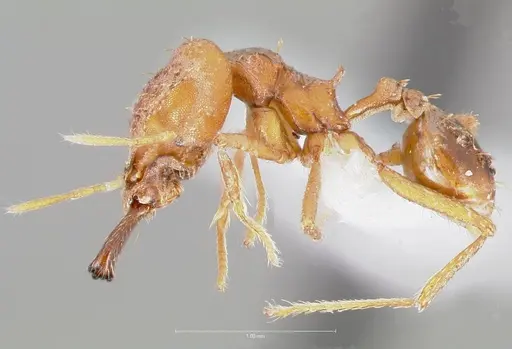
CASENT0005521
View on AntWeb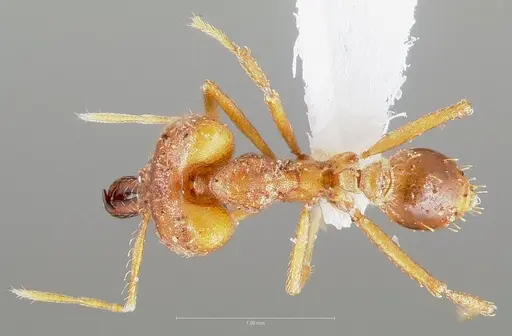
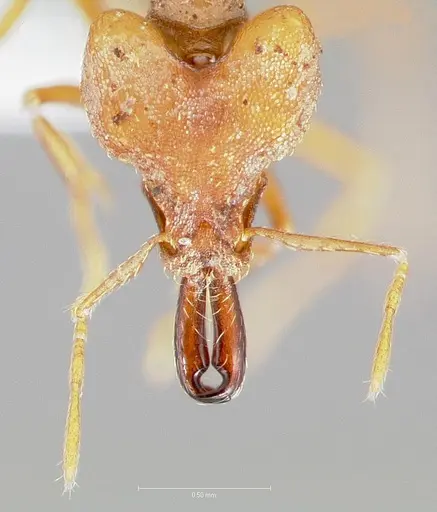
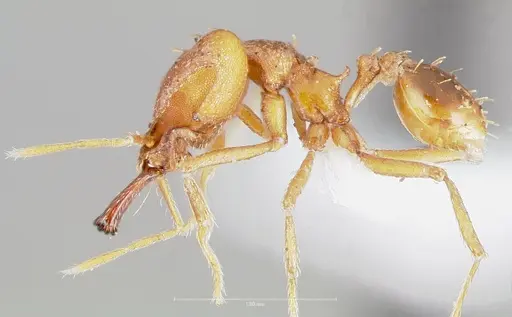
CASENT0052908
View on AntWeb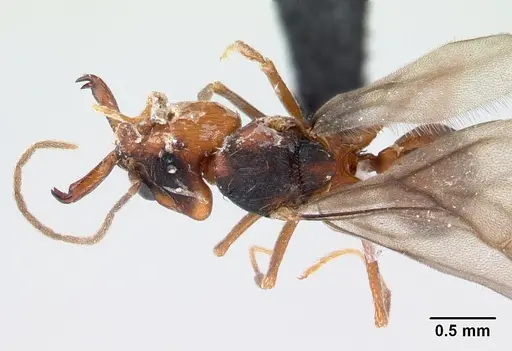
CASENT0133607
View on AntWeb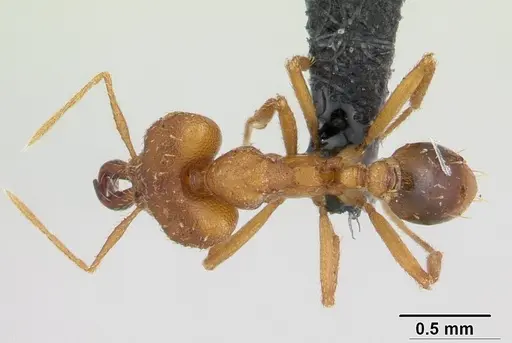
CASENT0135118
View on AntWeb
CASENT0137196
View on AntWeb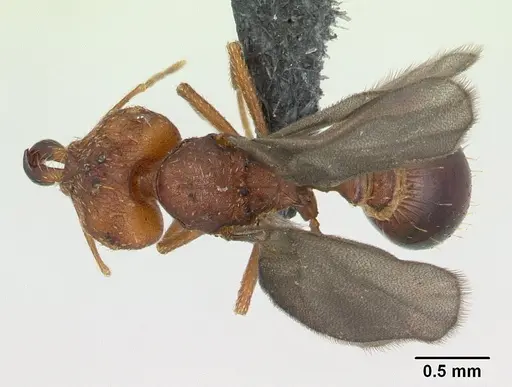
CASENT0137544
View on AntWeb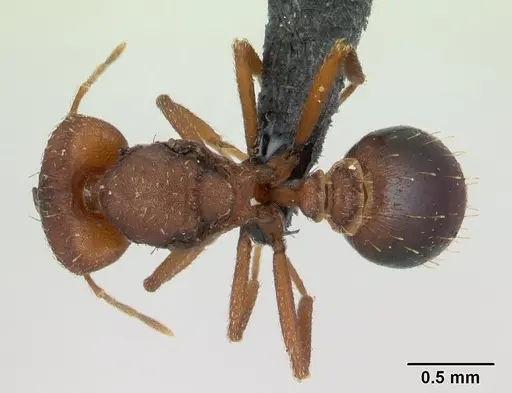
CASENT0499800
View on AntWeb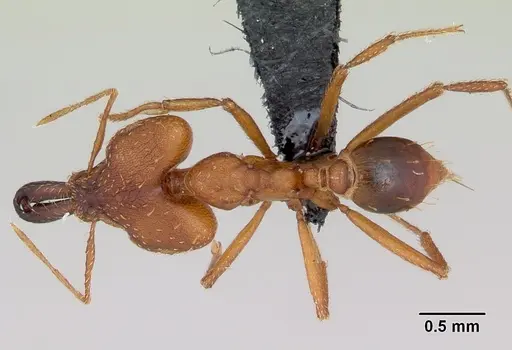
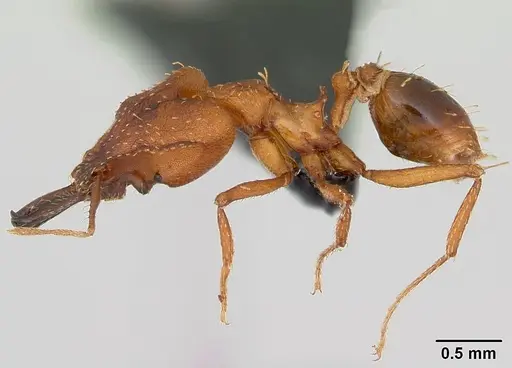
CASENT0900701
View on AntWeb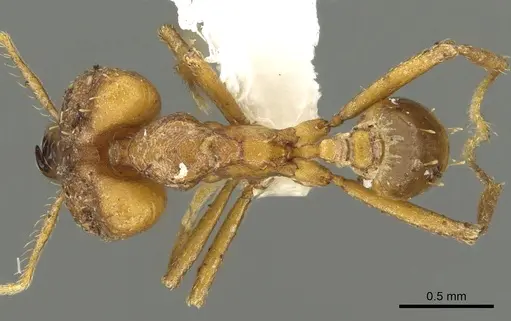
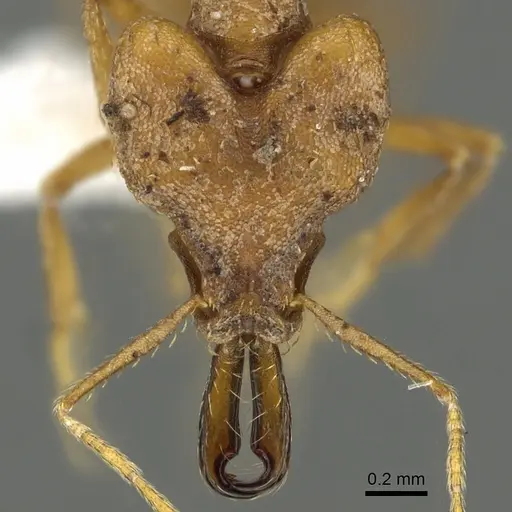
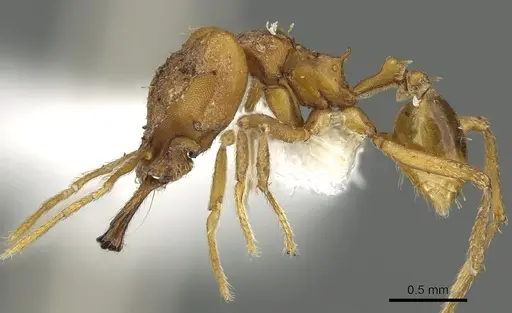
CASENT0914764
View on AntWeb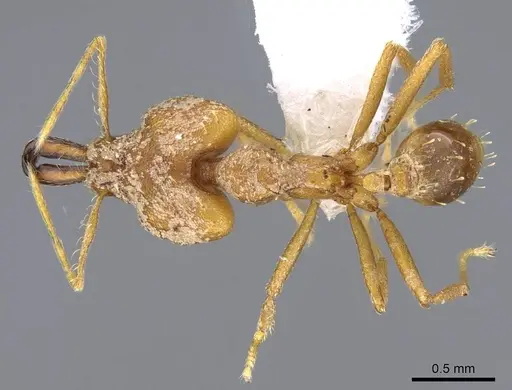
Literature
Loading distribution map...Loading products...