
Strumigenys creightoni
- Sci. Name
- Strumigenys creightoni
- Tribe
- Attini
- Subfamily
- Myrmicinae
- Author
- Smith, 1931
- Distribution
- Found in 1 countries
Introduction
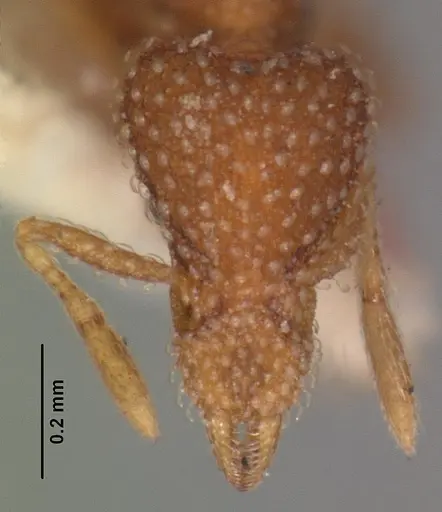
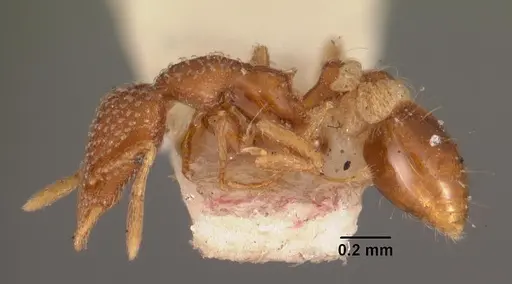
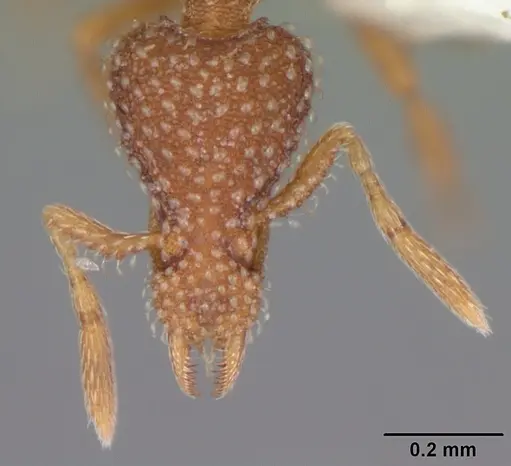
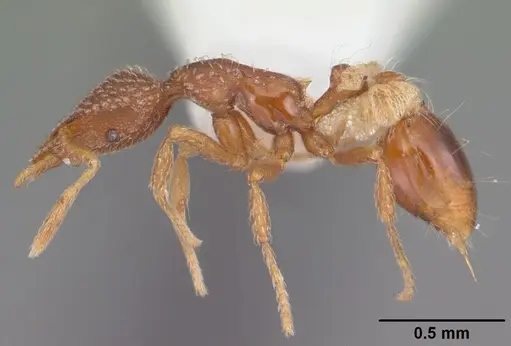
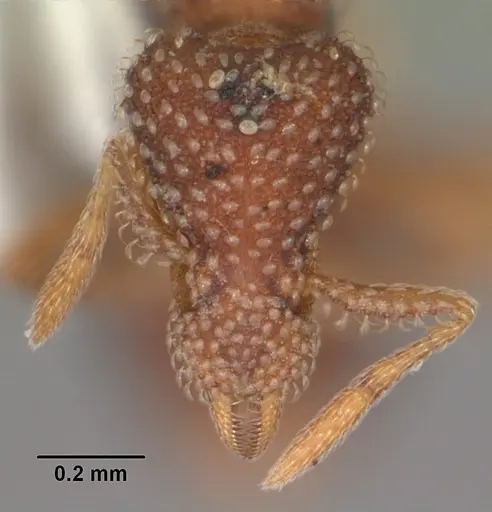
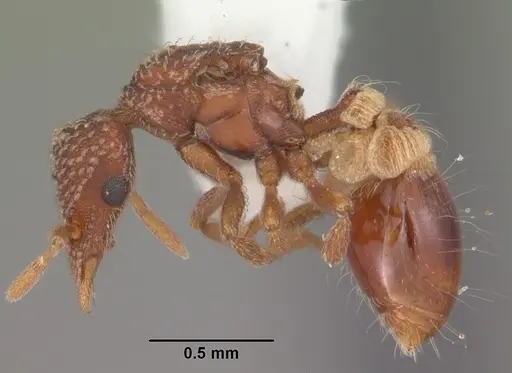
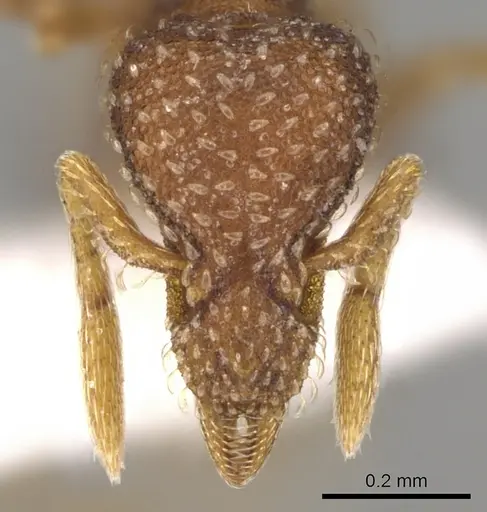
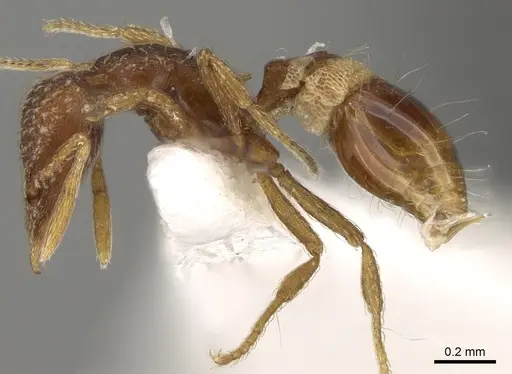
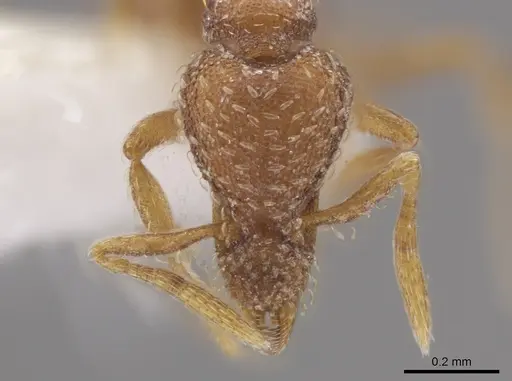
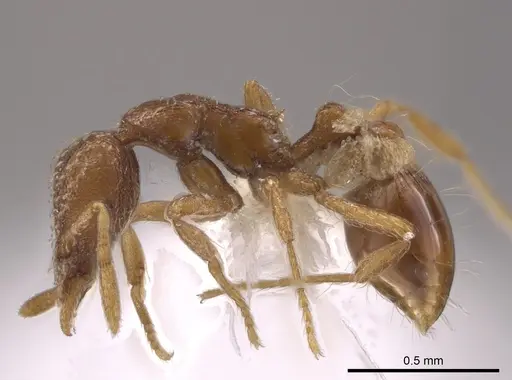
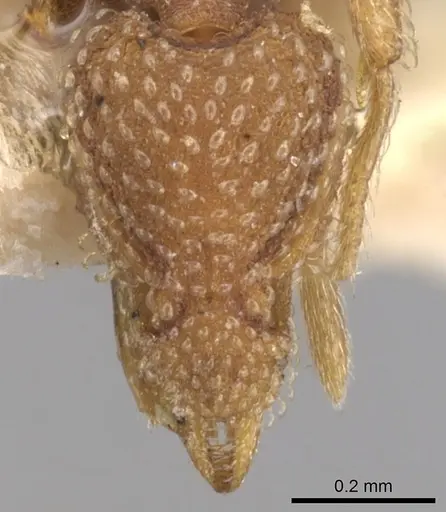
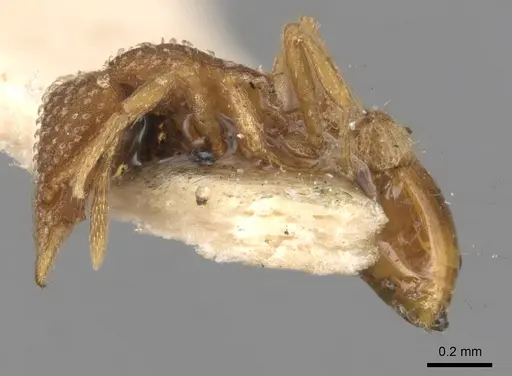
Strumigenys creightoni is an extremely tiny ant, measuring just 2.0-2.4mm in total length . Workers have a distinctive appearance with dense, spoon-shaped ground pilosity covering the head and body, giving them a fuzzy look . The species belongs to the Strumigenys pulchella group and is native to the southeastern United States, ranging from Alabama and Georgia north to Virginia, Maryland, and Ohio . This is a litter-dwelling species found in oak-scrub, upland woodland, old fields, pine forests, and dry oak woods, where it forages in the decaying leaf layer . The genus Strumigenys belongs to the tribe Attini, the fungus-growing ants, but this species, like most Strumigenys, is a specialized predator rather than a fungus grower.
Quick Summary
- Difficulty: Medium
- Origin & Habitat: Southeastern United States (Alabama, Georgia, Tennessee, North Carolina, Florida, Mississippi, Arkansas, Virginia, Maryland, Ohio, South Carolina). Found in oak-scrub, upland woodland, old fields, pine forests, pine-hardwood forests, and dry oak woods [1][2][3].
- Colony Type: Colony structure is unconfirmed. Only known from small numbers of workers in leaf litter samples, suggesting small colonies typical of litter-dwelling ants [1].
- Size & Growth:
- Queen: Size data unavailable [1]
- Worker: 2.0-2.4mm total length [1]
- Colony: Likely very small, only 1-2 individuals typically collected in surveys [3][4]
- Growth: Unknown, likely slow like other Strumigenys species
- Development: Unknown, no data available, based on other Strumigenys may take several weeks to months (Development timeline not directly studied. Litter-dwelling ants typically develop slowly.)
- Antkeeping:
- Temperature: Keep around 20-24°C. Provide a gentle temperature gradient so ants can self-regulate [1].
- Humidity: High humidity preferred, these are forest floor ants from damp leaf litter. Keep substrate consistently moist but not waterlogged [1].
- Diapause: Likely requires a winter rest period (diapause) given temperate distribution. Reduce temperature to 10-15°C for 2-3 months during winter.
- Nesting: Natural nesting occurs in leaf litter and rotting wood fragments. In captivity, use a naturalistic setup with moist substrate (soil/plaster mix), or a Y-tong/plaster nest with small chambers. Provide plenty of hiding spaces and clutter.
- Behavior: This is a very shy, non-aggressive species that avoids confrontation. Workers are slow-moving and forage individually through leaf litter. They have a functional stinger but it is too small to affect humans and they rarely use it. Escape prevention is critical, their tiny size means they can squeeze through standard barriers [1].
- Common Issues: tiny size makes escape likely without fine mesh barriers, small colony sizes in the wild suggest they are slow to establish in captivity, high humidity requirements can lead to mold problems if ventilation is poor, specialized diet means they may refuse standard ant foods, limited available information makes captive care more challenging
Housing and Nest Setup
Strumigenys creightoni requires a setup that mimics their natural leaf litter habitat. A naturalistic terrarium-style formicarium works best, use a mix of soil and organic material (coco fiber, leaf litter fragments) kept consistently moist. The enclosure should have plenty of surface area with hiding structures like cork bark, leaves, and small twigs. Because they are so tiny, standard test tube setups are too large and open, they need a more enclosed space with small chambers. A plaster or Y-tong nest with narrow tunnels can work if the chambers are appropriately sized. Always use excellent escape prevention, these ants can squeeze through gaps as small as 0.5mm. Apply fluon to all edges and use fine mesh on any ventilation holes [1].
Feeding and Diet
Strumigenys ants are specialized predators that hunt tiny arthropods. In captivity, offer small live prey such as springtails, tiny mites, fruit fly larvae, and other micro-arthropods. They are unlikely to accept sugar water or honey due to their predatory nature. Feed small prey items regularly, removing any uneaten prey after 24 hours to prevent mold. Because of their tiny size, even a fruit fly is large prey, consider chopping it into smaller pieces. Some keepers report success with diluted honey or sugar water, but this should only be offered occasionally as a supplement, not a primary food source. Observe your colony closely to determine what they accept [1].
Temperature and Seasonal Care
Keep the colony at room temperature (20-24°C) with a gentle gradient so workers can move between temperatures. A heating cable on one side of the nest can create this gradient, but avoid direct heat on the nest material. These ants come from temperate regions and likely experience seasonal changes in the wild. During winter (roughly November-February), reduce temperature to 10-15°C for 2-3 months to allow for diapause, this mimics the natural winter rest period and helps maintain healthy colony cycles. Do not feed heavily during diapause and reduce moisture slightly. Return to normal temperatures gradually in spring. Avoid temperature extremes and sudden fluctuations, as these can stress the colony [1].
Handling and Observation
These ants are extremely small and fragile, handling is not recommended. If you need to move them (for cleaning or transfer), use soft-bristled brushes or allow them to walk into a small container. They have a functional stinger but are not defensive towards humans, their tiny size means stings are harmless, and their main defense is fleeing and hiding. Observation is best done through the sides of a naturalistic setup where you can watch them forage through the leaf litter layer. Their slow, deliberate movement makes them fascinating to observe as they hunt tiny prey [1].
Frequently Asked Questions
How long does it take for Strumigenys creightoni to raise their first workers?
The exact development timeline is unknown. Based on related Strumigenys species, it likely takes several weeks to months from egg to worker at optimal temperature. Litter-dwelling ants often develop more slowly than surface-foraging species. Be patient, these colonies grow slowly even under ideal conditions.
Can I keep Strumigenys creightoni in a test tube setup?
Test tubes are generally too large and open for these tiny ants. A naturalistic setup with moist substrate and small chambers works better. If using a formicarium, ensure the tunnels and chambers are appropriately sized, too large and the ants will feel exposed and stressed.
What do Strumigenys creightoni eat?
They are specialized predators that hunt tiny arthropods. Feed them live springtails, tiny mites, fruit fly larvae, and other micro-arthropods. They are unlikely to accept sugar sources as a primary food. Acceptance of sugar water is uncertain, offer occasionally but do not rely on it.
Are Strumigenys creightoni good for beginners?
This species is rated as medium difficulty. While they are not aggressive, their tiny size, specialized diet, and specific humidity requirements make them better suited for keepers with some experience. Their slow growth and small colony sizes require patience.
How big do Strumigenys creightoni colonies get?
Based on field surveys, workers are found singly or in small numbers, suggesting very small colonies, likely well under 100 workers even at maturity [3][4]. Exact colony size is unknown.
Do Strumigenys creightoni need hibernation?
Yes, likely. Given their temperate distribution across the southeastern United States, they probably require a winter rest period. Reduce temperature to 10-15°C for 2-3 months during winter months (roughly November-February in the Northern Hemisphere).
Why are my Strumigenys creightoni dying?
Common causes include: escape through tiny gaps (check all barriers), mold from excessive humidity without ventilation, stress from too-large foraging spaces, and starvation due to inappropriate prey size. Ensure prey items are tiny (springtail-sized or smaller) and that the setup has adequate but not excessive moisture.
When should I move Strumigenys creightoni to a formicarium?
Start them in a small, enclosed setup (like a small plastic container with moist substrate). Move to a larger naturalistic terrarium only when the colony is clearly outgrowing the current setup and is thriving. They prefer cluttered, complex environments with many hiding spots.
Can I keep multiple queens of Strumigenys creightoni together?
This has not been documented. Based on typical Strumigenys behavior, single-queen colonies are most likely. Combining unrelated queens is not recommended without evidence that they can coexist peacefully.
Report an Issue
The current care sheet is based fully on literature. See inconsistencies, or something that's incorrect? Please , it will be resolved after review from an admin. Contributing to the blogs tab also helps providing information, to make us be able to further improve the caresheets. Thank you for your support!
References

This caresheet is licensed under CC BY-SA 4.0 .
Community Blogs
CASENT0102540
View on AntWeb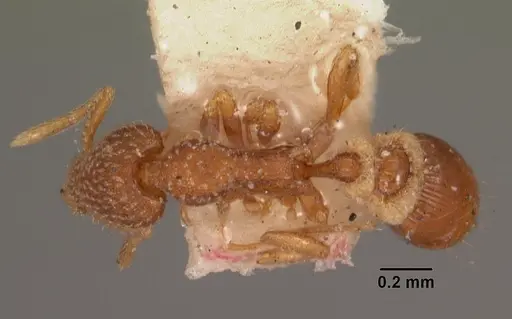
CASENT0104332
View on AntWeb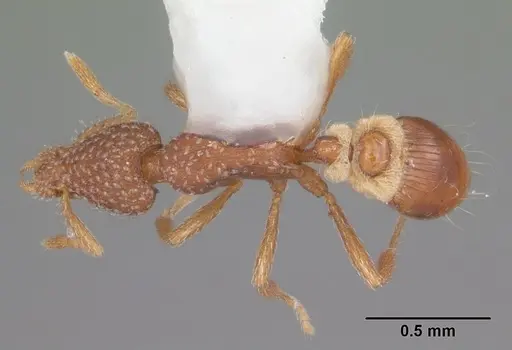
CASENT0104333
View on AntWeb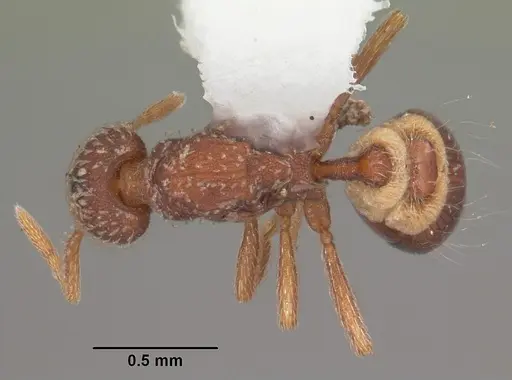
CASENT0281181
View on AntWeb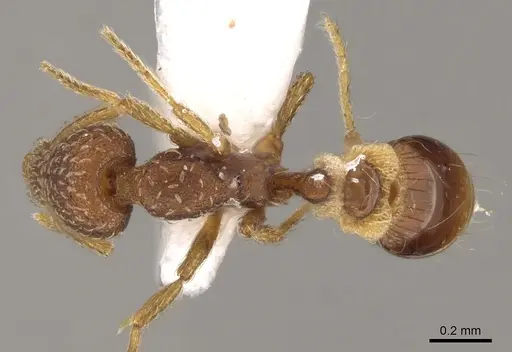
CASENT0648350
View on AntWeb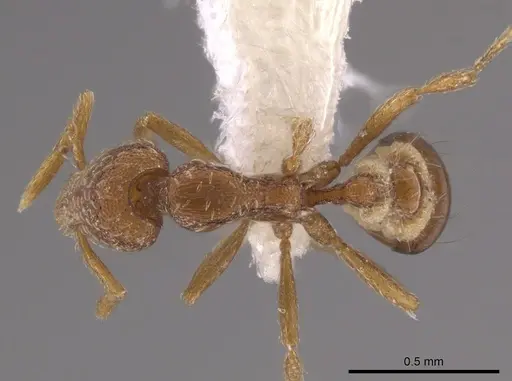
CASENT0900170
View on AntWeb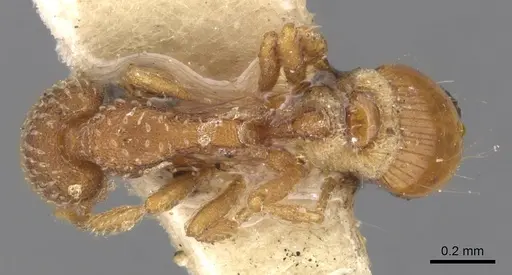
Literature
Loading distribution map...Loading products...