
Strumigenys cosmostela
- Sci. Name
- Strumigenys cosmostela
- Tribe
- Attini
- Subfamily
- Myrmicinae
- Author
- Kempf, 1975
- Distribution
- Found in 6 countries
Introduction
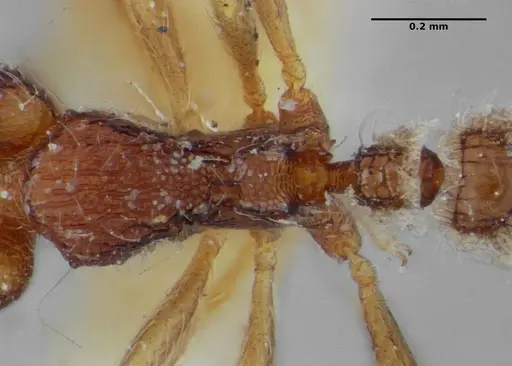
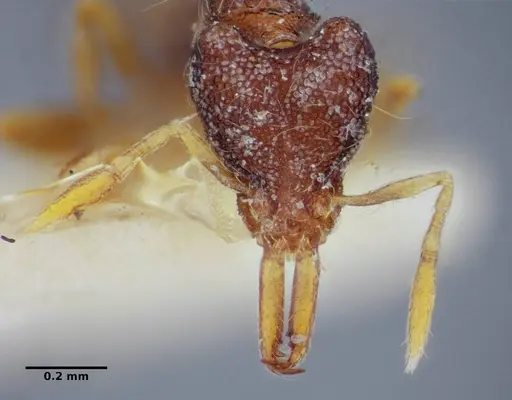
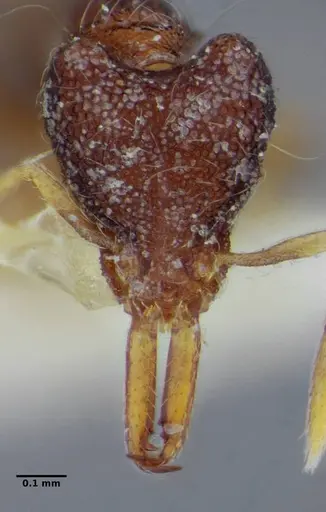
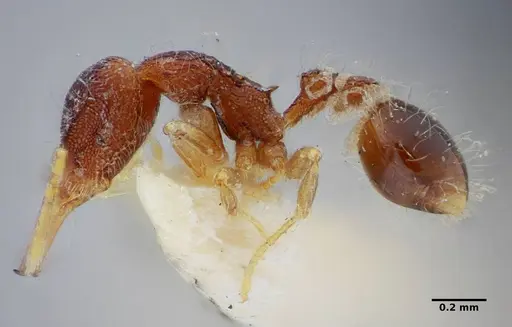
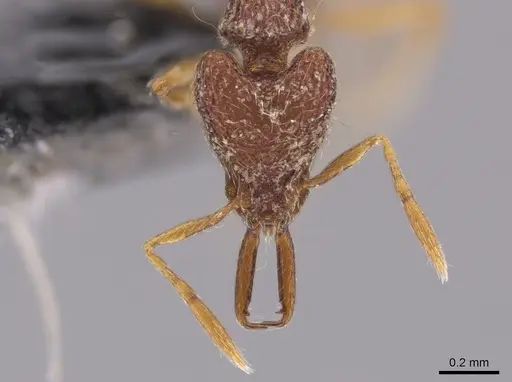
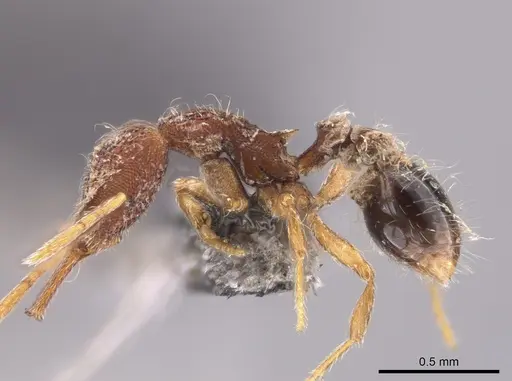
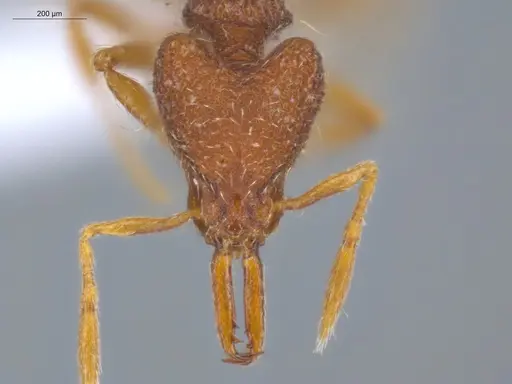
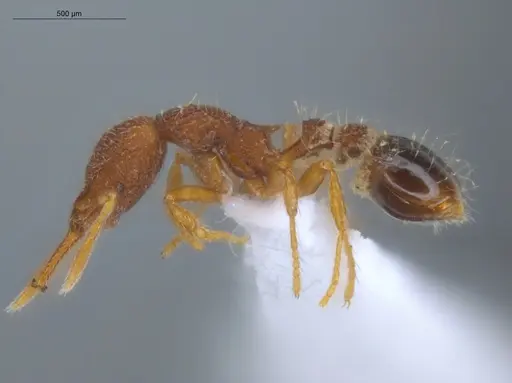
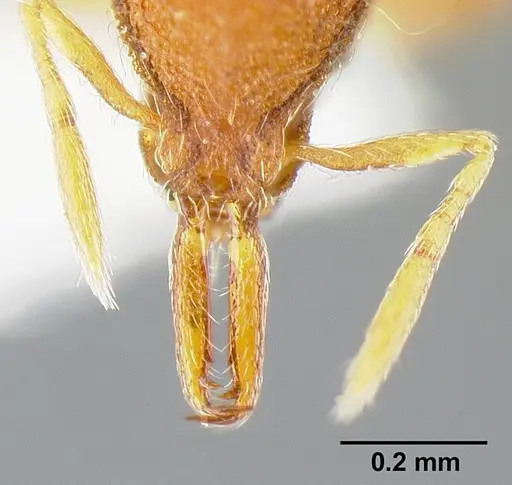
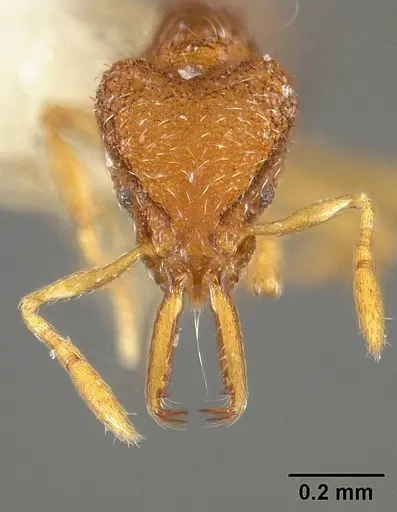
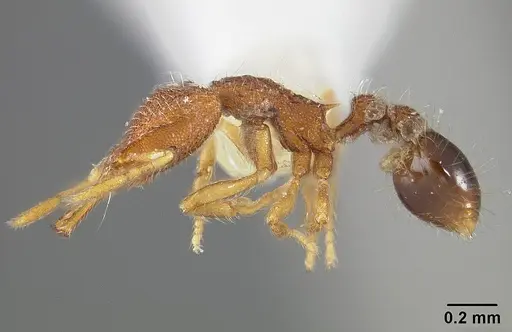
Strumigenys cosmostela is a tiny predatory ant, with workers measuring 2.2-2.5 mm in total length . Workers have closely spaced mandibular insertions and use a kinetic hunting mode to snap their trap-like mandibles shut on prey . This species belongs to the Strumigenys hindenburgi group and shows variable pronotal sculpture - some populations have strong longitudinal rugae, others are more reticulate-punctate . It lives in lowland wet forests across Central and South America, mainly in leaf litter and soil on the forest floor . A particularly unusual trait: winged queens have been completely replaced by ergatoid (wingless) queens. These are modified workers that can take over as the main reproductive if the primary queen dies .
Quick Summary
- Difficulty: Hard
- Origin & Habitat: Native to the Neotropical region: Brazil, Colombia, Costa Rica, Ecuador, French Guiana, Guatemala, Honduras, Mexico, Peru, Venezuela. Found in lowland wet forests, living in leaf litter and soil on the forest floor [1].
- Colony Type: Colonies contain ergatoid (wingless) queens that have completely replaced winged queens. Ergatoids are modified workers that become reproductive and can take over egg‑laying if needed [3]. The colony structure appears to be monogyne (single reproducing queen) with ergatoid backup reproductives.
- Size & Growth:
- Queen: Ergatoid queens measure 2.87-3.04 mm total length [3]
- Worker: Workers are 2.2-2.5 mm total length [1]
- Colony: Colony size in the wild is not well documented, they are considered relatively common in leaf‑litter samples, but colonies likely remain modest [1]
- Growth: Unknown, likely slow given their small size and specialized predatory diet
- Development: Unknown, no direct development data available for this species (Development timeline has not been studied. Related Strumigenys species typically take several months from egg to worker.)
- Antkeeping:
- Temperature: Keep at room temperature around 20-24 °C. This species comes from tropical lowland wet forests, so they prefer warm, stable conditions [1].
- Humidity: Requires high humidity, think damp forest floor. Keep the nest substrate consistently moist but not waterlogged. These leaf‑litter ants are sensitive to drying out.
- Diapause: Tropical species, likely does not require a true diapause, but may reduce activity during cooler periods.
- Nesting: Natural nesting occurs in leaf litter and soil. In captivity, a small test‑tube setup with good humidity works for founding, or a naturalistic setup with moist substrate. The key is maintaining high humidity while allowing some ventilation [1].
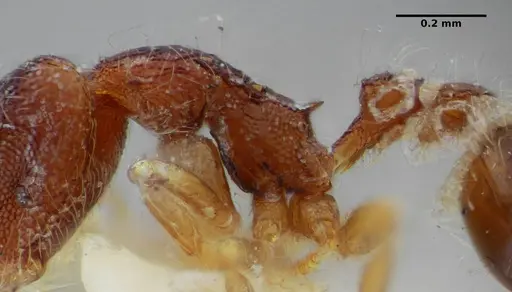
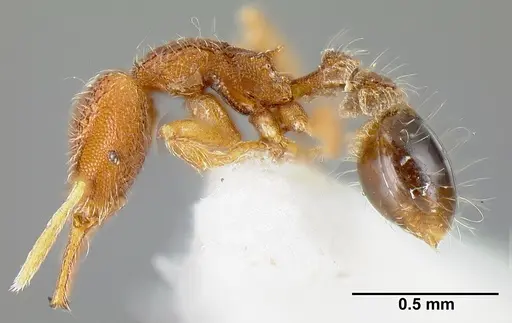
- Behavior: These ants are specialized predators that use a kinetic hunting mode, their mandibles snap shut rapidly to capture small prey [2]. They are tiny (≈2.5 mm), so escape prevention is critical. They have spongiform tissue on their waist segments which helps them retain moisture [2]. Workers are docile and not aggressive toward keepers. They move slowly and spend most of their time hunting micro‑prey in the leaf litter layer.
- Common Issues: tiny size means escapes are likely without fine mesh barriers, they can easily slip through standard test tube openings, high humidity requirements can lead to mold problems if ventilation is poor, slow growth and small colony sizes may frustrate keepers expecting rapid development, predatory diet makes them challenging to feed, they need live micro‑prey, wild‑caught colonies may have parasites that can cause problems in captivity
Housing and Nest Setup
Strumigenys cosmostela is a tiny leaf‑litter ant that requires high humidity and small‑scale housing. A small test‑tube setup works well for founding colonies, but you must use excellent escape prevention, these ants are extremely small and can squeeze through gaps that seem impossible. For established colonies, a small naturalistic setup with moist substrate (a mix of soil and leaf litter) works well. The key is maintaining high humidity without creating stagnant air, use adequate ventilation while keeping the substrate damp. Avoid large open spaces, these ants prefer tight, confined spaces that mimic their natural leaf‑litter environment [1].
Feeding and Diet
This species is a specialized predator that uses kinetic mandibles to capture small prey [2]. In captivity, their primary food should be tiny live prey such as springtails, small mites, and other micro‑arthropods. They are unlikely to accept larger prey items or sugar sources, Strumigenys species are obligate predators that have evolved specialized hunting strategies for capturing tiny soil fauna. Feed small prey items every few days, removing any uneaten prey to prevent mold. Do not rely on honey or sugar water, these ants are not interested in carbohydrate sources. The key is providing a constant supply of appropriately sized live prey [2].
Temperature and Humidity
As a tropical lowland wet forest species, Strumigenys cosmostela requires warm and humid conditions. Keep temperatures in the range of 20-24 °C, avoiding temperature extremes. High humidity is critical, the substrate should remain consistently moist but never waterlogged. These ants have spongiform tissue on their waist segments that helps them retain moisture, indicating they are adapted to humid environments [2]. A simple way to maintain humidity is to keep the nest in a larger enclosure with a damp substrate, or use a test‑tube setup with a water reservoir. Monitor for condensation as an indicator of humidity levels. Avoid placing the nest near heating elements that could dry out the environment.
Colony Structure and Reproduction
One of the most fascinating aspects of Strumigenys cosmostela is its unique reproductive system. This species has completely lost winged queens, instead, ergatoid (wingless) queens have replaced them entirely [3]. Ergatoids are modified workers that have become reproductive, they have larger compound eyes compared to regular workers and a slightly larger mesosoma to accommodate reproductive organs. Unlike winged queens, ergatoids cannot fly but can still disperse on foot and establish new colonies. If the primary reproductive dies, an ergatoid can take over egg‑laying duties [3]. This means your colony will not produce nuptial flights, instead, new ergatoids may appear within the colony to serve as replacement reproductives.
Behavior and Temperament
Strumigenys cosmostela workers are docile and non‑aggressive. They are slow‑moving hunters that spend their time searching through leaf litter for small prey. Their mandibles are specialized for capturing tiny arthropods, they use a kinetic striking mechanism where the mandibles snap shut rapidly when triggered [2]. Workers are small at about 2.5 mm and have distinctive spongiform tissue on their waist segments. They are not defensive and pose no threat to keepers. However, their tiny size means they are excellent escape artists, always use fine mesh barriers and check for any gaps in your setup. These ants are best observed under magnification due to their small size.
Frequently Asked Questions
How long does it take for Strumigenys cosmostela to produce first workers?
The development timeline for this species has not been studied. Based on related Strumigenys species, expect several months from founding to first workers. Be patient, these tiny ants grow slowly.
Can I keep multiple Strumigenys cosmostela queens together?
This species has ergatoid (wingless) replacement queens rather than multiple founding queens. The colony structure appears to be monogyne with ergatoid backup reproductives. Combining unrelated foundresses is not recommended and has not been documented.
What do Strumigenys cosmostela ants eat?
They are specialized predators that need live micro‑prey. Feed tiny live prey such as springtails, small mites, and other micro‑arthropods. They do not accept sugar sources or large prey items. This is an obligate predator species [2].
Are Strumigenys cosmostela good for beginners?
This species is rated hard. While they are docile and fascinating, their high humidity requirements, tiny size (escape risk), and specialized predatory diet make them better suited for experienced keepers who are comfortable with tropical leaf‑litter ants.
Do Strumigenys cosmostela need hibernation?
As a tropical species from lowland wet forests, they do not require a true hibernation period. They may reduce activity during cooler periods but will remain active year‑round if kept warm.
Why are my Strumigenys cosmostela escaping?
Their tiny size (around 2.5 mm) makes them excellent escape artists. Use fine mesh barriers and check all connections and lid edges. Even small gaps that seem insignificant can allow escape.
How big do Strumigenys cosmostela colonies get?
Colony size in the wild is not well documented. They are considered relatively common in leaf‑litter samples but typically occur in small colonies. Expect modest colony sizes even in established colonies.
What makes Strumigenys cosmostela different from other ants?
This species has completely lost winged queens, reproduction is handled by ergatoid (wingless) queens that develop from workers [3]. They also have specialized kinetic mandibles for snapping shut on prey [2] and spongiform tissue on their waist to retain moisture [2].
Report an Issue
The current care sheet is based fully on literature. See inconsistencies, or something that's incorrect? Please , it will be resolved after review from an admin. Contributing to the blogs tab also helps providing information, to make us be able to further improve the caresheets. Thank you for your support!
References

This caresheet is licensed under CC BY-SA 4.0 .
Community Blogs
ANTWEB1032496
View on AntWeb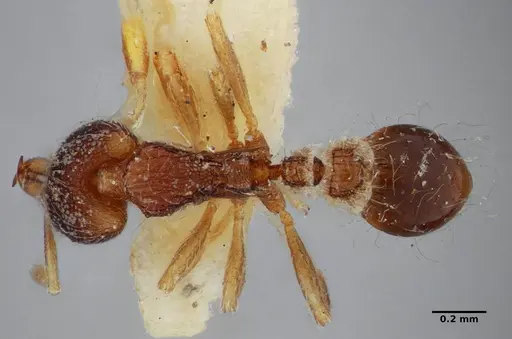
CASENT0653693
View on AntWeb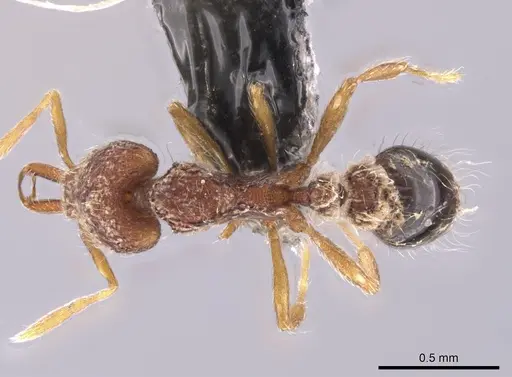
ECOFOG-IT14-0253-41
View on AntWeb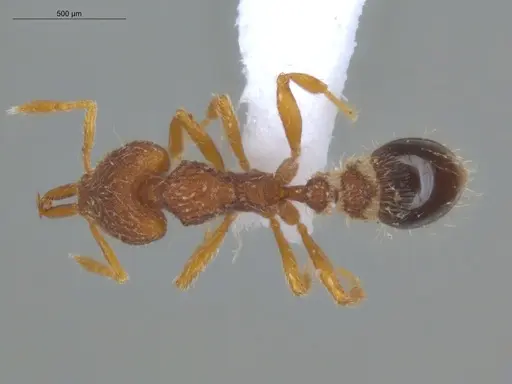
INBIOCRI001242016
View on AntWeb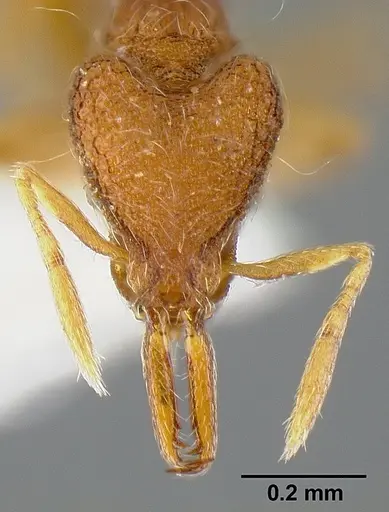
USNMENT00441331
View on AntWeb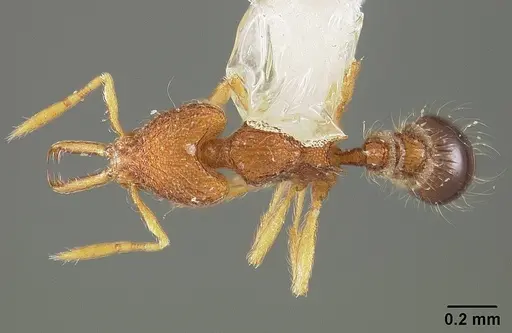
Literature
Loading distribution map...Loading products...