
Strumigenys cordovensis
- Sci. Name
- Strumigenys cordovensis
- Tribe
- Attini
- Subfamily
- Myrmicinae
- Author
- Mayr, 1887
- Distribution
- Found in 10 countries
Introduction
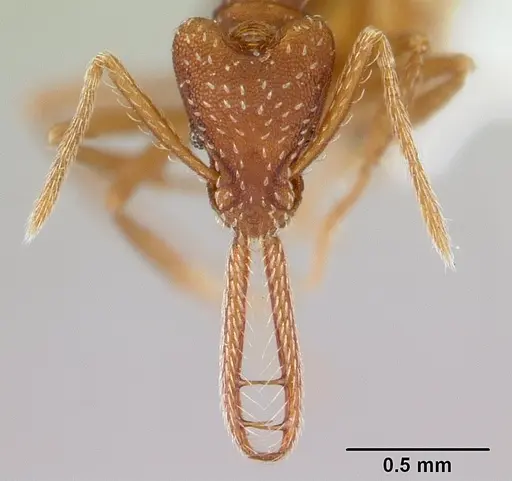
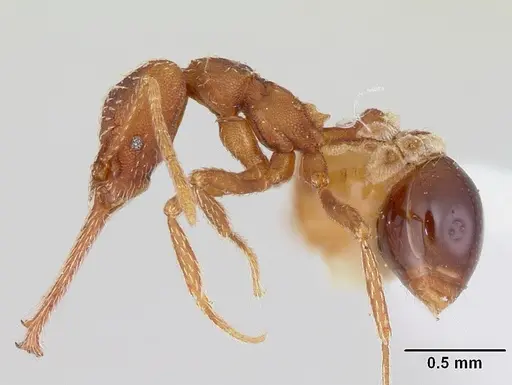
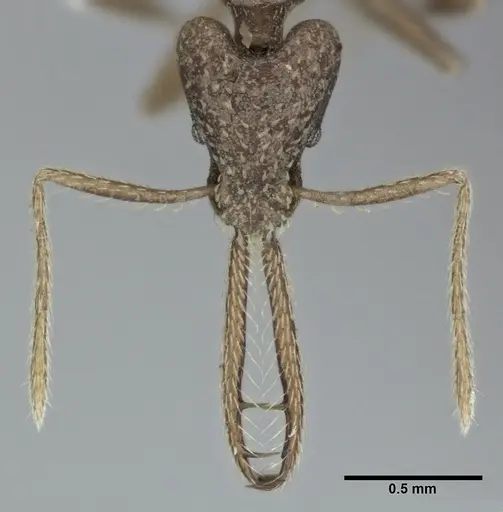
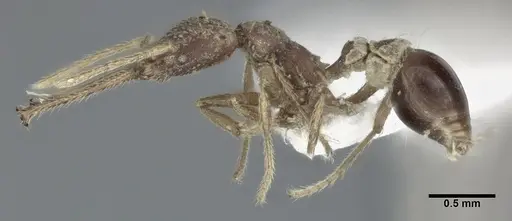
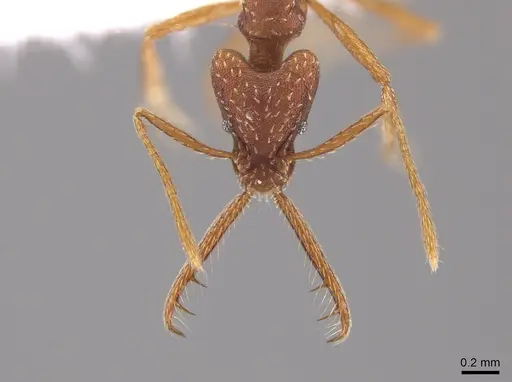
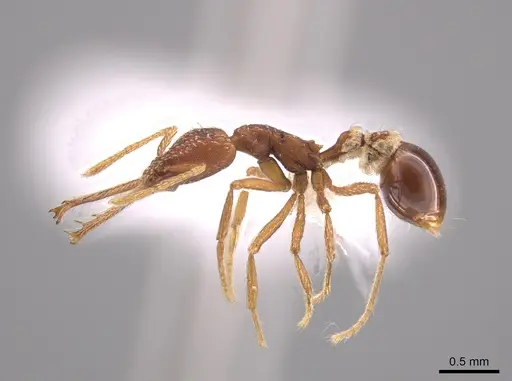
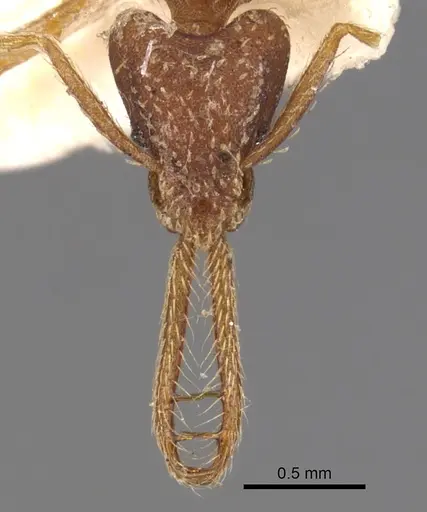
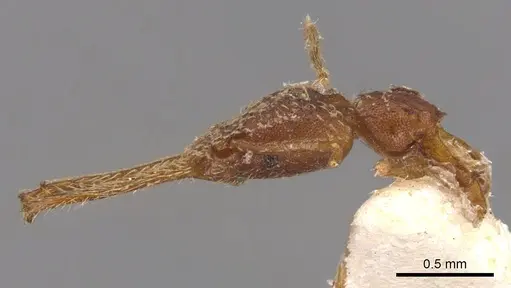
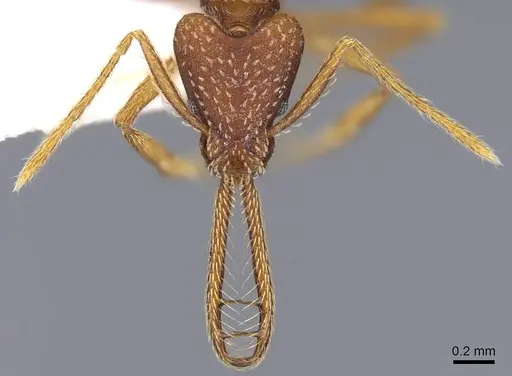
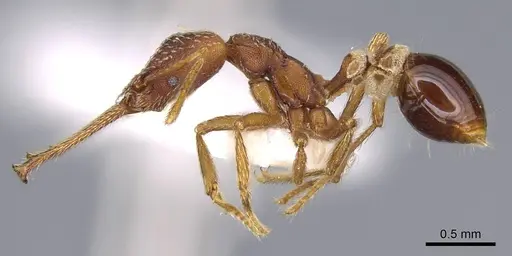
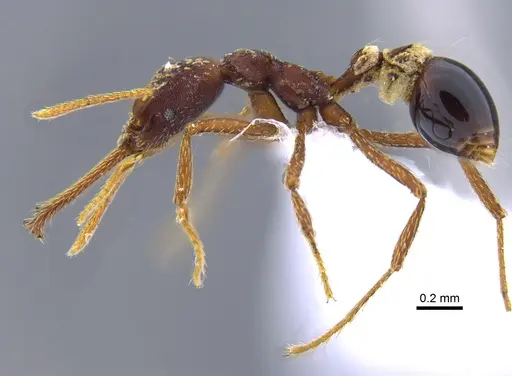
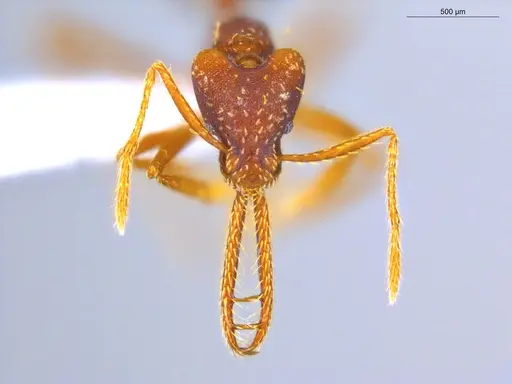
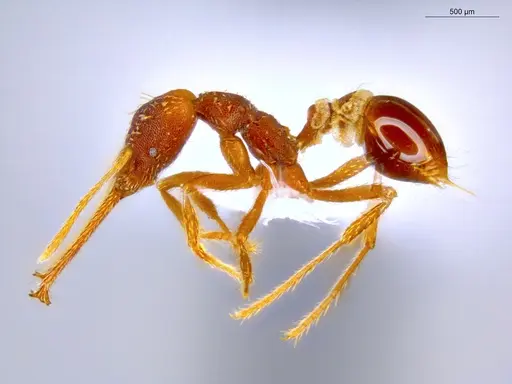
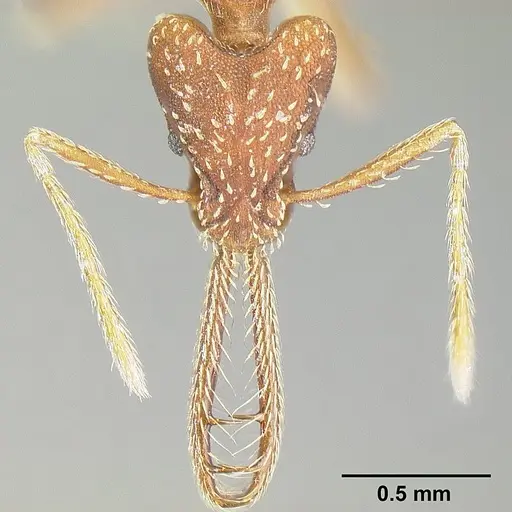
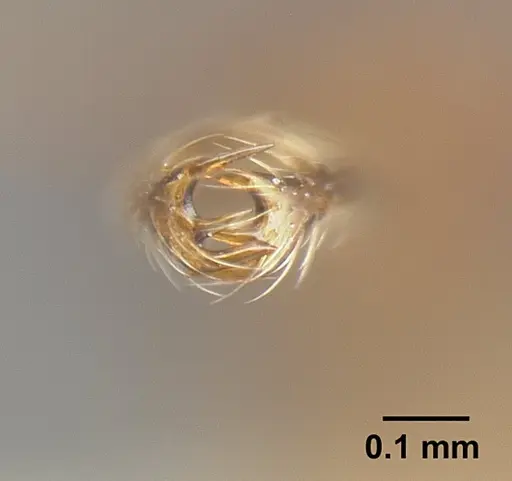
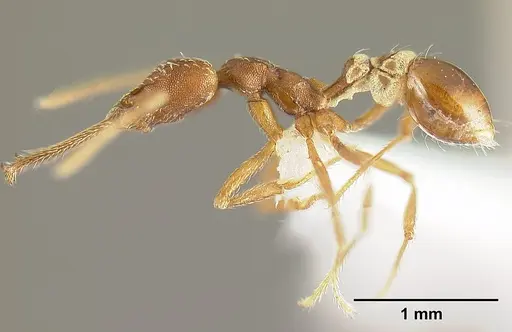
Strumigenys cordovensis is a small ant with workers measuring 3.5-4.0 mm . Their most striking feature is the extremely long, slender mandibles that are longer than the head itself, each bearing two conspicuous preapical teeth and a single intercalary tooth at the tip . The gaster is smooth and shiny. This species belongs to the Strumigenys mandibularis group and is native to the Neotropical region, ranging from Mexico down to Argentina . It is a common and abundant inhabitant of forest floor leaf litter in both dry and wet forests, especially throughout Central America . Unlike leafcutter ants (also in tribe Attini), Strumigenys are specialized predators that hunt tiny prey like springtails in the leaf litter layer.
Quick Summary
- Difficulty: Medium
- Origin & Habitat: Widespread across the Neotropical region: Mexico, Belize, Honduras, Nicaragua, Costa Rica, Panama, Colombia, Venezuela, Peru, Brazil, Paraguay, Argentina, Suriname, French Guiana, Trinidad and Tobago, Bolivia [3][2][1]. In Costa Rica it occurs in dry and wet forest habitats, living in forest floor leaf litter [1]. Also recorded from Guyana [4] and Peru [5].
- Colony Type: Colony structure is unconfirmed. No published data on queen number or social organization.
- Size & Growth:
- Queen: Size data unavailable. Queens have not been measured in the available literature.
- Worker: 3.5-4.0 mm [1]
- Colony: Maximum colony size is unknown. The species is described as common and abundant, but typical Strumigenys colonies are believed to remain small (dozens to a few hundred workers) based on related species.
- Growth: Slow (inferred from related dacetine ants)
- Development: Unknown. No published data on development time for this species. (Development likely slow compared to many myrmicines, but specific timing is unconfirmed.)
- Antkeeping:
- Temperature: Keep between 22-26°C. As a tropical forest floor ant, warmth is important. Avoid prolonged temperatures below 20°C. [1]
- Humidity: High humidity is essential. Keep the nest substrate consistently moist but not waterlogged. Mist the outworld occasionally. These ants come from leaf litter where humidity is constantly high. [1]
- Diapause: No. Tropical species do not require hibernation. Keep warm year-round.
- Nesting: Naturalistic setup with a deep layer of moist coco fiber, peat, or soil works best. Y-tong or plaster nests with a water reservoir are also suitable. Add leaf litter or debris in the outworld for natural hunting. Provide plenty of hiding spots.
- Behavior: Strumigenys cordovensis is shy and non-aggressive. Workers are slow-moving and spend most of their time hunting in the leaf litter. Their long mandibles are specialized tools for snapping shut on tiny prey like springtails. If disturbed, they will flee rather than fight. Escape risk is moderate to high because they are very small (3.5-4 mm) and can slip through tiny gaps. Use fine mesh or tight seals.
- Common Issues: high humidity is critical, colonies dry out and die quickly if moisture is neglected., specialized diet, they refuse standard ant foods and need live springtails provided regularly., slow growth and secretive behavior can make colonies seem inactive, leading to keeper neglect., very small size means high escape risk, use fine mesh or fluon barriers., wild-caught colonies may carry internal parasites that reduce survival in captivity.
Housing and Nest Setup
Strumigenys cordovensis does best in a naturalistic setup that mimics its leaf litter habitat. Use a terrarium-style enclosure with a deep layer of moist substrate (coco fiber, peat, or a soil mix) for burrowing. Y-tong nests or plaster nests with a water reservoir also work well. Add dried leaf litter, bark, or moss to the outworld so they can hunt naturally. Because these ants are very small (3.5-4 mm), you must seal all gaps and ventilation holes with fine mesh or use a fluon barrier to prevent escapes. They are not strong climbers on smooth surfaces, but tiny gaps are a real risk. [1]
Feeding and Diet
Feeding is the most critical part of keeping Strumigenys cordovensis. They are specialized predators on soft-bodied micro-arthropods, especially springtails (Collembola). Offer live springtails as their primary food two to three times per week. They will usually ignore sugar water, honey, or insect pieces. Some keepers have success with flightless fruit flies, but springtails are the most reliable. Do not rely on artificial sweeteners or protein powders, these ants need live prey. Remove uneaten springtails after two days to avoid mold. [1]
Temperature and Humidity
Keep your colony at 22-26°C, ideally around 24°C. These tropical ants need consistent warmth and will not tolerate prolonged temperatures below 20°C. Use a heating cable on one side of the nest to create a gradient. Humidity must be high: the nest substrate should feel damp (like wrung-out sponge) and you should mist the outworld every few days. Unlike temperate ants, they do not need hibernation, keep them warm year-round. Monitor for condensation, a little is fine, but standing water can drown workers. [1]
Behavior and Temperament
Strumigenys cordovensis is a shy, non‑aggressive ant. Workers move slowly and spend most of their time hunting through the leaf litter. Their extremely long mandibles snap shut on small prey like springtails. When disturbed, they flee rather than sting or bite. The species has a functional stinger (tribe Attini), but it is too small to be medically significant to humans and is rarely used defensively. Colonies are quiet and may seem inactive, this is normal for a litter‑dwelling predator. Queens probably start new colonies without assistance, but published data on founding behavior is lacking. [2]
Frequently Asked Questions
What do Strumigenys cordovensis ants eat?
They are specialized predators that need live springtails (Collembola) as their main food. They will refuse sugar water, honey, or standard ant protein sources. Some keepers offer flightless fruit flies, but springtails are the most reliable.
How long does it take for Strumigenys cordovensis to raise their first workers?
Development time is unknown. No published data exists for this species. Based on related dacetine ants, it is likely slow, but keepers should not expect quick growth.
Are Strumigenys cordovensis good for beginners?
No, they are best for intermediate to advanced keepers. Their specialized live‑prey diet, need for high humidity, slow growth, and small size (escape risk) make them challenging for beginners.
How big do Strumigenys cordovensis colonies get?
Maximum colony size is unknown from published research. Based on related Strumigenys species, they likely remain under a couple hundred workers, but this is an estimate.
Can I keep Strumigenys cordovensis in a test tube?
A test tube setup can work for a founding queen, but once workers arrive, they need a larger setup with natural debris for hunting. Test tubes are not ideal long‑term for this species.
Do Strumigenys cordovensis need hibernation?
No. They are tropical and do not require a winter rest period. Keep them warm (22-26°C) year‑round.
Why is my Strumigenys cordovensis colony not growing?
Check three things: 1) Are you providing live springtails? They need this specific prey. 2) Is humidity high enough? The substrate must be consistently moist. 3) Is temperature in the 22-26°C range? If all three are correct but the colony still struggles, it may be a wild‑caught colony with internal parasites.
What temperature is best for Strumigenys cordovensis?
Keep them at 22-26°C, ideally around 24°C. Use a heating cable if your room is cooler. Avoid sudden drops below 20°C.
Where is Strumigenys cordovensis found in the wild?
It ranges from Mexico through Central America to South America: Argentina, Belize, Bolivia, Brazil, Colombia, Costa Rica, French Guiana, Honduras, Nicaragua, Panama, Paraguay, Peru, Suriname, Trinidad and Tobago, Venezuela [1]. It lives in forest floor leaf litter in both dry and wet tropical forests [1].
Report an Issue
The current care sheet is based fully on literature. See inconsistencies, or something that's incorrect? Please , it will be resolved after review from an admin. Contributing to the blogs tab also helps providing information, to make us be able to further improve the caresheets. Thank you for your support!
References

This caresheet is licensed under CC BY-SA 4.0 .
Community Blogs
CASENT0178642
View on AntWeb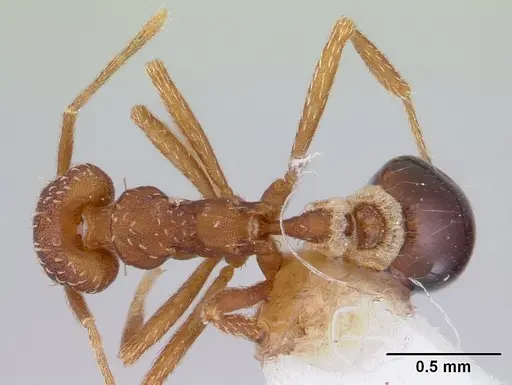
CASENT0246143
View on AntWeb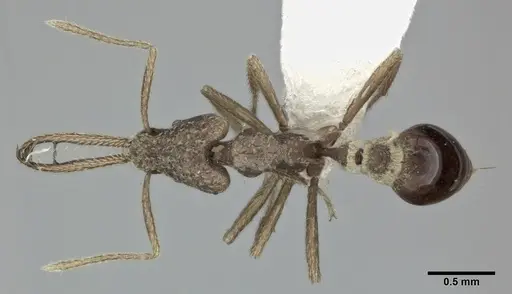
CASENT0650752
View on AntWeb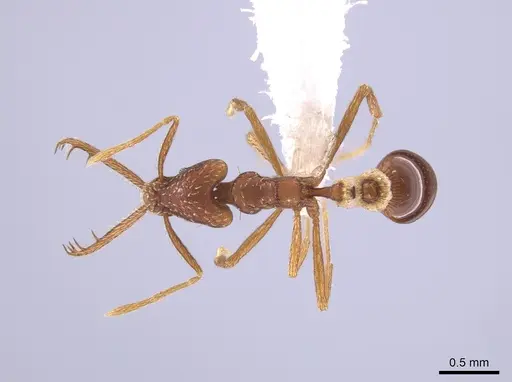
CASENT0900430
View on AntWeb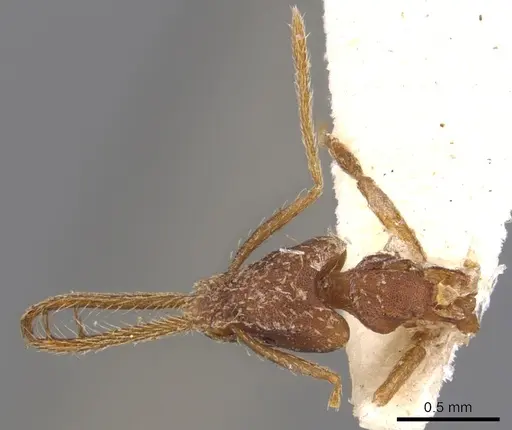
CASENT0914732
View on AntWeb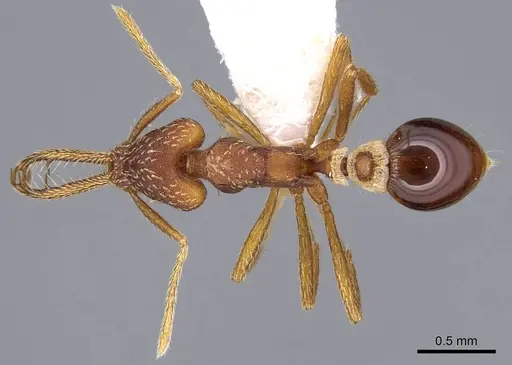
CASENT0915689
View on AntWeb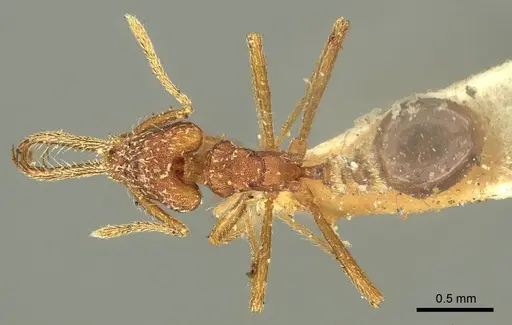
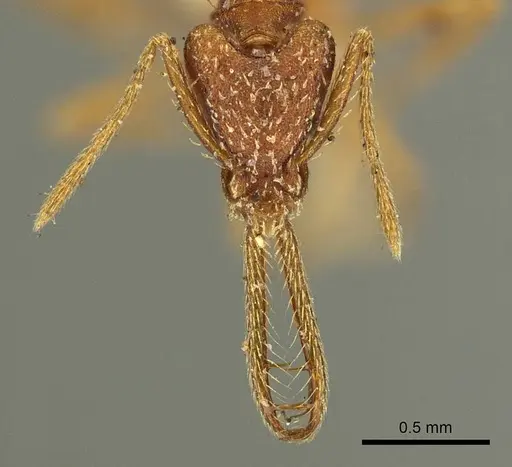
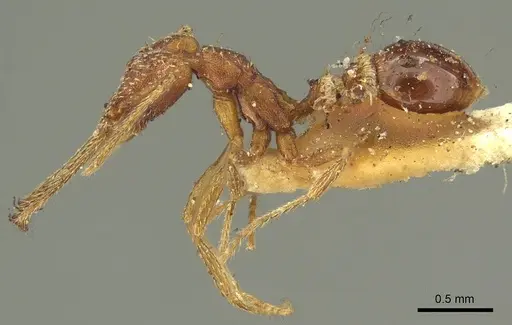
CBUMAGENT41681
View on AntWeb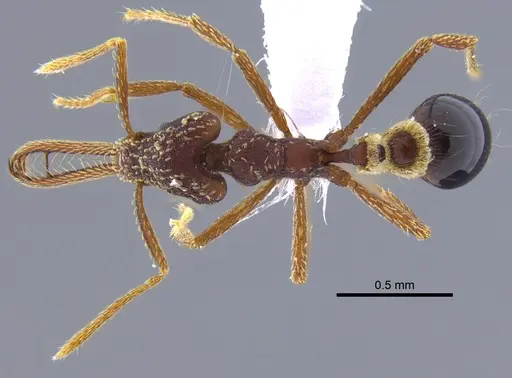
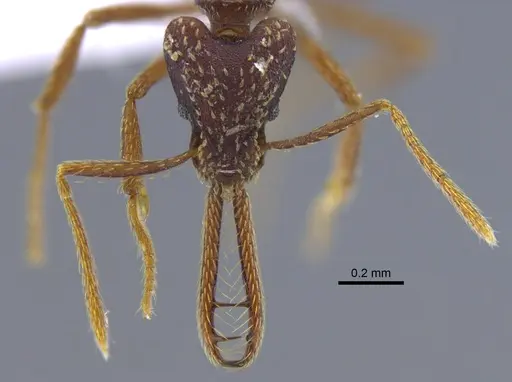
ECOFOG-CSG15-0057-06
View on AntWeb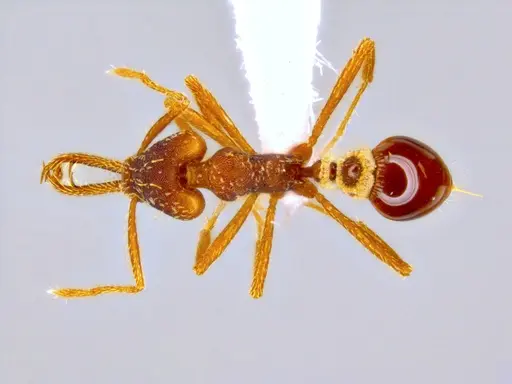
JTLC000006964
View on AntWeb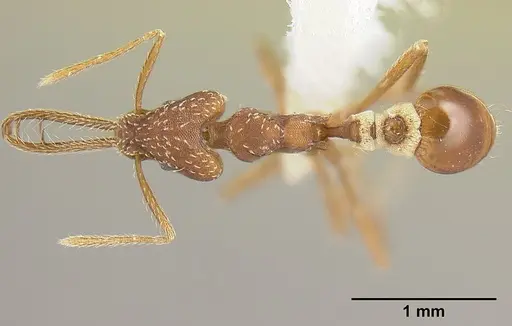
Literature
Loading distribution map...Loading products...