
Strumigenys cloydi
- Sci. Name
- Strumigenys cloydi
- Tribe
- Attini
- Subfamily
- Myrmicinae
- Author
- Pfitzer, 1951
- Distribution
- Found in 1 countries
Introduction
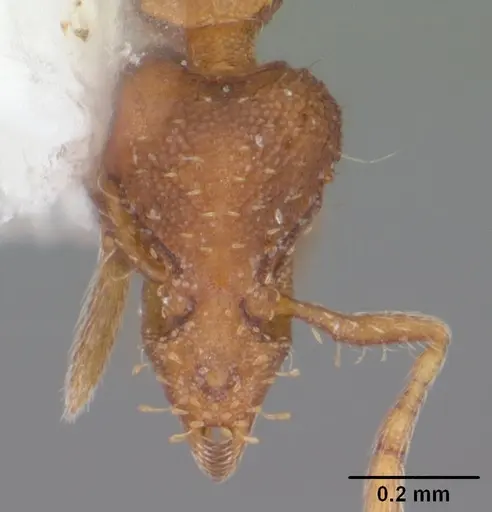
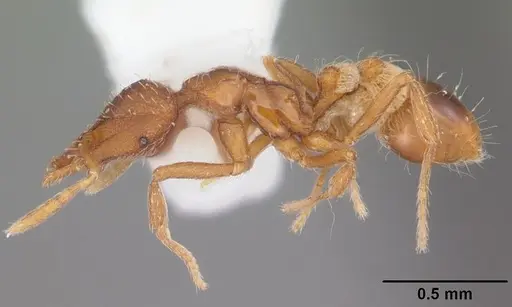
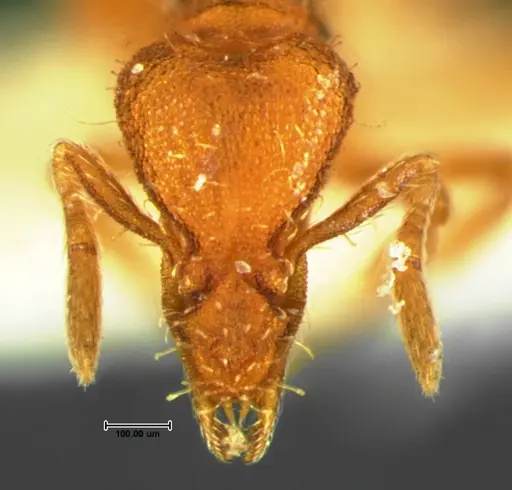
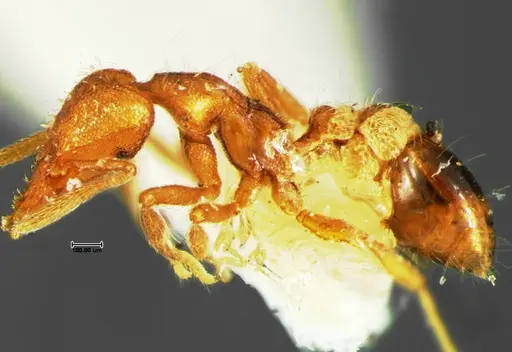
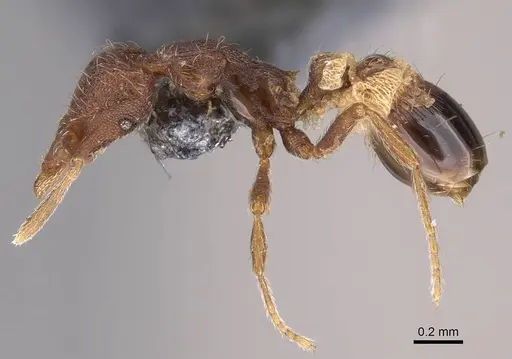
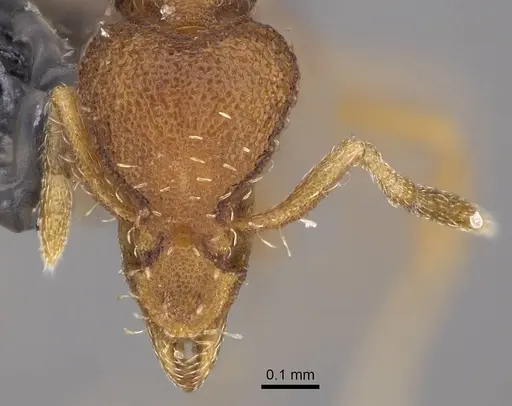
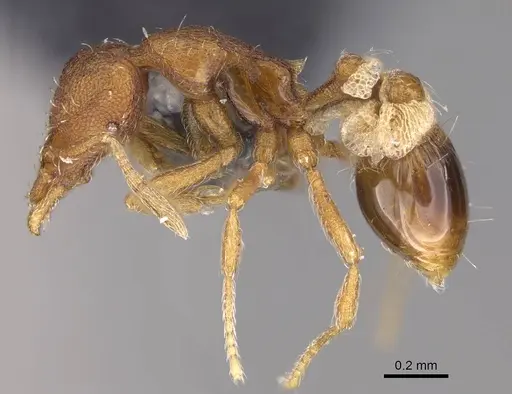
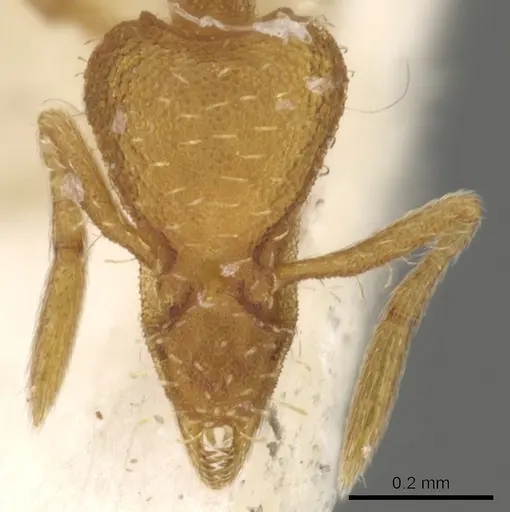
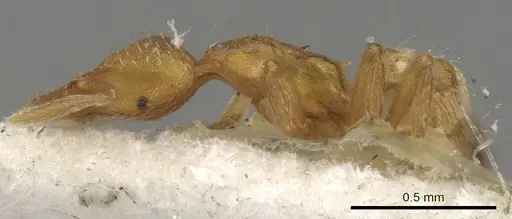
Strumigenys cloydi is a tiny, predatory ant first described in 1951 from Tennessee, USA . It belongs to the subfamily Myrmicinae and tribe Attini, and is considered a Nearctic lineage species . Like other members of the genus, it likely uses trap‑jaw mandibles to capture small soil arthropods, but detailed biological information for this species is lacking. The original description placed it in the genus Smithistruma .
Quick Summary
- Difficulty: Hard
- Origin & Habitat: Recorded only from Tennessee [1]. Based on the genus, likely inhabits forest floor microhabitats with moist soil and leaf litter.
- Colony Type: Unconfirmed. Most Strumigenys species are monogyne (single queen), but no specific data exists for this species.
- Size & Growth:
- Queen: Size data unavailable.
- Worker: Size data unavailable.
- Colony: Unknown. Based on the genus, colonies likely remain small.
- Growth: Inferred slow
- Development: Unknown. Based on related species, may take 8-12 weeks, but not confirmed. (Development is likely slow and poorly documented.)
- Antkeeping:
- Temperature: Unknown. As a temperate Nearctic species, likely prefers moderate temperatures around 20-25°C, but precise requirements are not studied.
- Humidity: Likely needs high humidity given presumed forest floor habitat. Keep nest substrate consistently moist but not waterlogged.
- Diapause: Likely requires a winter diapause due to temperate origin, but duration and conditions are unknown. A cautious guess is 2-3 months at 10-15°C.
- Nesting: Small, humid, enclosed nests such as test tubes or Y‑tong blocks are likely best. Avoid large, dry spaces.
- Behavior: Based on the genus, Strumigenys cloydi is likely a shy, slow‑moving predator that hunts springtails. It is not aggressive to humans. Extreme escape prevention is needed due to tiny size.
- Common Issues: escape prevention is critical due to tiny size, gaps invisible to the eye must be sealed., live prey requirement (springtails) is likely essential but not confirmed, providing a constant supply is challenging., slow growth and uncertain founding biology make establishment difficult., high humidity may cause mold if ventilation is poor., wild‑caught colonies may harbor unknown parasites or stresses.
Housing and Nest Setup
Because Strumigenys cloydi is poorly studied, housing recommendations are based on the genus. A test tube setup with a water reservoir or a small Y‑tong block can provide the tight, humid chambers these ants likely prefer. All connections must be sealed with fluon or another reliable barrier, these tiny ants can slip through gaps you cannot see. Place the nest in a quiet, consistently humid area away from direct sunlight and vibrations. An attached outworld allows feeding and cleaning, but keep it small to maintain humidity.
Feeding and Diet
Based on typical Strumigenys behavior, they are likely specialized predators of springtails and other micro‑arthropods. Provide live springtails (Collembola) as the primary food source. Other tiny live prey like booklice or fruit fly larvae may also be accepted, but do not rely on sugar water or honey, they are obligate carnivores. Culture your own springtails to ensure a steady supply. Feed small amounts every 2-3 days and remove any uneaten prey to prevent mold. This dietary requirement makes them difficult to keep.
Temperature and Seasonal Care
No specific temperature data exists for this species. Since it comes from Tennessee, maintaining moderate temperatures around 20-25°C is a reasonable starting point. Provide a slight temperature gradient so the ants can choose their preferred zone. Simulate a winter rest period because they are from a temperate climate, gradually lower temperatures to around 10-15°C for 2-3 months during winter. Avoid sudden temperature swings. A small heating cable on one side of the nest can help create a gradient if needed. [1][2]
Humidity Management
High humidity is likely crucial for Strumigenys cloydi. Keep the nest substrate damp but not waterlogged, it should feel moist with no standing water. A water reservoir connected to the nest helps maintain humidity through evaporation. Monitor for condensation on nest walls, which indicates good levels. However, balance humidity with ventilation to prevent mold growth. If mold appears, improve airflow immediately and replace affected substrate.
Behavior and Observation
Little is known about the behavior of this species. Like other Strumigenys, they are likely ambush predators that remain still until prey triggers their rapid mandible strike. Workers move slowly and may seem inactive, this is normal for a trap‑jaw species. Do not expect the constant hustle of more common ants. Watch for feeding events to confirm they are getting enough food. Their calm demeanor is not a sign of illness. [2]
Frequently Asked Questions
How long does it take for Strumigenys cloydi to raise their first workers?
This is unknown. Based on related species, it may take 8-12 weeks, but there are no direct studies. Be patient and avoid disturbing the queen during founding.
Can I keep Strumigenys cloydi in a test tube?
A test tube setup can work if you seal it well. These ants can fit through gaps smaller than 1 mm. Apply fluon to all edges and use a tight‑fitting barrier. Keep the water reservoir small to prevent flooding.
What do Strumigenys cloydi eat?
They likely eat live springtails and other micro‑arthropods. Provide a constant supply of live prey. Dead insects and sugary foods are not accepted. This makes them a difficult species to feed.
Are Strumigenys cloydi good for beginners?
No. Their unknown biology, live prey needs, high humidity requirements, and escape risk make them unsuitable for beginners. Start with more forgiving species like Lasius or Tetramorium.
How big do Strumigenys cloydi colonies get?
This is unknown. Based on related Strumigenys, colonies likely remain under 100 workers at maturity. Do not expect large colonies.
Do Strumigenys cloydi need hibernation?
A winter rest period is likely beneficial given their temperate origin. Gradually drop temperatures to 10-15°C for 2-3 months. This is a cautious recommendation, no specific studies exist.
Why are my Strumigenys cloydi dying?
Common possibilities include escape (check barriers), starvation (ensure live prey), low humidity (increase moisture), extreme temperatures, or stress from unknown causes. Adjust each parameter gradually.
When should I move Strumigenys cloydi to a formicarium?
Move them only when the colony outgrows its current space, but given their likely small size, a test tube or small Y‑tong block may suffice indefinitely. Upgrade cautiously to maintain humidity.
Can I keep multiple Strumigenys cloydi queens together?
This has not been documented. Most Strumigenys are monogyne, so do not attempt to combine unrelated queens, they will likely fight. There is no evidence of polygyny in this species.
Report an Issue
The current care sheet is based fully on literature. See inconsistencies, or something that's incorrect? Please , it will be resolved after review from an admin. Contributing to the blogs tab also helps providing information, to make us be able to further improve the caresheets. Thank you for your support!
References

This caresheet is licensed under CC BY-SA 4.0 .
Community Blogs
CASENT0104334
View on AntWeb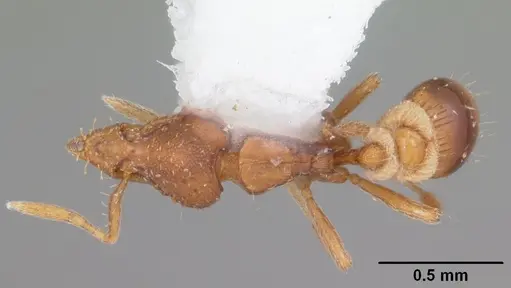
CASENT0105659
View on AntWeb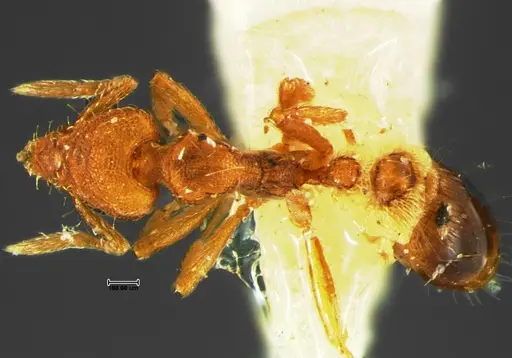
CASENT0747001
View on AntWeb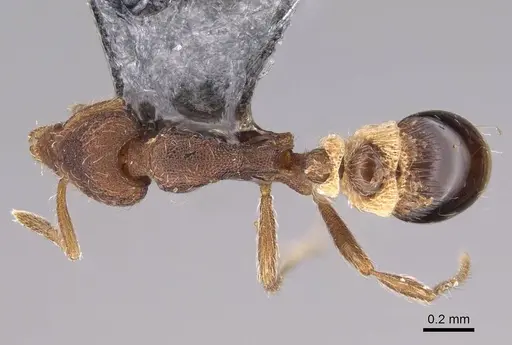
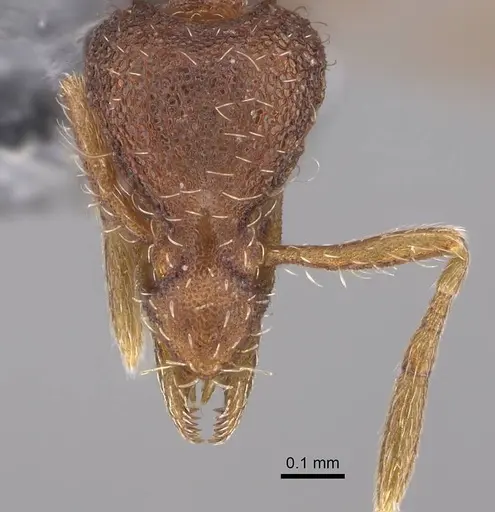
CASENT0747017
View on AntWeb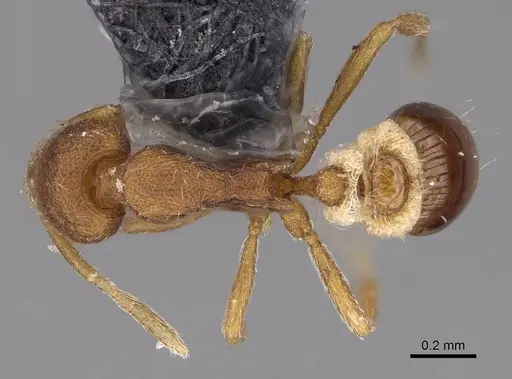
CASENT0900173
View on AntWeb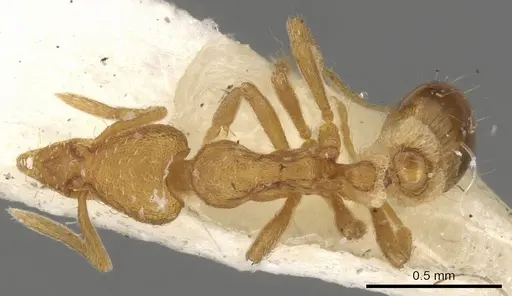
Literature
Loading distribution map...Loading products...