
Strumigenys charino
- Sci. Name
- Strumigenys charino
- Tribe
- Attini
- Subfamily
- Myrmicinae
- Author
- Fisher, 2000
- Distribution
- Found in 1 countries
Introduction
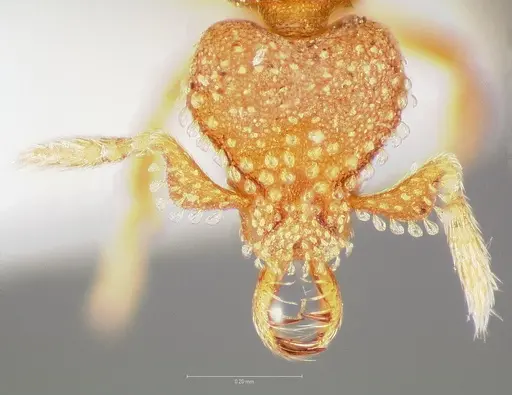
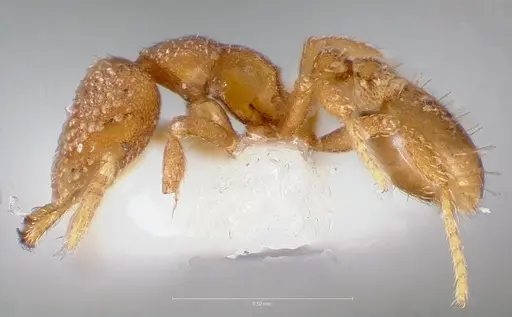
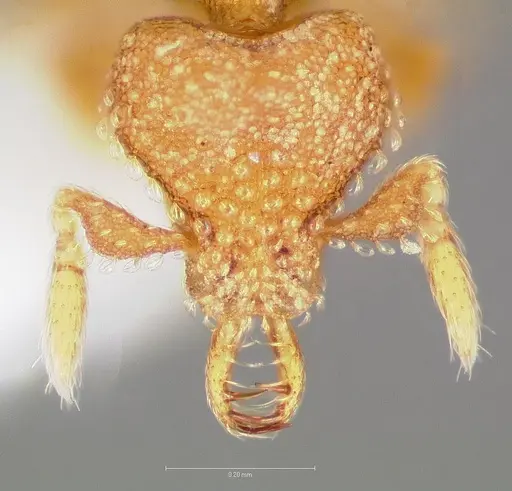
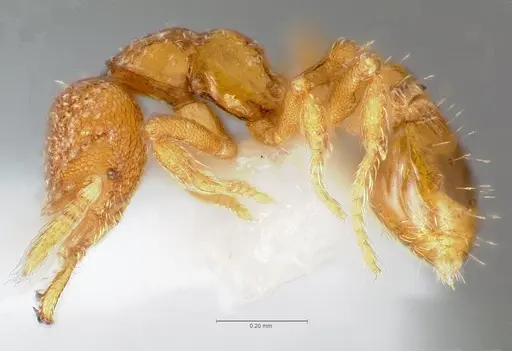
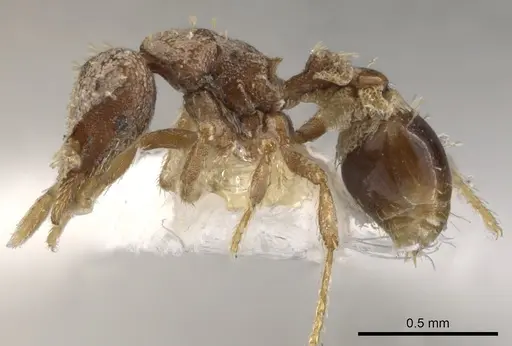
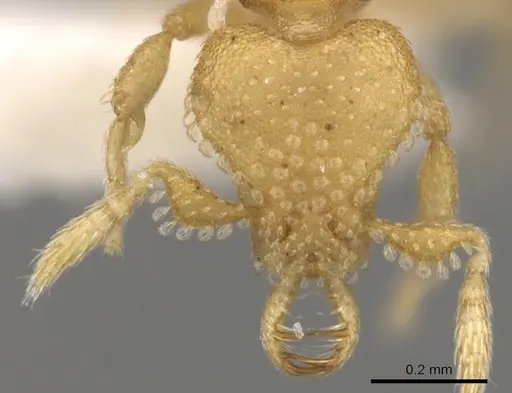
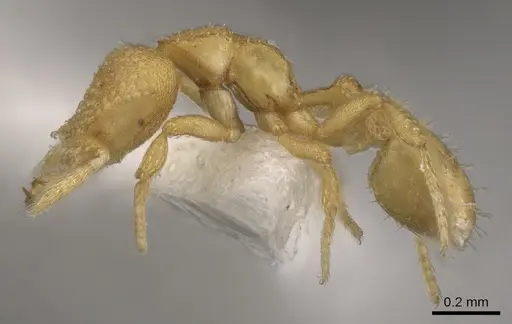
Strumigenys charino is a tiny predatory ant from Madagascar, measuring 1.8mm in total length . Workers are dull yellow to pale brown with distinctive spoon-shaped hairs on their head and a narrow propodeal lamella . They belong to the dacetine group (tribe Attini) and have fast-moving mandibles used to capture tiny prey, but are not trap-jaw ants like Odontomachus. Found exclusively in the leaf litter of rainforest and montane forest in northern Madagascar, these ants are ground-dwelling and prefer humid, shaded microenvironments . The species was described by Fisher in 2000 based on material collected at 25m elevation in Fotodriana, Cap Masoala .
Quick Summary
- Difficulty: Expert
- Origin & Habitat: Northern Madagascar, endemic to rainforest and montane forest leaf litter, from lowland (25m) to montane elevations [1][2]
- Colony Type: Unconfirmed, likely single-queen based on typical Strumigenys patterns
- Size & Growth:
- Queen: Undescribed in available literature
- Worker: 1.8mm total length [1]
- Colony: Unknown, estimated small colony size (up to a few hundred workers) based on related Strumigenys species
- Growth: Slow, inferred from genus patterns for tiny predatory ants
- Development: Unconfirmed, estimated 8-12 weeks based on related dacetine ants, but not studied directly (Development timeline has not been established for this species)
- Antkeeping:
- Temperature: Keep at 22-26°C, these are tropical rainforest ants requiring warm, stable conditions. Avoid drops below 20°C. Slight fluctuations within this range are acceptable.
- Humidity: High humidity required. The habitat data confirms humid conditions (humid=1) [2]. Keep nest substrate consistently damp but not waterlogged, think moist forest floor. Good ventilation is essential to prevent mold.
- Diapause: No, as a Madagascar tropical species, there is no natural winter. Maintain stable warm, humid conditions year-round.
- Nesting: A naturalistic setup with fine substrate (soil or leaf litter mixture) is best to mimic their natural microhabitat. Test tubes can work with careful moisture management, but require extra attention to humidity. Y-tong or plaster nests with very small, tight chambers will help them feel secure. Because of their tiny size, avoid large open spaces in the nest.
- Behavior: Workers are slow-moving and docile. They use their fast-moving mandibles to capture tiny prey like springtails. They can sting, but the sting is weak and not medically significant to humans. Escape prevention is critical, at 1.8mm, they can squeeze through standard mesh. Foraging is deliberate and individual. Colonies are small and slow-growing, making them a challenging species best left to experienced keepers.
- Common Issues: escape prevention is critical due to their tiny 1.8mm size, use mesh ≤0.5mm or fluon barriers, requires live micro-prey (springtails), cannot survive on sugar or standard ant feeds, high humidity needs can lead to mold growth if ventilation is poor, slow colony growth can be frustrating for those expecting quick results, wild-caught colonies may carry parasites, quarantine new acquisitions carefully
Housing and Nest Setup
Strumigenys charino requires a setup that mimics their natural leaf litter habitat. Use a small formicarium with fine substrate, a mix of damp soil, sand, and decayed leaves works well. Keep the substrate consistently moist but not waterlogged. Because the workers are only 1.8mm long, any gaps larger than about 0.5mm are an escape route. Use very fine mesh or fluon barriers on openings. A Y-tong or plaster nest with tiny, tight chambers (just a few mm across) helps them feel secure. Test tubes can work temporarily, but moisture management is tricky, too dry and they die, too wet and mould forms. A hygrometer is useful to keep relative humidity around 75-85%. [2][1]
Feeding and Diet
This is a specialized micro-predator. The primary prey is springtails (Collembola), you must culture your own to guarantee a steady supply. They may also accept other tiny live prey like pot worms (Enchytraeidae) or newly hatched pinhead crickets, but springtails are essential. They will not accept sugar water, honey, or other typical ant foods, they are obligate predators [1]. Feed small amounts every few days, and remove uneaten prey to prevent spoilage. A continuous culture of springtails in the outworld gives them the option to hunt at will.
Temperature and Humidity
Keep the nest at 22-26°C. This temperature range is inferred from the tropical rainforest habitat [1]. Drops below 20°C will slow activity and may harm the colony. Humidity is critical: the habitat data shows this species prefers humid conditions (humid=1) [2]. Aim for relative humidity around 70-85% in the nest area. Mist the substrate regularly, but ensure air circulation to prevent mold buildup. A moisture reservoir in the nest or a damp plaster base can help maintain stable humidity.
Behavior and Temperament
Strumigenys charino is a calm, non-aggressive species. Workers are slow and deliberate, hunting individually through the leaf litter. They use fast-moving mandibles to snap shut on tiny prey, this is not a trap-jaw mechanism like in Odontomachus, but a specialized dacetine strike. They can sting, but the sting is weak and not medically significant to humans. Their small size and slow activity make them interesting to observe, but they are not suitable for high-activity displays. Colonies are small and grow slowly. This is a species for patient keepers who appreciate specialized predators. [1]
Colony Establishment
No information is available on colony founding for this species. Based on typical Strumigenys, it is likely claustral (the queen seals herself in a chamber and raises the first workers on her fat reserves) [1]. If you acquire a queen, keep her in a small, dark, humid container (like a test tube with a water reservoir) and do not disturb her. Do not provide food until workers appear, the queen does not forage. Once the first nanitic workers emerge, start offering tiny springtails. Growth is slow, so patience is essential. Quarantine any wild-caught colonies to monitor for parasites before integrating into your collection.
Frequently Asked Questions
Can I keep Strumigenys charino in a test tube?
Yes, but it requires careful moisture management. Use a small test tube with a water reservoir, but monitor closely, these ants need high humidity and the tube can dry out or flood. A naturalistic setup with damp substrate is often better for long-term success.
What do Strumigenys charino ants eat?
They are specialized predators that need live springtails (Collembola) as their primary food. They cannot survive on sugar water or standard ant feeds. Culturing your own springtail colony is highly recommended [1].
How long until first workers appear?
The exact timeline is unconfirmed for this species, but based on related dacetine ants, expect 8-12 weeks from egg to worker at optimal temperature (around 24-26°C). This is an estimate, actual development may vary.
Are Strumigenys charino good for beginners?
No, this is an expert-level species. Their tiny size makes housing and escape prevention challenging, they require live springtails as food (which most beginners cannot provide), and they need high humidity with good ventilation to prevent mold. They grow slowly and require patience.
Do Strumigenys charino need hibernation?
No. As a Madagascar tropical species, they do not experience winter. Maintain stable warm (22-26°C) and humid conditions year-round.
Why are my Strumigenys charino dying?
Common causes include: too low humidity (they need damp conditions), lack of live springtail prey (they cannot survive without it), temperatures below 20°C, or parasites from wild-caught colonies. Check each of these factors and adjust accordingly.
How big do Strumigenys charino colonies get?
Based on typical Strumigenys species, colonies likely reach a few hundred workers at most. They are small colonies even when mature.
When should I move Strumigenys charino to a formicarium?
Wait until the colony has at least 20-30 workers and is actively foraging. Moving too early can stress the colony. A naturalistic setup often works better than traditional formicariums for this leaf-litter species.
Can I keep multiple queens together?
Not recommended. Combining unrelated queens of this species has not been documented, and they are likely single-queen colonies like most Strumigenys.
Report an Issue
The current care sheet is based fully on literature. See inconsistencies, or something that's incorrect? Please , it will be resolved after review from an admin. Contributing to the blogs tab also helps providing information, to make us be able to further improve the caresheets. Thank you for your support!
References

This caresheet is licensed under CC BY-SA 4.0 .
Community Blogs
CASENT0005506
View on AntWeb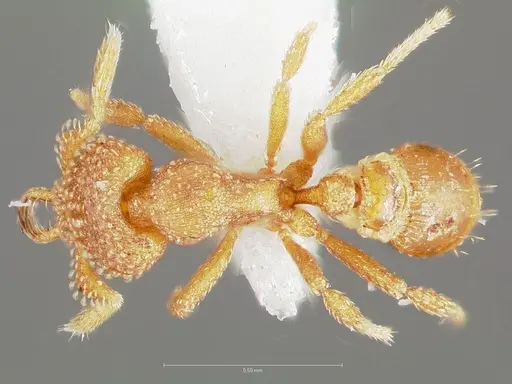
CASENT0005507
View on AntWeb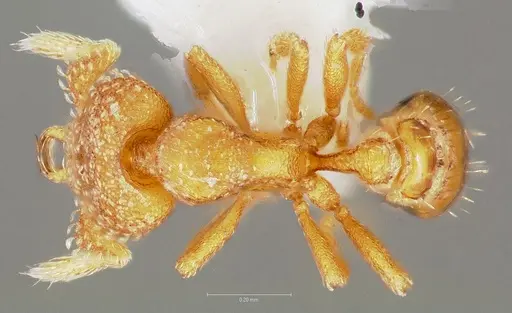
CASENT0900114
View on AntWeb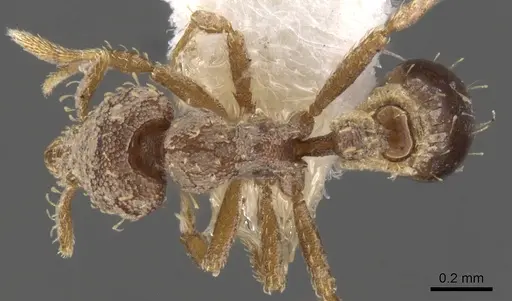
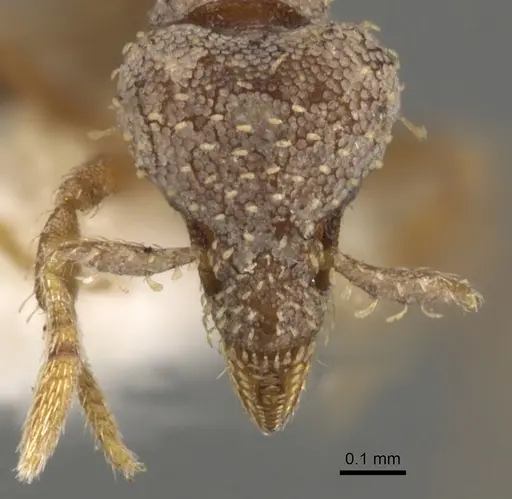
CASENT0900644
View on AntWeb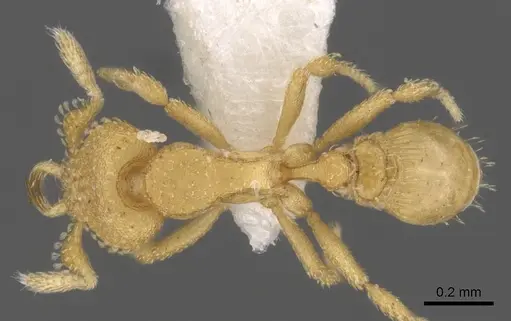
Literature
Loading distribution map...Loading products...