
Strumigenys chareta
- Sci. Name
- Strumigenys chareta
- Tribe
- Attini
- Subfamily
- Myrmicinae
- Author
- Bolton, 2000
- Distribution
- Found in 1 countries
Introduction
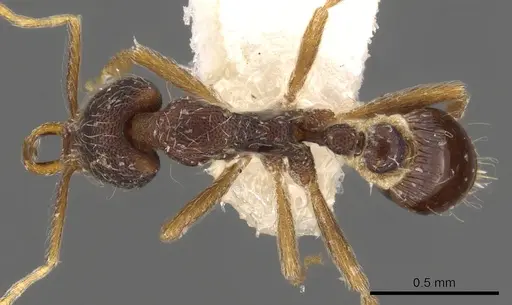
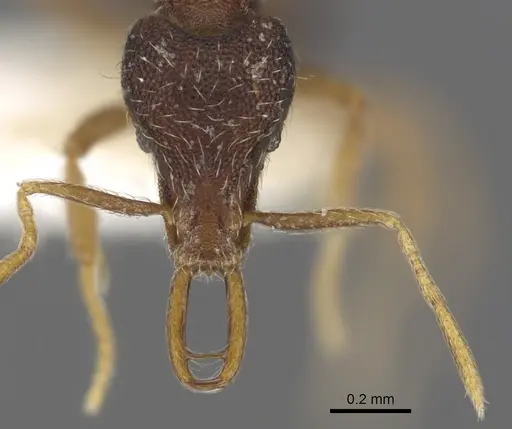
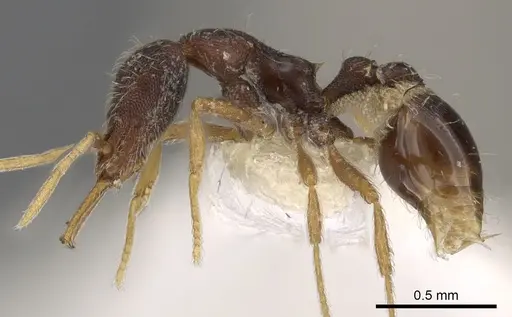
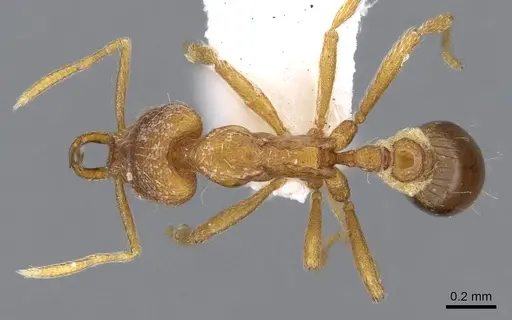
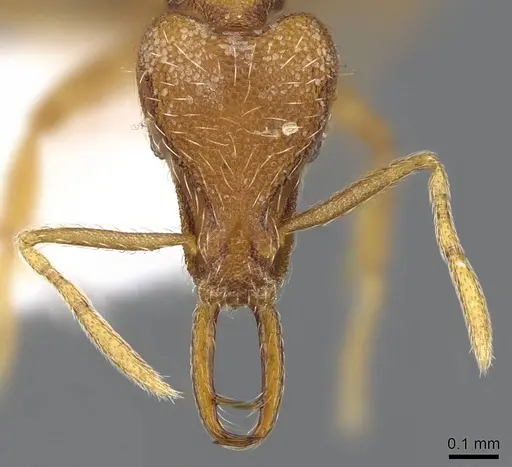
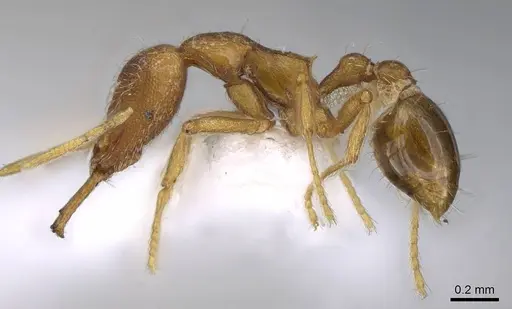
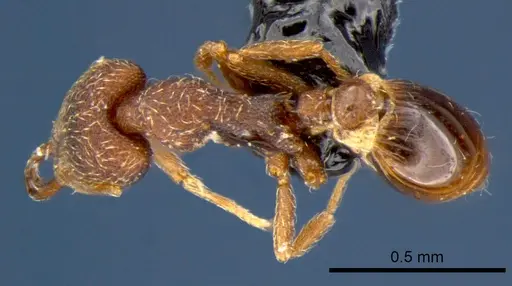
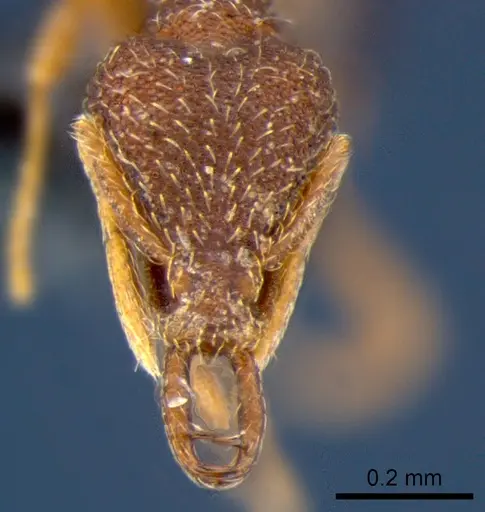
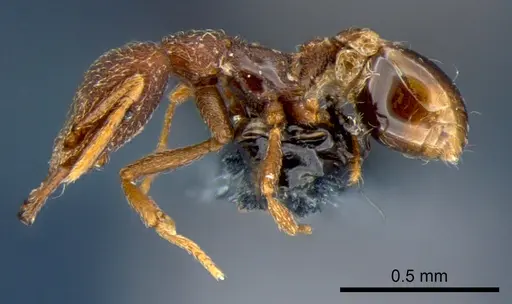
Strumigenys chareta is a small ant species recorded from New Caledonia, a tropical island in the southwestern Pacific Ocean . It belongs to the genus Strumigenys, which is known for specialized trap-jaw mandibles used to capture small prey. Specific details about its appearance, behavior, or ecology are not documented in the available scientific literature, so much of what follows is inferred from general knowledge of the genus.
Quick Summary
- Difficulty: Unknown
- Origin & Habitat: New Caledonia, specific habitat preferences unknown [1].
- Colony Type: Unknown, no published data on social structure.
- Size & Growth:
- Queen: size data unavailable
- Worker: size data unavailable
- Colony: size data unavailable
- Growth: Unknown
- Development: Unknown (No specific data available for this species.)
- Antkeeping:
- Temperature: Unknown, as a tropical species, likely needs warm conditions (around 24-28°C) but no precise data confirmed.
- Humidity: Unknown, likely high humidity based on tropical forest floor habitat, but not confirmed.
- Diapause: Not required, inferred from tropical origin.
- Nesting: Unknown, no published data on nesting preferences. Based on genus, they may prefer moist, naturalistic substrates.
- Behavior: No species-specific data. Based on the genus Strumigenys and the subfamily Myrmicinae/tribe Attini defense mechanism, these ants possess a functional stinger that is not medically significant to humans. They are generally non‑aggressive, solitary hunters that rely on trap‑jaw mandibles to capture small arthropods. Their tiny size (unknown precisely) makes them excellent escape artists, so fine mesh barriers are essential.
- Common Issues: tiny size makes escape likely without fine mesh barriers., specialized diet may require live prey, but specific dietary preferences are not documented., high humidity needs can lead to mold if ventilation is poor., lack of published data means keepers must observe and adapt.
Housing and Nest Setup
Because little is known about the natural nesting habits of Strumigenys chareta, care recommendations are based on general knowledge of the genus. A humid, naturalistic environment is likely preferred. A Y‑tong (AAC) or plaster nest with a water reservoir can help maintain moisture, but a test tube setup may also work for small colonies. Regardless, all connections must be sealed with fine mesh or cotton to prevent escapes, as the workers are tiny. Avoid acrylic nests, as they do not retain humidity well. Provide low lighting, these ants seem to prefer shaded conditions.
Feeding and Diet
There is no published data on the diet of Strumigenys chareta. Based on the genus, they are thought to be specialized predators of small arthropods such as springtails and mites. Live prey is likely essential, while sugar sources are probably ignored. Offer tiny live prey (e.g., springtails, fruit fly larvae) and observe acceptance. Remove uneaten prey after 24 hours. If the colony is not feeding, try different micro‑prey species.
Temperature and Care
As a tropical species, Strumigenys chareta likely requires warm conditions (roughly 24‑28°C, inferred from origin). Use a small heating cable on one side of the nest to create a gradient. Avoid temperatures below 22°C, as this may slow development. Humidity must be high, keep the substrate moist but not waterlogged. Good ventilation is important to prevent mold. Monitor your colony closely and adjust conditions based on their behaviour, as no specific optimal ranges are known.
Behavior and Temperament
Strumigenys chareta is not aggressive and will flee rather than fight. They hunt alone using their trap‑jaw mandibles. Their tiny size means they are excellent escape artists, use fine mesh (≤0.5 mm) on all openings. They are best suited to keepers who enjoy observing subtle, predatory behaviour rather than large, active foragers. They possess a functional stinger (based on subfamily/tribe), but it is harmless to humans.
Frequently Asked Questions
What do Strumigenys chareta ants eat?
Their diet has not been studied. Based on the genus, they likely eat tiny live arthropods such as springtails and mites. Sugar or honey is probably not accepted.
How long does it take for Strumigenys chareta to develop from egg to worker?
Unknown. No developmental data exists for this species. Based on related Strumigenys, it may take several weeks to months, but this is purely speculative.
What size colony do Strumigenys chareta reach?
Unknown. Colony sizes for this species have not been reported.
Are Strumigenys chareta good for beginners?
Unknown. Because so little is known about their specific requirements, they are not recommended for beginners. Keepers should have experience maintaining high humidity and providing live prey.
What temperature do Strumigenys chareta need?
Their optimal temperature is not known. As a tropical species, they likely need warm conditions (around 24‑28°C). Provide a gradient and observe the ants' preferences.
Do Strumigenys chareta need hibernation?
No. Being from a tropical island (New Caledonia), they are not adapted to seasonal cold and should be kept warm year‑round.
Why are my Strumigenys chareta escaping?
Their tiny size allows them to pass through minuscule gaps. Use fine mesh (≤0.5 mm) on all openings, seal all connections with cotton or silicone, and inspect the setup regularly.
Can I keep Strumigenys chareta in a test tube?
A test tube setup can work for founding colonies, but you will need to maintain high humidity. A naturalistic setup with moist substrate is often better for established colonies.
Where is Strumigenys chareta found?
This species is native to New Caledonia, a tropical island in the southwestern Pacific Ocean [1].
Report an Issue
The current care sheet is based fully on literature. See inconsistencies, or something that's incorrect? Please , it will be resolved after review from an admin. Contributing to the blogs tab also helps providing information, to make us be able to further improve the caresheets. Thank you for your support!
References

This caresheet is licensed under CC BY-SA 4.0 .
Community Blogs
Literature
Loading distribution map...Loading products...