
Strumigenys cavinasis
- Sci. Name
- Strumigenys cavinasis
- Tribe
- Attini
- Subfamily
- Myrmicinae
- Author
- Brown, 1950
- Distribution
- Found in 2 countries
Introduction
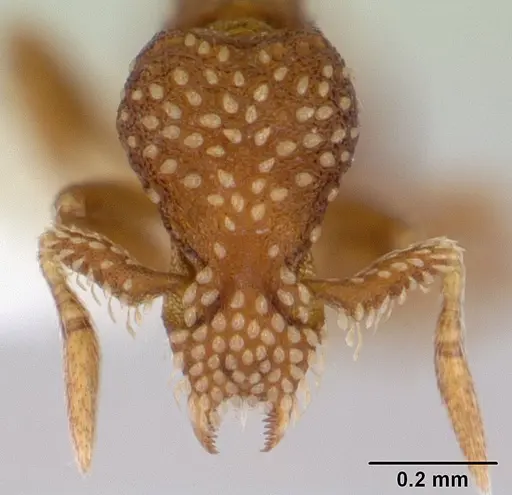
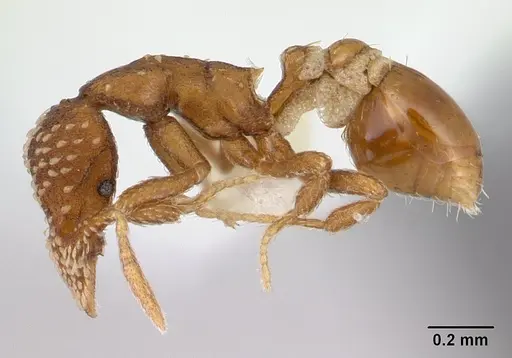
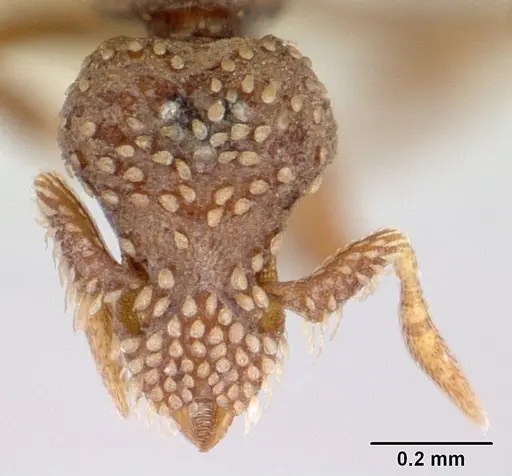
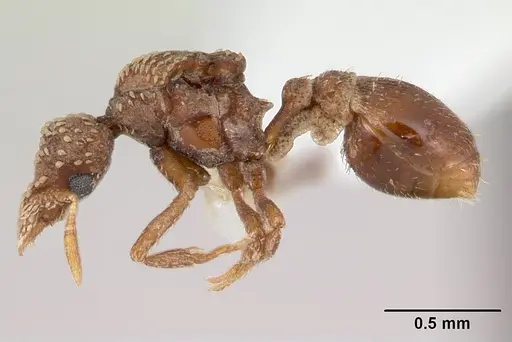
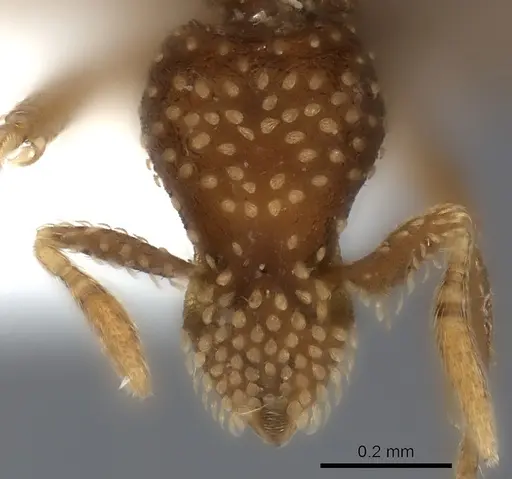
Strumigenys cavinasis is a small predatory ant from the Democratic Republic of Congo, documented in the IT and NK provinces . Like other members of their genus, they are specialist hunters of tiny soil invertebrates, using specialized trap‑jaw mandibles that snap shut on prey. These ants live in forest leaf litter and soil, where they stay hidden most of the time. As myrmicine ants (tribe Attini), they possess a functional sting, but it is weak and not a concern for humans.
Quick Summary
- Difficulty: Hard
- Origin & Habitat: Democratic Republic of Congo (IT and NK provinces). In nature, these ants inhabit forest leaf litter and soil, where they hunt micro‑arthropods [1].
- Colony Type: Unconfirmed. Colony structure has not been documented for this species, but many Strumigenys are monogyne or have ergatoid queens. Nothing is known for certain.
- Size & Growth:
- Queen: Unknown, inferred from Strumigenys genus (~3-5 mm). No direct measurements are available.
- Worker: Unknown, inferred from Strumigenys genus (~2-4 mm). No direct measurements are available.
- Colony: Unknown, likely small (up to a few hundred workers) based on genus patterns.
- Growth: Unknown, likely slow, as typical for dacetine ants.
- Development: Unconfirmed, no data available for this species. (Development time has not been studied. Expect slow progression if kept.)
- Antkeeping:
- Temperature: Based on tropical origin, keep at room temperature (20-25°C). Avoid temperatures above 28°C. A slight temperature drop at night is fine.
- Humidity: The nest substrate must stay consistently moist but not waterlogged. Provide a gradient from damp to slightly drier areas to prevent mold.
- Diapause: No, this is a tropical species from a region without cold winters. Do not attempt hibernation.
- Nesting: Use a naturalistic setup with a deep layer of moist substrate (coconut fiber or soil). Tight, humid chambers work best, Y‑tong, plaster, or a soil nest are good choices. Avoid large open spaces.
- Behavior: These ants are docile and will flee rather than fight. They can sting but the sting is weak and not medically significant. Because workers are tiny (2-4 mm), escape prevention must be excellent, seal all gaps with cotton or fine mesh. They spend most of their time inside the substrate and hunt individually for live springtails.
- Common Issues: specialized diet, they need live springtails or similar micro‑prey, will starve on dead or large foods., slow colony growth can be frustrating for keepers expecting rapid development., tiny size makes escapes easy, check all connections and use fine mesh., high humidity requirements can lead to mold if ventilation is poor, balance moisture with airflow., wild‑caught colonies may carry parasites, quarantine and observe before introducing to a permanent setup.
Housing and Nest Setup
Strumigenys cavinasis needs a humid, naturalistic setup that mimics its forest‑floor home. A terrarium with a deep layer of moist coconut fiber or soil works well. Y‑tong or plaster nests with small, tightly sealed chambers are also suitable if you keep the substrate damp. Provide a water reservoir connected to the nest to sustain humidity. Because the workers are so small (2-4 mm), seal all joints and ventilation holes with cotton or fine metal mesh to prevent escapes. The outworld can be a small container with a thin layer of substrate, these ants are shy and rarely forage in the open.
Feeding and Diet
This is the hardest part of keeping this species. Strumigenys cavinasis are specialized predators that need live springtails. Their trap‑jaw mandibles are designed for tiny prey, they cannot tackle mealworms, fruit flies, or other standard feeders. Offer cultures of springtails (e.g., Sinella curviseta) every few days, and remove any dead prey before it rots. Some keepers also have success with pot worms (Enchytraeids) or very small fly larvae, but springtails should be the staple. Do not offer sugars or proteins in liquid form, these ants get everything from live prey. Starvation is the main cause of failure.
Temperature and Seasonal Care
Keep the colony at room temperature, ideally 20-25°C. Avoid prolonged temperatures above 28°C, as this species comes from shaded forest floors. A gentle heat cable on one side of the nest can provide a gradient, but make sure they can escape to cooler areas. Because the DRC is tropical, there is no need for a winter cooling period. If your room gets cooler in winter, the ants will simply become less active, that is normal. Do not attempt to force diapause by cooling them.
Behavior and Colony Dynamics
Strumigenys are known for their fast‑snapping trap‑jaw mandibles, which they use to catch springtails and other micro‑arthropods. Workers are not aggressive toward humans and will retreat if disturbed. They spend almost all their time underground or inside the nest, hunting in the substrate rather than on the surface. Colonies are small and slow‑growing. There is no heavy foraging or trail‑formation, each worker hunts alone. The colony structure (number of queens, presence of gamergates) is unknown for this species, but many Strumigenys produce ergatoid (wingless) queens that can replace the founding queen.
Frequently Asked Questions
What do Strumigenys cavinasis ants eat?
They are specialized predators that require live springtails. They will not accept dead insects, honey, or other typical ant foods. Offer springtail cultures regularly, this is the only reliable food source.
How long does it take for Strumigenys cavinasis to develop from egg to worker?
The exact timeline is unknown. No data exists for this species. Based on related dacetine ants, development probably takes several weeks to months, but this is only a guess.
Can I keep Strumigenys cavinasis in a test tube setup?
A test tube can work for a founding queen, but once the first workers arrive you will need to move them to a naturalistic setup with moist substrate where they can hunt springtails. They need space to hunt, not just a bare tube.
How big do Strumigenys cavinasis colonies get?
The maximum colony size is unknown. Based on other Strumigenys species, they likely stay small, probably a few dozen to a few hundred workers. Do not expect a large colony.
Are Strumigenys cavinasis good for beginners?
No. They are difficult because of their specialized live‑prey diet, high humidity needs, and slow growth. Only experienced keepers who can maintain springtail cultures should attempt this species.
What temperature do Strumigenys cavinasis need?
Keep them at room temperature (20-25°C). Avoid temperatures above 28°C. They prefer the cool, shady conditions of a forest floor.
Do Strumigenys cavinasis need hibernation?
No. As a tropical species from the DRC, they do not require a cold period. Just keep them at normal room temperatures year‑round.
Why are my Strumigenys cavinasis dying?
The most common causes are lack of live springtails (they starve quickly), humidity that is too low (dry air kills them), temperatures that are too high (above 28°C), or mold from stagnant, overly wet conditions. Also check for mites or other parasites in wild‑caught colonies.
Can I keep multiple Strumigenys cavinasis queens together?
This has not been studied. Combining unrelated queens is risky and may lead to fighting. If you have a single queen, house her alone until you see how the colony develops.
Report an Issue
The current care sheet is based fully on literature. See inconsistencies, or something that's incorrect? Please , it will be resolved after review from an admin. Contributing to the blogs tab also helps providing information, to make us be able to further improve the caresheets. Thank you for your support!
References

This caresheet is licensed under CC BY-SA 4.0 .
Community Blogs
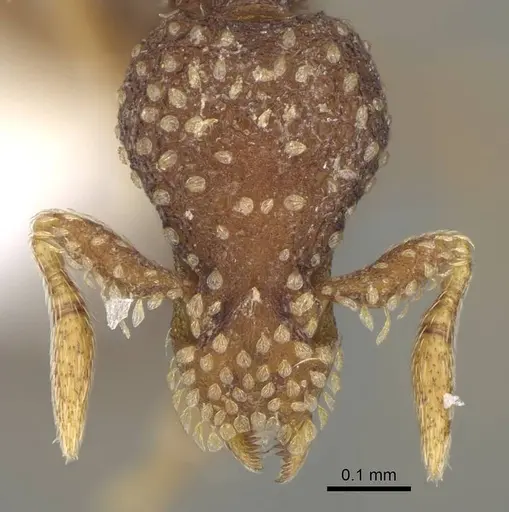
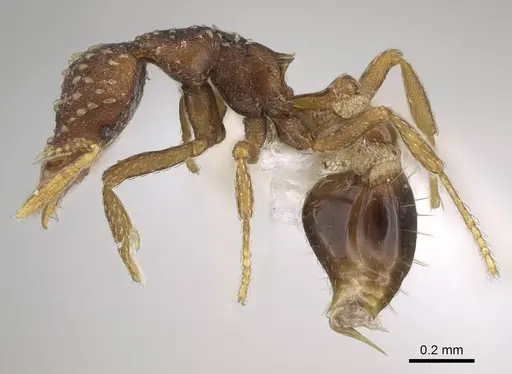
CASENT0178306
View on AntWeb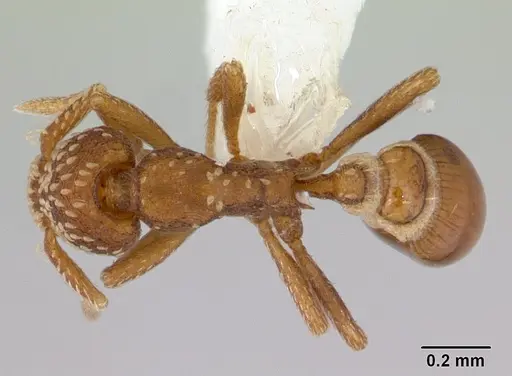
CASENT0178307
View on AntWeb
CASENT0217192
View on AntWeb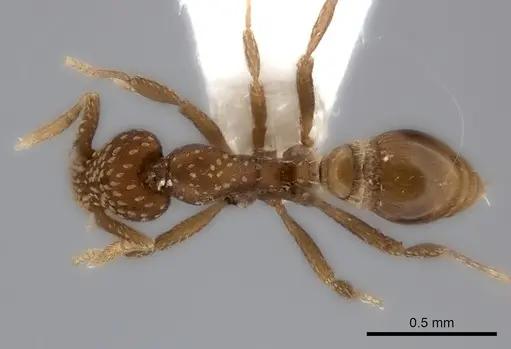
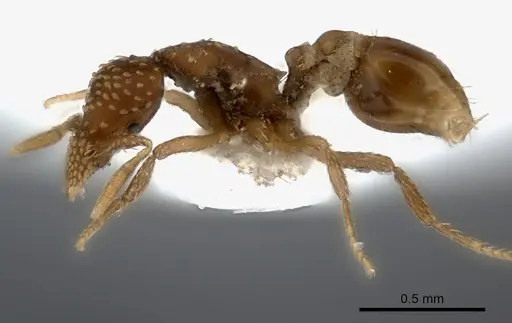
CASENT0358127
View on AntWeb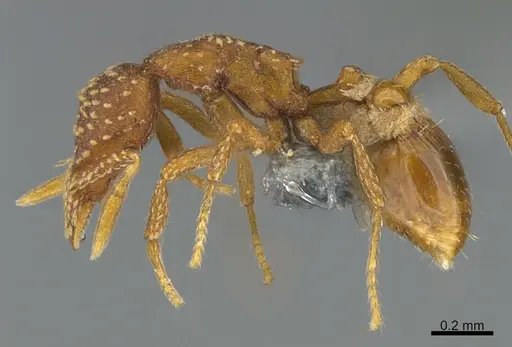
CASENT0358217
View on AntWeb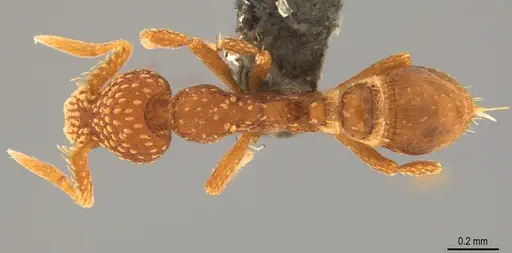
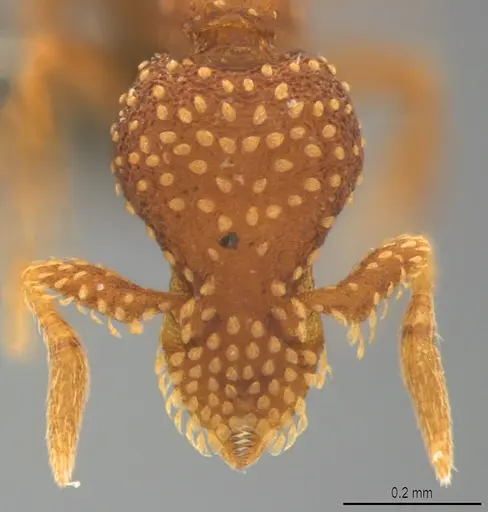

CASENT0747606
View on AntWeb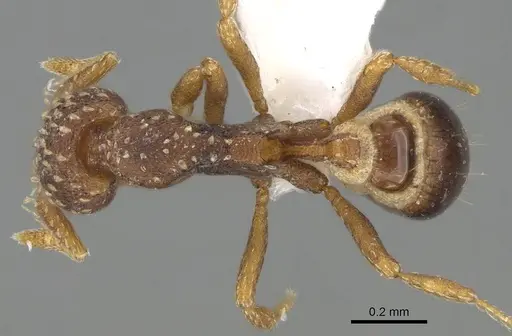
Literature
Loading distribution map...Loading products...