
Strumigenys carolinensis
- Sci. Name
- Strumigenys carolinensis
- Tribe
- Attini
- Subfamily
- Myrmicinae
- Author
- Brown, 1964
- Distribution
- Found in 1 countries
Introduction
Strumigenys carolinensis is a tiny ant known only from South Carolina and North Carolina in the southeastern United States . Like other members of the genus, it likely has trap-jaw mandibles used to capture small prey, but specific behavior for this species is unconfirmed. Its small size and secretive habits make it challenging to observe in the wild. Detailed biology beyond distribution remains unstudied.
Quick Summary
- Difficulty: Hard, information is extremely limited, and care is speculative. Not recommended for beginners.
- Origin & Habitat: Southeastern United States (South Carolina, North Carolina) [1]. Likely inhabits damp leaf litter and soil cavities in forests, but exact microhabitat is unconfirmed.
- Colony Type: Unknown, typical Strumigenys colonies are monogyne (single queen) and small, but no specific data exists for S. carolinensis.
- Size & Growth:
- Queen: size data unavailable, inferred from Strumigenys genus (~3-4 mm)
- Worker: ~2-3 mm, inferred from Strumigenys genus
- Colony: Unknown, likely under 100 workers (typical for genus), but unconfirmed
- Growth: Slow (estimated based on genus patterns)
- Development: Unknown, approximated 8-12 weeks for related small myrmicines, but not confirmed for this species (Development timeline is speculative, expect slow growth.)
- Antkeeping:
- Temperature: Unknown, estimated room temperature (20-24°C) based on temperate origin. Avoid extremes.
- Humidity: Unknown, likely high humidity (70-80%) based on typical forest floor Strumigenys habitat, but unconfirmed. Provide moist substrate and good ventilation to prevent mold.
- Diapause: Unknown, may benefit from a mild winter rest (6-8 weeks at 10-15°C) due to temperate origin, but not documented for this species.
- Nesting: Unknown, based on genus preferences, provide a humid, dark nest with small chambers (Ytong, plaster, or test tube setup). Avoid large spaces.
- Behavior: Unknown, Strumigenys are generally shy and non-aggressive, but specific behavior for S. carolinensis is unconfirmed. They have a functional stinger (common to Myrmicinae) but are not considered dangerous to humans. Extreme escape risk due to tiny size, use fine mesh and fluon on barriers.
- Common Issues: escape prevention is critical, their tiny size allows them to slip through standard gaps, use fine mesh and fluon, unknown dietary requirements, may require live springtails or other tiny prey, without proper food, they will starve, unknown humidity needs, if kept too dry, they may desiccate, if too wet, mold may grow, unknown temperature tolerance, avoid temperature swings above 28°C or below 15°C, colony growth is likely very slow, which can discourage keepers, wild-caught colonies may have parasites or diseases
Housing and Nest Setup
Specific nesting preferences for Strumigenys carolinensis are unknown. Based on typical Strumigenys, provide a humid, dark environment with small chambers. A Ytong (AAC) nest, plaster nest, or a moist test tube setup are all reasonable starting points. Ensure the nest is well-ventilated to prevent mold. The outworld should be small (a petri dish or small container) with a fine mesh lid, these ants are tiny escape artists. Use a barrier of fluon or similar on the rims. Keep the nest in darkness by covering it or placing it in a drawer.
Feeding and Diet
Diet for Strumigenys carolinensis is unconfirmed. Most Strumigenys are specialized predators of tiny arthropods, especially springtails (Collembola). Provide live springtails as a staple. Other small live prey like micro-mites or minute flies may also be accepted. Sugar water or honey is not accepted, they are primarily carnivorous. Offer food every few days and remove uneaten prey to prevent mold. If the colony is not feeding, try different prey sizes or types, as their exact preferences are unknown.
Temperature and Seasonal Care
Ideal temperature for Strumigenys carolinensis is unknown. Given its temperate origin (South Carolina, North Carolina [1]), room temperature (20-24°C) is a safe starting point. Avoid prolonged temperatures above 28°C or below 15°C. A mild winter rest period may be beneficial, reduce temperature gradually to 10-15°C for 6-8 weeks, then slowly warm up in spring. However, this is speculative since no overwintering data exists for this species. Monitor the colony closely during temperature transitions.
Colony Development
Colony development for Strumigenys carolinensis has not been documented. Based on related Strumigenys, founding is likely claustral (queen raises first brood on stored reserves), and growth is slow, first workers may take 3-6 months. Colonies probably remain small (under 100 workers). Do not disturb the founding queen excessively. Once workers appear, provide small live prey. Be patient, as any disturbance can set back a tiny colony. Exact timelines are uncertain.
Handling and Temperament
Strumigenys carolinensis is not known to be aggressive. Like most Strumigenys, they have a functional stinger but use it mainly for hunting, not defense. They are shy and will retreat into the nest when disturbed. The main risk is accidental escape, use extreme caution when opening the nest or outworld. Because of their tiny size, even a small gap can lead to escapes. They are not suitable for open or active observation until the colony is well-established.
Frequently Asked Questions
How long does it take for Strumigenys carolinensis to produce first workers?
Unknown, based on related Strumigenys species, expect 3-6 months, but this has not been confirmed for S. carolinensis. Patience is essential.
What do Strumigenys carolinensis eat?
Exact diet is unknown. Most Strumigenys need live tiny prey like springtails. They do not accept sugar water or dead food. Offer a variety of small arthropods until they accept something.
Can I keep Strumigenys carolinensis in a test tube?
Yes, a moist test tube setup is a good start. It helps maintain humidity and darkness. Make sure the cotton is packed tightly and use an escape barrier (fluon) on the rim.
How big do Strumigenys carolinensis colonies get?
Unknown, based on typical Strumigenys, colonies rarely exceed 100 workers. No records exist for S. carolinensis.
Do Strumigenys carolinensis need hibernation?
Unknown, because they come from a temperate region, a mild winter rest (6-8 weeks at 10-15°C) may be beneficial, but this has not been studied. Observe your colony and adjust.
Are Strumigenys carolinensis good for beginners?
No, extremely limited data on care, specialized diet, slow growth, and high escape risk make this a species for expert hobbyists only.
Why are my Strumigenys carolinensis dying?
Possible causes: lack of live prey (they may starve), incorrect humidity (too dry or too wet), temperature stress, escape (check all seals), or disease from wild-caught colonies. Without species-specific data, troubleshooting is difficult.
When should I move Strumigenys carolinensis to a formicarium?
Only when the colony clearly outgrows the test tube (e.g.,20-30 workers). They prefer small spaces. Premature transfer can stress the colony. Wait until the nest is visibly crowded.
What temperature is ideal for Strumigenys carolinensis?
Unknown, room temperature (20-24°C) is a safe guess. Avoid extremes. Since they are from a temperate area, stable moderate temperatures are recommended.
Report an Issue
The current care sheet is based fully on literature. See inconsistencies, or something that's incorrect? Please , it will be resolved after review from an admin. Contributing to the blogs tab also helps providing information, to make us be able to further improve the caresheets. Thank you for your support!
References

This caresheet is licensed under CC BY-SA 4.0 .
Community Blogs
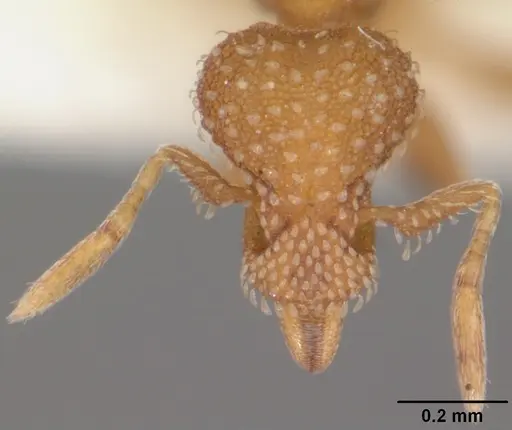
CASENT0104340
View on AntWeb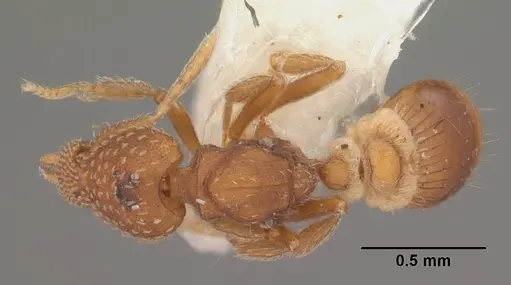
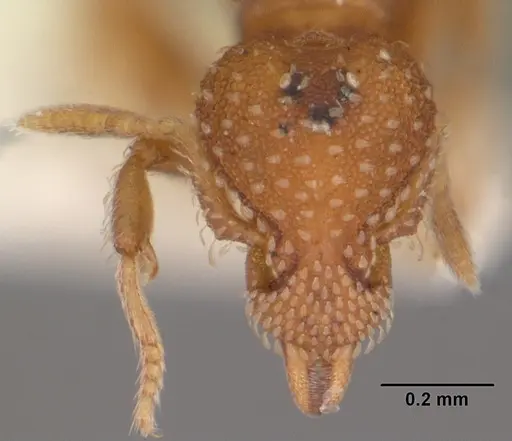
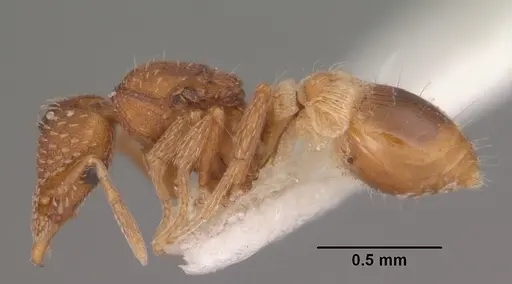
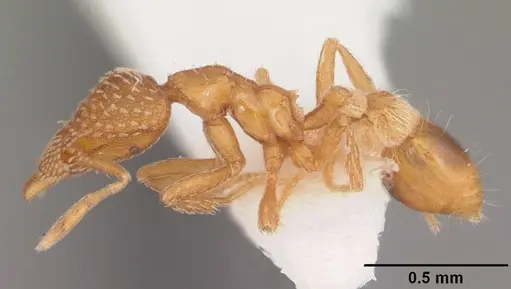
CASENT0104341
View on AntWeb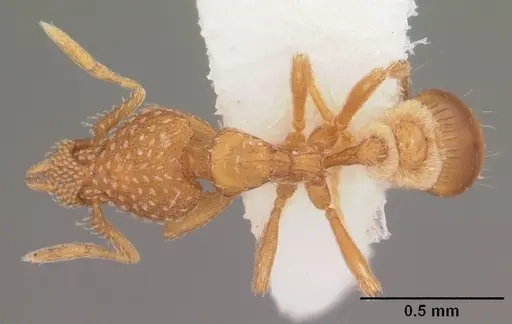
Literature
Loading distribution map...Loading products...