
Strumigenys carinithorax
- Sci. Name
- Strumigenys carinithorax
- Tribe
- Attini
- Subfamily
- Myrmicinae
- Author
- Borgmeier, 1934
- Distribution
- Found in 1 countries
Introduction
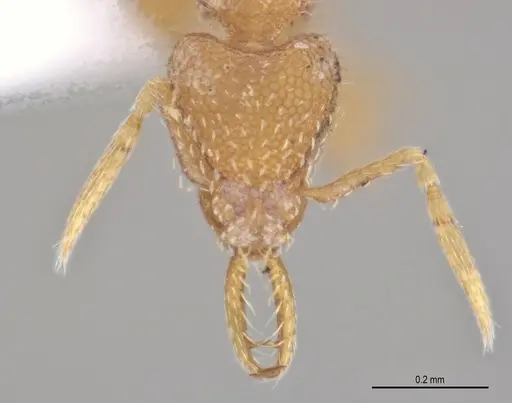
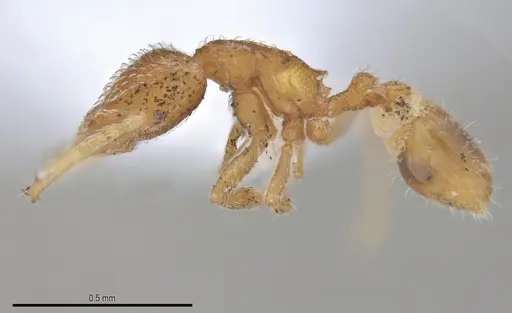
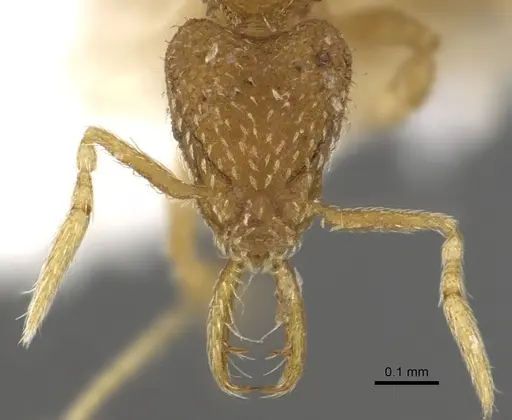
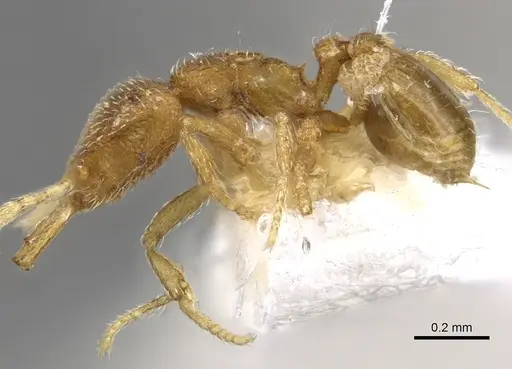
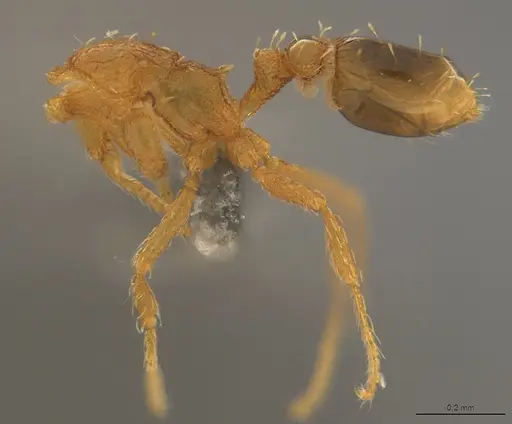
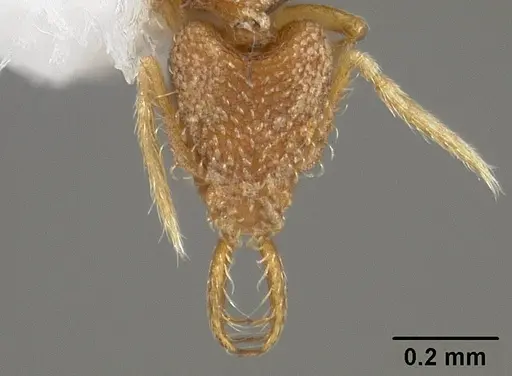
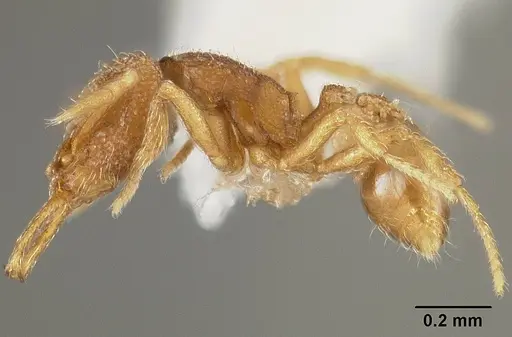
Strumigenys carinithorax is a tiny predatory ant measuring just 1.5-1.6mm in total length . It belongs to the subfamily Myrmicinae and the tribe Attini. Workers have distinctive spatulate hairs on the head and scape, and a median fine longitudinal carina on the mesonotum . This species is found across the Neotropical region, including Argentina, Brazil, Colombia, Guyana, Paraguay, Suriname, and Venezuela . It inhabits forest litter and leaf litter in tropical forests, and has also been recorded in urban green areas . A specialized predator that hunts tiny soil micro-arthropods like springtails. Their cryptic lifestyle and small size make them a challenging species best suited for experienced keepers.
Quick Summary
- Difficulty: Expert
- Origin & Habitat: Neotropical region: Argentina, Brazil, Colombia, Guyana, Paraguay, Suriname, Venezuela [1][2]. Found in forest litter, primary forest, logged forest, road median strips, fragments, public squares, and vacant lots [4][3].
- Colony Type: Unconfirmed. Most Strumigenys species are thought to have a single queen, but this has not been directly documented for Strumigenys carinithorax.
- Size & Growth:
- Queen: Size data unavailable. Queen total length not documented in literature.
- Worker: 1.5-1.6mm total length [1]
- Colony: Unknown. Strumigenys species typically form small colonies of under 100 workers, but no specific data exists for this species.
- Growth: Slow
- Development: Based on typical Strumigenys patterns, estimated 8-12 weeks at optimal temperature (Development timeline is an estimate as this species has not been directly studied. Slow colony growth is expected.)
- Antkeeping:
- Temperature: Based on tropical forest habitat, maintain warm, stable conditions around 22-26°C. Avoid temperatures below 20°C or above 30°C.
- Humidity: High humidity is essential to mimic the damp forest floor. Keep nest substrate consistently moist but not waterlogged. Provide good ventilation to prevent mold.
- Diapause: No. This is a tropical species that does not require hibernation. Keep warm year-round.
- Nesting: Prefers naturalistic setups with moist substrate. A plaster nest or test tube with water reservoir works well. Chambers must be scaled to their tiny size (1.5mm) to prevent escape.
- Behavior: Very cryptic and docile. Strumigenys carinithorax possesses a functional stinger but it is tiny and not a threat to humans. They are specialized predators that hunt springtails and other tiny arthropods. Escape prevention is critical due to their extremely small size (1.5mm), they can squeeze through gaps that seem impossible. Activity level is low, they spend most of their time foraging in leaf litter.
- Common Issues: escape prevention is critical, they are small enough to slip through standard mesh barriers, specialized diet of live springtails can be difficult to maintain consistently, high humidity requirements can lead to mold if airflow is poor, slow growth means colonies stay small and vulnerable for long periods, stress-sensitive, wild-caught colonies may fail to adapt to captivity
Housing and Nest Setup
Strumigenys carinithorax requires a setup that maintains high humidity while preventing escapes. A small test tube with a water reservoir works well for founding colonies. For established colonies, a small plaster nest or naturalistic setup with moist substrate provides the humidity they need. All chambers must be scaled to their tiny 1.5mm size, they can squeeze through practically invisible gaps. Cover all ventilation holes with fine mesh (0.5mm or finer). An outworld for foraging can be connected, but use narrow connections or fluon barriers to prevent escapes. [2]
Feeding and Diet
This species is a specialized predator that hunts springtails and other tiny soil micro-arthropods. In captivity, live springtails are essential, they cannot be replaced with standard ant foods. They may also accept tiny isopods, but springtails are the most reliable prey. Sugar sources such as honey are generally not accepted. Offer live prey every few days, removing any uneaten prey to prevent mold. Feeding should be condition-based: offer food when previous prey has been consumed.
Temperature and Humidity
Keep temperatures in the 22-26°C range, this matches their natural tropical forest habitat. They do not tolerate cool temperatures well, so avoid placing them near air conditioners or in drafty areas. Humidity must be high, mirroring the damp forest floor. The substrate should feel consistently moist but never waterlogged. Achieve this by ensuring the water reservoir in the test tube is always full and condensation is visible on the nest walls. Avoid stagnant air (causes mold) and excessive airflow (causes drying). A small water dish in the outworld helps maintain ambient humidity.
Handling and Temperament
These ants have a functional stinger but it is tiny and they are extremely docile, they are not a threat to keepers. They will flee rather than fight. However, their small size makes direct handling difficult and stressful for them. Observe them through the nest rather than handling them. To move a colony, use a gentle coaxing method into a small container. Their cryptic nature means they may not be visible for long periods as they spend most of their time foraging in substrate or tending brood. This is normal, do not mistake their quiet behavior for illness.
Colony Development
Colony growth is slow. A founding queen produces a small first brood of nanitic (first-generation) workers that are even smaller than normal workers. These workers then begin foraging to feed subsequent broods. Strumigenys colonies typically remain small, expect under 100 workers even in established colonies. The limited colony size is natural and does not indicate poor care. Focus on maintaining stable conditions and providing consistent live prey rather than expecting rapid growth. Patience is essential.
Frequently Asked Questions
Can I keep Strumigenys carinithorax in a test tube?
Yes, a test tube setup works well. Use a small test tube with a water reservoir separated by a cotton ball. Keep it horizontal so the ants can access both the water and dry areas. Cover any ventilation holes with fine mesh (0.5mm or finer) as these tiny ants can escape through standard mesh.
What do Strumigenys carinithorax ants eat?
They are specialized predators that need live springtails as their primary food. They may accept other tiny micro-arthropods like isopods, but springtails are the most reliable. Do not rely on sugar water or honey, this species does not typically accept sugar sources.
How long does it take for Strumigenys carinithorax to produce first workers?
Based on typical Strumigenys development patterns, estimated 8-12 weeks from egg to first worker at optimal temperature (22-26°C). This is an estimate as this species has not been specifically studied. Growth is slow.
Are Strumigenys carinithorax good for beginners?
No, this is an expert-level species. Their tiny size makes escape prevention difficult, they require specialized live prey (springtails), and they need high humidity that can lead to mold issues. They are best suited for experienced antkeepers who can provide these specific conditions.
How big do Strumigenys carinithorax colonies get?
Colony size is unknown, but Strumigenys species typically remain small, likely under 100 workers even at maturity. Do not expect large colonies, focus on maintaining a healthy, stable colony rather than rapid growth.
Do Strumigenys carinithorax need hibernation?
No, they are a tropical species and do not require diapause or hibernation. Maintain year-round temperatures in the 22-26°C range. Cool temperatures can stress and kill these ants.
Why are my Strumigenys carinithorax escaping?
Their tiny 1.5mm size allows them to squeeze through gaps that seem impossible. Check all ventilation holes, lid seams, and connection points. Use fine mesh (0.5mm or finer) and apply fluon barriers to any surfaces they might climb. Escape prevention must be excellent with this species.
When should I move Strumigenys carinithorax to a formicarium?
Only move them when the colony has outgrown the test tube or the setup is causing issues. For small Strumigenys colonies, a test tube setup can house them for their entire life. If you do move them, use a small plaster or naturalistic setup with chambers scaled to their tiny size.
Can I keep multiple queens together in Strumigenys carinithorax?
Not recommended. Colony structure is unconfirmed, but most Strumigenys species have a single queen. Combining unrelated queens has not been documented and would likely result in aggression. Keep only one queen per colony.
Report an Issue
The current care sheet is based fully on literature. See inconsistencies, or something that's incorrect? Please , it will be resolved after review from an admin. Contributing to the blogs tab also helps providing information, to make us be able to further improve the caresheets. Thank you for your support!
References

This caresheet is licensed under CC BY-SA 4.0 .
Community Blogs
ANTWEB1053735
View on AntWeb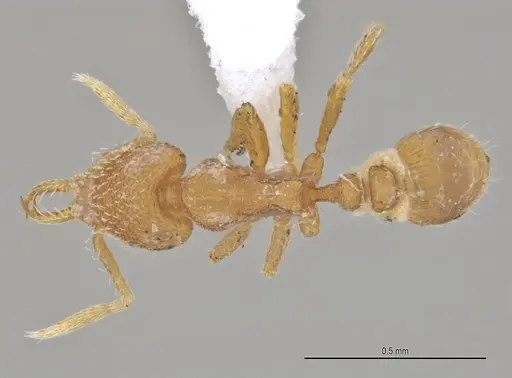
CASENT0902309
View on AntWeb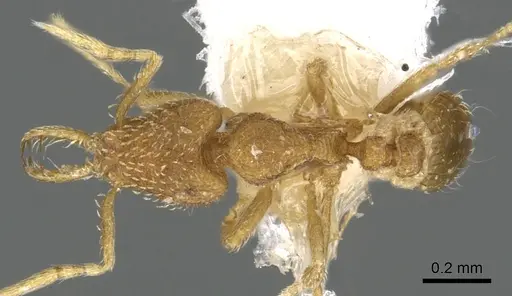
CASENT4036187
View on AntWeb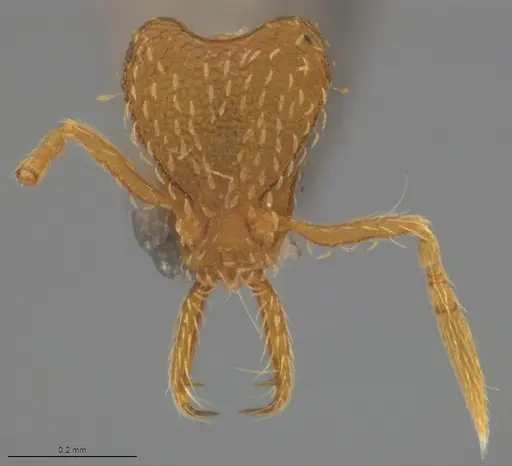
ECOFOG-GAL18-0148-32
View on AntWeb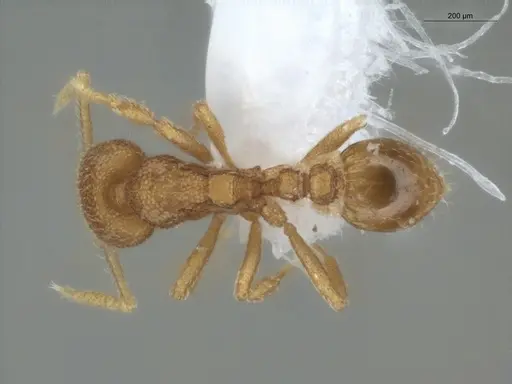
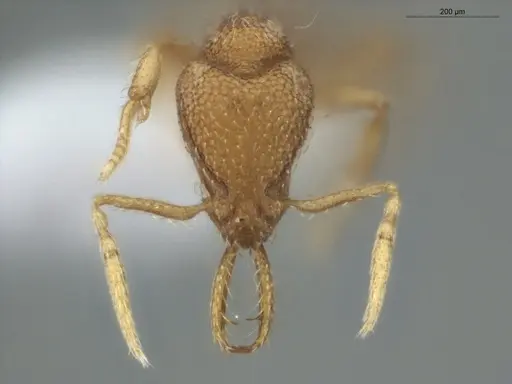
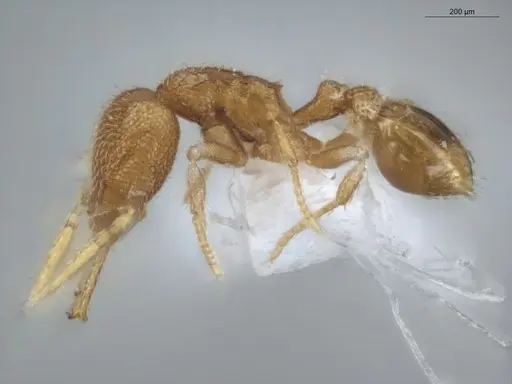
USNMENT00442421
View on AntWeb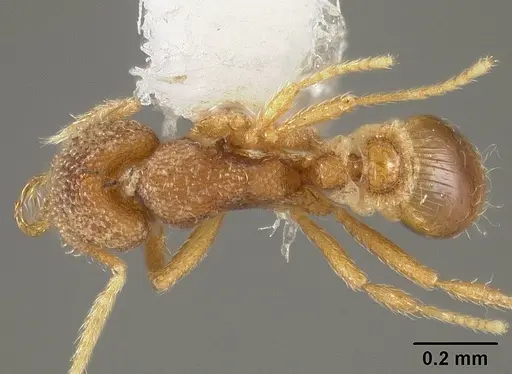
Literature
Loading distribution map...Loading products...