
Strumigenys canina
- Sci. Name
- Strumigenys canina
- Tribe
- Attini
- Subfamily
- Myrmicinae
- Author
- Brown & Boisvert, 1979
- Distribution
- Found in 4 countries
Introduction
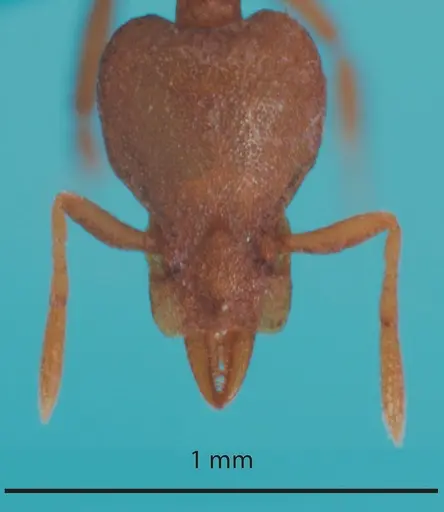
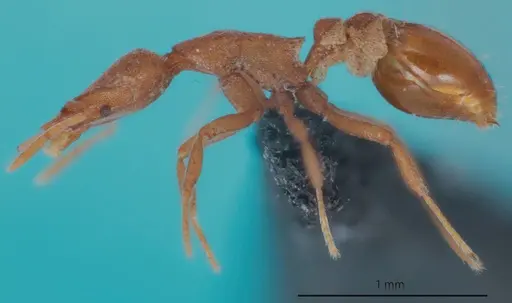
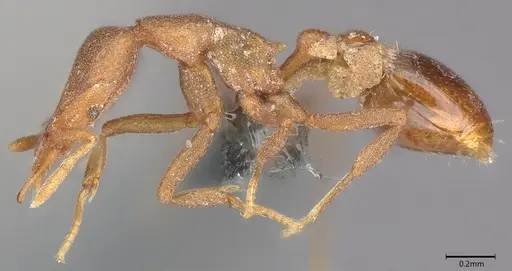
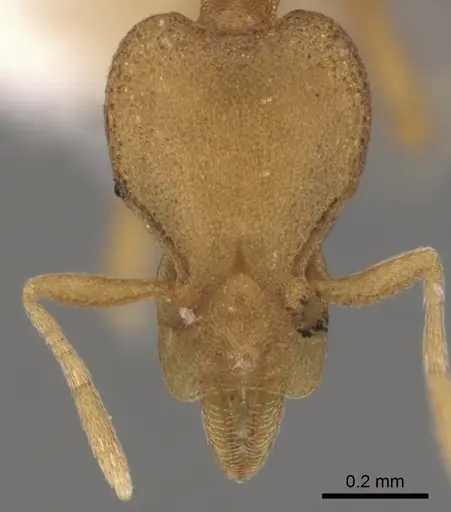
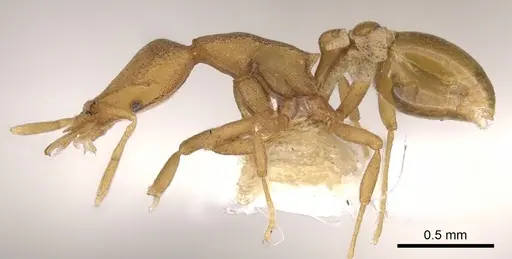
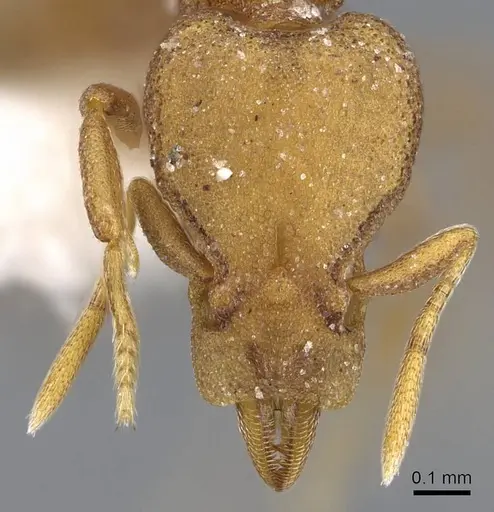
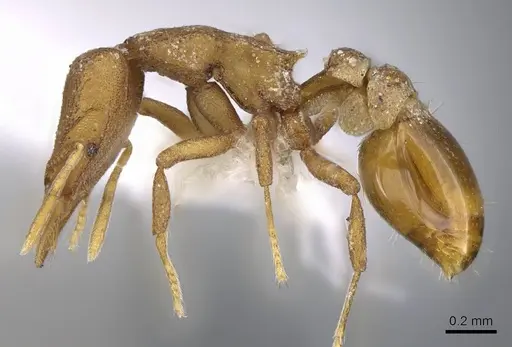
Strumigenys canina is a tiny predatory ant, about 2-3mm long. It's easy to recognize by its long, narrow mandibles compared to other Strumigenys. The fifth tooth from the base of the mandible is the longest and broadest, visible even when the jaws are closed . This species is short-mandibulate, meaning its jaws are relatively short and specialized for hunting small prey . It belongs to the Strumigenys sauteri group . In Hong Kong, it's one of the most common Strumigenys species, found in many habitats like roadsides, shrublands, tree plantations, bamboo forests, and secondary forests . In Japan it's considered rare but can be found in moist, decaying wood inside evergreen broadleaf forests . Its range includes Japan, South Korea, Taiwan, China (including Hainan, Hong Kong, Macau), and northern Vietnam .
Quick Summary
- Difficulty: Medium
- Origin & Habitat: Native to East Asia: Japan, South Korea, mainland China (including Hainan, Hong Kong, Macau, Taiwan), and northern Vietnam. Found in primary and secondary forests, rubber plantations, and tree-lined areas from 29m up to 1000m elevation [5][7][1].
- Colony Type: Polygynous, colonies contain multiple queens. One documented colony had 3 queens along with 149 workers,24 alate gynes, and 1 male [5].
- Size & Growth:
- Queen: ~3-4mm, inferred from Strumigenys genus
- Worker: ~2-3mm, inferred from Strumigenys genus
- Colony: At least 150 workers documented, likely reaches several hundred in mature colonies [5]
- Growth: Slow
- Development: Estimated 8-12 weeks based on patterns for short-mandibulate Strumigenys (Development is slow, first workers (nanitics) are smaller than mature ones. Be patient with founding colonies.)
- Antkeeping:
- Temperature: Keep warm, roughly 22-26°C (room temperature range). This species comes from warm subtropical to tropical areas, so stable warmth is important. A heating cable on one side can create a gradient. Avoid drafts and cold windows.
- Humidity: High humidity is essential. Keep the nest substrate consistently moist but not waterlogged. These ants come from moist forest environments and nest in decaying wood [6][5]. Damp soil or plaster works well.
- Diapause: Likely not required. Based on its subtropical distribution, maintain stable temperatures year-round. Colonies may show slightly reduced activity in cooler months but should remain active [7][5].
- Nesting: Natural nest sites are moist, decaying wood [6]. In captivity, a naturalistic setup with damp soil or a Y-tong (AAC) nest with moisture chambers works well. Include some rotten wood pieces to mimic their natural environment.
- Behavior: Strumigenys canina is a specialized predator that uses its short mandibles to capture small prey, mainly springtails and other micro-arthropods. Workers are slow-moving and forage alone. They are not aggressive and avoid confrontation. They have a functional sting but it's too small to affect humans. Because of their tiny size, escape prevention is critical, use fine mesh (0.3mm or finer). This species is known for 'body smearing behavior' during hunting, documented by Masuko [8]. They are fascinating to watch but require patience.
- Common Issues: escape prevention is critical due to tiny 2-3mm size, they can slip through standard barriers, slow growth means colonies take months to establish, avoid overchecking or disturbing founding colonies, requires live prey (springtails), will not thrive on sugar alone or large prey items, high humidity is essential, dry conditions cause colony decline and death, wild-caught colonies may contain parasites that can devastate captive colonies
Housing and Nest Setup
Because Strumigenys canina nests in moist, decaying wood in the wild [6], your setup should provide high humidity and a natural feel. A Y-tong (AAC) nest with a built‑in moisture chamber works well. You can also use a naturalistic setup with flat stones placed on damp soil. The key is keeping the substrate consistently moist, think damp but not waterlogged. Adding a few pieces of rotten wood gives them hiding spots and mimics their natural environment. These ants are only 2-3mm, so all openings must be very narrow. Use fine mesh (0.3mm or smaller) on any vents or barriers. Connect the nest to an outworld with a soft tube or narrow bridge. A small water tube connected to the nest helps maintain humidity. Avoid plastic or acrylic nests because they don't hold moisture well.
Feeding and Diet
Strumigenys canina is a strict predator of tiny arthropods. In captivity, live springtails are the ideal prey, they are the right size for these ants' short mandibles. Other small live prey like booklice, dust mites, and flightless fruit flies may also be accepted. They rarely scavenge and will ignore dead prey or large insects. Sugar sources are not needed and will be ignored. Offer small amounts of live prey every few days. Remove any uneaten prey after 24 hours to prevent mold. If you can't keep a springtail culture going, this species will be very difficult to maintain. [5]
Temperature and Care
Keep your colony at a stable warm temperature, roughly 22-26°C (room temperature range). This species comes from warm subtropical and tropical areas of East Asia [7][5], so they don't tolerate cold. A heating cable on one side of the nest creates a temperature gradient, letting the ants choose their preferred spot. Avoid placing the colony near air conditioning vents or cold windows. Stable warmth is more important than hitting an exact number. They do not need hibernation, maintain the same temperature year-round [7][5].
Behavior and Temperament
Workers are slow, deliberate foragers that hunt alone. They are not aggressive and will flee from disturbance. They have a functional sting, but it is too small to cause any noticeable effect on humans. Their main defense is hiding. The most interesting behavior is 'body smearing', during hunting, they drag their bodies over prey, possibly to apply gland secretions that subdue it [8]. Because they are so tiny, always use very fine mesh (0.3mm or smaller) on any openings, they can squeeze through gaps that seem impossibly small. When disturbed, workers may play dead.
Colony Development
Colonies are polygynous, meaning they contain multiple queens. One documented colony had 3 queens together with 149 workers,24 alate gynes, and 1 male [5]. This suggests that several reproductive queens naturally coexist. Growth is slow, Strumigenys are not fast growers. A founding queen (if you manage to get one) will take several months to produce her first workers. The founding method is unknown, so be prepared to offer small live prey from the start if she is semi‑claustral. Be patient and avoid disturbing the colony often. Once established, the colony will grow gradually.
Seasonal Care and Nuptial Flights
In Hong Kong, alates (winged queens and males) have been collected from mid‑June to mid‑July, suggesting nuptial flights occur in early summer [5]. In Japan, workers are collected year‑round but more frequently in warmer months [6]. Because the species lives in subtropical regions, it does not need a true hibernation period. Keep temperatures stable year‑round. The colony may be slightly less active in winter but should remain active if kept warm. No special winter care is needed.
Frequently Asked Questions
Can I keep Strumigenys canina in a test tube?
A test tube can work for a founding queen, but you'll need to maintain high humidity. Wrap the tube in damp material or use a cotton ball that stays moist. For established colonies, a Y-tong (AAC) nest with a moisture chamber is better. A simple test tube may dry out too quickly.
How long does it take for Strumigenys canina to produce first workers?
Based on related species, expect roughly 8-12 weeks from egg to first worker at 22-26°C. Development is slow, and the first workers (nanitics) will be smaller than mature ones. Avoid disturbing the queen during this phase.
What do Strumigenys canina ants eat?
They are strict predators of tiny live prey. Their main food should be live springtails. Other small prey like booklice, dust mites, and flightless fruit flies may also work. They will not eat sugar, honey, or dead insects. Do not offer large prey.
Are Strumigenys canina good for beginners?
We rate this species as medium difficulty. They have specific needs: high humidity, warm temperatures, and a constant supply of live springtails. They also grow slowly. If you are experienced with keeping humidity high and can maintain a springtail culture, they can be rewarding. But they are not a beginner‑friendly species.
How big do Strumigenys canina colonies get?
At least 150 workers based on a documented sample, and likely several hundred in mature colonies. Because they are polygynous, they can support larger populations. Growth is slow, so reaching large numbers takes patience.
Do Strumigenys canina need hibernation?
No. This subtropical species does not require hibernation. Keep the colony warm (22-26°C) year-round. They may be slightly less active in winter but should stay active if kept warm.
Why are my Strumigenys canina dying?
Common causes include: low humidity (keep substrate damp), too cold (maintain 22-26°C), wrong food (they need live springtails, not dead prey), and escape (they are tiny and slip through small gaps). Also check for parasites if wild‑caught.
When should I move my colony to a formicarium?
Wait until the colony has at least 20-30 workers before moving to a larger setup. Moving too early can cause stress. Choose a nest that holds high humidity well, a Y-tong (AAC) nest with a moisture chamber is ideal. The outworld must be escape‑proof with fine mesh (0.3mm).
Can I keep multiple queens together?
Yes, this species is naturally polygynous. One colony was found with 3 queens, so they coexist peacefully. If you have multiple queens from the same location, they are likely to accept each other. Introducing unrelated queens carries some risk but is still possible.
Report an Issue
The current care sheet is based fully on literature. See inconsistencies, or something that's incorrect? Please , it will be resolved after review from an admin. Contributing to the blogs tab also helps providing information, to make us be able to further improve the caresheets. Thank you for your support!
References

This caresheet is licensed under CC BY-SA 4.0 .
Community Blogs
ANTWEB1048550
View on AntWeb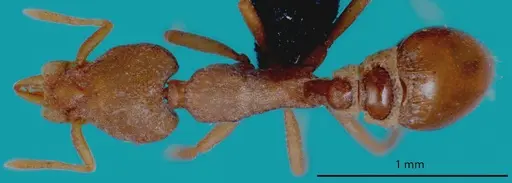
CASENT0728835
View on AntWeb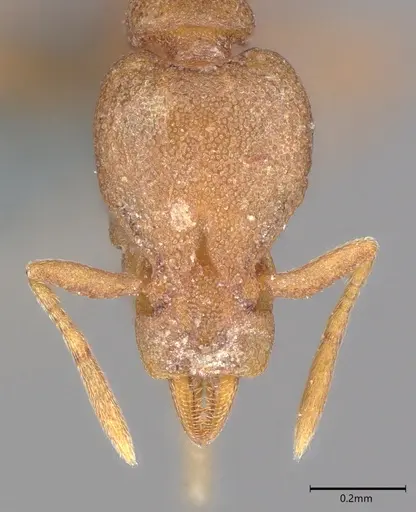
CASENT0900124
View on AntWeb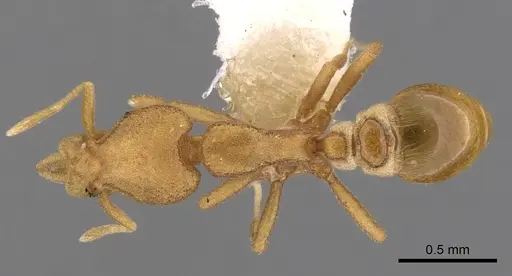
CASENT0914622
View on AntWeb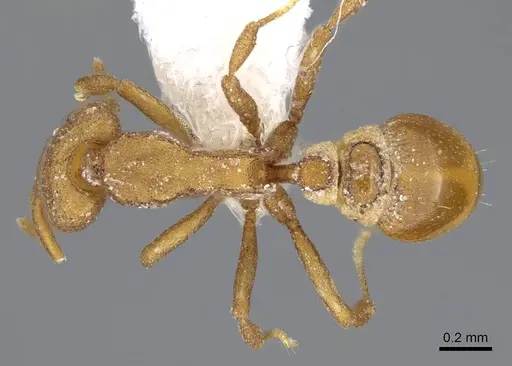
Literature
Loading distribution map...Loading products...