
Strumigenys borgmeieri
- Sci. Name
- Strumigenys borgmeieri
- Tribe
- Attini
- Subfamily
- Myrmicinae
- Author
- Brown, 1954
- Distribution
- Found in 8 countries
Introduction
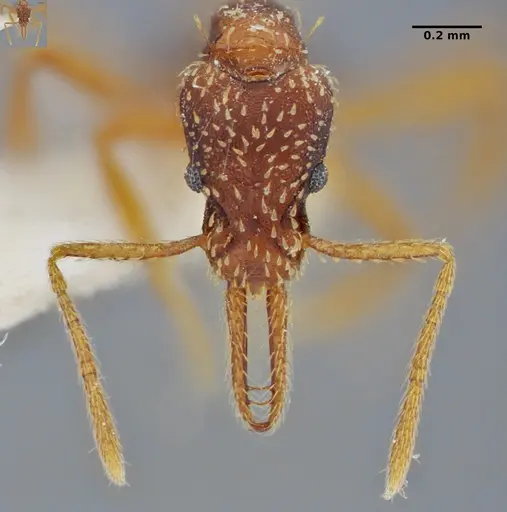
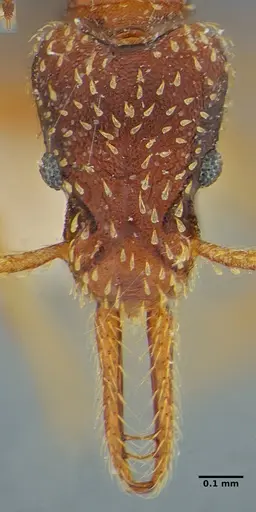
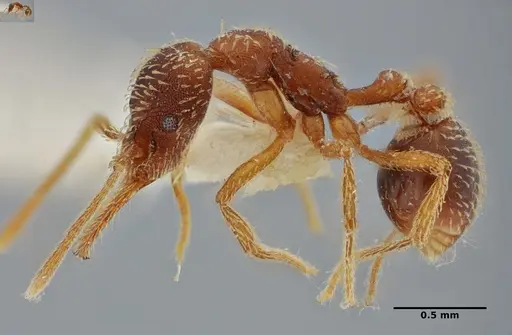
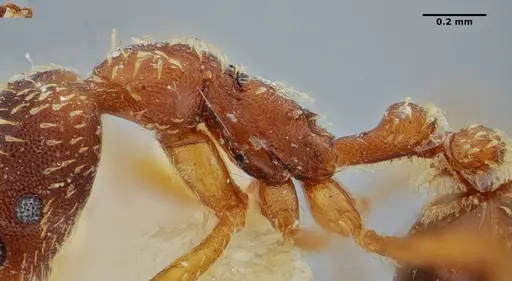
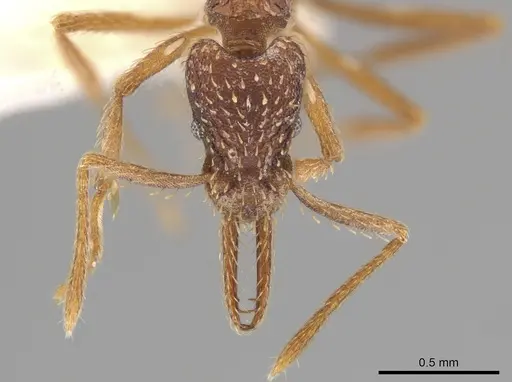
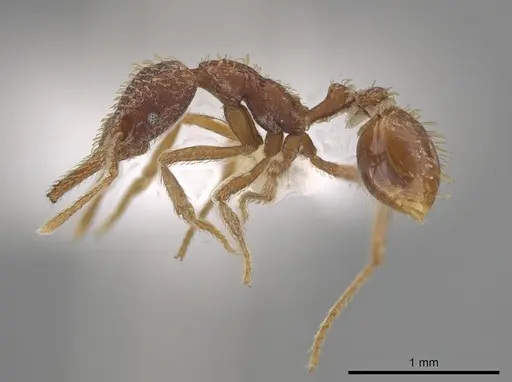
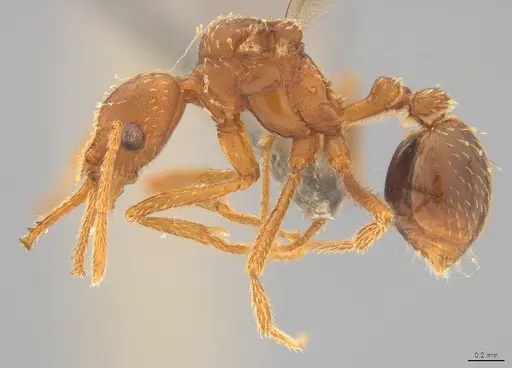
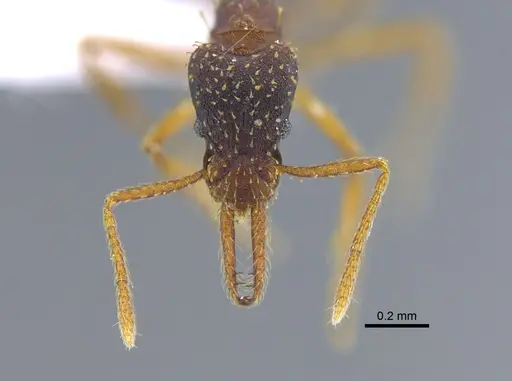
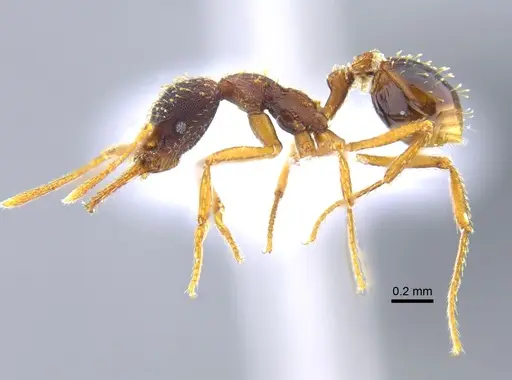
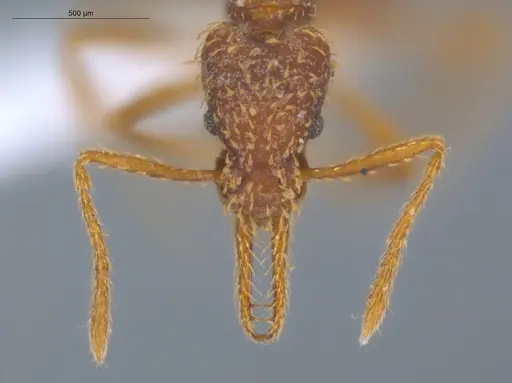
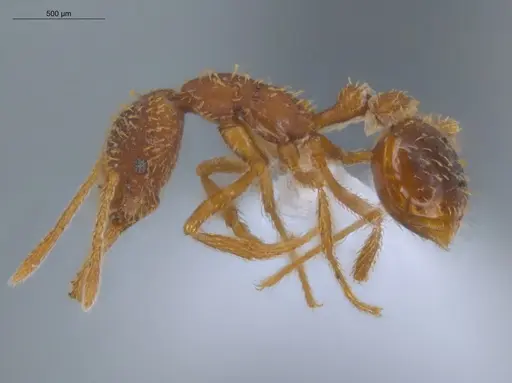
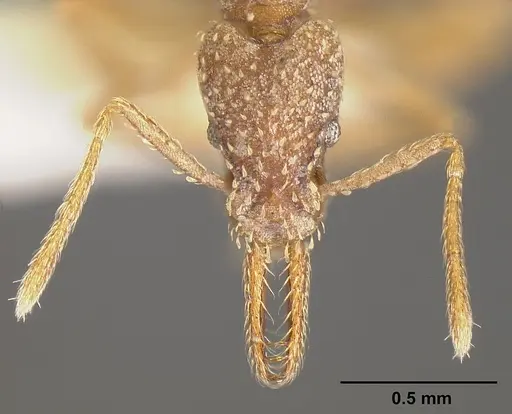
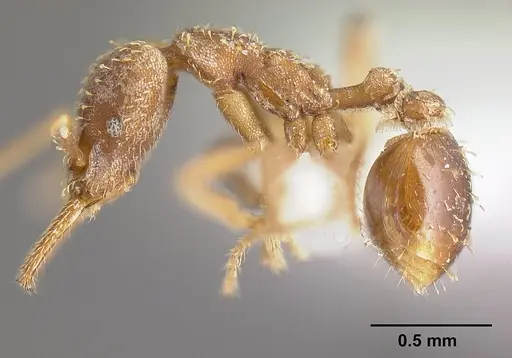
Strumigenys borgmeieri is a tiny predatory ant measuring 3.0-3.3mm in total length, part of the Myrmicinae subfamily and Attini tribe . Workers have very distinctive short mandibles (the shortest in their species group) with two preapical teeth grouped near the tip, and their body is covered with conspicuous short spatulate hairs . This species belongs to the Strumigenys mandibularis group, specifically the cordovensis-complex, which sets it apart through its unique mandible structure . These ants are ground-dwelling leaf-litter specialists found across the Neotropical region from Mexico down to Brazil . They inhabit forest floors, forest edges, and even disturbed areas like lawns, where they hunt tiny prey among decaying organic matter . One record shows they have been collected from abandoned termite nests in cacao plantations . They thrive in humid, shaded environments with plenty of leaf litter.
Quick Summary
- Difficulty: Expert
- Origin & Habitat: Neotropical region, Brazil, Colombia, Costa Rica, French Guiana, Honduras, Mexico, and Panama. Found in forest, forest edge, and disturbed habitats like lawns. They live in leaf litter on the forest floor, often near riparian areas [1].
- Colony Type: Unconfirmed, likely monogyne (single queen) based on typical Strumigenys colony structure. Colony size is small. Founding behavior is unconfirmed.
- Size & Growth:
- Queen: Unknown, no measured queens, workers are 3.0-3.3mm [1] and queens are likely somewhat larger but unmeasured.
- Worker: 3.0-3.3mm [1]
- Colony: Likely under 100 workers based on typical Strumigenys colony sizes
- Growth: Slow
- Development: Estimated 8-12 weeks at optimal temperature based on related Dacetini species (Strumigenys are slow-growing ants. First workers (nanitics) will be very small.)
- Antkeeping:
- Temperature: Keep warm and stable, around 22-26°C. These are tropical ants, avoid temperatures below 20°C.
- Humidity: High humidity is essential, think damp forest floor. Keep the nest substrate consistently moist but not waterlogged. These leaf-litter ants need a humidity level around 70-80%.
- Diapause: No, this is a tropical species that does not require hibernation. Keep them warm year-round.
- Nesting: Y-tong (AAC) nests or naturalistic setups with fine substrate work well. They prefer tight chambers scaled to their tiny size. Provide plenty of hiding structures and keep the setup humid. Avoid dry, open configurations.
- Behavior: These ants are specialized predators that hunt tiny prey. They have short but functional mandibles for capturing small arthropods like springtails. They are not aggressive toward humans and their sting is weak, they belong to a subfamily with a functional sting but it is unlikely to be noticeable. They are very small and can escape through tiny gaps. They are slow-moving and docile, spending most of their time foraging through substrate.
- Common Issues: tiny size means escapes are likely without fine mesh barriers, use fluon and tight-fitting lids, specialized diet requires live springtails or micro-arthropods, they will not survive on sugar water alone, slow growth can frustrate keepers expecting rapid colony development, high humidity needs make mold a constant risk, ensure proper ventilation, temperature drops below 20°C can kill the colony quickly
Housing and Nest Setup
Strumigenys borgmeieri requires careful housing due to their tiny size and specialized needs. A Y-tong (AAC) nest with narrow chambers works well, or you can use a naturalistic setup with a fine soil substrate. The key is providing tight spaces that match their small size, these ants feel secure in snug chambers. Avoid tall, open spaces that would make them feel exposed. Place the nest in a dark or dimly lit area, as they prefer to stay hidden. The outworld should be simple with minimal decorations, focus on providing a humid environment rather than visual complexity. Use a test tube setup for founding colonies, then transition to a more elaborate nest once the colony reaches 15-20 workers. Always use excellent escape prevention: apply fluon to all edges and use fine mesh on any ventilation holes, as these ants can squeeze through gaps smaller than 1mm.
Feeding and Diet
This is the most critical aspect of keeping Strumigenys borgmeieri. They are specialized predators that require live prey, primarily springtails (Collembola) and other tiny micro-arthropods like soil mites, tiny beetles, and booklice. Their short mandibles, with two preapical teeth near the tip, are designed for capturing tiny, soft-bodied prey, not for chewing larger insects [2]. You must culture your own springtail colony to ensure a constant supply of live food. Feed small springtails (2-3mm) every 2-3 days, offering more than they can immediately consume so they can hunt naturally. Remove any uneaten prey after 24 hours to prevent mold. Some keepers report success with fruit flies (Drosophila), but springtails should form the bulk of their diet. Do not attempt to feed them larger prey, they simply cannot tackle it.
Temperature and Humidity
As a Neotropical species from Costa Rica and Brazil, Strumigenys borgmeieri needs warm, humid conditions year-round. Maintain temperatures between 22-26°C, use a heating cable on one side of the nest if your room temperature falls below this range. Place the heating element on top of the nest, not underneath, to avoid evaporating moisture too quickly. Humidity is equally important: aim for 70-80% relative humidity inside the nest. The substrate should feel damp to the touch but never waterlogged. Mist the nest occasionally, but rely on a water reservoir (like a test tube with water and cotton) for consistent moisture. Place the setup away from direct sunlight and air conditioning vents, as both can cause dangerous temperature and humidity fluctuations. Since they come from forest floor habitats, they are adapted to stable, shaded conditions.
Colony Development
Strumigenys colonies grow slowly, and S. borgmeieri is no exception. Founding type is unconfirmed, queens likely seal themselves in a small chamber and raise the first brood without feeding. Expect 8-12 weeks for the first workers (nanitics) to emerge, though this varies based on temperature. The first workers will be very small, much tinier than mature workers. Do not disturb the queen during founding, stress can cause her to eat the brood or abandon the nest. Once the first nanitics emerge, the colony enters a fragile phase where the queen still does most of the brood care. Only offer tiny live prey at this stage. Growth is gradual: expect the colony to reach 20-30 workers in 6-12 months under ideal conditions. Maximum colony size is likely under 100 workers, Strumigenys are not large colony ants. Patience is essential with this species.
Behavior and Temperament
Strumigenys borgmeieri is a docile, non-aggressive species that poses no threat to keepers. They have a functional sting, but it is weak and unlikely to be felt. Their behavior is characterized by slow, methodical foraging through leaf litter and substrate, hunting for tiny prey. Workers are solitary foragers that search independently rather than recruiting large groups to food sources. They are not territorial or aggressive toward other colonies. In the wild, they live in small colonies scattered through the forest floor, often near rotting wood or in abandoned termite nests [3]. In captivity, they will spend most of their time hidden within the nest or foraging quietly through the substrate. They are not exciting to watch like some larger, more active ants, but their specialized hunting behavior is fascinating for experienced keepers who appreciate their unique ecology.
Frequently Asked Questions
Can I keep Strumigenys borgmeieri in a test tube?
Yes, test tubes work well for founding colonies. Use a small test tube with a water reservoir (cotton ball at one end) to maintain humidity. The queen will seal herself in the dark end and raise her first brood there. Once you have 15-20 workers, consider moving to a Y-tong or naturalistic setup with more space. The key is keeping the tube humid and dark during the founding phase.
What do Strumigenys borgmeieri eat?
They eat live springtails and other tiny micro-arthropods. This is non-negotiable, they are specialized predators that cannot survive on sugar water or dead insects. Their short mandibles with two preapical teeth are adapted for capturing tiny prey [2]. Culture your own springtail colony and offer 2-3mm springtails every 2-3 days. They may also accept tiny fruit flies experimentally, but springtails should form the foundation of their diet.
How long until first workers appear?
Expect 8-12 weeks from egg to first worker at optimal temperature (around 24°C). This is slow compared to many common ant species. The first workers (nanitics) will be very small. Be patient, Strumigenys colonies take time to establish.
Are Strumigenys borgmeieri good for beginners?
No, this is an expert-level species. Their specialized live-prey diet, high humidity requirements, tiny size (escape risk), and slow growth make them challenging. They are not recommended for beginners. If you want an easier Strumigenys experience, consider starting with more robust species. This species is best for experienced antkeepers who can culture springtails and maintain stable conditions.
How big do colonies get?
Colony size remains modest, likely under 100 workers at maturity. Strumigenys are not large colony ants. Their colonies stay small and scattered in nature, which is typical for leaf-litter specialists.
Do they need hibernation?
No. As a Neotropical species from tropical regions, they do not require hibernation or winter cooling. Keep them warm (22-26°C) year-round. Hibernation would likely kill them.
Why are my Strumigenys dying?
The most common causes are: 1) Lack of live springtail prey, they will starve without constant access to tiny live prey. 2) Low humidity, they need damp conditions. 3) Escapes, their tiny size means they can slip through almost any gap. 4) Temperature too low, keep them above 22°C. 5) Mold from over-misting. Review each of these factors and adjust accordingly.
When should I move to a formicarium?
Move from test tube to a more elaborate setup once the colony reaches 15-20 workers. A Y-tong nest with a small outworld or a naturalistic setup with fine substrate works well. The transition should be gradual, place the test tube in the new setup and let them explore and relocate on their own. Disturbing the queen unnecessarily can cause stress.
Can I keep multiple queens together?
Not recommended. Strumigenys borgmeieri is likely monogyne (single queen) based on genus patterns, though not confirmed. Combining unrelated queens has not been documented and would likely result in fighting. If you catch multiple founding queens, house them separately.
Report an Issue
The current care sheet is based fully on literature. See inconsistencies, or something that's incorrect? Please , it will be resolved after review from an admin. Contributing to the blogs tab also helps providing information, to make us be able to further improve the caresheets. Thank you for your support!
References

This caresheet is licensed under CC BY-SA 4.0 .
Community Blogs
ANTWEB1032494
View on AntWeb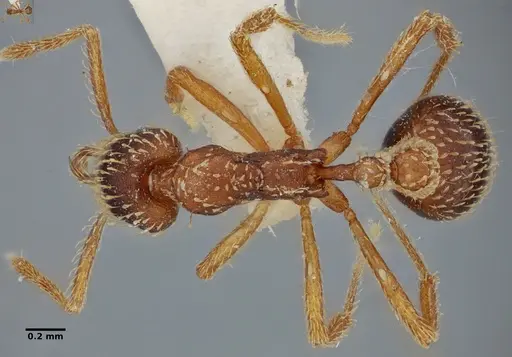
CASENT0633464
View on AntWeb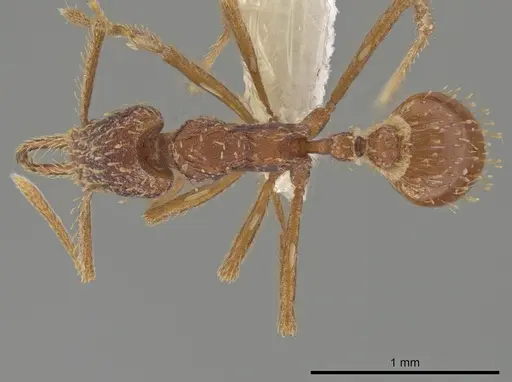
CASENT4036198
View on AntWeb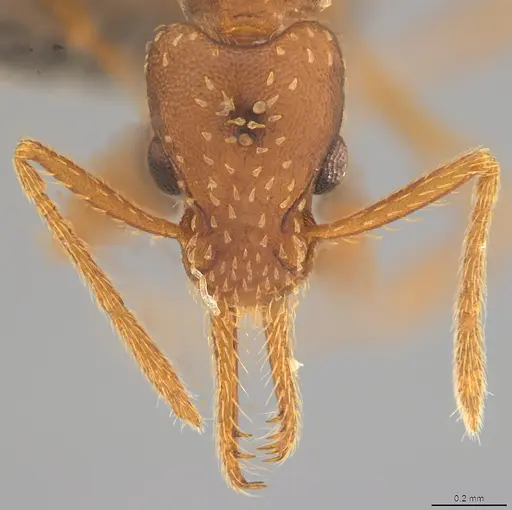
CBUMAGENT41679
View on AntWeb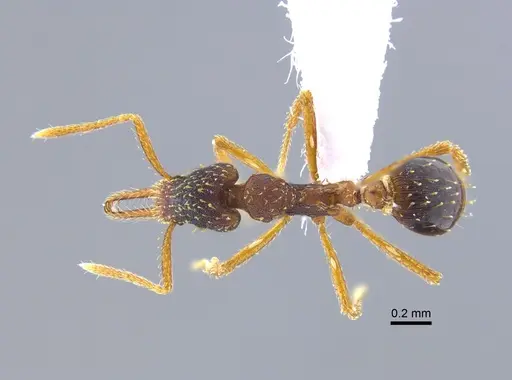
ECOFOG-IT14-0964-63
View on AntWeb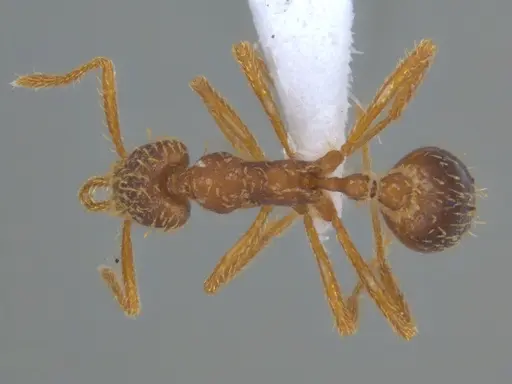
INBIOCRI001283734
View on AntWeb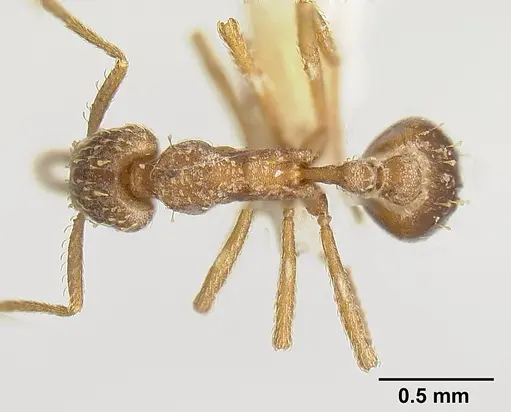
Literature
Loading distribution map...Loading products...