
Strumigenys boneti
- Sci. Name
- Strumigenys boneti
- Tribe
- Attini
- Subfamily
- Myrmicinae
- Author
- Brown, 1959
- Distribution
- Found in 4 countries
Introduction
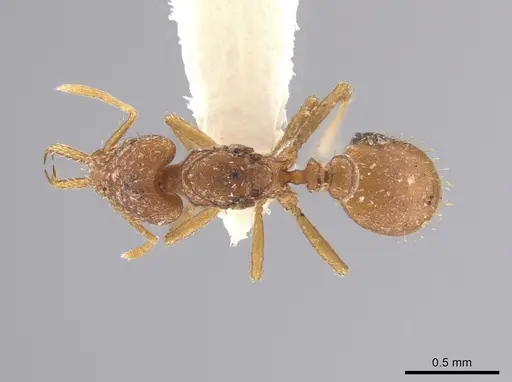
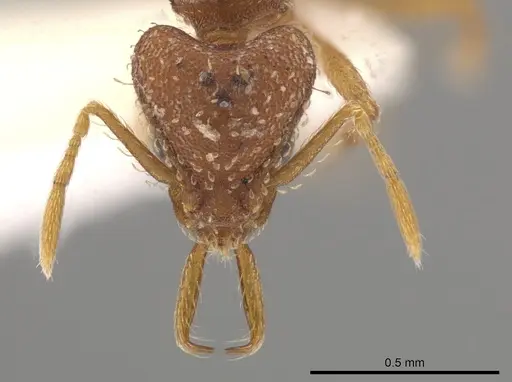
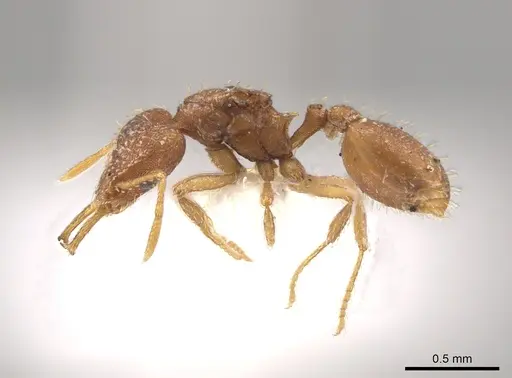
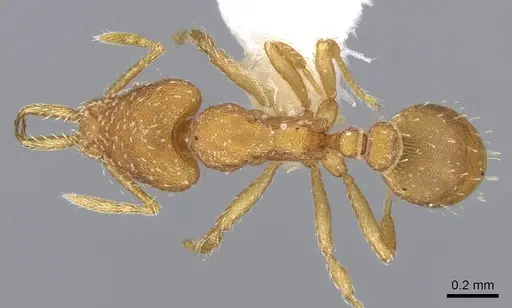
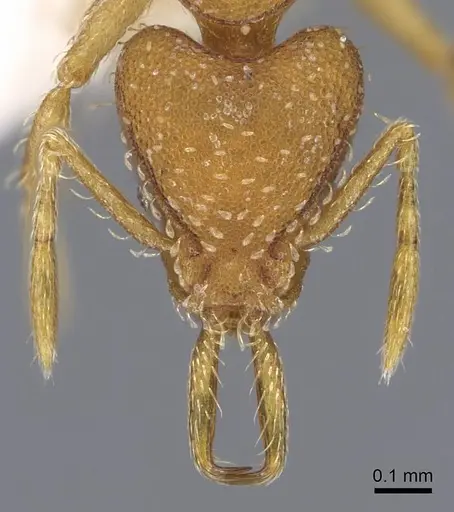
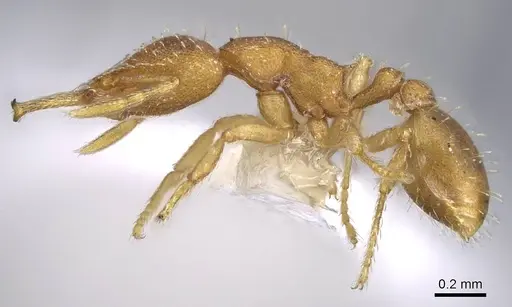
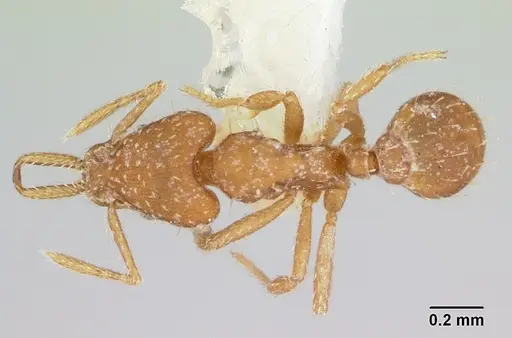
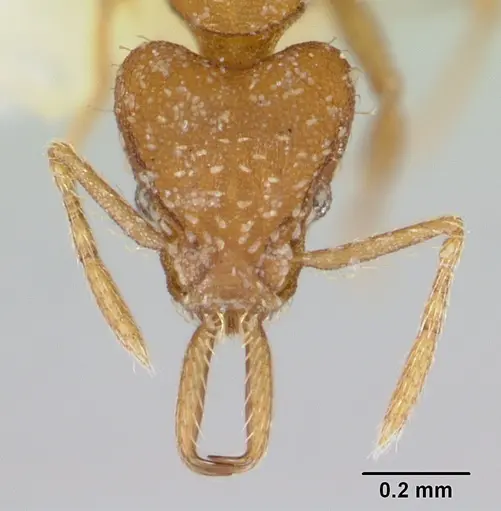
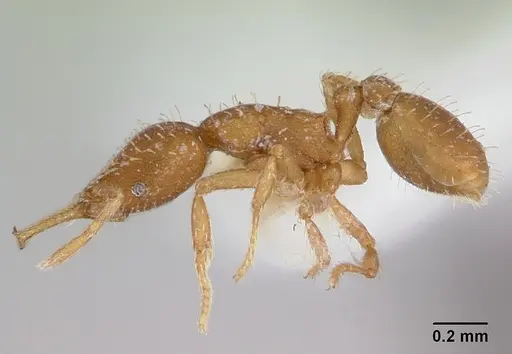
Strumigenys boneti is a tiny predatory ant, with workers measuring 2.1-2.3 mm in total length . They have closely spaced mandibular insertions and spongiform tissue on the waist . This species belongs to the ludia group and can be distinguished from related species by its smaller size and lack of flagellate hairs on the apicoscrobal area and pronotum . Key identifying features: the mandible has only a minute denticle at midlength (no large preapical tooth), all setae on the anterior scape margin point toward the apex, and the pronotal humeral seta is short, stiff, and stout . The native range is mainly Central America, from northern Mexico through Guatemala, Belize, and Honduras, with a small population in two Texas counties (Hidalgo and Cameron) . Most specimens have been collected through litter sifting in woodland habitats, making them difficult to observe in the wild .
Quick Summary
- Difficulty: Hard
- Origin & Habitat: Native to Central America, ranging from northern Central America to southwestern Texas. Found in woodland habitats, particularly leaf litter in subtropical forests and tropical lowland rainforests [1][3]. Collections documented in Mexican states of Tabasco, Quintana Roo, and from Guatemala, Belize, and Honduras [4][5].
- Colony Type: Likely single-queen colonies based on typical Strumigenys patterns. Colony size is assumed small, likely under 100 workers given the tiny worker size and litter-dwelling habits.
- Size & Growth:
- Queen: Unknown, size data unavailable
- Worker: 2.1-2.3 mm total length [1]
- Colony: Presumed small, likely under 100 workers based on typical Strumigenys litter-dwelling species patterns
- Growth: Unknown, no direct development data available
- Development: Unknown, estimated 6-8 weeks based on typical Strumigenys genus patterns at tropical temperatures (Development timeline is estimated from related species, specific data for Strumigenys boneti is not available in the literature.)
- Antkeeping:
- Temperature: Keep at 24-28°C. These are tropical to subtropical ants that thrive in warm, consistent conditions. A gentle heating gradient is recommended, avoid drafts and temperature fluctuations.
- Humidity: High humidity is essential. Aim for the substrate to be consistently moist but not waterlogged. These ants live in forest floor litter that stays damp. Use well-hydrated substrate and mist the setup occasionally, but ensure good ventilation to prevent mold.
- Diapause: No, this is a tropical/subtropical species that does not require hibernation. Keep temperatures stable year-round.
- Nesting: Litter-dwelling species that prefers naturalistic setups with moist substrate. A test tube setup works well, paired with a small outworld containing fine substrate. For more advanced setups, use a small soil nest or Y-tong (AAC) nest with high humidity. Avoid large open spaces, provide tight, confined spaces similar to forest floor litter. Escape prevention is critical due to their minute size.
- Behavior: These are specialized predatory ants that use a kinetic hunting mode to capture prey [2]. They are extremely small and can easily escape through tiny gaps. Workers are rarely seen foraging openly, they hunt within the leaf litter layer. Colonies are likely shy and non-aggressive, focusing on hunting small prey rather than defending territory. They have a functional stinger but it is not medically significant to humans.
- Common Issues: escape prevention is critical, they are extremely tiny and can squeeze through standard barrier materials, specialized diet requirements make them difficult to feed, they need live small prey like springtails or fruit fly larvae, high humidity needs can lead to mold issues if ventilation is poor, rarely foraging means colonies may appear inactive, this is normal behavior, queens are rarely collected in the wild, so obtaining founding colonies may be very difficult
Housing and Setup
Strumigenys boneti requires a setup that mimics their natural leaf litter habitat. A test tube setup works well, paired with a small outworld containing moist substrate. Because they are extremely tiny, escape prevention must be excellent, use fine mesh on ventilation and fluon on container rims, and ensure all connections are sealed. The nest chamber should be small and appropriately scaled to their minute size. Provide a hydration source that maintains high humidity without flooding. A layer of moist substrate in the foraging area helps maintain the humidity levels these ants need. Avoid large open spaces, they prefer tight, confined spaces similar to what they would find in forest floor litter [1].
Feeding and Diet
These are specialized predatory ants that use a kinetic hunting mode to capture prey [2]. In captivity, they need small live prey items such as springtails, tiny mites, or fruit fly larvae. They are unlikely to accept sugar sources or larger prey items. Feed small prey items every few days, removing any uneaten prey to prevent mold. Because they rarely forage openly, place prey near nest entrances where workers are most likely to encounter it. Do not expect to see active hunting, these ants are cryptic and will ambush prey that comes within range of their specialized mandibles.
Temperature and Humidity
Keep temperatures in the range of 24-28°C. These are tropical to subtropical ants that need consistent warmth. Avoid temperature fluctuations and keep them away from air conditioning vents or cold drafts. Humidity should be high, aim for the substrate to be consistently moist but never waterlogged. Mist the setup occasionally to maintain humidity, but ensure adequate ventilation to prevent mold growth. A small water reservoir connected to the nest can help maintain stable humidity levels [1][3].
Behavior and Temperament
Strumigenys boneti is a cryptic, litter-dwelling species that is rarely observed foraging in the wild [1]. Workers are specialized predators using a kinetic hunting mechanism, their mandibles can deliver extremely fast strikes to capture small prey [2]. Colonies are likely small and shy, with workers spending most of their time within the nest or in the immediate vicinity. They are not aggressive and pose no threat to keepers. They have a functional stinger, but it is not medically significant. The most critical aspect of keeping this species is preventing escape, their minute size means they can slip through gaps that would contain larger ants. Use fluon on container rims and fine mesh on any ventilation openings.
Colony Establishment
Starting a colony of Strumigenys boneti requires obtaining a founding queen or a small colony. Queens are not described in available literature, founding behavior is unconfirmed, and specific guidance is unavailable. Expect slow colony growth, these are small ants with presumably modest reproduction rates. Be patient with this species, they will not produce large colonies quickly. Obtain colonies only from reputable sources and never release any ants into the wild.
Legal and Ethical Considerations
Before acquiring Strumigenys boneti, check your local regulations regarding ant keeping. This species has a limited range in the United States (only Hidalgo and Cameron counties in Texas) and Central America. Do not release this or any non-native ant species into the wild. If you obtain a colony, maintain it in secure containment permanently. Responsible ant keeping means preventing any potential ecological impact from accidental escapes [1].
Frequently Asked Questions
How long does it take for Strumigenys boneti to produce first workers?
The exact timeline is unknown for this species, but based on typical Strumigenys genus patterns, expect approximately 6-8 weeks from egg to worker at optimal tropical temperatures (around 26°C). Growth is likely slow, so be patient with founding colonies.
What do Strumigenys boneti ants eat?
They are specialized predators that need small live prey. Offer springtails, tiny mites, or fruit fly larvae. They are unlikely to accept sugar water or larger prey items. Place prey near nest entrances where workers can find it [2].
Can I keep Strumigenys boneti in a test tube setup?
Yes, a test tube setup can work, but you must ensure excellent escape prevention. These ants are extremely tiny, about 2.1-2.3 mm, and can escape through standard barriers. Use fine mesh and fluon on all openings [1].
Are Strumigenys boneti good for beginners?
No. This species is considered difficult to keep due to their specialized predatory diet, extremely small size requiring excellent escape prevention, and high humidity requirements. They are best suited for experienced antkeepers [1].
Do Strumigenys boneti need hibernation?
No. This is a tropical to subtropical species that does not require diapause or hibernation. Keep temperatures stable year-round in the 24-28°C range [1][3].
How big do Strumigenys boneti colonies get?
Colony size is not documented, but based on their tiny worker size (2.1-2.3 mm) and litter-dwelling habits, colonies are likely small, probably under 100 workers. They are not a species that produces large colonies [1].
Why are my Strumigenys boneti not foraging?
This is normal behavior. Strumigenys are cryptic ants that rarely forage openly in the wild. They hunt by ambush within their nest and immediate surroundings. Place prey near nest entrances and check carefully, workers may be taking prey without being visibly active outside [1].
What is the ideal humidity for Strumigenys boneti?
Keep humidity high, aiming for the substrate to be consistently moist but not waterlogged. These ants live in forest floor litter which stays damp. Use a hydration setup that maintains stable humidity without drying out [1].
Can I keep multiple Strumigenys boneti queens together?
Not recommended. There is no data on combining unrelated queens, and Strumigenys are typically single-queen colonies. It is best to keep one queen per colony.
Report an Issue
The current care sheet is based fully on literature. See inconsistencies, or something that's incorrect? Please , it will be resolved after review from an admin. Contributing to the blogs tab also helps providing information, to make us be able to further improve the caresheets. Thank you for your support!
References

This caresheet is licensed under CC BY-SA 4.0 .
Community Blogs
Literature
Loading distribution map...Loading products...