
Strumigenys behasyla
- Sci. Name
- Strumigenys behasyla
- Tribe
- Attini
- Subfamily
- Myrmicinae
- Author
- Bolton, 1983
- Distribution
- Found in 1 countries
Introduction
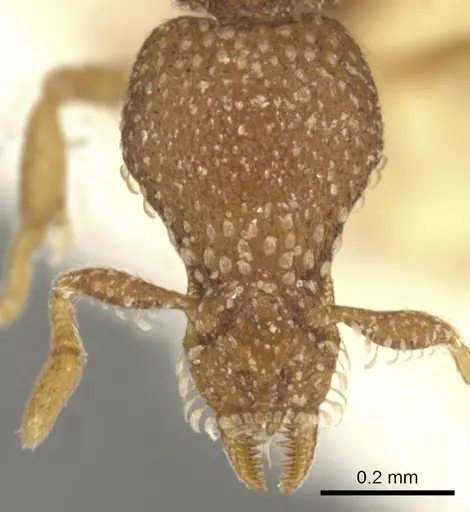
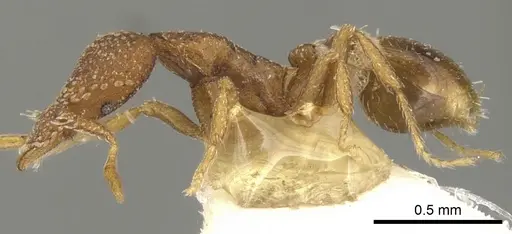
Strumigenys behasyla is a small predatory ant known only from the IT Province of the Democratic Republic of Congo . Like other trap-jaw ants in this genus, workers have large, fast-snapping mandibles used to ambush small prey. The ants move slowly and often stay still, then strike with a rapid snap. Their body length is small, typical of the genus, but no exact measurements are available. They live in humid forest floor habitats, nesting in rotting wood, leaf litter, or under stones.
Quick Summary
- Difficulty: Medium
- Origin & Habitat: Democratic Republic of Congo, IT Province [1]. Strumigenys species typically inhabit humid forest floors, nesting in rotting wood, leaf litter, or under stones in shaded, damp areas.
- Colony Type: Probably single-queen colonies based on typical Strumigenys patterns, though the social structure has not been confirmed for this species.
- Size & Growth:
- Queen: Size data unavailable, inferred from Strumigenys genus (approx. 4-6 mm).
- Worker: Size data unavailable, inferred from Strumigenys genus (approx. 3-4 mm).
- Colony: Up to about 200 workers at maturity, based on typical genus patterns.
- Growth: Slow
- Development: Estimated 8-12 weeks, based on related species. (Development times are longer than many common ant species. First workers (nanitics) are much smaller than mature workers.)
- Antkeeping:
- Temperature: Keep at 22-26°C. As a tropical species, they need warm, stable conditions. Avoid temperatures below 20°C.
- Humidity: High humidity is essential. Keep the nest substrate consistently moist but not waterlogged. Provide ventilation to prevent mold, but avoid dry conditions.
- Diapause: No true diapause needed. Being from tropical central Africa, they don't need cold hibernation. Slight winter cooling may slow activity but isn't required.
- Nesting: Y-tong (AAC) or plaster nests work well for holding moisture. Avoid overly dry setups. Provide tight, enclosed chambers suitable for small colonies.
- Behavior: These ants are slow-moving ambush hunters. Workers patrol slowly, often pausing, and snap their mandibles on small prey within range. They are not aggressive toward humans and rarely sting, though they have a functional stinger (subfamily Myrmicinae). Because they are tiny, escape prevention is critical, use fine mesh or barriers on any gaps.
- Common Issues: high humidity needs can lead to mold if ventilation is too poor, slow growth may test a beginner's patience, tiny size makes escape prevention essential, check all seals regularly, specialized diet of live springtails or similar prey may be hard to maintain, colonies stay small even when mature, which is normal for this genus
Housing and Nest Setup
Strumigenys behasyla needs a setup that holds high humidity while allowing some airflow. Y-tong (AAC) or plaster nests are good because they absorb and release moisture slowly. Use small chambers, they don’t need large open spaces. A small outworld for feeding is fine. Use fluon or other barriers on tube connections to prevent escapes. Test tubes can work for founding colonies, but they dry out quickly, so check humidity often.
Feeding and Diet
You must provide live prey for this specialized predator. Springtails are the best choice, as their trap‑jaw mandibles are suited for catching small fast prey. Fruit flies, tiny crickets, or small mealworms may also work. Offer fresh prey every few days and remove leftovers after a day. Sugar water or typical ant feeds are not necessary because Strumigenys are not honeydew feeders.
Temperature and Seasonal Care
Keep the nest at 22-26°C year round. These tropical ants don’t need hibernation. You can use a small heating cable on one side to create a warm spot, but give them a cooler area to choose from. A slight drop to around 20°C in winter is okay, but avoid going colder.
Behavior and Observation
Watch for their unique hunting method: workers patrol slowly, stop often, and then snap their mandibles shut on any prey that comes close. They ambush rather than chase. They are calm with nestmates and not aggressive toward you. Their stinger is small and they rarely use it on humans.
Frequently Asked Questions
How long does it take for Strumigenys behasyla to produce first workers?
Expect 8-12 weeks from founding to first workers, based on related Strumigenys species. This is quite slow, so be patient.
What do Strumigenys behasyla ants eat?
They need live prey. Springtails are ideal, fruit flies, small crickets, and tiny mealworms may also be accepted. They ignore sugar water and standard ant feeds.
Can I keep Strumigenys behasyla in a test tube?
Yes, for founding. But test tubes dry out fast, so move the colony to a Y‑tong or plaster nest once it reaches about 15-20 workers for better moisture control.
How big do Strumigenys behasyla colonies get?
Based on typical genus patterns, expect up to about 200 workers at maturity. They do not form huge colonies.
What temperature do Strumigenys behasyla need?
Keep at 22-26°C. They are tropical and will struggle below 20°C. A warm room or small heat mat is helpful.
Do Strumigenys behasyla need hibernation?
No. They come from the tropics and do not require winter cooling. Keep them warm all year.
Why is my Strumigenys behasyla colony dying?
Most often due to low humidity (keep substrate moist), lack of live prey, or temperatures below 20°C. Check these three factors first.
Are Strumigenys behasyla good for beginners?
They are medium difficulty. The need for high humidity, live prey, and their slow growth make them better for keepers who have some experience.
When should I move my Strumigenys behasyla to a formicarium?
Move them when the colony reaches about 15-20 workers and the test tube is drying out or getting cramped. A moisture‑retaining nest like Y‑tong is best.
Report an Issue
The current care sheet is based fully on literature. See inconsistencies, or something that's incorrect? Please , it will be resolved after review from an admin. Contributing to the blogs tab also helps providing information, to make us be able to further improve the caresheets. Thank you for your support!
References

This caresheet is licensed under CC BY-SA 4.0 .
Community Blogs
CASENT0845449
View on AntWeb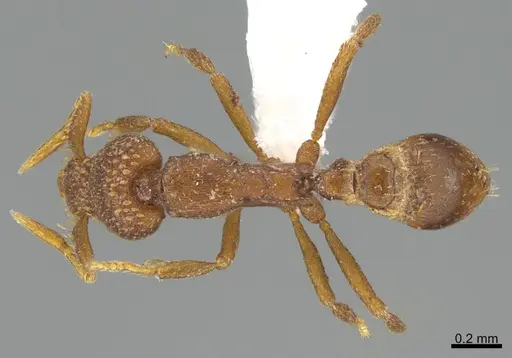
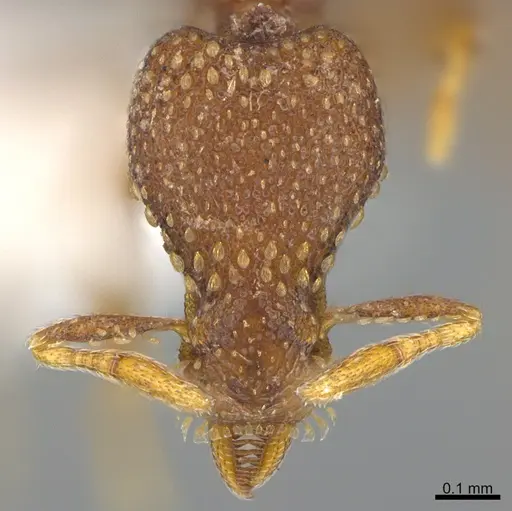
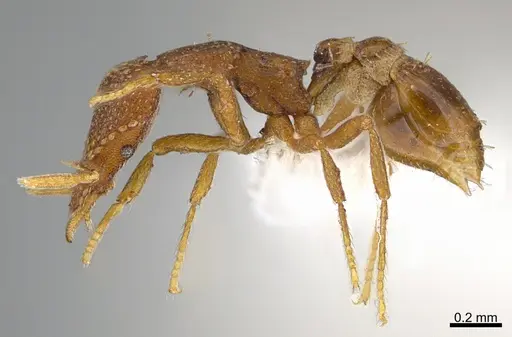
CASENT0900074
View on AntWeb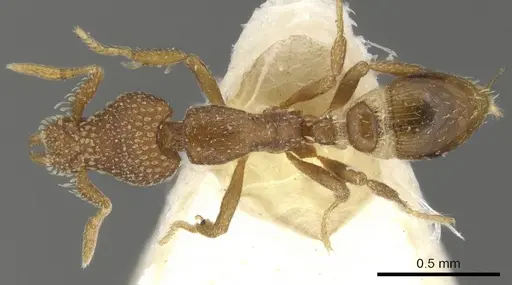
Literature
Loading distribution map...Loading products...