
Strumigenys auctidens
- Sci. Name
- Strumigenys auctidens
- Tribe
- Attini
- Subfamily
- Myrmicinae
- Author
- Bolton, 2000
- Distribution
- Found in 3 countries
Introduction
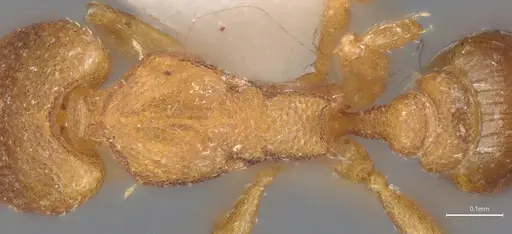
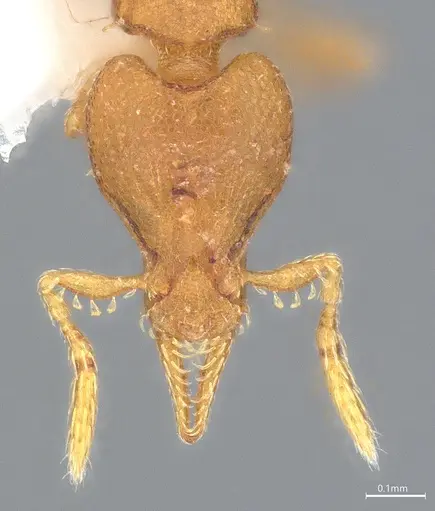
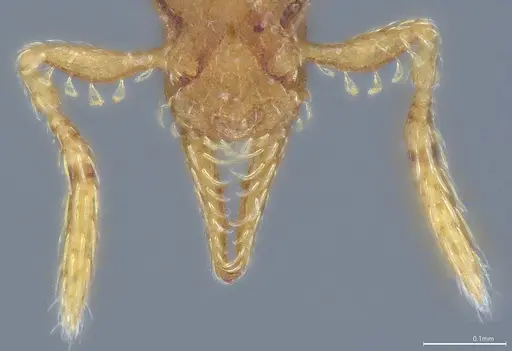
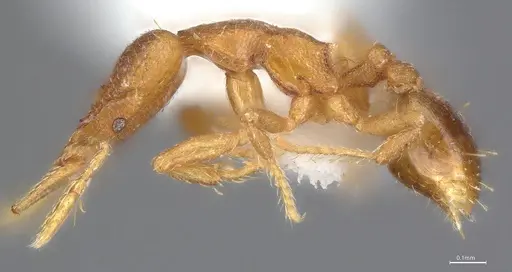
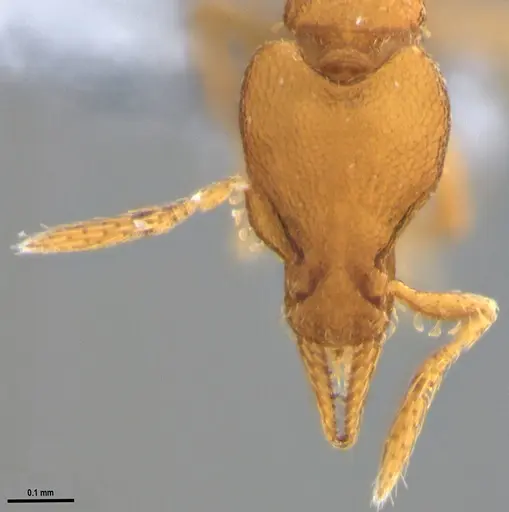
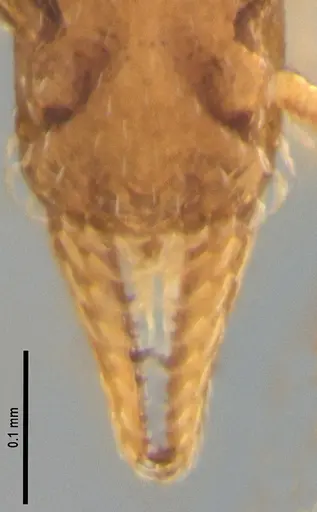
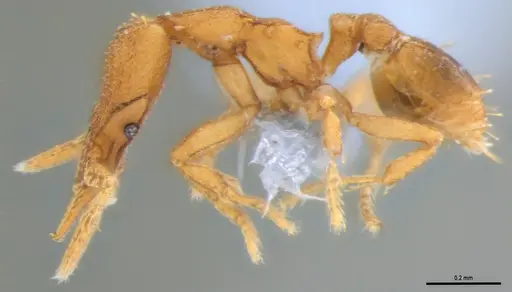
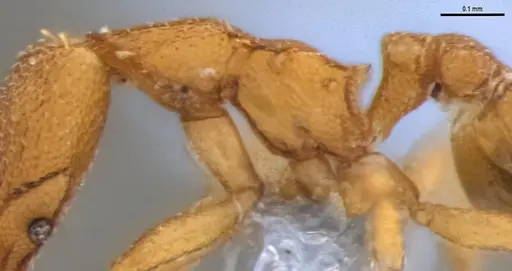
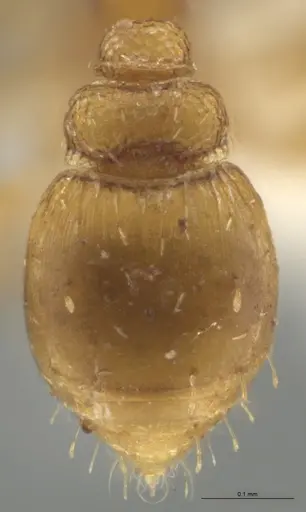
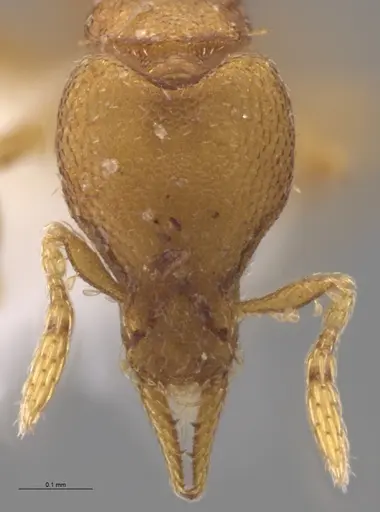
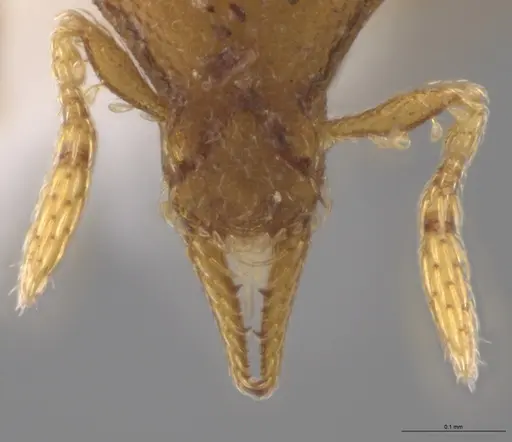
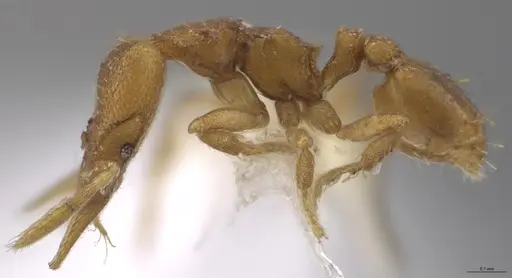
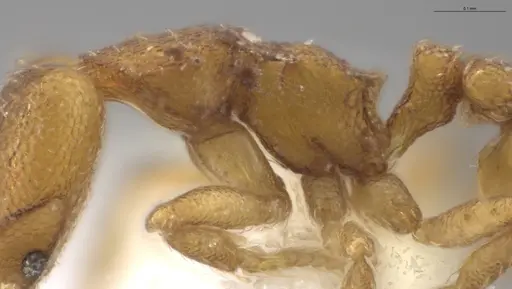
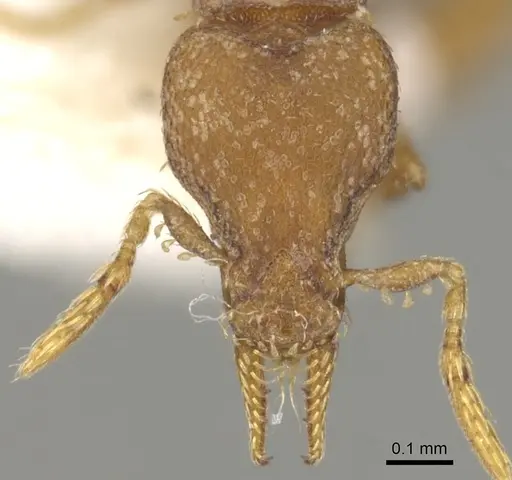
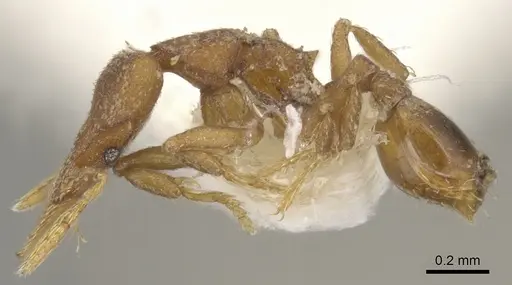
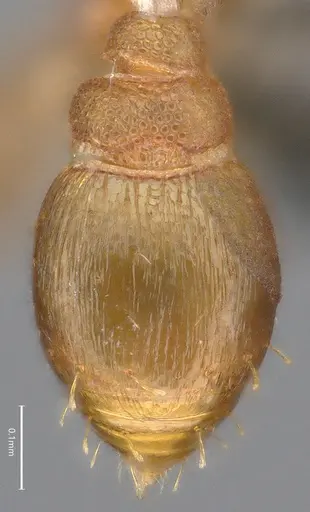
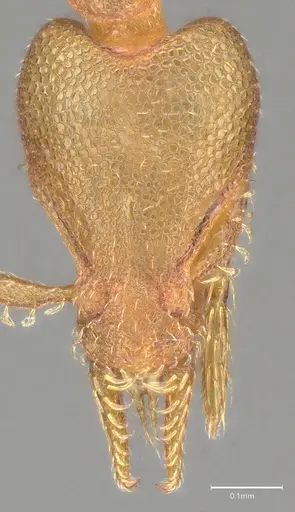
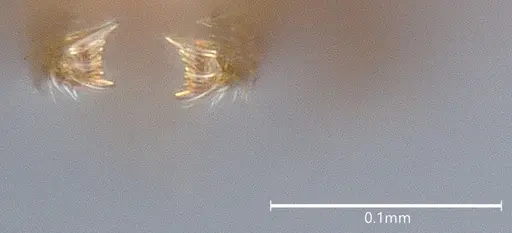
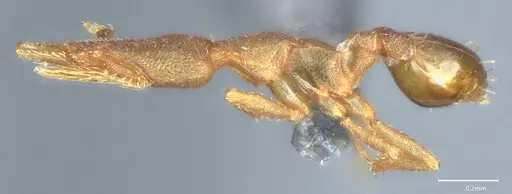
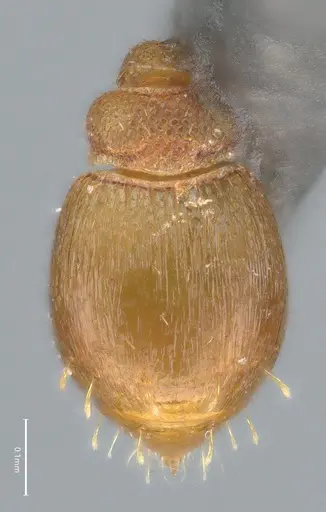
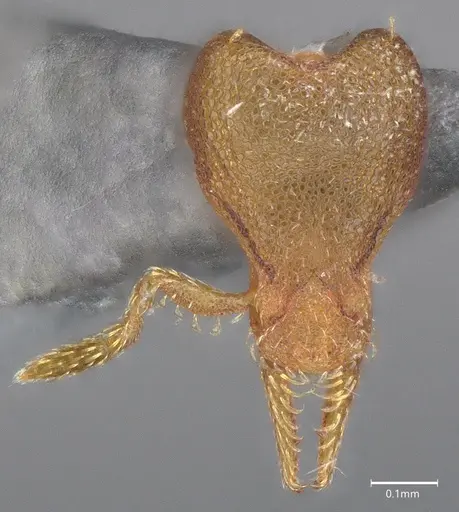
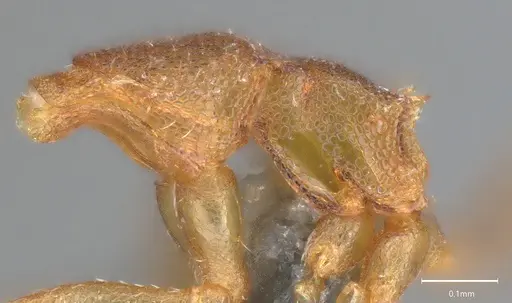
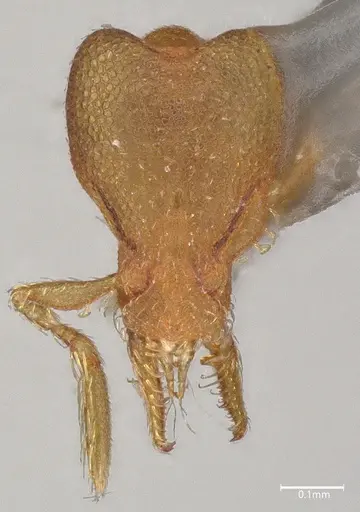
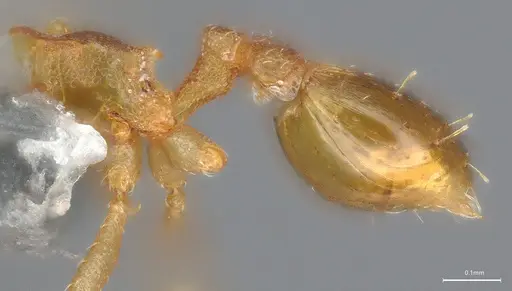
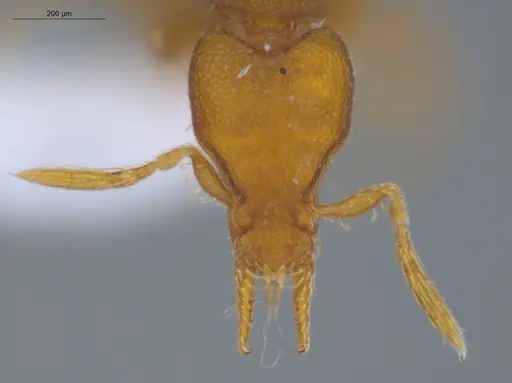
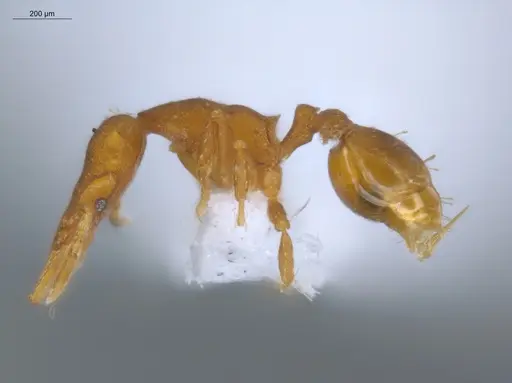
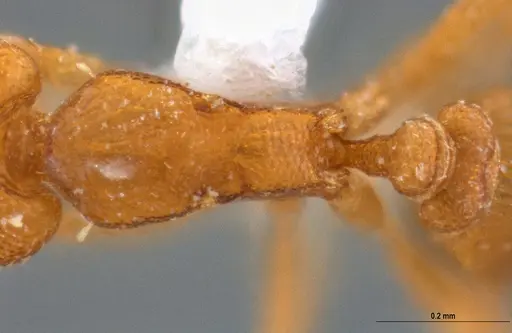
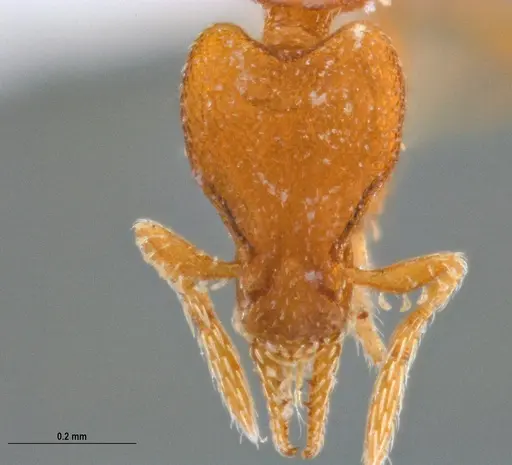
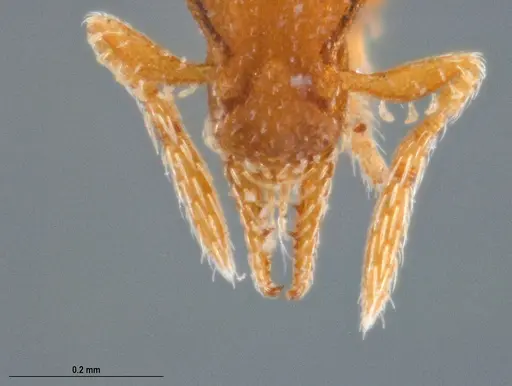
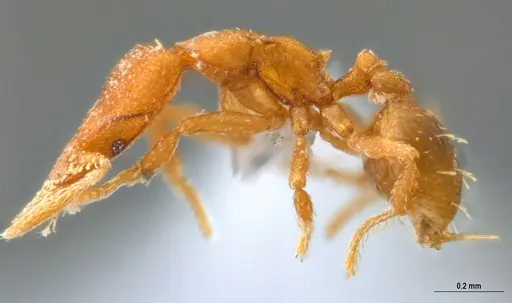
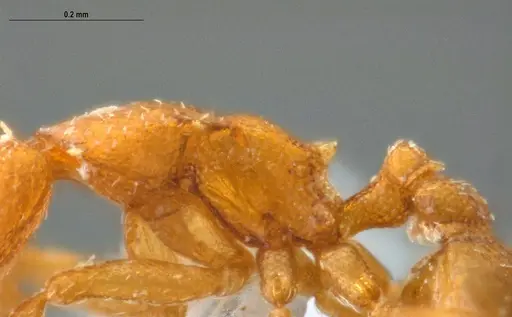
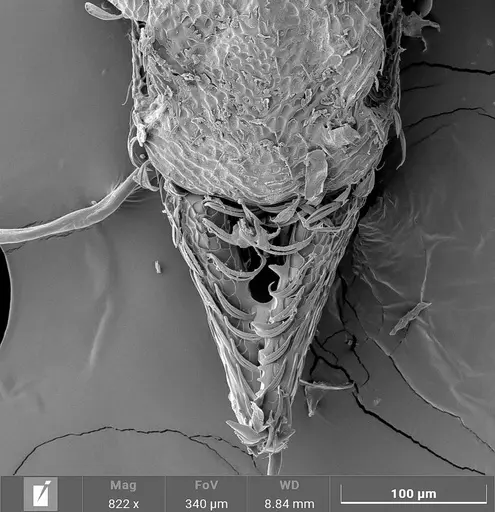
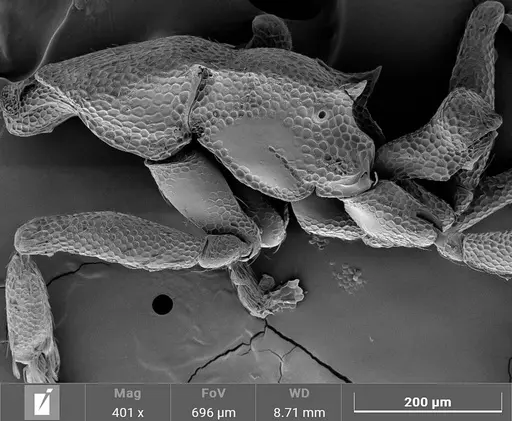
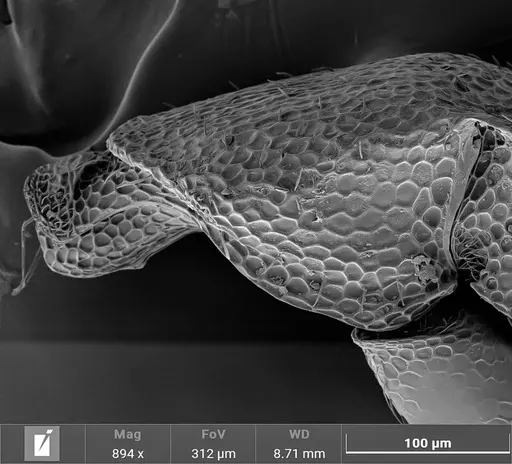
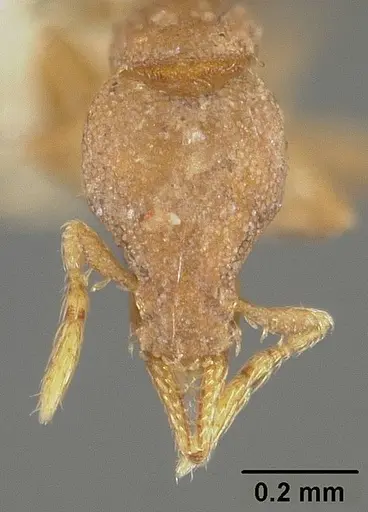
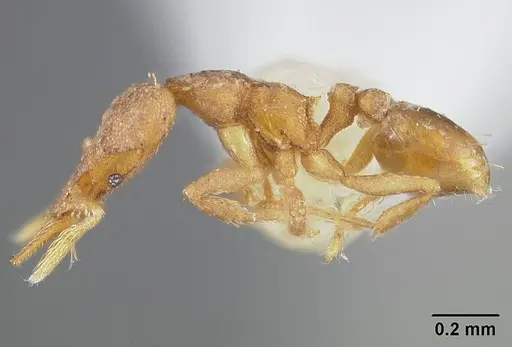
Strumigenys auctidens is an extremely tiny predatory ant measuring just 1.7-1.8 mm in total length, making it one of the smallest ants you can keep . These ants belong to the tribe Attini and are part of the Strumigenys gundlachi group, specifically the crassicornis complex. They have a uniquely flattened head and distinctive mandibular teeth that set them apart from other Strumigenys species . Found across the Neotropical region, including Costa Rica, French Guiana, and Guyana, these ants live in leaf litter of primary and secondary forests . They hunt tiny prey like springtails and other micro‑arthropods. Their colony sizes remain small, typically under a few hundred workers, reflecting their specialized niche on the forest floor.
Quick Summary
- Difficulty: Expert
- Origin & Habitat: Neotropical region, Costa Rica, French Guiana, and Guyana. Found in secondary forest litter, Liana forest, Plateau forest, and Inselberg forest in pristine Guianese rainforest [4][2].
- Colony Type: Colony structure is unknown. No data on queen number in the available literature.
- Size & Growth:
- Queen: Size data unavailable, no queens have been described.
- Worker: 1.7-1.8 mm total length (TL) [1].
- Colony: Unknown, no data available. Inferred from related Strumigenys species: likely small, under a few hundred workers.
- Growth: Slow, typical for tiny predatory ants with specialized diets.
- Development: Estimated 8-12 weeks based on related Strumigenys species. Direct study for this species is lacking. (Development is likely slow due to their specialized diet and small colony size. Exact times have not been studied.)
- Antkeeping:
- Temperature: Keep around 22-26 °C, these are lowland tropical ants that prefer warm, stable conditions. Avoid drops below 20 °C [4].
- Humidity: High humidity required, think damp forest floor. Keep the nest substrate consistently moist but not waterlogged. These leaf‑litter ants need humidity levels around 70-80 % (inferred from their forest floor habitat).
- Diapause: No, as tropical ants from regions near the equator, they do not require a diapause. Maintain consistent temperatures year-round [4].
- Nesting: These ants live in leaf litter, so they need a naturalistic setup with fine substrate (a mixture of soil and leaf litter) or a carefully humidified plaster or Y‑tong nest with very small chambers. They will not do well in large, open spaces. A standard test tube is too large unless modified with extremely fine cotton and a tiny water reservoir.
- Behavior: Strumigenys auctidens are specialized predators with mandibles designed for catching tiny prey like springtails. They possess a functional stinger (typical of Myrmicinae) but it is not medically significant to humans. Their tiny size and slow movement make them interesting to observe, but they require excellent escape prevention, they can squeeze through gaps smaller than 0.5 mm. They are docile and will not attack humans.
- Common Issues: escape prevention is critical, they are extremely tiny and can fit through gaps that other ants cannot., feeding difficulty, they require live micro-prey like springtails, which can be challenging to culture and maintain., slow colony growth means beginners may lose patience or overfeed, leading to mold., humidity control is tricky, too dry and they desiccate, too wet and mold kills the colony., wild‑caught colonies may have parasites or be stressed from collection.
Housing and Nest Setup
Housing Strumigenys auctidens requires careful attention to their tiny size and natural habitat. These leaf‑litter ants do best in a naturalistic setup with a fine substrate layer that mimics the forest floor, a mixture of moist soil, sand, and decomposed leaf litter. The passages in any artificial nest must be extremely small, scaled to their 1.7-1.8 mm body size. A plaster or Y‑tong nest with tight chambers works well, but you must ensure there are no gaps larger than about 0.5 mm anywhere in the setup. Test tubes are generally too large unless modified with extremely fine cotton and a very small water reservoir. The outworld should also be small and well‑sealed, these ants are expert escape artists despite their size. Avoid acrylic nests, as they do not provide the steady humidity that leaf‑litter species need. [1]
Feeding and Diet
Strumigenys auctidens are specialized predators that hunt tiny arthropods. They likely do not accept sugar or honey. Their primary food source in captivity should be live springtails (Collembola), which you can culture separately on damp charcoal or decaying vegetation. They may also take other micro‑arthropods like booklice (psocids) and minute soil mites, but springtails should form the bulk of their diet. Offer small amounts of prey every few days, removing any uneaten prey after 24-48 hours to prevent mold. Do not offer honey or sugar water, these ants are obligate predators. Their tiny mandibles are designed for catching small, soft‑bodied prey, so avoid offering anything too large or armored. [1]
Temperature and Humidity
As tropical ants from the Guianas and Costa Rica, Strumigenys auctidens need warm, humid conditions. Keep the nest area at 22-26 °C, avoiding temperatures below 20 °C or above 30 °C. A small heating cable on one side of the nest can create a gentle gradient if your room is cooler. Humidity is critical, maintain 70-80 % relative humidity in the nest, with the substrate feeling consistently damp but not waterlogged. Mist the setup regularly but allow it to dry slightly between mistings to prevent mold. Poor humidity will cause desiccation quickly. [4]
Colony Care and Maintenance
Colonies of Strumigenys auctidens grow slowly and remain small, likely under a few hundred workers. This means they have modest space requirements and can be kept in compact setups. However, their tiny size makes them sensitive to disturbances, avoid frequent nest inspections and keep vibrations to a minimum. Replace prey items before they decompose, and monitor for mold growth. If mold appears, remove the affected substrate immediately. These ants do not need hibernation or any seasonal temperature changes. Colony foundation is unconfirmed, presumably the queen raises the first brood alone, but this has not been observed in the literature. [1]
Behavior and Observation
Watching Strumigenys auctidens hunt is a unique experience. They use their specialized mandibles to capture tiny prey with speed, though this is hard to observe given their minute size. They are not aggressive and possess a sting that is not medically significant to humans. Workers move slowly and methodically, searching for springtails in the leaf litter. Because they are so small, you will need good lighting and magnification, a magnifying glass or stereo microscope helps. Colonies are peaceful and do not show territorial behavior toward other colonies of the same species. [4]
Common Problems and Solutions
The biggest challenge with Strumigenys auctidens is escape prevention, they can squeeze through gaps smaller than 0.5 mm. Use tight‑fitting lids, fine mesh, and check all connections. Feeding is also tough because they need live springtails, which must be cultured separately. If your springtail culture crashes, the colony will starve. Humidity management is critical, too dry and they die, too wet and mold takes over. Finally, these ants are extremely sensitive to disturbance during the early stages, so avoid checking the queen until workers appear. Wild‑caught colonies may carry parasites or be stressed from collection, so quarantine and observe before adding to an established collection. [4][5]
Frequently Asked Questions
Can I keep Strumigenys auctidens in a test tube?
Standard test tubes are too large for these tiny ants. If you must use test tubes, you would need to modify them with extremely fine cotton and very small water reservoirs, and even then the chambers would be disproportionately large. A naturalistic setup with fine substrate or a custom plaster nest with tiny chambers is much better. [1]
What do Strumigenys auctidens eat?
They are obligate predators that eat tiny live prey, primarily springtails (Collembola). They will not eat honey, sugar water, seeds, or dead insects. You must maintain a live springtail culture to feed them successfully. [1]
How long does it take for the first workers to emerge?
Estimated 8-12 weeks from egg to first worker based on related Strumigenys species. This is an inference, the exact development time has not been directly studied for this species. Development is likely slow due to their specialized diet and small colony size. [1]
Are Strumigenys auctidens good for beginners?
No, this species is rated Expert difficulty. Their tiny size makes escape prevention extremely challenging, they require live springtail cultures, and they need precise humidity control. They are not recommended for anyone new to antkeeping. [1]
How big do Strumigenys auctidens colonies get?
Colony size is unknown, no data is available in the literature. Based on related Strumigenys species, colonies are likely small, under a few hundred workers. [3][1]
Do Strumigenys auctidens need hibernation?
No, as tropical ants from regions near the equator (Costa Rica, French Guiana, Guyana), they do not require a diapause or hibernation period. Keep temperatures consistent year‑round at 22-26 °C. [4]
Why are my Strumigenys auctidens escaping?
Their tiny size allows them to squeeze through microscopic gaps. Check all lids, connections, and barriers for gaps as small as 0.5 mm. Use fine mesh and ensure all joints are sealed. Consider using fluon or other barrier gels on container edges. [1]
When should I move them to a formicarium?
Move them only when the colony is well‑established with at least 20-30 workers and the test tube or founding setup is becoming cramped. For this species, a naturalistic setup with fine substrate often works better than traditional formicariums. [1]
Can I keep multiple queens together?
There is no data on whether this species is monogyne or polygyne. The colony structure is unconfirmed, so it is safest to assume only one queen per colony until more is known. [1]
Report an Issue
The current care sheet is based fully on literature. See inconsistencies, or something that's incorrect? Please , it will be resolved after review from an admin. Contributing to the blogs tab also helps providing information, to make us be able to further improve the caresheets. Thank you for your support!
References

This caresheet is licensed under CC BY-SA 4.0 .
Community Blogs
ANTWEB1053288
View on AntWeb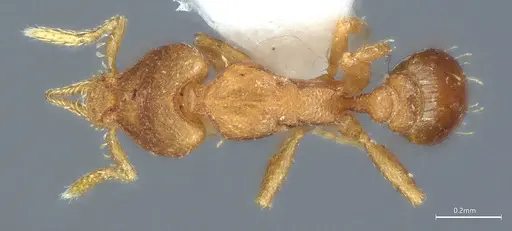
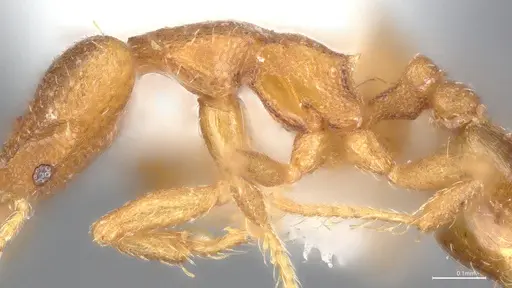
ANTWEB1053908
View on AntWeb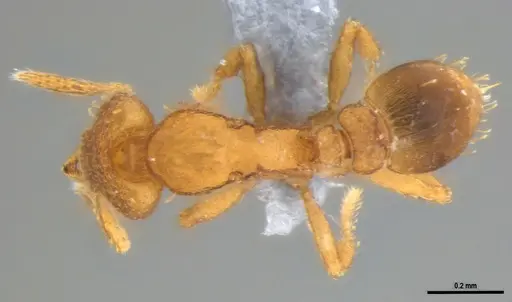
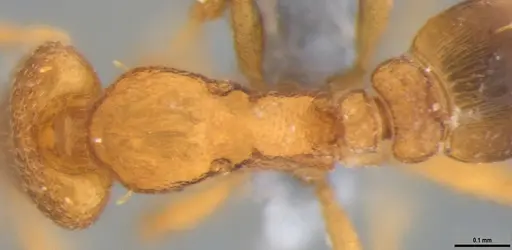
CASENT0646012
View on AntWeb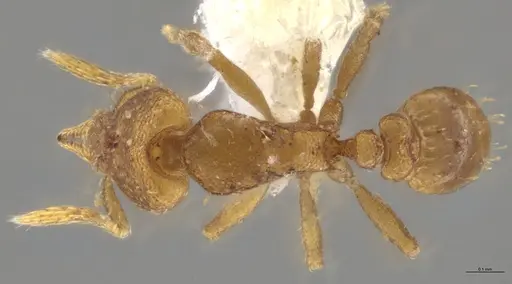
CASENT0900183
View on AntWeb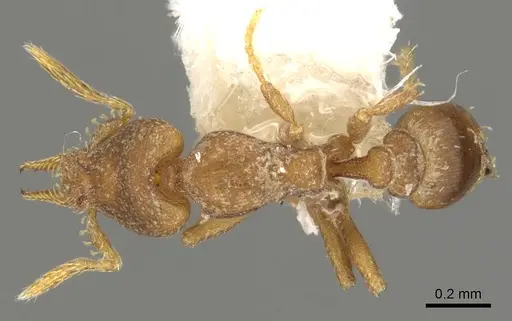
CASENT4036112
View on AntWeb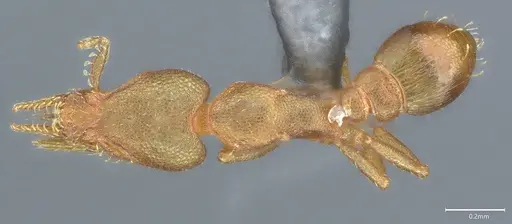
DZUP556851
View on AntWeb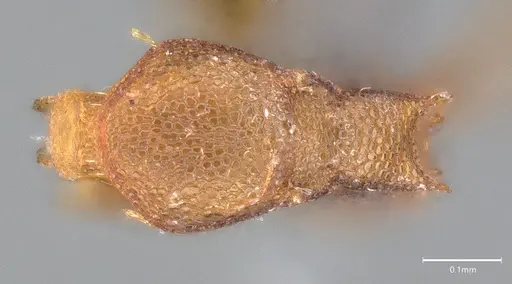
DZUP556857
View on AntWeb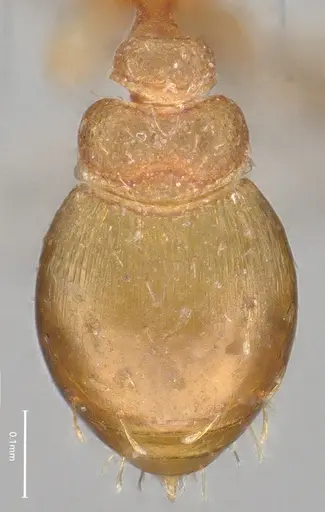
ECOFOG-MI15-0122-24
View on AntWeb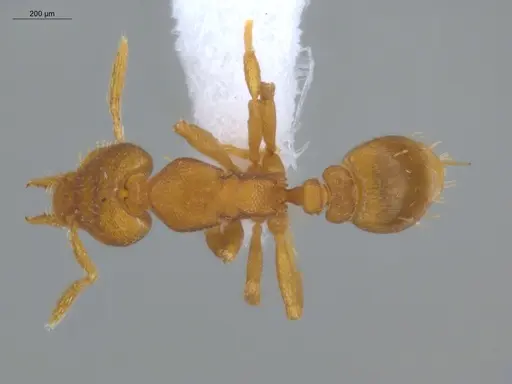
UFV-LABECOL-001676
View on AntWeb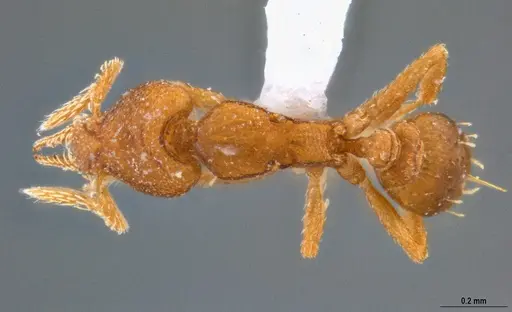
UFV-LABECOL-001734
View on AntWeb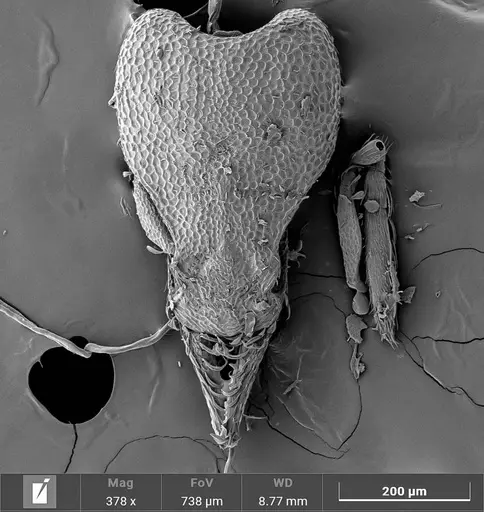
USNMENT00414134
View on AntWeb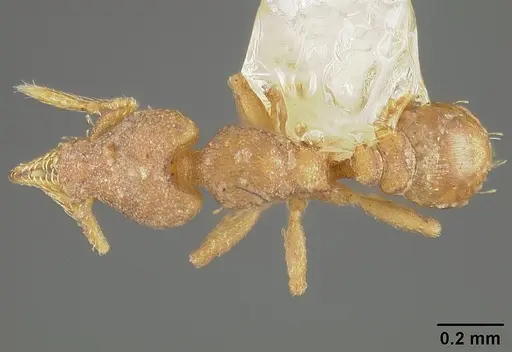
Literature
Loading distribution map...Loading products...