
Strumigenys anchis
- Sci. Name
- Strumigenys anchis
- Tribe
- Attini
- Subfamily
- Myrmicinae
- Author
- Bolton, 2000
- Distribution
- Found in 1 countries
Introduction
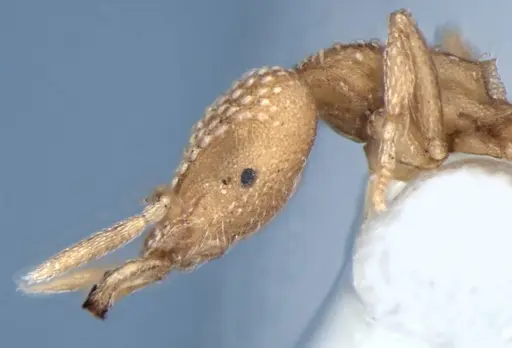
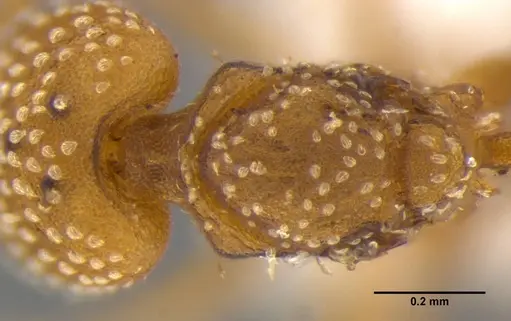
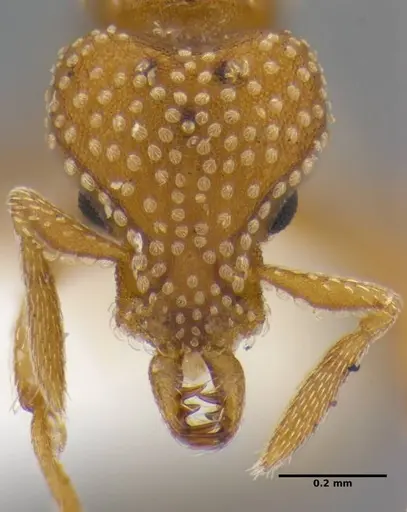
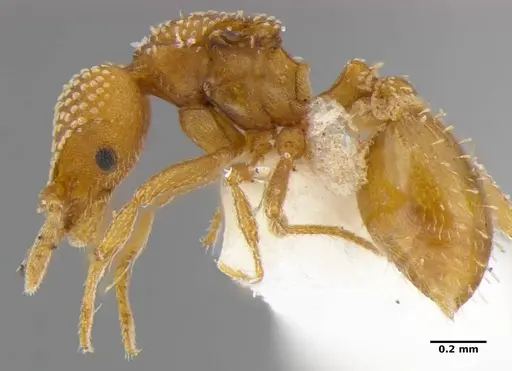
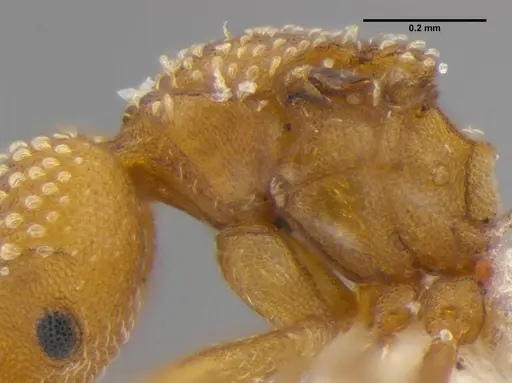
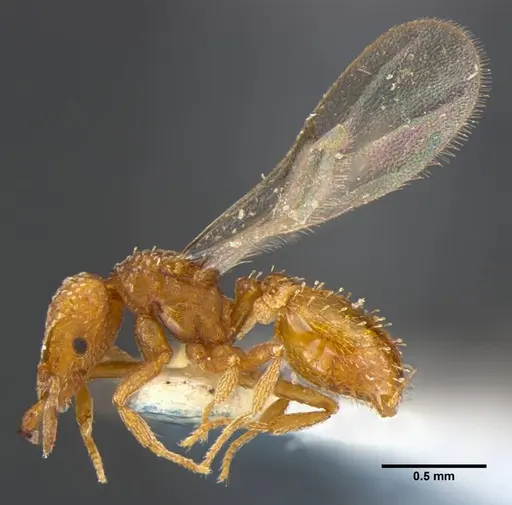
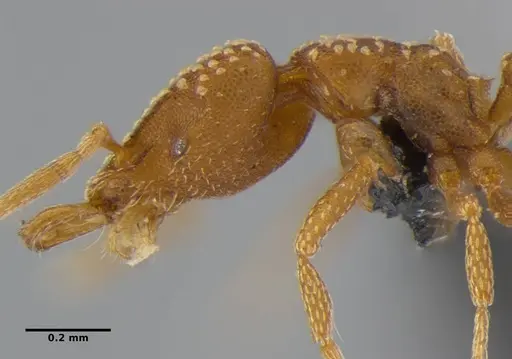
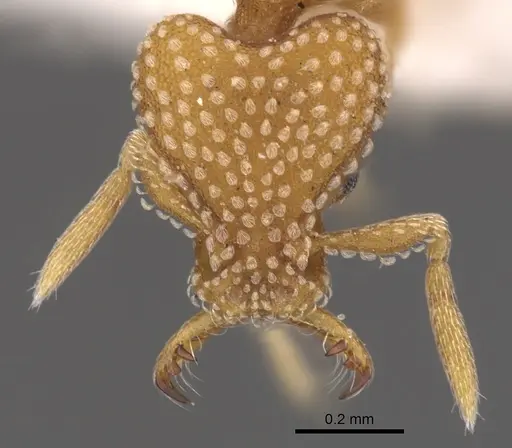
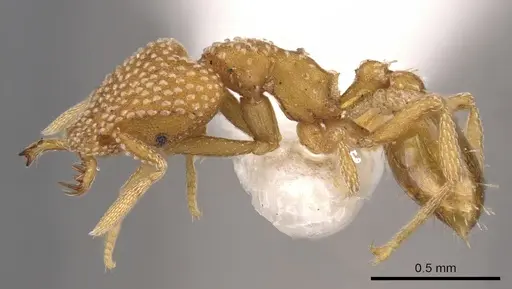
Strumigenys anchis is a tiny ant native to Australia, with workers measuring 2.1-2.2 mm in total length . It belongs to the Strumigenys emmae group and is identified by two large preapical teeth on the mandibles and a deep concave impression on the underside of the head in front of the eye . Workers have four antennal segments and relatively large eyes with over 15 ommatidia . Essentially nothing is known about the biology of this species . It has not been studied in the wild or in captivity, so all care advice beyond basic physical description is based on inference from related species and general myrmicine patterns.
Quick Summary
- Difficulty: Expert
- Origin & Habitat: Australia (Australasian region), specific habitat preferences are unrecorded [1]
- Colony Type: Unknown, no data available on colony structure
- Size & Growth:
- Queen: Undescribed (unknown)
- Worker: 2.1-2.2 mm total length [1]
- Colony: Unknown, no data available
- Growth: Unknown, likely slow based on small body size and predatory habits
- Development: Unconfirmed, no specific data exists for this species (All development estimates for Strumigenys anchis are speculative.)
- Antkeeping:
- Temperature: Unconfirmed, start around 22-25°C and observe colony activity, avoid extremes below 18°C or above 30°C.
- Humidity: Unconfirmed, related Strumigenys species prefer high humidity, so provide moist substrate (not waterlogged). Monitor to avoid mold.
- Diapause: Unknown, no data, do not assume hibernation is required
- Nesting: Natural nesting sites unknown. In captivity, provide a small, humid nest with tight chambers (test tube or soil-based setup suitable). Escape prevention is critical due to tiny size.
- Behavior: Virtually unknown. Strumigenys ants are generally shy, reclusive, and not aggressive. They have a functional stinger but are unlikely to try to sting a keeper. Their 2 mm size makes escape through standard gaps a constant risk. Foraging behavior and activity patterns are unstudied.
- Common Issues: escape prevention is critical, workers are only 2 mm and can slip through tiny gaps, use fine mesh (≤0.5 mm) and tight seals, no biological data exists, all care is experimental, keepers must observe and adapt, diet is unknown, likely require live micro-prey (springtails) based on genus patterns, but this is not confirmed
Housing and Escape Prevention
Strumigenys anchis workers are only 2.1-2.2 mm long [1]. This tiny size makes escape prevention your top priority. Use a nest with smooth walls (test tube, small Y-tong block, or small plaster nest) and ensure all openings are sealed. Standard ant mesh may be too coarse, use fine mesh (≤0.5 mm) or fluon barriers. A test tube setup with a water plug works well for small colonies. Provide a dark, humid nest area. Since natural nesting habits are unknown, start with a simple setup and adjust based on your observations.
Feeding and Diet
There is no recorded data on the natural diet of Strumigenys anchis. Based on related Strumigenys species, they are likely specialized predators of springtails (Collembola) and other small soil arthropods. In captivity, offer live springtails as the primary food source. They may also accept other tiny live prey such as fruit flies or booklice. Sugar water or honey is not accepted by most Strumigenys. Feed small amounts every few days and remove uneaten prey after 24-48 hours to prevent mold. This diet is unconfirmed, be prepared to experiment.
Humidity and Moisture
Specific humidity needs are unknown. Many Strumigenys occur in moist leaf litter or soil, so provide a humid environment. Keep the nest substrate consistently damp but not waterlogged. A test tube with a water reservoir or a plaster nest with a water chamber works well. Provide a moisture gradient so the ants can choose their preferred zone. Avoid condensation that can lead to drowning of tiny workers. Ventilation is important to prevent mold, but the nest should retain humidity.
Temperature and Development
No temperature data exists for this species. Start with a range of 22-25°C, which is suitable for many small myrmicines. Avoid temperatures below 18°C or above 30°C. Without known diurnal or seasonal cycles, keep conditions stable. Development time from egg to worker is unknown, estimate 6-10 weeks is speculative. Colony growth likely slow, but actual data is absent. Monitor activity and adjust temperature if you notice changes in foraging frequency or brood development.
Difficulties and Recommendations
Strumigenys anchis is one of the least studied ants available to hobbyists. Nothing is known about its colony structure, founding, foraging, or diapause [1]. Care is entirely experimental. Only experienced keepers with experience culturing live micro-prey should attempt this species. The lack of published information means you will be documenting observations rather than following established methods. Create detailed notes to contribute to the community. Do not expect typical antkeeping behaviors.
Frequently Asked Questions
How long does it take for Strumigenys anchis to get first workers?
This is completely unknown for this species. No data exists on egg development or brood care. Any estimate (e.g. 6-10 weeks) is pure speculation. Observe your colony and record your findings, you may discover the first reliable data.
What do Strumigenys anchis eat?
Natural diet has not been recorded. Based on related Strumigenys, they are probably predators of springtails and other tiny soil arthropods. Offer live springtails in captivity. Do not expect them to accept sugar or dead prey. This is an educated guess, be prepared to test different prey items.
Can I keep Strumigenys anchis in a test tube?
Yes, a test tube setup is recommended for starting a small colony. The narrow space helps them feel secure, and the water reservoir maintains humidity. Ensure the cotton plug is very tight, workers are only 2 mm and can squeeze through gaps. Use a fluon barrier on the test tube rim if possible.
Are Strumigenys anchis good for beginners?
No. This is an expert-level species because almost nothing is known about its biology. Keepers must be prepared to solve problems without guidance. The tiny size requires specialized escape prevention, and the diet (likely live springtails) is not beginner-friendly. Start with well-documented species.
How big do Strumigenys anchis colonies get?
Colony size is unknown. Most Strumigenys species have small colonies (typically under a few hundred workers), but for this species there is no data. Any numbers you see online are guesses.
Do Strumigenys anchis need hibernation?
Unknown. The species occurs in Australia, which includes temperate and tropical zones. Without knowing its precise origin, diapause requirements cannot be assumed. Do not hibernate the colony unless you observe a natural reduction in activity during cooler months and have confirmed local climate data.
Why are my Strumigenys anchis dying?
Common potential causes include escape (inspect for tiny gaps), starvation (are live prey available?), incorrect humidity (too dry or waterlogged leading to mold), or temperature stress. Since there is no species-specific care data, careful observation is essential. Record conditions and correlate with die-offs.
When should I move Strumigenys anchis to a larger nest?
Move only when the test tube or current nest becomes excessively crowded or dirty. Given unknown colony size, a test tube may suffice for many months. Watch for workers avoiding the wet cotton or spreading into the outworld, these are signs they need more space.
Can I keep multiple Strumigenys anchis queens together?
Social structure is unknown. Combining multiple foundresses is not recommended without data. House each queen separately until you observe whether they are tolerant. They may be monogyne (single queen) or possibly polygyne, but this is guesswork.
Report an Issue
The current care sheet is based fully on literature. See inconsistencies, or something that's incorrect? Please , it will be resolved after review from an admin. Contributing to the blogs tab also helps providing information, to make us be able to further improve the caresheets. Thank you for your support!
References

This caresheet is licensed under CC BY-SA 4.0 .
Community Blogs
ANIC32-002188
View on AntWeb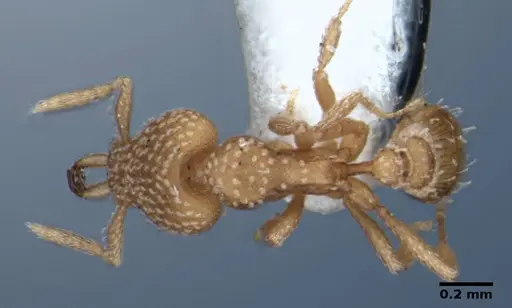
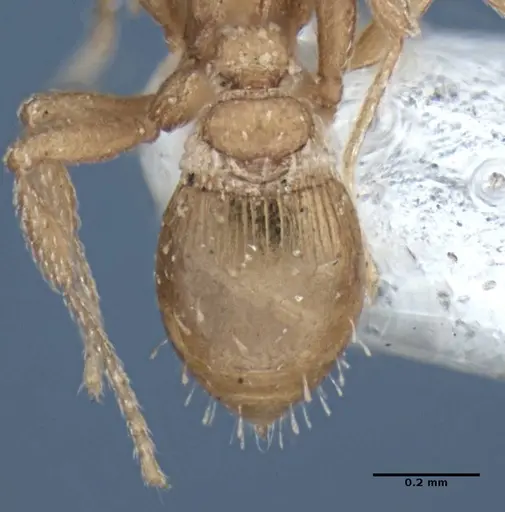
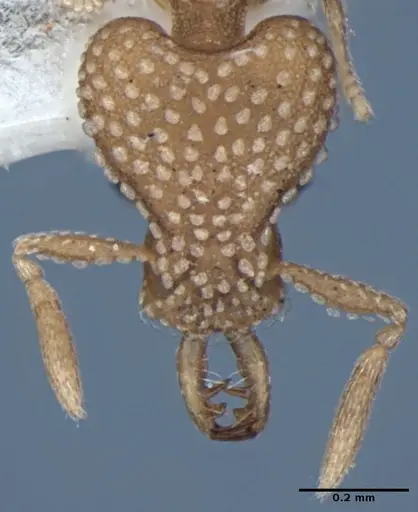
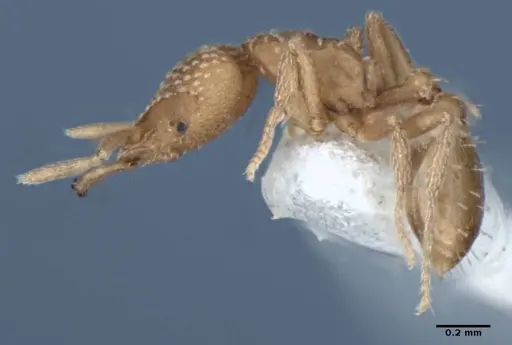
ANTWEB1032121
View on AntWeb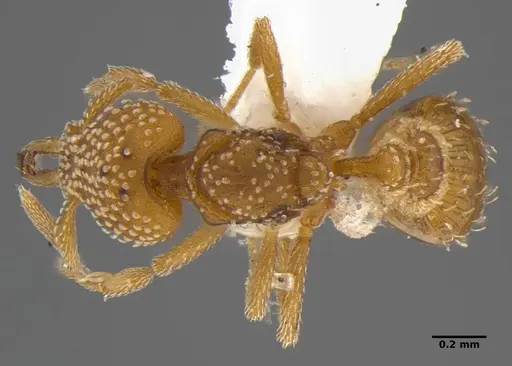
ANTWEB1032125
View on AntWeb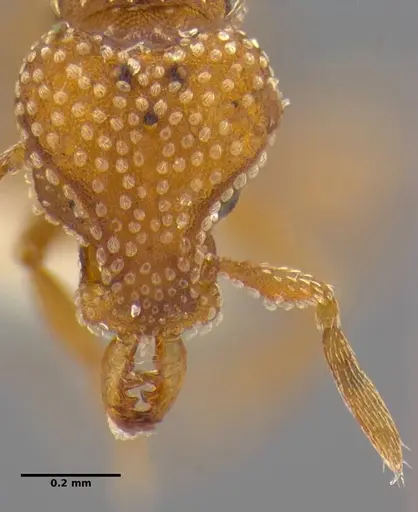
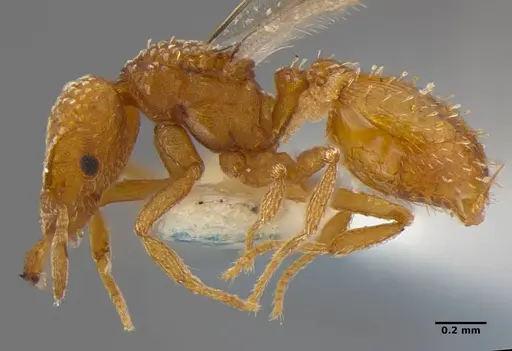
ANTWEB1032143
View on AntWeb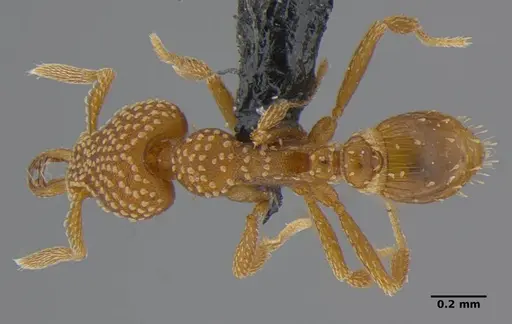
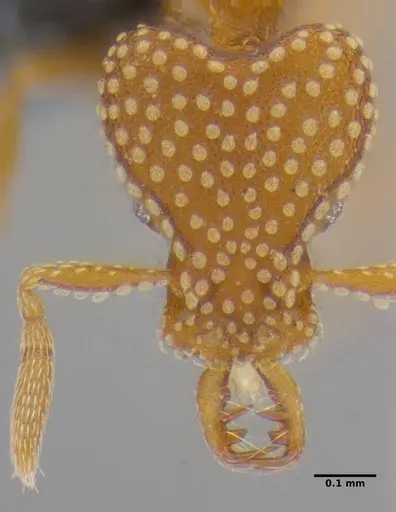
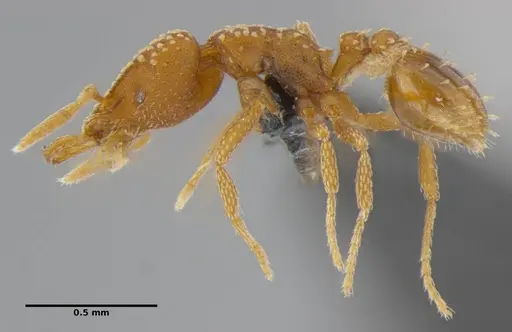
ANTWEB1032145
View on AntWeb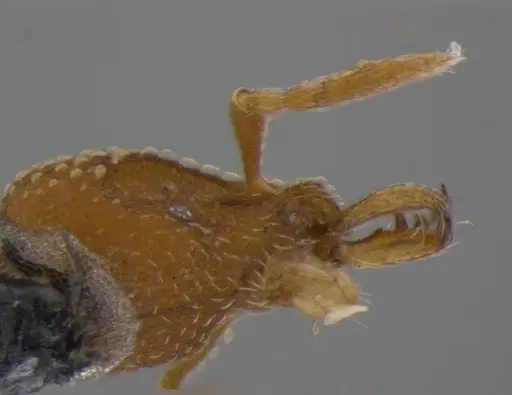
CASENT0900916
View on AntWeb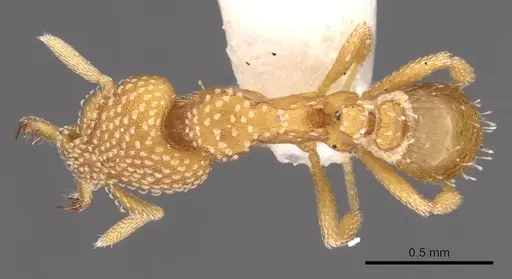
Literature
Loading distribution map...Loading products...