
Strumigenys alapa
- Sci. Name
- Strumigenys alapa
- Tribe
- Attini
- Subfamily
- Myrmicinae
- Author
- Fisher, 2000
- Distribution
- Found in 1 countries
Introduction
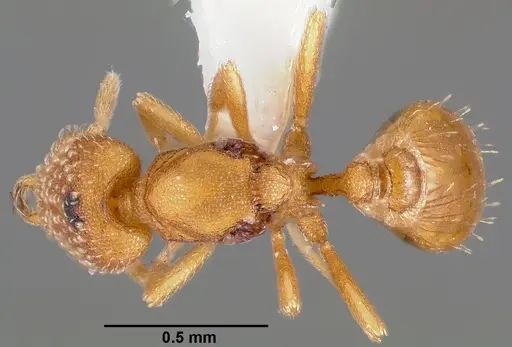
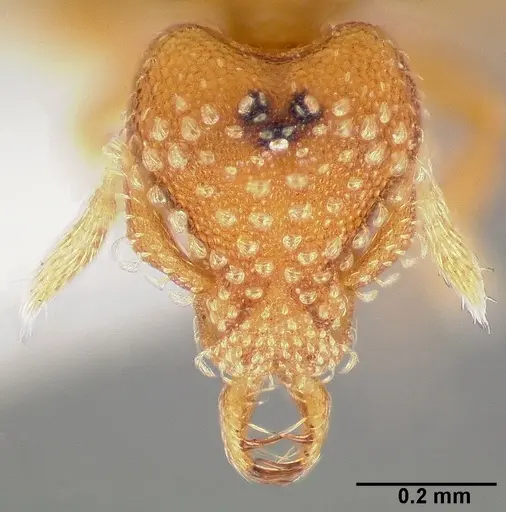
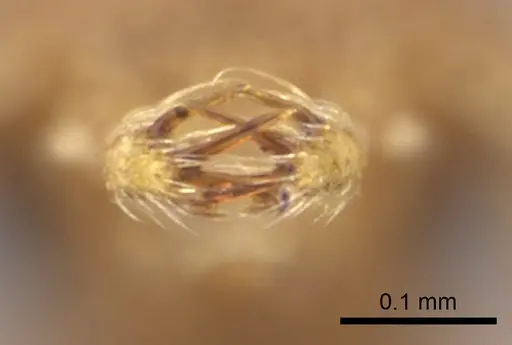
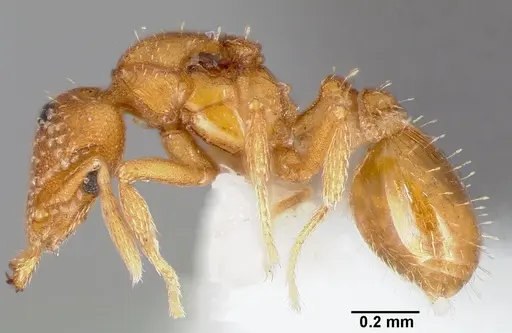
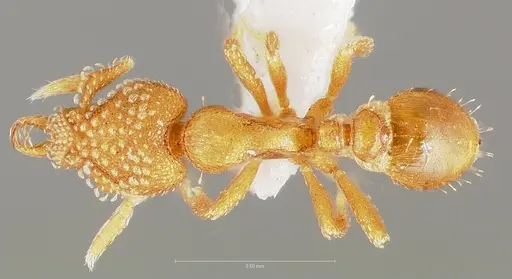
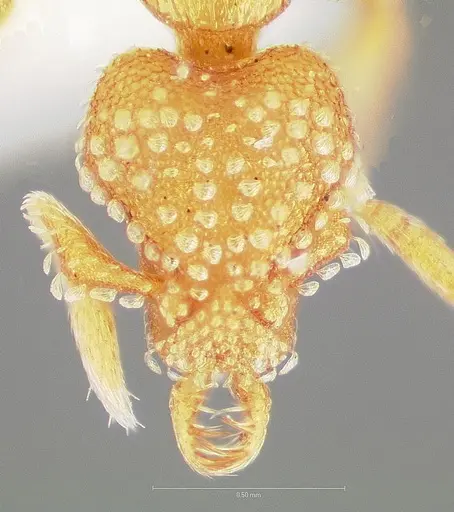
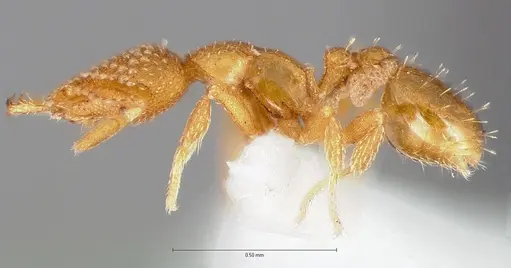
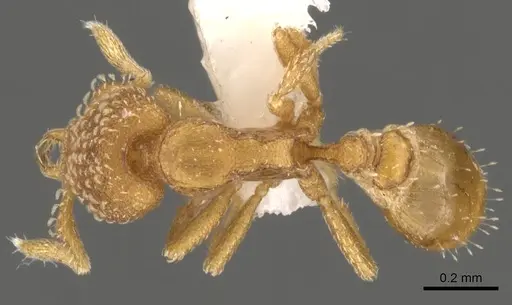
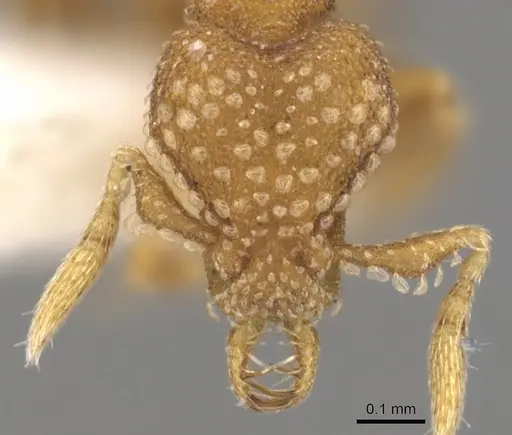
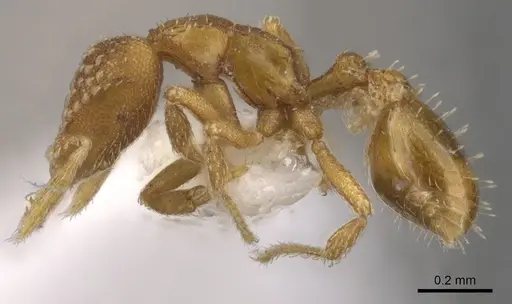
Strumigenys alapa is a tiny ant from Madagascar, with workers measuring 1.7-1.9mm total length . They have especially shaped hairs: broad, spoon-shaped hairs on the head and upper scrobe border, and a thick, clavate (club-like) hair on the pronotum that sticks out to the side . Their body is dull yellow to pale brown and the top of the thorax is almost flat . They belong to the arnoldi group, alapa complex within the dacetine tribe. These ants live in the leaf litter of tropical dry forests in western Madagascar . Despite being in the fungus-growing ant tribe (Attini), Strumigenys species do not grow fungus – they are specialized predators that use trap-jaw mandibles to catch tiny prey.
Quick Summary
- Difficulty: Hard
- Origin & Habitat: Western Madagascar, in the Beanka Reserve and Beza-Mahafaly areas, within tropical dry forest leaf litter [2]. They are ground-dwelling ants (terricolous) that prefer dry, light conditions [3].
- Colony Type: Colony structure is unconfirmed. Typical Strumigenys species have one queen, but no data exists for this species.
- Size & Growth:
- Queen: Size data unavailable – the queen is known but no measurements have been published
- Worker: 1.7-1.9mm total length [1]
- Colony: Maximum colony size is unknown, based on other small Strumigenys, likely under 200 workers, but this is an inference
- Growth: Slow
- Development: Unknown – no species-specific data. Based on other tiny tropical ants, expect at least 8 weeks at warm temperatures (Development time is speculative, patience required.)
- Antkeeping:
- Temperature: Keep at 22-26°C – they come from warm tropical dry forests [2]. Use a heating cable on one side of the nest to create a gradient.
- Humidity: Strumigenys alapa lives in dry forest, so maintain moderate humidity. The nest substrate should be slightly moist, not wet. Misting once or twice a week is probably enough – avoid waterlogging. Good ventilation is important to prevent mold.
- Diapause: No – as a tropical species from Madagascar, they do not require hibernation [3]. Keep warm year-round.
- Nesting: A naturalistic setup with a mix of soil and leaf litter works well. Because they are tiny, make sure chambers are small and narrow. A test tube with moist cotton can work for founding. Avoid large open spaces. Y-tong (AAC) blocks with small chambers are also suitable, but ensure excellent escape prevention.
- Behavior: Strumigenys alapa is a cryptic, non-aggressive ant. Workers move slowly and spend most of their time hunting tiny prey in the leaf litter. Their trap-jaw mandibles are used to snatch small arthropods. They rarely sting and are not defensive. Their main risk to keepers is escape – because they are only 1.7mm, they can slip through almost any gap. Use fine mesh (at least 100 micron) and seal all joints.
- Common Issues: escape prevention is critical – they can squeeze through gaps that hold back larger ants, slow growth means colonies develop very gradually and beginners may lose patience, high humidity is not needed – overwatering can cause mold, aim for slightly moist, not wet, feeding live tiny prey (springtails, booklice) is challenging if you don't have a steady culture, stress from disturbance can cause queen to stop laying or eat eggs
Housing and Nest Setup
Because Strumigenys alapa is so tiny (1.7mm), you need a very secure nest. A naturalistic setup with moist leaf litter and soil works well [1]. The substrate should be slightly moist – not wet – because they come from dry forest [3]. Use a test tube with a water reservoir and a cotton plug for the founding stage. Once the colony grows, you can move them to a small formicarium with narrow chambers. Y-tong (AAC) blocks or plaster nests with tiny chambers are good. Make sure the lid fits tightly and use fine mesh (100 micron or smaller) on any ventilation holes. These ants can walk through standard fluon or oil barriers, so physical prevention is essential.
Feeding and Diet
Strumigenys alapa is a specialized predator that only eats live small prey [1]. Offer springtails, booklice, tiny mites, and other micro-arthropods that are smaller than the workers themselves. Prey should be no larger than 1-2mm. They are unlikely to accept sugar water, dead insects, or commercial ant foods. Feed small prey two to three times a week, adjusting based on how quickly the colony consumes them. A steady supply of springtails is essential for this species. Without live prey, the colony will starve.
Temperature and Humidity
Maintain a temperature of 22-26°C [2]. Use a heating cable on one side of the nest so the ants can choose the warm spot. Humidity should be moderate – because they come from dry forest, keep the nest substrate slightly moist, not wet. Misting once a week is usually enough. Good ventilation prevents mold. High humidity (over 80%) is not needed and can cause problems. If you see condensation, improve airflow.
Colony Development
There is no published data on colony development for Strumigenys alapa. Based on other small dacetine ants, the queen likely starts the colony alone in a small chamber (claustral founding is possible but not confirmed). The first workers (nanitics) will be very small. Growth is slow – expect many months before you have more than a handful of workers. Do not disturb the founding queen, stress can cause her to eat eggs or abandon the nest. Once workers appear, they will begin hunting. Patience is critical.
Behavior and Temperament
Strumigenys alapa is a shy, non-aggressive ant. Workers are slow and spend almost all their time in the leaf litter, hunting. They rarely climb or explore open areas. Their trap-jaw mandibles are used to catch tiny prey. They have a stinger but are not defensive towards humans – they prefer to hide. Their only real risk is escaping, because their tiny size lets them get through tiny cracks. Keep the nest in a calm, vibration-free location. [1]
Frequently Asked Questions
How long does it take for Strumigenys alapa to produce first workers?
The exact timeline is unknown. Based on similar tiny tropical ants, it probably takes 8-12 weeks from egg to worker at 22-26°C, but this is an estimate. Be patient.
Can I keep Strumigenys alapa in a test tube?
Yes, a test tube setup can work for the founding stage. Use a cotton plug and ensure the water reservoir is not too wet. Because of their miniature size, check that the cotton is packed tightly so they cannot get behind it. A naturalistic setup with leaf litter and soil is better for older colonies.
What do Strumigenys alapa eat?
They only eat live small prey. Springtails, booklice, and tiny mites are ideal. They will not eat sugar water, honey, or dead insects. A steady culture of springtails is essential.
Are Strumigenys alapa good for beginners?
No, this is not a beginner species. Their tiny size, specialized feeding needs, and slow growth make them challenging. They are best for experienced keepers who can provide live micro-prey and prevent escapes.
How big do Strumigenys alapa colonies get?
Maximum colony size is unknown, but based on other small Strumigenys species, it is likely under 200 workers. They remain a small colony throughout their life.
Do Strumigenys alapa need hibernation?
No – they are tropical ants from Madagascar and do not require hibernation. Keep them warm (above 20°C) all year.
Why are my Strumigenys alapa dying?
Common causes: no live prey (starvation), excessive moisture (mold), too dry (desiccation – but note they prefer moderate humidity), temperature extremes, or stress from disturbance. Check that you are providing springtails and keeping the nest slightly moist at 22-26°C.
When should I move Strumigenys alapa to a formicarium?
Only move when the nest is overcrowded or has mold. For such a tiny species, a test tube or naturalistic setup often works for the whole colony. If you need to move, do it when the colony has at least 10-20 workers and use gentle heat to encourage them to shift.
Can I keep multiple Strumigenys alapa queens together?
This is not recommended – colony structure is unknown, but most Strumigenys are monogyne and queens will fight. Do not attempt co-founding without research on this specific species.
Report an Issue
The current care sheet is based fully on literature. See inconsistencies, or something that's incorrect? Please , it will be resolved after review from an admin. Contributing to the blogs tab also helps providing information, to make us be able to further improve the caresheets. Thank you for your support!
References

This caresheet is licensed under CC BY-SA 4.0 .
Community Blogs
Literature
Loading distribution map...Loading products...