
Strumigenys abdera
- Sci. Name
- Strumigenys abdera
- Tribe
- Attini
- Subfamily
- Myrmicinae
- Author
- Fisher, 2000
- Distribution
- Found in 2 countries
Introduction
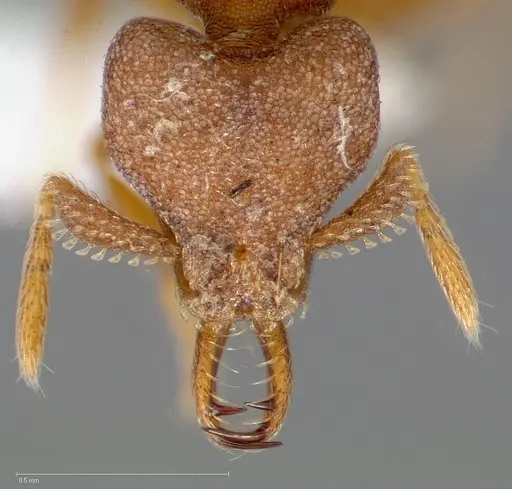
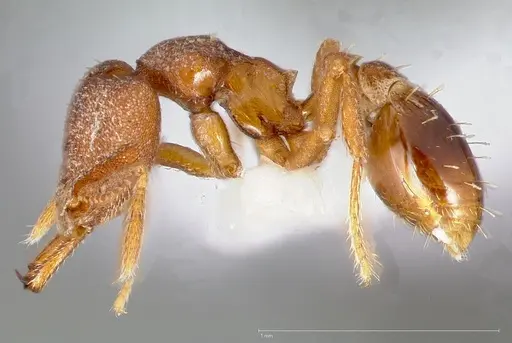
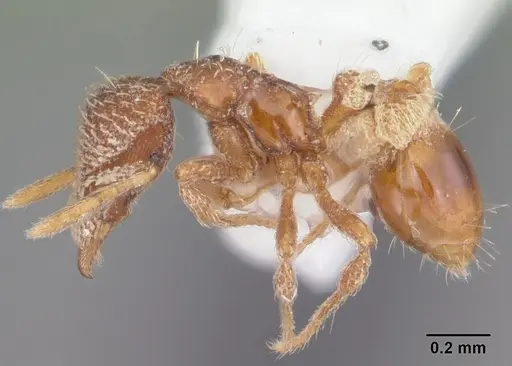
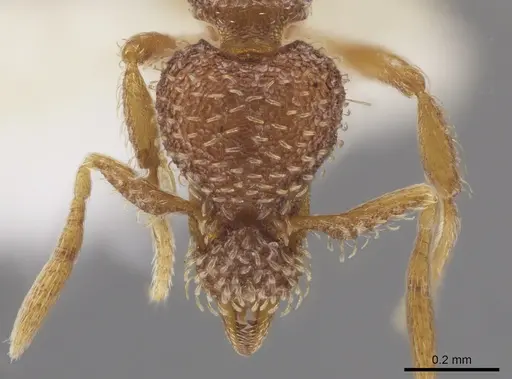
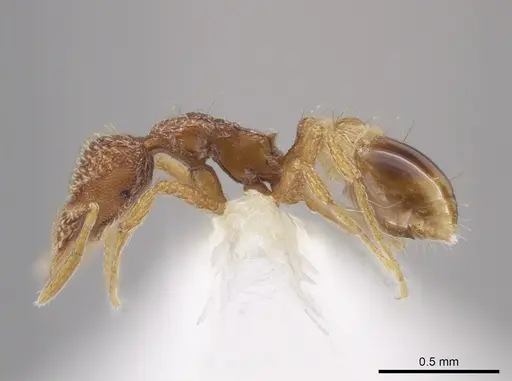
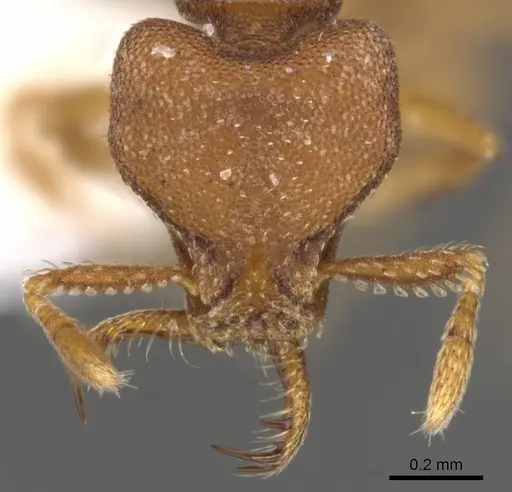
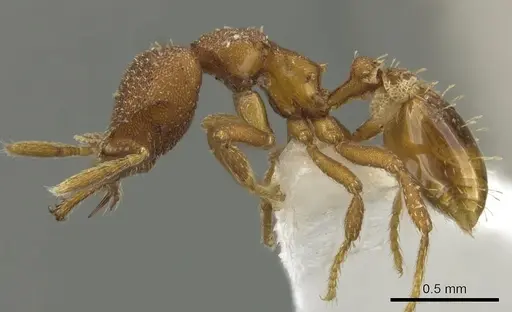
Strumigenys abdera is a tiny predatory ant endemic to Madagascar, with workers typically around 2-3 mm, a size inferred from related Strumigenys species . It belongs to the trap-jaw ant group: its long, toothed mandibles can snap shut at incredible speeds to capture springtails and other micro-arthropods . The species was found exclusively in forest habitats of Madagascar's high plateau, living in leaf litter and soil, making it a cryptobiotic resident of the forest floor . Its specialized hunting apparatus, the rapid-fire mandibles, makes it a fascinating but challenging ant to observe.
Quick Summary
- Difficulty: Hard
- Origin & Habitat: Endemic to Madagascar, found only in forest habitats on the high plateau, in leaf litter and soil [2].
- Colony Type: Based on genus patterns, likely single-queen colonies (monogyne). Colony size is small, probably under 200 workers as is typical for Strumigenys species.
- Size & Growth:
- Queen: Estimated ~3-4 mm (inferred from genus Strumigenys, where queens are slightly larger than workers)
- Worker: ~2-3 mm [2]
- Colony: Likely under 200 workers at maturity (inferred from genus patterns)
- Growth: Slow
- Development: Estimated 8-12 weeks based on related tropical Strumigenys species (Development is likely slow due to small colony sizes and specialized diet.)
- Antkeeping:
- Temperature: Tropical species, keep warm and stable, roughly 24-27°C [2]. Use a gentle heat source on one side of the nest to create a gradient, but avoid drying the substrate.
- Humidity: High humidity, maintain the nest substrate consistently damp (like a wrung-out sponge) and add leaf litter to retain moisture. The forest floor habitat is constantly moist [2].
- Diapause: No, as a tropical species from Madagascar, diapause is not required [2].
- Nesting: Prefers naturalistic setups with moist substrate, leaf litter, and small chambers. Y-tong or plaster nests that hold humidity work well, but the nest should have very narrow chambers scaled to their tiny size. Provide dim lighting and plenty of hiding spots.
- Behavior: Strumigenys abdera is a specialized predator that hunts springtails and other micro-arthropods using its trap-jaw mandibles [1]. It is not aggressive toward humans and rarely uses its sting. Its tiny size (2-3 mm) means it can escape through standard gaps, excellent escape prevention is essential. Workers forage individually through leaf litter, preferring dim conditions. They are cryptobiotic and will stress under bright light.
- Common Issues: escape prevention is critical, these tiny ants can slip through standard barrier gaps, specialized diet means they may refuse standard ant foods, live springtails are usually required, slow growth can lead to keeper impatience and overfeeding, which causes mold, high humidity requirements can lead to mold if ventilation is poor, wild-caught colonies may have parasites that are difficult to treat
Housing and Nest Setup
Set up a naturalistic enclosure that mimics the forest floor. Use a small container (a plastic box with ventilation) filled with moist substrate, a mix of soil and coco fiber works well. Top with dried leaf litter to provide cover and a humidity buffer. For a nest, choose a Y-tong block with narrow, shallow chambers (scaled to the ants’ tiny size) or a plaster nest with grooves. Avoid bright lighting, the ants are cryptobiotic and prefer dim conditions. A small outworld for feeding is enough since colonies stay small. Ensure all openings have fine mesh (less than 0.5 mm) to prevent escapes. [2][1]
Feeding and Diet
This species is a specialized predator that relies on live springtails as a primary food source [1]. Offer small live prey: springtails, tiny isopods, and other micro-arthropods. Some colonies may accept tiny fruit flies or small pieces of insects, but springtails should form the core of their diet. Feed small amounts 2-3 times per week, removing uneaten prey to prevent mold. Do not overfeed, these tiny ants need very small portions. Sugar water or seeds alone will not sustain them.
Temperature and Humidity
Keep the nest at a stable 24-27°C (tropical conditions based on their Madagascar origin). Use a heating cable on one side of the nest to create a gentle temperature gradient, but avoid direct heat that dries the substrate. Humidity should be high, the substrate should feel damp like a wrung-out sponge, but not waterlogged. Mist the enclosure occasionally if needed, but ensure good ventilation to prevent mold. Low humidity leads to desiccation and colony loss [2].
Behavior and Observation
Observing a hunt is the highlight of keeping this species. When prey triggers the sensory hairs on their mandibles, the trap jaws snap shut in milliseconds [1]. Workers forage individually through leaf litter, searching for springtails. They are not aggressive toward humans and rarely sting. However, their tiny size (2-3 mm) makes them excellent escape artists, use fine mesh on all openings and apply Fluon or PTFE barriers. Colonies are slow-moving and peaceful, but they are difficult to observe closely because they avoid bright light. A red light or infrared viewer helps watch them without stress.
Colony Development
Strumigenys abdera colonies grow slowly. After mating, a queen seals herself in a small chamber and raises her first brood without foraging (claustral founding, inferred from genus patterns). The first workers (nanitics) emerge after an estimated 8-12 weeks. These workers are smaller than mature workers. The colony then grows gradually, and full size, probably under 200 workers, may take a year or more. Patience is essential: do not disturb the queen during founding, and avoid overfeeding the young colony. Stress from frequent disturbance is a common cause of failure. [1]
Frequently Asked Questions
What do Strumigenys abdera ants eat?
They are specialized predators that need live springtails as their primary food. They hunt springtails using their trap-jaw mandibles. Some colonies may accept tiny fruit flies or small insect pieces, but springtails should form the core of their diet. Sugar water or seeds will not sustain them.
How long does it take for Strumigenys abdera to get first workers?
Expect 8-12 weeks from founding to first workers emerging, based on typical Strumigenys development timelines. Colonies grow slowly, so patience is essential.
Can I keep Strumigenys abdera in a test tube?
Test tubes can work for founding colonies, but they need very small chambers and excellent moisture retention. A naturalistic setup with moist substrate and leaf litter is often better for these litter-dwelling ants. If you use test tubes, connect multiple tubes with fine mesh barriers and keep them in a dark place.
Are Strumigenys abdera good for beginners?
No, they are considered difficult because of their specialized diet (live springtails), high humidity requirements, and tiny size that makes escape prevention challenging. They are best suited for keepers with experience keeping small, predatory ant species.
How big do Strumigenys abdera colonies get?
Colony size is small, likely under 200 workers at maturity. This is typical for small litter-dwelling Strumigenys species.
Do Strumigenys abdera need hibernation?
No, as a tropical species from Madagascar, they do not require hibernation. Keep them at warm temperatures year-round (24-27°C).
Why are my Strumigenys abdera dying?
Common causes include: escape (their tiny size allows them to slip through standard barriers), improper diet (they need live springtails, not sugar water), low humidity (substrate must stay damp), and stress from disturbance during founding. Check your escape prevention, ensure you're feeding live prey, and maintain high humidity.
What temperature do Strumigenys abdera need?
Keep them at 24-27°C. They are tropical ants from Madagascar and need warm, stable temperatures. Use a heating cable on one side of the nest to provide gentle warmth without drying the substrate.
When should I move Strumigenys abdera to a formicarium?
Wait until the colony has at least 20-30 workers before considering a formicarium. They do well in naturalistic setups and Y-tong nests. Moving too early can stress the colony. They prefer small chambers regardless of colony size.
Report an Issue
The current care sheet is based fully on literature. See inconsistencies, or something that's incorrect? Please , it will be resolved after review from an admin. Contributing to the blogs tab also helps providing information, to make us be able to further improve the caresheets. Thank you for your support!
References

This caresheet is licensed under CC BY-SA 4.0 .
Community Blogs
CASENT0005465
View on AntWeb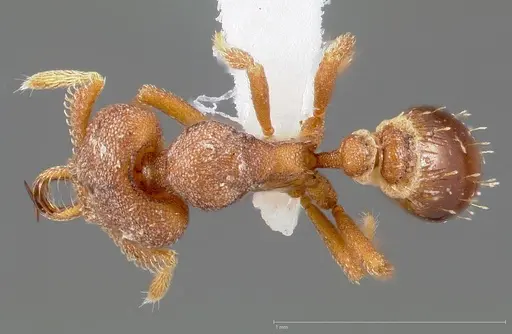
CASENT0005466
View on AntWeb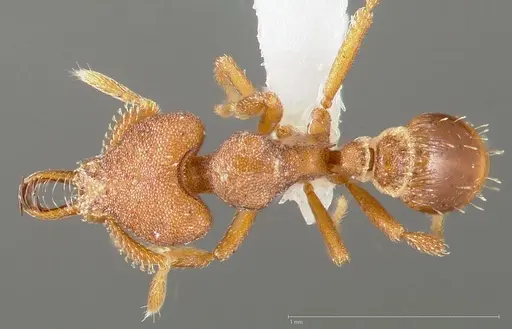
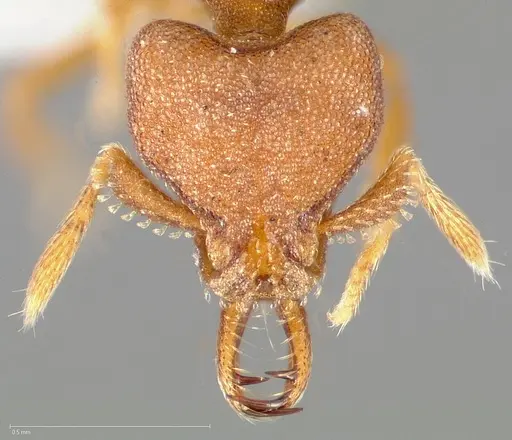
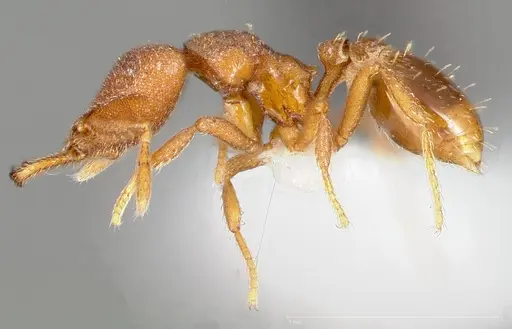
CASENT0104279
View on AntWeb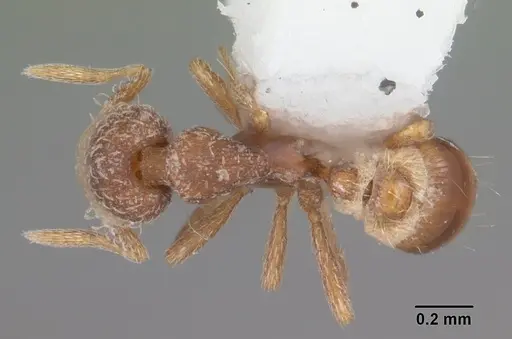
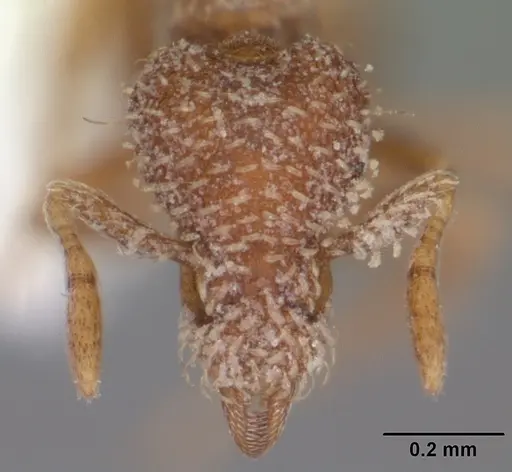
CASENT0648329
View on AntWeb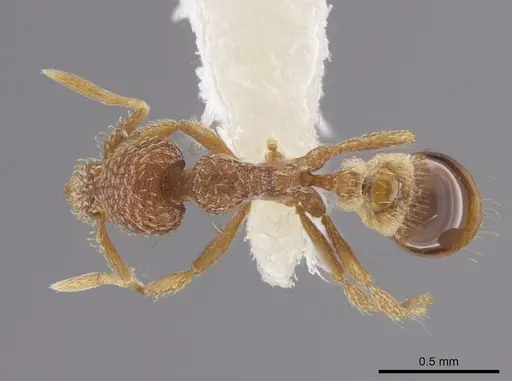
CASENT0900641
View on AntWeb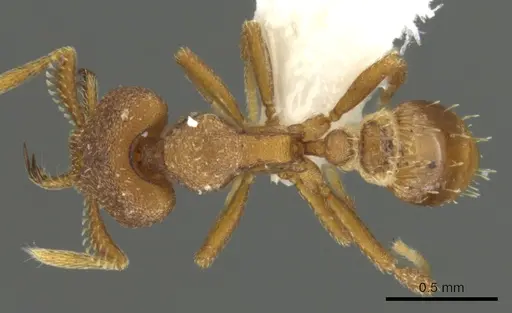
Literature
Loading distribution map...Loading products...