
Strongylognathus minutus
- Sci. Name
- Strongylognathus minutus
- Tribe
- Crematogastrini
- Subfamily
- Myrmicinae
- Author
- Radchenko, 1991
- Distribution
- Found in 0 countries
Introduction
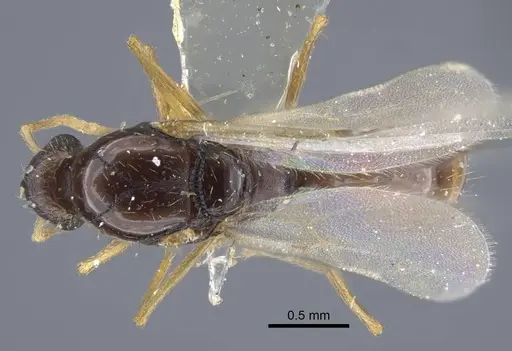
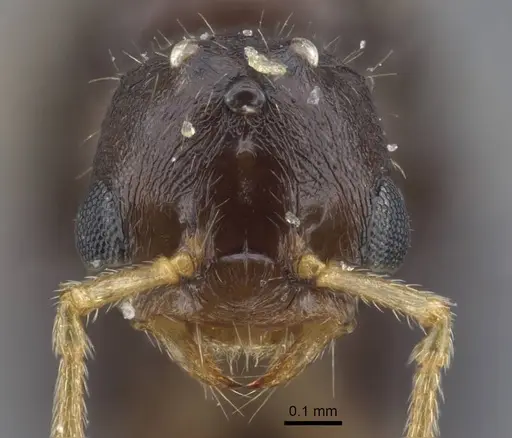
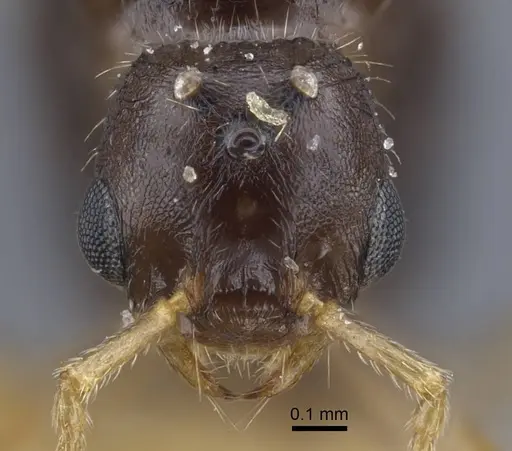
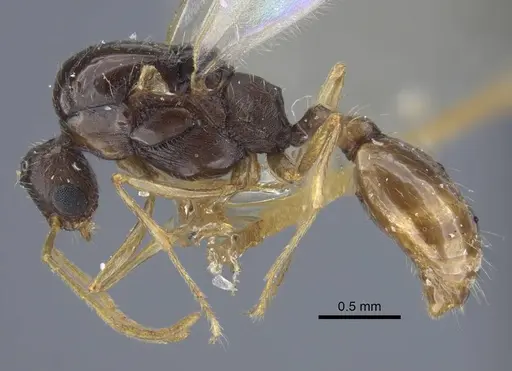
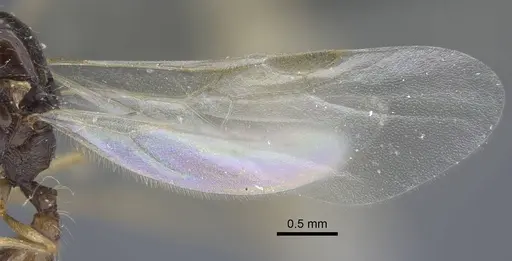
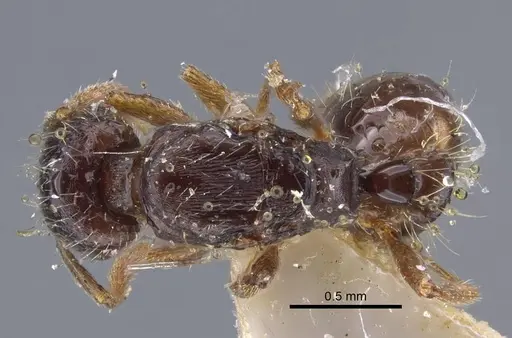
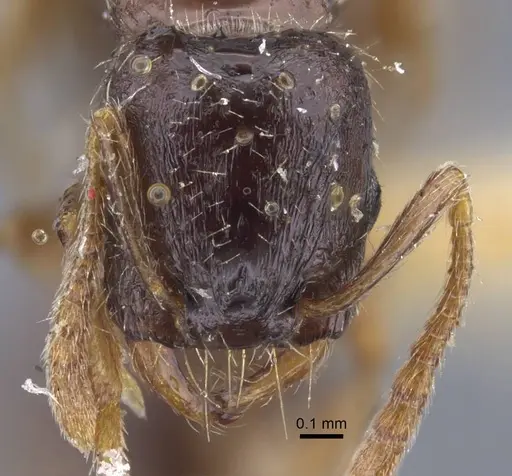
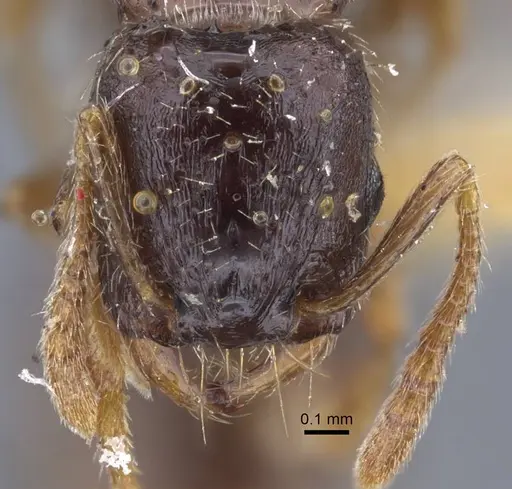
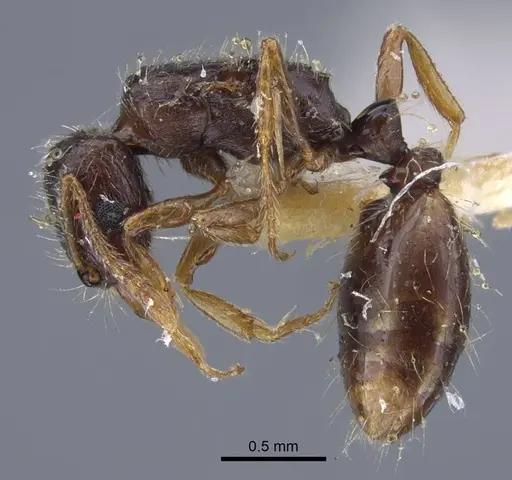
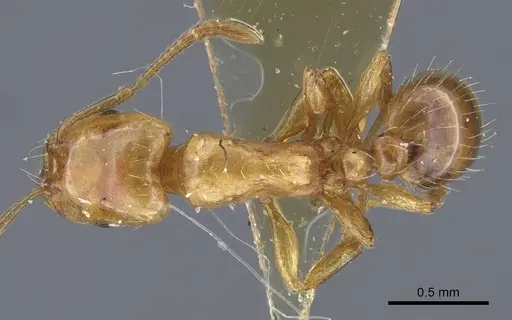
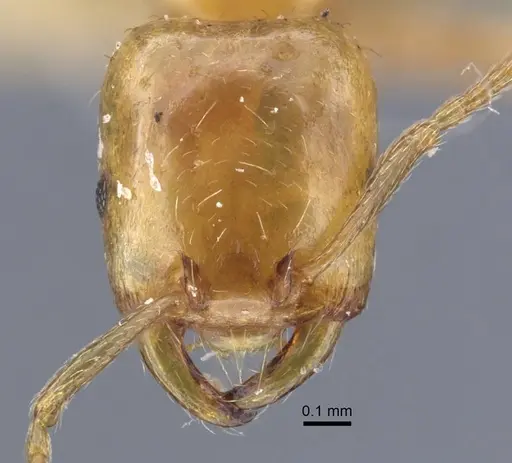
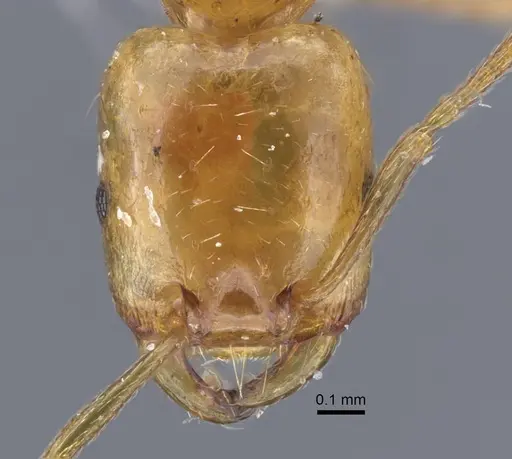
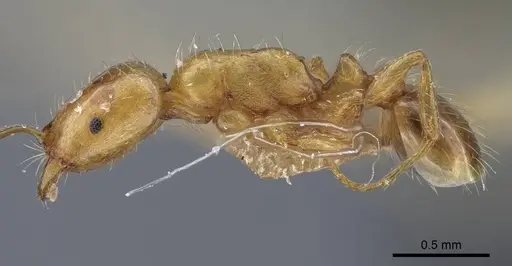
Strongylognathus minutus is a tiny slave-making ant (dulotic species) from the Myrmicinae subfamily, found across Central Asia including Turkmenistan, Uzbekistan, Kyrgyzstan, and southern Kazakhstan . This is the smallest species in the huberi-group, with queens having an alitrunk length under 1.20mm - much smaller than other species in this group which exceed 1.60mm . Workers and queens are notably hairy, with numerous erect hairs covering both the dorsal and ventral surfaces of the head, as well as abundant long hairs on the alitrunk and gaster . The occipital margin of the head is almost straight, and the sculpture is coarser compared to related species like S. kabakovi . This species is a social parasite that relies on host colonies to survive - queens invade host nests, kill or replace the host queen, and use the host workers to raise their own brood. This makes them one of the most challenging ants to keep in captivity, as they cannot establish a colony without a compatible host species.
Quick Summary
- Difficulty: Expert
- Origin & Habitat: Central Asia, found in Turkmenistan, Uzbekistan, Kyrgyzstan, and southern Kazakhstan at elevations from 700m to 1400m [3]. The region has a continental semi-arid to steppe climate with hot summers and cold winters.
- Colony Type: Dulotic (slave-making) species, requires a host colony to function. Colony structure details are unconfirmed, but Strongylognathus species typically establish single-queen colonies after successful host invasion.
- Size & Growth:
- Queen: Size data unavailable (alitrunk length under 1.20mm, indicating very small size) [1]
- Worker: Size data unavailable
- Colony: Unknown, no data available for this species
- Growth: Moderate, development depends on host colony resources
- Development: Unknown, development depends on host worker care and temperature (No direct data available. Development likely follows genus patterns but is heavily influenced by host colony integration.)
- Antkeeping:
- Temperature: Infer from habitat, aim for 20-26°C with a gradient, mimicking Central Asian steppe conditions. Room temperature likely acceptable if within this range [4].
- Humidity: Prefers dry to moderate conditions, semi-arid habitat. Keep nest substrate slightly moist but not wet, with drier areas available [4].
- Diapause: Likely required, temperate Central Asian distribution suggests 2-3 months at 5-10°C during winter [4].
- Nesting: Y-tong or plaster nests work well. This species likely nests in soil cavities or under stones in nature, similar to other Strongylognathus [4].
- Behavior: This is a specialized social parasite. Workers are not the primary foragers, they rely on host workers to forage and care for brood. The slave-making workers may participate in raids to capture brood from other species. Defense is through a modified stinger that smears venom (typical of Myrmicinae). Escape risk is low given their small size, but the primary challenge is maintaining the host colony. Aggression toward host colonies is extreme during colony founding, but established mixed colonies are typically functional.
- Common Issues: host colony dependency, without a compatible host, this species cannot survive, finding the correct host species, host for Strongylognathus minutus is unknown and may be difficult to obtain, colony failure during founding, queen invasion of host nests has low success rate even in the wild, keeping both parasite and host alive, requires balancing two species' needs, very limited availability, this species is rarely kept and not commercially available, species is IUCN Vulnerable, ethical and legal considerations, check local laws before acquiring
Understanding Strongylognathus minutus
Strongylognathus minutus belongs to the Myrmicinae subfamily and is classified as a dulotic species, meaning it conducts slave raids on other ant species to capture brood, which are then raised as workers within the colony [4]. This is a specialized parasitic lifestyle that makes them fascinating from a biological perspective but extremely challenging to keep. The species was described by Radchenko in 1991 from specimens collected in Kazakhstan, Turkmenistan, and Uzbekistan [2]. What makes S. minutus particularly interesting is its extremely small queen size, at under 1.20mm alitrunk length, it is the smallest known species in the huberi-group [1]. This is unusual because most dulotic species have larger queens that can better dominate host colonies. The species is also notably hairy compared to relatives, with abundant erect hairs covering both head surfaces, the alitrunk, and gaster [2]. The IUCN lists this species as Vulnerable (VU), indicating wild populations face threats and habitat concerns [4].
The Slave-Making Lifestyle
Strongylognathus minutus represents one of the most complex social parasitic strategies in ants. Unlike some parasites that simply live alongside host workers, dulotic species like this one actively raid other ant colonies to steal pupae and larvae. These captured brood are raised by the host workers (now acting as 'slaves') to become workers in the parasite colony [4]. The colony cycle begins when a newly mated queen locates a suitable host colony. She must successfully invade the nest, kill or neutralize the host queen, and then use the existing host workers to raise her first brood. This is a high-risk strategy, most founding attempts fail in the wild. Once established, the colony consists of both the parasite species' workers and the enslaved host workers [4]. For antkeepers, this means you cannot keep S. minutus alone, you must maintain a healthy host colony simultaneously. The challenge is compounded because the specific host species for S. minutus has not been documented in available research, making it extremely difficult to provide the correct host [4].
Housing and Nesting
Housing Strongylognathus minutus requires maintaining TWO colonies, the parasite and its host. For the host species (which remains unconfirmed), provide appropriate housing based on what you determine to be the correct host. For the parasite colony, standard Myrmicinae setups work well, Y-tong nests, plaster nests, or naturalistic setups with appropriate moisture levels [4]. The nest should have a humidity gradient, slightly moist founding chambers with drier areas available. Given their Central Asian origin, these ants prefer conditions that are drier than typical tropical species. Ensure excellent escape prevention regardless of the small size, as mixed colonies can be active and curious [4]. Temperature should be maintained in the 20-26°C range, with a slight gradient allowing the colony to self-regulate. Room temperature is likely acceptable in most homes. During winter, provide a cooling period of 2-3 months at 5-10°C to simulate natural seasonal cycles [4].
Feeding and Care Challenges
Feeding a dulotic colony is complex because you must feed both the parasite and host species. The host workers will be the primary foragers and consumers, so ensure food is accessible to them. Offer standard ant foods: sugar water or honey for energy, and protein sources like insects or commercial ant feeds [4]. The biggest challenge is that Strongylognathus minutus cannot survive without a host colony. Even if you obtain a queen with workers, they cannot forage for themselves during founding, they depend entirely on host workers. Without the correct host species, the colony will fail [4]. This species is not recommended for beginners. The combination of requiring a host species (which may be difficult to identify and obtain), the complex colony dynamics, and the specialized care requirements make this an expert-level ant to keep. Additionally, the species is rarely available in the antkeeping hobby, and wild collection may be illegal or harmful to vulnerable populations [4].
Legal and Ethical Considerations
Strongylognathus minutus is listed as Vulnerable (VU) on the IUCN Red List, indicating population concerns in the wild [4]. Before considering keeping this species, research your local laws regarding ant collection and keeping. In many countries, keeping native social parasites requires permits, and collecting from the wild can be harmful to already-vulnerable populations. Furthermore, because the specific host species is unknown, establishing a successful captive colony would require significant research and likely trial-and-error with potential host species. This makes the endeavor both ethically and practically challenging. For these reasons, Strongylognathus minutus is best appreciated through observation in the wild or through academic research rather than captive keeping [4].
Frequently Asked Questions
Can I keep Strongylognathus minutus in a test tube setup?
A test tube can work for a founding queen, but you MUST also maintain a host colony simultaneously. Without a host, the queen cannot survive. A test tube setup alone is insufficient for this species, they require the complex parasite-host relationship to function [4].
What do Strongylognathus minutus eat?
They eat whatever their host workers capture and feed them. In captivity, offer sugar sources (honey, sugar water) and protein (insects, commercial feeds) to the host workers, who will then feed the parasite colony. The specific host species is unknown, so acceptance may vary [4].
How long does it take for first workers to appear?
The timeline is unknown and depends entirely on successful host colony integration. Unlike typical ants where development takes weeks, this species depends on host workers raising their brood, the timeline is therefore variable and dependent on host colony health [4].
Do Strongylognathus minutus ants sting?
They have a modified stinger typical of Myrmicinae, but instead of piercing, they smear venom onto enemies. The sting is not medically significant. The primary defense is the slave-raiding behavior rather than individual stinging, but they can use venom when threatened.
Are Strongylognathus minutus good for beginners?
No. This species is absolutely not recommended for beginners or even intermediate antkeepers. The requirement for a host colony, the unknown host species, and the complex social parasitic lifestyle make this an expert-level species. Difficulty is rated as Expert [4].
Can I keep multiple queens together?
This has not been documented. Strongylognathus species establish single-queen colonies after host invasion, but multiple founding attempts in the wild are possible. In captivity, combining unrelated queens is not recommended and likely unnecessary given the colony structure [4].
Do Strongylognathus minutus need hibernation?
Yes, given their Central Asian distribution, a winter diapause of 2-3 months at 5-10°C is likely required for colony health. This mimics the seasonal temperature cycles they experience in their natural habitat [4].
What is the host species for Strongylognathus minutus?
The specific host species is currently unknown and has not been documented in available research. This is one of the major challenges in keeping this species, you would need to identify and obtain the correct host species to establish a mixed colony [4].
How big do Strongylognathus minutus colonies get?
Colony size is unconfirmed for this specific species, no data available. They likely remain small, but there are no confirmed records [4].
Why are my Strongylognathus minutus dying?
Without a functioning host colony, the parasite colony cannot survive. The most likely cause of failure is the absence of host workers to care for the brood and forage for food. Additionally, if the host colony dies or is unhealthy, the parasite colony will decline [4].
When should I move Strongylognathus minutus to a formicarium?
Moving to a formicarium is only relevant after you have successfully established a mixed colony with host workers. This requires the host colony to be stable and large enough to support both species. There is no standard timeline given the complexity of the parasite-host relationship [4].
Report an Issue
The current care sheet is based fully on literature. See inconsistencies, or something that's incorrect? Please , it will be resolved after review from an admin. Contributing to the blogs tab also helps providing information, to make us be able to further improve the caresheets. Thank you for your support!
References

This caresheet is licensed under CC BY-SA 4.0 .
Community Blogs
Literature
Loading distribution map...Loading products...