
Stigmatomma zoma
- Sci. Name
- Stigmatomma zoma
- Tribe
- Amblyoponini
- Subfamily
- Amblyoponinae
- Author
- Xu & Chu, 2012
- Distribution
- Found in 0 countries
Introduction
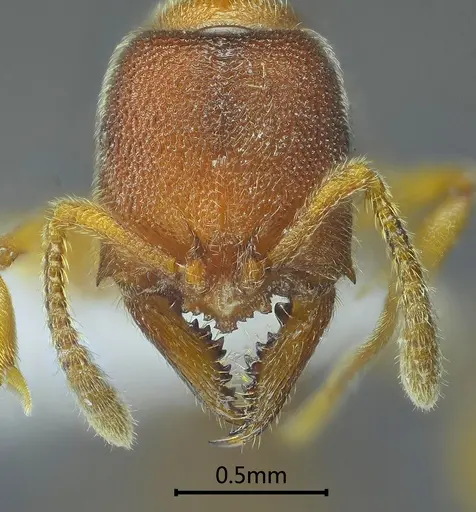
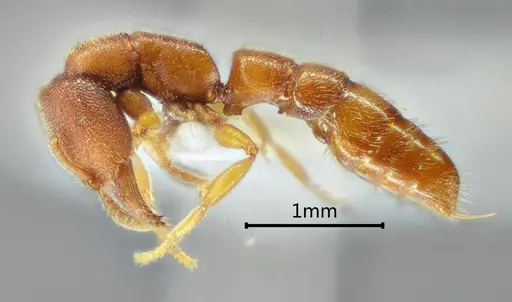
Stigmatomma zoma is a small predatory ant from Tibet, China . Workers measure 4.5 mm in total length . The head is brown, the body yellowish brown, and the legs yellow . Their mandibles are elongate and triangular with a distinctive tooth pattern used to grasp prey . Eyes are very small, with about 6 facets, suggesting a life spent underground or in leaf litter . As an amblyoponine ant, they are part of a group known as "dracula ants" that puncture prey and drink the body fluids rather than consuming whole prey. This species' biology in the wild is poorly documented.
Quick Summary
- Difficulty: Hard
- Origin & Habitat: Tibet, China [1]
- Colony Type: Unknown, no data on social structure
- Size & Growth:
- Antkeeping:
- Temperature: Based on the cool climate of Tibet, keep at 20-24°C. Avoid overheating. No confirmed requirements.
- Humidity: Keep nest substrate moist but not waterlogged, high humidity is likely needed for this cryptic species.
- Diapause: Likely yes, Tibet experiences cold winters, so a winter rest at 10-15°C for about 2-3 months may be needed. Not confirmed.
- Nesting: A small, dark, humid setup like a test tube with damp substrate or a Y-tong (AAC) nest with moist chambers works. Avoid dry or brightly lit nests.
- Behavior: Workers are cryptic and slow-moving. They avoid confrontation and are not aggressive. They possess a sting (typical of Amblyoponinae) but are too small to pose a risk to humans. Activity is likely nocturnal or in low light. Their tiny size means they can escape through small gaps, so use tight-fitting lids or Fluon barriers.
- Common Issues: lack of published care data means keepers must rely on trial and error, cryptic nature keeps them hidden most of the time, do not expect visible activity, obligate predator, will not accept dead food or sugar water, tiny size increases escape risk, check all seals and barriers, slow growth and small colony size may frustrate keepers expecting rapid expansion
Housing and Nesting
Because so little is known about this species' natural nesting, a small, simple setup is best. A test tube with a water reservoir and a dark cover works well for a founding colony. For larger colonies, a Y-tong (AAC) or plaster nest with narrow, humid chambers is suitable. Keep the nest completely dark and the substrate moist. Avoid bright lighting and dry conditions. Their tiny size means they can escape through pinhole gaps, so ensure all connections are sealed with cotton or tape.
Feeding and Diet
Stigmatomma zoma is an obligate predator and will not accept dead insects or sugary foods. In captivity, offer small live prey such as springtails, fruit flies, or pinhead crickets. Based on the hunting style of amblyoponine ants, workers may puncture prey and drink the hemolymph, then feed the carcass to larvae. Offer food every 2-3 days and remove any uneaten prey after 24 hours to prevent mold.
Temperature and Seasonal Care
No precise temperature data exists for this species. Since it comes from the highlands of Tibet [1], it likely prefers cool conditions, keep the nest between 20-24°C. Avoid sustained temperatures above 28°C. A gentle temperature gradient (one warmer side, one cooler) allows workers to self-regulate. Diapause is probable given the cold Tibetan winters: a winter rest period of 2-3 months at 10-15°C is recommended, but not confirmed. If the colony is small or weak, you may skip the first hibernation.
Behavior and Temperament
Workers are secretive and not aggressive. They spend most of their time in the nest or hunting within the substrate. When disturbed, they retreat rather than attack. They possess a sting, but it is mild and barely perceptible to humans. Given their small size, they are poor climbers and rarely attempt escape if standard barriers (Fluon, mineral oil) are used. Still, check for any gaps as they can squeeze through very small openings.
Colony Development
Reproduction and colony growth are undocumented. Based on their small worker size and cryptic lifestyle, the colony likely remains small (tens of workers, not hundreds). The queen probably lays only a few eggs at a time, and larvae develop on a protein-rich diet of live prey. Do not expect rapid colony growth, patience is essential. Without confirmed data, treat any colony size or development time estimates as speculation.
Frequently Asked Questions
How long does it take for Stigmatomma zoma to produce first workers?
Unknown. No published data exists. If you are keeping them, expect several months at least, and keep detailed notes to share with the community.
What do Stigmatomma zoma ants eat?
They are obligate predators that need live prey. Offer small live insects like springtails, fruit flies, or pinhead crickets. They will not eat dead prey or sugar.
Can I keep Stigmatomma zoma in a test tube?
Yes, a test tube with a water reservoir works well, especially for a founding queen and small colony. Cover the tube to keep it dark and humid. Their tiny size means they can drown easily, so make sure the cotton plug is not too wet.
Do Stigmatomma zoma ants sting?
Yes, they have a sting, as is typical for Amblyoponinae ants. However, given their tiny size (4.5 mm), the sting is very weak and unlikely to be felt by humans. They are not aggressive.
Do Stigmatomma zoma need hibernation?
Likely yes, but not confirmed. Since they come from Tibet where winters are cold [1], a 2-3 month rest at 10-15°C is recommended. If the colony is very small or weak, you may skip the first winter.
Are Stigmatomma zoma good for beginners?
No, this species is not recommended for beginners because so little is known about its care. The need for live prey, slow growth, and hidden lifestyle make it challenging even for experienced keepers.
How big do Stigmatomma zoma colonies get?
Unknown. Based on closely related amblyoponine species, colonies are likely small (tens of workers), but there is no published data.
When should I move Stigmatomma zoma to a formicarium?
Wait until the colony outgrows the test tube (around 15-20 workers). Use a small Y-tong or plaster nest with high humidity. Move during active period (spring/summer) and connect the tube to the new nest so workers can move voluntarily.
Why is my Stigmatomma zoma colony not growing?
Slow growth is normal for this species. Check that temperatures are not too high or low, that humidity is high, and that you are offering appropriate live prey regularly. If the queen is alive and eggs are present, be patient. If no eggs or larvae appear after several months, the queen may be infertile.
Can I keep multiple queens of Stigmatomma zoma together?
Not recommended. There is no evidence that this species is polygynous. Keeping two queens together will likely lead to aggression. Only keep one queen per colony unless you have proof otherwise.
Report an Issue
The current care sheet is based fully on literature. See inconsistencies, or something that's incorrect? Please , it will be resolved after review from an admin. Contributing to the blogs tab also helps providing information, to make us be able to further improve the caresheets. Thank you for your support!
References

This caresheet is licensed under CC BY-SA 4.0 .
Community Blogs
ANTWEB1060492
View on AntWeb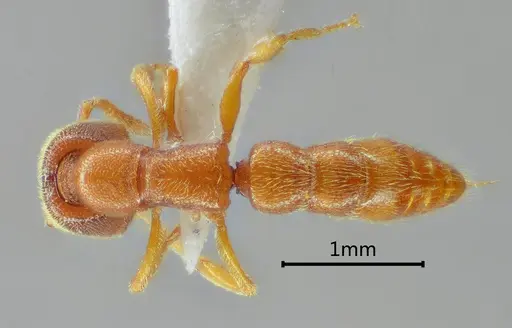
Literature
Loading distribution map...Loading products...