
Stigmatomma tsyhady
- Sci. Name
- Stigmatomma tsyhady
- Tribe
- Amblyoponini
- Subfamily
- Amblyoponinae
- Author
- Esteves & Fisher, 2016
- Distribution
- Found in 1 countries
Introduction
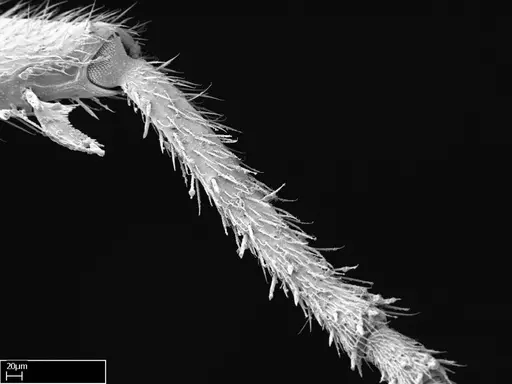
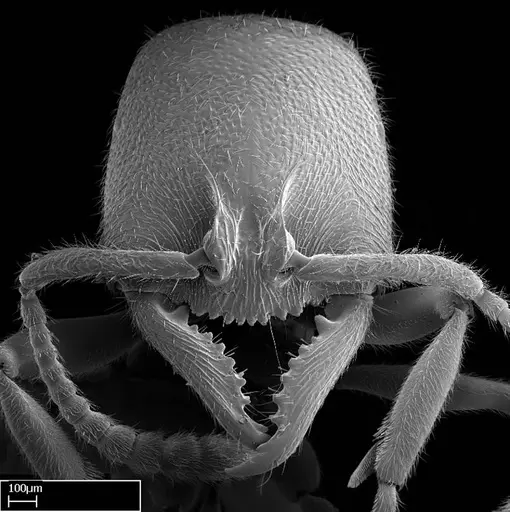
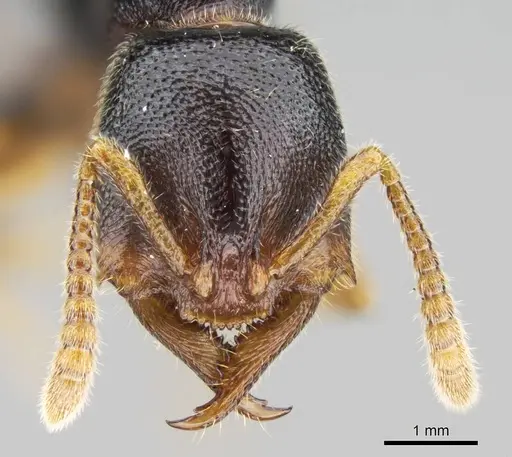
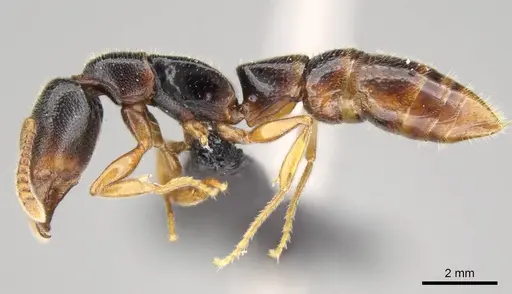
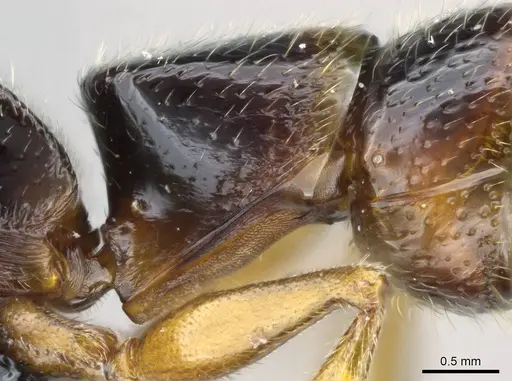
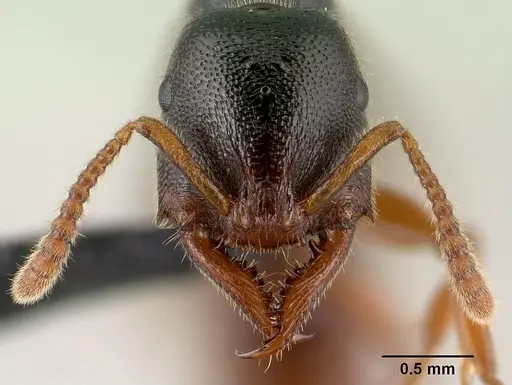
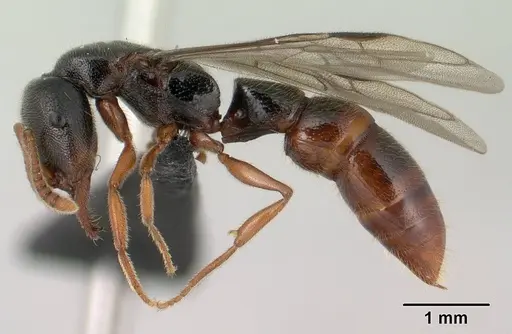
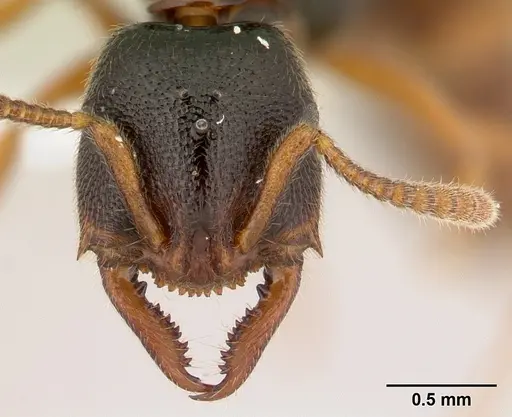
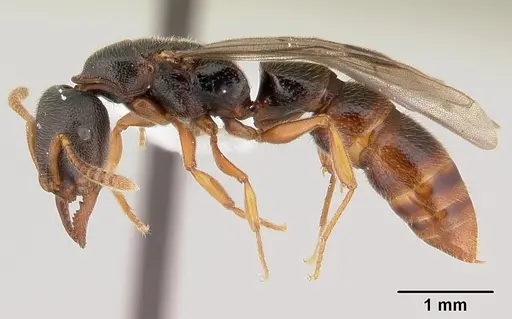
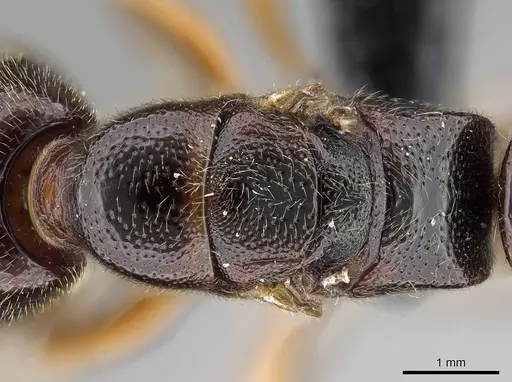
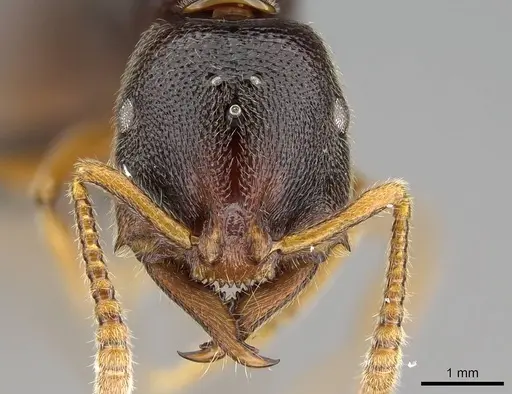
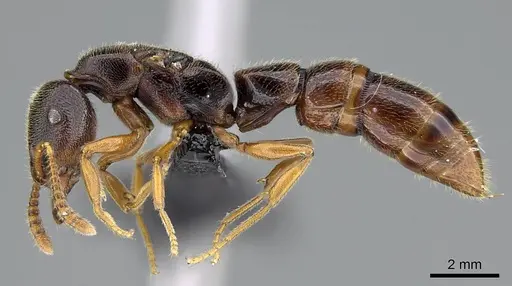
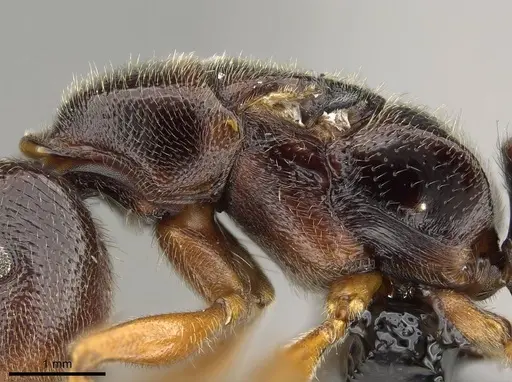
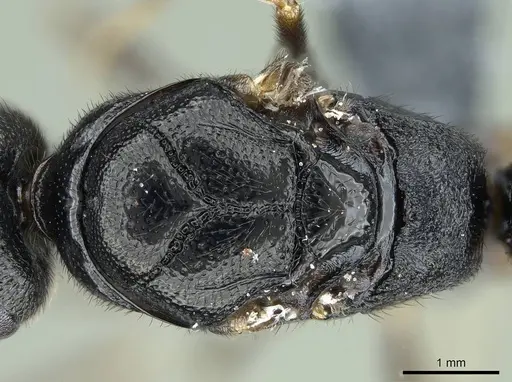
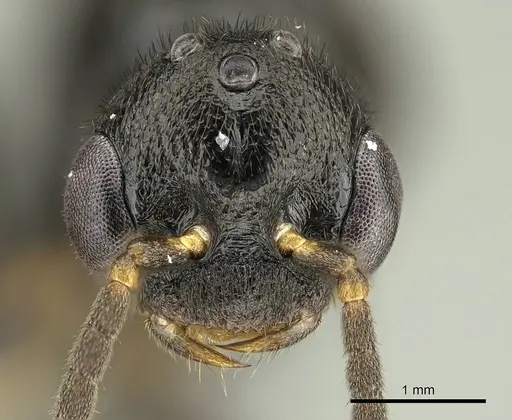
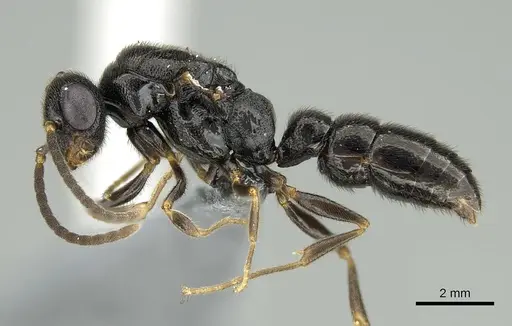
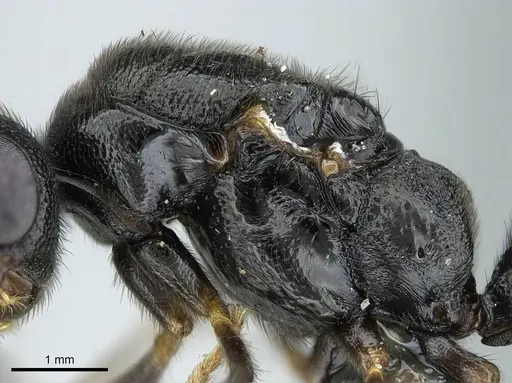
Stigmatomma tsyhady is a medium-sized ant from Madagascar, part of the Amblyoponinae subfamily. They have a dark brown to black body with a yellow-brown to brown gaster, and their name comes from the Malagasy words 'tsy' (absence) and 'hady' (sulcus) - a reference to the unique lack of grooves on their leg segments . These ants are predatory and use a potent sting to subdue hard-bodied prey like centipedes. They live in eastern Madagascar's humid and subhumid forests, including gallery forests, littoral forests, montane forests, and rainforests from 10 to 1125 meters elevation . They nest in soil, rotting wood, leaf mold, and root mats on the ground .
Quick Summary
- Difficulty: Medium
- Origin & Habitat: Eastern Madagascar, humid and subhumid forest ecoregions including gallery forests, littoral forests, montane forests, and rainforests at elevations 10-1125m [2]
- Colony Type: Queen-based colony structure, likely monogyne (single-queen) based on related species, but unconfirmed in research [2]
- Size & Growth:
- Queen: Larger than workers, alate when virgin (precise body measurements not available) [2]
- Worker: Medium-sized for the genus (precise total length not available) [2]
- Colony: Unknown, no colony size data available
- Growth: Moderate, inferred from typical Amblyoponinae patterns
- Development: Estimated 6-10 weeks based on patterns in related Amblyoponinae species (Specific development data for this species is unavailable, estimate is from genus-level inference)
- Antkeeping:
- Temperature: Warm and stable, roughly 22-26°C, from tropical rainforest habitat [2]. Avoid drops below 20°C.
- Humidity: High humidity essential, keep nest substrate consistently moist but not waterlogged. Mimic damp forest floor conditions [2].
- Diapause: Unlikely, tropical Madagascar species, so no true diapause needed. A slight cooling during winter months may be safe but not required [2].
- Nesting: Moist substrate setup with soil or a plaster nest holding humidity well. Prefer natural materials like rotting wood and leaf mold. Avoid dry environments [2].
- Behavior: Stigmatomma tsyhady is a shy, predatory ant that forages in leaf litter for small invertebrates. They are not aggressive toward keepers but will use a potent sting to subdue prey. Their small size means escape prevention is essential, use fine mesh on all openings. Colonies focus on hunting rather than defending territory [2].
- Common Issues: high humidity needs can lead to mold if ventilation is poor, balance moisture and airflow, small size makes escape prevention critical, use tight seals and fine mesh (sub-1mm) on any gaps, predatory diet requires a steady supply of live small prey, colonies may fail if food is inconsistent, tropical species may struggle if temperatures drop below 20°C for extended periods, limited availability in the hobby makes it hard to obtain colonies or founding queens
Housing and Nest Setup
Stigmatomma tsyhady needs a humid, naturalistic setup that mirrors their forest floor habitat. In the wild they nest in sifted leaf mold, rotting wood, soil, and root mats on the ground [2]. For captivity, use a moist substrate nest, either a naturalistic terrarium with damp soil and rotting wood pieces, or a plaster nest that holds humidity well. Do not use dry nests or those with poor humidity retention. The nest should have chambers sized for their medium size (queens significantly larger than workers). Include a water reservoir or moisture source to keep substrate consistently damp. A small outworld allows you to offer live prey. Because they are small, ensure all connections between nest and outworld are secure with no gaps [2].
Feeding and Diet
As predatory ants, Stigmatomma tsyhady needs live small invertebrates. They naturally forage in leaf litter and soil for micro-arthropods [2]. Offer small live prey such as springtails, fruit flies, small mealworms, and other tiny insects. They are not known to take sugar water or honey, their diet is almost entirely protein-based from live prey. Feed protein-rich prey every few days for established colonies. Remove uneaten prey after 24-48 hours to prevent mold. A varied diet helps ensure healthy colony development. Workers use their potent sting to paralyze prey before carrying it back to the nest [2].
Temperature and Humidity
Being a tropical species from Madagascar's rainforests, Stigmatomma tsyhady needs warm, humid conditions. Maintain temperatures roughly 22-26°C and avoid drops below 20°C. A heating cable on one side of the nest can create a temperature gradient. High humidity is critical, think damp forest floor. Keep nest substrate consistently moist but not waterlogged, and ensure the enclosure maintains high moisture. The natural habitat in montane forests provides stable warmth and humidity [2]. Monitor for condensation in the nest, which indicates good humidity. Avoid placing the setup near air conditioning or heating vents that could cause fluctuations. Poor temperature control can slow or halt brood development [2].
Colony Founding
Founding behavior for Stigmatomma tsyhady is unconfirmed in available research. Queens have been collected with wings (alate) [2], suggesting they mate and then seek a founding spot. Typical Amblyoponinae queens are claustral, but this has not been confirmed for this species. If you have a queen, keep her in a dark, humid, closed container (like a test tube with moist cotton) and minimize disturbance. Watch for signs of brood, if she lays eggs, she may be claustral. Do not disturb her during the first weeks. Founding is likely slow, the first workers may take 6-10 weeks depending on temperature [2].
Behavior and Temperament
Stigmatomma tsyhady workers forage on the ground, searching through leaf litter for small invertebrates. They are not aggressive toward keepers and will flee rather than attack when their nest is disturbed. However, they do possess a potent sting used to subdue prey. Workers are active once the colony establishes, but they do not form conspicuous foraging trails, they hunt individually. Their small size means they can slip through tiny gaps, so use tight-fitting lids and fine mesh on any openings. They are a shy, non-territorial species focused on hunting rather than defending space [2].
Frequently Asked Questions
How long does it take for Stigmatomma tsyhady to have first workers?
From egg to first worker typically takes 6-10 weeks, depending on temperature. This is an estimate based on related Amblyoponinae species, as specific development data for this species is not available [2].
What do Stigmatomma tsyhady ants eat?
They are predatory ants that need live small invertebrates. Offer springtails, fruit flies, small mealworms, and other tiny insects. They likely do not take sugar water, protein-rich live prey is essential [2].
Can I keep Stigmatomma tsyhady in a test tube?
A test tube can be used for founding a queen, but long-term they need a humid, naturalistic setup. Once workers arrive, a test tube dries out quickly. Move to a plaster or soil nest that holds humidity better [2].
Do Stigmatomma tsyhady ants sting?
Like other Amblyoponinae, they have a potent sting used primarily for subduing prey. They are not aggressive toward keepers and stinging only occurs if they are handled roughly or crushed.
What temperature do Stigmatomma tsyhady ants need?
Keep them warm at 22-26°C. Being from tropical Madagascar rainforests, they need consistent warmth. Avoid temperatures below 20°C [2].
Are Stigmatomma tsyhady good for beginners?
This species is rated medium difficulty. They require high humidity, warm temperatures, and live prey, more demanding than easy sugar-feeding ants. Best for keepers with some experience [2].
How big do Stigmatomma tsyhady colonies get?
The maximum colony size is unknown. Based on related Amblyoponinae, colonies likely reach a few dozen to a few hundred workers, but this is speculation [2].
Do Stigmatomma tsyhady need hibernation?
Probably not. As a tropical species, they likely do not require a true diapause period. A slight cooling during winter months may be safe but is not necessary [2].
Why is Stigmatomma tsyhady named that way?
The name combines Malagasy words: 'tsy' meaning 'absence' and 'hady' meaning 'sulcus' or ditch. This refers to the unique absence of longitudinal grooves on the mesobasitarsus and metabasitarsus, a trait not found in other Malagasy Stigmatomma [1][2].
Where is Stigmatomma tsyhady found in the wild?
They live in eastern Madagascar's humid and subhumid forest regions, including gallery forests, littoral forests, montane forests, and rainforests at elevations from 10 to 1125 meters [2].
Report an Issue
The current care sheet is based fully on literature. See inconsistencies, or something that's incorrect? Please , it will be resolved after review from an admin. Contributing to the blogs tab also helps providing information, to make us be able to further improve the caresheets. Thank you for your support!
References

This caresheet is licensed under CC BY-SA 4.0 .
Community Blogs
CASENT0044920
View on AntWeb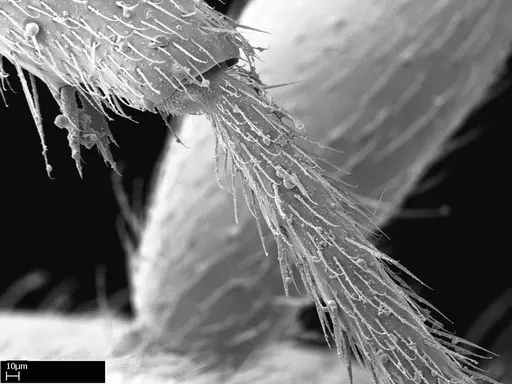
CASENT0074309
View on AntWeb
CASENT0121332
View on AntWeb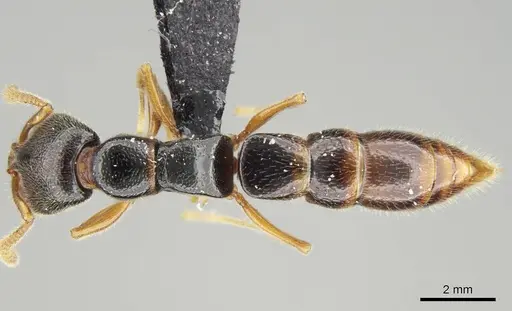
CASENT0138790
View on AntWeb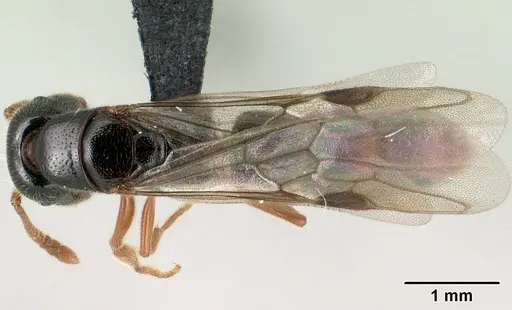
CASENT0179498
View on AntWeb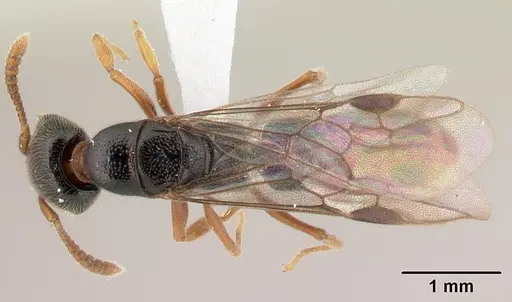
CASENT0208068
View on AntWeb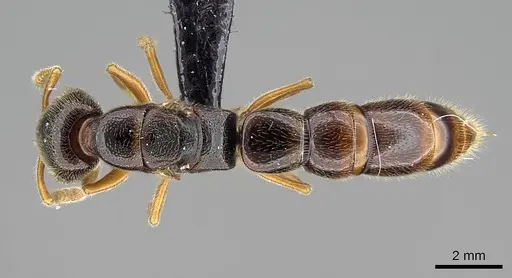
CASENT0723249
View on AntWeb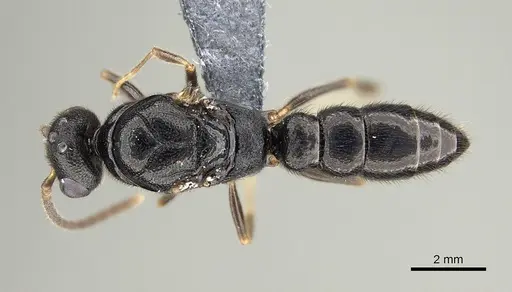
Literature
Loading distribution map...Loading products...