
Stigmatomma sakalava
- Sci. Name
- Stigmatomma sakalava
- Tribe
- Amblyoponini
- Subfamily
- Amblyoponinae
- Author
- Esteves & Fisher, 2016
- Distribution
- Found in 1 countries
Introduction
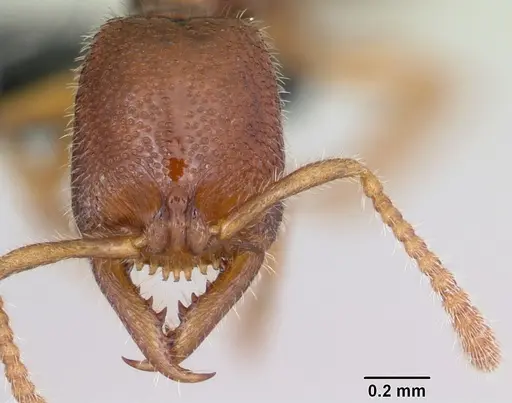
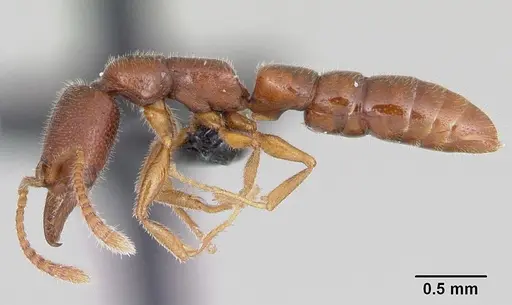
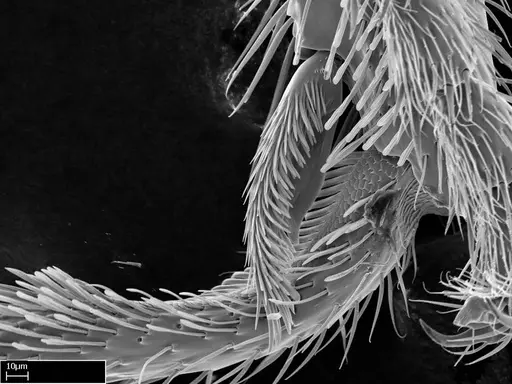
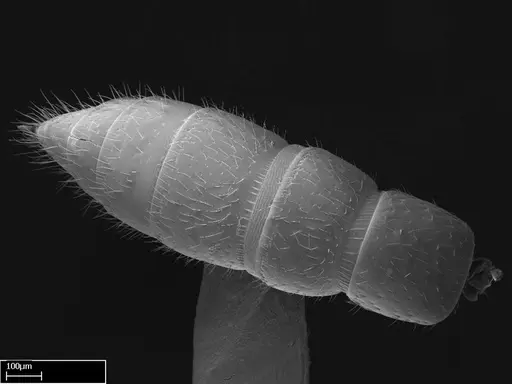
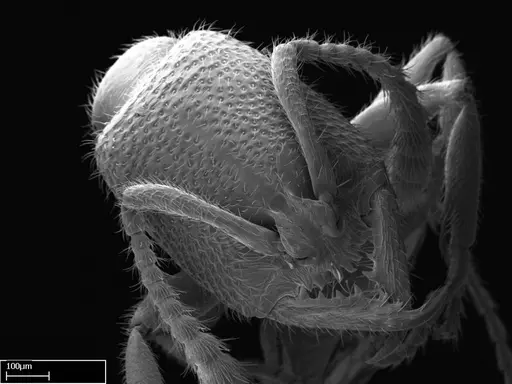
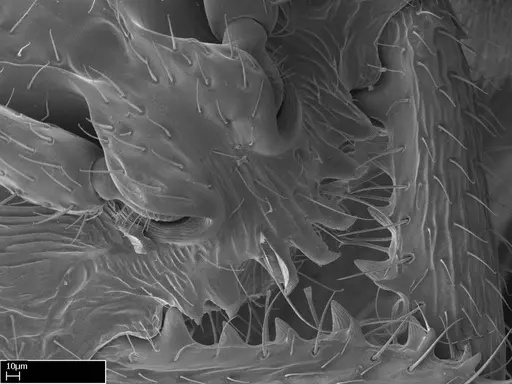
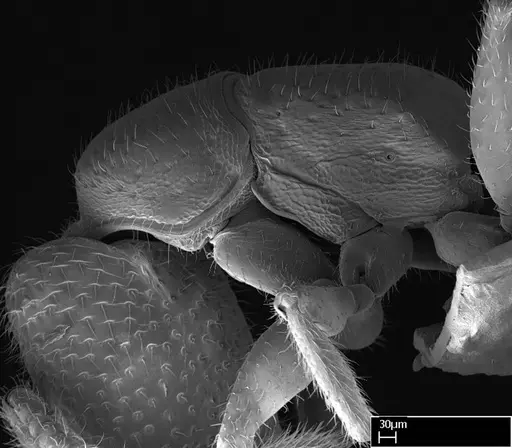
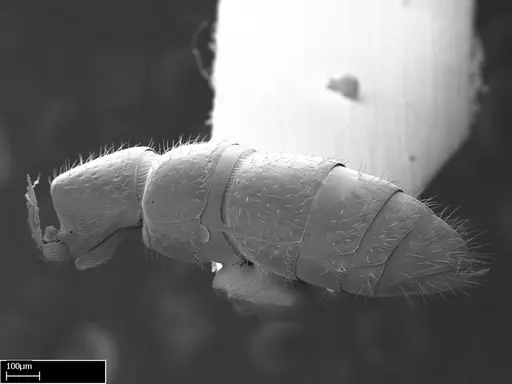
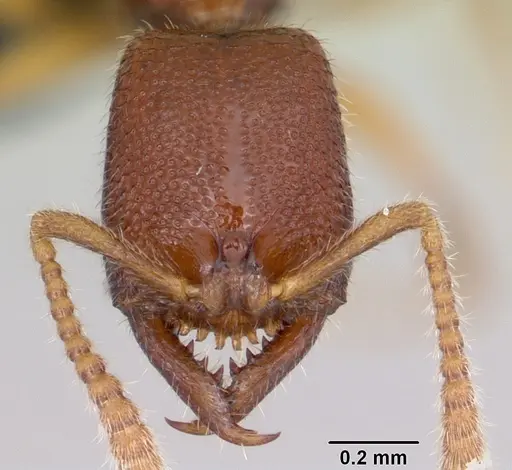
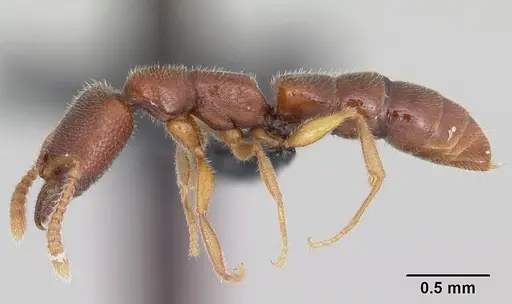
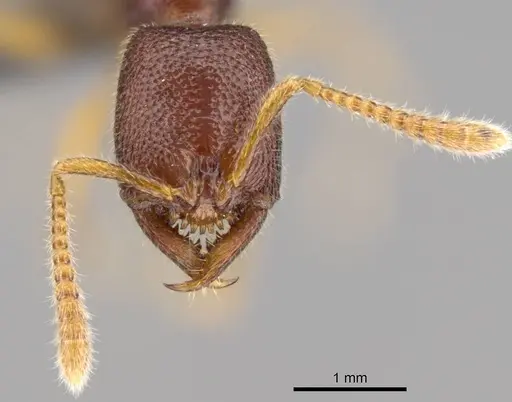
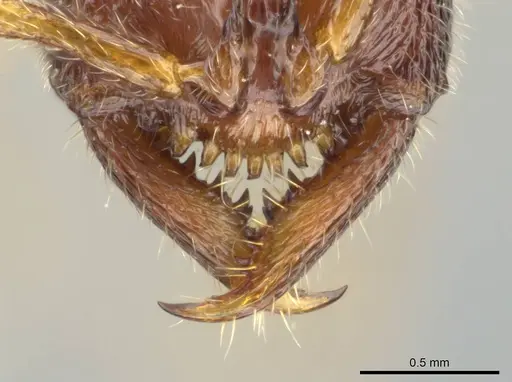
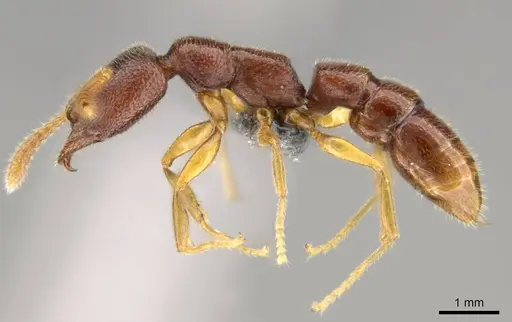
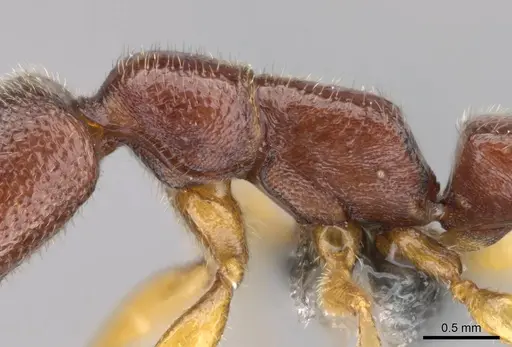
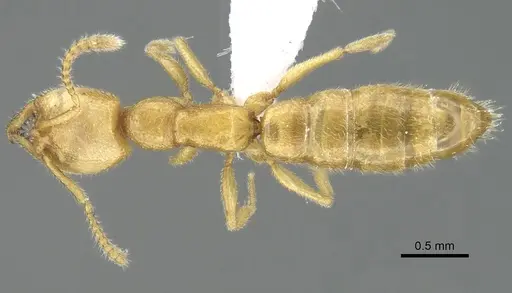
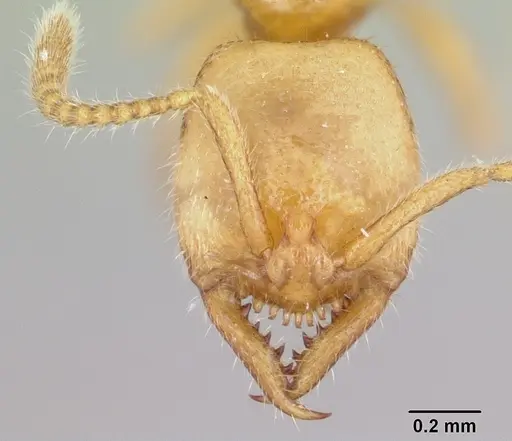
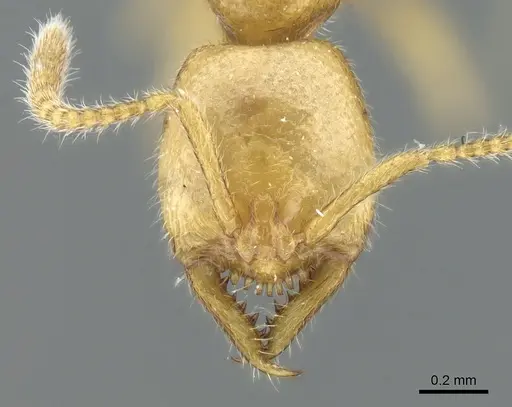
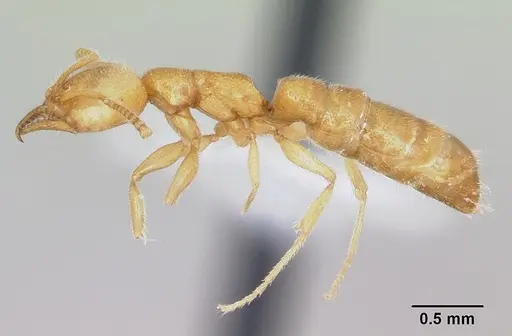
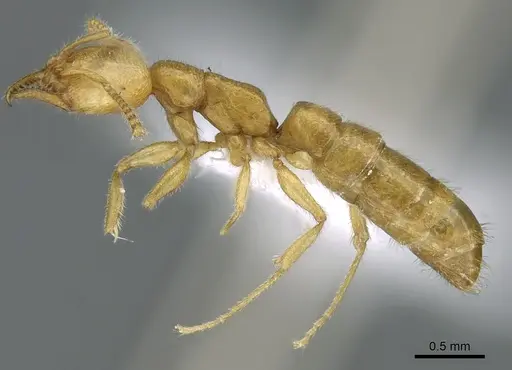
Stigmatomma sakalava is a small, blind ant native to Madagascar, belonging to the Amblyoponinae subfamily. Workers are around 4mm in total length with an orange-brown body,12-segmented antennae, and no compound eyes. They have a distinctive fin-like subpetiolar process . This species was formally described in 2016 and was previously referred to as 'Stigmatomma MG06' in earlier studies. It is found exclusively in Madagascar's western and southern regions, inhabiting dry deciduous forests and gallery forests at elevations of 30-300m, where it nests in sifted leaf litter and rotten wood .
Quick Summary
- Difficulty: Medium
- Origin & Habitat: Madagascar, endemic to the western and southern biomes, found in gallery forests and dry deciduous forests at elevations of 30-300m [1][2]
- Colony Type: Colony structure is unconfirmed. Only the worker caste has been documented, the queen has not been described [1].
- Size & Growth:
- Queen: Undescribed, queen caste not documented [1]
- Worker: Approximately 4mm total length (inferred from head and mesosoma measurements, no direct total length available) [1]
- Colony: Unknown, colony size not documented in scientific literature
- Growth: Unknown, growth rate has not been studied
- Development: Unknown, development timeline not documented, based on related Amblyoponinae species, probably 6-10 weeks at warm temperatures (No direct data available. Related amblyoponine ants typically develop in 6-10 weeks under tropical conditions.)
- Antkeeping:
- Temperature: Keep warm and stable, roughly 24-28°C, matching their tropical forest habitat. Use a heating cable to create a gradient. Avoid temperatures below 22°C for extended periods.
- Humidity: High, keep nest substrate consistently moist but not waterlogged, mimicking the damp leaf litter and rotten wood they naturally inhabit. Good ventilation is important to prevent mold.
- Diapause: Unlikely, as a tropical species from Madagascar, they probably do not require a true diapause. A slight winter temperature reduction to 20-22°C may be tried, but avoid cold exposure below 18°C.
- Nesting: Prefer dark, enclosed spaces with naturalistic moist substrate. Use a mix of soil and rotting wood pieces, or a plaster nest with moisture chambers. They naturally nest in leaf mold and decaying wood [1][2].
- Behavior: These ants are blind (no compound eyes) and rely on chemical cues and vibrations to navigate. They are likely predatory, hunting small invertebrates in leaf litter. Based on subfamily traits, they have a functional sting but are not aggressive. Workers are small (around 4mm) and escape risk is moderate, standard barriers are adequate. Temperament is likely docile toward keepers, but they will defend the colony if threatened.
- Common Issues: queen caste undescribed, colonies must be wild-caught, making captive breeding difficult and raising sustainability concerns, blind ants may have trouble locating food in open spaces, use confined feeding areas, small worker size means escape prevention must be adequate despite their docile nature, predatory diet requirements can be challenging, need constant supply of small live prey, high humidity needs can lead to mold if ventilation is poor
Housing and Nest Preferences
Stigmatomma sakalava naturally nests in decaying wood and leaf litter on the forest floor [1][2]. In captivity, a naturalistic setup works best, use a mixture of soil and rotting wood as substrate. They prefer dark, enclosed spaces, so provide covered nesting areas. A plaster nest with moisture chambers is also suitable. Keep the substrate consistently damp but not waterlogged. These ants are small (around 4mm) and not strong climbers, so standard formicariums with proper escape prevention are adequate. Provide multiple chambers for brood sorting and food storage.
Feeding and Diet
Like other Amblyoponinae, Stigmatomma sakalava is likely predatory, hunting small invertebrates in leaf litter. Offer small live prey such as springtails, fruit flies, small crickets, and other micro-arthropods. Place food directly in their foraging area since they are blind. Feed every 2-3 days and remove uneaten prey within 24 hours to prevent mold. Sugar sources are probably not accepted, these are specialized predators.
Temperature and Seasonal Care
As a Madagascar endemic from dry deciduous forests, Stigmatomma sakalava requires warm, stable temperatures around 24-28°C. This matches their natural habitat in western and southern Madagascar [1]. Use a heating cable or mat on one side of the nest to create a gradient. They come from elevations of 30-300m and are adapted to warm conditions year-round. A slight winter reduction to 20-22°C may be beneficial but avoid temperatures below 18°C. They do not require a true diapause like temperate species.
Humidity Requirements
These forest floor ants need consistently high moisture in their nest substrate, mimicking the damp leaf litter and rotting wood they naturally inhabit [2]. Keep the substrate moist but avoid waterlogging, which can drown brood and encourage mold. A moisture gradient in the nest helps maintain humidity. Mist the outworld occasionally but focus on nest moisture. Good ventilation is essential to prevent stagnant air and mold growth.
Behavior and Defense
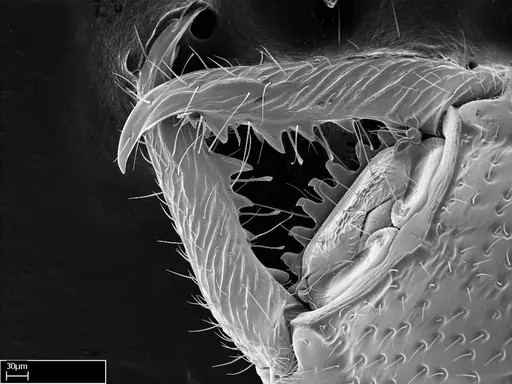
Stigmatomma sakalava workers are blind, lacking compound eyes, and navigate using chemical cues and vibrations [1]. They belong to the Amblyoponinae subfamily, which retains functional stingers, so they can deliver a mild sting if threatened. Workers are likely docile toward keepers but will defend the colony. They probably forage individually in leaf litter. Unique features include a fin-like subpetiolar process and specialized setae on various body parts [1].
Obtaining Colonies
Stigmatomma sakalava is extremely rare in the hobby. Only the worker caste has been described, the queen remains unknown [1]. Currently, colonies must be wild-caught from Madagascar, which is challenging and raises ethical concerns. If you source a colony, ensure it comes from a reputable seller who can document its origin. Captive breeding is impossible without knowledge of the queen, so this species is best left to experienced keepers interested in its natural history.
Frequently Asked Questions
Is Stigmatomma sakalava good for beginners?
No, this species is not recommended for beginners. The queen caste has not been described, so colonies must be wild-caught. They have specific humidity and temperature requirements that are challenging to maintain, and their predatory diet requires a constant supply of live prey.
What do Stigmatomma sakalava ants eat?
They are predatory and hunt small invertebrates. In captivity, offer small live prey like springtails, fruit flies, tiny crickets, and other micro-arthropods. They are unlikely to accept sugar sources. Place food directly in their foraging area since they are blind.
How big do Stigmatomma sakalava colonies get?
Colony size is unknown, it has not been documented. Based on related Amblyoponinae species, colonies probably reach a few hundred workers at most. Only the worker caste has been described, the queen remains unknown.
Do Stigmatomma sakalava ants sting?
Yes, they likely can. Amblyoponinae ants have retained functional stingers. However, their small size (around 4mm) means the sting would be very mild. They are not aggressive toward keepers and will only sting if handled roughly.
What temperature do Stigmatomma sakalava need?
Keep them warm at 24-28°C, matching their native Madagascar habitat. Use a heating cable on one side of the nest to create a gradient. They come from elevations of 30-300m in tropical forests, so stable warmth is important.
Do Stigmatomma sakalava need hibernation?
No, they do not require true hibernation. As tropical ants, they are not adapted to cold. You may provide a slight winter temperature drop (around 20-22°C), but avoid temperatures below 18°C. Cold exposure could harm the colony.
Where is Stigmatomma sakalava found?
They are endemic to Madagascar, specifically the western and southern biomes. Their habitat includes gallery forests and dry deciduous forests at elevations of 30-300m. They nest in sifted leaf litter and rotten wood [1][2].
Can I keep multiple Stigmatomma sakalava queens together?
This is unknown, the queen caste has not been described, so we have no colony structure information. Do not attempt combining unrelated queens until more is known.
How long does it take for Stigmatomma sakalava to develop from egg to worker?
This is unknown, not documented. Based on related Amblyoponinae species in tropical conditions, expect approximately 6-10 weeks from egg to first worker. Temperature influences development speed.
Why are my Stigmatomma sakalava dying?
Common causes include: temperature too cold (below 22°C), humidity too low or too high, lack of appropriate live prey, stress from wild collection, or parasites. These are challenging ants, and losses are common, especially with wild-caught colonies. Ensure all parameters are within range.
What type of nest is best for Stigmatomma sakalava?
A naturalistic setup with moist substrate works best, they naturally nest in decaying wood and leaf litter. Use a mix of soil and rotting wood pieces. Plaster nests with moisture chambers are also suitable. They are blind and prefer dark, enclosed spaces.
Are Stigmatomma sakalava ants rare in the hobby?
Yes, extremely rare. This species was only formally described in 2016,and only the worker caste is known. The queen remains undescribed, making captive breeding impossible from hobbyist sources. Most colonies would be wild-caught, which presents ethical and practical challenges.
Report an Issue
The current care sheet is based fully on literature. See inconsistencies, or something that's incorrect? Please , it will be resolved after review from an admin. Contributing to the blogs tab also helps providing information, to make us be able to further improve the caresheets. Thank you for your support!
References

This caresheet is licensed under CC BY-SA 4.0 .
Community Blogs
CASENT0017556
View on AntWeb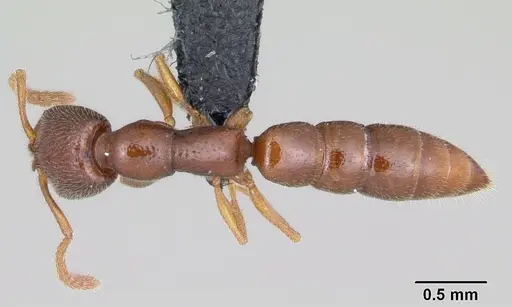
CASENT0017557
View on AntWeb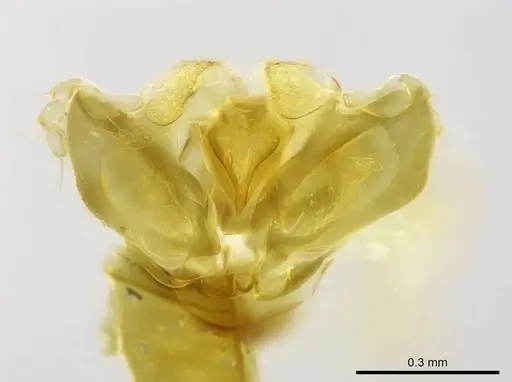
CASENT0022146
View on AntWeb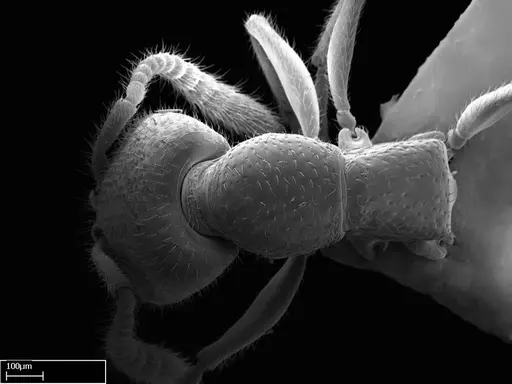
CASENT0022237
View on AntWeb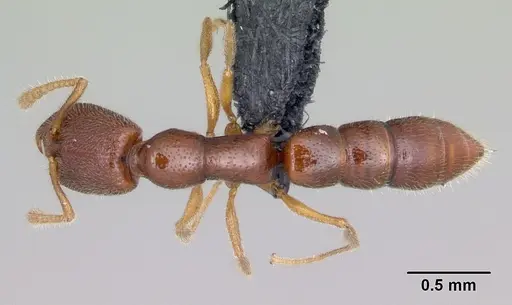
CASENT0068192
View on AntWeb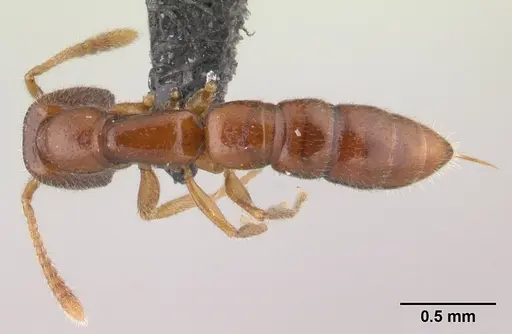
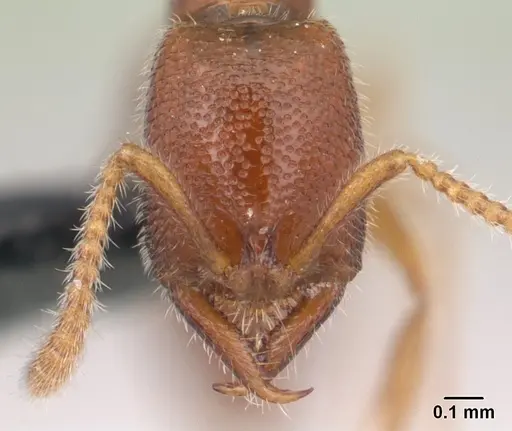
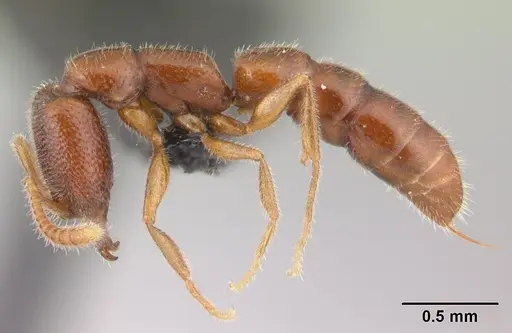
CASENT0366766
View on AntWeb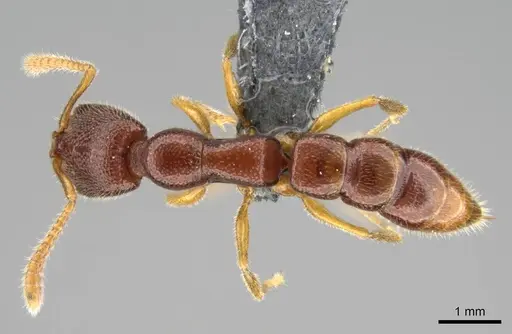
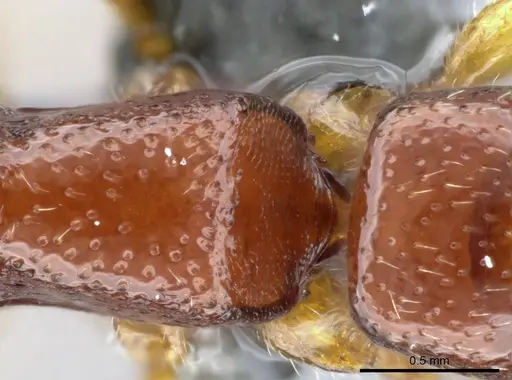
CASENT0438262
View on AntWeb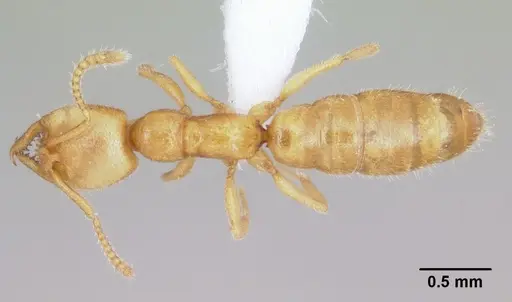
Literature
Loading distribution map...Loading products...