
Stigmatomma octodentatum
- Sci. Name
- Stigmatomma octodentatum
- Tribe
- Amblyoponini
- Subfamily
- Amblyoponinae
- Author
- Xu, 2006
- Distribution
- Found in 1 countries
Introduction
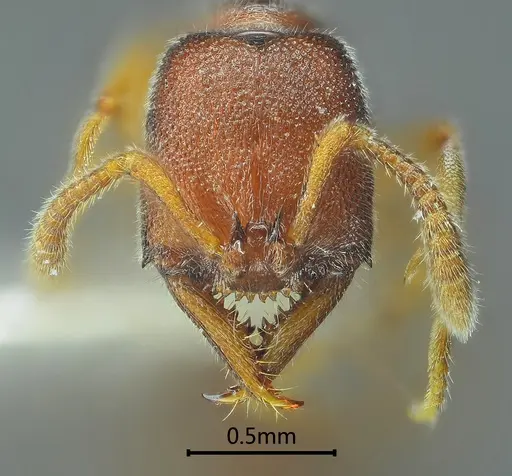
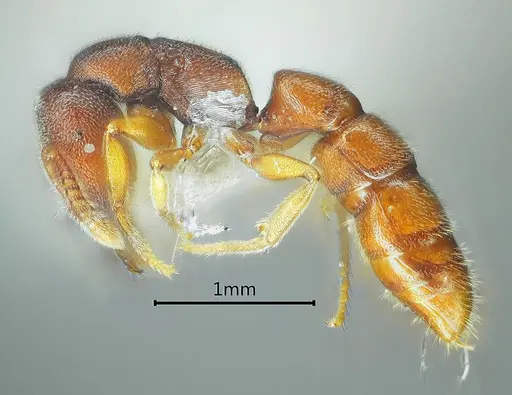
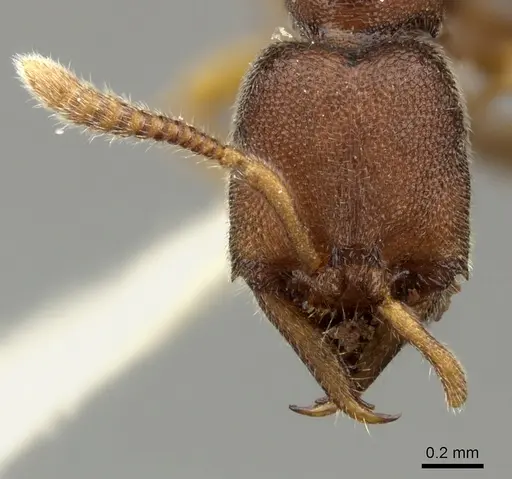
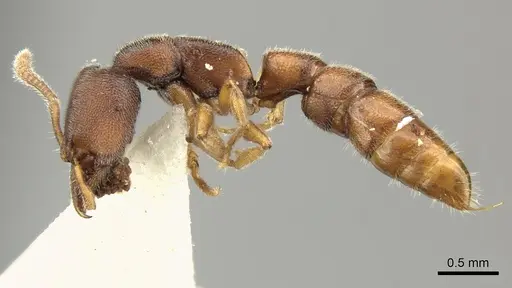
Stigmatomma octodentatum is a small, predatory ant from the mountainous forests of Yunnan Province, China. Workers measure 4.2-5.8 mm and queens are slightly larger at 5.2 mm . Both have a distinctive set of 8 teeth on their mandibles and another 8 teeth on the clypeus (the facial plate above the mandibles), which gives the species its name (Latin *octo* = eight). Their body is brown with brownish‑yellow legs, and they have very small eyes with only 5-6 facets .
Quick Summary
- Difficulty: Hard
- Origin & Habitat: Yunnan Province, China, collected from *Pinus armandii* forests, *Cunninghamia lanceolata* forests, and deciduous broad‑leaf forests at around 2150 m elevation, often from soil or leaf litter samples [1][2].
- Colony Type: Unknown, a queen (gyne) has been described, but colony structure and reproductive roles have not been studied. Whether workers can become reproductive (gamergates) is unclear.
- Size & Growth:
- Queen: 5.2 mm [1]
- Worker: 4.2-5.8 mm [1][2]
- Colony: Unknown, no colony size data available.
- Growth: Unknown, no data on growth rate.
- Development: Unknown, no species‑specific data. Based on related Amblyoponinae, development might take 6-10 weeks at cool temperatures, but this is very speculative. (No reliable information exists for this species. Temperatures outside 18-22°C likely slow development further.)
- Antkeeping:
- Temperature: Keep cool, these ants come from high‑elevation forests. Avoid temperatures above 25°C. A cool room (around 18-22°C) is a reasonable starting point. Precise requirements are unknown.
- Humidity: Keep the nest substrate consistently moist but not waterlogged, to mimic the damp forest floor where they live. Provide a humidity gradient with one wet area.
- Diapause: Likely needed, given their high‑elevation origin, but not confirmed. If you attempt diapause, keep the colony at 10-15°C for 2-3 months in winter. Reduce feeding and slightly lower humidity. Observe the colony, if they stop brood production naturally, that’s a sign.
- Nesting: Naturalistic setups with soil, sandy soil, or rotting wood work best. They seem to prefer tight, dark chambers. A formicarium with a humidity reservoir is ideal.
- Behavior: Secretive, slow‑moving predators that rely on their sting to subdue prey. They are not aggressive toward humans and rarely attempt to escape. Because of their size (under 6 mm), standard barriers like fluon are effective. Most activity occurs at night.
- Common Issues: cool temperature requirements, most homes are too warm, so a cool spot or limited cooling may be needed., unknown dietary preferences, they may reject offered prey, live small arthropods (springtails, booklice) are worth trying., colonies grow slowly and may appear stagnant for months, this is normal for poorly studied mountain species., consistent high humidity is critical, dry conditions can kill brood quickly.
Housing and Nest Setup
Because this species has been collected from soil and leaf litter in high‑elevation forests, a naturalistic setup with soil or a sand‑soil mix is appropriate. Provide pieces of rotting wood or cork for nesting chambers. Keep the substrate consistently moist, use a humidity reservoir or water tube. The formicarium should be placed in a cool, dark location. Avoid large open spaces, they prefer tight, dark chambers [1][2].
Feeding and Diet
Like other Amblyoponinae, Stigmatomma octodentatum likely stings small arthropods and feeds on their body fluids. Specific prey preferences are undocumented, but in captivity you can offer live springtails, booklice, or very small crickets. Pre‑killed prey may be ignored. Avoid large insects they cannot handle. There is no evidence they accept sugar or honey, they appear to be strict predators. Feed every 3-5 days and remove uneaten food to prevent mold.
Temperature and Seasonal Care
Temperature management is tricky because their natural habitat (2150 m elevation in Yunnan) is much cooler than typical indoor conditions. Keep the colony well below 25°C, aim for 18-22°C if possible. If your room is warmer, place the formicarium in a cooler part of the house or consider gentle cooling. Diapause may be necessary in winter: if you observe a natural stop in activity during winter, gradually lower temperature to 10-15°C for 2-3 months. During this time, stop feeding and reduce humidity slightly. Resume normal care when temperatures rise in spring [1].
Colony Structure and Reproduction
A queen (gyne) has been described, she is 5.2 mm with normal eyes and three ocelli, and she has wing attachments [1]. However, no studies describe how reproduction works in this species. Some Amblyoponinae have gamergates (reproductive workers), but that is not confirmed for Stigmatomma octodentatum. If you obtain a colony, observe whether there is a distinct queen or multiple reproducing workers, this is currently unknown.
Behavior and Handling
These ants are not aggressive and will retreat when disturbed. Their sting is used primarily to disable prey. They move slowly and are poor climbers, so standard escape prevention (fluon on smooth walls) works well. They are nocturnal, so expect most activity after dark. This species is best for keepers who appreciate hidden, quiet colonies, they do not build large, visible forager trails.
Frequently Asked Questions
Can I keep Stigmatomma octodentatum in a test tube?
A test tube can work for founding, but long‑term a naturalistic formicarium is better. They need high humidity and a dark nesting site. If using a test tube, keep it in a humid container and offer small prey near the cotton plug.
How long until first workers appear?
No species‑specific data exists. Speculatively, based on related Amblyoponinae, it might take 6-10 weeks at cool temperatures (around 20°C). Development is slower at higher temperatures.
Do Stigmatomma octodentatum ants sting?
Yes, they have a sting, but it is used to paralyze prey rather than for defense. They are not aggressive and rarely sting humans.
Are Stigmatomma octodentatum good for beginners?
No, this species is poorly understood, with many unknowns in care (temperature, diet, diapause). It is recommended for experienced keepers only.
What do Stigmatomma octodentatum eat?
Based on their subfamily, they likely feed on small arthropods (e.g., centipedes, springtails). Offer live prey such as small crickets or booklice. They probably do not accept sweets.
Do Stigmatomma octodentatum need hibernation?
Likely yes, given their high‑elevation origin, but it hasn’t been confirmed. If you attempt diapause, keep them at 10-15°C for 2-3 months. Reduce feeding and slightly lower humidity.
Why is my colony not growing?
Growth is naturally slow, expect months between milestones. Also ensure temperatures are cool (18-22°C), humidity is high, and you are offering appropriate live prey. If conditions are too warm or prey is rejected, colonies may stagnate.
Can I keep multiple queens together?
No information is available. It is not recommended to combine queens or attempt polygyny without further study.
How big do colonies get?
Unknown, no colony size estimates exist. Related species typically have small colonies (dozens to low hundreds), but this is speculation.
What is the best nest type for Stigmatomma octodentatum?
A naturalistic setup with soil or a soil‑sand mix works best. Add rotting wood or cork for chambers. Use a humidity reservoir and keep the nest dark and cool.
Report an Issue
The current care sheet is based fully on literature. See inconsistencies, or something that's incorrect? Please , it will be resolved after review from an admin. Contributing to the blogs tab also helps providing information, to make us be able to further improve the caresheets. Thank you for your support!
References

This caresheet is licensed under CC BY-SA 4.0 .
Community Blogs
ANTWEB1060491
View on AntWeb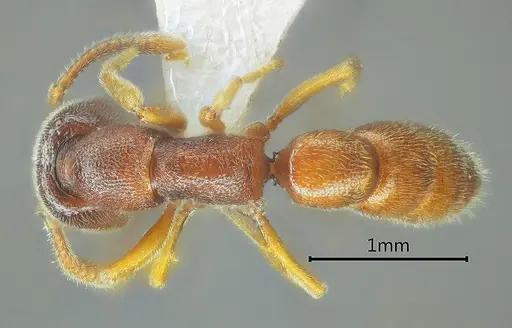
CASENT0235342
View on AntWeb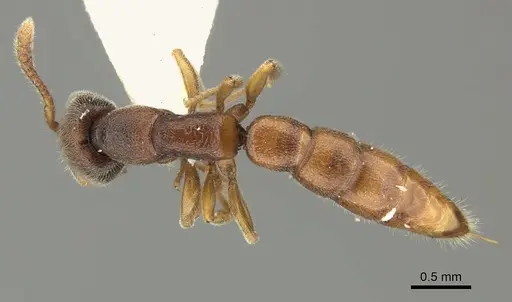
Literature
Loading distribution map...Loading products...