
Stigmatomma minutum
- Sci. Name
- Stigmatomma minutum
- Tribe
- Amblyoponini
- Subfamily
- Amblyoponinae
- Author
- Forel, 1913
- Distribution
- Found in 1 countries
Introduction
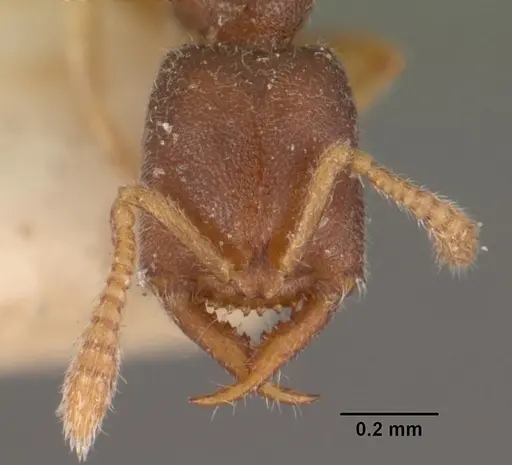
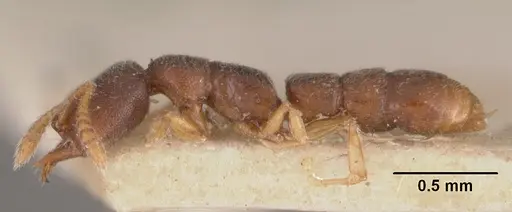
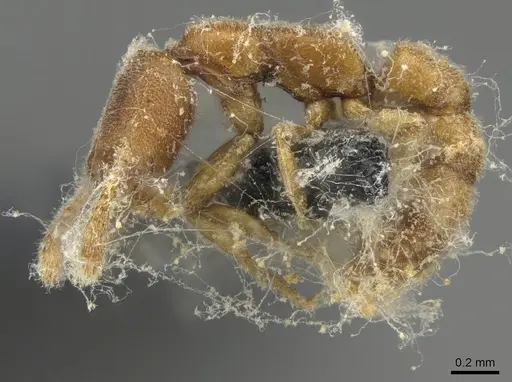
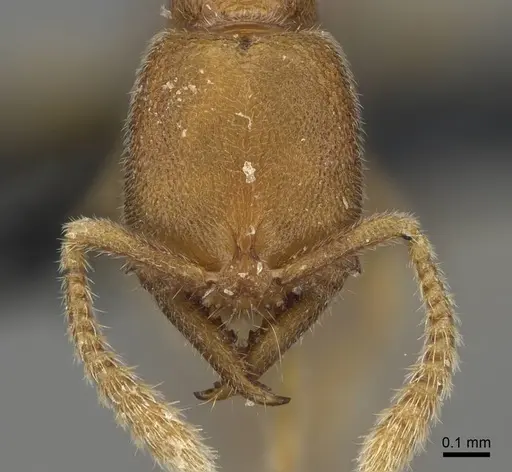
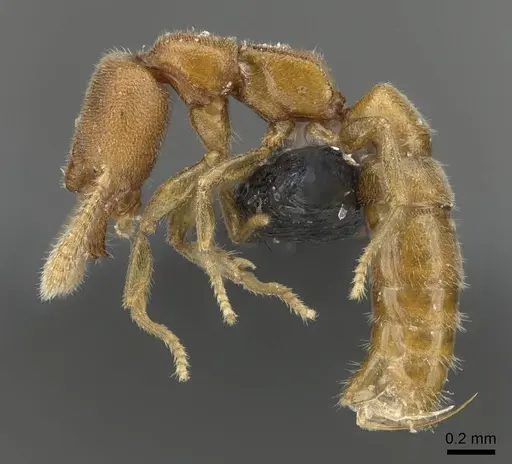
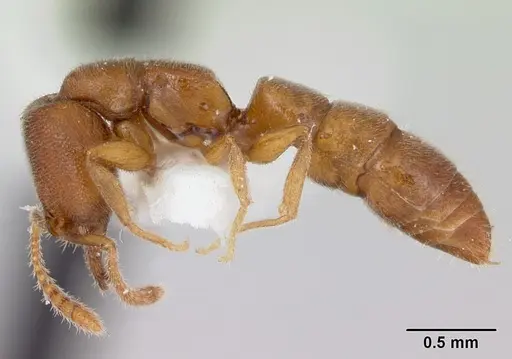
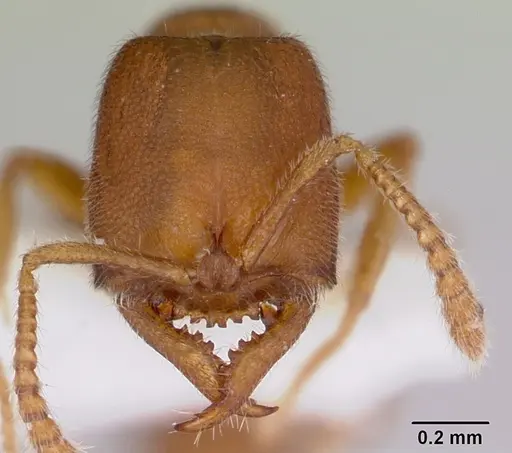
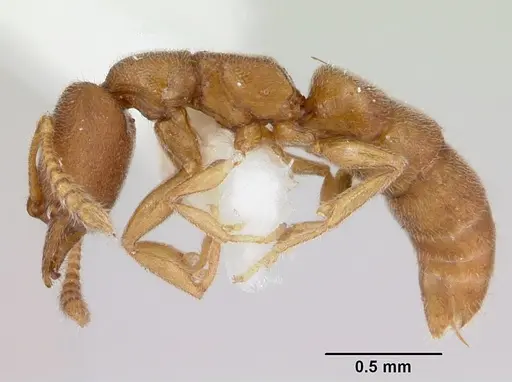
Stigmatomma minutum is a small predatory ant from the subfamily Amblyoponinae. Workers have serrated mandibles with triangular teeth arranged in two rows along the inner margin - a key trait for ID . These ants are only found in the Western Ghats of India (Kerala and Tamil Nadu) and Sumatra in Indonesia . They live in humid tropical forests. As Amblyoponinae, they have a functional sting and hunt small prey like centipedes.
Quick Summary
- Difficulty: Medium
- Origin & Habitat: Western Ghats of India (Kerala, Tamil Nadu) and Sumatra, Indonesia, humid tropical forests [2][3]
- Colony Type: Unconfirmed. Most Amblyoponinae have single queens, but no data exists for this species.
- Size & Growth:
- Queen: Unknown, inferred from related Amblyoponinae (queens ~5-7mm)
- Worker: Unknown, inferred from related Amblyoponinae (workers ~3-5mm)
- Colony: Up to a few hundred workers (inferred from typical Amblyoponinae)
- Growth: Moderate
- Development: Unknown, inferred from related Amblyoponinae (6-10 weeks at optimal temperature) (No specific data for S. minutum. These are estimates.)
- Antkeeping:
- Temperature: Unconfirmed. For tropical ants a range of 22-26°C is typical, observe colony response and adjust.
- Humidity: High humidity is critical. Keep the nest substrate consistently moist but never waterlogged.
- Diapause: Probably not needed, the species is tropical and likely does not require a cold period.
- Nesting: Use plaster, Y-tong, or soil nests that hold moisture well. Provide dark, humid chambers.
- Behavior: Docile but will sting if threatened. Workers are slow-moving and hunt alone or in small groups. Their small size means excellent escape prevention is needed, they slip through tiny gaps.
- Common Issues: low humidity quickly kills the colony, keep substrate moist at all times., small colony size makes losses hit hard, handle carefully., need constant live small prey (springtails, fruit flies), they cannot survive on sugar alone., tiny workers escape through standard gaps, seal all connections with fine mesh., growth is slow, patience is required.
Housing and Nest Setup
Stigmatomma minutum needs a dark, humid nest. Best choices are plaster nests, Y-tong (AAC) blocks, or natural soil setups. Avoid acrylic nests as they don't hold humidity well. The nest should be kept completely dark, these ants avoid light. For the outworld, use a small foraging area with smooth walls and fine mesh on any ventilation openings. Their tiny size means they can escape through very small gaps. Test tubes work for founding colonies, but seal the entrance with cotton and use fine mesh on any holes.
Feeding and Diet
These are strict predators. Feed them live small prey like springtails, fruit flies, and tiny mealworms. They have serrated mandibles for gripping prey. Unlike many ants, they show little interest in sugar water or honey. Offer live prey twice a week, removing uneaten food after 24 hours to prevent mold. A varied diet of different small arthropods is best.
Temperature and Humidity Requirements
Keep temperature around 22-26°C, a gentle gradient helps them choose their preferred spot. Avoid drops below 20°C. Humidity is the most critical factor: the nest substrate must stay moist at all times. Use a moisture reservoir or regularly mist the nest chamber. Do not let the nest dry out, as these forest ants are very sensitive to dry conditions.
Colony Establishment and Growth
Founding is unconfirmed for this species. Provide a dark, humid tube with small live prey from the start (if the queen needs to forage, she will accept it). First workers appear in roughly 6-10 weeks under good conditions (estimated from related species). Colonies grow slowly and stay small. Do not disturb founding queens, they are sensitive to light and vibration.
Behavior and Handling
Workers are not aggressive but will sting if handled. The sting is mild. They move slowly and hunt individually, using their mandibles to grab prey before stinging. They do not form large foraging trails. Best observed during feeding when activity picks up. Always handle with care, the colony is easily stressed.
Frequently Asked Questions
How long does it take for Stigmatomma minutum to produce first workers?
Based on related Amblyoponinae, first workers appear in about 6-10 weeks at optimal temperature. This is an estimate, no data exists specifically for S. minutum.
What do Stigmatomma minutum ants eat?
They eat only live small prey, springtails, fruit flies, tiny mealworms, and similar. They do not eat sugar water or honey.
Can I keep Stigmatomma minutum in a test tube setup?
Yes, for founding. But escape prevention is critical, use fine mesh on ventilation and seal the cotton properly. Test tubes hold humidity well, which is good, but make sure the tube doesn't dry out.
Do Stigmatomma minutum ants sting?
Yes, they have a functional sting like other Amblyoponinae. It is very mild and rarely noticeable to humans.
How big do Stigmatomma minutum colonies get?
Colony size is unknown. Related Amblyoponinae usually have colonies up to a few hundred workers. That's the best estimate.
Do Stigmatomma minutum ants need hibernation?
No, they are tropical and do not require a cold diapause period.
Are Stigmatomma minutum ants good for beginners?
They are medium difficulty. The need for constant humidity and live prey, plus their slow growth, makes them better for keepers with some experience.
What temperature should I keep Stigmatomma minutum at?
Keep 22-26°C, warm and stable. Avoid temperatures below 20°C for long.
Why is my Stigmatomma minutum colony declining?
Most likely low humidity or lack of live prey. Check that the substrate is moist and that you are offering tiny live food regularly.
Where is Stigmatomma minutum found in the wild?
In the Western Ghats of India (Kerala, Tamil Nadu) and on Sumatra, Indonesia. They live in humid tropical forests [2][3].
Report an Issue
The current care sheet is based fully on literature. See inconsistencies, or something that's incorrect? Please , it will be resolved after review from an admin. Contributing to the blogs tab also helps providing information, to make us be able to further improve the caresheets. Thank you for your support!
References

This caresheet is licensed under CC BY-SA 4.0 .
Community Blogs
CASENT0102516
View on AntWeb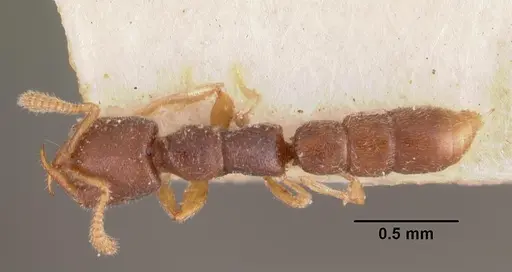
CASENT0104570
View on AntWeb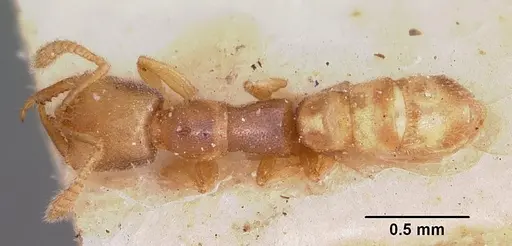
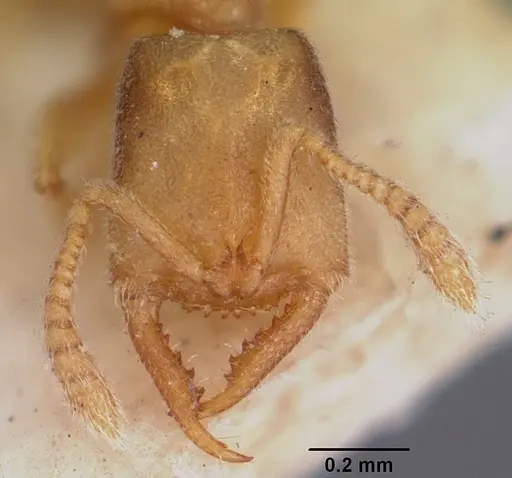
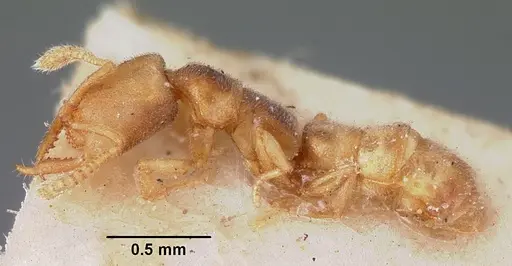
CASENT0923150
View on AntWeb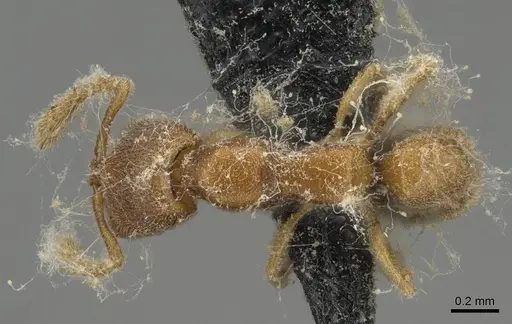
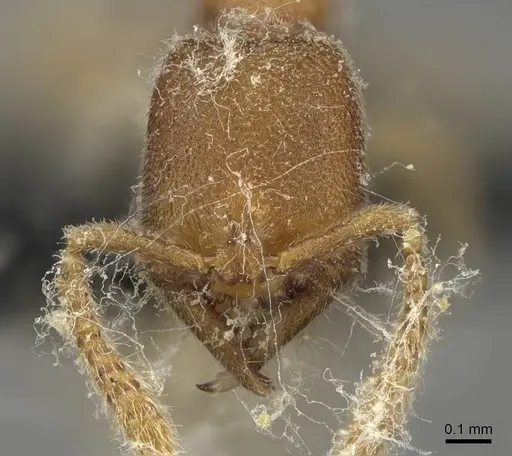
CASENT0923151
View on AntWeb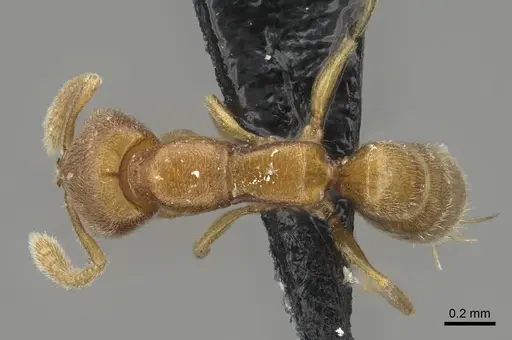
MCZ-ENT00745359
View on AntWeb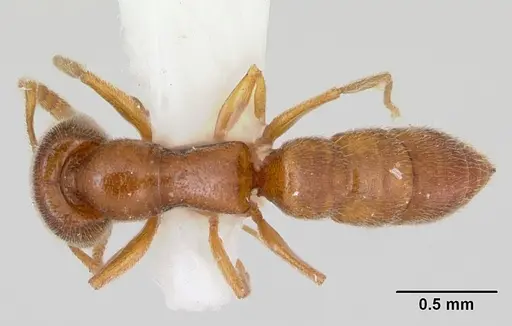
MCZ-ENT00745360
View on AntWeb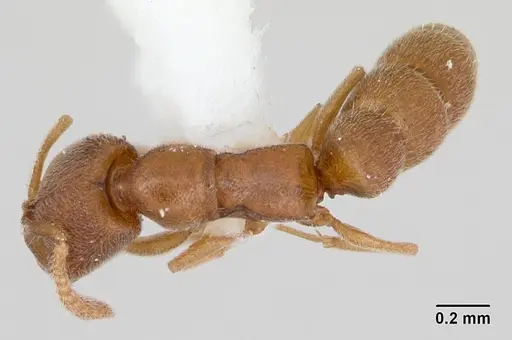
Literature
Loading distribution map...Loading products...