
Stigmatomma janovitsika
- Sci. Name
- Stigmatomma janovitsika
- Tribe
- Amblyoponini
- Subfamily
- Amblyoponinae
- Author
- Esteves & Fisher, 2016
- Distribution
- Found in 1 countries
Introduction
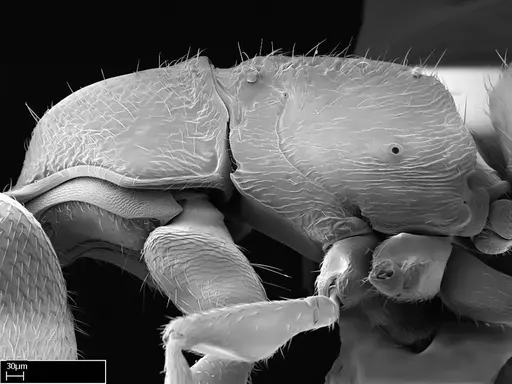
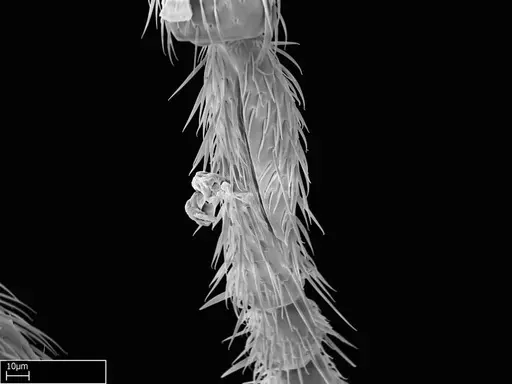
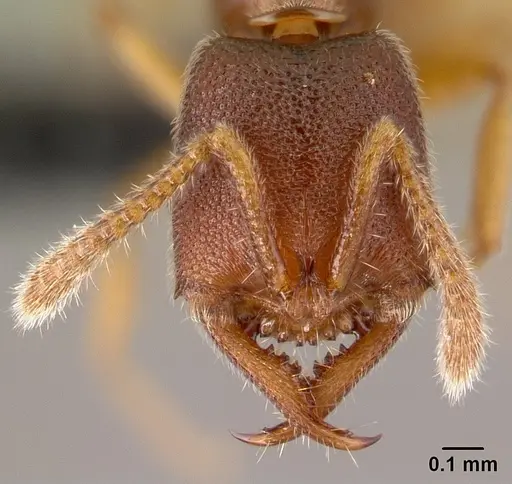
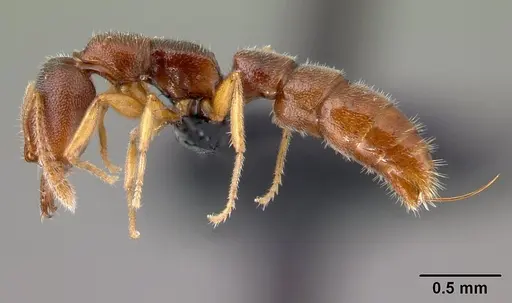
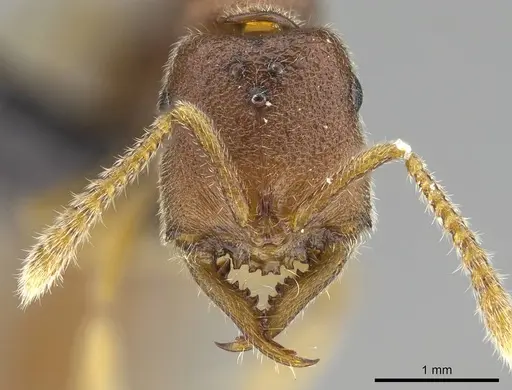
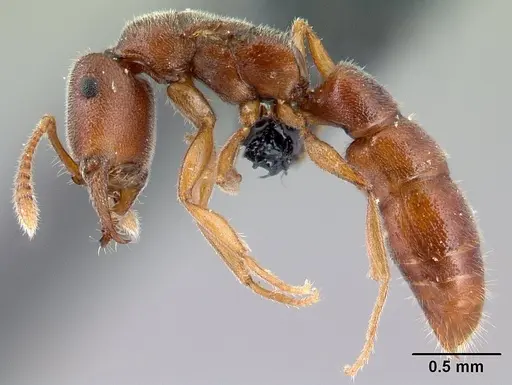
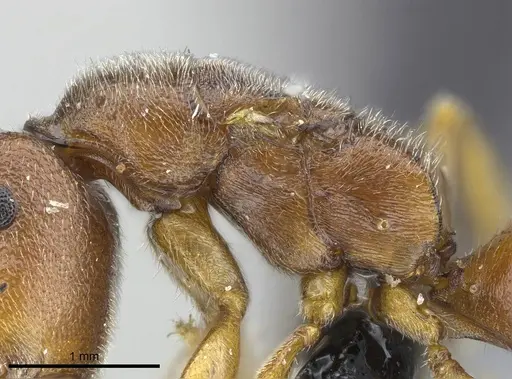
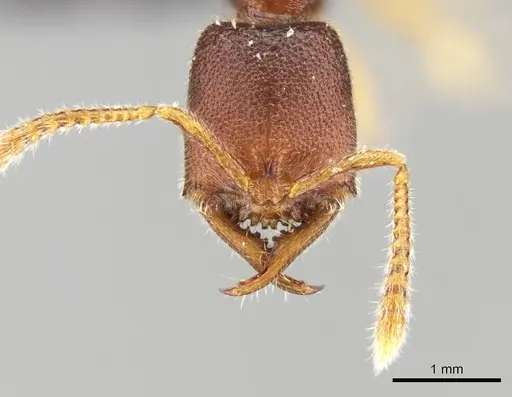
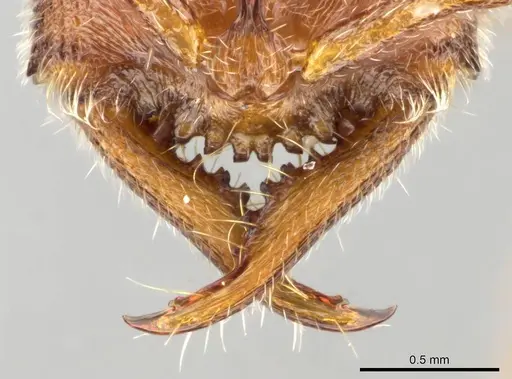
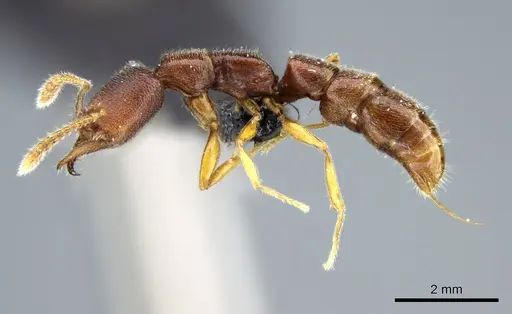
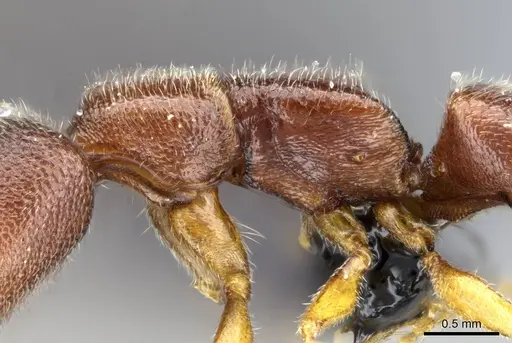
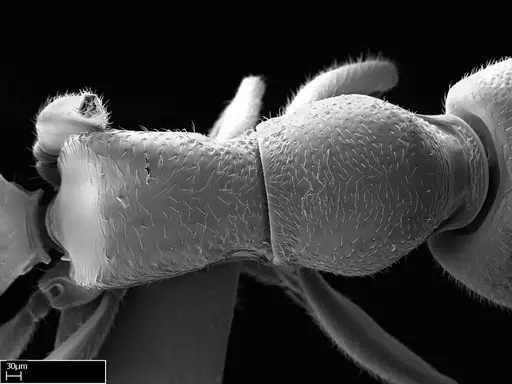
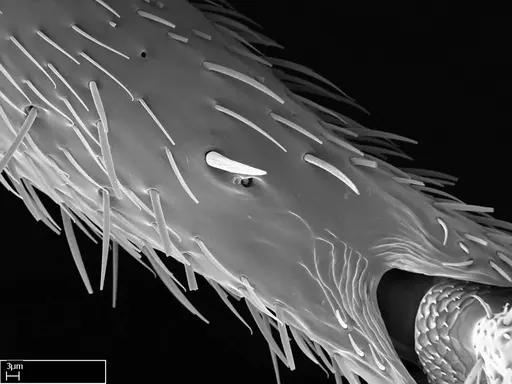
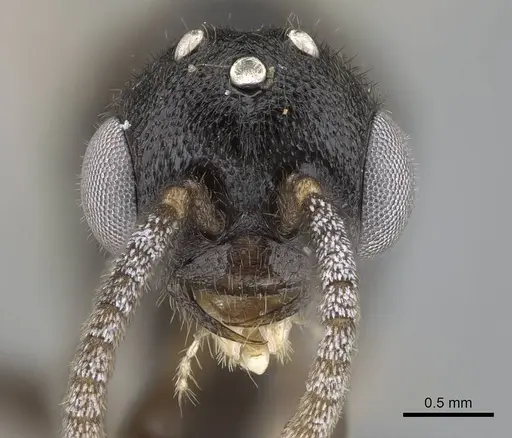
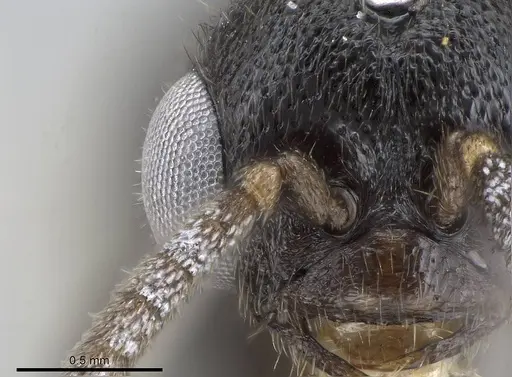
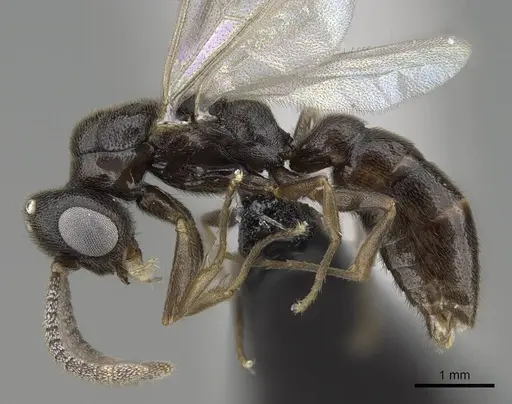
Stigmatomma janovitsika is a blind, orange-brown ant native to the Seychelles islands (Conception, Mahé, and Silhouette), found at elevations of 60-700 m in forests and mixed forests . It belongs to the *sakalava* complex of the *tsyhady* species group. Workers lack compound eyes entirely, so they rely on chemical and tactile cues to navigate . Their bodies have lighter orange appendages, and they sport unusual leg structures like a reduced strigil lamella and specialized setae on the mesotibia . These ants live in rotting wood, leaf litter, and under rocks in humid, shaded microhabitats .
Quick Summary
- Difficulty: Medium
- Origin & Habitat: Seychelles islands (Conception, Mahé, Silhouette),60-700 m elevation, in forest, mixed forest, and near glacis (rocky outcrops). Specimens have been collected from under rootmats, leaf litter, rotten logs, and sifted leaf mold [1].
- Colony Type: Colony structure is unconfirmed, no studies have directly documented queen number or social organization for this species. Based on related Amblyoponinae, colonies are likely monogyne (single queen) and moderate in size.
- Size & Growth:
- Queen: Size data unavailable, queens are winged alates similar to workers but larger, with compound eyes and ocelli [1].
- Worker: Size data unavailable, head length is 0.74-0.79 mm and mesosoma length is 0.87-0.93 mm, but total body length is not recorded [1]. Estimated to be small (likely 2-4 mm) based on related species.
- Colony: Unknown, likely up to a few hundred workers based on typical Amblyoponinae [1].
- Growth: Unknown, likely moderate based on related species.
- Development: Unconfirmed, based on related Amblyoponinae, expect 6-10 weeks at warm temperatures (24-28°C) [1]. (No direct development data exists for this species. Keep at stable tropical temperatures and monitor.)
- Antkeeping:
- Temperature: Keep at 24-28°C year-round. They originate from tropical islands so need stable warmth. A slight gradient (warmer side) helps them self-regulate. Avoid drafts and temperature swings [1].
- Humidity: High humidity (70-85%) is essential, the nest substrate must stay consistently moist but not waterlogged. This mimics the damp forest floor and rotting wood they live in [1].
- Diapause: No true hibernation needed, they come from tropical Seychelles where temperatures are high year-round. A slight seasonal drop (a few degrees) may be beneficial but is not required [1].
- Nesting: They naturally nest in rotting wood, leaf litter, and under stones. In captivity, use Y-tong (AAC), plaster, soil, or 3D-printed nests that retain humidity well. Provide dark, tight spaces and a moist substrate layer 1-2 cm deep.
- Behavior: These ants are completely blind [1], so they rely on chemical and tactile communication. They are likely nocturnal or subterranean foragers and move slowly compared to many ants. They probably forage individually (no trails). Escape risk is high due to their small size, seal all gaps carefully. Temperament is not well-studied, but they are not aggressive and prefer to flee rather than sting.
- Common Issues: humidity management is critical, too dry kills the colony, too wet causes mold and respiratory issues, blind ants may struggle to locate food in open areas, place prey directly near the nest entrance, wild-caught colonies may carry parasites or diseases that cause captive colony failure, slow growth can lead to keeper impatience and overfeeding, stick to small prey weekly, temperature fluctuations are dangerous, avoid drafts, direct sunlight, and air conditioning vents
Housing and Nest Setup
Provide a dark, humid setup that mimics their natural forest floor habitat. They nest in rotting wood, leaf litter, and under stones [1]. Use a Y-tong (AAC), plaster, soil, or 3D-printed nest that can hold moisture. Avoid acrylic nests, they dry out quickly and don't provide enough humidity retention. Keep substrate moist but not soggy, a thin layer (1-2 cm) works well. Include pieces of rotten wood or leaf litter to give hiding spots and encourage natural behavior. Because they are blind, keep the nest area dark and vibration-free, they navigate by touch and smell [1].
Feeding and Diet
No specific diet studies exist for this species, but related Amblyoponinae are predators of small arthropods [1]. In captivity, offer tiny live prey like fruit flies (Drosophila), springtails, pinhead crickets, and small mealworms. They may also accept protein-based artificial foods (e.g., insect paste). Sugar sources are sometimes accepted but should not be the main food. Feed small amounts 2-3 times per week, removing uneaten prey within 24 hours to prevent mold. Because they are blind, place food directly at the nest entrance or on a small feeding dish close by.
Temperature and Seasonal Care
Since they live on tropical Seychelles islands, these ants need warm, stable conditions year-round [1]. Maintain nest temperatures between 24-28°C. A gentle heating gradient (e.g., a heating cable on one side) lets the colony choose their preferred zone. Room temperature is often too cool, so supplemental heating is usually required. They do not need hibernation, avoid temperatures below 20°C for extended periods. Keep them away from air conditioning vents, drafts, and windows with direct sunlight that cause temperature swings. A slight seasonal cooling (by 2-3°C) during winter months may mimic natural cycles but is not necessary.
Understanding Their Unique Biology
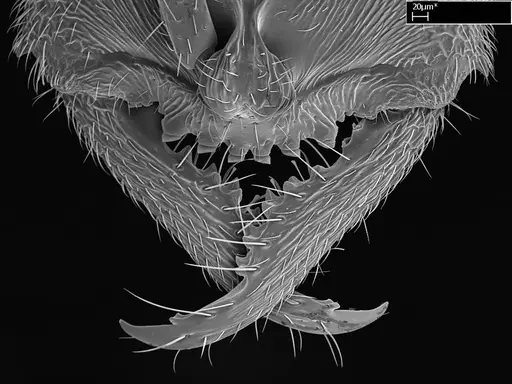
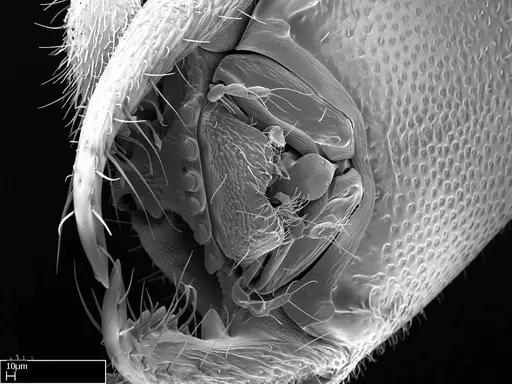
Stigmatomma janovitsika is completely blind, it has no compound eyes at all [1]. This is rare among ants. They navigate using their antennae (chemical sensing) and possibly vibrations. Unusual morphological features include a brush of filiform setae on the clypeus, genal teeth, a reduced strigil lamella, and specialized spiniform setae on the mesotibia that look like spurs under a microscope [1]. They also have 12 antennomeres and a palpal formula of 4:2 [1]. During care, minimize vibrations and strong scents. Place food close to the nest because they cannot see it across the outworld. They are likely most active in darkness, so avoid disturbing them with bright lights.
Frequently Asked Questions
Are Stigmatomma janovitsika good for beginners?
This species is best for intermediate keepers who can maintain high humidity and stable warm temperatures. Their blind nature and specific environmental needs make them more challenging than common starter ants like Lasius spp.
Do Stigmatomma janovitsika ants sting?
As members of the Amblyoponinae subfamily, they have a functional stinger, but their sting is not medically significant to humans. They are not aggressive and will flee rather than attack.
How long does it take for first workers to emerge?
The egg-to-worker timeline is unconfirmed for this species. Based on typical Amblyoponinae development, expect 6-10 weeks from founding to first workers when kept at 24-28°C.
Can I keep multiple queens together?
Combining unrelated queens has not been documented. Based on related Amblyoponinae, queens are likely territorial and would fight. Start with a single queen, pleometrosis (co-founding) is unconfirmed.
What do Stigmatomma janovitsika eat?
They are predators that accept small live prey like fruit flies, springtails, and tiny crickets. They may also accept protein-based artificial foods. Sugar sources are sometimes accepted but should not be the primary food.
Do they need hibernation?
No, they originate from the tropical Seychelles and do not require a true hibernation period. Keep warm year-round, a slight seasonal temperature drop (2-3°C) may be offered but is not necessary [1].
Why are my ants not moving much?
This is likely normal, being blind and possibly nocturnal, they are less active during daylight. They may become more active at night or when the room is dark and quiet. Ensure temperatures are warm (24-28°C) and humidity is high.
When should I move them to a formicarium?
Wait until the colony has at least 20-30 workers. Use a nest that maintains high humidity (Y-tong, plaster, soil, or 3D-printed). Keep the outworld small and dark to reduce stress.
Are these ants invasive?
No, Stigmatomma janovitsika is native only to the Seychelles and has not been reported as invasive anywhere. They are not established outside their endemic range [1].
What makes Stigmatomma janovitsika special?
They are one of the few ant species that are completely blind, lacking compound eyes entirely [1]. This makes them a fascinating model for studying non-visual navigation. Their unique morphology (brush of setae on clypeus, specialized leg structures) and restricted distribution (only three Seychelles islands) also make them rare and interesting to keep.
Report an Issue
The current care sheet is based fully on literature. See inconsistencies, or something that's incorrect? Please , it will be resolved after review from an admin. Contributing to the blogs tab also helps providing information, to make us be able to further improve the caresheets. Thank you for your support!
References

This caresheet is licensed under CC BY-SA 4.0 .
Community Blogs
CASENT0145426
View on AntWeb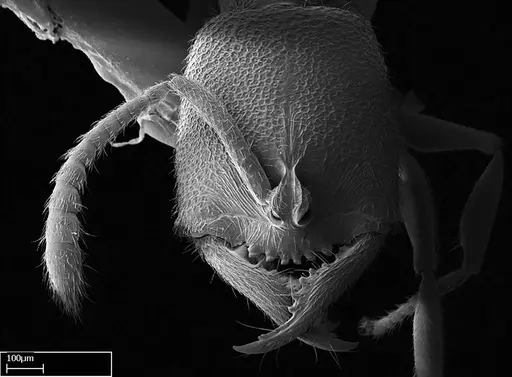
CASENT0159676
View on AntWeb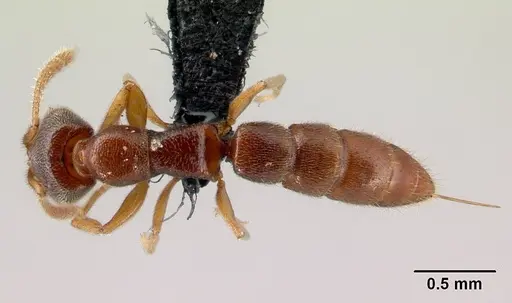
CASENT0159679
View on AntWeb
CASENT0160792
View on AntWeb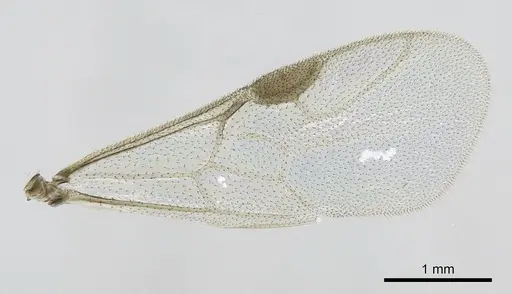
CASENT0161532
View on AntWeb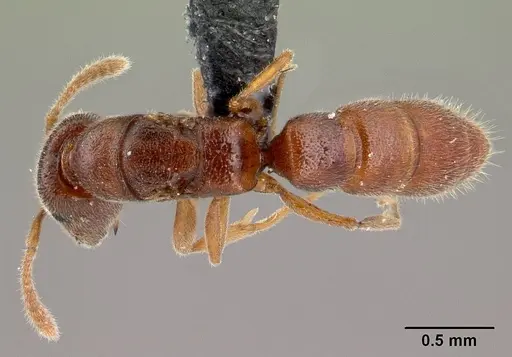
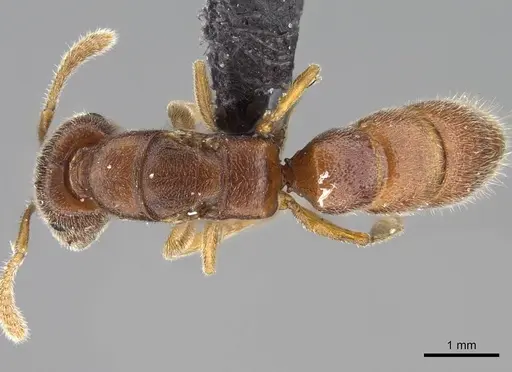
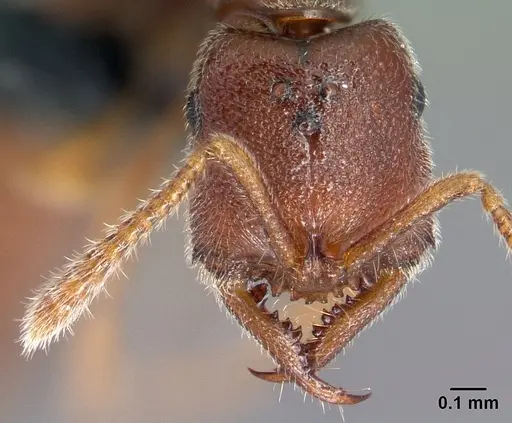
CASENT0161533
View on AntWeb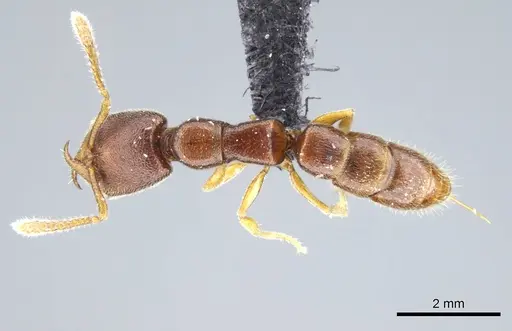
CASENT0318418
View on AntWeb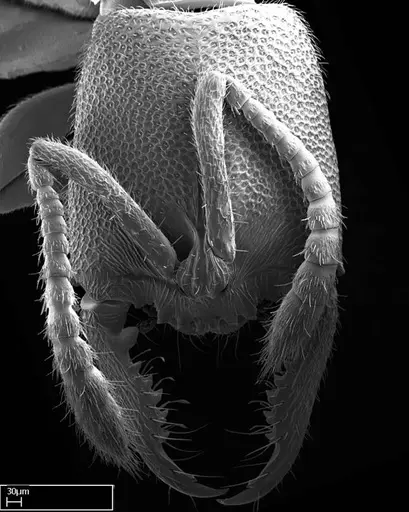
CASENT0318446
View on AntWeb
CASENT0318447
View on AntWeb
Literature
Loading distribution map...Loading products...