
Stigmatomma irayhady
- Sci. Name
- Stigmatomma irayhady
- Tribe
- Amblyoponini
- Subfamily
- Amblyoponinae
- Author
- Esteves & Fisher, 2016
- Distribution
- Found in 1 countries
Introduction
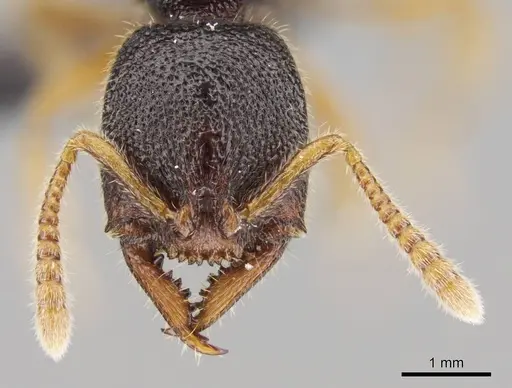
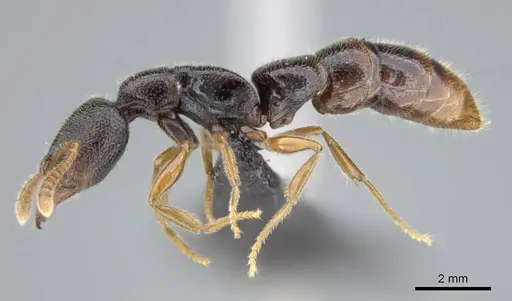
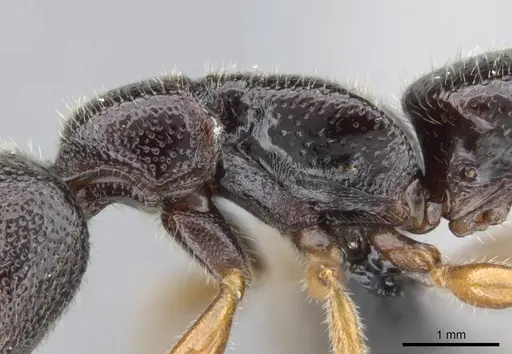
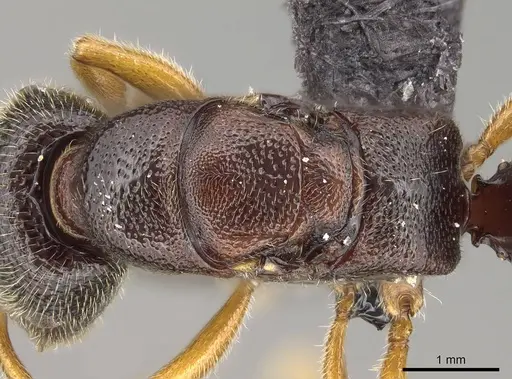
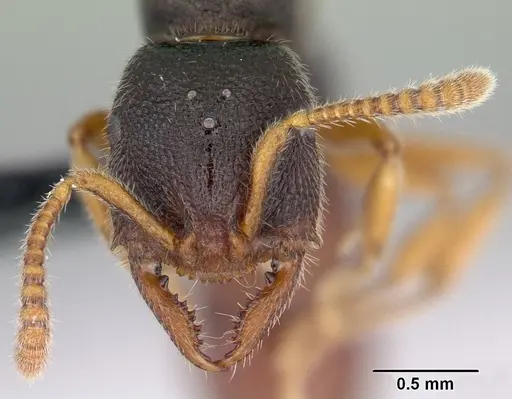
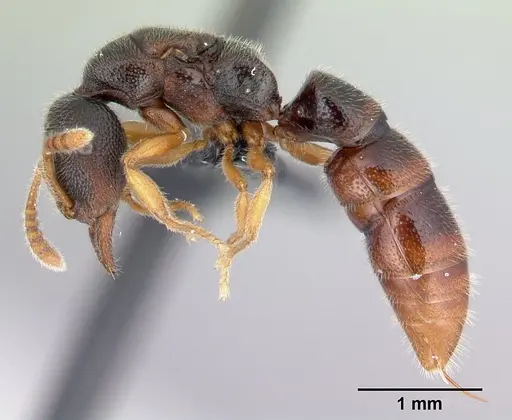
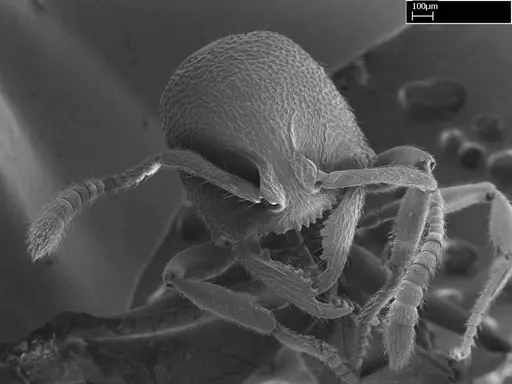
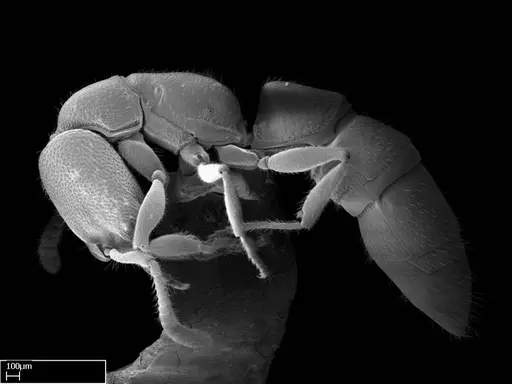
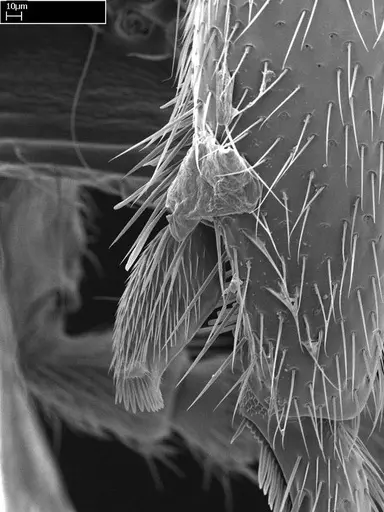
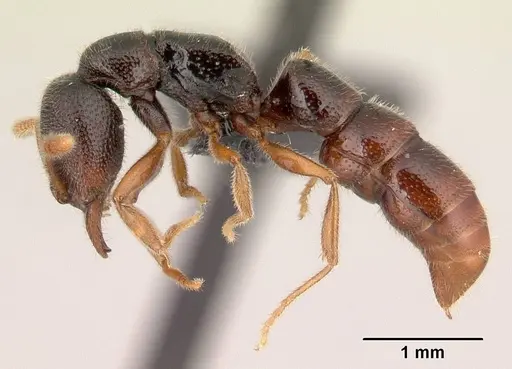
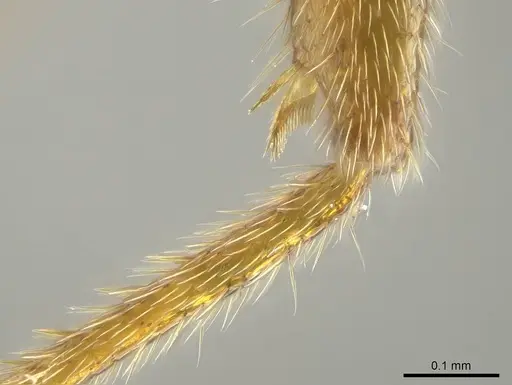
Stigmatomma irayhady is a medium-to-large amblyoponine ant found only in Madagascar. It lives in montane rainforests above 1000 m elevation, in the central and northern parts of the subhumid forests ecoregion . Specimens have been collected from leaf mold, rotten wood, and soil . Workers have a dark-brown to blackish body, an orange tip on the gaster, and yellow-brown legs and antennae . The species name combines the Malagasy words ‘iray’ (one) and ‘hady’ (sulcus), referring to the groove on the mesobasitarsus that is missing on the metabasitarsus - a trait that separates it from its closest relatives . Very little is known about the biology of this species. Like all ants in the subfamily Amblyoponinae, workers have a potent sting used to subdue prey. They are believed to be specialist predators of soil invertebrates. The genus Stigmatomma sometimes produces ergatoid (wingless) queens, but this has not been confirmed for S. irayhady.
Quick Summary
- Difficulty: Expert
- Origin & Habitat: Madagascar, montane rainforest habitats above 1000 m elevation in the central to northern subhumid forests ecoregion. Collected from sifted leaf mold, rotten wood, and soil [1].
- Colony Type: Colony structure is unconfirmed. Based on related Stigmatomma species, colonies are likely monogyne (single queen) and may produce ergatoid replacement reproductives, but this is not documented for S. irayhady.
- Size & Growth:
- Queen: Larger than workers, no exact measurements available [1].
- Worker: Head length 1.07-1.14 mm, mesosoma length 1.37-1.55 mm, total body length not documented [1].
- Colony: Unknown. Typical Amblyoponinae colonies are modest in size, but no data exist for this species.
- Growth: Unknown, likely moderate based on genus patterns.
- Development: Unknown, no direct data. Estimate from related Amblyoponinae suggests 6-10 weeks at 22-26 °C, but this is unconfirmed. (No development data exists for this species.)
- Antkeeping:
- Temperature: No specific data. Based on montane rainforest origin (above 1000 m), keep at 22-26 °C. Avoid conditions above 30 °C or below 18 °C. Observe colony activity and adjust.
- Humidity: High humidity required, simulate a damp forest floor. Keep nesting substrate consistently moist but not waterlogged. Provide good ventilation to prevent mold.
- Diapause: Unknown. Madagascar has no severe winter, so true hibernation is unlikely. A dry‑season resting period may occur, but this is not documented. Maintain stable conditions year‑round.
- Nesting: In nature, nests in soil, leaf mold, and rotting wood. In captivity, use a naturalistic setup with moist soil or a Y‑tong/plaster nest with a water reservoir. Avoid acrylic nests. Provide dark, enclosed spaces.
- Behavior: Amblyoponinae ants are secretive and slow‑moving predators with a potent sting. Workers likely forage at night or at dusk, hunting small soil invertebrates. Escape risk is moderate, they are not fast but can squeeze through small gaps. Handle with care, stings can be painful.
- Common Issues: limited availability, this species is rarely available in the hobby due to restricted Madagascar distribution and export restrictions., potentially defensive, workers have potent stings, exercise caution when maintaining the colony., unknown care requirements, most biological details are undocumented, husbandry relies on inference from related species., humidity sensitivity, improper humidity is likely to cause colony failure., slow growth, typical Amblyoponinae colonies develop slowly, patience is required.
Origin and Natural Habitat
Stigmatomma irayhady is endemic to Madagascar. It occurs only in montane rainforests above 1000 m elevation in the central to northern subhumid forests ecoregion [1]. Specimens were collected from sifted leaf mold, rotten wood, and soil. The type locality is Binara Forest (Antsiranana province) at 1100 m [1]. This species shares its range with Stigmatomma roahady at three sites and with Stigmatomma tsyhady at Binara Forest [1]. The cool, humid environment of montane rainforests suggests that S. irayhady prefers stable, moist conditions.
Identification and Distinguishing Features
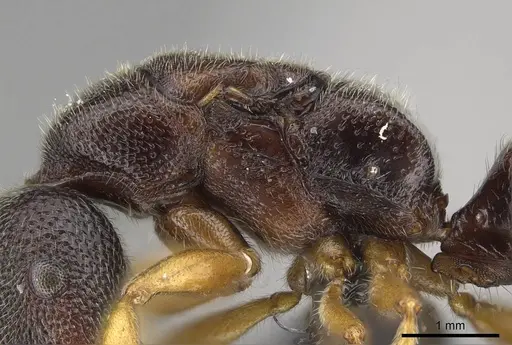
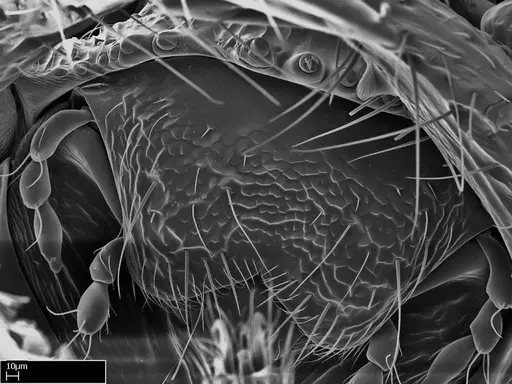
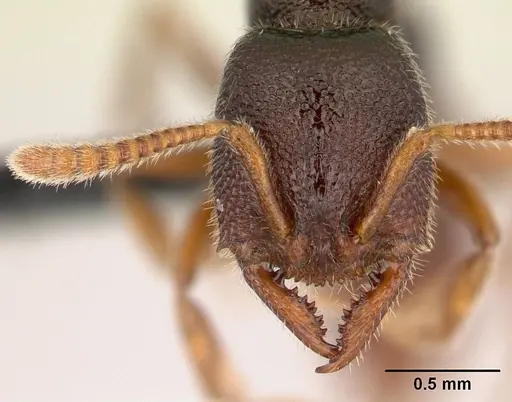
Workers of S. irayhady are dark‑brown to blackish with an orange gaster tip and yellow‑brown appendages [1]. The head length is 1.07-1.14 mm and mesosoma length is 1.37-1.55 mm [1]. Key traits that separate it from similar species (S. roahady and S. tsyhady) include: a longitudinal groove (sulcus) on the mesobasitarsus (absent in S. tsyhady) and no sulcus on the metabasitarsus (present in S. roahady) [1]. The subpetiolar process has an obtuse angle at its midpoint (fin‑like), whereas the ventral margin decreases continuously in the other two species [1]. Other diagnostic features include genal teeth, a palpal formula of 4:3,and two mesotibial spurs [1].
Feeding and Diet
No specific feeding data exists for S. irayhady. As an amblyoponine, it is likely a specialist predator of small soil invertebrates such as springtails, mites, and other micro‑arthropods. In captivity, offer live prey like fruit flies, small crickets, and springtails. Protein should form the main diet, sugar water may be accepted occasionally. Remove uneaten prey after 24-48 hours to prevent mold.
Temperature and Care
There are no documented temperature preferences for this species. Based on its montane rainforest habitat (above 1000 m), it probably prefers cooler conditions than lowland tropical ants. Start with a nest temperature of 22-26 °C. If workers become sluggish or cluster together, raise the temperature slightly, if they avoid the heated area, lower it. Provide a gentle temperature gradient. Avoid temperatures above 30 °C or below 18 °C.
Humidity and Nesting
Montane rainforests are consistently humid, so S. irayhady requires high humidity. Keep the nest substrate always moist but not waterlogged. Allow a small drier area so workers can choose their preferred microclimate. Good ventilation is necessary to prevent mold. In nature they nest in soil, leaf mold, and rotten wood, so a naturalistic setup with a soil mixture works well. Alternatively, use a plaster nest with a water reservoir. Do not use acrylic nests. Provide complete darkness and small, enclosed chambers.
Behavior and Temperament
S. irayhady workers are secretive and slow‑moving, typical for Amblyoponinae. They likely hunt at night or at dusk. The subfamily has a potent sting, so handle the colony with care. Workers are not overtly aggressive but will defend the nest if disturbed. Escape risk is moderate, they are not fast but can slip through small openings. Colony size is unknown but probably remains modest (a few hundred workers at most).
Colony Structure and Development
Exact colony structure is unknown. Most Stigmatomma species are monogyne, and some produce ergatoid (wingless) queens, but this is not confirmed for S. irayhady. Founding behavior is also unconfirmed, it may be claustral, based on related species. No data exists on brood development or colony size. Expect development to be slow, as is common for Amblyoponinae. [1]
Availability and Acquisition
This species is rarely available in the antkeeping hobby. It is endemic to Madagascar with a restricted montane distribution, and export regulations make legal acquisition difficult. If you obtain a colony, it will likely be from a specialist dealer. Wild‑caught colonies may carry parasites, quarantine them. Captive‑bred stock is preferred. S. irayhady is an expert‑level species, only attempt if you have experience with other difficult ants. Consider more accessible Stigmatomma species first. [1]
Frequently Asked Questions
Is Stigmatomma irayhady good for beginners?
No. This species is rarely available, its care requirements are poorly understood, and it has a potent sting. Beginners should start with common genera like Lasius, Camponotus, or Messor.
Do Stigmatomma irayhady ants sting?
Yes. All Amblyoponinae have a potent sting. While human reaction data is absent for this species, related Stigmatomma are known to deliver painful stings. Handle with caution.
What do Stigmatomma irayhady eat?
No specific diet is documented. Like other Amblyoponinae, they likely prey on small soil invertebrates. Offer live prey such as springtails, fruit flies, and small crickets. Protein is the main requirement, sugar may be accepted but is not essential.
How long does it take for first workers to emerge?
Not documented. Estimated 6-10 weeks based on related Amblyoponinae, but this is an assumption and may not be accurate.
What temperature do Stigmatomma irayhady need?
No exact data. Based on montane rainforest habitat, keep the nest at 22-26 °C. Avoid extremes above 30 °C or below 18 °C. Adjust according to colony behavior.
Do they need hibernation?
Unknown. Madagascar lacks severe winters, so true diapause is unlikely. The species may slow down during the dry season, but no data exists. Provide stable conditions year‑round.
How big do colonies get?
Not documented. Most Amblyoponinae have modest colonies, probably under a few hundred workers. No specific size estimate is available for S. irayhady.
Can I keep multiple queens together?
Colony structure is unconfirmed. Related Stigmatomma are typically monogyne, so keeping multiple queens is not recommended. If you have more than one queen, house them separately.
What is the best nest type for Stigmatomma irayhady?
A naturalistic setup with moist soil or a plaster nest with a water reservoir works well. Provide dark, enclosed chambers. Do not use acrylic nests.
Where is Stigmatomma irayhady found?
Only in Madagascar, in montane rainforest above 1000 m in the central to northern subhumid forests ecoregion. Type locality: Binara Forest, Antsiranana province [1].
Why is it called Stigmatomma irayhady?
From Malagasy: ‘iray’ means one and ‘hady’ means sulcus or trench. The name refers to the single longitudinal sulcus on the mesobasitarsus, which is absent on the metabasitarsus, a trait that distinguishes it from related species [1][2].
Is Stigmatomma irayhady aggressive?
Not particularly aggressive toward humans, but workers will defend the nest. They move slowly and are secretive. The main risk is their sting, which can be painful. Secure housing and cautious handling are advised.
Report an Issue
The current care sheet is based fully on literature. See inconsistencies, or something that's incorrect? Please , it will be resolved after review from an admin. Contributing to the blogs tab also helps providing information, to make us be able to further improve the caresheets. Thank you for your support!
References

This caresheet is licensed under CC BY-SA 4.0 .
Community Blogs
CASENT0042899
View on AntWeb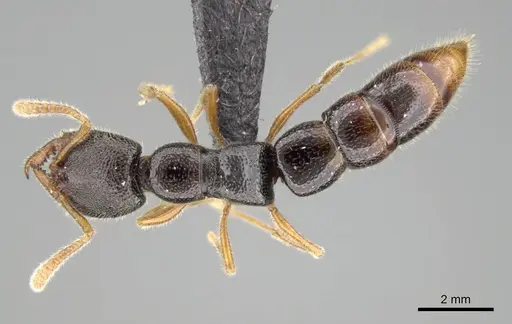
CASENT0458588
View on AntWeb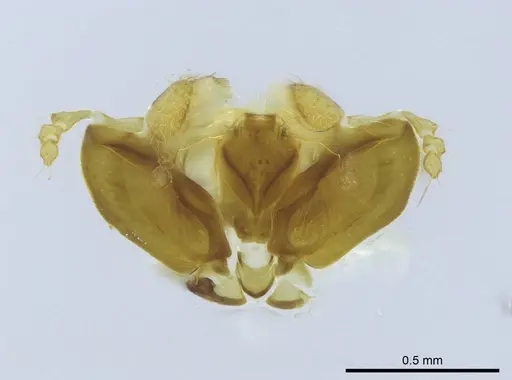
CASENT0458590
View on AntWeb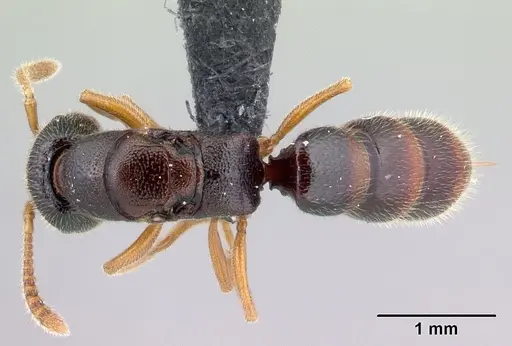
CASENT0458591
View on AntWeb
CASENT0797614
View on AntWeb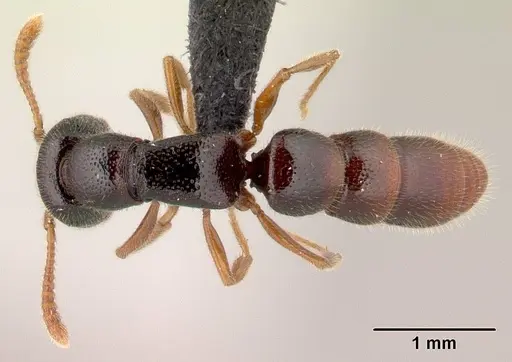
Literature
Loading distribution map...Loading products...