
Stigmatomma bolabola
- Sci. Name
- Stigmatomma bolabola
- Tribe
- Amblyoponini
- Subfamily
- Amblyoponinae
- Author
- Esteves & Fisher, 2016
- Distribution
- Found in 1 countries
Introduction
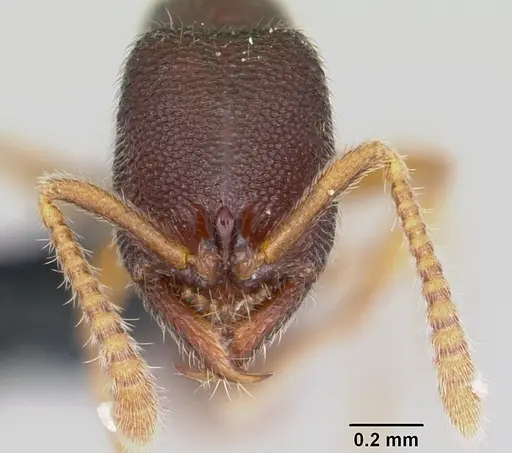
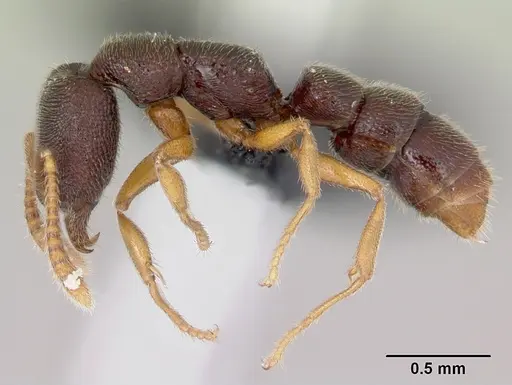
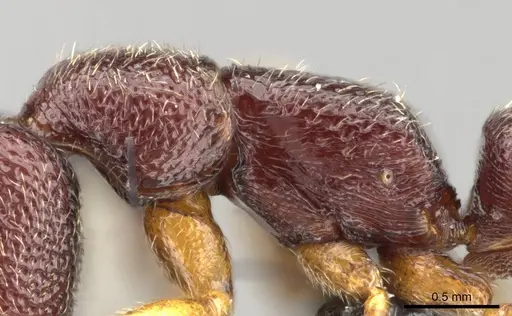
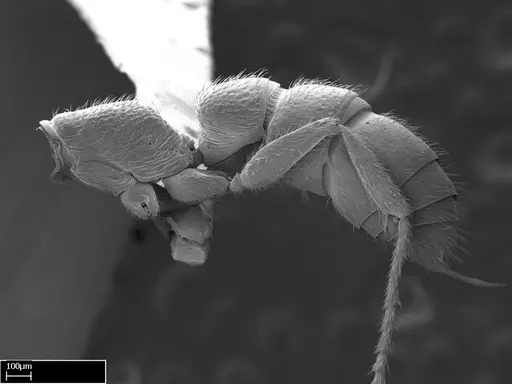
Stigmatomma bolabola is a small, cryptic ant from the rainforests of Madagascar, first described in 2016 . Only the worker caste is known, so full body size is unavailable - only head and mesosoma measurements exist . Workers have a red-brown body with orange-yellow tips on the gaster and legs, a color that inspired the name 'bolabola' (Malagasy for rosewood, a tree with similar coloring) . This species belongs to the sakalava complex within the tsyhady species group and was collected in the Makira Forest Protected Area at 600-1100 m elevation, from sifted leaf mold and rotting wood in humid rainforest and montane rainforest . Because it was only recently discovered, almost nothing is known about its captive care. Based on its subfamily (Amblyoponinae) and forest floor habitat, it likely needs high humidity, shady conditions, and a diet of small soil arthropods. This makes it an expert-level species - only experienced keepers should try keeping it, and they should expect to experiment a lot.
Quick Summary
- Difficulty: Expert
- Origin & Habitat: Makira Forest Protected Area, Madagascar, humid rainforest and montane rainforest at 600-1100 m elevation. Collected from sifted leaf mold and rotting wood [1].
- Colony Type: Unknown, only worker caste described. Based on genus patterns, likely single-queen colonies with small worker populations [1].
- Size & Growth:
- Queen: Unknown, queen caste not described [1]
- Worker: Size data unavailable, only partial head (0.76 mm) and mesosoma (0.92 mm) measurements exist, not total body length [1]
- Colony: Unknown, likely under 100 workers based on typical Amblyoponinae
- Growth: Unknown, likely slow based on genus patterns
- Development: No direct data, estimated 6-10 weeks from related Amblyoponinae species (All development info is inferred, actual timelines may vary significantly.)
- Antkeeping:
- Temperature: Keep around 22-26°C, matches their native rainforest habitat. Provide a gentle temperature gradient [1].
- Humidity: High humidity, substrate should feel damp but not waterlogged. Mist occasionally but rely on substrate moisture. Good ventilation needed to prevent mold [1].
- Diapause: Unknown, being from tropical Madagascar, they likely do not require true diapause, but may slow down in cooler/dryer periods.
- Nesting: Natural nesting is in rotting wood and leaf mold. In captivity, use a naturalistic setup: moist soil/peat mix with small chambers, pieces of rotten wood or cork bark. A Y-tong or plaster nest with narrow chambers works well. Avoid test tubes unless supplemented with substrate.
- Behavior: Likely cryptic and slow-moving, spending most time hidden. They possess a sting (typical of Amblyoponinae) used to paralyze prey, but are not aggressive toward humans. Escape risk is high due to their tiny size, use fine mesh and tight seals. Temperament is docile, they are unlikely to sting unless handled roughly.
- Common Issues: very limited biological data, need to experiment and adjust care, high escape risk because they are so small, use fine mesh and tight seals, humidity must stay high or ants desiccate quickly, slow growth and tiny colonies may test patience, wild-caught colonies may have parasites or fail to adapt to captivity
Housing and Nest Setup
Stigmatomma bolabola naturally nests in rotting wood and leaf mold in Madagascar's rainforests [1]. For captivity, use a naturalistic setup: a shallow container filled with a moist soil/peat mix that mimics the forest floor. Add pieces of rotting wood or cork bark for them to nest in. Because they are tiny, make sure chambers and passages are appropriately scaled. A Y-tong nest or plaster nest with narrow chambers works well. Keep the nest area dark, these ants avoid light. A test tube setup is possible for a founding colony, but only if you add some substrate to match their natural preferences.
Temperature and Humidity
Maintain temperatures around 22-26°C, matching their native Madagascar rainforest habitat at 600-1100 m elevation [1]. Use a heating cable on one side of the nest to create a gentle gradient, so workers can choose their preferred temperature. Humidity should be high, the substrate should feel damp but not waterlogged. Mist occasionally but rely on substrate moisture rather than frequent spraying. Good ventilation is important to prevent mold while keeping humidity up. Avoid placing the nest in direct sunlight or in a dry room.
Feeding and Diet
Based on genus patterns, Stigmatomma bolabola is likely predatory on small soil arthropods. Offer live springtails as the main food, they are the right size. Other tiny live prey like micro-arthropods, fruit flies, and pinhead crickets may also be accepted. Sugar sources are probably not part of their diet, Amblyoponinae are not typical honeydew feeders. Feed small amounts of prey every few days and remove any leftovers to prevent mold. Their slow, cryptic hunting style means prey should be small and easy to catch. [1]
Colony Development and Growth
This species was only described in 2016,and no colony development data exists in scientific literature [1]. Queens have not been described, so founding behavior is unconfirmed. Based on typical Amblyoponinae patterns, expect slow colony growth, these are not fast ants. First workers (nanitics) will likely be smaller than mature workers. Colonies probably remain small, likely under 100 workers at maturity. Be patient, Amblyoponinae colonies develop slowly, and this newly described species will require keeper experimentation to establish optimal care protocols.
Behavior and Temperament
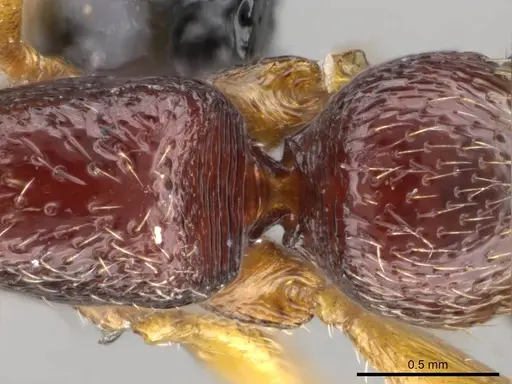
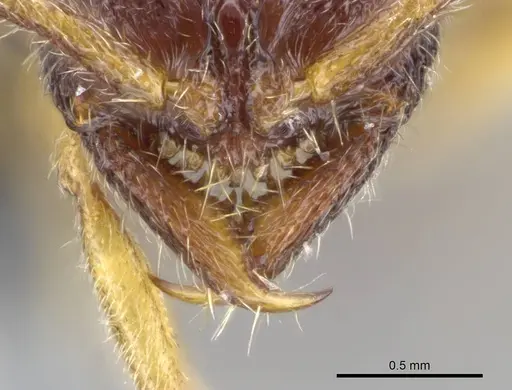
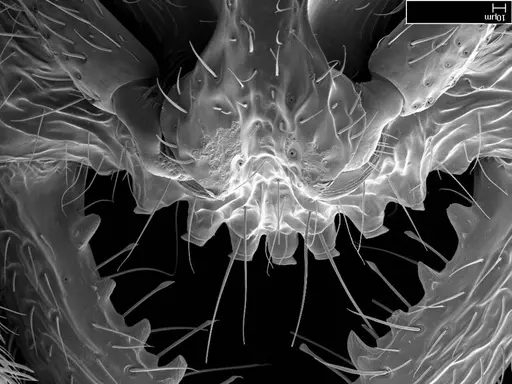
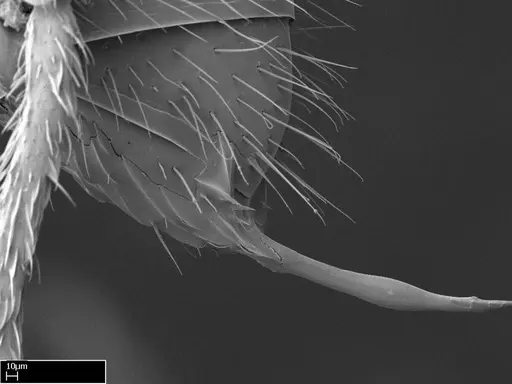
Stigmatomma bolabola is likely a cryptic, slow-moving ant typical of Amblyoponinae. They probably spend most of their time hidden within nest chambers or foraging quietly on the substrate surface. They possess a sting, used to paralyze prey (common in Amblyoponinae), but are not aggressive toward humans. Escape risk is high due to their tiny size, fine mesh and tight seals are essential. Their interesting morphology includes unique features like eight stout spiniform setae on the hypopygium and a fin-like subpetiolar process [1]. Observe their behavior carefully and document it, observations of newly described species are valuable to the antkeeping community.
Frequently Asked Questions
How long does it take for Stigmatomma bolabola to produce first workers?
No direct data exists, estimated 6-10 weeks from egg to worker based on related Amblyoponinae species. Be prepared for slower growth given their tiny size and newly described status.
What do Stigmatomma bolabola ants eat?
Based on genus patterns, they are likely predatory on small soil arthropods. Live springtails are the ideal food given their tiny size. Other small live prey may be accepted experimentally. Sugar sources are unlikely to be significant.
Can I keep Stigmatomma bolabola in a test tube?
A test tube can work for a founding colony if you add some moist substrate, but a naturalistic setup with damp soil and rotting wood better matches their natural habitat.
Do Stigmatomma bolabola ants sting?
Yes, they belong to Amblyoponinae, which have a sting used to paralyze prey (like centipedes). However, they are not aggressive toward humans and will only sting if handled roughly.
Are Stigmatomma bolabola good for beginners?
No, this is an expert-level species due to limited biological data, tiny size, high humidity requirements, and likely specialized diet. Only experienced antkeepers should attempt it.
How big do Stigmatomma bolabola colonies get?
Unknown, but likely small, probably under 100 workers at maturity, based on typical Amblyoponinae colony sizes.
Do Stigmatomma bolabola need hibernation?
Unlikely, they come from tropical Madagascar and probably do not require a true diapause. They may have reduced activity during cooler periods, but no hibernation is needed.
What temperature should I keep Stigmatomma bolabola at?
Keep around 22-26°C, matching their native rainforest habitat. A gentle gradient allowing them to choose is ideal.
Why is my Stigmatomma bolabola colony dying?
Common causes include: humidity too low, temperature too high or low, inadequate prey (they likely need live food), and excessive disturbance. Ensure high humidity and offer live springtails.
Where does Stigmatomma bolabola come from?
They are endemic to Madagascar, specifically the Makira Forest Protected Area at 600-1100 m elevation in humid rainforest and montane rainforest habitats [1].
Report an Issue
The current care sheet is based fully on literature. See inconsistencies, or something that's incorrect? Please , it will be resolved after review from an admin. Contributing to the blogs tab also helps providing information, to make us be able to further improve the caresheets. Thank you for your support!
References

This caresheet is licensed under CC BY-SA 4.0 .
Community Blogs
CASENT0034580
View on AntWeb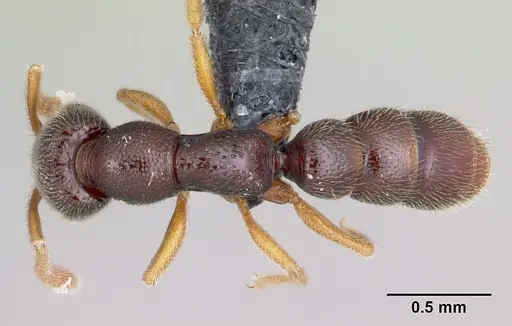
CASENT0034744
View on AntWeb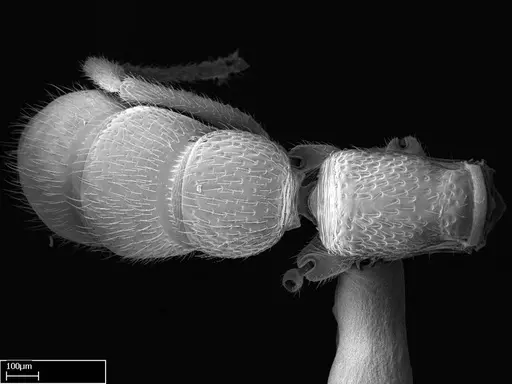
Literature
Loading distribution map...Loading products...