
Stigmacros punctatissima
- Sci. Name
- Stigmacros punctatissima
- Tribe
- Melophorini
- Subfamily
- Formicinae
- Author
- McAreavey, 1957
- Distribution
- Found in 1 countries
Introduction
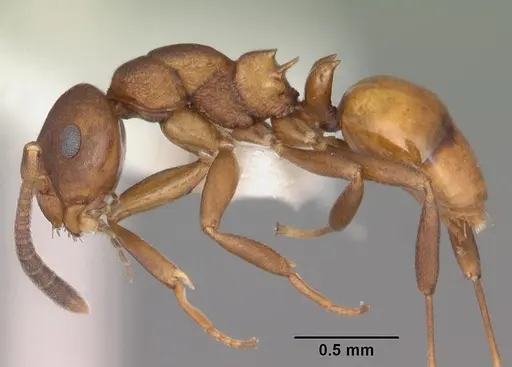
Stigmacros punctatissima is an Australian ant species in the subfamily Formicinae and tribe Melophorini . Only the worker caste has been described; queens and males remain unknown . The species was formally described by McAreavey in 1957 based on Australian specimens . No specific size measurements are available for any caste. Like all Formicinae, these ants defend themselves by spraying formic acid rather than using a stinger. The Melophorini tribe contains many Australian species often adapted to drier habitats, but the ecology of S. punctatissima has not been documented. One genetic study attempted DNA barcoding for this species but failed to obtain sequences , reflecting the general scarcity of biological data. This ant is extremely obscure in both scientific literature and the antkeeping hobby, making it a challenging choice that requires keepers to work without species-specific guidance.
Quick Summary
- Difficulty: Hard
- Origin & Habitat: Australia [1]. Specific habitat type is not recorded. General Melophorini patterns suggest possible adaptation to drier environments, but this is unconfirmed.
- Colony Type: Unknown. Only workers have been described [1]. There is no data on queen number, social structure, or colony composition.
- Size & Growth:
- Queen: data unavailable
- Worker: data unavailable
- Colony: Unknown
- Growth: Unknown
- Development: Unknown, no data available (Development timeline cannot be estimated even from related species, as Stigmacros biology is largely unstudied.)
- Antkeeping:
- Temperature: Unknown. No species-specific temperature preferences have been reported. General Formicinae recommendations (20-26°C) might be tried cautiously, but keepers should monitor closely.
- Humidity: Unknown. No humidity data exists. General Formicinae preferences (moderate humidity, nest substrate slightly moist but not wet) may be a starting point, but no guarantees.
- Diapause: Unknown. The species' native range includes temperate parts of Australia, so a winter diapause may occur, but this is pure speculation. Keepers should research the local climate of the collection site if known.
- Nesting: Unknown. Nest site preferences are undocumented. General Melophorini nests in soil or under stones, but this is not confirmed for S. punctatissima. Y-tong, plaster, or soil nests are possible options to test.
- Behavior: No species-specific behavior data exists. As a Formicinae, workers spray formic acid when threatened. No information on foraging activity, aggression, or escape tendencies. Keepers should expect typical formicine defensiveness and take standard ant-proofing measures.
- Common Issues: Complete lack of species-specific care data, all advice is based on general subfamily patterns and may be incorrect., Only the worker caste is known, queen appearance and founding behavior are unconfirmed, making colony initiation a gamble., Extremely rare in the hobby, sourcing a queen or colony is very difficult., No established captive breeding records, success reports are nonexistent., DNA barcoding has failed for this species [2], confirming the absence of genetic resources.
Housing and Nest Setup
No data exists on the nest type of Stigmacros punctatissima. As a starting point, a Y-tong (AAC) or plaster nest can offer a controlled environment for the keeper to observe the colony. Since natural nesting is unknown, it is wise to provide a moisture gradient: keep one area slightly damp and another dry, and let the ants choose. Avoid materials that formic acid might damage. For a small colony, a test tube setup is easiest, but there are no guidelines on when to move them. If you obtain a queen, be prepared for trial and error.
Feeding and Diet
There is no published data on the diet of S. punctatissima. In general, Formicinae accept sugar sources (honey, sugar water) and protein (small insects). You can offer fruit flies, small crickets, or mealworm pieces. Feed protein 2-3 times per week and keep sugar water available. Remove uneaten food to prevent mold. These are only general suggestions, observe if the ants show any preferences.
Temperature and Seasonal Care
Temperature requirements are unknown. If you keep a colony, try room temperature (20-25°C) and watch brood development. Whether the species requires a winter diapause is unclear. If the queen was collected from a region with distinct winters, a cooling period of 2-3 months at ~10-15°C may be beneficial, but this is speculation. No reliable data supports any specific seasonal protocol.
Behavior and Handling
No species-specific behavior has been recorded. As a Formicinae, Stigmacros punctatissima will spray formic acid when disturbed, this is harmless to humans but can be startling. Handle the nest gently to minimize defensive responses. No information on activity patterns, aggression, or escape risk is available.
Colony Growth and Development
Nothing is known about colony founding or development in this species. The typical Formicinae pattern is claustral founding, but this cannot be assumed. If you have a queen, provide a safe, dark test tube and do not disturb her. Brood development time is unknown. Colony growth rate and mature size are entirely speculative.
Frequently Asked Questions
How long does it take for Stigmacros punctatissima to produce first workers?
Unknown. There is no data on brood development for this species. If you have a queen, expect to wait several weeks to months, but no timeline can be given.
What temperature do Stigmacros punctatissima ants need?
Unknown. No species-specific temperature data exists. General room temperature (around 20-25°C) is a safe starting point, but keepers must experiment carefully.
Can I keep multiple queens together in one colony?
Unknown. The social structure of this species is undocumented. It is not recommended to combine queens without knowing if they are polygyne.
Do Stigmacros punctatissima need hibernation?
Unknown. No data exists on diapause. If the ants were collected from a region with cool winters, a hibernation period may be beneficial, but this is speculative.
What do Stigmacros punctatissima ants eat?
Unknown. No dietary records exist. General formicine foods (sugar water, small insects) may be accepted, but preferences are unconfirmed.
Is Stigmacros punctatissima good for beginners?
No. This species is rated Hard because there is almost no species-specific care information. It is not recommended for beginners. Only experienced keepers with a tolerance for uncertainty should attempt keeping it.
How big do Stigmacros punctatissima colonies get?
Unknown. Colony size has never been recorded. Mature colony size is entirely speculative.
When should I move Stigmacros punctatissima from a test tube to a formicarium?
Unknown. No guidelines exist. General formicine practice suggests moving when the test tube is crowded, but this is not species-specific. Proceed with caution.
Why is my Stigmacros punctatissima colony not growing?
Unknown. Since no data exists on normal growth, any stalling may be natural, or due to incorrect conditions. Try adjusting temperature and food, but do not panic, the species may simply be slow. No known specific problems have been identified.
Report an Issue
The current care sheet is based fully on literature. See inconsistencies, or something that's incorrect? Please , it will be resolved after review from an admin. Contributing to the blogs tab also helps providing information, to make us be able to further improve the caresheets. Thank you for your support!
References

This caresheet is licensed under CC BY-SA 4.0 .
Community Blogs
ANTWEB1008348
View on AntWeb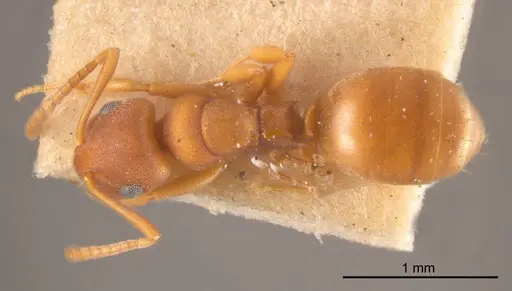
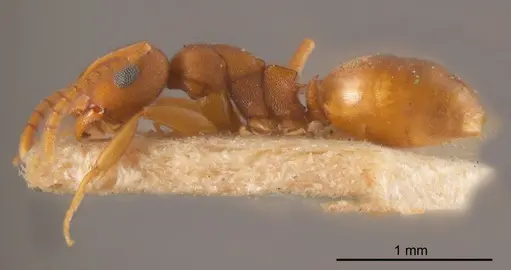
PSW8215-2
View on AntWeb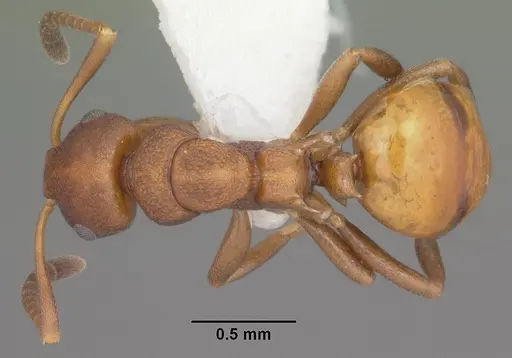
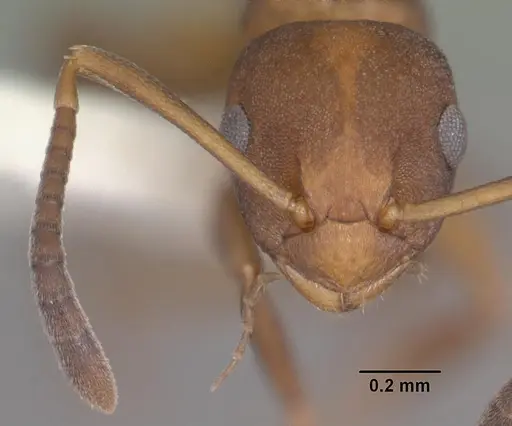
Literature
Loading distribution map...Loading products...