
Stigmacros inermis
- Sci. Name
- Stigmacros inermis
- Tribe
- Melophorini
- Subfamily
- Formicinae
- Author
- McAreavey, 1957
- Distribution
- Found in 1 countries
Introduction
Stigmacros inermis is an Australian ant species belonging to the subfamily Formicinae. Queens measure around 5mm , making them relatively large for the genus. They occur in the drier areas of Western Australia and inland New South Wales . Some northern specimens have more pronounced spiracular spines, giving them a slightly spiny look . As a Formicinae, they lack a stinger and defend themselves by spraying formic acid. This species is rarely kept in captivity, so most care information is unconfirmed.
Quick Summary
- Difficulty: Medium
- Origin & Habitat: Drier areas of Western Australia and inland New South Wales, Australia [1]. Likely inhabits arid to semi-arid regions, but specific habitat details are undocumented.
- Colony Type: Unconfirmed, no colony structure data available for this species.
- Size & Growth:
- Antkeeping:
- Temperature: Unknown, no specific data. Start at room temperature (22-25°C) and observe colony response.
- Humidity: Low to moderate, based on arid habitat. Keep nest substrate barely moist, not waterlogged.
- Diapause: Unknown, no data. Australian temperate species often require winter rest, but this is speculative. If attempted, provide 2-3 months at 10-15°C.
- Nesting: Y-tong (AAC) or plaster nests with dry chambers. Test tube setup for founding recommended until colony size is known.
- Behavior: Likely peaceful, as Formicinae, they rely on formic acid for defense. Escape prevention should be moderate, workers are not tiny but standard barriers are advised.
- Common Issues: virtually no species-specific care data, so husbandry is guesswork, wild-caught colonies may carry parasites or diseases, uncertain humidity and temperature needs, start dry and adjust based on colony behavior, slow or stalled growth from unknown causes can be frustrating, lack of confirmed diapause requirements may lead to stress if handled incorrectly
Housing and Nest Setup
For a founding queen, a standard test tube setup is fine, no specific data on her preferences. Once the colony has enough workers to need more space, move them to a Y-tong (AAC) or plaster nest with chambers sized for small ants. Keep the nest substrate on the dry side to match their natural habitat. Since colony size is unknown, start with a small nest and upgrade as needed. Standard escape prevention (fluon or oil) is recommended, though they aren't especially known for escaping.
Feeding and Diet
Like most Formicinae, Stigmacros inermis likely eats sugary liquids and small insects. Offer sugar water or diluted honey, plus protein sources like fruit flies, small crickets, or mealworms. Feed protein 2-3 times a week for growing colonies, and keep sugar available at all times. Remove uneaten prey after 24 hours to prevent mold. No specific dietary studies exist for this species.
Temperature and Seasonal Care
No confirmed temperature requirements. As a rough starting point, keep the nest at room temperature (22-25°C) and watch for activity. If you choose to provide a winter diapause (speculative), reduce temperature to 10-15°C for 2-3 months. Reduce feeding during this rest period and avoid disturbing the colony. Without data, it's best to observe your colony's natural seasonal rhythm if you know where it was collected.
Behavior and Defense
As a Formicinae, Stigmacros inermis has no stinger. Its main defense is spraying formic acid from the acidopore. This is not dangerous to humans but can be irritating. The species is not known to be aggressive, it will likely retreat or spray rather than attack. Foraging behavior is unstudied, but they probably search for nectar and small invertebrates.
Frequently Asked Questions
How long does it take for Stigmacros inermis to produce first workers?
This is unknown, no data exists. Development time likely depends on temperature and food availability, but there is no confirmed timeline.
Can I keep multiple queens together?
Colony structure is unconfirmed. Based on typical patterns in the genus, they likely have single-queen colonies. Combining unrelated queens is not recommended as aggression may occur.
What do Stigmacros inermis eat?
They likely accept a standard ant diet: sugary liquids (honey, sugar water) and small insects (fruit flies, crickets, mealworms). Offer variety and remove uneaten food promptly.
Do they need hibernation or diapause?
Unknown, no data. Australian temperate ants often require a winter rest period, but this is speculative. If you try, reduce temperature to 10-15°C for 2-3 months.
Are Stigmacros inermis good for beginners?
This species is rated Medium difficulty mainly because so little is known about its care. It may be adaptable, but the lack of information makes it better suited for keepers with some experience who are comfortable with uncertainty.
How big do colonies get?
Colony size is undocumented. Based on related Melophorini ants, colonies might reach several hundred workers, but exact numbers are unknown.
What humidity level do they need?
Keep humidity low to moderate, these ants come from drier areas. The nest substrate should be barely moist, not wet. Avoid overly humid conditions.
When should I move them to a formicarium?
Move them when the colony visibly outgrows the test tube (e.g., workers are crowded). There is no specific worker count data. Ensure the new nest has similar dry conditions.
Why are my Stigmacros inermis dying?
Common causes include: incorrect humidity (too wet or too dry), temperature stress, lack of proper diapause, or parasites from wild colonies. Since little is known, troubleshooting requires careful observation and gradual adjustments.
Report an Issue
The current care sheet is based fully on literature. See inconsistencies, or something that's incorrect? Please , it will be resolved after review from an admin. Contributing to the blogs tab also helps providing information, to make us be able to further improve the caresheets. Thank you for your support!
References

This caresheet is licensed under CC BY-SA 4.0 .
Community Blogs
ANTWEB1008342
View on AntWeb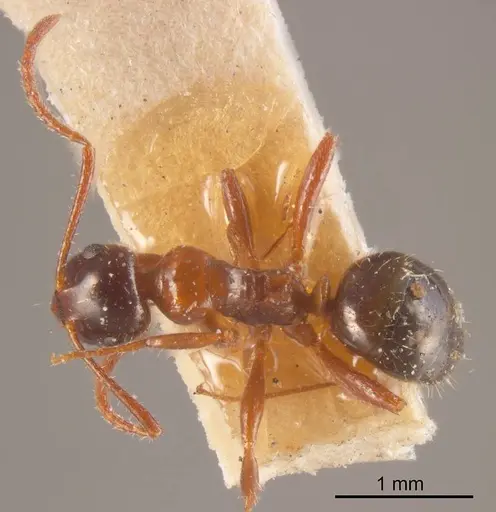
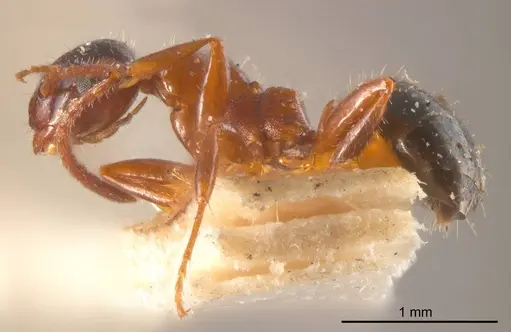
Literature
Loading distribution map...Loading products...