
Stigmacros elegans
- Sci. Name
- Stigmacros elegans
- Tribe
- Melophorini
- Subfamily
- Formicinae
- Author
- McAreavey, 1949
- Distribution
- Found in 1 countries
Introduction
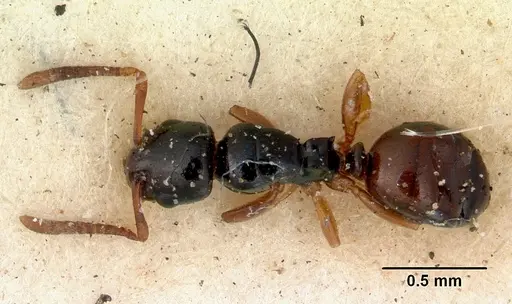
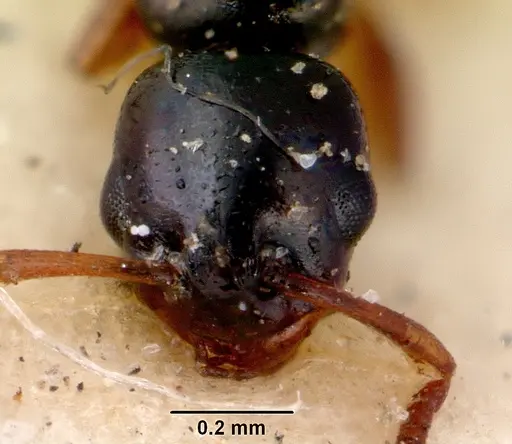
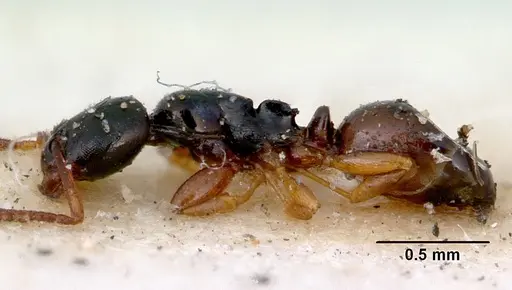
Stigmacros elegans is a small, jet-black ant species native to Australia. Workers have relatively large eyes and an oblique propodeum, and the head is not as flattened as in the similar species Stigmacros brachytera . Both workers and queens have been described in the original species description. This ant belongs to the Formicinae subfamily and Melophorini tribe. The species was originally described from Nyngan in New South Wales, and it is now known to occur throughout Western Australia, especially in the Perth region . Beyond identification and distribution, very little is known about its biology, making specific care information scarce.
Quick Summary
- Difficulty: Unknown, limited data available
- Origin & Habitat: Western Australia, particularly the Perth region, though found throughout the state. Originally described from Nyngan, NSW [1].
- Colony Type: Colony structure is unconfirmed.
- Size & Growth:
- Queen: Size data unavailable
- Worker: Size data unavailable
- Colony: Unconfirmed
- Growth: Unknown
- Development: Unknown, estimated 6-10 weeks based on typical Formicinae development at warm temperatures (Development timeline is unconfirmed for this species. Estimate based on related Formicinae ants.)
- Antkeeping:
- Temperature: Unconfirmed, based on its Western Australian range, aim for room temperature (20-26°C). Provide a gentle heat gradient.
- Humidity: Unconfirmed, likely prefers moderate humidity. Keep substrate slightly moist but not waterlogged.
- Diapause: Unknown, Australian temperate species may have reduced activity in cooler months, but true diapause is unconfirmed.
- Nesting: Nesting preferences are unconfirmed. Many Melophorini nest in soil or under stones. Likely would accept test tubes, Y-tong nests, or naturalistic setups with soil substrate.
- Behavior: Behavior is unconfirmed. As Formicinae, workers can spray formic acid for defense. Escape risk unknown. Activity patterns not documented.
- Common Issues: limited data makes care requirements uncertain, proceed with caution and observe colony behavior., no documented development timeline makes growth tracking difficult., colony structure and queen number unconfirmed, may affect long-term colony management., no information on specific dietary needs or acceptance of common ant foods., seasonal care requirements unknown for this Australian species.
Background and Identification
Stigmacros elegans is a native Australian ant in the subfamily Formicinae and tribe Melophorini. It was described by McAreavey in 1949 from specimens collected in Nyngan, New South Wales, and is now known to occur throughout Western Australia, especially in the Perth region [1]. Identify this species by its jet-black color, relatively large eyes compared to Stigmacros brachytera, and an oblique propodeum. The head is not as flattened as in related species [1]. Both workers and queens have been described, but beyond this, little is known about its biology.
Housing and Nest Preferences
Specific nesting preferences for Stigmacros elegans are unconfirmed. Based on typical Melophorini behavior and its Western Australian distribution, it likely nests in soil or under stones. In captivity, start with a test tube setup for founding colonies, then move established colonies to Y-tong or naturalistic nests with soil substrate. Provide a dark, secure area with access to an outworld. Because specific humidity needs are unknown, begin with moderate conditions and adjust based on colony behavior.
Feeding and Diet
The specific diet of Stigmacros elegans has not been documented. As a Formicinae ant, it likely eats carbohydrates (sugar water, honey water) and protein (small insects like fruit flies or cricket pieces). Start with these offerings and observe acceptance. Be ready to try different foods, as this species is poorly studied.
Temperature and Seasonal Care
Temperature needs are not directly documented. Based on its Western Australian range (temperate to subtropical), aim for 20-26°C. Provide a gentle heat gradient so ants can choose their preferred spot. Seasonal care, including diapause, is unknown. Australian temperate species may slow down in winter, but specific needs are unconfirmed. Monitor your colony and adjust conditions accordingly.
Behavior and Defense
Behavioral traits of Stigmacros elegans are not well documented. As Formicinae, these ants can spray formic acid as a defense mechanism, although its use in captivity is unknown. Workers are likely small, so escape risk is moderate. The species is not known to be aggressive. Observe your colony to learn its patterns.
Frequently Asked Questions
How do I keep Stigmacros elegans ants?
Specific care for this species is not well documented. Start with a test tube setup for founding colonies, then transition to a formicarium with soil substrate once established. Keep at room temperature (20-26°C) with moderate humidity. Offer sugar water and small insects. This is a poorly studied species, so careful observation is essential.
What do Stigmacros elegans eat?
Their specific diet is unconfirmed. Like most Formicinae ants, they likely accept carbohydrates from sugar water or honey water, and protein from small insects like fruit flies or tiny cricket pieces. Adjust based on what your colony accepts.
How big do Stigmacros elegans colonies get?
Colony size is unconfirmed. No published data exists. Related Melophorini species typically form colonies ranging from dozens to a few hundred workers.
What temperature do Stigmacros elegans need?
Temperature needs are unconfirmed. Based on their Western Australian habitat, aim for 20-26°C. Room temperature in this range should be suitable. A gentle heat gradient lets ants choose their preferred temperature.
How long does it take for Stigmacros elegans to develop from egg to worker?
Development time is unconfirmed for this species. Based on typical Formicinae development, estimate 6-10 weeks at warm temperatures (around 24-26°C). This is a rough estimate only.
Are Stigmacros elegans good for beginners?
This species is not recommended for beginners due to the lack of documented care information. There is no data on colony structure, development timeline, or optimal conditions. Beginners should choose species with well-documented care requirements.
Do Stigmacros elegans need hibernation?
Diapause requirements are unknown. Western Australia has mild winters, so the species may not require true hibernation. If colony activity decreases in cooler months, a slight temperature reduction may be appropriate, but specific needs are unconfirmed.
Can I keep multiple Stigmacros elegans queens together?
Colony structure is unconfirmed, so combining queens is not recommended without understanding their natural colony type.
Where is Stigmacros elegans found?
Stigmacros elegans is found throughout Western Australia, particularly in the Perth region. The species was originally described from Nyngan in New South Wales, showing it has a broad Australian distribution [1].
Report an Issue
The current care sheet is based fully on literature. See inconsistencies, or something that's incorrect? Please , it will be resolved after review from an admin. Contributing to the blogs tab also helps providing information, to make us be able to further improve the caresheets. Thank you for your support!
References

This caresheet is licensed under CC BY-SA 4.0 .
Community Blogs
CASENT0172181
View on AntWeb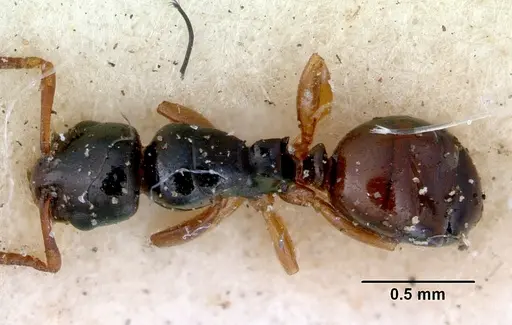
Literature
Loading distribution map...Loading products...