
Stigmacros clivispina
- Sci. Name
- Stigmacros clivispina
- Tribe
- Melophorini
- Subfamily
- Formicinae
- Author
- Forel, 1902
- Distribution
- Found in 1 countries
Introduction
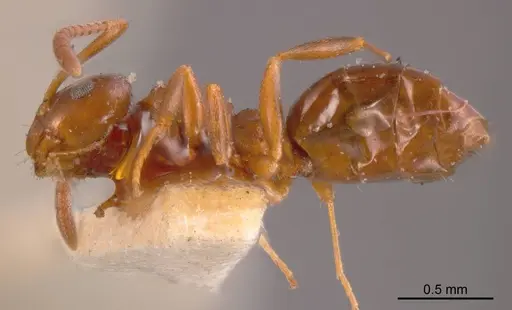
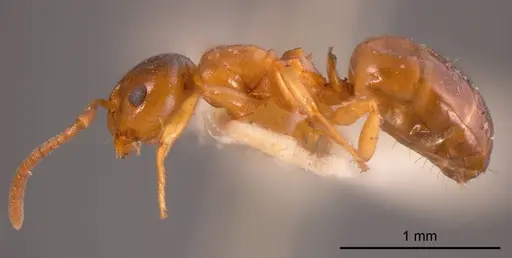
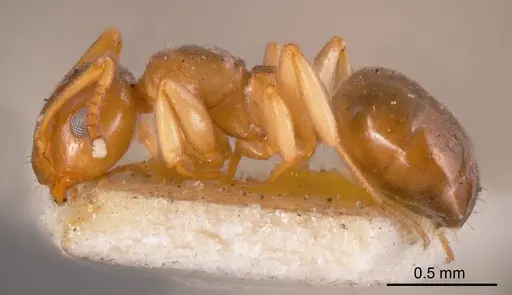
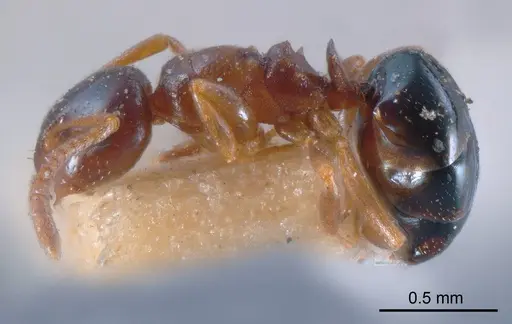
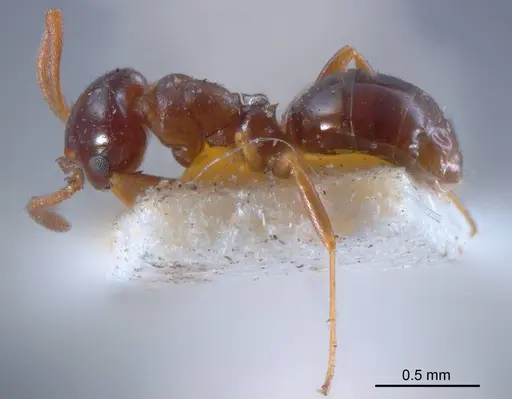
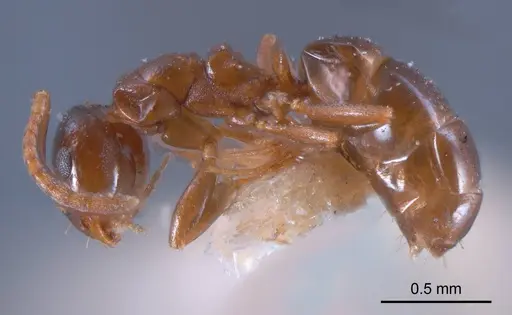
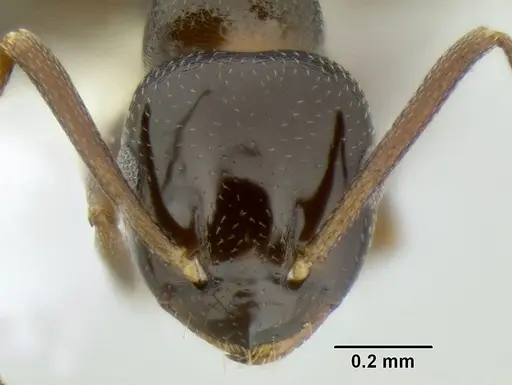
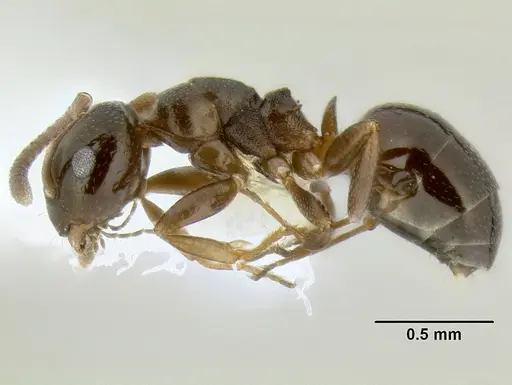
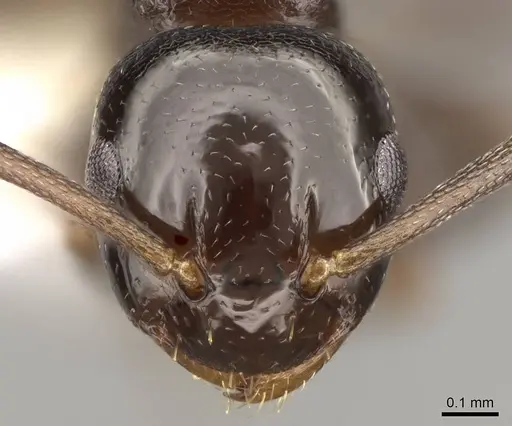
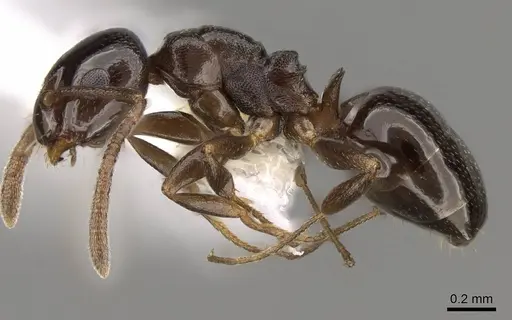
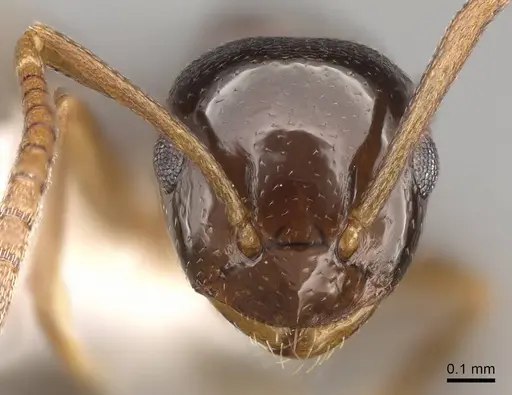
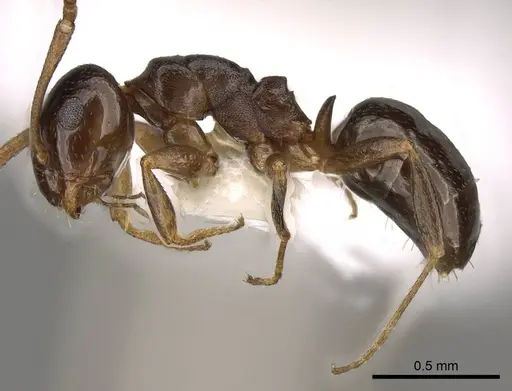
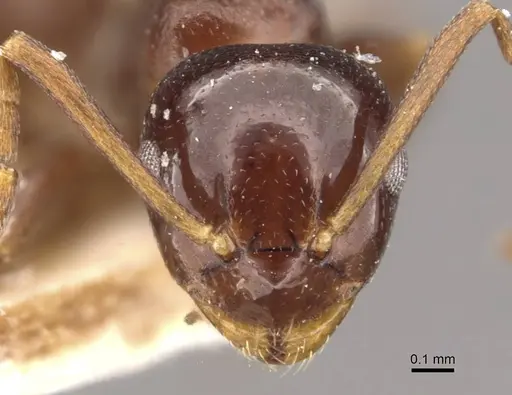
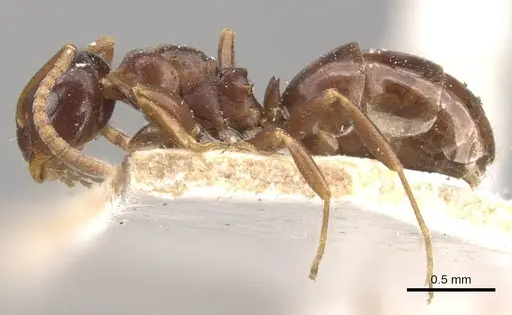
Stigmacros clivispina is a small to medium-sized ant species native to Australia, belonging to the subfamily Formicinae and tribe Melophorini. Workers have a narrow petiolar (waist) node, with the head and gaster typically darker than the mesosoma. Color varies from light to dark with intermediate forms. This species was previously classified under several names (Stigmacros aciculata, Stigmacros brooksi, Stigmacros clarki, Stigmacros extreminigra, Stigmacros ferruginea, Stigmacros glauerti, and Stigmacros sordida) until taxonomic revision in 2021 confirmed they all represent Stigmacros clivispina . It is classified as a 'Cold Climate Specialist', preferring cooler temperatures typical of southern Australian regions, with a Bassian biogeographic pattern . The species has been recorded at laterite and sandstone sites in northwestern Australia and is noted as characterizing mature rehabilitation areas in restoration studies .
Quick Summary
- Difficulty: Medium
- Origin & Habitat: Australia (southern and northwestern). Occupies laterite and sandstone habitats, and is associated with cooler climates [2][3].
- Colony Type: Inferred from Formicinae patterns: likely single-queen (monogyne), but no species-specific data confirms this [1].
- Size & Growth:
- Queen: ~5-7 mm (inferred from genus Stigmacros morphology) [1]
- Worker: ~3-5 mm (inferred from genus Stigmacros morphology) [1]
- Colony: Unknown, likely moderate (under 500 workers) based on typical Melophorini patterns, but no published data [1]
- Growth: Unknown (no species-specific growth data available)
- Development: Unknown (no species-specific data published) (Inferred from related Formicinae: possibly 6-10 weeks at optimal temperatures, but this is speculative.)
- Antkeeping:
- Temperature: As a Cold Climate Specialist, keep cool, ideally 18-24°C. Avoid temperatures above 28°C. Room temperature (around 20-22°C) is likely suitable. This is inferred from ecological classification combined with general Formicinae care [2].
- Humidity: Moderate to low. Provide a moisture gradient: keep one area slightly damp, the rest dry. This matches typical Australian soil-nesting ants [1].
- Diapause: Likely required during winter (June-August in southern hemisphere). Reduce temperature to 10-15°C for 2-3 months. This is inferred from temperate distribution and subfamily patterns [2].
- Nesting: Nests in soil and under stones in nature [1]. For captivity: test tube for founding, later, Y-tong (AAC) or plaster nest with a moisture gradient works well. Avoid waterlogging.
- Behavior: Calm and not aggressive, based on typical Melophorini and Formicinae behavior. Workers forage individually. As a Formicinae ant, it lacks a functional stinger but can spray formic acid when threatened. Escape risk is low, standard barrier methods suffice.
- Common Issues: heat stress from temperatures above 28°C, use cool room or ventilation [2]., improper hibernation (no cooling period may weaken colony), provide consistent winter rest., limited availability in the hobby, mostly wild-caught, with no captive breeding information., potential mold in damp nests, ensure good airflow and avoid overwatering.
Temperature and Care
Stigmacros clivispina is a cool-adapted species classified as a Cold Climate Specialist [2]. Keep temperatures between 18-24°C, room temperature around 20-22°C is ideal. Avoid exceeding 28°C, as heat stress can be lethal. Provide a thermal gradient in the nest so workers can self-regulate. No additional heating is usually needed. In summer, ensure good ventilation. This guidance is based on ecological data from northwestern Australia [2] and general Formicinae care.
Feeding and Diet
As a Formicinae ant, Stigmacros clivispina is omnivorous. Offer sugar water, honey, or diluted nectar as a constant energy source. Provide protein in the form of small insects (fruit flies, small crickets, mealworms) two to three times a week. In nature, it forages for honeydew and small arthropods. Remove uneaten prey after 24 hours to prevent mold. Adjust feeding based on brood production. These recommendations are based on subfamily patterns, as no species-specific dietary data is available.
Nesting and Habitat
In nature, Stigmacros clivispina nests in soil and under stones, and has been recorded from laterite and sandstone sites [2]. For captive colonies, start with a test tube setup for founding. After the colony reaches 20-30 workers, transition to a Y-tong (AAC) or plaster nest. Provide a moisture gradient: keep one area slightly damp, the rest dry. Do not waterlog the nest. This matches its natural dry-to-moderate habitat.
Seasonal Care and Hibernation
Given its temperate Australian distribution, Stigmacros clivispina likely benefits from a winter diapause. Reduce temperature to 10-15°C for 2-3 months during the southern hemisphere winter (June-August). Do not drop below 5°C. Use a refrigerator's vegetable drawer if needed. During hibernation, reduce feeding and check that the nest does not dry out completely. After hibernation, warm the colony gradually over several days. This guidance is inferred from subfamily patterns and the species' cold climate specialization [2].
Behavior and Temperament
Workers are calm and not aggressive. They forage individually. As a Formicinae ant, Stigmacros clivispina lacks a functional stinger and defends with formic acid spray, but this is rarely used against keepers. Standard barrier methods are sufficient, escape risk is low. The colony shows increased activity in warm months and reduced activity during winter rest.
Frequently Asked Questions
How long does it take for Stigmacros clivispina to produce first workers?
There is no species-specific data. Based on related Formicinae, it might take 6-10 weeks from egg to worker at 20-24°C, but this is a rough estimate. The first workers (nanitics) will be smaller than mature workers.
What temperature range is best for Stigmacros clivispina?
Keep them between 18-24°C, with 20-22°C ideal. This species is a Cold Climate Specialist, so avoid temperatures above 28°C [2]. Room temperature is often perfect.
Do Stigmacros clivispina need hibernation?
Likely yes. Based on its temperate distribution and subfamily patterns, a winter rest of 2-3 months at 10-15°C is recommended. Do not allow the colony to freeze. This is inferred, not confirmed by published data [2].
How big do Stigmacros clivispina colonies get?
No published estimates exist. Based on related Melophorini species, colonies likely reach several hundred workers, but this is speculative. Growth is expected to be moderate.
Can I keep multiple Stigmacros clivispina queens together?
Probably not. Formicinae colonies are typically monogyne, and combining queens usually leads to fighting. There is no evidence for polygyny in this species. House queens separately.
What do Stigmacros clivispina eat?
They are omnivorous. Provide sugar water or honey constantly, and offer small insects (fruit flies, small crickets) two to three times a week. These recommendations come from general Formicinae care, as species-specific data is absent.
Is Stigmacros clivispina good for beginners?
It is rated Medium difficulty. While calm and easy to observe, it requires cool temperatures and a winter rest period. Beginners should ensure they can meet these conditions before acquiring this species.
When should I move my colony to a formicarium?
Move from a test tube to a small Y-tong or plaster nest when the colony reaches about 20-30 workers. Provide a moisture gradient in the formicarium. This timing is based on typical antkeeping practices for similar-sized species.
Why is my Stigmacros clivispina colony declining?
Possible causes: temperatures above 28°C (heat stress), lack of proper diapause, mold from overwatering, or stress from frequent disturbance. Check temperature and moisture conditions. Wild-caught colonies may also carry parasites, but this is unconfirmed.
Report an Issue
The current care sheet is based fully on literature. See inconsistencies, or something that's incorrect? Please , it will be resolved after review from an admin. Contributing to the blogs tab also helps providing information, to make us be able to further improve the caresheets. Thank you for your support!
References

This caresheet is licensed under CC BY-SA 4.0 .
Community Blogs
ANTWEB1008325
View on AntWeb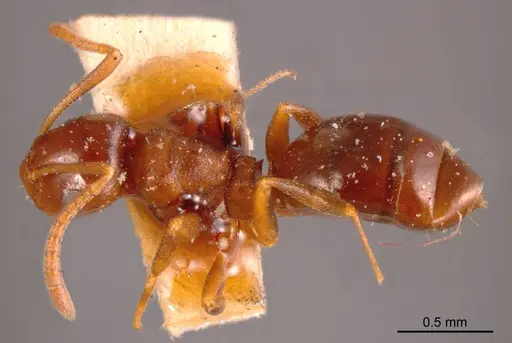
ANTWEB1008331
View on AntWeb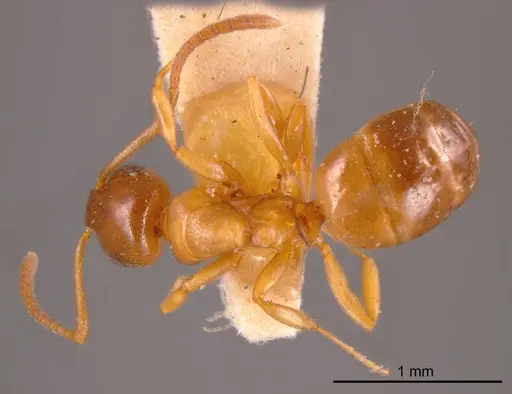
ANTWEB1008333
View on AntWeb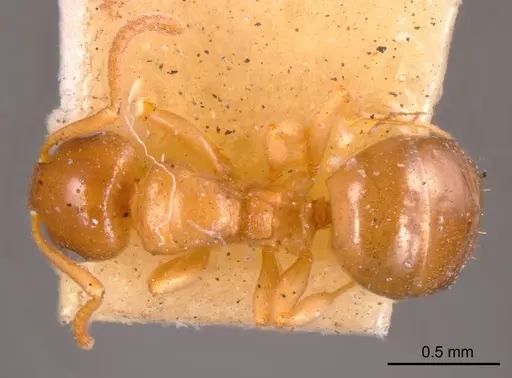
ANTWEB1008335
View on AntWeb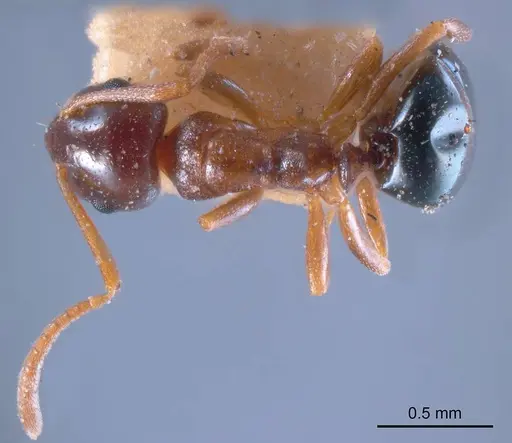
ANTWEB1008336
View on AntWeb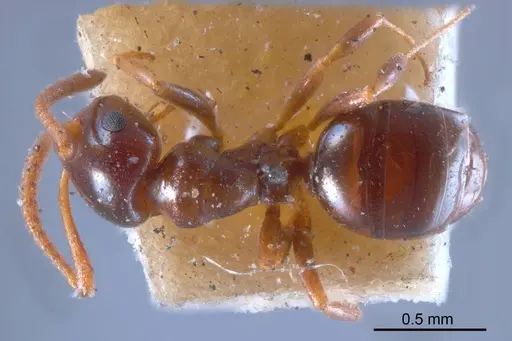
ANTWEB1008339
View on AntWeb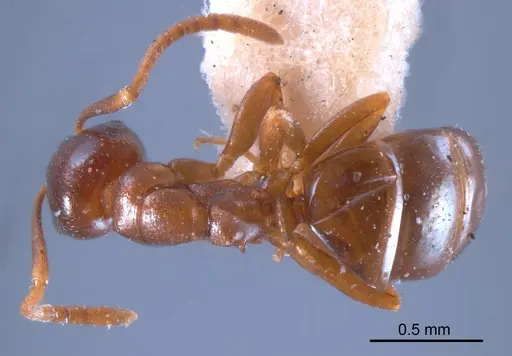
ANTWEB1008353
View on AntWeb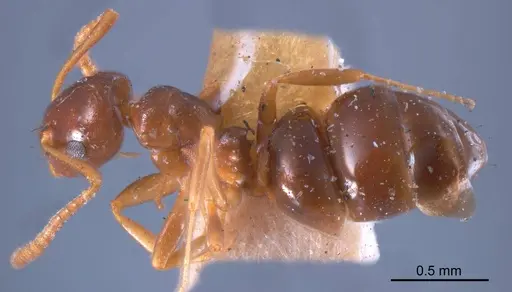
CASENT0106256
View on AntWeb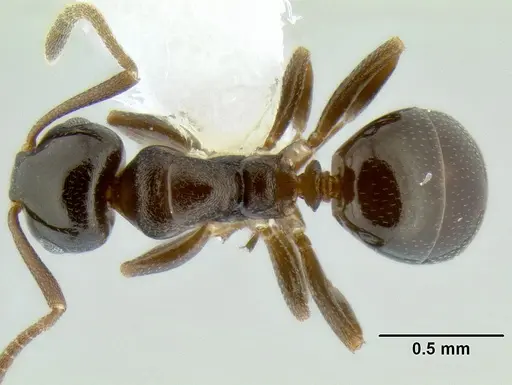
CASENT0281497
View on AntWeb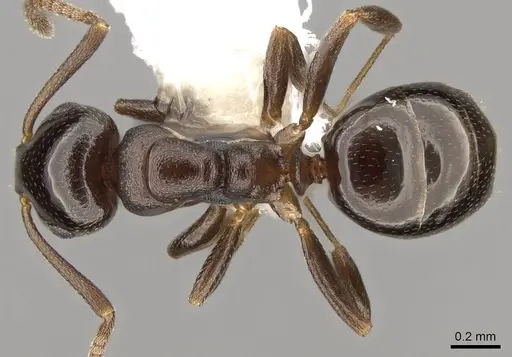
CASENT0281498
View on AntWeb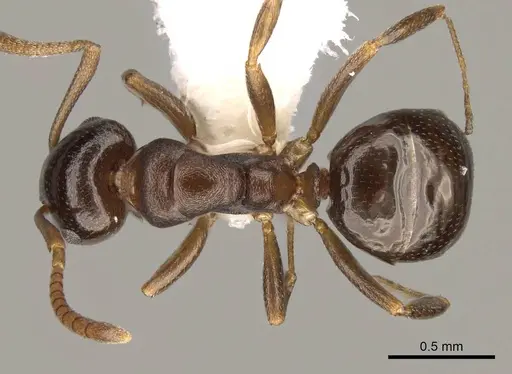
CASENT0909935
View on AntWeb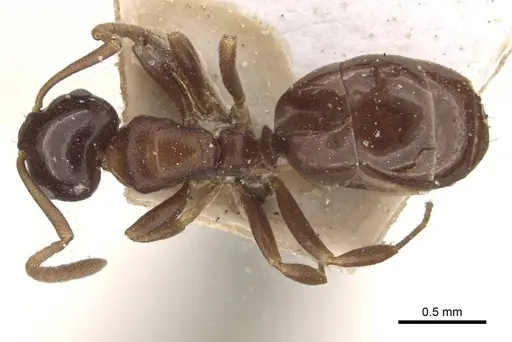
Literature
Loading distribution map...Loading products...