
Stictoponera leiolabia
- Sci. Name
- Stictoponera leiolabia
- Tribe
- Ectatommini
- Subfamily
- Ectatomminae
- Author
- Lattke, 2004
- Distribution
- Found in 2 countries
Introduction
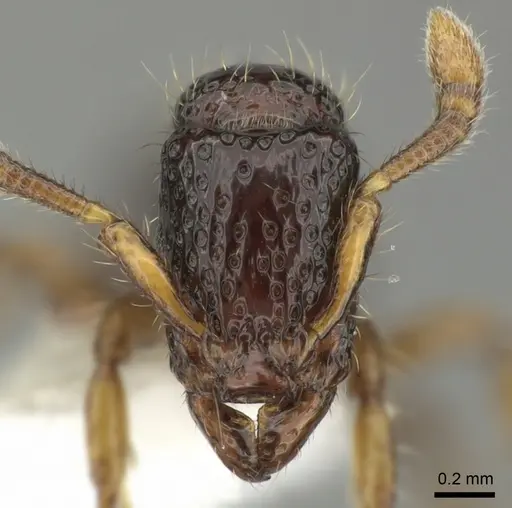
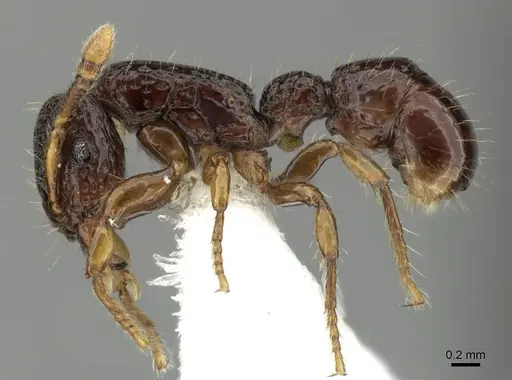
Stictoponera leiolabia is a small rainforest ant native to Southeast Asia, found across Borneo, Malaysia, the Philippines, and Indonesia . Size data is unavailable, but it is a relatively small species . They have a ferruginous brown coloration with reddish legs and antennae . This species was formerly classified as Gnamptogenys leiolabia before taxonomic revision moved it to Stictoponera . They are litter-dwelling ants that nest in rotten logs within pristine rainforest environments . These ants belong to the tribe Ectatommini, which contains predatory ants that hunt small invertebrates on the forest floor. Unlike many common pet ants, this species is rarely kept in captivity and has limited documented care information. Their natural habitat consists of humid, shaded rainforest floors with abundant leaf litter and decaying wood - conditions you'll need to replicate for success .
Quick Summary
- Difficulty: Expert
- Origin & Habitat: Native to Southeast Asia including Borneo, Malaysia (Sabah, Sarawak), Philippines (Negros), and Indonesia [1]. Found in pristine rainforest and mixed dipterocarp forest. Nests in rotten logs and leaf litter on the forest floor [2][1].
- Colony Type: Unconfirmed. Based on related Gnamptogenys species, likely monogyne (single queen). Founding behavior is not documented.
- Size & Growth:
- Queen: Size data unavailable
- Worker: Size data unavailable
- Colony: Unknown
- Growth: Unknown
- Development: Unknown. Based on related Ectatommini species, roughly 6-10 weeks at optimal temperature, but this is speculative. (Development timeline is unconfirmed. Related tropical Ectatommini species typically develop in 6-10 weeks under warm, humid conditions, but no data exists for this species.)
- Antkeeping:
- Temperature: Keep at 24-28°C year-round. This tropical rainforest species requires stable warmth. Use a heating cable on one side to create a gradient if room temperature is below 24°C.
- Humidity: Keep the nest substrate consistently moist but not waterlogged. These ants come from rainforest leaf litter and need damp conditions. Provide a water reservoir in the nest and lightly mist the outworld if needed.
- Diapause: No, this tropical species does not require hibernation. Maintain warm temperatures year-round. Do not expose to temperatures below 20°C for extended periods.
- Nesting: Provide a naturalistic setup with moist substrate (soil, coco peat, or a mix) and rotting wood pieces. Y-tong nests with small chambers work if humidity is kept high. Avoid dry or sandy substrates.
- Behavior: These ants are predatory and possess a functional sting. They are not aggressive but may sting if handled. Escape risk is moderate due to their small size, use barrier tape or fluon on edges. They are shy and may hide when disturbed.
- Common Issues: high humidity management is critical, too dry desiccates colonies, too wet causes mold., lack of available care information means trial and error is expected, this is not a beginner species., predatory diet requires live prey, they will not accept sugar water or dead insects reliably., small colony sizes mean slow growth and high vulnerability to stress., tropical temperature requirements mean heating is necessary in cooler climates.
Housing and Nest Setup
Stictoponera leiolabia requires a humid, naturalistic setup that mimics their rainforest floor habitat. The best approach is a naturalistic terrarium with a deep layer of moist substrate (a mix of coco peat, soil, and rotting wood pieces works well). Provide flat stones or pieces of rotting wood as shelter sites, these ants naturally nest in decaying logs and under stones in leaf litter [1]. Alternatively, a Y-tong nest with small chambers and a water reservoir can work, but you must maintain high humidity within the nest chambers. Whatever setup you choose, ensure the substrate stays consistently moist but never waterlogged. A layer of leaf litter on top helps maintain humidity and provides hunting grounds [2].
Feeding and Diet
As predatory ants in the tribe Ectatommini, these ants require live invertebrate prey. Offer small live prey such as fruit flies, pinhead crickets, small mealworms, and other tiny arthropods. They are unlikely to accept sugar water, honey, or dead insects reliably, the hunting instinct is strong in this genus. Feed small prey items 2-3 times per week, adjusting based on colony size and consumption. Remove uneaten prey after 24 hours to prevent mold. A varied diet of different small invertebrates is ideal. Do not rely on commercial ant foods unless they contain insect protein. [1]
Temperature and Humidity Control
Maintain temperatures between 24-28°C year-round. This tropical species does not tolerate cool conditions, temperatures below 22°C can cause lethargy and brood development problems. Use a small heating cable under one end of the nest or heating mat beneath the enclosure to maintain warmth if needed. Place the heating element on top of the nest rather than underneath to avoid evaporating moisture from the water reservoir. Humidity should be high, keep the substrate consistently damp. Monitor substrate moisture daily and rehydrate when the surface begins drying. A water tube or reservoir connected to the nest helps maintain humidity. Good ventilation is necessary to prevent mold while still retaining moisture [2].
Colony Founding
Queens have been described [1], but founding behavior has not been documented for this species. Provide a founding queen with a small test tube setup with a water reservoir, kept warm (26-28°C) and humid. Do not disturb her during the founding period. Once workers emerge, you can gradually introduce small live prey. Colony growth is likely slow initially.
Handling and Temperament
These ants possess functional stingers as members of the subfamily Ectatomminae. While not aggressive, they may sting if threatened or handled roughly. Avoid handling directly, if you need to move them, use gentle coaxing or a soft brush. They are shy and will retreat when disturbed. Observe rather than handle whenever possible.
Frequently Asked Questions
Is Stictoponera leiolabia a good beginner ant?
No. This is an expert-level species due to several factors: limited available care information, specific humidity and temperature requirements, predatory diet requiring live prey, and their rarity in the antkeeping hobby. They are not recommended for beginners.
What do Stictoponera leiolabia ants eat?
They are predatory ants that require live invertebrate prey. Feed small live insects such as fruit flies, small crickets, mealworms, and other tiny arthropods. They are unlikely to accept sugar water or dead prey. Remove uneaten prey after 24 hours to prevent mold issues.
Do Stictoponera leiolabia ants sting?
Yes. As members of the subfamily Ectatomminae, they possess functional stingers. While not aggressive, they will sting if threatened or handled. The sting is reported as painful in related species. Avoid direct handling.
What temperature do Stictoponera leiolabia ants need?
Keep them warm at 24-28°C year-round. This tropical rainforest species does not tolerate cool temperatures. Use heating if your room temperature falls below 24°C. Do not expose them to temperatures below 20°C.
Do Stictoponera leiolabia need hibernation?
No. This is a tropical species from Southeast Asian rainforests. They do not require hibernation or winter cooling. Maintain warm temperatures and active conditions year-round.
How long does it take for Stictoponera leiolabia to develop from egg to worker?
The exact development time is unconfirmed for this species. Based on related Ectatommini species, estimate approximately 6-10 weeks from egg to first worker at optimal temperature (around 26°C). Expect slow growth initially.
How big do Stictoponera leiolabia colonies get?
Colony size data is not available for this species. Based on related Gnamptogenys species, colonies likely remain relatively small (likely under 100-200 workers) as this is typical for litter-dwelling rainforest ants. This is a rough estimate.
Can I keep multiple Stictoponera leiolabia queens together?
This has not been documented. Based on related species, they are likely monogyne (single queen colonies). Combining unrelated queens is not recommended as it has not been studied and could result in aggression.
What humidity do Stictoponera leiolabia ants need?
High humidity is essential. Keep the nest substrate consistently moist but not waterlogged. These ants naturally live in damp rainforest litter, so drying out is fatal. Use a water reservoir and mist occasionally if needed.
Where is Stictoponera leiolabia found in the wild?
This species is native to Southeast Asia, specifically Borneo, Malaysia (Sabah and Sarawak), the Philippines (Negros Island), and Indonesia. They live in pristine rainforest and mixed dipterocarp forests, nesting in rotten logs and leaf litter on the forest floor.
Report an Issue
The current care sheet is based fully on literature. See inconsistencies, or something that's incorrect? Please , it will be resolved after review from an admin. Contributing to the blogs tab also helps providing information, to make us be able to further improve the caresheets. Thank you for your support!
References

This caresheet is licensed under CC BY-SA 4.0 .
Community Blogs
CASENT0616726
View on AntWeb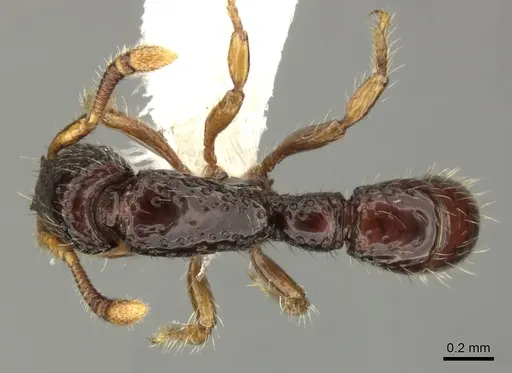
Literature
Loading distribution map...Loading products...