
Stictoponera coxalis
- Sci. Name
- Stictoponera coxalis
- Tribe
- Ectatommini
- Subfamily
- Ectatomminae
- Author
- Roger, 1860
- Distribution
- Found in 3 countries
Introduction
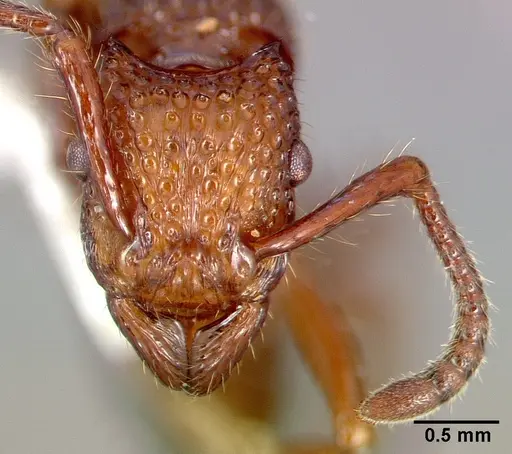
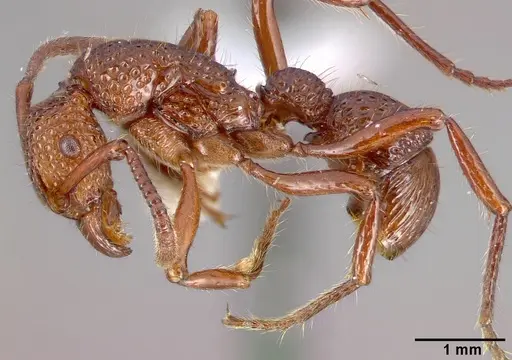
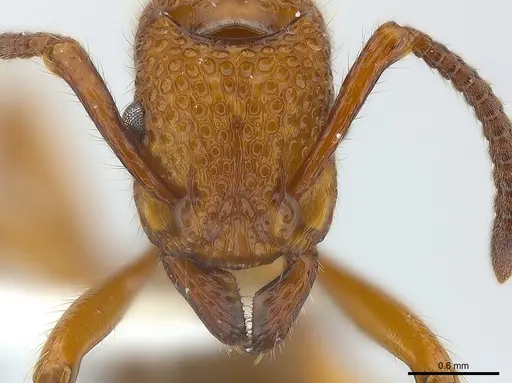
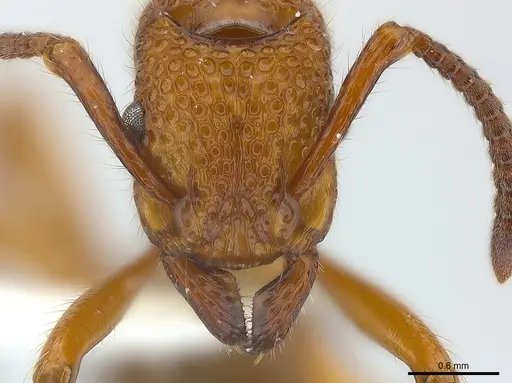
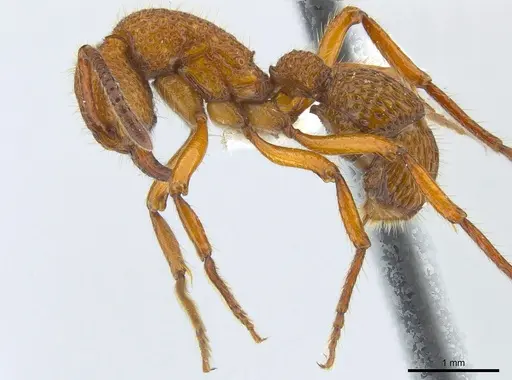
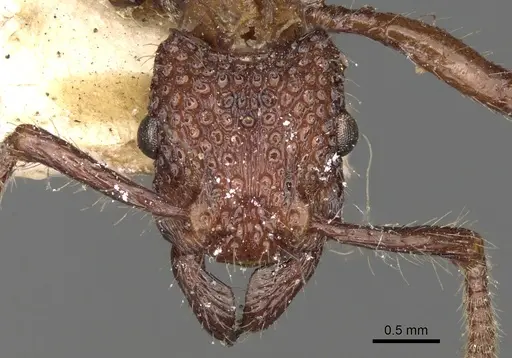
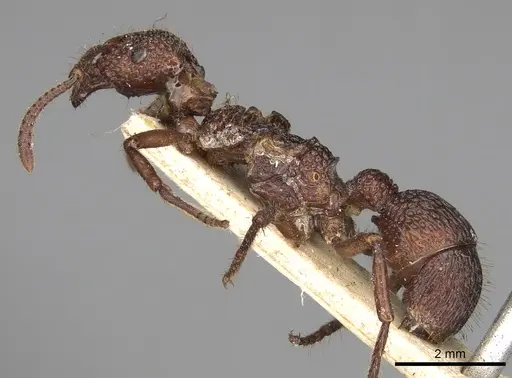
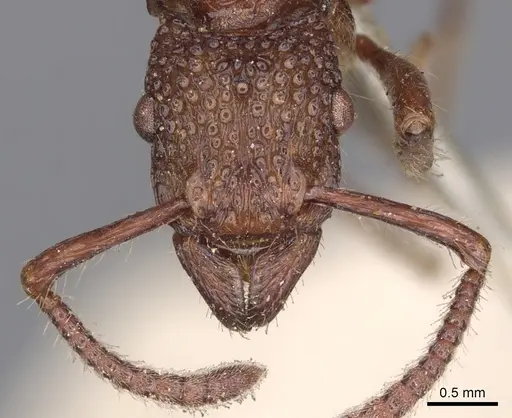
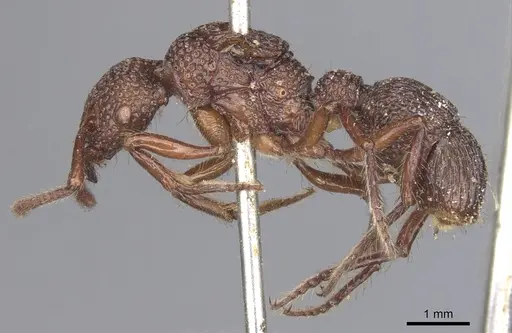
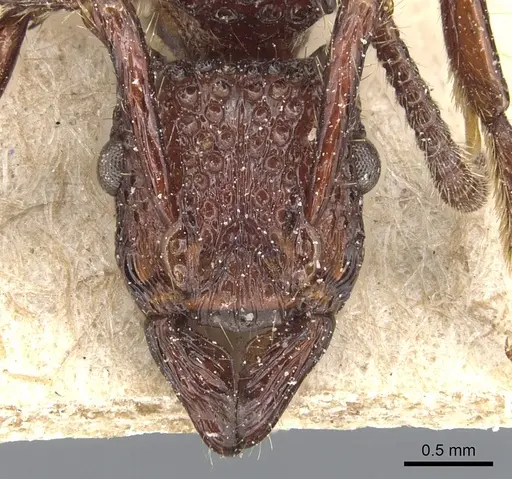
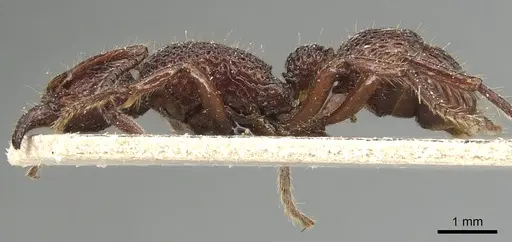
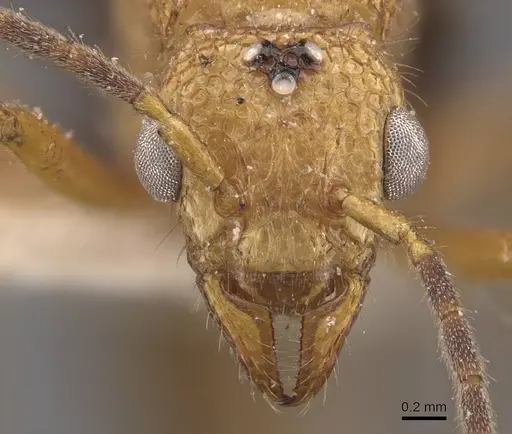
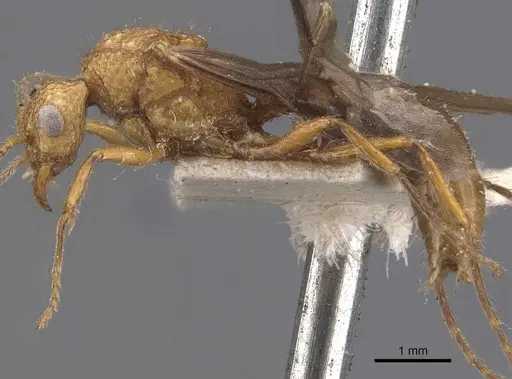
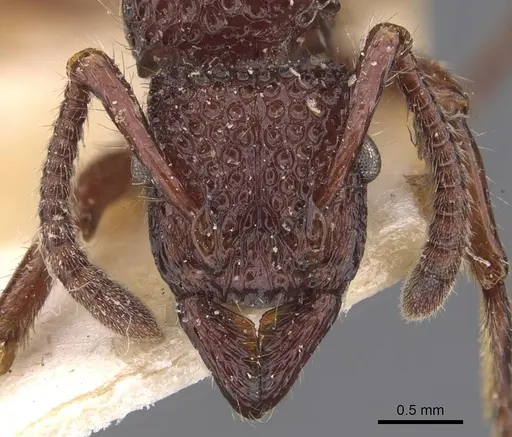
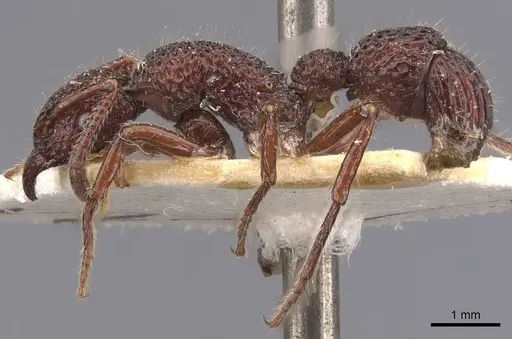
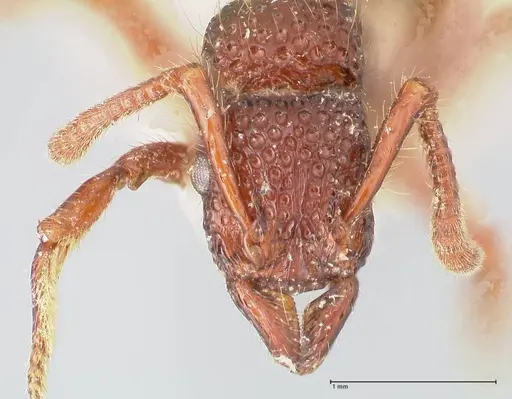
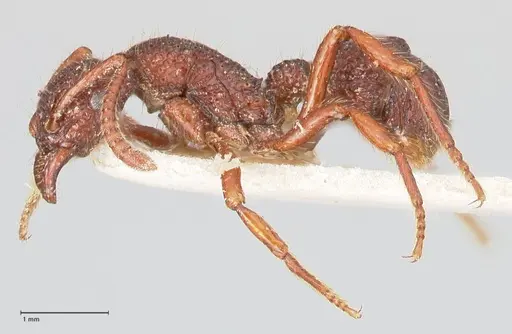
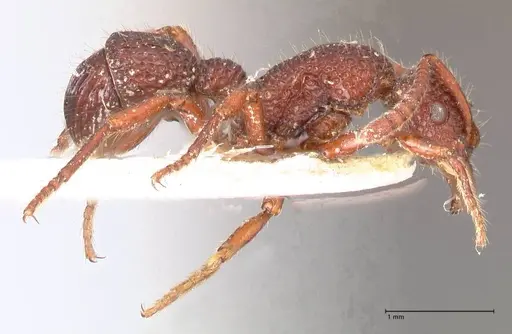
Stictoponera coxalis is a medium-sized ant species belonging to the subfamily Ectatomminae. Workers are mostly ferruginous brown with a darker gaster. They can be identified by their clypeal lamella projecting anterad as a broadly triangular lobe, and the pronotal dorsum showing punctae over rough transverse strigae that arch anterad. The propodeum is unarmed and transversely strigose . This species has a complex taxonomic history: originally described as Ponera rugosa by Smith in 1857,which was a junior primary homonym, so Roger introduced 'coxalis' as the replacement name in 1860 . This ant is a habitat specialist restricted to secondary forest environments - it has not been found in primary forest or rubber plantations . It is widespread throughout the Indo-Malaysian region, from India and Sri Lanka in the west, extending east to New Guinea, the Philippines, and southern China . In Sri Lanka, it has been collected from lowland wet forest reserves in both leaf litter and upper forest layers .
Quick Summary
- Difficulty: Medium
- Origin & Habitat: Indo-Malaysian region: from India and Sri Lanka east to New Guinea, the Philippines, and southern China [4]. Recorded from Brunei, China, India (Andaman & Nicobar Islands, Karnataka), Indonesia (Java, Kalimantan, Sulawesi, Sumatra), Malaysia, Myanmar, Philippines, Singapore, Sri Lanka, Thailand, Vietnam [1][2][7]. Prefers secondary lowland wet forests [3].
- Colony Type: Colony structure is unconfirmed, no direct data on queen number or typical colony size in the wild.
- Size & Growth:
- Queen: No measurements available from published literature
- Worker: No total length measurements available from published literature
- Colony: Unknown
- Growth: Unknown
- Development: Unknown (estimated 6-10 weeks based on typical Ponerinae patterns) (No direct development data exists for this species.)
- Antkeeping:
- Temperature: Tropical species, aim for 24-28°C. Use a heating cable on one side of the nest to create a gradient. Avoid prolonged drops below 22°C.
- Humidity: High humidity, think damp rainforest floor. Keep the nest substrate consistently moist but not waterlogged. Mist if needed and provide a water source.
- Diapause: Unlikely, as a tropical lowland species, it probably does not require a true diapause. A slight winter temperature reduction (to ~20-22°C) may be beneficial but is not mandatory.
- Nesting: Ground-dwelling species found in leaf litter and soil. In captivity, a naturalistic setup with moist soil substrate or a test tube with a water reservoir works well. They prefer dark, enclosed spaces for the nest chamber.
- Behavior: Predatory, typical of Ectatomminae. Workers actively hunt small invertebrates and possess a functional stinger for defense. They are moderately defensive when the nest is disturbed. Their medium size means escape prevention is important but not as critical as for tiny species.
- Common Issues: high humidity requirements can lead to mold problems if ventilation is poor, predatory diet means they need live prey, failure to provide suitable food often causes colony decline, temperature drops below 22°C can slow activity and affect brood development, wild-caught colonies may carry parasites that can decimate the colony in captivity, founding behavior is unconfirmed, making colony establishment from queens difficult
Temperature and Care
Stictoponera coxalis comes from tropical Southeast Asia, so it needs warm temperatures to thrive. Keep the nest area at 24-28°C, this matches the climate of its lowland wet forest habitat. Place a heating cable on one side of the nest to create a gentle temperature gradient, letting the ants choose their preferred spot. Avoid temperatures below 22°C for long periods, as this can slow activity and harm brood development. If your home stays consistently warm, room temperature may be enough, but most keepers will need supplemental heating. Keep the setup stable, no drafts or sudden temperature swings.
Feeding and Diet
Like other Ectatomminae ants, Stictoponera coxalis is predatory and needs a protein-rich diet. Offer small live prey such as fruit flies, small crickets, mealworms, and other appropriately-sized insects. They are likely ambush hunters that work individually, so prey should be small enough for a single worker to handle. Provide protein 2-3 times a week, and remove any uneaten prey after 24 hours to prevent mold. A sugar source like honey or sugar water may be accepted occasionally but should not be the main food. Always have fresh water available.
Nesting and Habitat
In the wild, S. coxalis lives in secondary forest leaf litter and upper soil layers. It prefers moist, shaded spots with plenty of decaying organic matter. For captive care, a naturalistic setup with moist soil substrate works well, mix potting soil with sand and keep it damp. A test tube with a water reservoir connected to a foraging area is also a good option. The nest chamber should be dark and enclosed, mimicking their natural retreats. Provide hiding spots and cover in the outworld. Good ventilation is key to prevent mold while keeping humidity high.
Behavior and Temperament
Workers are active foragers that hunt small invertebrates. They have a functional stinger and will defend the colony if disturbed, expect some defensive behavior. They are not overly aggressive but will sting if they feel threatened. Workers are medium-sized and can squeeze through small gaps, so use reasonable escape prevention. Activity may be higher in the evening or at night. Colony growth is probably gradual, do not expect rapid expansion. They do not form supercolonies and are not considered invasive.
Frequently Asked Questions
How long does it take for Stictoponera coxalis to raise their first workers?
The exact development time is unknown for this species. Based on typical Ponerinae patterns, expect roughly 6-10 weeks from egg to worker at optimal temperatures (around 26°C). Development will be slower if it is cooler. Patience is needed, growth is likely gradual.
Can I keep Stictoponera coxalis in a test tube setup?
Yes. A test tube with a water reservoir at one end, plugged with cotton, and connected to a foraging area works well. Keep the tube in a humid environment and ensure the water supply does not run dry. The dark, enclosed space mimics their natural nest chamber.
Do Stictoponera coxalis ants sting?
Yes, they can. Like other Ectatomminae ants, they have a functional stinger and will use it when defending the nest. The sting is not dangerous to healthy humans but can be painful. Handle with care and avoid unnecessary disturbance.
What do Stictoponera coxalis eat?
They are predators that need live protein prey. Offer small insects like fruit flies, small crickets, and mealworms. Remove any uneaten prey after 24 hours. Occasional sugar water may be accepted but should not replace protein.
Are Stictoponera coxalis good for beginners?
This species is rated as medium difficulty. They need specific conditions: high humidity, warm temperatures, and a predatory diet. They are not the easiest for complete beginners but are manageable with some experience. Limited availability in the hobby is also a factor.
Do Stictoponera coxalis need hibernation?
Probably not. As a tropical species from Southeast Asia, they likely do not require a true diapause. A slight winter temperature reduction (keeping them at room temperature, around 20-22°C instead of 26-28°C) may be appropriate but is not essential.
How big do Stictoponera coxalis colonies get?
The maximum colony size is unknown. Based on related Ectatomminae, colonies probably reach a few hundred workers at most. Growth is likely gradual rather than rapid. Expect a moderately sized colony over time.
Why are my Stictoponera coxalis dying?
Common causes: low humidity (keep substrate moist), temperatures below 22°C (provide warmth), lack of live prey (they need protein), mold from poor ventilation, or parasites from wild-caught colonies. If the colony was caught from the wild, parasites are a likely issue.
When should I move Stictoponera coxalis to a formicarium?
Wait until the colony has at least 20-30 workers before moving to a formicarium. Test tubes work well for smaller colonies. When you do move them, use a naturalistic setup with moist soil and good ventilation. Ensure the formicarium can maintain high humidity.
Can I keep multiple queens together?
The colony structure is unconfirmed for this species. Combining unrelated queens is not documented and is not recommended. If you have multiple founding queens, house them separately to avoid conflict. Single-queen colonies are likely based on related species.
Report an Issue
The current care sheet is based fully on literature. See inconsistencies, or something that's incorrect? Please , it will be resolved after review from an admin. Contributing to the blogs tab also helps providing information, to make us be able to further improve the caresheets. Thank you for your support!
References

This caresheet is licensed under CC BY-SA 4.0 .
Community Blogs
CASENT0010662
View on AntWeb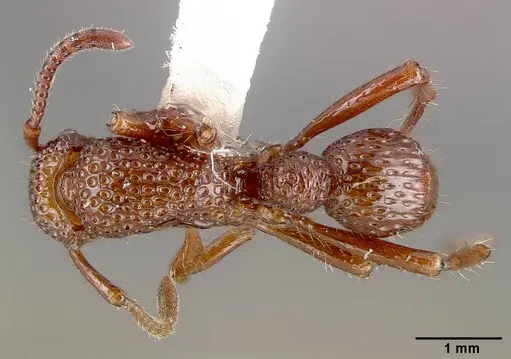
CASENT0179980
View on AntWeb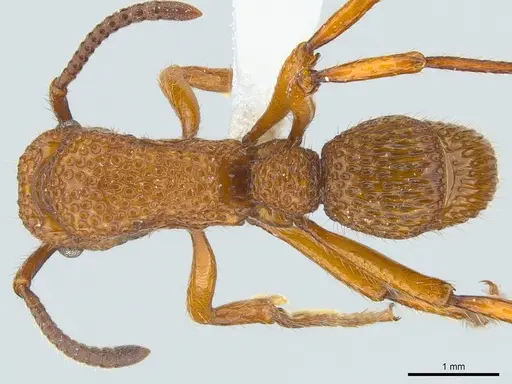
CASENT0281842
View on AntWeb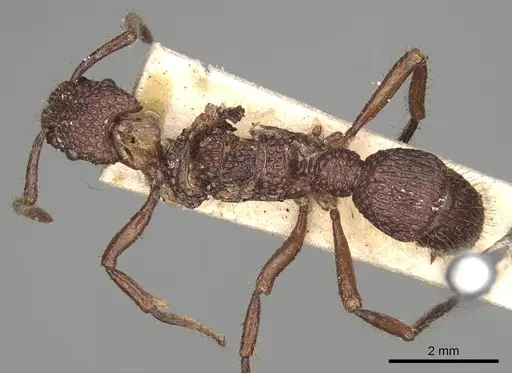
CASENT0901369
View on AntWeb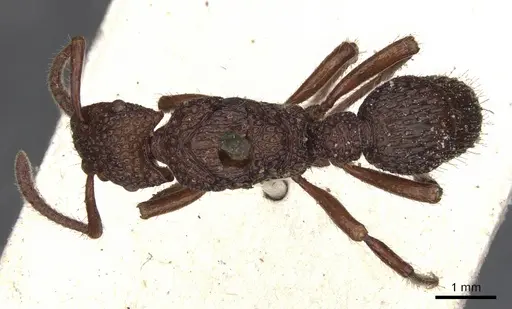
CASENT0903850
View on AntWeb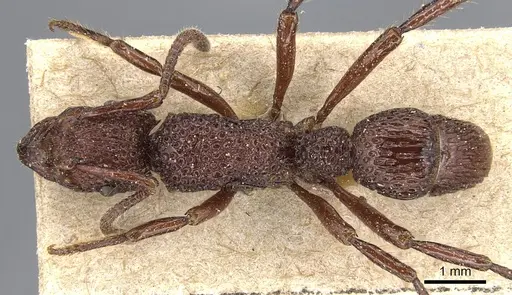
CASENT0907197
View on AntWeb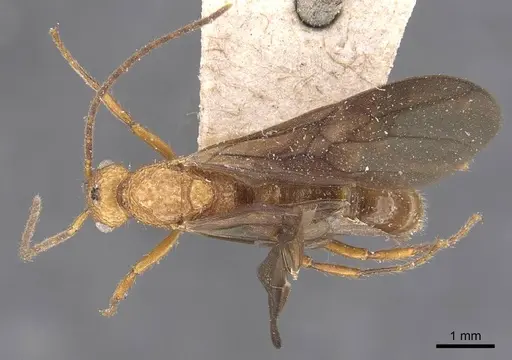
CASENT0907198
View on AntWeb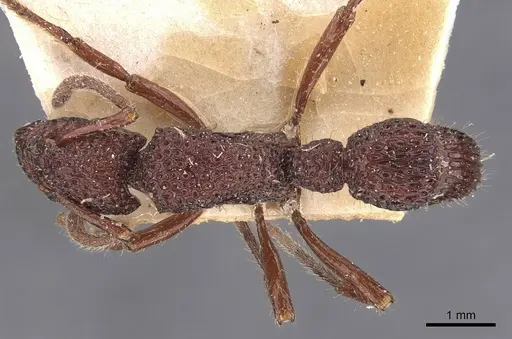
FOCOL0868
View on AntWeb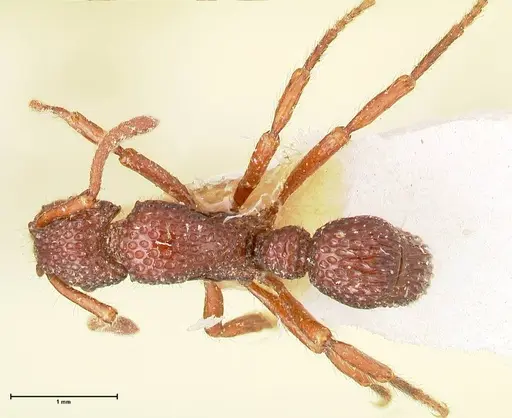
Literature
Loading distribution map...Loading products...