
Stenamma zelum
- Sci. Name
- Stenamma zelum
- Tribe
- Stenammini
- Subfamily
- Myrmicinae
- Author
- Branstetter, 2013
- Distribution
- Found in 3 countries
Introduction
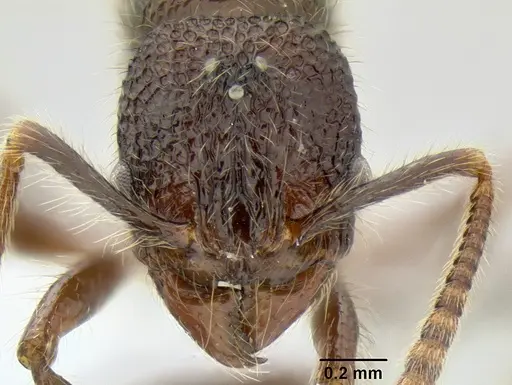
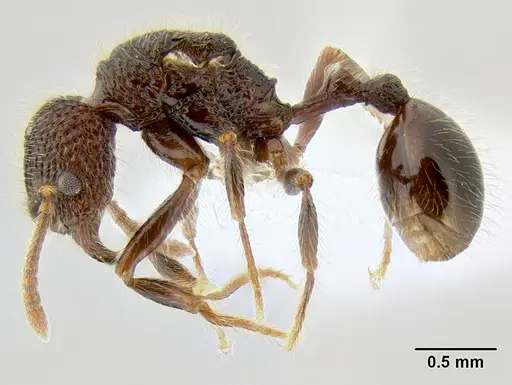
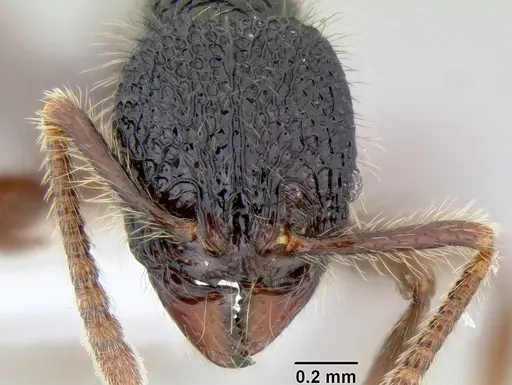
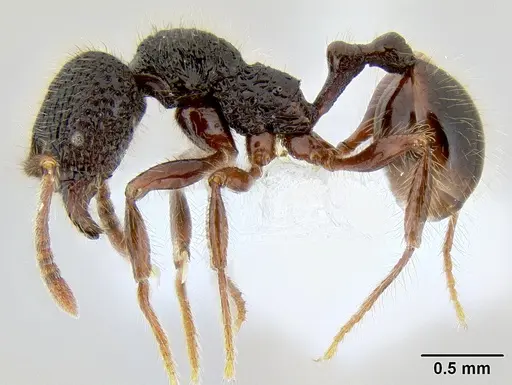
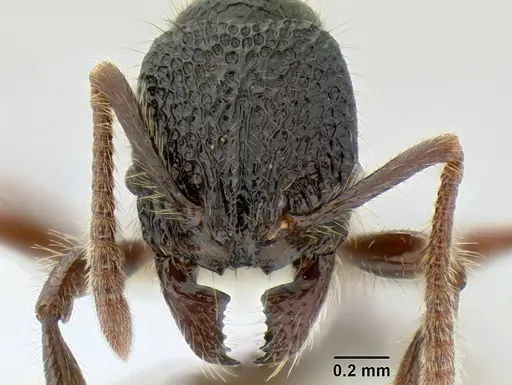
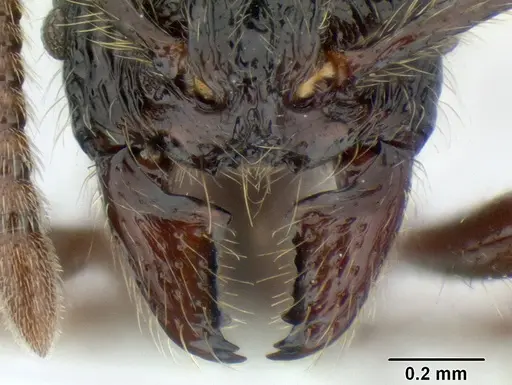
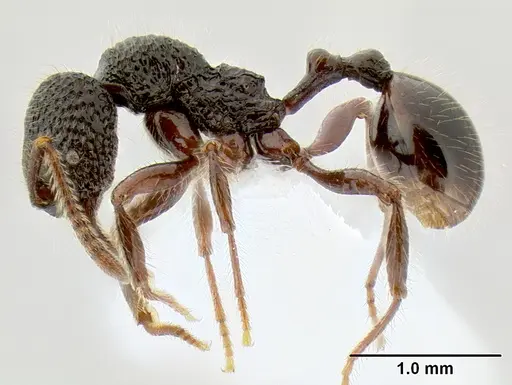
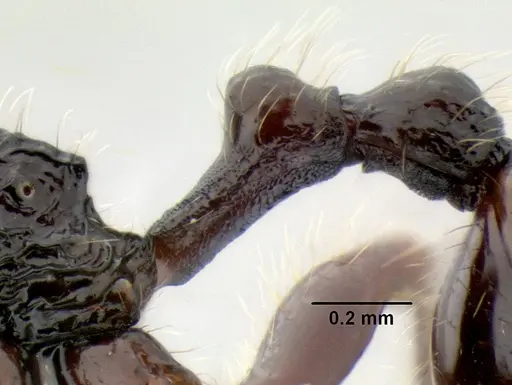
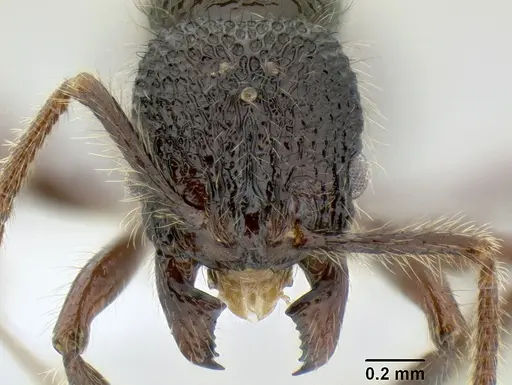
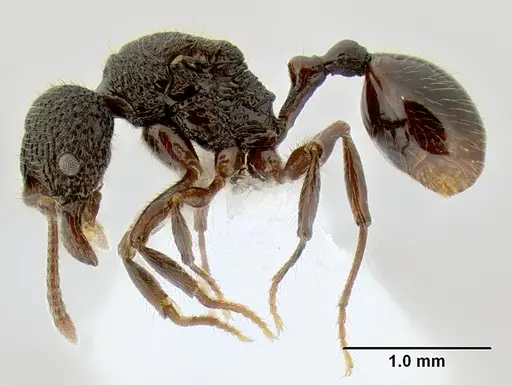
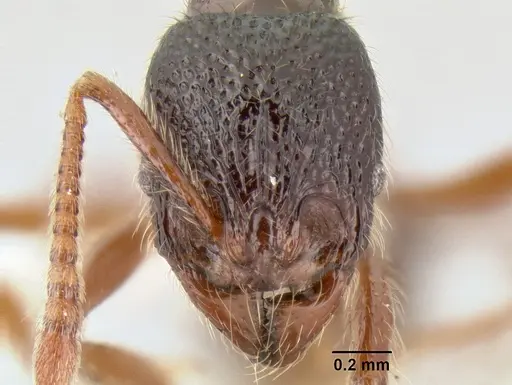
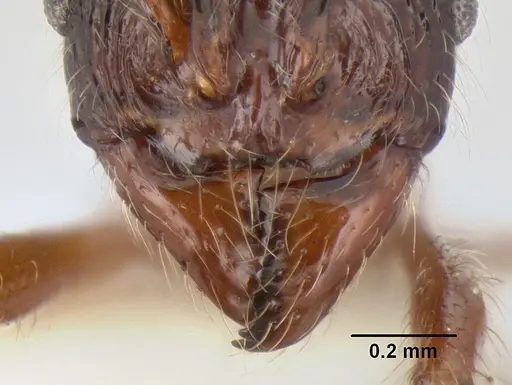
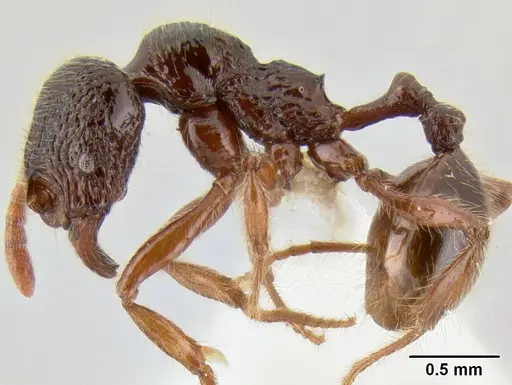
Stenamma zelum is a medium-sized ant native to Central America, ranging from eastern Honduras through Nicaragua, Costa Rica, and Panama . The body is dark red-brown to brown, with a rough, pitted sculpture on the head and upper body . The propodeal spines are reduced to tiny tubercles, and the eyes are small with only 6-8 ommatidia - good adaptations for life in the dark leaf litter . These ants live in mature wet forests, especially montane rainforest and cloud forest, at elevations between 350 and 1700 meters, most commonly around 1000 meters . They are cryptic leaf-litter specialists: researchers almost always collect them by sifting leaf litter and using Winkler or Berlese funnels, and only once has a stray queen been found by general searching . This species has two known morphotypes; a high-elevation form (above 1500 m in Costa Rica) has less distinct sculpturing and reduced clypeal teeth .
Quick Summary
- Difficulty: Medium
- Origin & Habitat: Eastern Honduras to Panama, in wet forest habitats including montane rainforest and cloud forest, elevations 350-1700 m [1][2]
- Colony Type: Colony structure is unconfirmed, no data exists on whether this species is monogyne (single queen) or polygyne (multiple queens)
- Size & Growth:
- Queen: Estimated total length ~5-6 mm (inferred from genus patterns), size data not formally published
- Worker: Estimated total length ~4-5 mm (inferred from genus patterns), size data not formally published
- Colony: Unknown, likely under 500 workers based on cryptic lifestyle and typical Stenamma patterns
- Growth: Moderate, estimated
- Development: 6-10 weeks estimated, based on related tropical Myrmicinae (Direct development data unavailable, this estimate assumes stable temperatures around 22-24°C)
- Antkeeping:
- Temperature: 20-24°C, avoid temperatures above 26°C. A gentle gradient with a cooler area is helpful.
- Humidity: High humidity is essential. Keep the nest substrate consistently moist, like a damp forest floor, but not waterlogged. Provide a humid atmosphere, avoid allowing the nest to dry out.
- Diapause: Unlikely, as a tropical species, they probably do not require true hibernation. However, some seasonal slowdown may occur during drier months.
- Nesting: These ants need a naturalistic setup with deep substrate (at least 5-10 cm) of soil, sand, and decomposed leaf litter, or a tight plaster or Y-tong nest with small chambers. They prefer dark, cramped spaces and rarely venture into open areas.
- Behavior: Stenamma zelum is a cryptic, secretive species that spends most of its time hidden in leaf litter and soil. Workers are slow-moving and non-aggressive, they will flee rather than fight when disturbed. Escape risk is high due to their tiny size, use fine mesh barriers and tight-fitting lids. Foraging likely happens at night or in the dim understory, where they hunt small invertebrates in the leaf litter layer.
- Common Issues: humidity management is critical: too dry kills the colony, too wet causes mold., cryptic lifestyle means you will rarely see your ants, this is normal, not a sign of decline., small colony size makes them vulnerable to stress, minimize nest disturbance, especially during founding., tropical species are sensitive to heat: temperatures above 26°C can be fatal., escape-proofing is essential because workers are under 2 mm and can slip through small gaps.
Housing and Nest Setup
Stenamma zelum is a leaf-litter specialist that needs a setup mimicking the damp forest floor. The best approach is a naturalistic terrarium with 5-10 cm of substrate made from soil, sand, and decomposed leaf litter. This lets the ants dig their own galleries and forage naturally. Alternatively, a plaster or Y-tong nest with tiny chambers (scaled to their small size) works well, provided you keep humidity high. The nest should be kept dark, these ants avoid light and will retreat to the deepest chambers if exposed. Include a small outworld for feeding, but connect it via narrow tunnels. Because workers are about 1 mm in total length, use fine mesh on all openings and ensure the lid seals tightly [2].
Feeding and Diet
Based on typical Stenamma biology and their leaf-litter lifestyle, these ants likely prey on small invertebrates such as springtails, mites, and tiny insects [2]. Offer small live prey like fruit flies, pinhead crickets, or freshly killed insects. They may also accept a small drop of honey water or sugar water occasionally, but protein should be the main food. Feed small portions 2-3 times per week, and remove uneaten prey after 24 hours to prevent mold. Because they are cryptic, you may not see them eating, check for prey consumption rather than watching them feed.
Temperature and Seasonal Care
As inhabitants of cloud forests at moderate elevations, Stenamma zelum prefers cool, stable temperatures around 20-24°C. Avoid temperatures above 26°C, as tropical cloud forest species are not adapted to heat stress. Room temperature (21-23°C) is ideal for most of the year. If you need extra heat in a cool room, use a low-wattage heating cable on only one side of the nest to create a gentle gradient. Being from the tropical region, they likely do not need a true diapause, but you may notice slower growth during winter months even at stable temperatures.
Handling and Colony Observation
One challenge with Stenamma zelum is simply seeing your ants. They are cryptic by nature: in the wild, they live deep within leaf litter and soil, rarely coming to the surface [2]. In captivity, expect to see workers occasionally patrolling the outworld or carrying prey, but most of the colony will stay hidden in the nest. This is normal and does not mean the colony is unhealthy. Minimize nest disturbances, especially when the colony is small. When you must inspect the nest, do it quickly and with minimal light. These ants rely on hiding rather than defense, they are not aggressive and their defense mechanism is unknown.
Growth and Development
Direct development data for Stenamma zelum does not exist in the scientific literature. Based on typical tropical Myrmicinae patterns, expect the first workers (nanitics) to emerge about 6-10 weeks after the queen lays eggs, assuming temperatures around 22-24°C. The first brood may number only 3-10 workers. Subsequent broods will gradually increase colony size over months to years. Colonies likely remain small to moderate (under a few hundred workers) given their cryptic leaf-litter lifestyle. Patience is essential, these ants are long-lived perennials when established successfully.
Frequently Asked Questions
How long does it take for Stenamma zelum to produce first workers?
The exact timeline is unconfirmed, but based on related tropical Myrmicinae, expect 6-10 weeks from egg to worker at optimal temperatures around 22-24°C. The initial batch of workers (nanitics) will be small, typically 3-10 individuals.
Can I keep Stenamma zelum in a test tube?
A test tube setup can work for the founding stage, but you need to add a layer of damp substrate (soil or cotton) for the queen to burrow into. Long-term, a naturalistic setup with deep substrate and leaf litter is better because they require high humidity and space to dig.
What do Stenamma zelum ants eat?
Based on their leaf-litter lifestyle [2], they likely prey on small invertebrates. Offer small live prey like fruit flies, springtails, or tiny crickets. They may also accept sugar water or honey occasionally, but protein should be the main food.
Are Stenamma zelum ants aggressive?
No, they are not aggressive. These are cryptic, secretive ants that flee rather than fight when threatened. Workers are slow-moving and will retreat into the nest rather than engage. Their defense mechanism is unknown but likely relies on hiding.
What temperature do Stenamma zelum ants need?
Based on their cloud forest habitat [1], keep them at 20-24°C, avoiding temperatures above 26°C. They prefer cool, stable conditions. Room temperature is often ideal. A gentle heat gradient allowing cooler areas is beneficial.
Do Stenamma zelum ants need hibernation?
Probably not. As a tropical species from Central American cloud forests, they likely do not require a true diapause period. You may notice reduced activity during winter months even at room temperature, but this is not the same as hibernation.
How big do Stenamma zelum colonies get?
Colony size is not documented, but based on typical Stenamma patterns and their cryptic leaf-litter lifestyle, colonies likely remain small to moderate, probably under 500 workers even at maturity. Growth is slow and gradual over several years.
Why can't I see my Stenamma zelum ants?
This is completely normal. Stenamma zelum is a cryptic leaf-litter species that spends most of its time hidden in substrate. In the wild, they are almost never observed except through specialized extraction methods [2]. You will see workers occasionally, but the majority of the colony remains hidden. This does not indicate a problem.
Are Stenamma zelum good for beginners?
They are considered intermediate in difficulty. While not aggressive and relatively hardy once established, their cryptic lifestyle and high humidity requirements can be challenging to manage. Beginners may find it hard to assess colony health since they rarely see the ants. Experienced keepers interested in cryptic species will find them rewarding.
What humidity level do Stenamma zelum ants need?
High humidity is essential. Keep the nest substrate consistently moist, like a damp forest floor, and provide a humid atmosphere. Allow some variation with slightly drier areas available, but the majority of the nest should remain moist. Poor humidity is one of the most common causes of colony failure.
When should I move Stenamma zelum to a formicarium?
You can keep them in a naturalistic setup from the start. If using a test tube for founding, wait until the colony has 20-30 workers and the test tube shows signs of drying out or space constraints. Transfer to a naturalistic terrarium or a tight plaster/Y-tong nest with damp substrate.
Do Stenamma zelum ants escape easily?
Their tiny size (total length around 4-5 mm) means they can slip through small gaps. Use fine mesh on any ventilation and ensure all connections are tight. However, they are not particularly active escape artists compared to some species, they tend to stay hidden in the substrate rather than climbing.
Report an Issue
The current care sheet is based fully on literature. See inconsistencies, or something that's incorrect? Please , it will be resolved after review from an admin. Contributing to the blogs tab also helps providing information, to make us be able to further improve the caresheets. Thank you for your support!
References

This caresheet is licensed under CC BY-SA 4.0 .
Community Blogs
CASENT0621980
View on AntWeb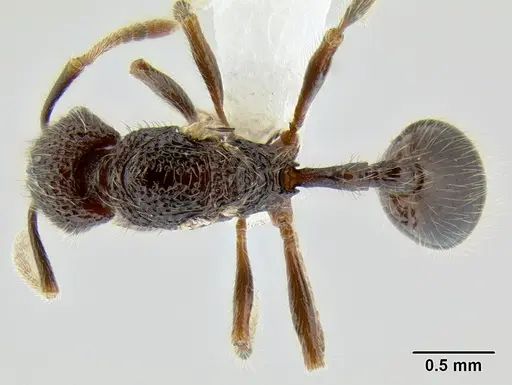
CASENT0621994
View on AntWeb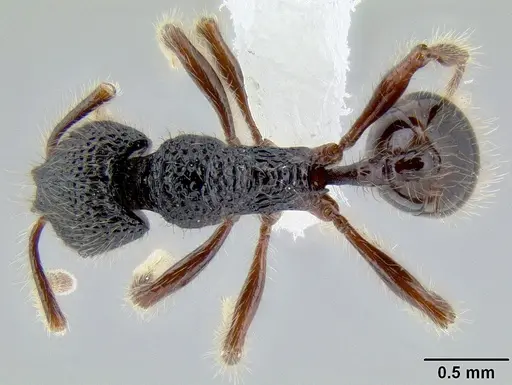
CASENT0622535
View on AntWeb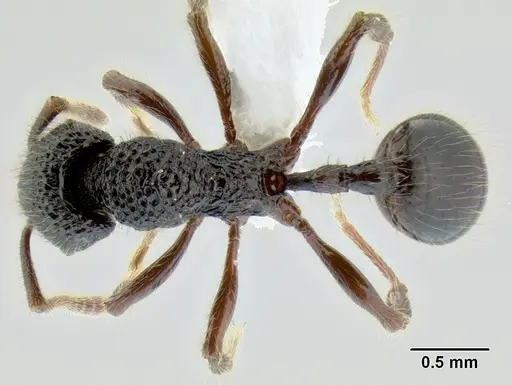
CASENT0622537
View on AntWeb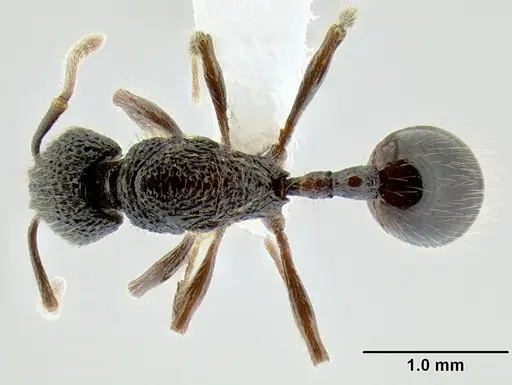
INBIOCRI001280618
View on AntWeb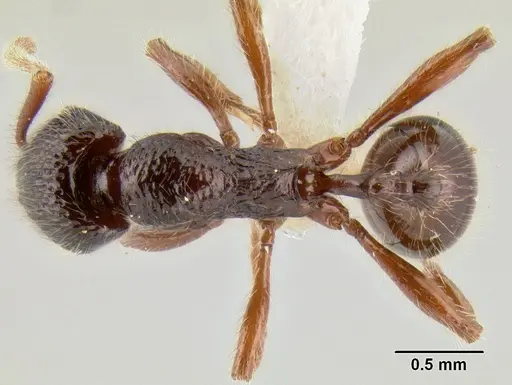
Literature
Loading distribution map...Loading products...