
Westwood's Ant
Stenamma westwoodii
- Sci. Name
- Stenamma westwoodii
- Tribe
- Stenammini
- Subfamily
- Myrmicinae
- Author
- Westwood, 1839
- Common Name
- Westwood's Ant
- Distribution
- Found in 7 countries
Introduction
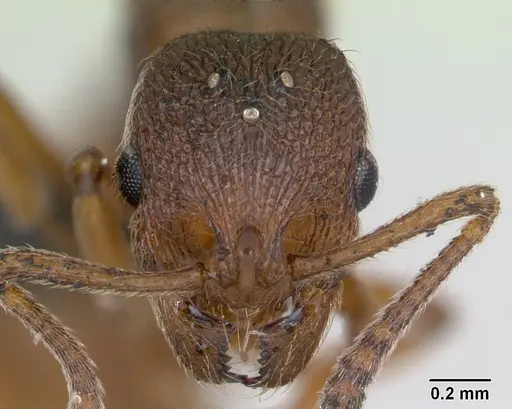
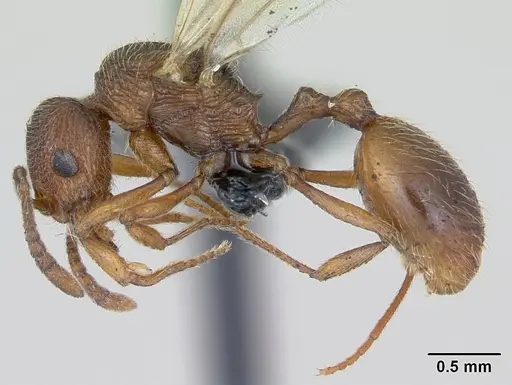
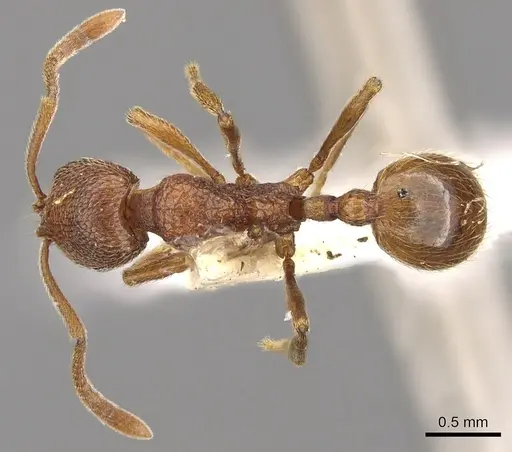
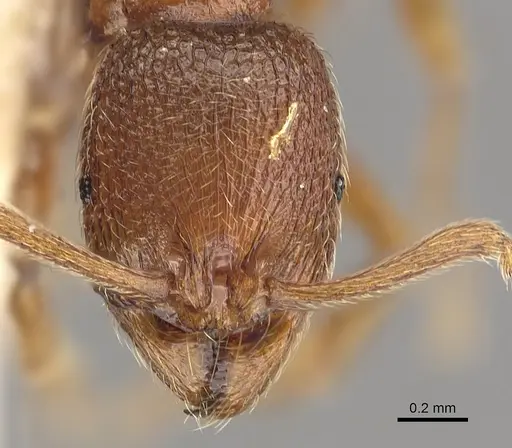
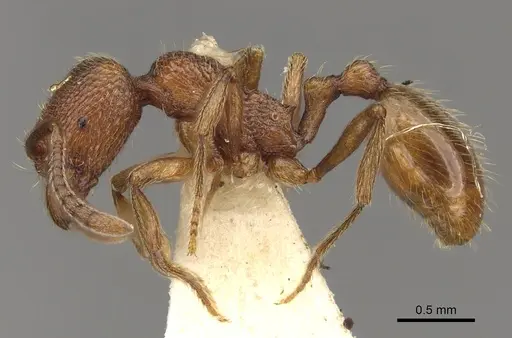
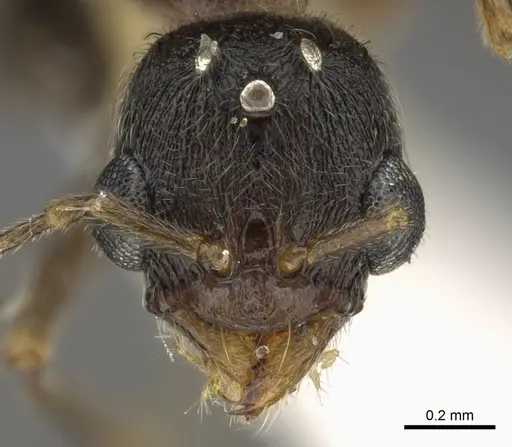
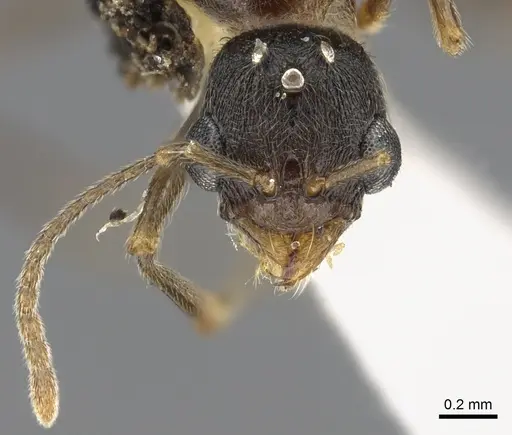
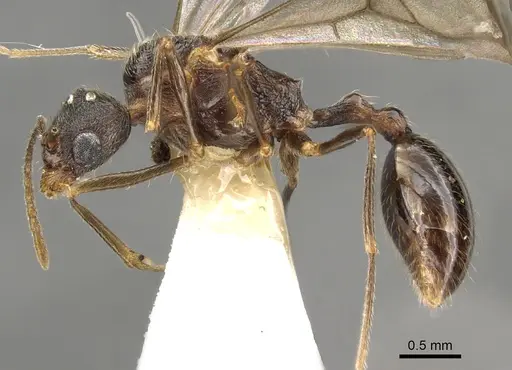
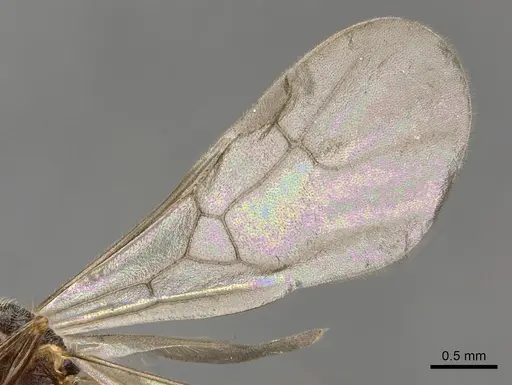
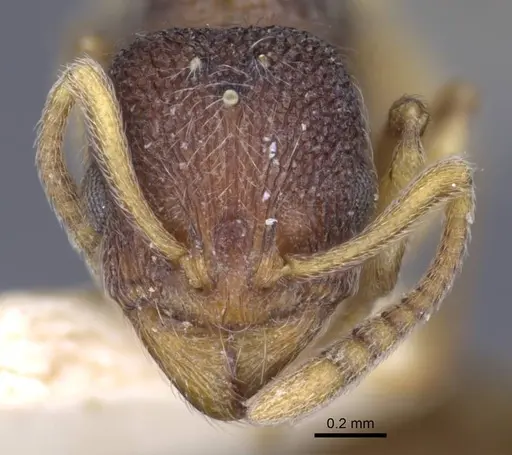
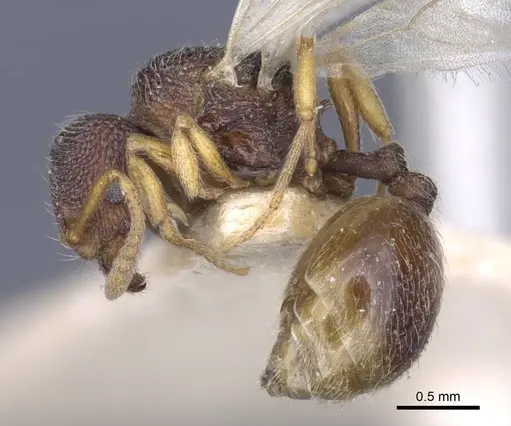
Stenamma westwoodii is a small, cryptic Myrmicine ant native to Western and Central Europe, including southern Britain, Belgium, the Netherlands, and parts of France . Workers measure 3.7-4.3 mm and are rusty red to dark brown, with a long-stalked petiole, tiny eyes, and moderately elongate legs . This ant lives hidden in well-drained woodland, nesting under stones, among tree roots, or in leaf litter . Colonies stay small, usually with 80-150 workers , though some sources report multiple queens . They are slow-moving, non-aggressive, and forage during early morning or on dull, warm days .
Quick Summary
- Difficulty: Medium
- Origin & Habitat: Southern Britain, Belgium, the Netherlands, southwest France, and scattered across South and Central Europe from Spain to the Caucasus [1][7]. Found in dry, well-drained woodland under deep stones, among tree roots, under moss, and in leaf litter [3][4][8]. Also recorded in oak-hornbeam forests and occasionally in parks [9][10].
- Colony Type: Social structure uncertain. AntWiki reports single-queen colonies, while some research describes polygyny (multiple queens per nest) [5][6]. The species appears to be facultatively polygynous, so both forms may occur.
- Size & Growth:
- Antkeeping:
- Temperature: Keep at 18-22°C. This is a moderately warmth-loving species, avoid extremes [13]. A slight drop at night is fine.
- Humidity: Provide a moisture gradient. Although the species is found in dry, well-drained habitats [3][13], laboratory studies recommend permanently moist nest walls for best results [14]. Keep one area of the nest consistently damp and allow a drier zone so ants can self-regulate.
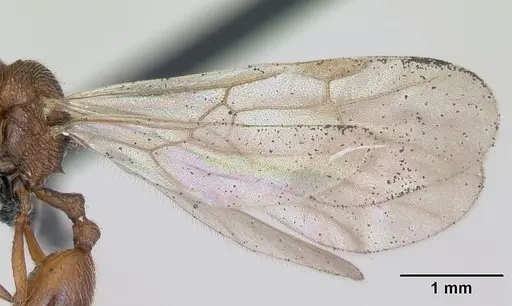
- Diapause: Yes, require winter hibernation. In nature, alatae appear from August to late autumn with flights in September-October [3]. Cool colonies to 5-10°C for 3-4 months (November to February) to maintain health.
- Nesting: Prefers dark, hidden locations. Plaster, Ytong, or soil nests work well, horizontal chambers are better than tall ones. Keep the nest covered and provide a humidity gradient. They often nest in the most sheltered, damp corner of the setup [14].
- Behavior: Calm and non-aggressive. Workers are slow-moving and avoid bright light, foraging mainly in early morning or on overcast days [3]. They are partly scavenging and partly predatory, feeding on small insects and mites. Due to their small size (3.7-4.3 mm), escape-proofing is important, though they are not strong climbers. They may tolerate nestmates from other colonies in the wild (parabiosis) [15], but in captivity it's best to keep colonies separate.
- Common Issues: colonies remain small (80-150 workers), don't expect rapid growth like Lasius or Formica, slow growth can tempt overfeeding, stick to small prey every 2-3 days, too much moisture can cause mold, too little can kill them, use a gradient, cryptic lifestyle means they may seem inactive, provide total darkness and don't disturb the nest, small size and docility make them high-risk for escapes, seal all gaps carefully
Housing and Nest Setup
Start with a standard test tube setup for the founding stage. Once the colony reaches 30-50 workers, transfer to a plaster, Ytong, or soil-based formicarium. Stenamma westwoodiii needs a humidity gradient, keep one side of the nest moist and the other dry, so ants can choose. Use dark covers to reduce light stress. Horizontal chambers work best, vertical spaces are unnecessary. Ensure all connections between nest and outworld are escape-proof (the ants are only 3.7-4.3 mm). The outworld can be simple, provide a small water source and a feeding area with tiny prey [14][3].
Feeding and Diet
In the wild, these ants are scavengers and predators of small insects and mites [3]. In captivity, offer tiny live prey: fruit flies (Drosophila), springtails, or pinhead crickets. They also accept crushed insects, protein gels, or boiled egg. Sugar sources like honey water are taken but less important, focus on protein. Feed small amounts every 2-3 days and remove leftovers to prevent mold. Because the workers are small, even tiny prey items are sufficient. Do not overfeed, leftovers can attract mites [3].
Temperature and Seasonal Care
Maintain 18-22°C year-round. This is a moderately warmth-loving species [13]. During summer, room temperature is usually fine. In winter, provide a strict diapause: reduce to 5-10°C for 3-4 months (November-February). This mimics natural conditions where alatae fly in September-October and colonies experience cold winters [3]. After diapause, slowly raise temperature to spring levels. Do not keep them warm all year, skipping hibernation may reduce queen lifespan [12].
Humidity Requirements
Stenamma westwoodiii requires consistent moisture, though opinions differ on exact levels. Laboratory rearing guides recommend permanently moist nest walls (gypsum nests) [14]. However, the natural habitat is well-drained woodland [3], and the species is described as xerophilic (dry-loving) by some [13]. The safest approach is to provide a clear moisture gradient: keep one chamber or section of the nest consistently damp, and let the rest be drier. This allows the colony to move to their preferred zone. Rehydrate the nest every few days, and monitor for condensation or drying out.
Behavior and Temperament
This species is calm, slow-moving, and completely non-aggressive toward other ant species [3]. Workers forage during early morning or on overcast days, they avoid bright light and are rarely seen in open, sunny conditions. In the wild, they are often found living in or near nests of other ants (e.g., Formica rufa, Lasius fuliginosus), which is thought to be random coexistence (parabiosis) rather than true symbiosis [15][16]. They do not defend territory actively. Their docile nature makes them easy to observe, but their small size and reclusive habits mean you may see little activity during the day.
Colony Development
Colonies grow slowly and remain small, typically 80-150 workers at maturity [4][3]. Queens have an impressive lifespan: up to 17-18 years in captivity [11][12]. Founding is unconfirmed but likely claustral, with the queen raising the first generation alone. Development from egg to worker is estimated at 8-12 weeks based on related species, but no direct data exist. After first workers emerge, growth continues steadily but never becomes explosive. Patience is essential, this is a long-lived, slow-growing ant ideal for keepers who enjoy subtle changes over months and years.
Frequently Asked Questions
How long does it take for Stenamma westwoodii to produce first workers?
There are no published data, but based on related myrmicines, expect about 8-12 weeks from egg to first worker at room temperature. The founding stage is slow, don't rush it.
Can I keep multiple Stenamma westwoodii queens together?
Probably not. Although some wild colonies are polygynous [5], in captivity unrelated queens usually fight. Stick to one queen per nest unless you are certain you have a polygynous strain.
Do Stenamma westwoodii sting?
They have a stinger (as Myrmicinae) but are so docile that stinging is extremely rare. The sting is very mild due to their small size, essentially painless to humans.
What do Stenamma westwoodii eat?
They are omnivorous, but protein is more important than sugar. In the wild they eat small insects and mites [3]. In captivity, offer fruit flies, springtails, or pieces of cricket. Sugar water or honey water can be offered occasionally as a supplement.
Do Stenamma westwoodii need hibernation?
Yes. They require a 3-4 month winter diapause at 5-10°C. This is essential for long-term colony health and queen longevity [12]. Nuptial flights occur in September-October [3], matching a natural winter rest.
How big do Stenamma westwoodii colonies get?
Mature colonies typically contain 80-150 workers [4][3]. They are one of the smaller ant species in captivity, do not expect huge colonies.
Are Stenamma westwoodii good for beginners?
They are a medium-difficulty species. Their main challenges are humidity control, slow growth, and their reclusive nature. They are not aggressive and require no specialist equipment, but patience is needed. Better suited to keepers who enjoy cryptic, small colonies.
Why are my Stenamma westwoodii not foraging?
They are crepuscular, they forage in early morning or on dull, warm days [3]. If you see no activity, check that the nest is dark and humid. They may be inactive if conditions are too dry or if they are in diapause.
When should I move Stenamma westwoodii to a formicarium?
Move them when the colony reaches 30-50 workers or when the test tube water runs low. Use a nest with a moisture gradient (plaster or Ytong) and keep it dark.
Is Stenamma westwoodii invasive?
No. This species is native to Western and Central Europe and is not established elsewhere. Never release captive ants, they could damage local ecosystems.
Report an Issue
The current care sheet is based fully on literature. See inconsistencies, or something that's incorrect? Please , it will be resolved after review from an admin. Contributing to the blogs tab also helps providing information, to make us be able to further improve the caresheets. Thank you for your support!
References

This caresheet is licensed under CC BY-SA 4.0 .
Community Blogs
CASENT0173134
View on AntWeb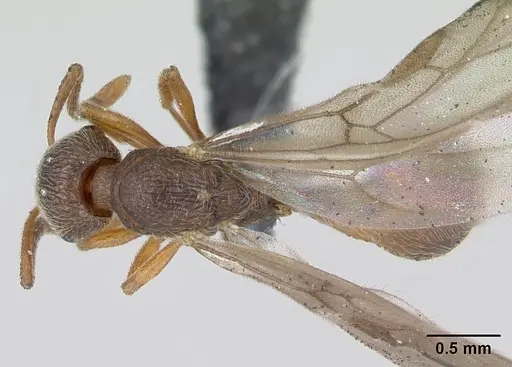
CASENT0901339
View on AntWeb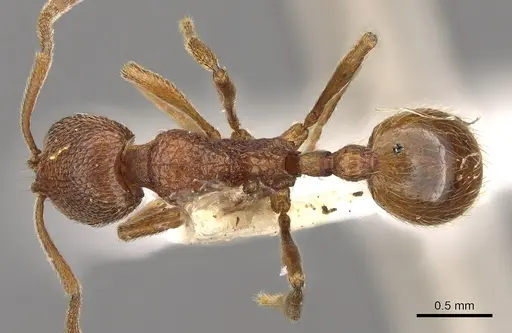
CASENT0901340
View on AntWeb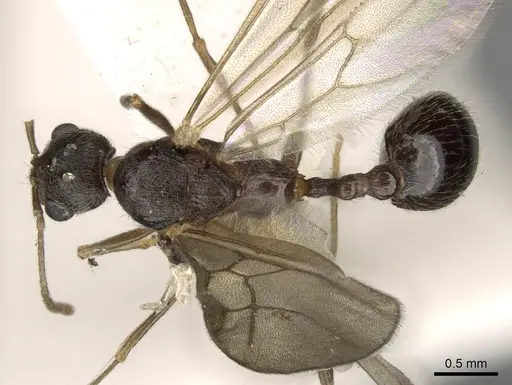
CASENT0916918
View on AntWeb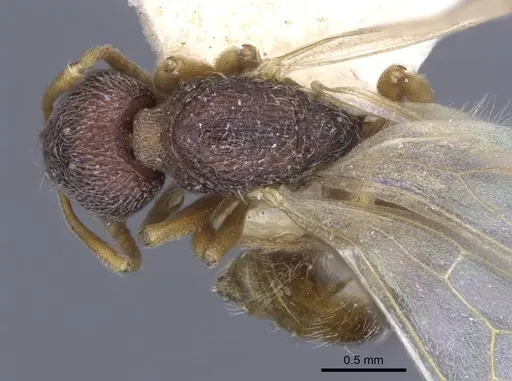
Literature
Loading distribution map...Loading products...