
Stenamma snellingi
- Sci. Name
- Stenamma snellingi
- Tribe
- Stenammini
- Subfamily
- Myrmicinae
- Author
- Bolton, 1995
- Distribution
- Found in 1 countries
Introduction
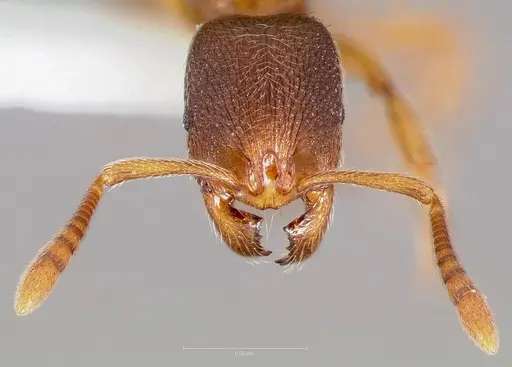
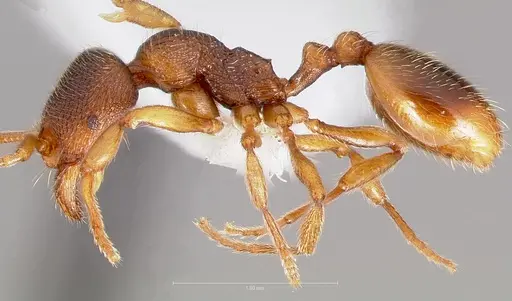
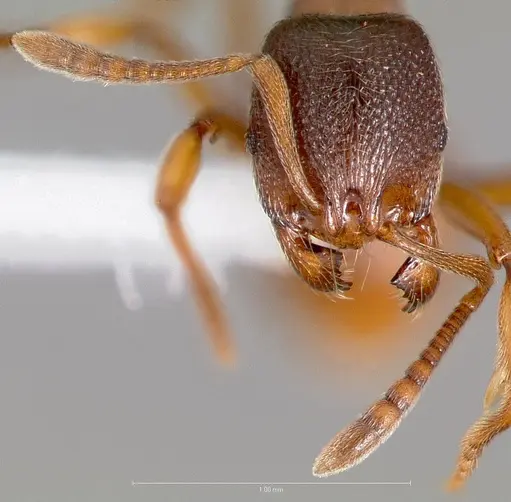
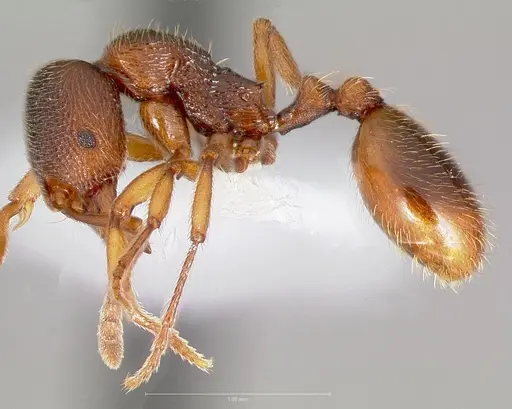
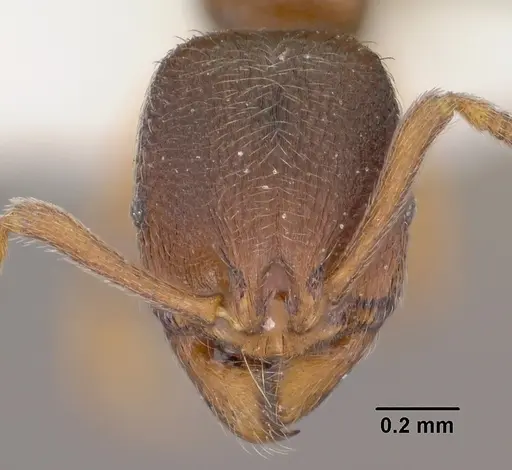
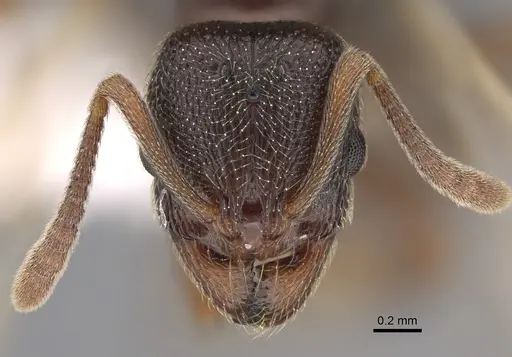
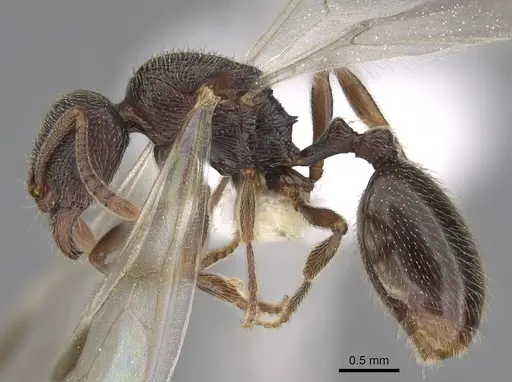
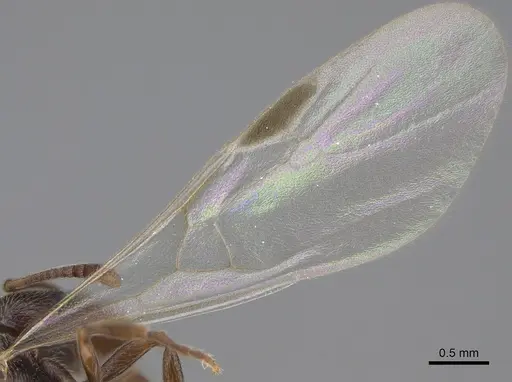
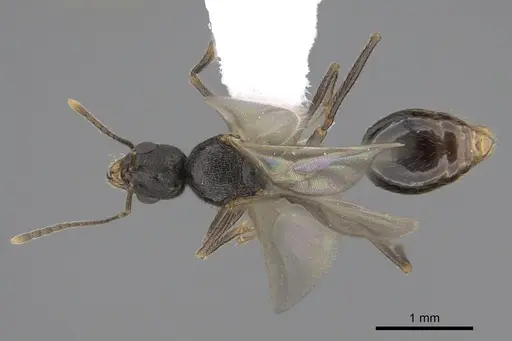
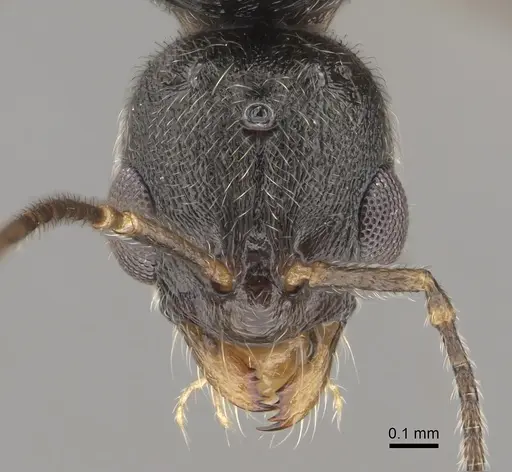
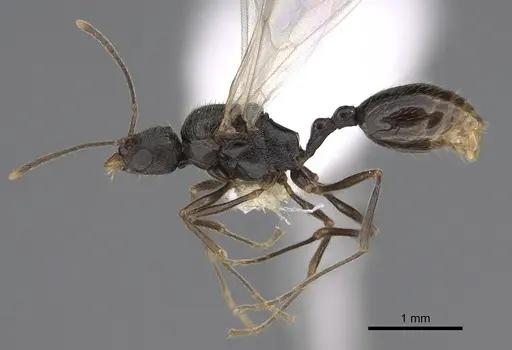
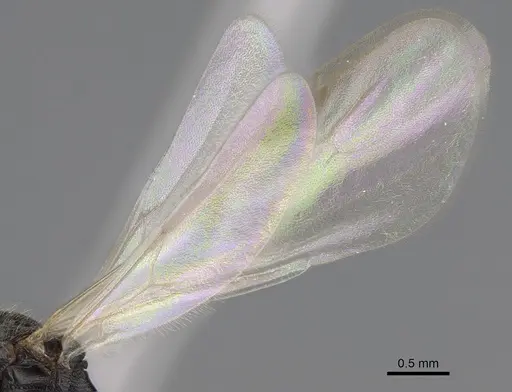
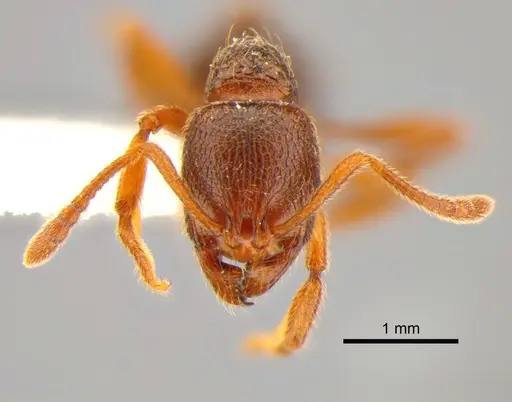
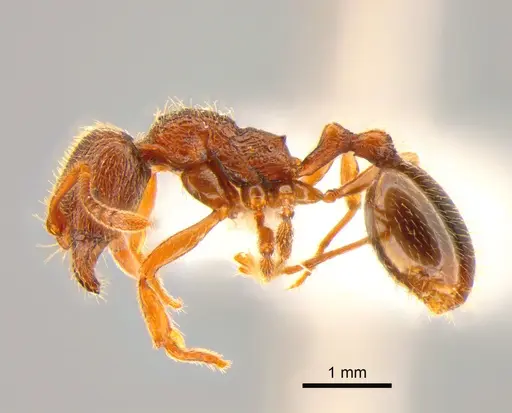
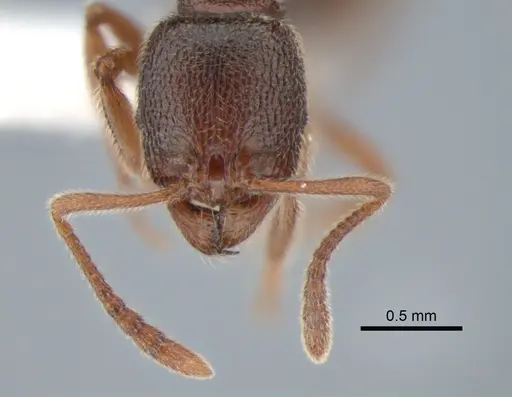
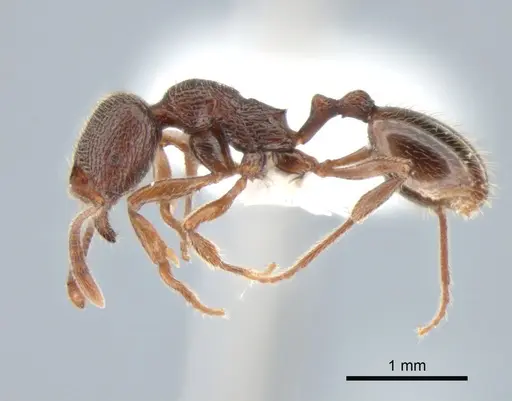
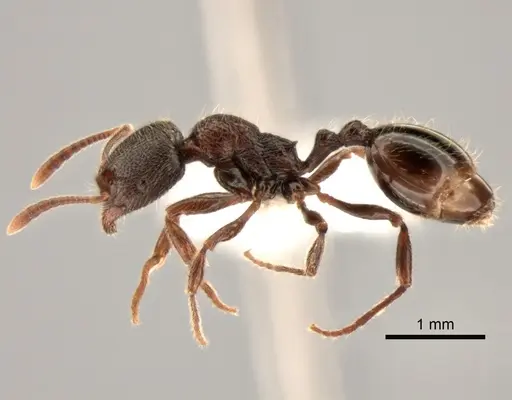
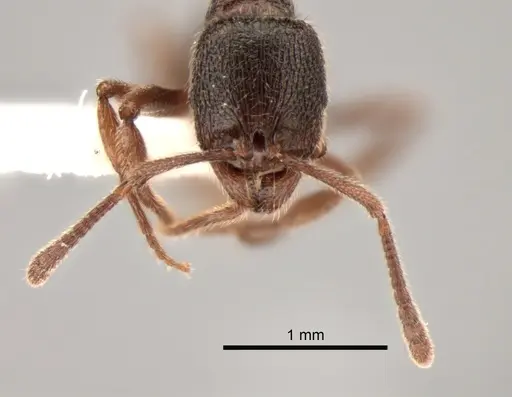
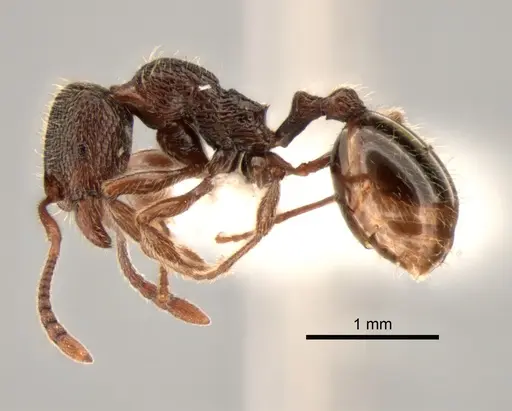
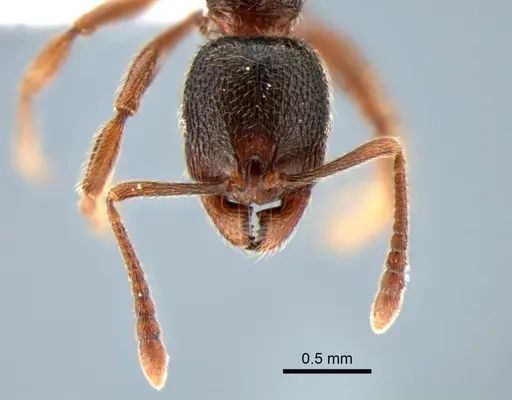
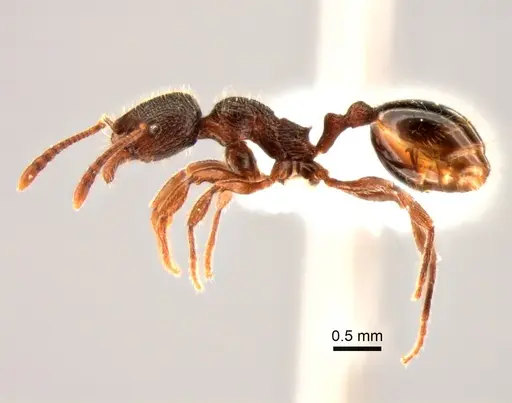
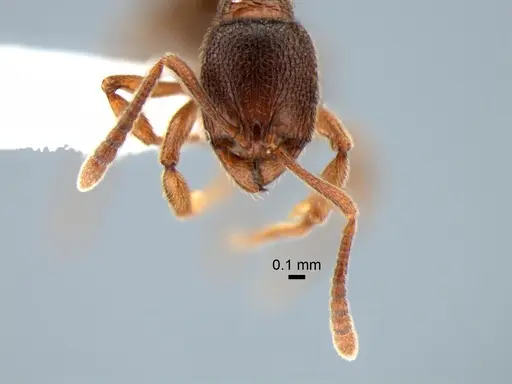
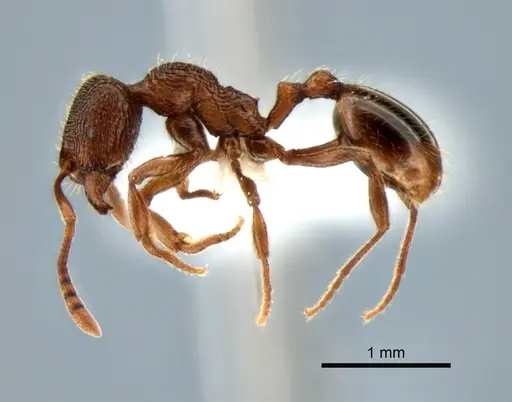
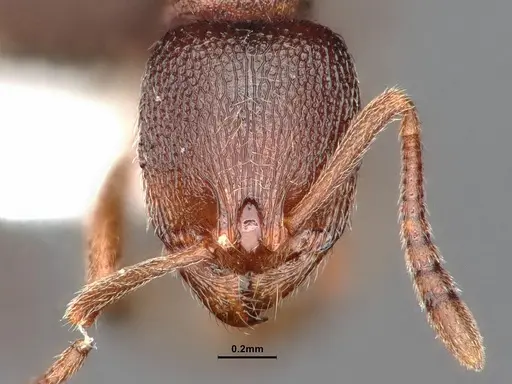
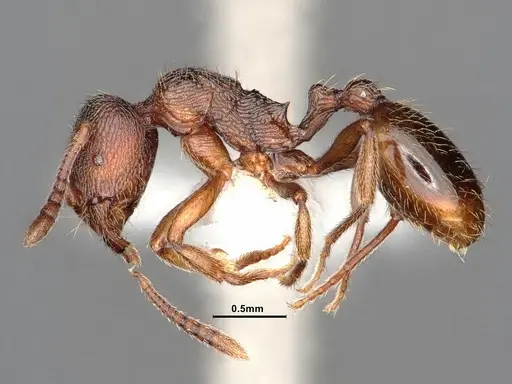
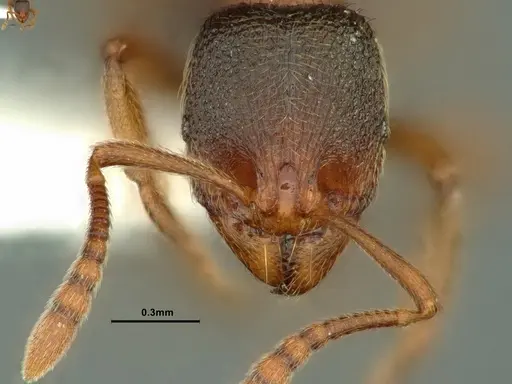
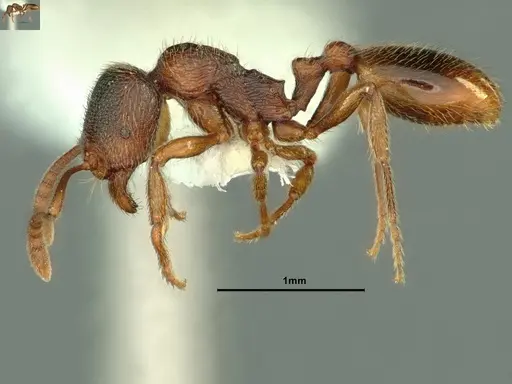
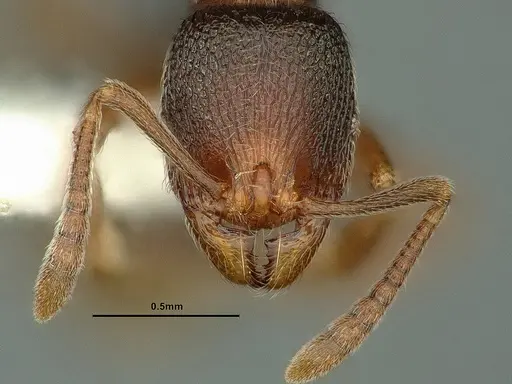
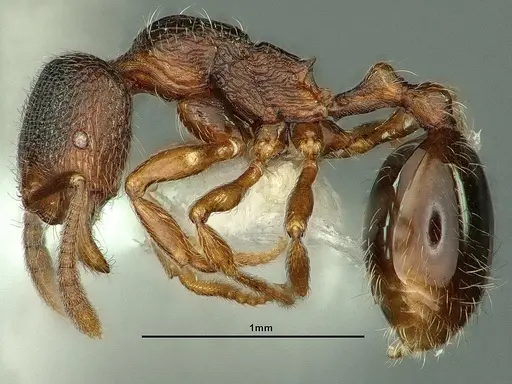
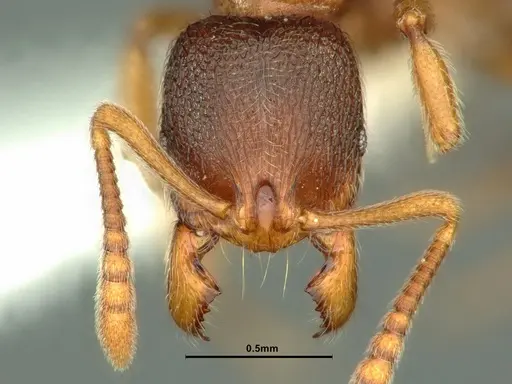
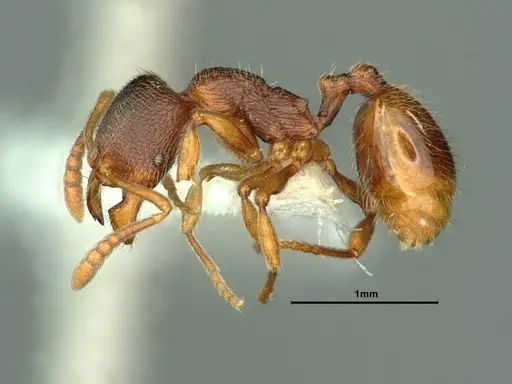
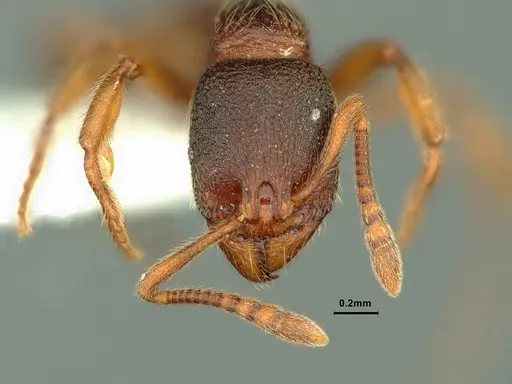
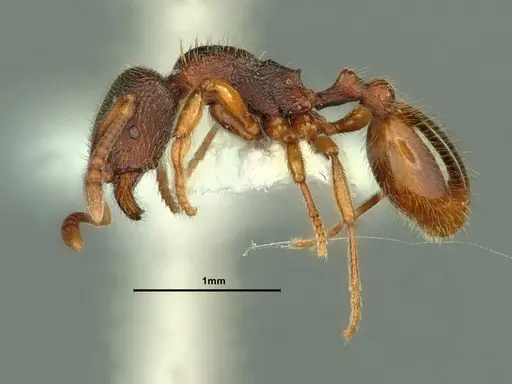
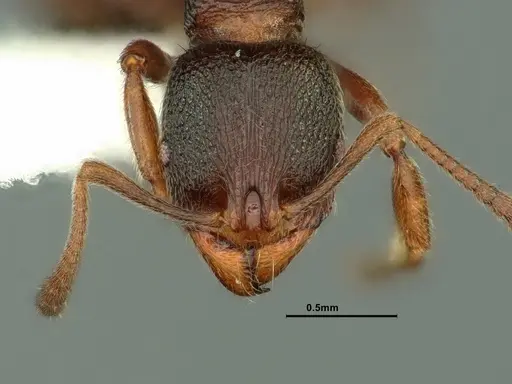
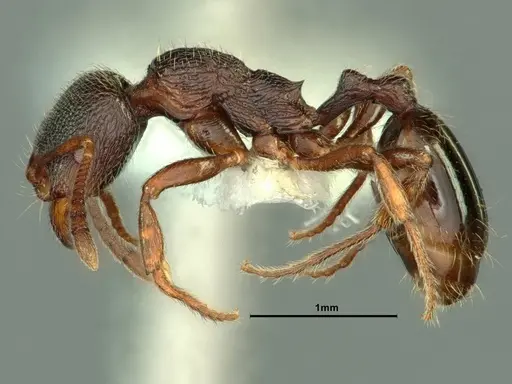
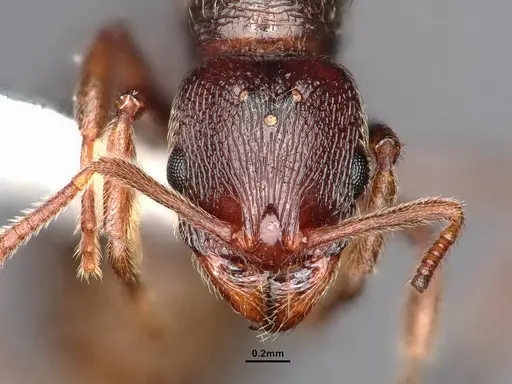
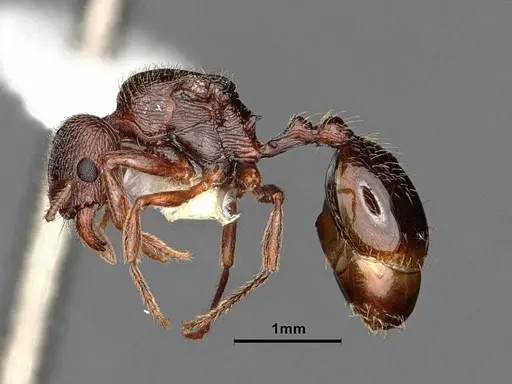
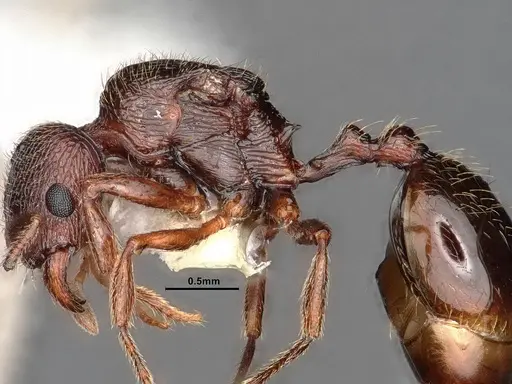
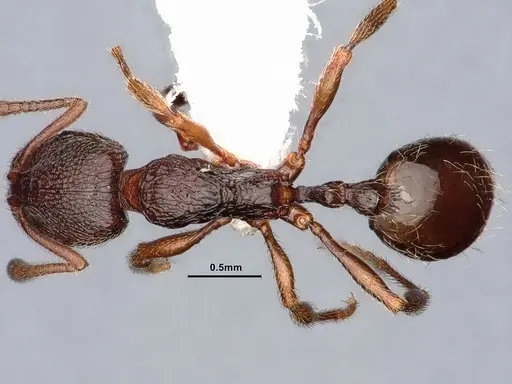
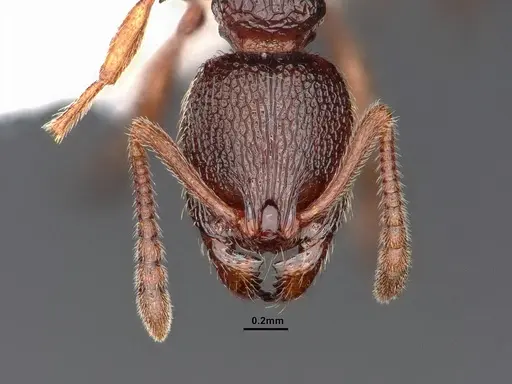
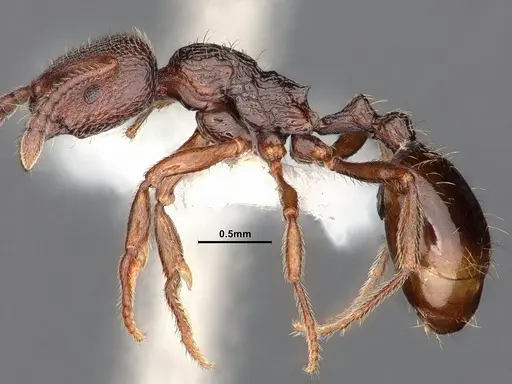
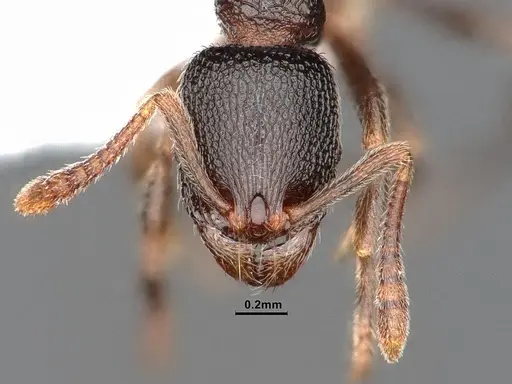
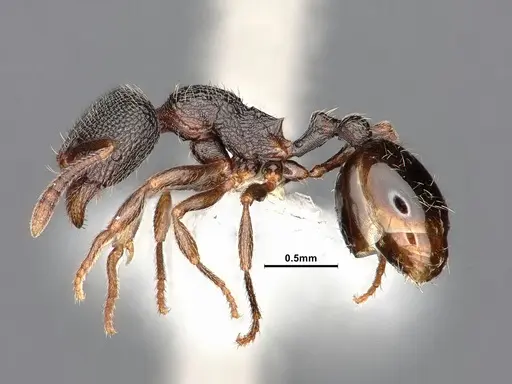
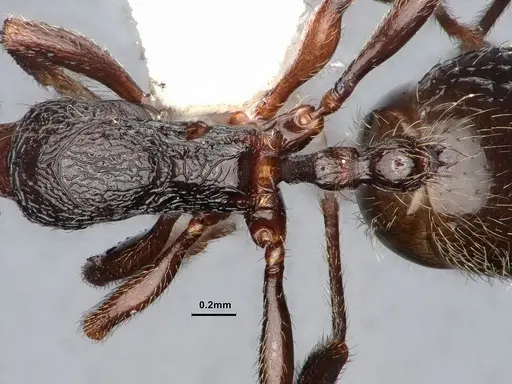
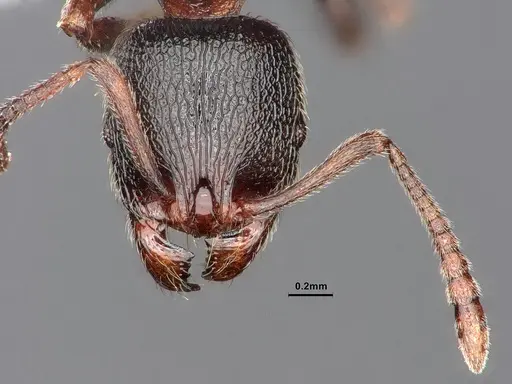
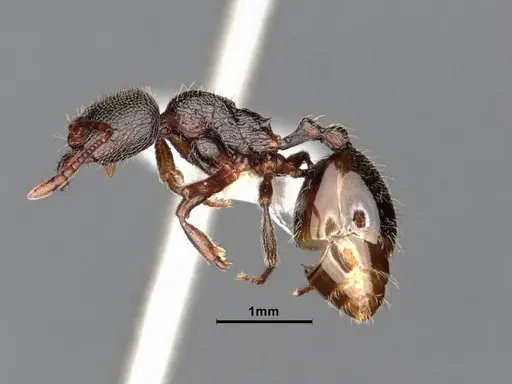
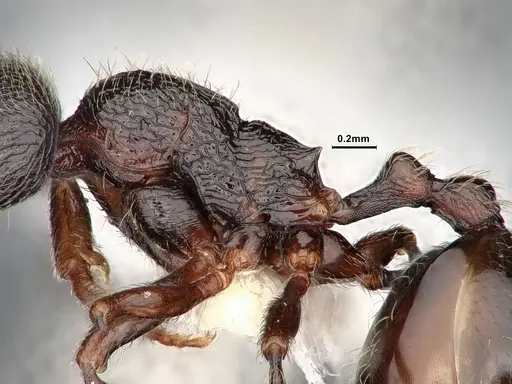
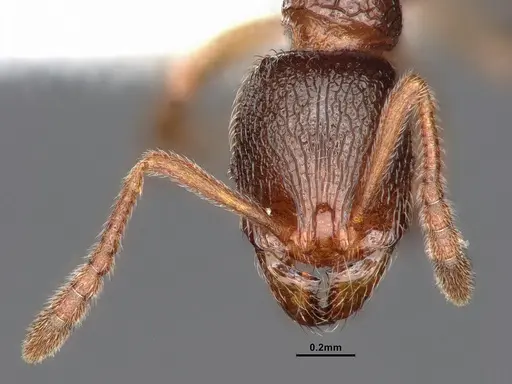
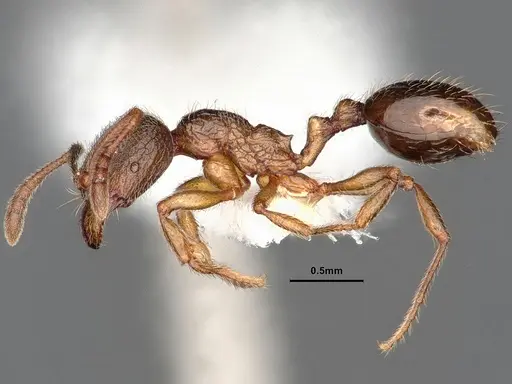
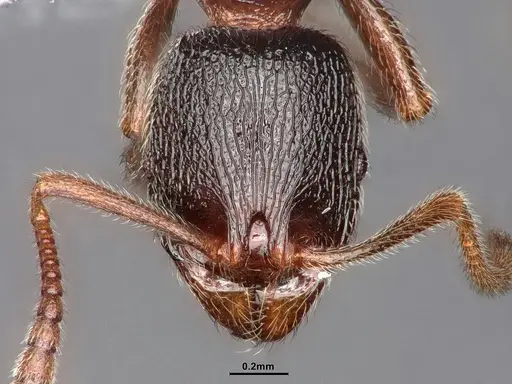
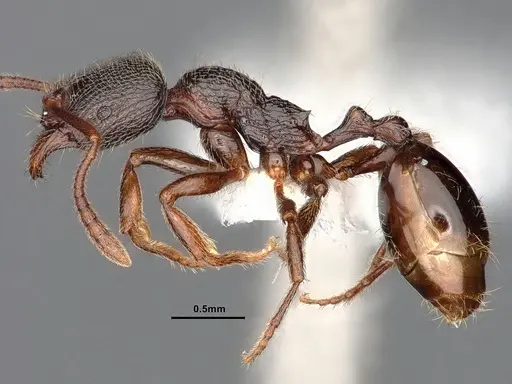
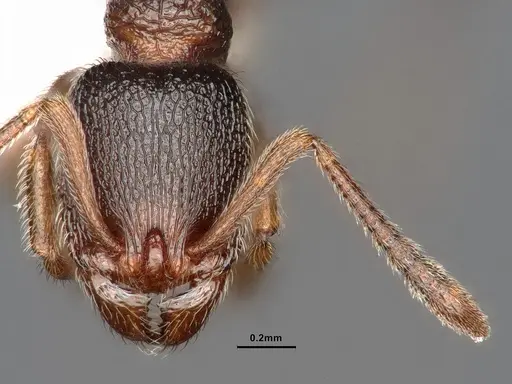
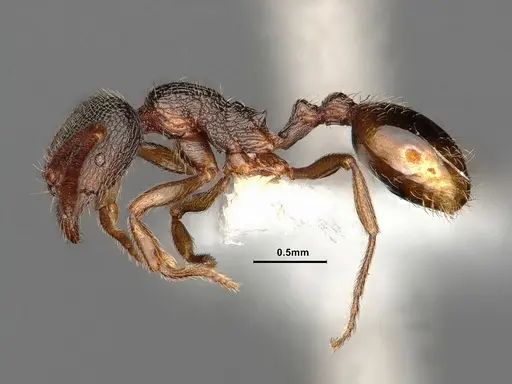
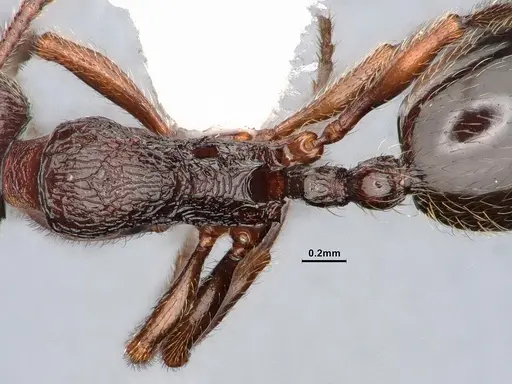
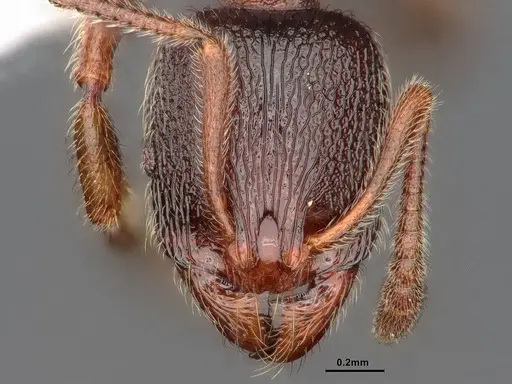
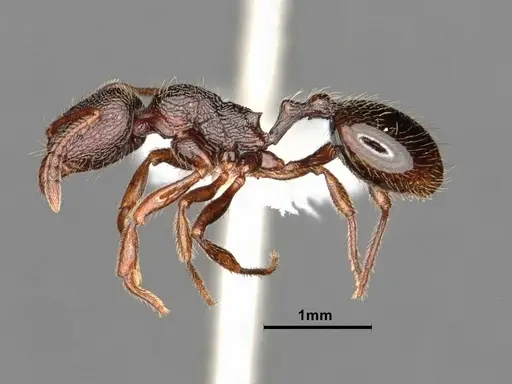
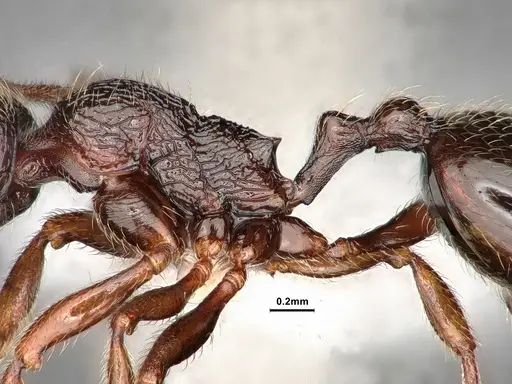
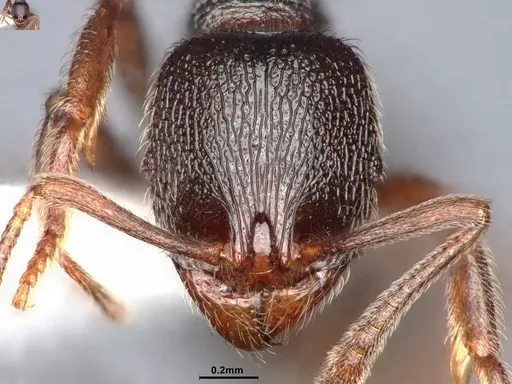
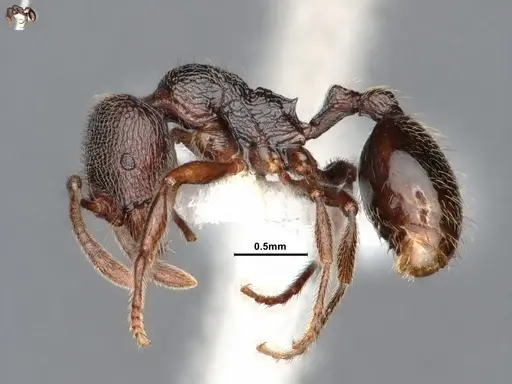
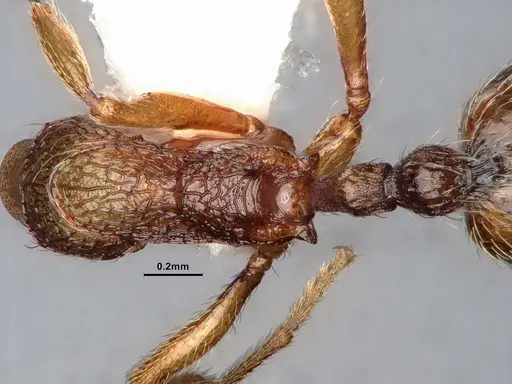
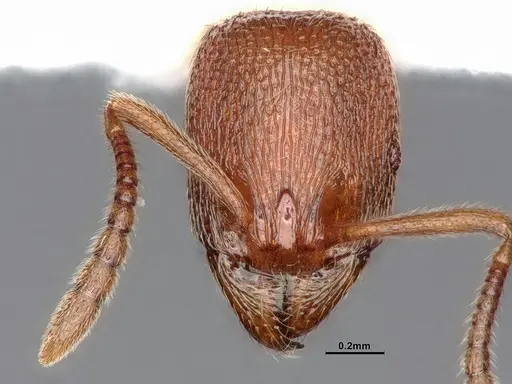
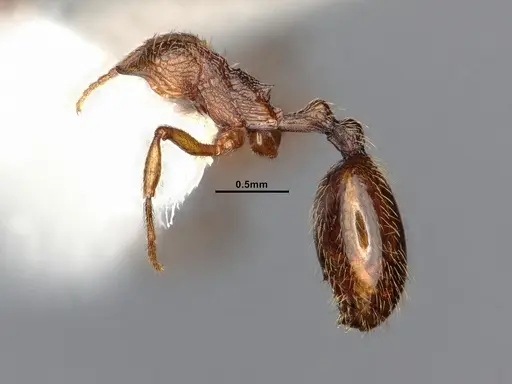
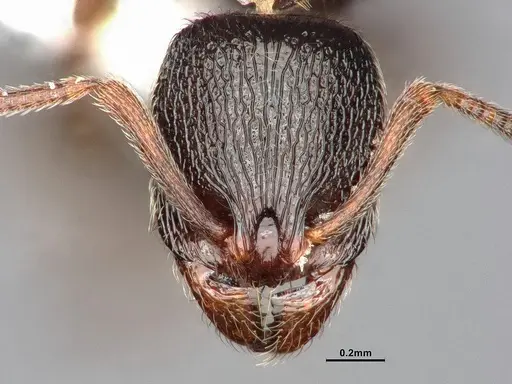
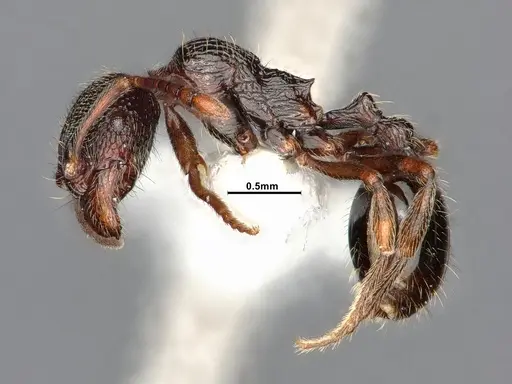
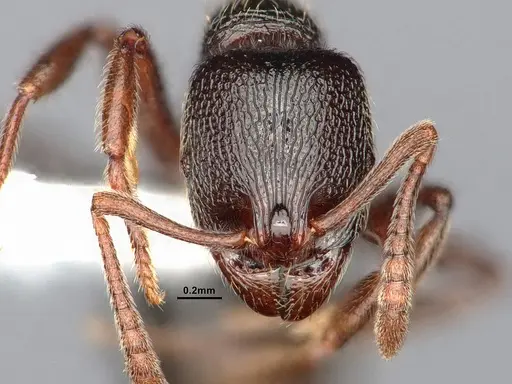
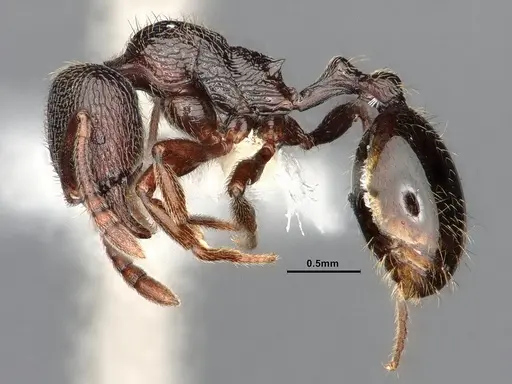
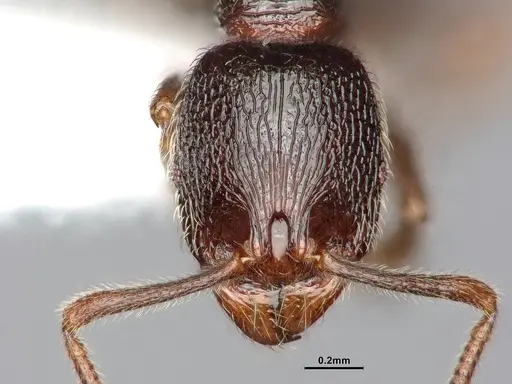
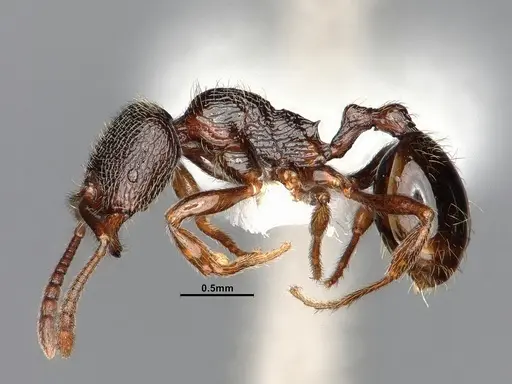
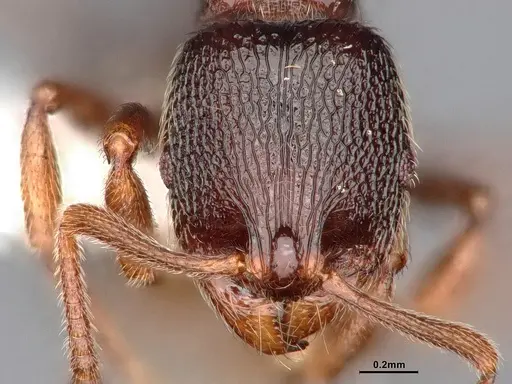
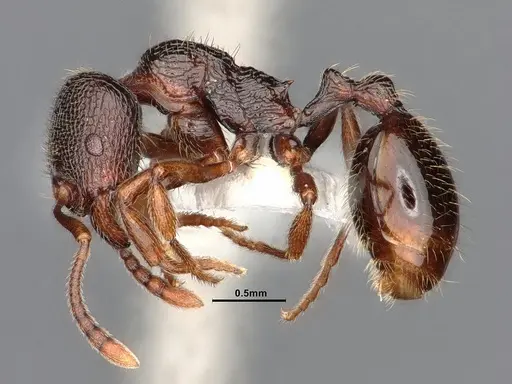
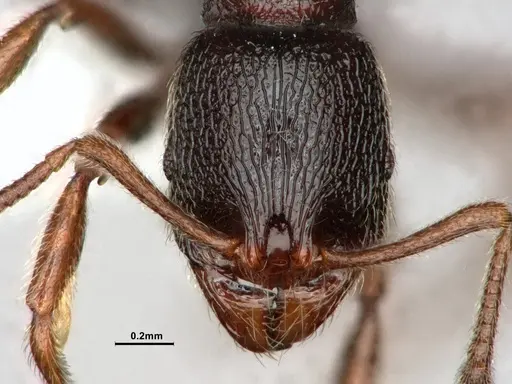
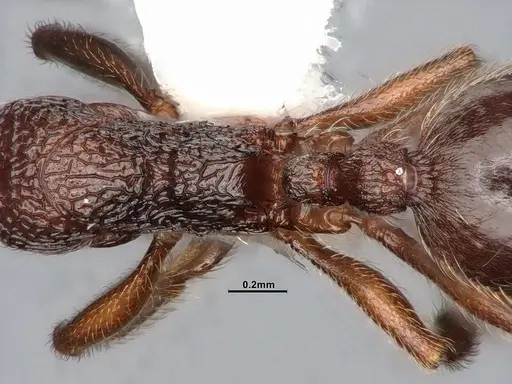
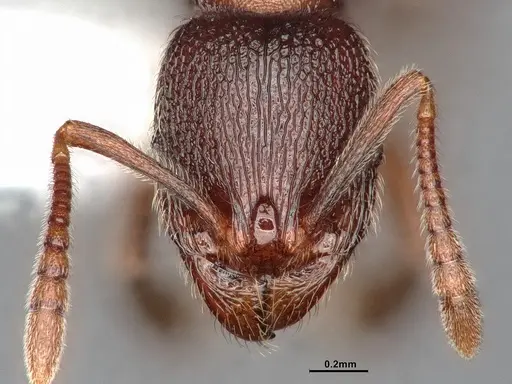
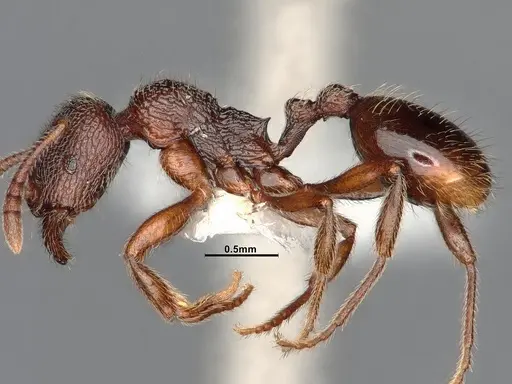
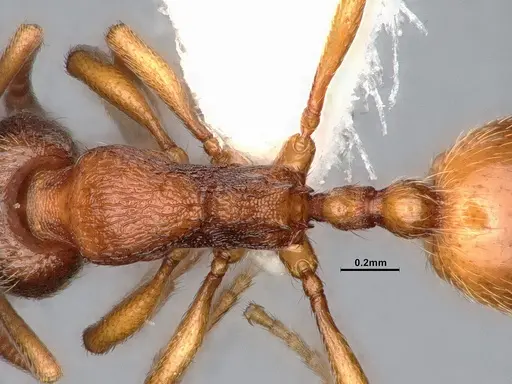
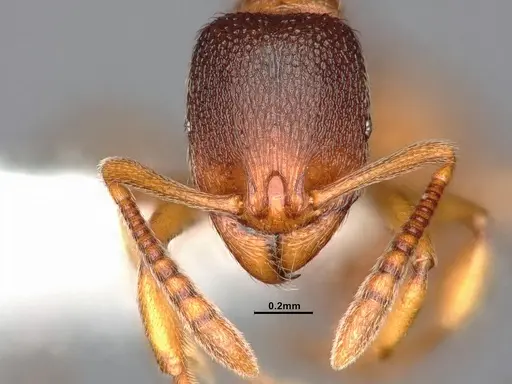
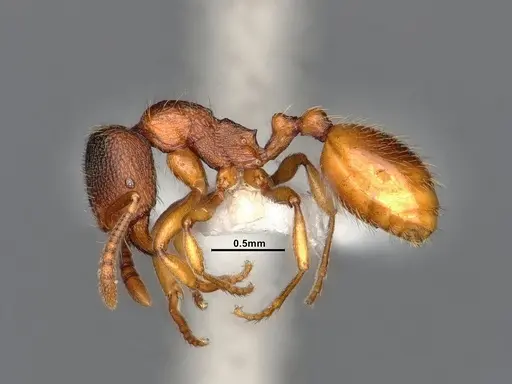
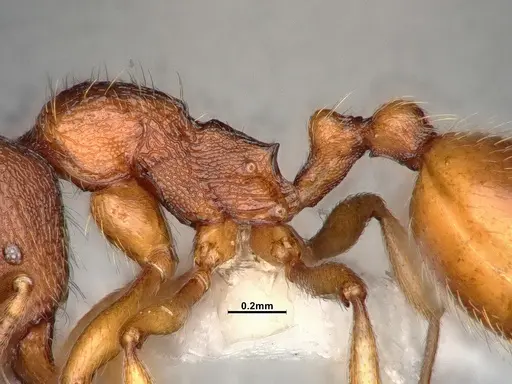
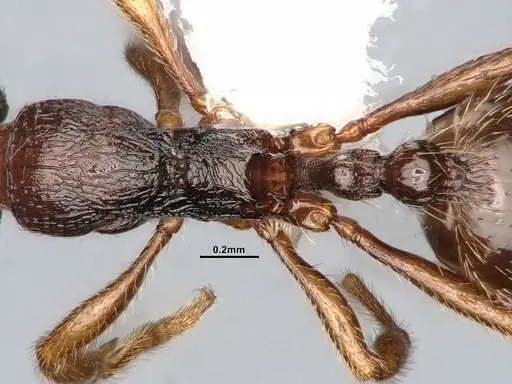
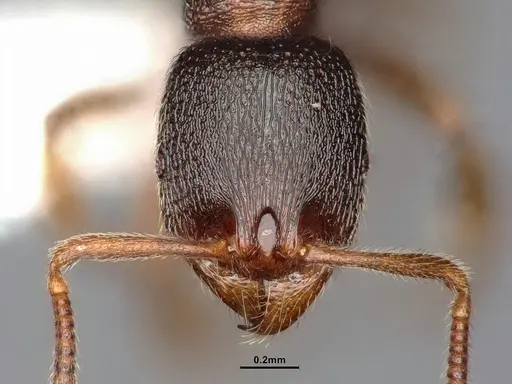
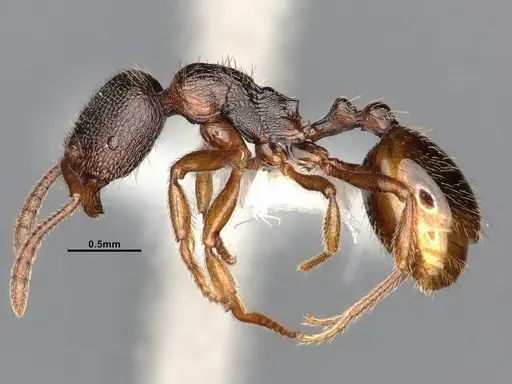
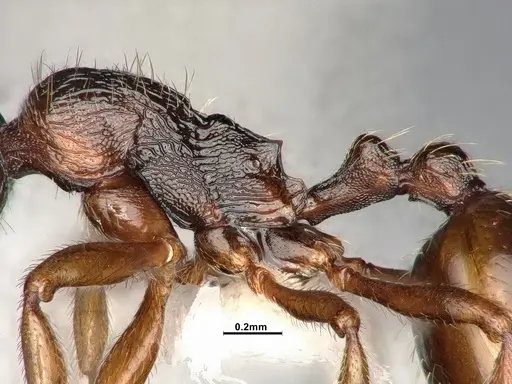
Stenamma snellingi is a small, dark brown ant native to western North America, ranging from British Columbia south to Baja California, Mexico, and east to Idaho, Colorado, and New Mexico . Workers measure 2.8-3.4 mm in total length, with a lighter gaster that has a dark transverse band near its middle . Queens are 4.5 mm long . This species is highly variable and closely related to *Stenamma diecki*, making identification challenging even with multiple specimens from the same nest . It is typically found in forest litter and nests in the soil beneath rocks, tolerating a wide range of conditions from near sea level to 9,000 feet in elevation . Alate (winged) males and females are produced from late summer into fall, with flights recorded as early as late August and into October .
Quick Summary
- Difficulty: Medium
- Origin & Habitat: Western North America: British Columbia (Canada) south to Baja California (Mexico), east to Idaho, Colorado, and New Mexico. Lives in forest litter layer and nests in soil beneath rocks [1][4].
- Colony Type: Monogyne (single queen), inferred based on typical *Stenamma* patterns (no direct evidence from studies).
- Size & Growth:
- Queen: 4.5 mm [1]
- Worker: 2.8-3.4 mm [1]
- Colony: Maximum unknown, estimated up to several hundred workers, based on typical *Stenamma* genus patterns.
- Growth: Moderate, inferred from extratropical distribution and related species.
- Development: Unknown, estimated 6-10 weeks based on related extratropical *Stenamma* species. No specific study for this species. (Development is temperature-dependent, cooler conditions slow growth.)
- Antkeeping:
- Temperature: Keep around 18-22 °C as a starting estimate. The species tolerates a wide altitude range (700-9,000 ft), suggesting good temperature flexibility, but avoid overheating. If in doubt, err on the cooler side [1].
- Humidity: Moderate to high. This forest-floor species prefers consistently moist soil, keep the substrate damp but not waterlogged.
- Diapause: Yes, likely required based on temperate origin. Duration is unknown, 2-3 months at 5-10 °C is a typical recommendation for temperate ants [1].
- Nesting: Y-tong or plaster nests work well. In the wild they nest under rocks in soil, so a naturalistic setup with a thin layer of soil substrate is ideal [1]. Test tubes are fine for founding colonies.
- Behavior: Peaceful and non-aggressive. Workers are small (~3 mm) and not defensive, they have a stinger (as Myrmicinae) but rarely use it. Escape risk is moderate due to small size, use tight lids and fine mesh. Activity is low to moderate, they are not vigorous foragers.
- Common Issues: colonies grow slowly, beginners may overfeed, causing mold, small size makes escape prevention important, use tight-fitting lids and fine mesh, humidity management is critical, too dry kills brood, too wet causes mold, founding queens are fragile, need a quiet, dark location during first brood development, winter dieback possible if diapause conditions are not provided
Housing and Nest Setup
A Y-tong or plaster nest works well for Stenamma snellingi. In the wild, all known colonies nest in soil beneath rocks [1], so a naturalistic setup with a thin layer of soil substrate is ideal. For founding, a standard test tube setup with a water reservoir is fine, the queen will seal herself into a chamber. Once the colony has 20-30 workers, you can move them to a small formicarium with chambers scaled to their size. Avoid overly large chambers where small ants may feel exposed. Good escape prevention is essential, these ants can squeeze through tiny gaps.
Feeding and Diet
Generalist foragers. Offer protein sources such as small mealworms, fruit flies, or other tiny insects twice weekly, along with sugar water or honey. Remove uneaten prey after 24-48 hours to prevent mold. Since they are small, prey must be sized appropriately. Once workers are established, keep sugar water available. Reduce feeding during diapause.
Temperature and Seasonal Care
Keep your colony at a cool room temperature of 18-22 °C. This species tolerates a wide altitude range (700-9,000 ft) in the wild [1], so it is flexible but sensitive to overheating. Provide a winter diapause period of 2-3 months at 5-10 °C, this mimics the natural seasonal cycle. Reduce feeding and keep the nest slightly drier but not bone-dry. Resume normal warmth and feeding gradually in spring.
Growth and Development
Exact founding behavior is unknown, but like most Stenamma species the queen likely raises the first brood in isolation. First workers (nanitics) typically appear within 6-10 weeks under good conditions (estimate based on related species). Growth is moderate, expect several months to reach 50 workers and a year or more to reach several hundred. Alates are produced in late summer (late August onward) in the wild [1], so established colonies may produce winged reproductives in later summer.
Behavior and Temperament
These are very peaceful ants. Workers forage slowly in the litter layer and are not aggressive. They have a stinger (Myrmicinae) but rarely use it. Their small size (under 3.5 mm) makes escape prevention critical, use fluon on edges and fine mesh on vents. Colonies appear to be monogyne (inferred). Not a high-activity species, but their subtle foraging behavior is interesting for keepers who appreciate quiet ants. [1][3]
Frequently Asked Questions
How long does it take for Stenamma snellingi to produce first workers?
About 6-10 weeks under optimal conditions (18-22 °C). This is an estimate based on related extratropical Stenamma species, as specific development data for S. snellingi is not available.
Are Stenamma snellingi ants good for beginners?
They are medium difficulty. Not the easiest but not hard. Main needs are proper humidity, moderate temperature, and a winter diapause. The slow growth may test patience, and their small size requires good escape prevention.
Do Stenamma snellingi ants sting?
They have a stinger (Myrmicinae) but are not aggressive and rarely use it. Not dangerous to keepers.
What do Stenamma snellingi ants eat?
They accept small insects (protein) and sugar sources. Feed fruit flies or tiny mealworms twice weekly, with constant access to sugar water or honey once workers are established.
Can I keep multiple Stenamma snellingi queens together?
Not recommended. This species is likely monogyne (single queen) based on typical Stenamma behavior, though no direct studies confirm this. Unrelated queens would probably fight.
Do Stenamma snellingi need hibernation?
Yes, a winter diapause is recommended. The natural occurrence of alates in late summer/fall and temperate distribution suggest a winter resting period. Provide 2-3 months at 5-10 °C, similar to many temperate ants. Specific duration for this species is unknown [1].
How big do Stenamma snellingi colonies get?
Maximum colony size is unknown. Based on typical Stenamma species, colonies likely reach several hundred workers at most.
Why are my Stenamma snellingi dying?
Common causes: too dry (need moist substrate), too hot (avoid overheating), mold from overfeeding, or stress during founding. Check humidity first. Also ensure they are not disturbed during founding.
When should I move Stenamma snellingi to a formicarium?
Keep in a test tube during founding. Move to a Y-tong or plaster nest when the colony has 20-30 workers and seems cramped. They can stay in test tubes longer than many species, so don't rush.
Where is Stenamma snellingi found in the wild?
Ranges from British Columbia (Canada) south to Baja California (Mexico), east to Idaho, Colorado, and New Mexico. They live in forest litter and nest in soil beneath rocks, from 700 to 9,000 feet elevation [1][4].
Report an Issue
The current care sheet is based fully on literature. See inconsistencies, or something that's incorrect? Please , it will be resolved after review from an admin. Contributing to the blogs tab also helps providing information, to make us be able to further improve the caresheets. Thank you for your support!
References

This caresheet is licensed under CC BY-SA 4.0 .
Community Blogs
CASENT0005823
View on AntWeb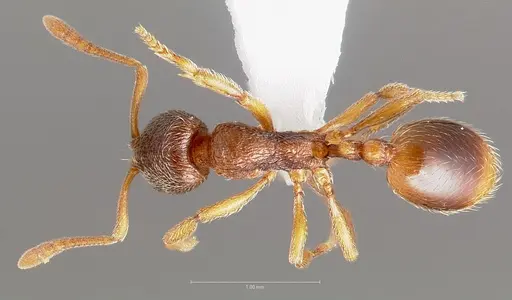
CASENT0005824
View on AntWeb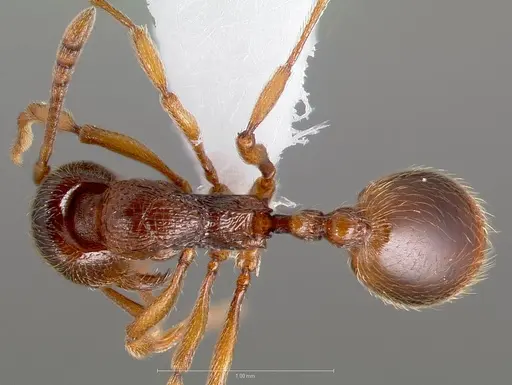
CASENT0102902
View on AntWeb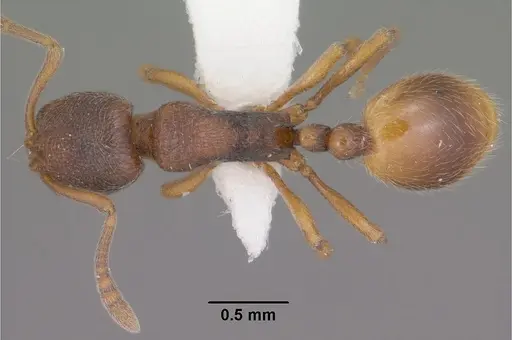
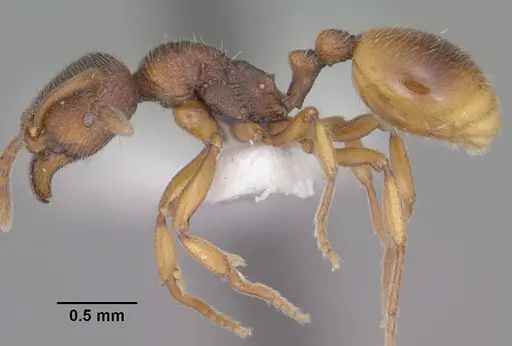
CASENT0221898
View on AntWeb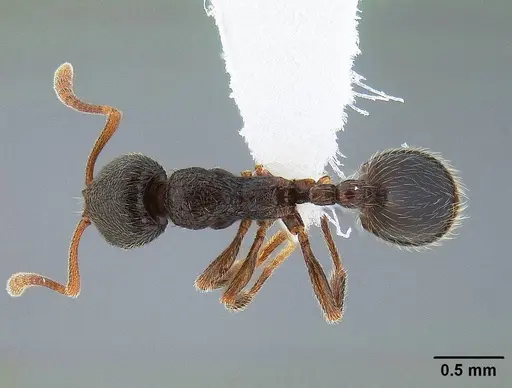
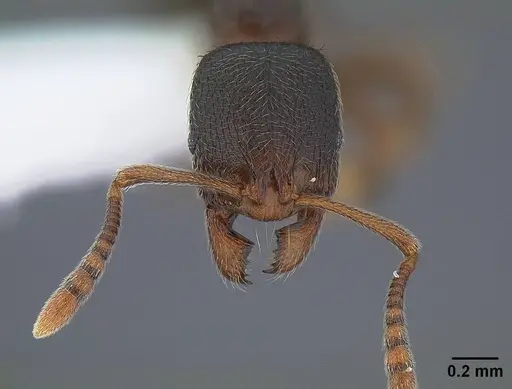
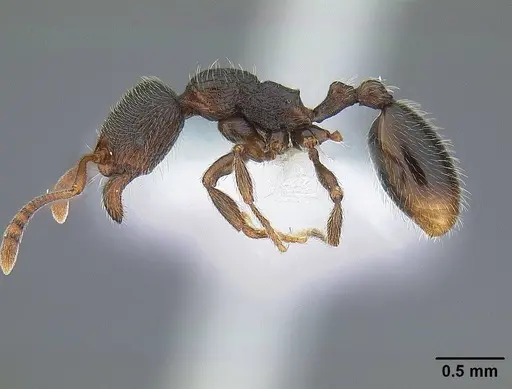
CASENT0761006
View on AntWeb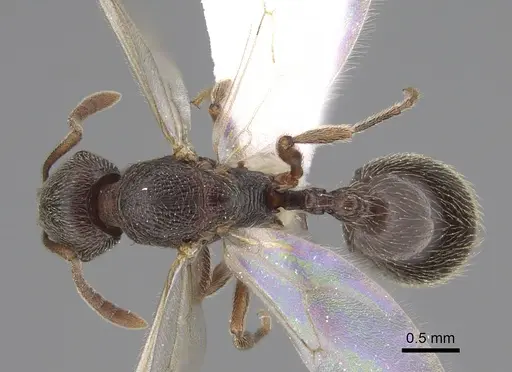
CASENT0761007
View on AntWeb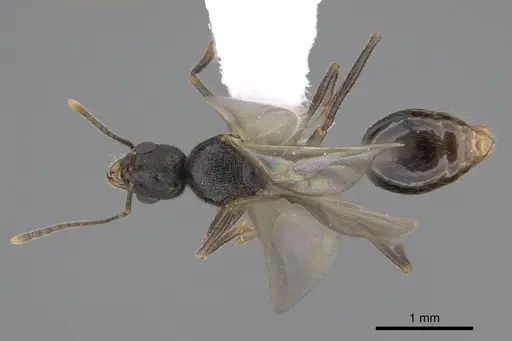
CASENT0882255
View on AntWeb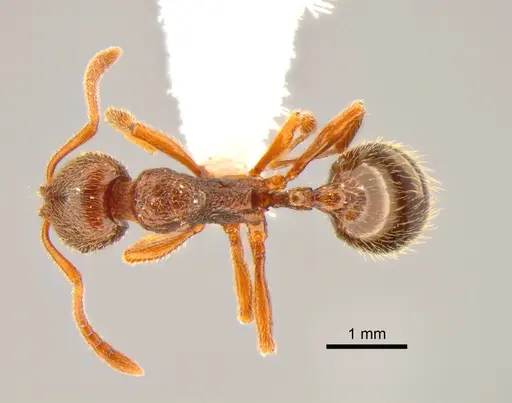
CASENT0882256
View on AntWeb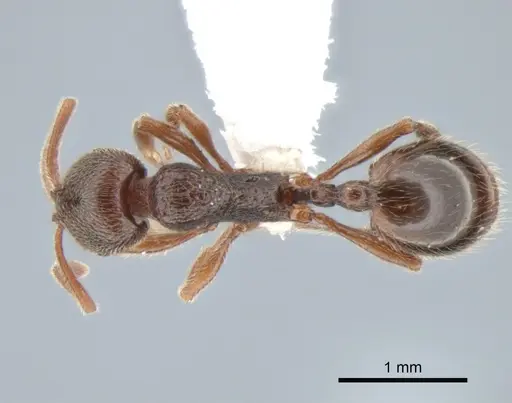
CASENT0882257
View on AntWeb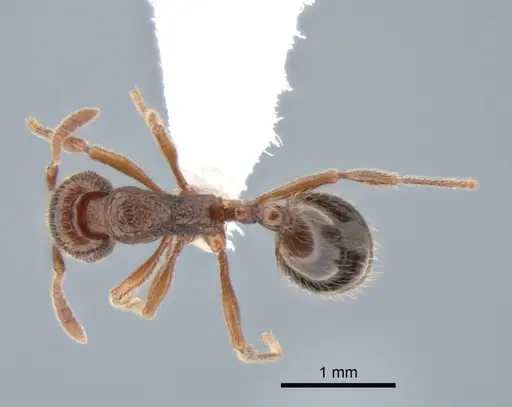
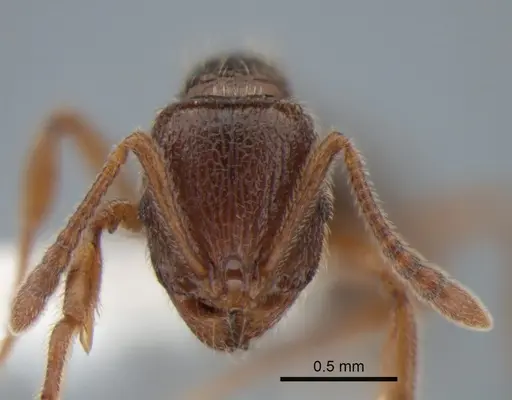
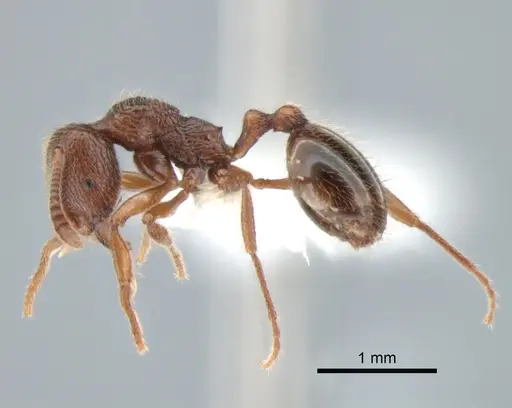
CASENT0882261
View on AntWeb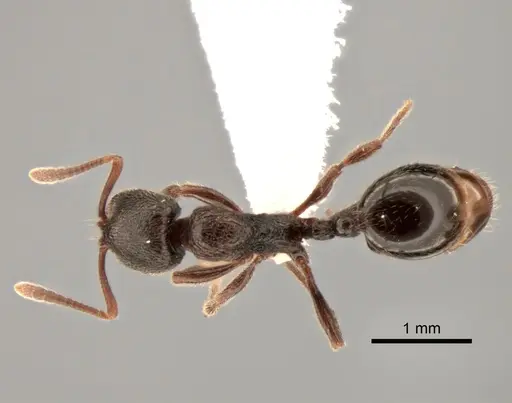
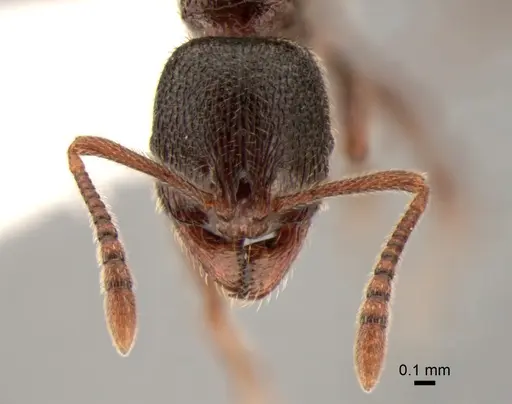
CASENT0882262
View on AntWeb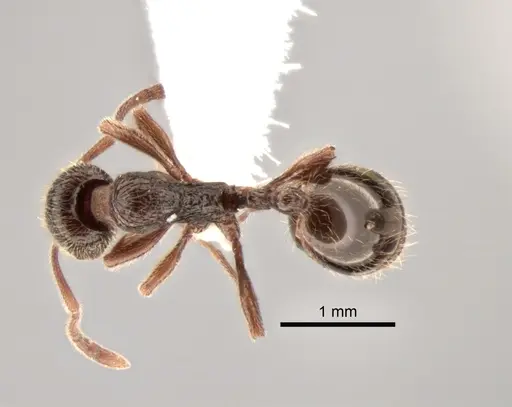
CASENT0882269
View on AntWeb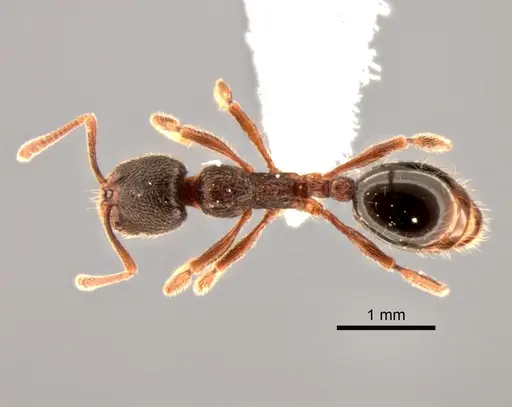
CASENT0882270
View on AntWeb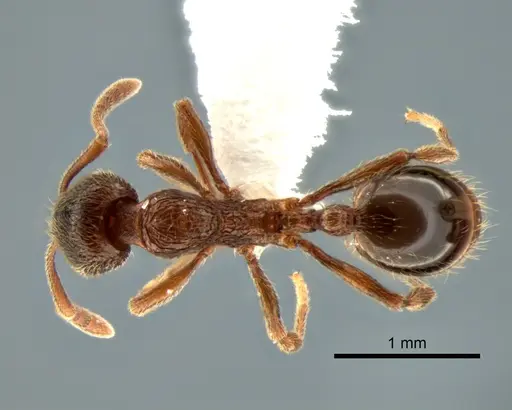
CASENT0883302
View on AntWeb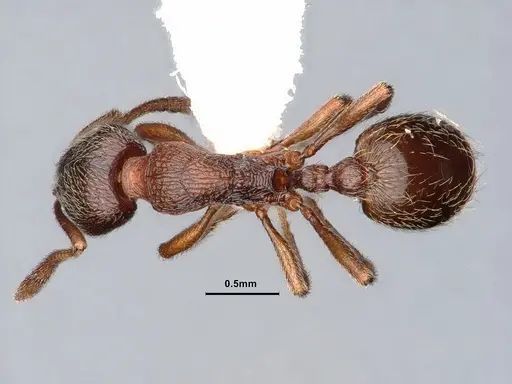
CASENT0883382
View on AntWeb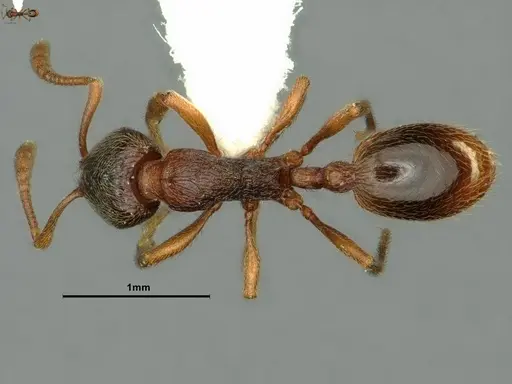
CASENT0883416
View on AntWeb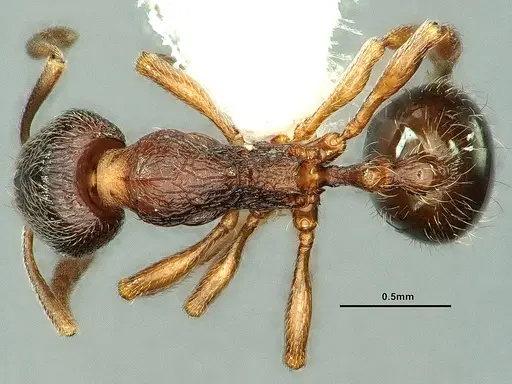
CASENT0883417
View on AntWeb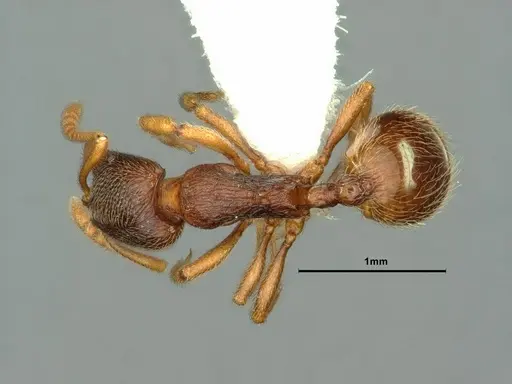
CASENT0883418
View on AntWeb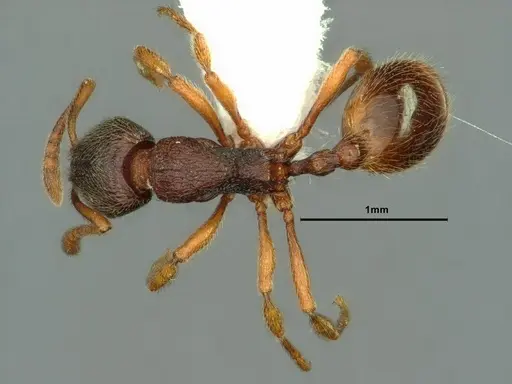
CASENT0883420
View on AntWeb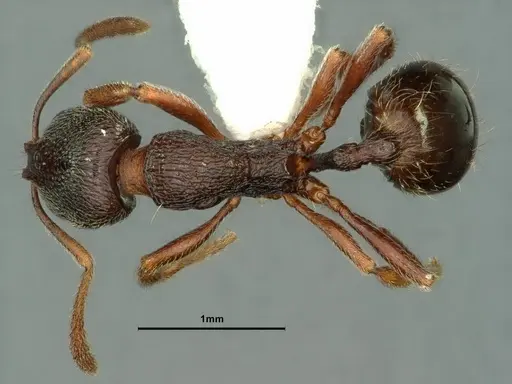
CASENT0884234
View on AntWeb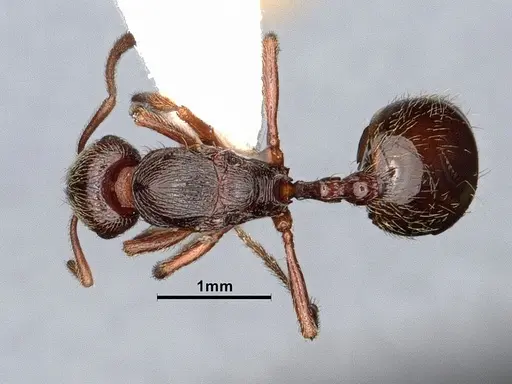
CASENT0884237
View on AntWeb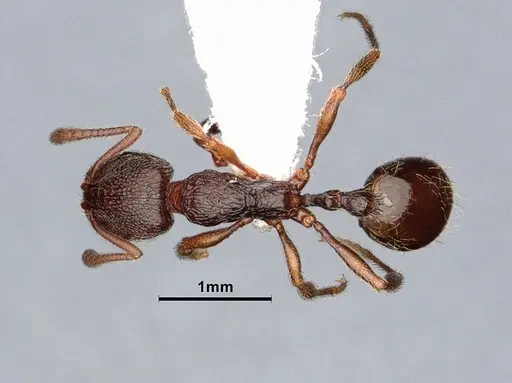
CASENT0884239
View on AntWeb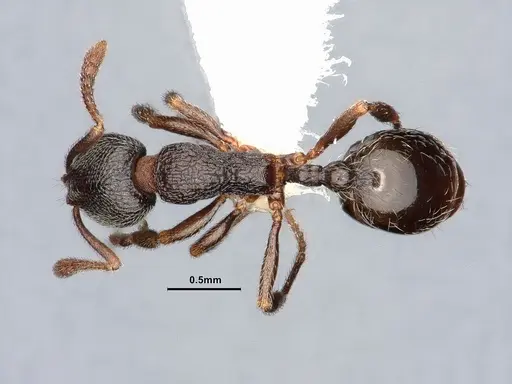
CASENT0884242
View on AntWeb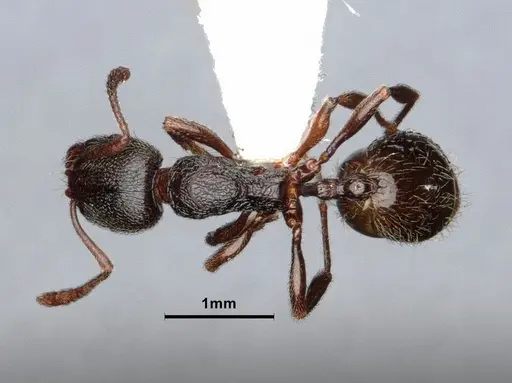
CASENT0884243
View on AntWeb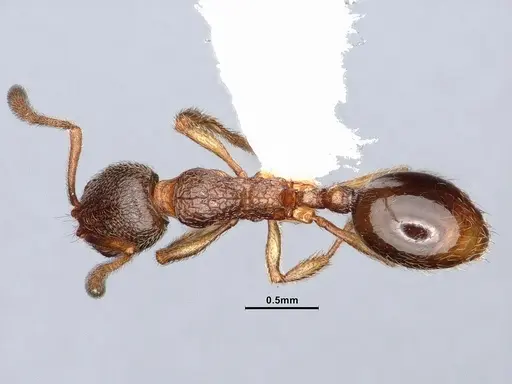
CASENT0884246
View on AntWeb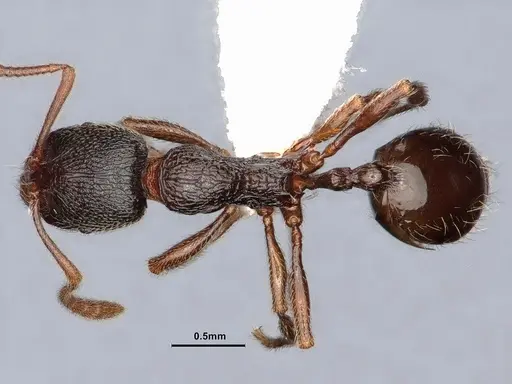
CASENT0884250
View on AntWeb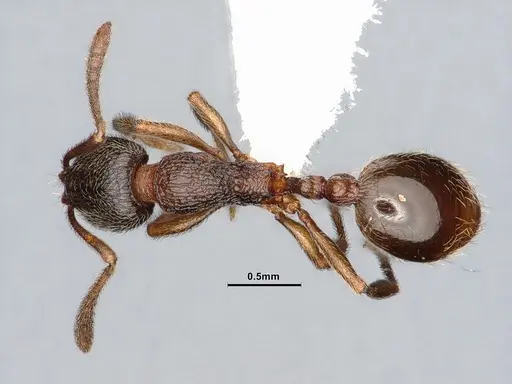
CASENT0884268
View on AntWeb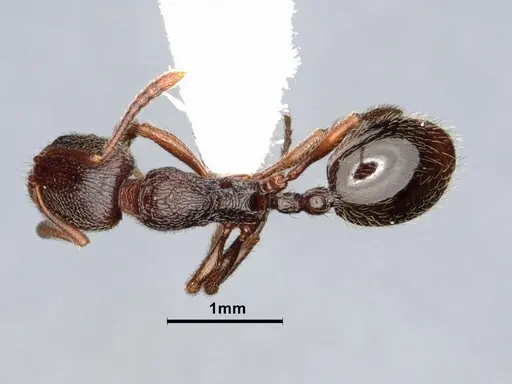
CASENT0884447
View on AntWeb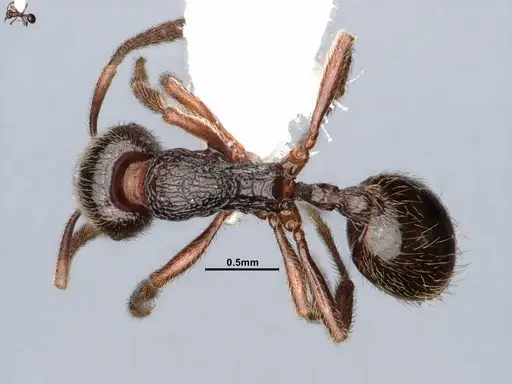
CASENT0884753
View on AntWeb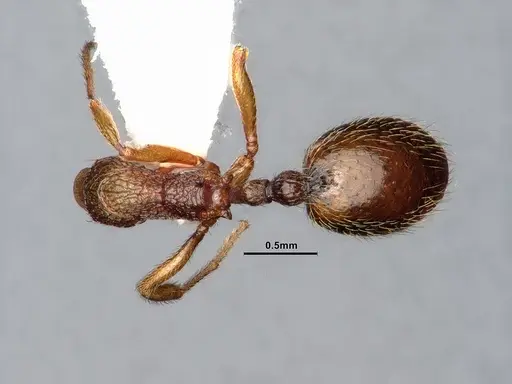
CASENT0885482
View on AntWeb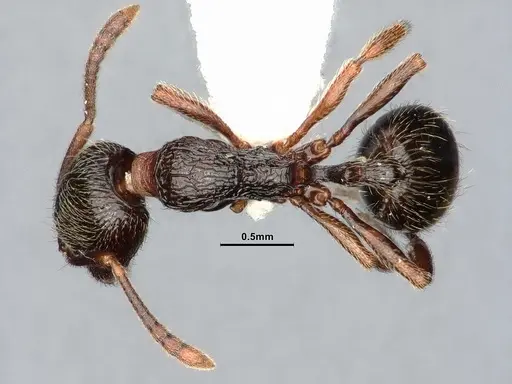
CASENT0885487
View on AntWeb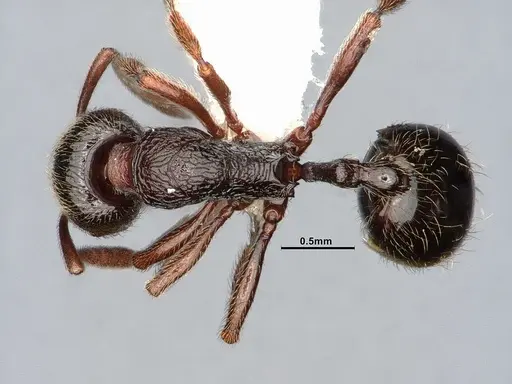
CASENT0885488
View on AntWeb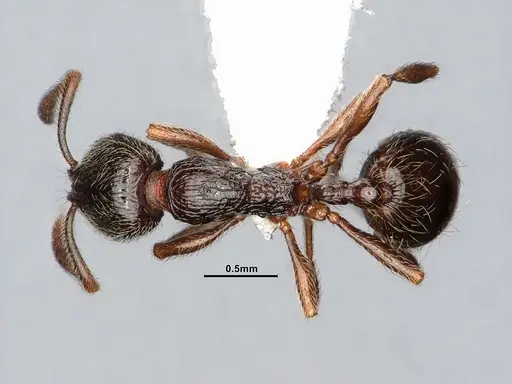
CASENT0885521
View on AntWeb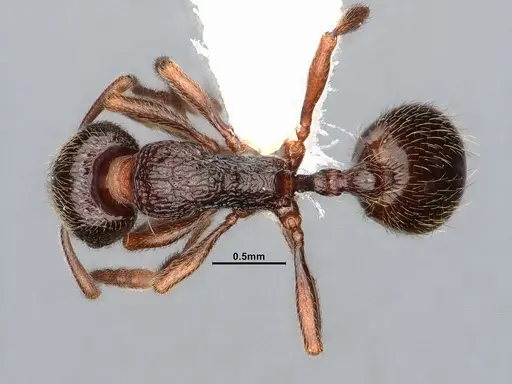
CASENT0886990
View on AntWeb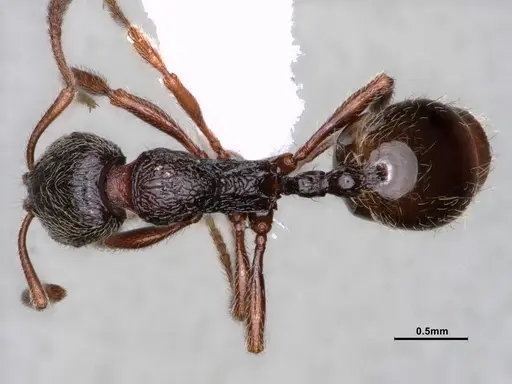
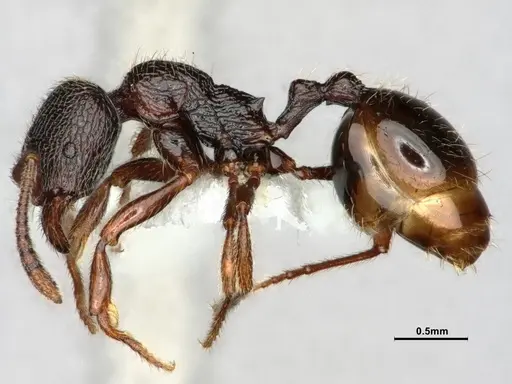
CASENT0911241
View on AntWeb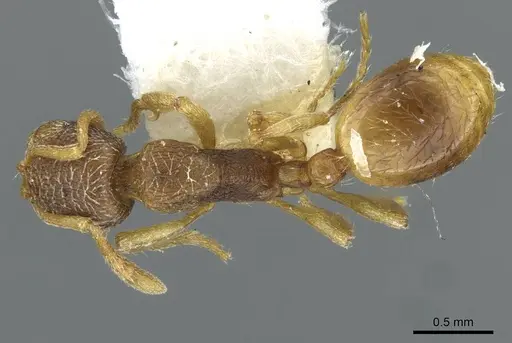
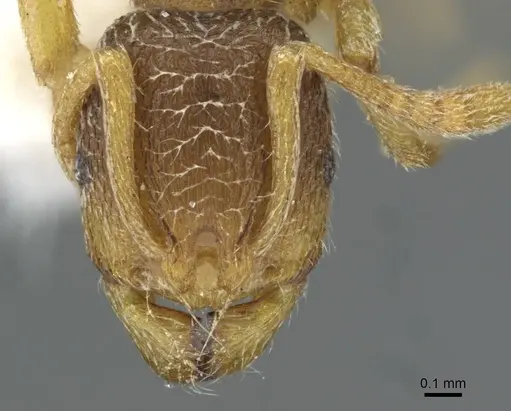
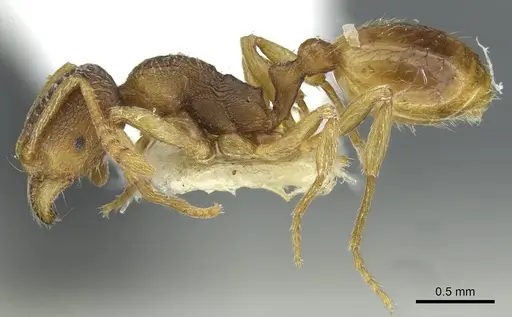
CASENT4031366
View on AntWeb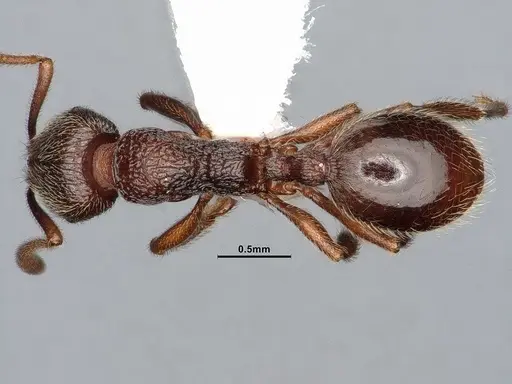
CASENT4031373
View on AntWeb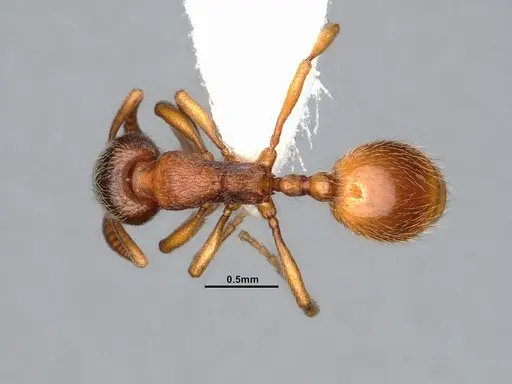
CASENT4031379
View on AntWeb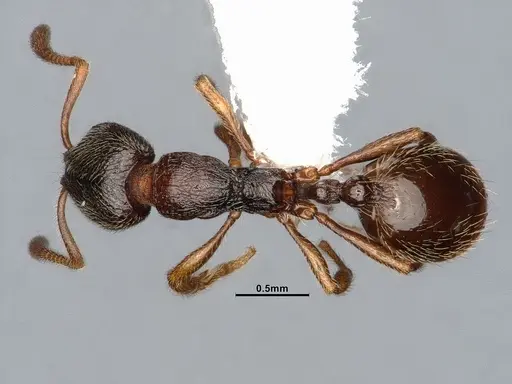
Literature
Loading distribution map...Loading products...