
Stenamma smithi
- Sci. Name
- Stenamma smithi
- Tribe
- Stenammini
- Subfamily
- Myrmicinae
- Author
- Cole, 1966
- Distribution
- Found in 1 countries
Introduction
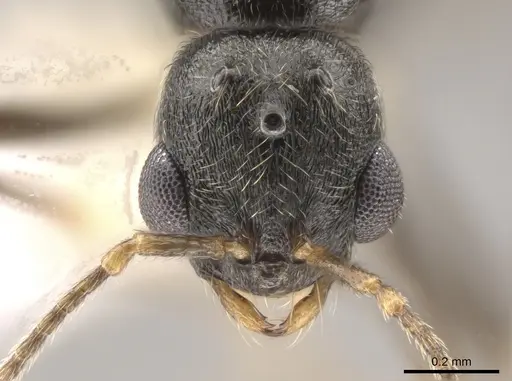
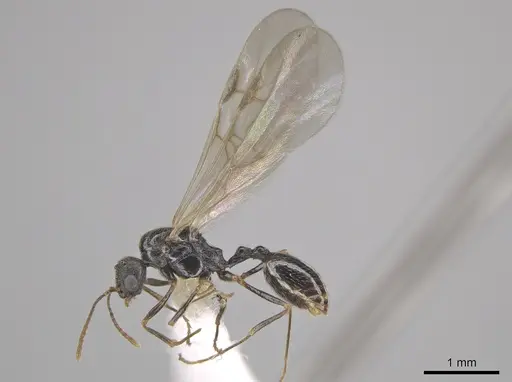
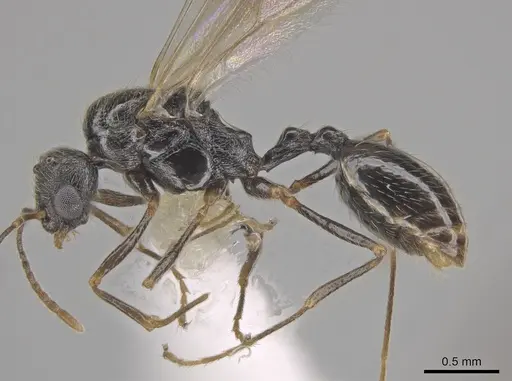
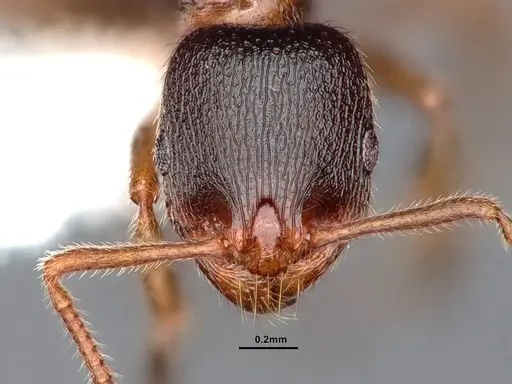
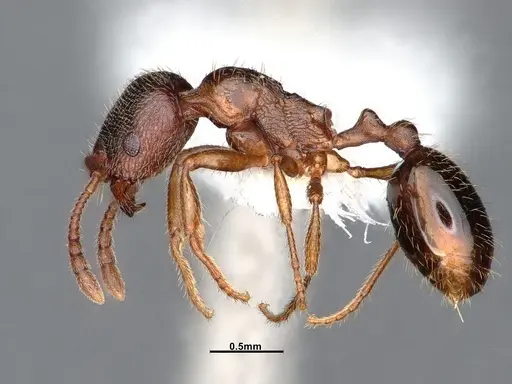
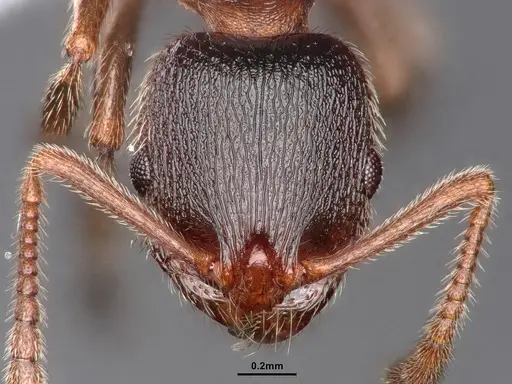
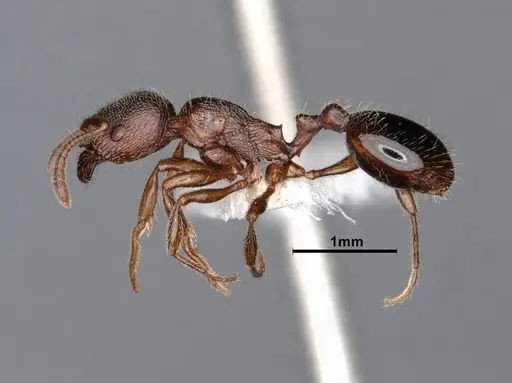
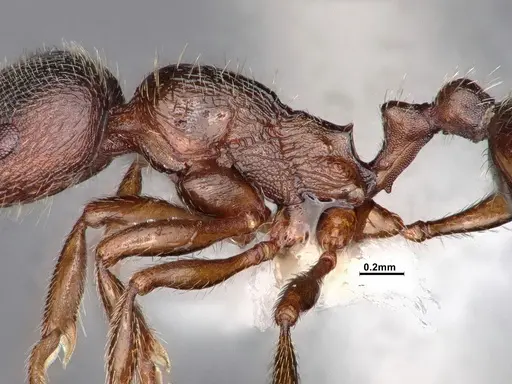
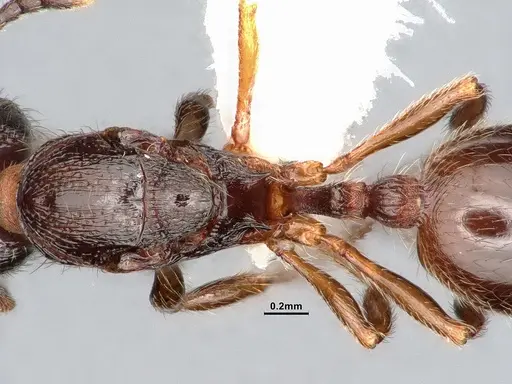
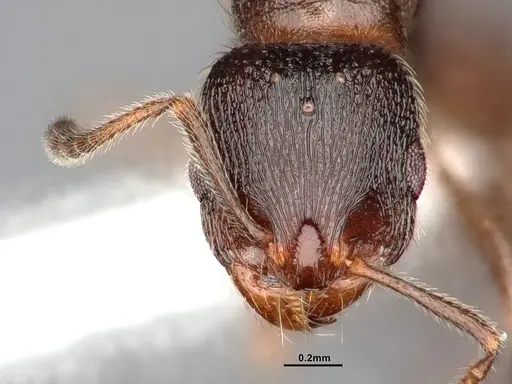
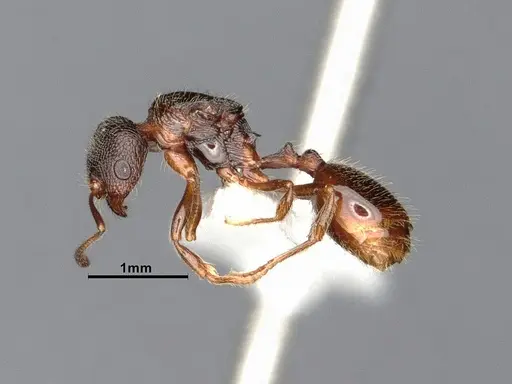
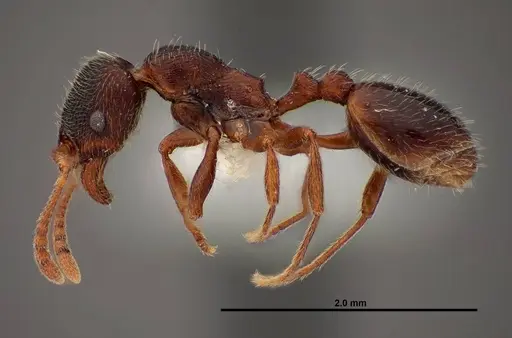
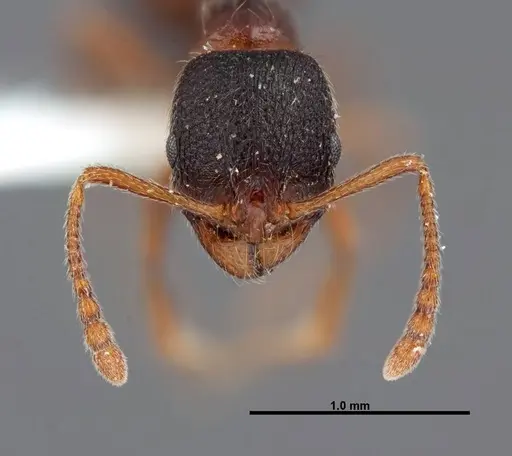
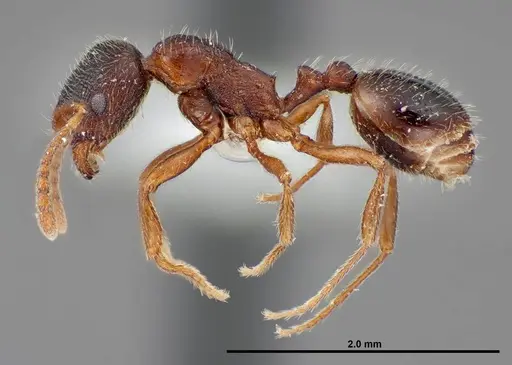
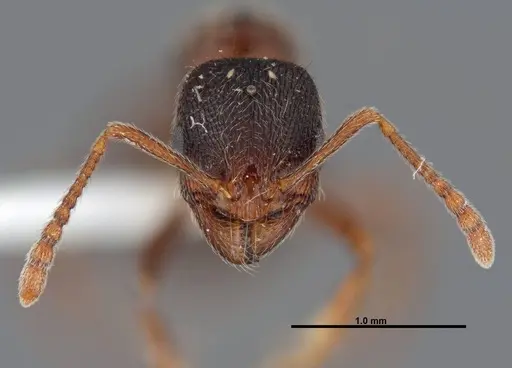
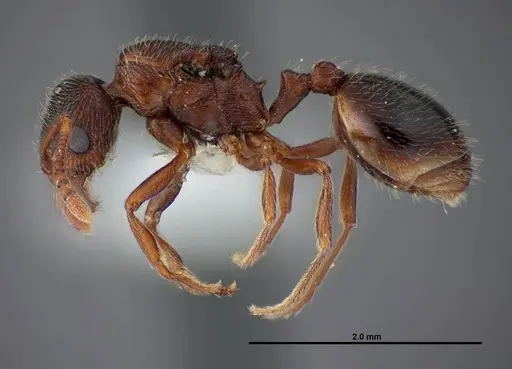
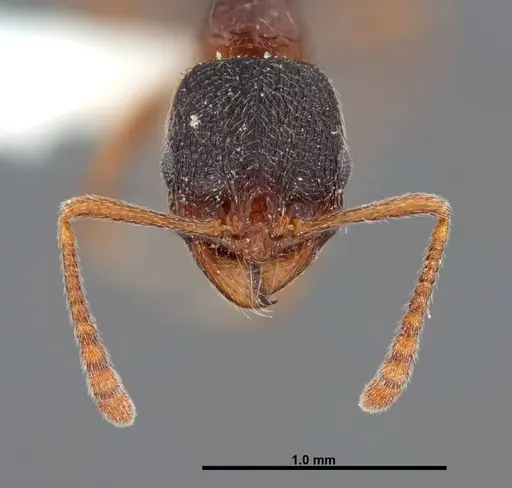
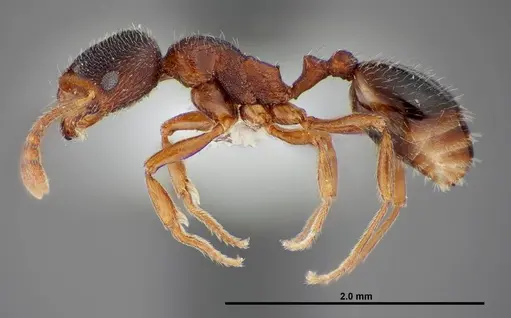
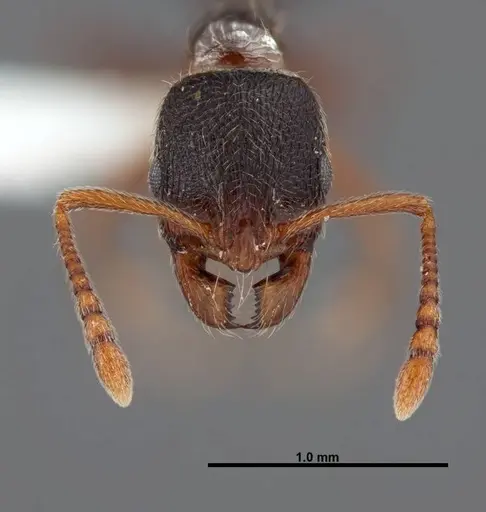
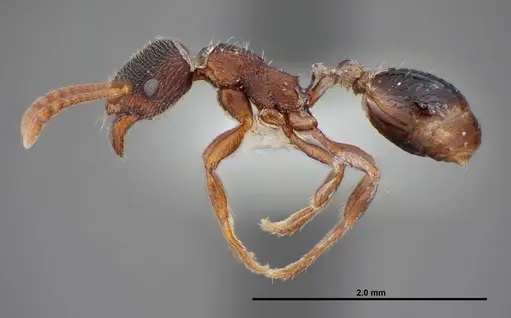
Stenamma smithi is a small, cryptic ant native to the western United States. Workers are modestly sized, around 3–5 mm based on related species (exact measurements are unpublished), with a distinctive median lobe on the clypeus that projects beyond the apical margin . They have polished first tergite and sternite, and eye size varies with overall body size. The species ranges across California, Idaho, Nevada, Oregon, and Utah, inhabiting shrub steppe, sierran meadows, and xeric sagebrush areas . The most remarkable thing about this ant is how little we know about it. No mature colony has ever been found, all specimens come from traps, litter samples, or stray workers. It is nocturnal, belonging to the 'impar' group (formerly 'brevicorne' group), and has brevicorne-type wing venation . This combination of rarity and nocturnal habits makes it a genuine challenge for expert antkeepers.
Quick Summary
- Difficulty: Expert
- Origin & Habitat: Western United States (California, Idaho, Nevada, Oregon, Utah) – sagebrush ecotone and associated habitats including shrub steppe, sierran meadows, and xeric areas containing sage [2][4]
- Colony Type: Unknown – no mature nest has ever been found. Based on genus patterns, likely single-queen colonies, but this is unconfirmed.
- Size & Growth:
- Queen: Size data unavailable, likely similar to or slightly larger than workers based on related species
- Worker: ~3–5 mm total length based on related Stenamma species (no published measurements exist for this species)
- Colony: Unknown – no mature colonies have been documented. Likely under 500 workers based on genus patterns
- Growth: Unknown – estimated moderate growth rate based on related species
- Development: 6–10 weeks estimated based on related temperate ant development (This is a rough estimate since no direct data exists for S. smithi. Expect slower growth than tropical species.)
- Antkeeping:
- Temperature: Keep at room temperature around 18–22°C. This species comes from temperate regions with seasonal variation, so they tolerate cooler conditions. Avoid sustained temperatures above 28°C
- Humidity: Moderate humidity – think dry to semi-dry conditions matching their sagebrush habitat. Allow the nest substrate to dry partially between waterings. Avoid overly damp conditions
- Diapause: Likely yes – as a temperate species from the western U.S., they probably require a winter rest period. Provide 3–4 months at 5–10°C during winter
- Nesting: No specific data, but Stenamma typically nest in soil or under stones. In captivity, a test tube setup or small nest with a thin layer of substrate works. They prefer tight, enclosed spaces due to their cryptic nature
- Behavior: Nocturnal and cryptic – most active at night. Likely non-aggressive and shy, typical of the genus. Workers forage individually rather than in trails. Escape risk is moderate due to their small size – use fine mesh barriers. They are not known to sting keepers [4]
- Common Issues: no mature colonies have ever been found in the wild – this species may have specific, unknown requirements that make captive breeding difficult., lack of documented captive care means keepers are largely experimenting with husbandry., nocturnal habits can make them seem inactive during daytime – this is normal., their small size and cryptic nature means they can be easily overlooked or lost during transfers., winter diapause requirements are inferred but not confirmed – improper overwintering may cause colony failure.
Why Keep Stenamma smithi?
Stenamma smithi represents a genuine challenge in antkeeping – not because the ants are difficult per se, but because so little is known about them. A mature colony has never been found in the wild, so every successful captive breeding would be a contribution to our understanding of this species. These ants appeal to advanced keepers who enjoy experimenting with new husbandry techniques. The species is nocturnal, so you'll see most activity in the evening. Workers are small but distinctive with relatively large eyes and polished abdominal segments. The challenge of keeping a species no one has successfully maintained long-term is part of the appeal for expert antkeepers [2][4].
Housing and Nest Setup
Start with a standard test tube setup for the founding queen. Use a small diameter tube – these are tiny ants and larger spaces can stress them. The tube should have a water reservoir at one end with a cotton barrier, keeping the other end dry for the brood. Once workers emerge, you can transition to a small nest with a thin soil layer or a 3D-printed formicarium. Stenamma prefer tight, enclosed spaces rather than open areas. Include some small debris or substrate pieces they can use for cover. A dark nest chamber helps since they are nocturnal. Keep the nest area quiet and avoid vibrations – these are shy, cryptic ants easily disturbed by activity near their enclosure.
Temperature and Seasonal Care
Maintain temperatures in the 18–22°C range – room temperature is typically suitable. This species comes from temperate regions of the western U.S. where temperatures fluctuate significantly between seasons. They likely tolerate a range from roughly 15°C to 25°C, but avoid sustained temperatures above 28°C. During winter, provide a diapause period of 3–4 months at 5–10°C, similar to other temperate North American ants. This can be done by moving the colony to an unheated garage or basement. The exact duration and temperature requirements are not confirmed since no wild colonies have been studied, but temperate ant species generally benefit from this seasonal rest.
Feeding and Diet
Based on genus patterns, Stenamma smithi likely has a typical omnivorous diet. Offer small protein sources such as fruit flies, small crickets, or other tiny insects. They probably also accept sugar sources – a small drop of sugar water or honey can be offered occasionally. Since they are nocturnal, place food in the outworld in the evening and remove any uneaten portions the next morning. Feed small amounts 2–3 times per week for established colonies. The founding queen will not need food if she is claustral – but since founding behavior is unconfirmed, you may need to test by offering small prey if she seems active or leaves the nest to hunt.
Behavior and Observation
Stenamma smithi is nocturnal, so peak activity occurs in the evening and night hours. Workers likely forage individually rather than forming visible trails – this is typical of cryptic Stenamma species. They are probably shy and non-aggressive, more likely to flee than defend the nest. Watch for workers exploring the outworld at night with their relatively large eyes. The species' large eye size is notable and may indicate enhanced visual capabilities. When observing, use red light or dim lighting to avoid disturbing their natural nocturnal behavior. Their small size and cryptic habits mean they may spend considerable time motionless in hidden locations – this is normal [4].
Frequently Asked Questions
How long does it take for Stenamma smithi to produce first workers?
The exact timeline is unknown since no captive colonies have been documented. Based on related Stenamma species and temperate ant development, expect roughly 6–10 weeks from egg to worker at optimal temperatures (around 20°C). The first workers (nanitics) will typically be smaller than mature workers. Patience is essential – this species may develop more slowly than common tropical ants.
Can I keep multiple Stenamma smithi queens together?
This has not been documented. No wild colonies have ever been found, so we don't know their natural colony structure. Based on other Stenamma species, they likely form single-queen colonies. Combining unrelated foundresses is not recommended since aggression is likely and there is no evidence they accept pleometrosis.
Do Stenamma smithi ants sting?
This species is not known to be aggressive toward keepers, but as members of the subfamily Myrmicinae, they do possess a stinger. Stenamma species are typically docile and rely on escape rather than defense. They pose no danger to keepers, but their small size makes careful transfer important to avoid crushing them.
What is the best nest type for Stenamma smithi?
A small test tube setup works well for founding colonies. Once established, a small Y-tong or 3D-printed nest with a thin soil layer provides appropriate housing. The key is providing tight, enclosed spaces scaled to their tiny size – avoid large, open areas. A dark nest chamber encourages natural behavior since they are nocturnal.
Why has no one kept this species before?
Stenamma smithi is extremely rarely collected – all known specimens come from traps, litter samples, or stray workers, with no mature nest ever discovered. This makes obtaining a colony difficult and husbandry information nonexistent. The species may be naturally rare, have very localized distributions, or inhabit microhabitats that are hard to find. For antkeepers, this represents both a challenge and an opportunity to contribute genuinely new knowledge [2].
Are Stenamma smithi good for beginners?
No – this species is rated Expert difficulty precisely because there is no established husbandry information. Every aspect of care would be experimental, from temperature requirements to diet acceptance to founding behavior. Beginners should start with better-documented species like Lasius, Tetramorium, or Camponotus. Only experienced antkeepers should attempt this species.
Do Stenamma smithi need hibernation?
Likely yes – as a temperate species from the western U.S. (Nevada, Utah, Oregon, etc.), they almost certainly require a winter rest period. Provide 3–4 months at 5–10°C during winter, similar to other North American temperate ants. This can be done in an unheated garage, basement, or refrigerator. Without this diapause period, the colony may fail to thrive long-term.
How big do Stenamma smithi colonies get?
The maximum colony size is unknown – no mature colony has ever been documented. Based on related Stenamma species, colonies likely reach a few hundred workers at most. They are not known for the large colony sizes seen in some Myrmicinae. Expect slow, modest growth over time rather than rapid expansion.
What do Stenamma smithi eat?
Based on genus patterns, they likely accept small insects (fruit flies, small crickets, pinhead crickets) as protein and occasional sugar sources (honey water, sugar water). Since they are nocturnal, offer food in the evening and remove uneaten portions the next morning. The exact diet preferences are unknown and may require experimentation.
Where can I find Stenamma smithi?
This species is known from California, Idaho, Nevada, Oregon, and Utah in the western United States. However, no mature nests have ever been found – all specimens come from traps and litter samples. They likely inhabit dry to semi-dry areas with sagebrush. Finding them requires specialized collecting techniques (sifting leaf litter, using pitfall traps) and significant effort. Purchasing from a breeder who has obtained a colony is the most practical approach [2].
Report an Issue
The current care sheet is based fully on literature. See inconsistencies, or something that's incorrect? Please , it will be resolved after review from an admin. Contributing to the blogs tab also helps providing information, to make us be able to further improve the caresheets. Thank you for your support!
References

This caresheet is licensed under CC BY-SA 4.0 .
Community Blogs
CASENT0000381
View on AntWeb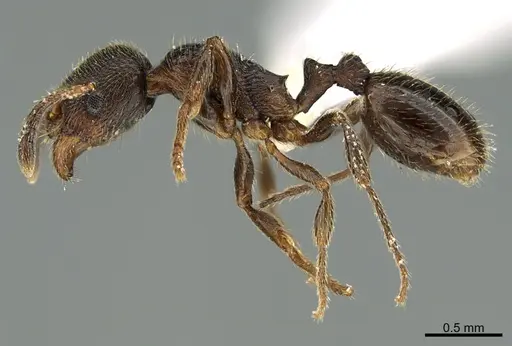
CASENT0005822
View on AntWeb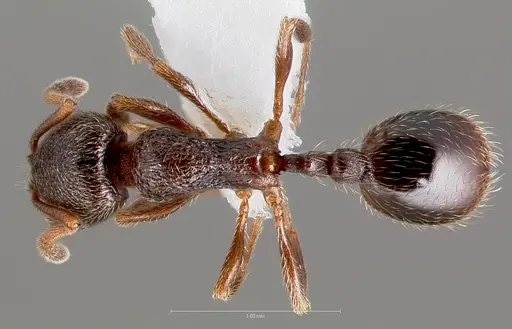
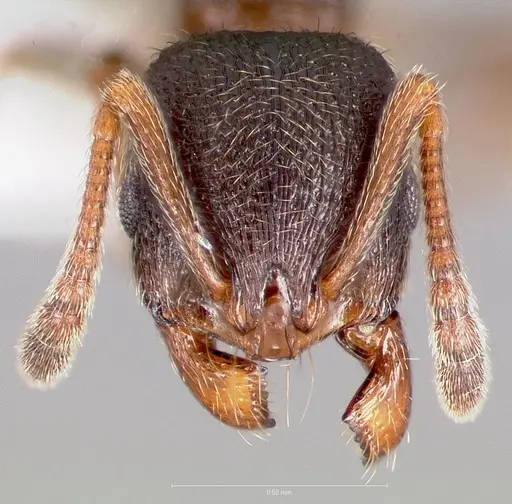
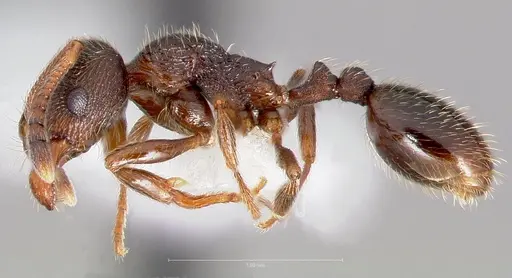
CASENT0654137
View on AntWeb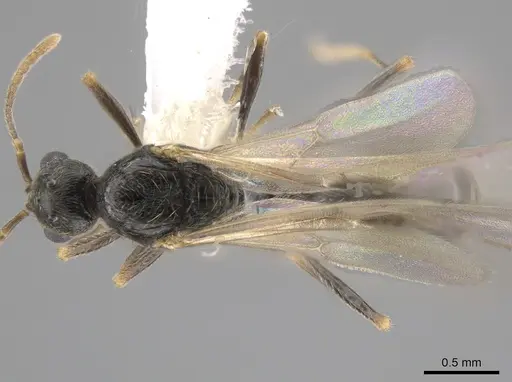
CASENT0842048
View on AntWeb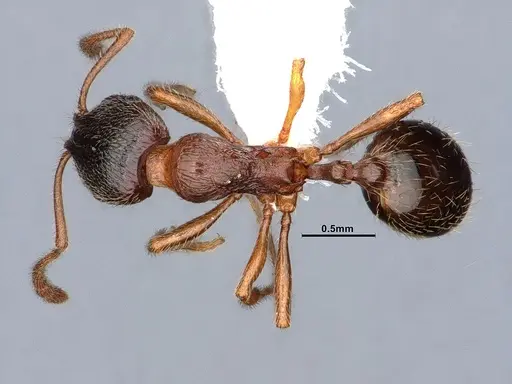
CASENT0882490
View on AntWeb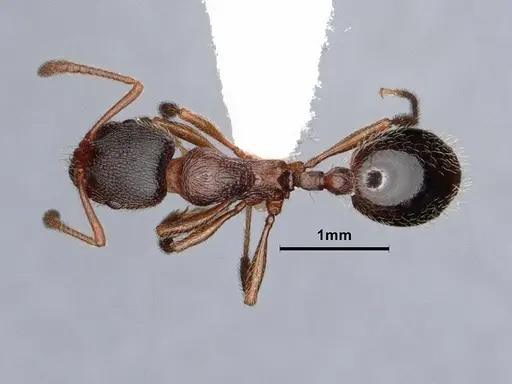
CASENT0882529
View on AntWeb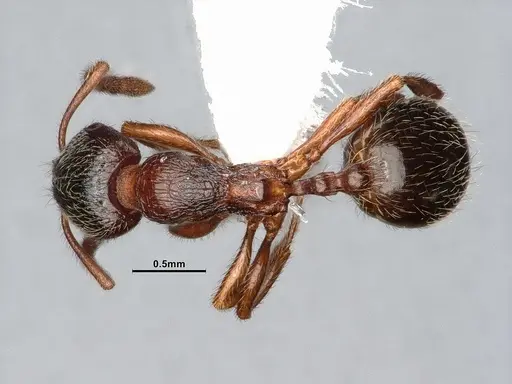
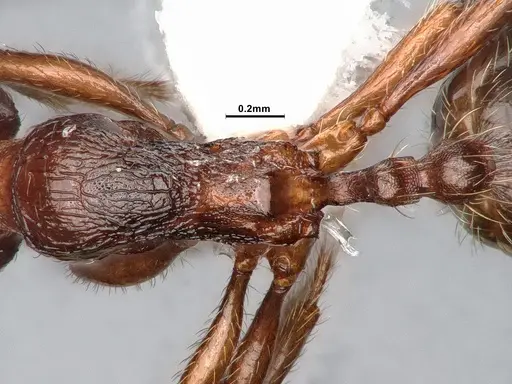
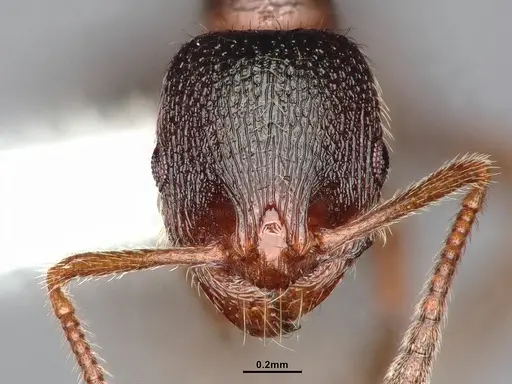
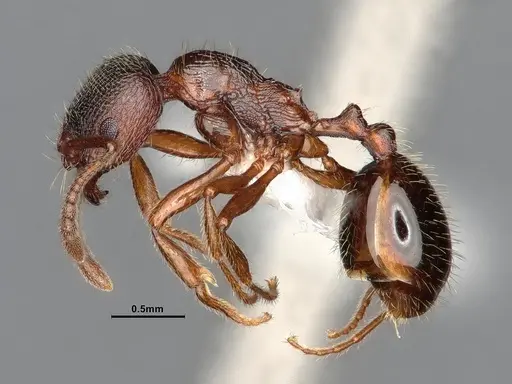
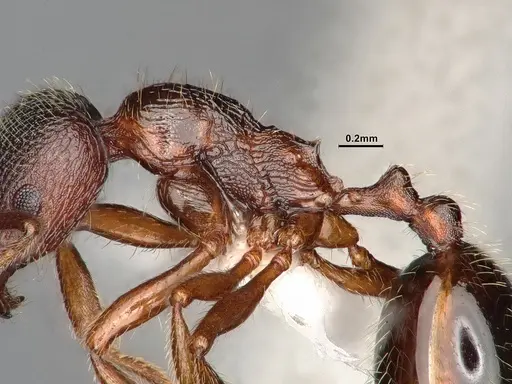
CASENT0885522
View on AntWeb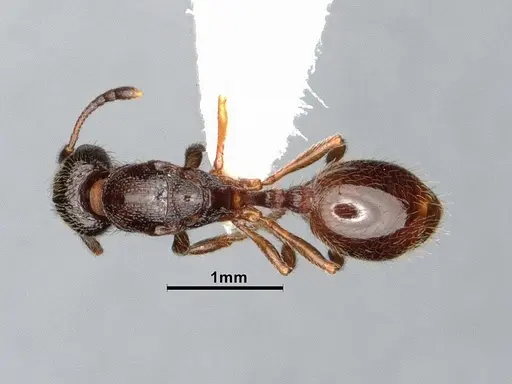
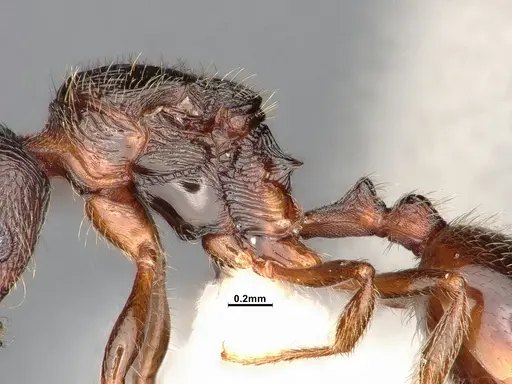
CASENT4031276
View on AntWeb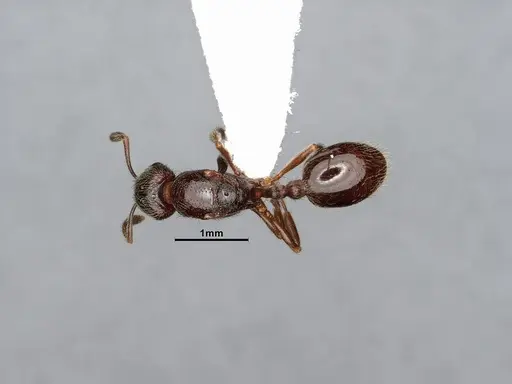
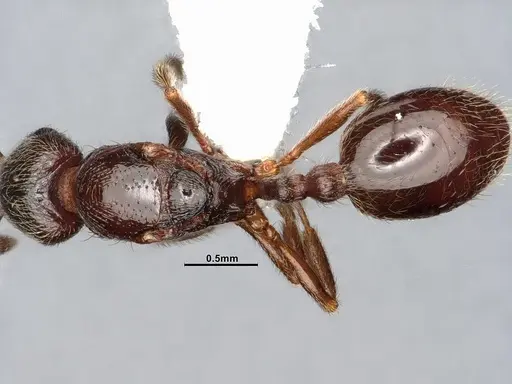
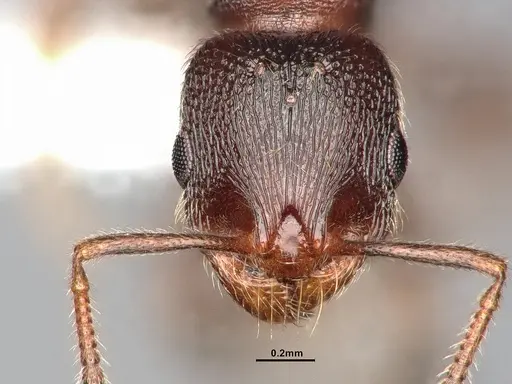
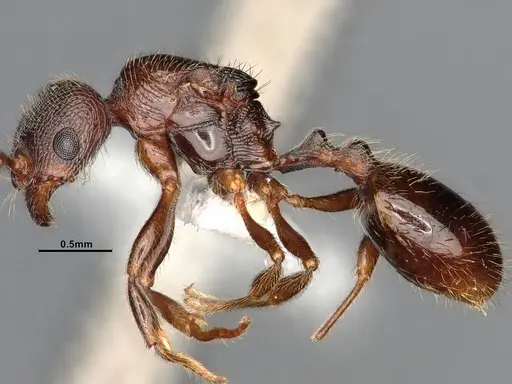
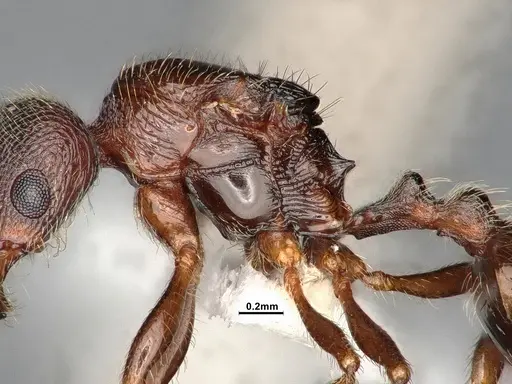
FMNHINS0000062667
View on AntWeb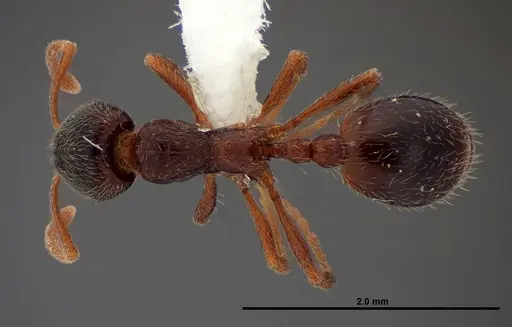
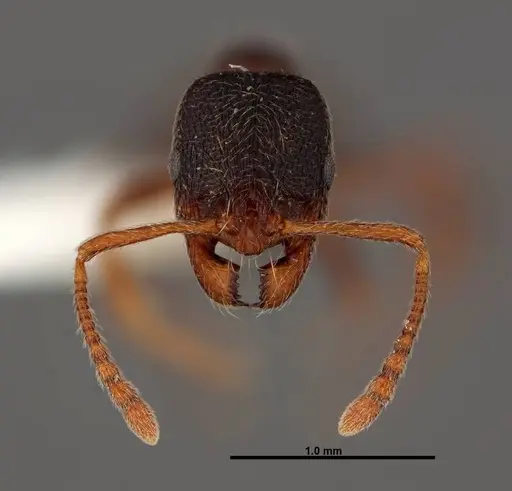
FMNHINS0000062668
View on AntWeb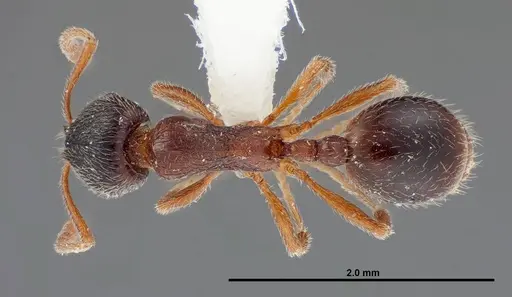
FMNHINS0000083107
View on AntWeb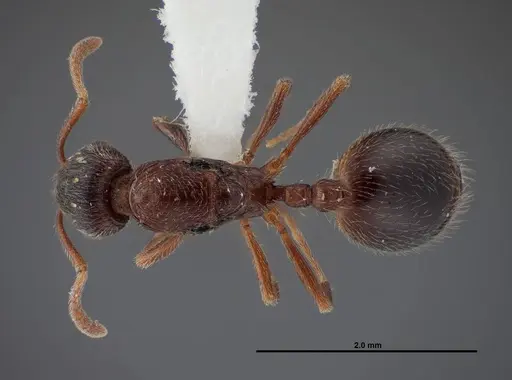
FMNHINS0000083110
View on AntWeb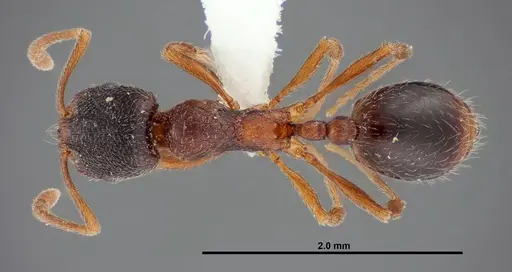
FMNHINS0000083114
View on AntWeb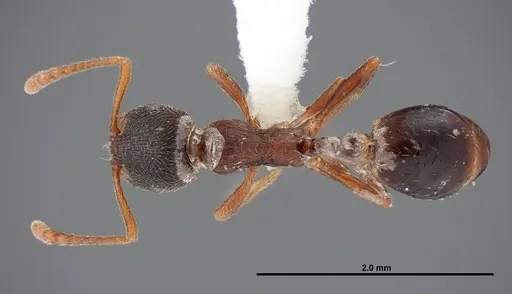
Literature
Loading distribution map...Loading products...