
Stenamma schmidti
- Sci. Name
- Stenamma schmidti
- Tribe
- Stenammini
- Subfamily
- Myrmicinae
- Author
- Menozzi, 1931
- Distribution
- Found in 4 countries
Introduction
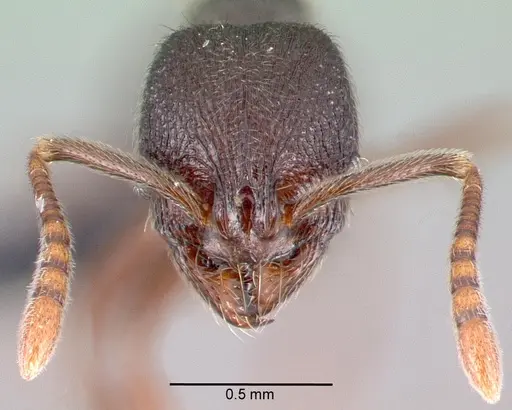
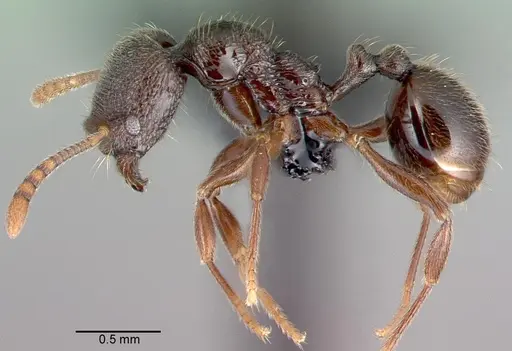
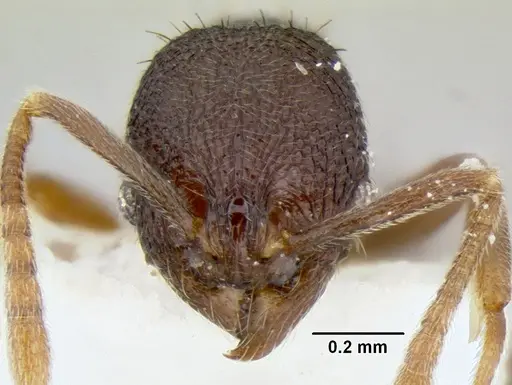
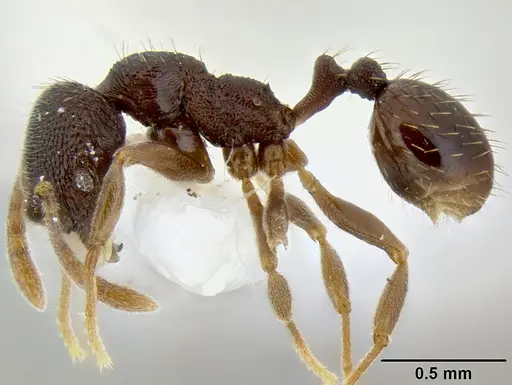
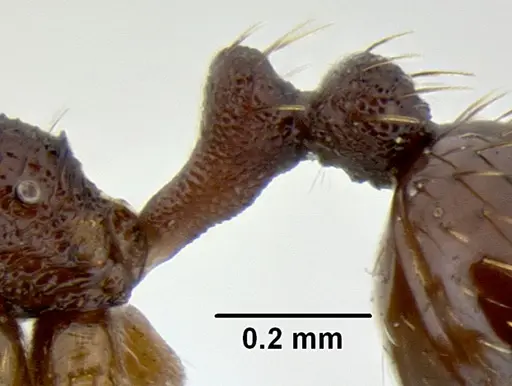
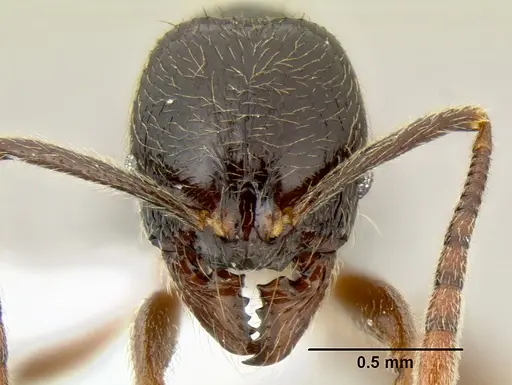
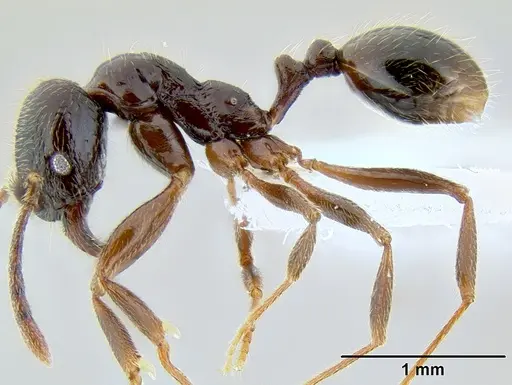
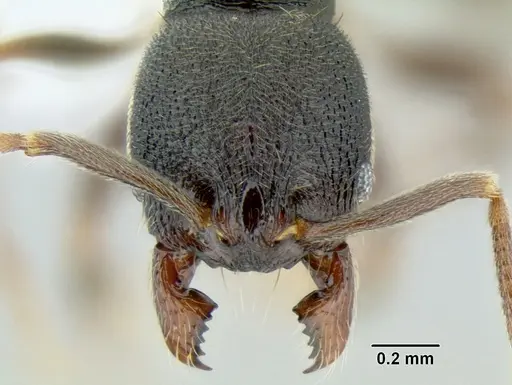
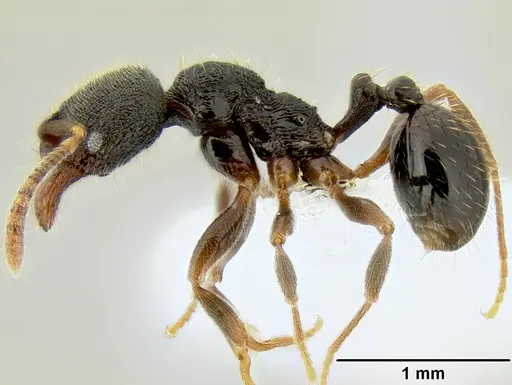
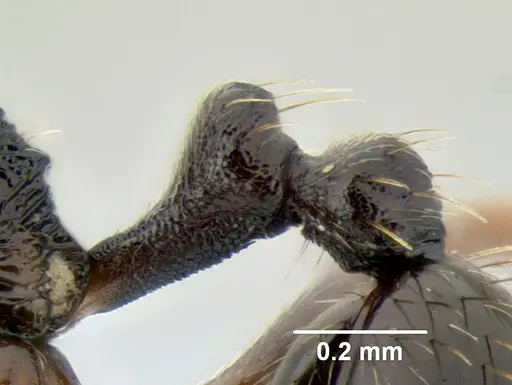
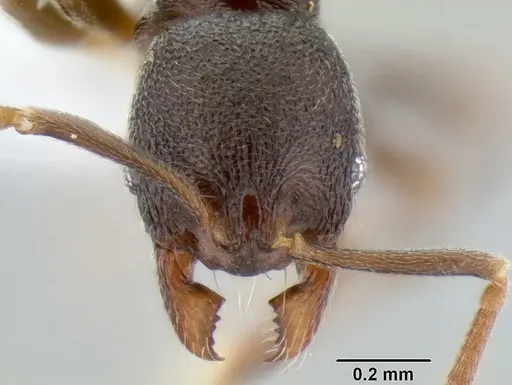
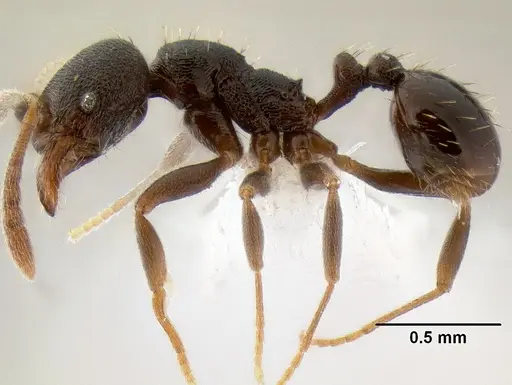
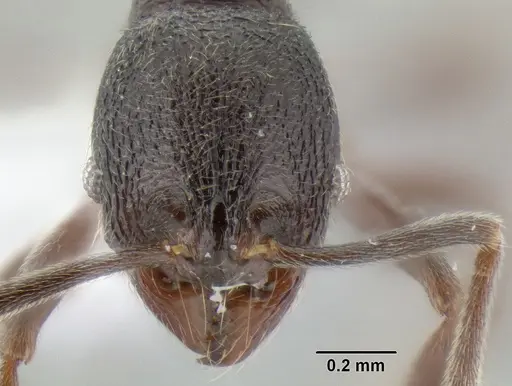
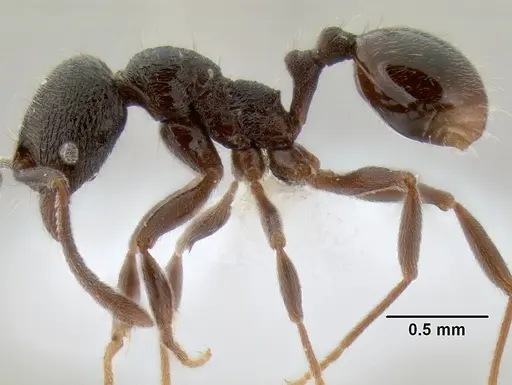
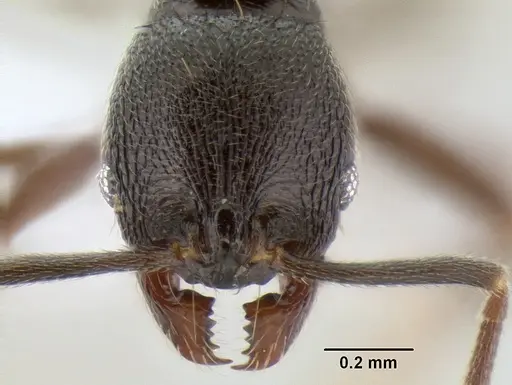
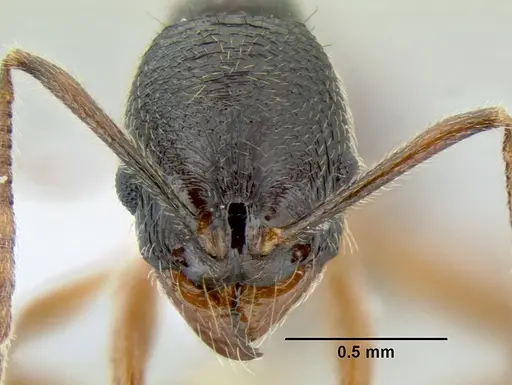
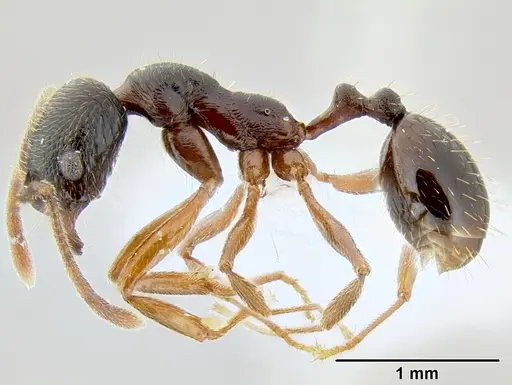
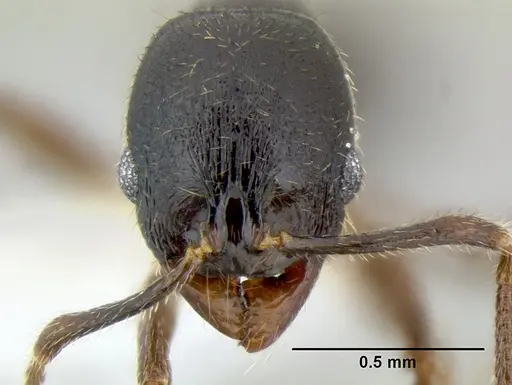
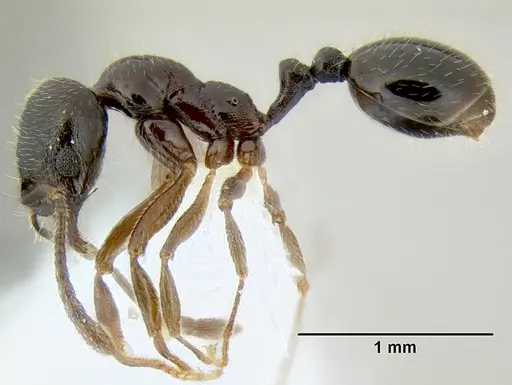
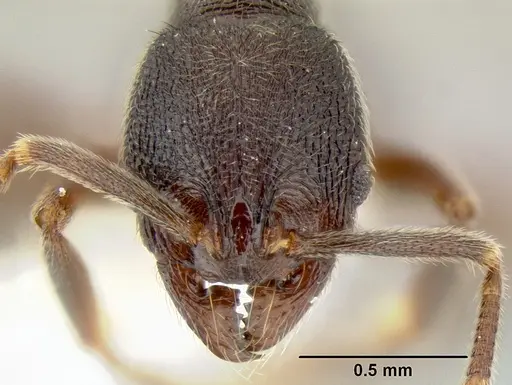
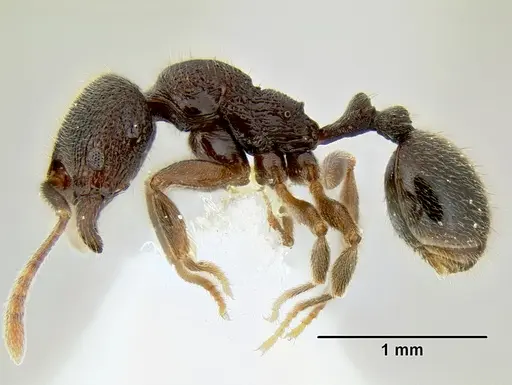
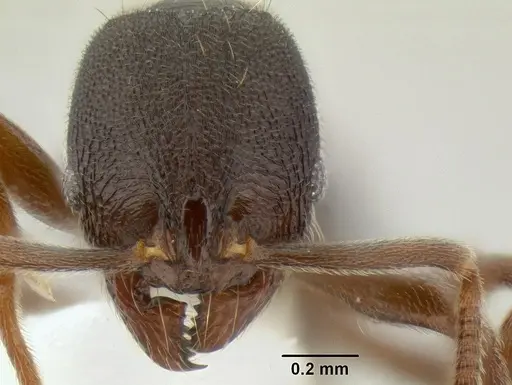
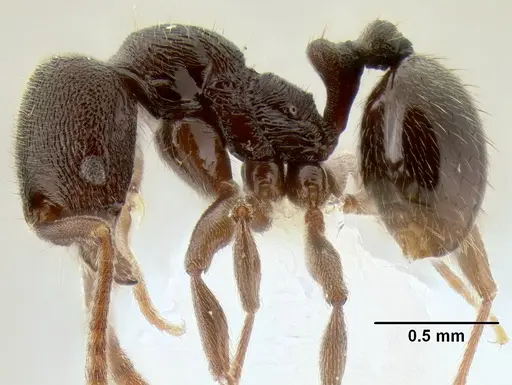
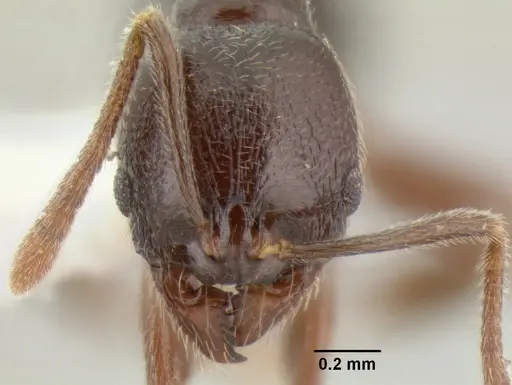
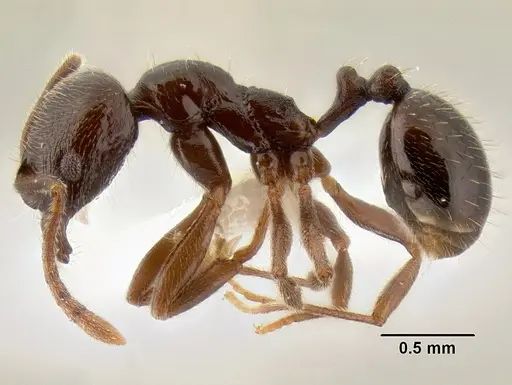
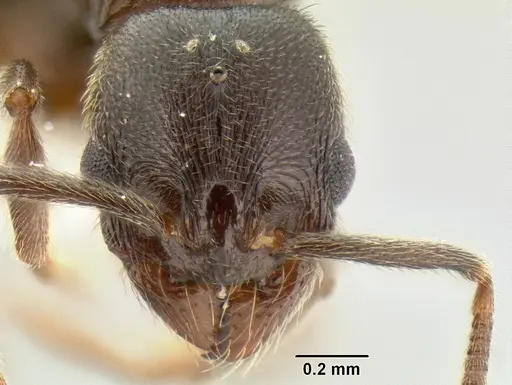
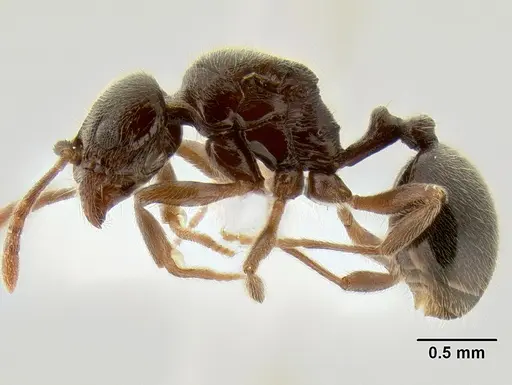
Stenamma schmidti is a small to medium-sized ant species from the Neotropics, ranging from Nicaragua down to Ecuador . It is highly variable in color (dark brown to red-brown) and sculpture, making identification tricky - it belongs to a complex of forms so diverse they occupy more morphospace than all Holarctic Stenamma combined . This ant is notoriously cryptic and tough to observe. In the wild, it lives in tropical wet forests from sea level up to about 2400 m, but it's most common in cloud forests above 800 m . At some cloud forest sites, it's one of the most abundant ants in the leaf litter, yet actual nests are rarely found - most specimens come from Winkler or Berlese samples of sifted leaf litter or epiphyte mats . Workers are slow-moving and freeze solid when disturbed, which makes them easy to miss . Nests are tiny, holding only tens of workers and a single queen .
Quick Summary
- Difficulty: Hard
- Origin & Habitat: Neotropical region from Nicaragua to Ecuador, mainly in cloud forests above 800 m [1][2]. In Colombia, found in Caldas, Chocó, and Nariño at 1300-2000 m [2]. They live in tropical wet forest leaf litter and epiphyte mats, with some variants nesting arboreally in canopy epiphyte clumps [1].
- Colony Type: Monogyne colonies with a single egg-laying queen. Colonies are very small, typically containing only tens of workers [3].
- Size & Growth:
- Queen: Size data unavailable (no total length measurements available)
- Worker: Size data unavailable (no total length measurements available)
- Colony: Very small colonies, typically only tens of workers [3]
- Growth: Unknown, likely slow given small colony sizes
- Development: Unconfirmed, no direct development data available (Based on typical Myrmicinae patterns and small colony size, expect development of 6-10 weeks at tropical temperatures. This is an estimate.)
- Antkeeping:
- Temperature: Keep at 22-26°C, reflecting their cloud forest origin [1]. Avoid dropping below 20°C.
- Humidity: High humidity is essential, think constantly moist leaf litter. Keep the nest substrate damp but not waterlogged. Provide a humidity gradient with a moist chamber and a slightly drier area for workers to choose from.
- Diapause: No, this is a tropical species that does not need hibernation [1]. Maintain warm temperatures year-round.
- Nesting: In captivity, they do well in naturalistic setups with moist substrate or small test tube setups. They prefer tight, humid chambers scaled to their tiny size. Given their leaf-litter habits, a thin layer of moist soil or forest floor material works well. Avoid large open spaces.
- Behavior: Workers are slow-moving and cryptic, they freeze completely when they sense disturbance [3]. They are not aggressive and pose no sting risk. Their tiny size means they can slip through small gaps, so use fine mesh barriers. They are best for keepers who enjoy watching subtle, quiet behavior rather than busy, visible colonies.
- Common Issues: small colony size means colonies develop slowly and remain fragile, cryptic behavior makes it easy to overlook, keepers may think ants are dead when they're just frozen, high humidity is critical, too dry and the colony will fail, tiny size creates an escape risk despite slow movement, disturbance stresses the colony, keep vibrations and light changes to a minimum
Housing and Nest Setup
Stenamma schmidti is a tiny leaf-litter ant that needs carefully scaled housing. For founding colonies, a small test tube works well, use one with a water reservoir that keeps the cotton consistently moist but not flooded. The chamber should be small and snug for the queen and her first workers. For established colonies, a naturalistic setup with a 1-2 cm layer of moist forest floor substrate is best. Use a small plastic box or glass container with fine mesh ventilation (0.5 mm or smaller), these ants can squeeze through surprisingly small gaps [1]. Avoid large open spaces, they feel safest in tight chambers. A small outworld for feeding is enough given their tiny size and modest foraging needs.
Feeding and Diet
In the wild, Stenamma species are generalist foragers that collect small insects, honeydew, and other leaf-litter resources [3]. In captivity, offer tiny protein sources like fruit flies, pinhead crickets (cut to size), and other small arthropods. Sugar water or honey diluted with water is usually accepted, offer it on a small piece of cotton or directly in the nest. Feed small amounts 2-3 times per week, removing uneaten prey after 24 hours. Given their small colony size, avoid overfeeding, excess food leads to mold problems in humid setups.
Temperature and Humidity
Maintain temperatures between 22-26°C, this matches their cloud forest origin [1]. Room temperature is often fine, but watch during winter if your indoor temperature drops. A small heating cable on top of the nest (not underneath) can create a gentle gradient if needed. Humidity is critical, these ants come from constantly damp forest environments. Keep the nest substrate consistently moist, checking daily. The substrate should feel damp but never waterlogged. A small water dish in the outworld helps maintain ambient humidity. Mist the setup occasionally but avoid spraying the ants directly.
Behavior and Observation
This is one of the most challenging ant species to observe because of its cryptic behavior. Workers move very slowly and will freeze completely when they detect vibrations or disturbance, this is a defense mechanism that helps them blend into leaf litter [3]. Don't mistake this freezing for illness or death. Colonies remain small (tens of workers) even at maturity, so you won't see large worker populations. They are not aggressive and have no functional stinger. Observation is best done quietly and with minimal disturbance. They are suited for keepers who enjoy watching subtle, quiet ant behavior rather than active, visible colonies.
Colony Founding and Growth
Colony founding in captivity likely follows typical Myrmicinae patterns, the queen seals herself in a small chamber and raises the first brood alone on stored fat reserves (claustral founding is inferred but not directly documented). The first workers (nanitics) will be smaller than mature workers. Growth is slow, colonies remain very small even when established, typically only reaching tens of workers at full maturity [3]. This is normal for the species, not a sign of poor care. Be patient.
Frequently Asked Questions
Is Stenamma schmidti good for beginners?
No, this species is considered difficult and is not recommended for beginners. Their colonies stay very small, they require high humidity, and their cryptic slow-moving behavior can make it hard to tell if the colony is thriving. They are best for experienced antkeepers who can maintain consistent humidity and temperature.
How long does it take for Stenamma schmidti to produce first workers?
Exact development time is unconfirmed, but based on typical Myrmicinae patterns and their small colony size, expect 6-10 weeks from egg to first worker at optimal temperatures (22-26°C). Growth is slow and colonies remain small even when mature.
Can I keep multiple Stenamma schmidti queens together?
No, this is a monogyne species with single-queen colonies. In the wild, each nest has exactly one egg-laying queen. Combining unrelated queens is not recommended and would likely result in aggression.
Do Stenamma schmidti ants sting?
No, Myrmicinae ants have a stinger but Stenamma species are not known for stinging. They are completely harmless to keepers. Their primary defense is freezing and remaining motionless when threatened.
What do Stenamma schmidti eat?
They are generalist foragers. Offer small protein sources like fruit flies, tiny crickets, and other small insects. Sugar sources like honey water or sugar water are also typically accepted. Feed small amounts 2-3 times per week and remove uneaten food promptly.
How big do Stenamma schmidti colonies get?
Very small, colonies typically reach only tens of workers (20-50 at maturity). This is a characteristic trait of the species, not a sign of poor care. Do not expect large colonies.
Do Stenamma schmidti need hibernation?
No, this is a tropical species from cloud forests in Central America. They do not require hibernation and should be kept warm year-round at 22-26°C.
Why is my Stenamma schmidti colony not moving?
This is normal behavior, workers freeze completely when they sense disturbance. They are slow-moving ants by nature. If they are in a quiet location with proper humidity and temperature, remaining motionless is simply their natural behavior. Do not assume they are dead.
What is the best nest type for Stenamma schmidti?
Small, humid chambers work best. A moist test tube for founding colonies, or a small naturalistic setup with 1-2 cm of damp forest floor substrate. Avoid large spaces and ensure tight-fitting lids with fine mesh ventilation.
Report an Issue
The current care sheet is based fully on literature. See inconsistencies, or something that's incorrect? Please , it will be resolved after review from an admin. Contributing to the blogs tab also helps providing information, to make us be able to further improve the caresheets. Thank you for your support!
References

This caresheet is licensed under CC BY-SA 4.0 .
Community Blogs
CASENT0039766
View on AntWeb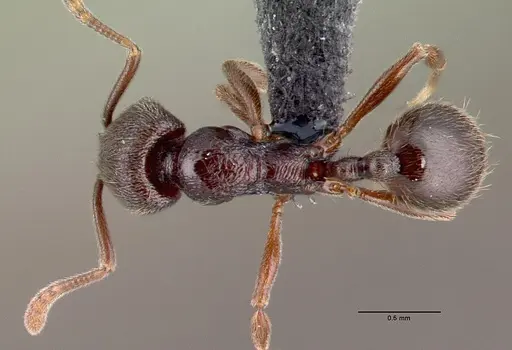
CASENT0126220
View on AntWeb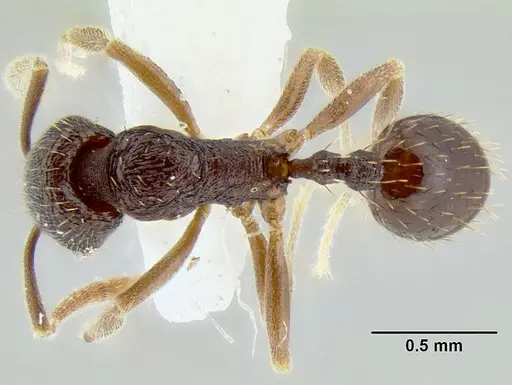
CASENT0246140
View on AntWeb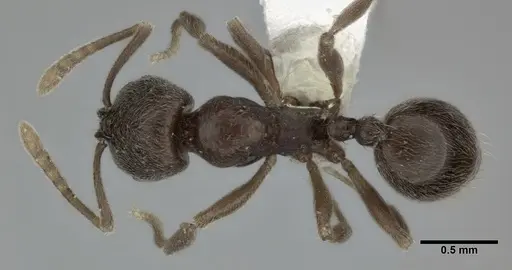
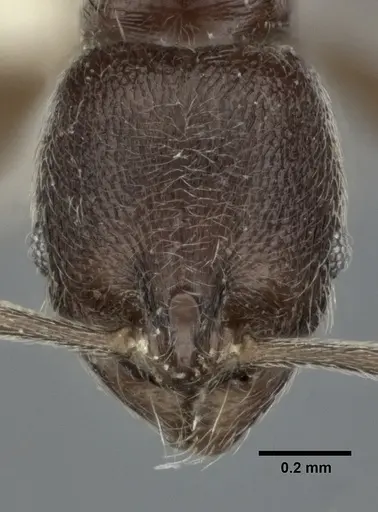
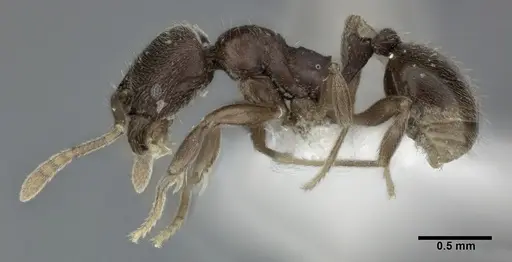
CASENT0246141
View on AntWeb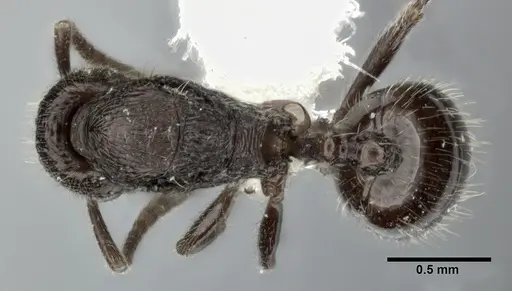
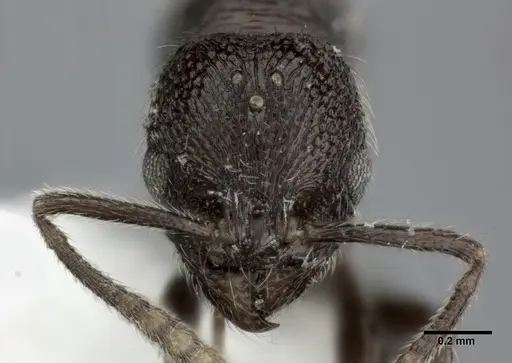
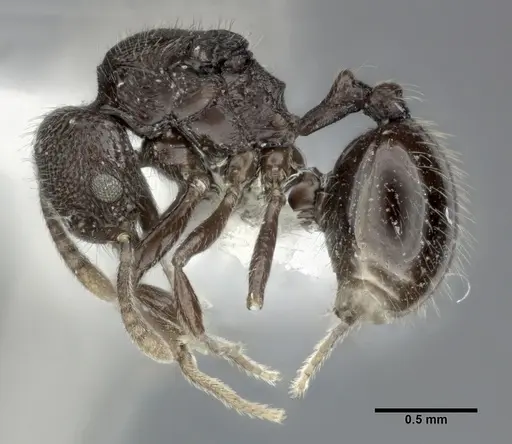
CASENT0246142
View on AntWeb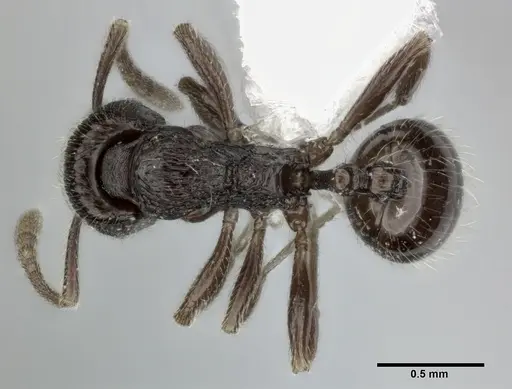
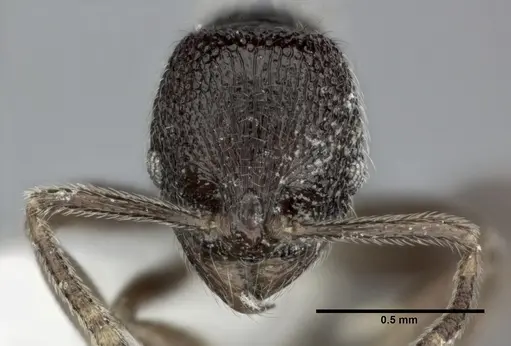
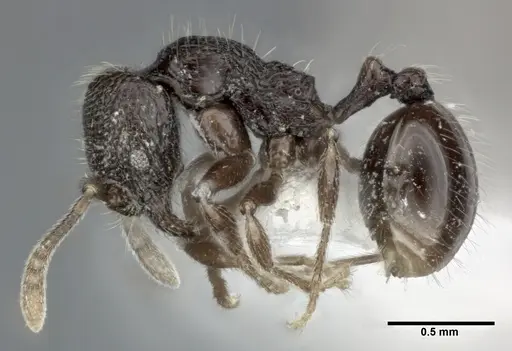
CASENT0600137
View on AntWeb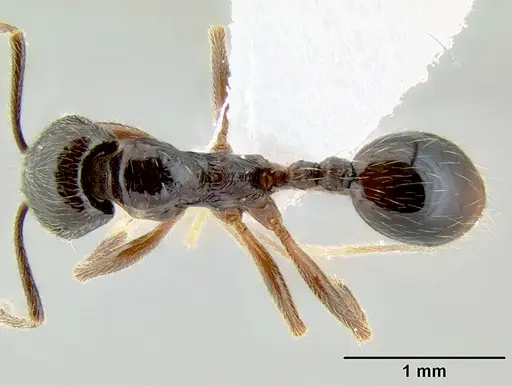
CASENT0600256
View on AntWeb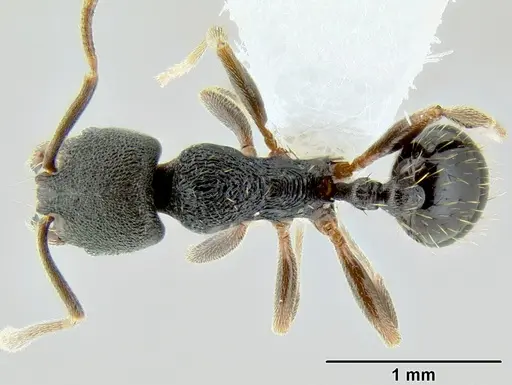
CASENT0605211
View on AntWeb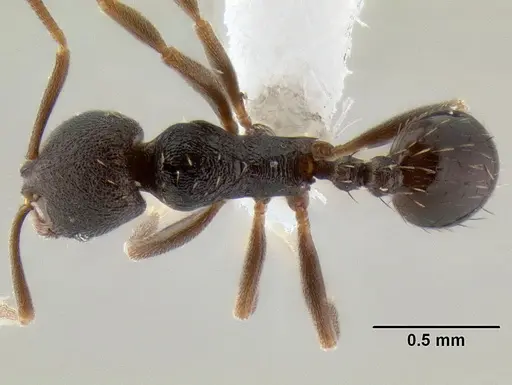
CASENT0605896
View on AntWeb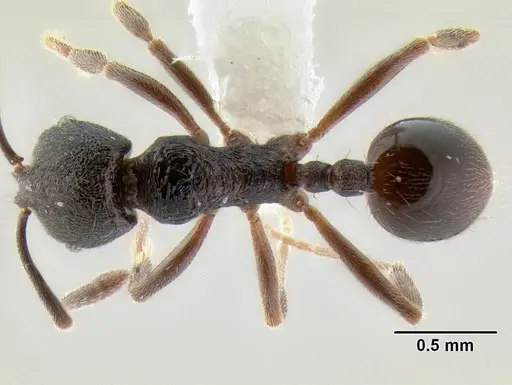
CASENT0622465
View on AntWeb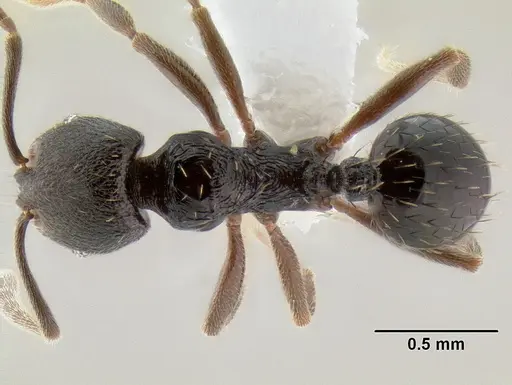
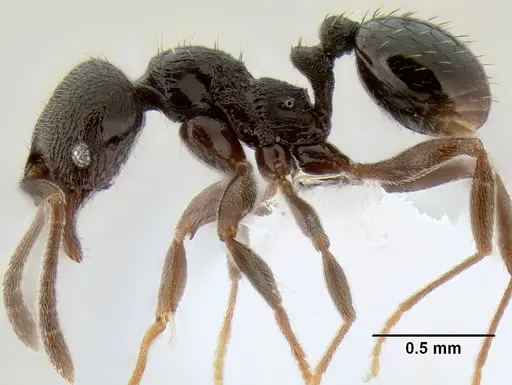
FOCOL0277-1
View on AntWeb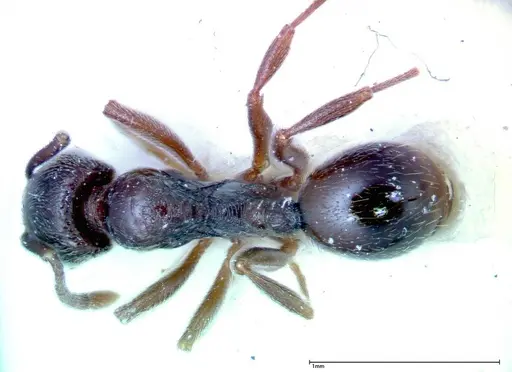
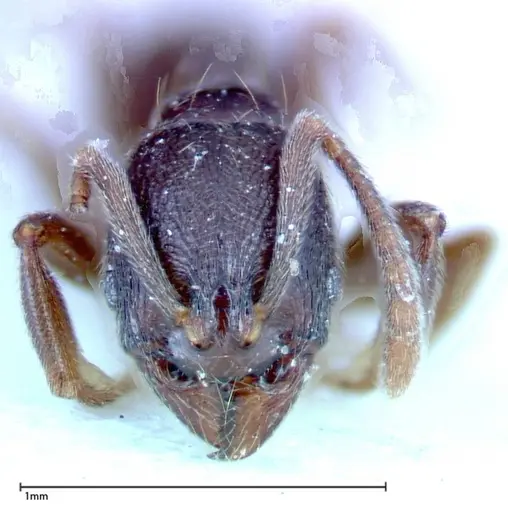
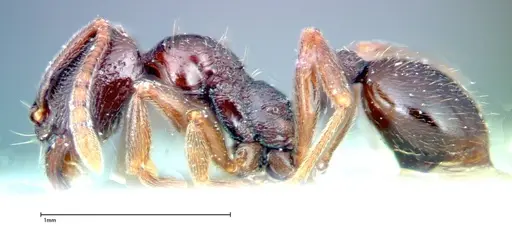
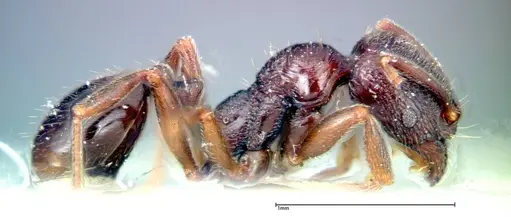
FOCOL0277-2
View on AntWeb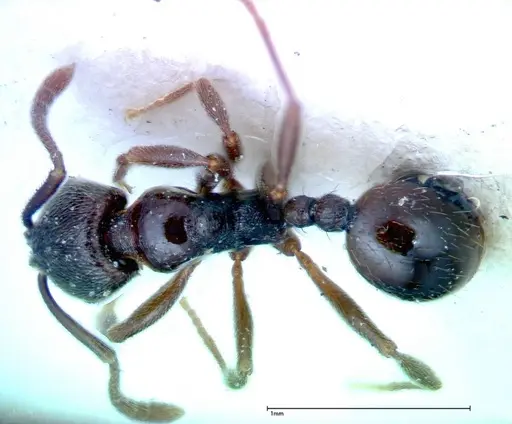
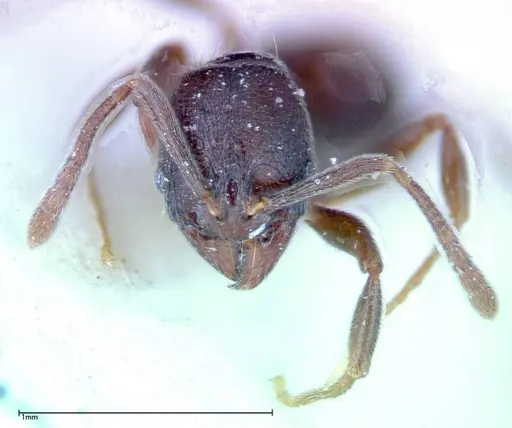
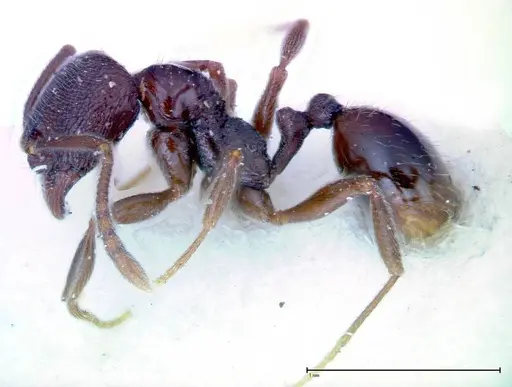
INB0003210597
View on AntWeb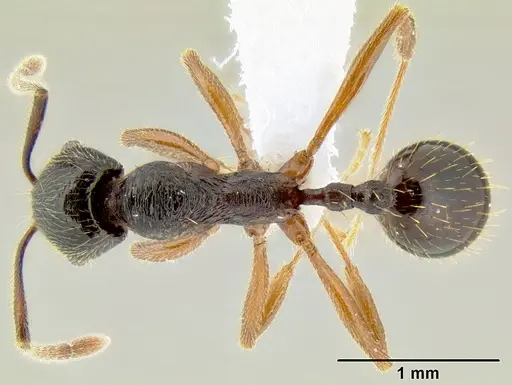
INB0003659320
View on AntWeb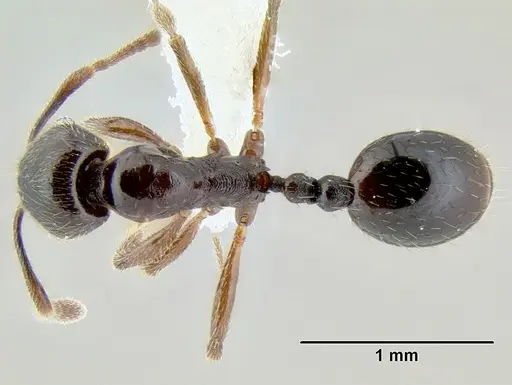
INB0003659427
View on AntWeb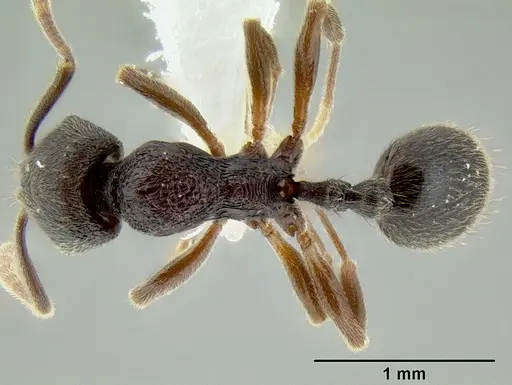
INB0003662571
View on AntWeb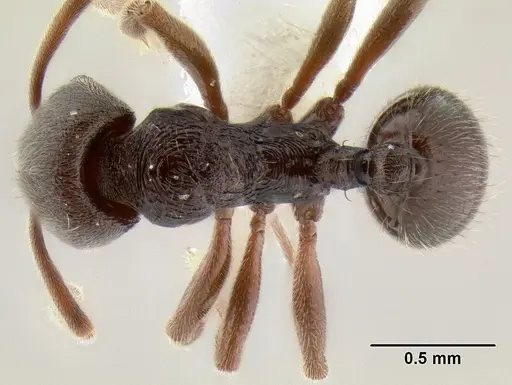
INB0003665417
View on AntWeb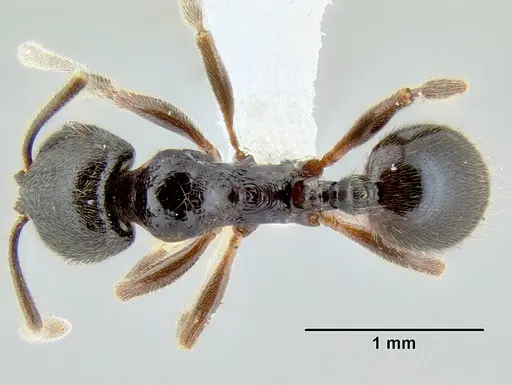
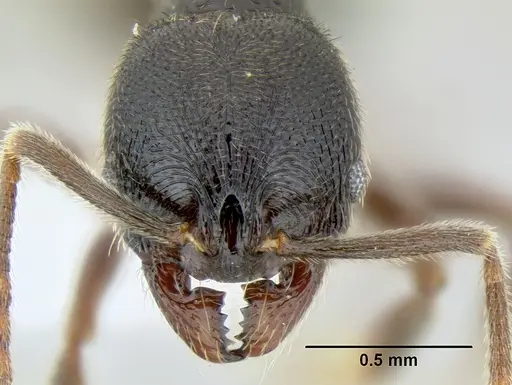
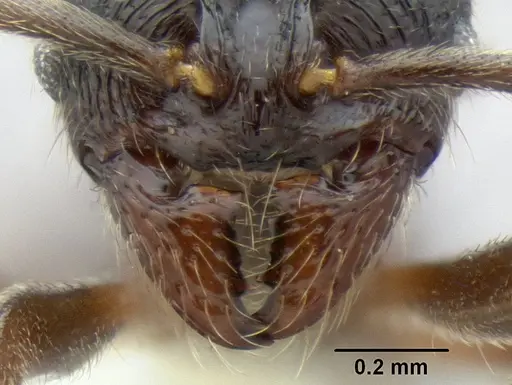
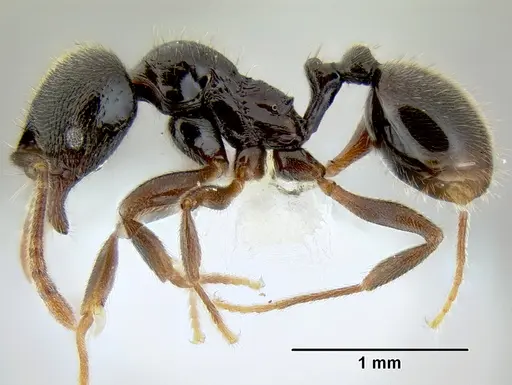
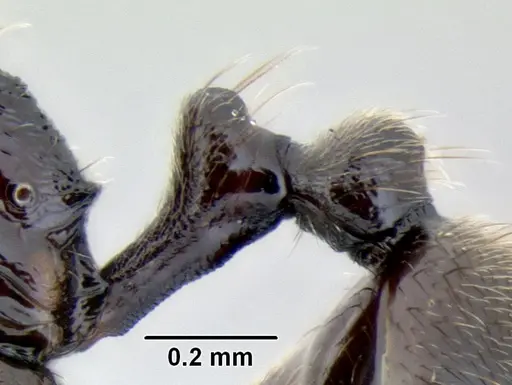
INBIOCRI001280989
View on AntWeb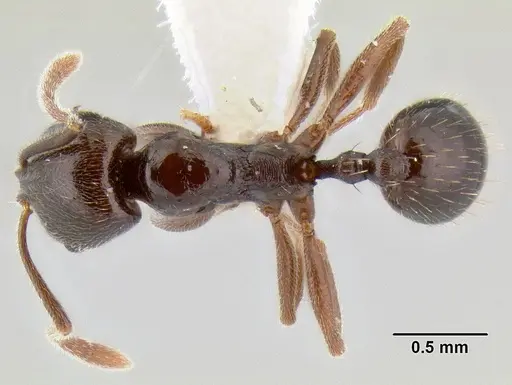
INBIOCRI002281270
View on AntWeb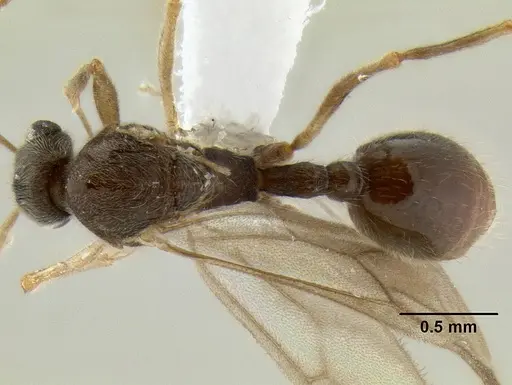
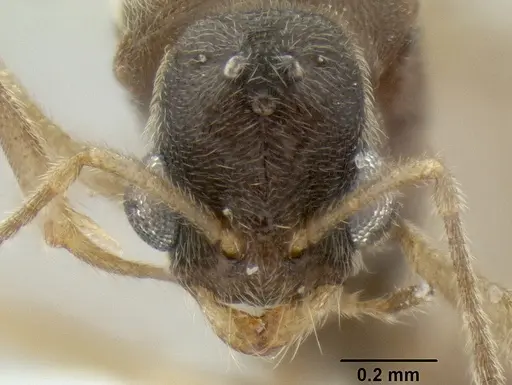
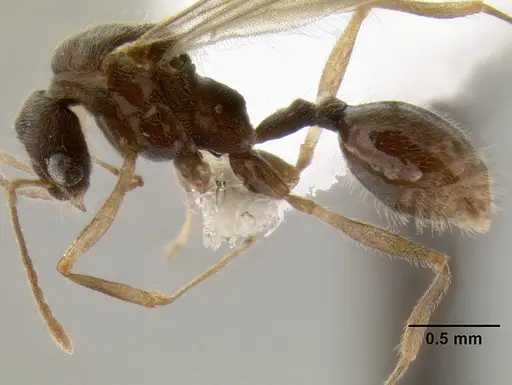
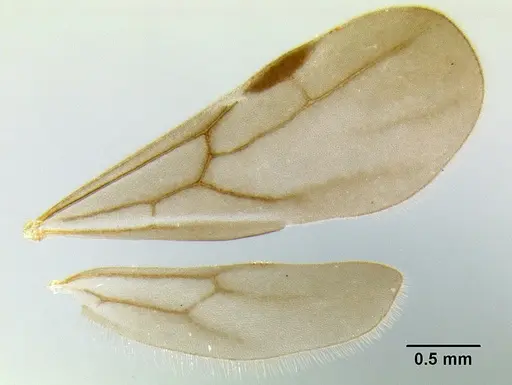
INBIOCRI002281278
View on AntWeb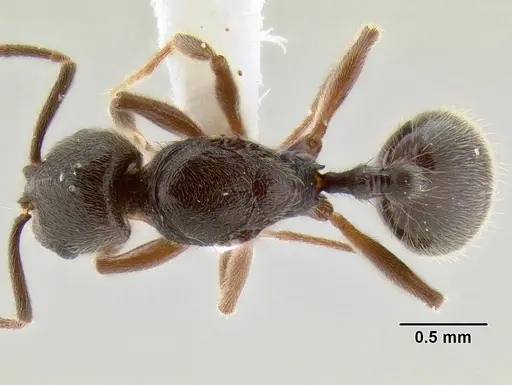
Literature
Loading distribution map...Loading products...