
Stenamma sandinista
- Sci. Name
- Stenamma sandinista
- Tribe
- Stenammini
- Subfamily
- Myrmicinae
- Author
- Branstetter, 2013
- Distribution
- Found in 1 countries
Introduction
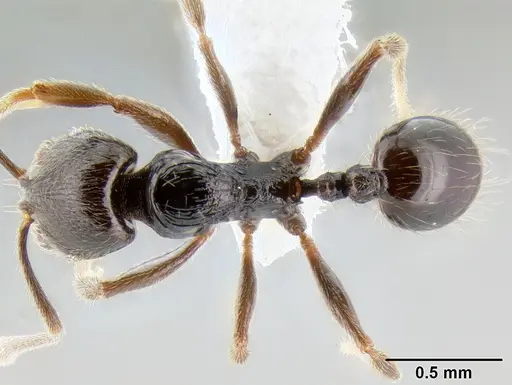
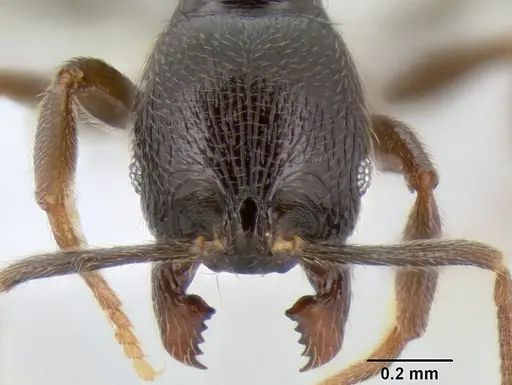
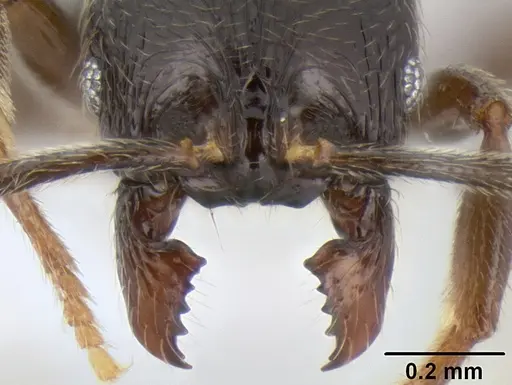
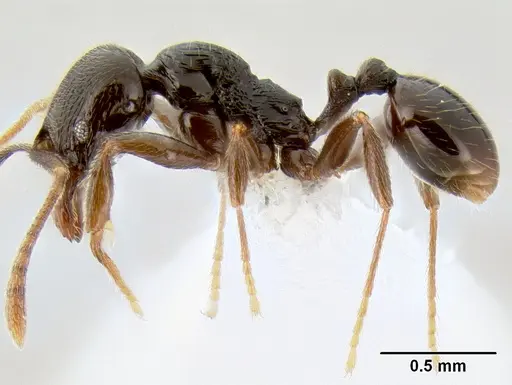
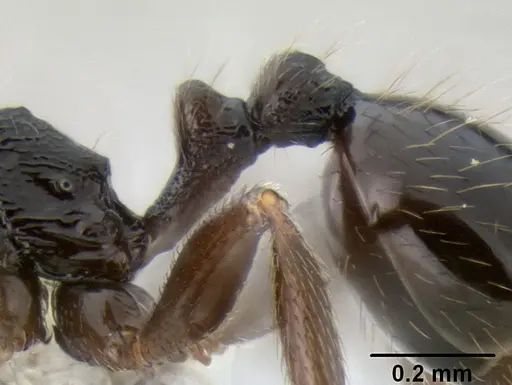
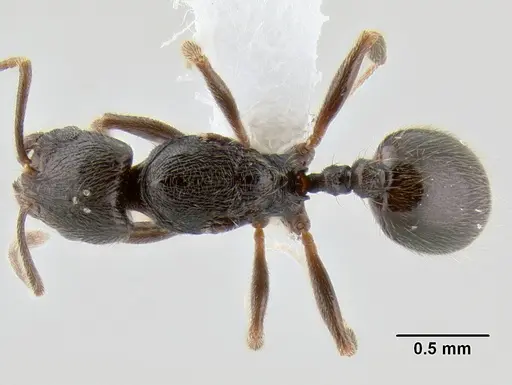
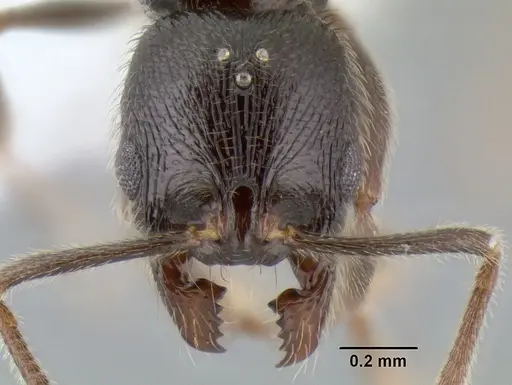
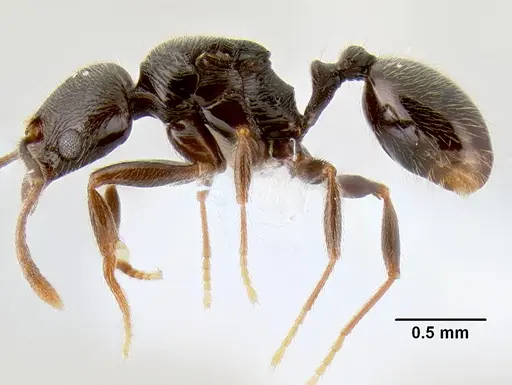
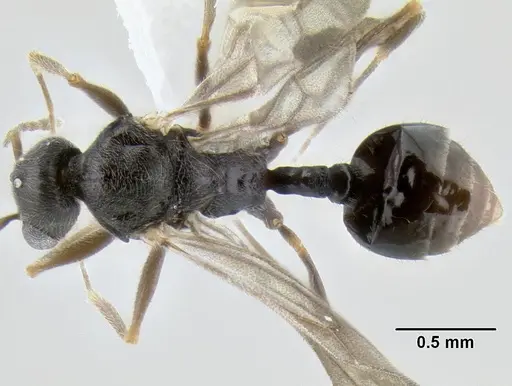
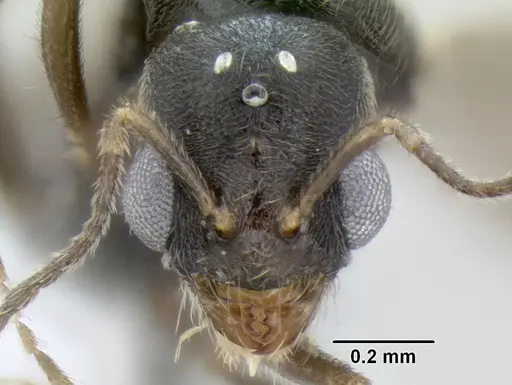
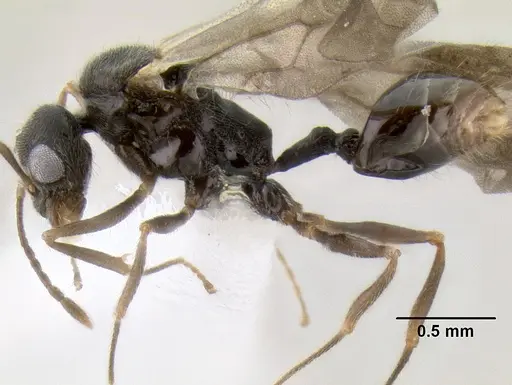
Stenamma sandinista is a small leaf-litter ant species endemic to the cloud forests of Nicaragua. They have a dark brown to brown body with lighter limbs, and a distinctive double-layer of hairs on the abdomen - long upright setae with a sparse layer of short, flat-lying hairs underneath . These ants are specialists of montane wet forests, living entirely in the forest floor leaf litter at elevations between 900 and 1600 m . The species was described only in 2013,so it’s a recently discovered ant that is rarely kept in captivity.
Quick Summary
- Difficulty: Expert
- Origin & Habitat: Nicaragua, specifically the Reserva Natural Datanlí El Diablo in Jinotega department, in cloud forest at about 1440 m elevation [2]. They live exclusively in sifted leaf litter on the wet forest floor [1].
- Colony Type: Colony structure is unconfirmed. Only one colony has ever been observed in the wild, a nest fragment found in leaf litter containing tens of workers and brood [1].
- Size & Growth:
- Queen: No total length data available in literature, head length approximately 0.69 mm [1].
- Worker: No total length data available in literature, head length approximately 0.62-0.73 mm [1].
- Colony: Unknown, only tens of workers observed in the single known nest fragment [1].
- Growth: Unknown, estimated slow based on small colony sizes typical of leaf‑litter Stenamma.
- Development: No direct data, estimated 8-12 weeks based on typical Stenamma patterns (unconfirmed). (No direct development data exists for this species.)
- Antkeeping:
- Temperature: Keep cool, these are cloud forest ants from high elevation. Aim for 18-22 °C, avoid temperatures above 25 °C. Room temperature in the low 20s works well, estimated from habitat data [1].
- Humidity: High humidity is essential. They live in perpetually damp leaf litter. Keep the nest substrate consistently moist but not waterlogged, with good ventilation to prevent mold, inferred from wet forest habitat [1].
- Diapause: Unknown, likely no true diapause given their tropical cloud forest origin. They may show reduced activity during drier seasons, estimated [1].
- Nesting: Leaf litter specialists that nest in the top layers of forest floor debris. A naturalistic setup with multiple layers of moist substrate (coconut fibre, leaf litter, soil) works best. Test tubes with cotton can work if kept humid and provided with a foraging area filled with leaf litter, inferred from collection method [1].
- Behavior: These are shy, non‑aggressive leaf‑litter ants. Workers forage individually through the leaf litter rather than forming obvious trails. They likely prey on small soil micro‑arthropods. Escape risk is moderate, they are small but not extremely tiny. They are not known to have a functional stinger. Their small size and cryptic lifestyle make them best suited for observation in naturalistic setups where you can watch their natural behaviours, inferred from genus behaviour [1].
- Common Issues: high humidity management, too wet causes flooding and mold, too dry kills the colony., escape prevention, their small size lets them slip through standard test tube barriers without fine mesh., very limited availability, this species is rarely collected or offered in the antkeeping hobby., slow colony growth may lead to keeper impatience and overfeeding., unsuitable for beginner antkeepers due to specialised habitat requirements.
Natural History and Distribution
Stenamma sandinista is one of the most restricted ant species in existence, it is only known from a handful of locations in the cloud forests of northern Nicaragua [1]. The type locality is the Reserva Natural Datanlí El Diablo at approximately 1440 m elevation, where the original specimens were collected by sifting leaf litter from the forest floor [1]. This species is part of the Stenamma Middle American Clade (MAC), a group of ants that have evolved to fill a very specific ecological niche in wet forest understories [3]. Unlike many ants that nest in soil or wood, S. sandinista lives entirely within the leaf litter layer, making them incredibly difficult to study. Only one nest fragment has ever been found in the wild, discovered by randomly scraping back the top layer of leaves during a Winkler sample collection [1]. The elevation range of 900-1600 m places them in cloud forest habitat where humidity is constantly high and temperatures remain cool year‑round.
Housing and Nest Setup
Because these ants are leaf‑litter specialists, a naturalistic setup is strongly preferred over a basic test tube setup. Create a multi‑layered substrate using coconut fibre, sphagnum moss, and collected leaf litter to replicate their natural environment. The substrate should remain consistently moist but never waterlogged, think of the damp, spongy feeling of forest floor soil after rain. A thin layer of dried leaves on top helps maintain humidity and gives the ants cover. If using a test tube setup, you must provide a spacious foraging area filled with moist substrate and leaf litter layers. Use fine mesh on any openings because these ants are small enough to escape through standard barriers. Some keepers have success with Y‑tong or plaster nests filled with moist substrate, but the key is creating that humid, litter‑filled environment they naturally inhabit. Room temperature (18-22 °C) is ideal given their cloud forest origin, no additional heating is typically needed, and heat should be avoided [1].
Feeding and Diet
Stenamma ants are predators that forage for small prey in the leaf litter [1]. In captivity, their primary food should be small live prey like springtails, fruit flies, and other micro‑arthropods. They are unlikely to accept larger prey items due to their tiny size. Sugar sources may be accepted occasionally, you can offer a drop of diluted honey or sugar water, but don’t rely on it as a primary food source. Feed small amounts of prey 2-3 times per week, adjusting based on colony consumption. Remove any uneaten prey after 24-48 hours to prevent mold. Because they live in leaf litter, they likely consume small soil‑dwelling arthropods in the wild, replicating this diet in captivity is challenging but essential for colony health. The small worker size means even tiny prey items are substantial meals for them.
Temperature and Seasonal Care
These are cool‑climate cloud forest ants that prefer temperatures in the 18-22 °C range. Avoid any temperatures above 25 °C, as this could stress or kill the colony. In most indoor environments, no heating is needed, if your room runs warmer, consider placing the nest in a cooler location or using a small cooling method. The high elevation of their natural habitat (900-1600 m) means they are adapted to year‑round mild temperatures with high humidity [1]. Regarding diapause, their tropical cloud forest origin suggests they likely do not require a true hibernation period. However, they may show reduced activity during the drier seasons in Nicaragua. Observe your colony’s activity levels and reduce feeding slightly if they become less active. The key is consistency, avoid temperature fluctuations and keep humidity high at all times [1].
Challenges and Common Problems
The biggest challenge with Stenamma sandinista is simply obtaining them, they are extremely rare in the antkeeping hobby due to their restricted distribution and cryptic lifestyle [1]. Even if you obtain a colony, expect very slow growth. Leaf‑litter ants typically have smaller colonies than their surface‑dwelling cousins, so don’t expect rapid population explosions. Humidity management is critical: too wet and the colony drowns or develops mold, too dry and they desiccate. The small size of these ants also makes them prone to escaping, always use fine mesh barriers and check for gaps. They are not aggressive and have no functional sting, so they pose no danger to keepers. However, their specialised habitat requirements make them unsuitable for beginners. If you’re interested in keeping this species, focus on establishing a stable, humid naturalistic setup before acquiring a colony [1].
Frequently Asked Questions
Is Stenamma sandinista available for purchase in the antkeeping hobby?
No, this species is extremely rare in the antkeeping hobby. It was only described in 2013 and is endemic to a small region of Nicaragua. You are unlikely to find colonies for sale, and wild collection is not recommended due to their restricted range and the difficulty of locating them in leaf litter [1].
What do Stenamma sandinista ants eat?
They are predators that hunt small arthropods in leaf litter [1]. In captivity, feed small live prey like springtails, fruit flies, and other micro‑arthropods. Sugar sources may be occasionally accepted but should not be relied upon as a primary food source [1].
What temperature do Stenamma sandinista ants need?
Keep them cool at 18-22 °C. These are cloud forest ants from high elevation in Nicaragua, and they do not tolerate heat. Avoid temperatures above 25 °C. Room temperature in most homes should be suitable without additional heating [1].
How big do Stenamma sandinista colonies get?
Unknown, but likely small, under 100 workers. The only observed nest fragment contained ‘tens of workers, ’ suggesting this species maintains relatively small colonies typical of leaf‑litter specialists [1].
Can beginners keep Stenamma sandinista?
No, this species is not suitable for beginners. They have very specialised humidity requirements, are extremely rare to obtain, and require a naturalistic setup with leaf litter substrate. Their slow growth and small colony sizes also make them challenging to maintain [1].
Do Stenamma sandinista ants sting?
No, Stenamma ants do not have a functional stinger. They are small, shy ants that rely on their cryptic lifestyle rather than defensive aggression. They pose no danger to keepers [1].
What kind of nest do Stenamma sandinista ants need?
A naturalistic setup with multiple layers of moist substrate (coconut fibre, leaf litter, soil) is best. They are leaf‑litter specialists that live in the forest floor, so replicate this with a deep, humid substrate filled with decomposing leaves. Test tubes can work if provided with a spacious foraging area full of moist litter [1].
How long does it take for Stenamma sandinista to develop from egg to worker?
Unknown, no development data exists for this species. Based on typical Stenamma genus patterns from cloud forest habitats, estimate 8-12 weeks from egg to first worker at optimal temperature [1].
Where is Stenamma sandinista found in the wild?
Only in the cloud forests of northern Nicaragua, specifically in the Reserva Natural Datanlí El Diablo in Jinotega department. They live at elevations between 900 and 1600 m and are found exclusively in sifted leaf litter on the forest floor [1][2].
Do Stenamma sandinista ants need hibernation?
Probably not. Their tropical cloud forest origin means they likely do not require a true hibernation period. However, they may show reduced activity during drier seasons. No diapause has been documented for this species [1].
Can I keep multiple Stenamma sandinista queens together?
Unknown, colony structure has not been documented for this species. Most Stenamma are single‑queen colonies, but polygyny has been observed in some related species. Combining unrelated queens is not recommended due to lack of data [1].
Why are Stenamma sandinista ants so hard to find?
They are leaf‑litter specialists that live entirely within the top layers of forest floor debris, making them nearly invisible. They don’t form obvious nests or foraging trails. The only known collection method is sifting leaf litter through Winkler extractors, which is why only a handful of specimens have ever been documented [1].
Report an Issue
The current care sheet is based fully on literature. See inconsistencies, or something that's incorrect? Please , it will be resolved after review from an admin. Contributing to the blogs tab also helps providing information, to make us be able to further improve the caresheets. Thank you for your support!
References

This caresheet is licensed under CC BY-SA 4.0 .
Community Blogs
Literature
Loading distribution map...Loading products...