
Stenamma punctatoventre
- Sci. Name
- Stenamma punctatoventre
- Tribe
- Stenammini
- Subfamily
- Myrmicinae
- Author
- Snelling, 1973
- Distribution
- Found in 1 countries
Introduction
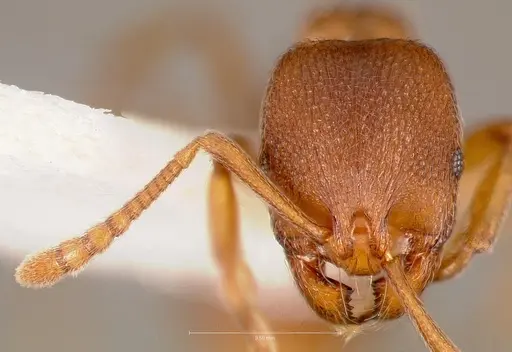
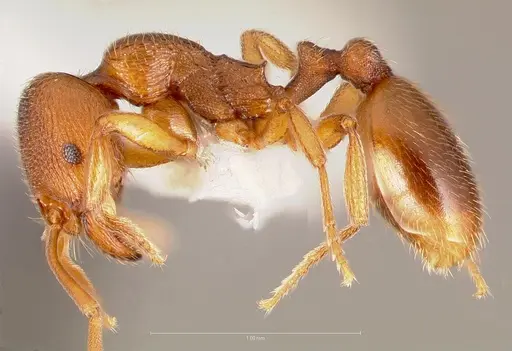
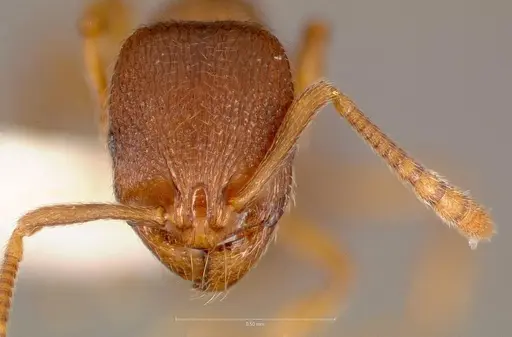
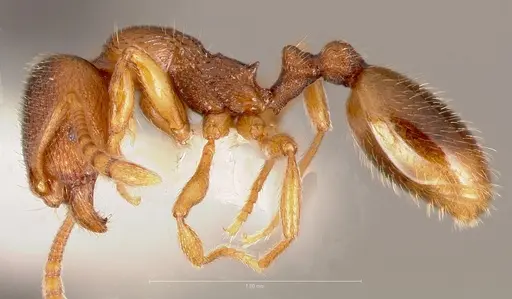
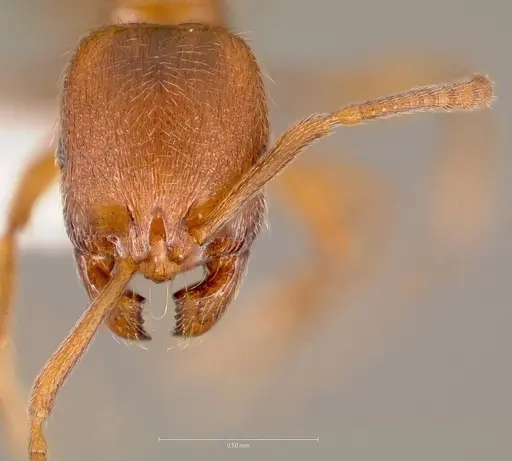
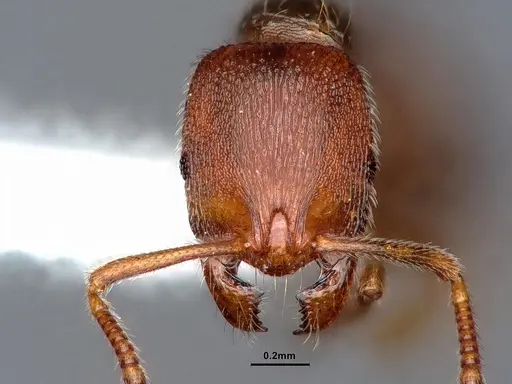
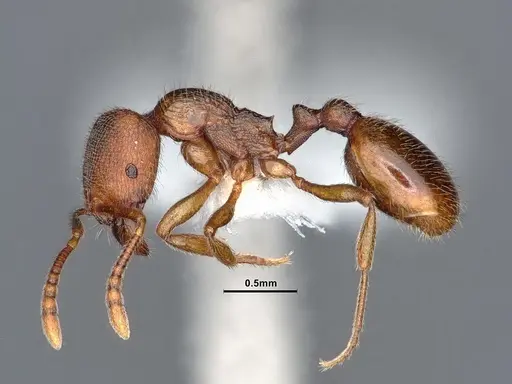
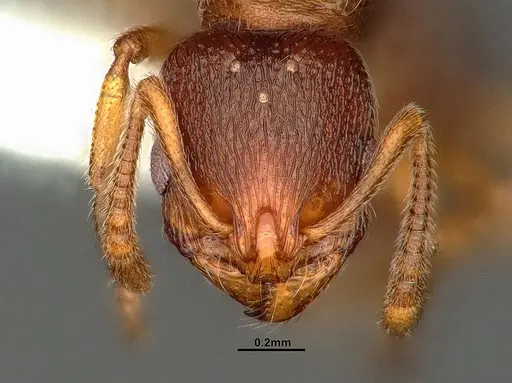
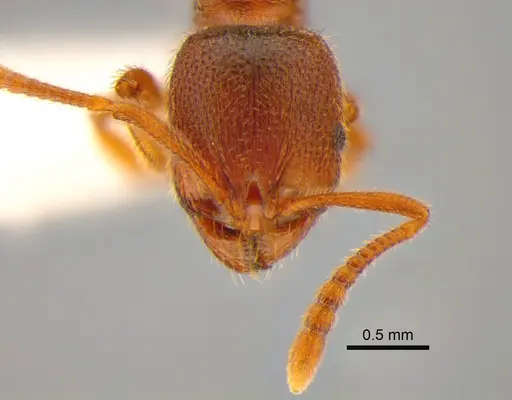
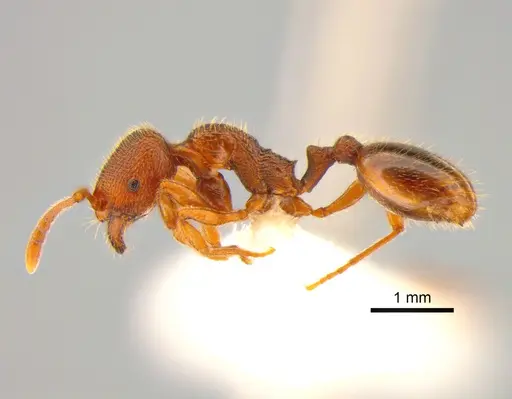
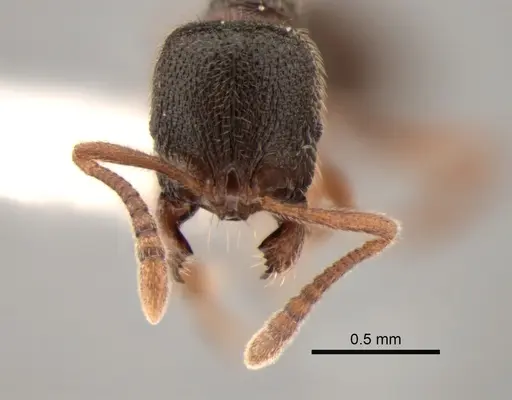
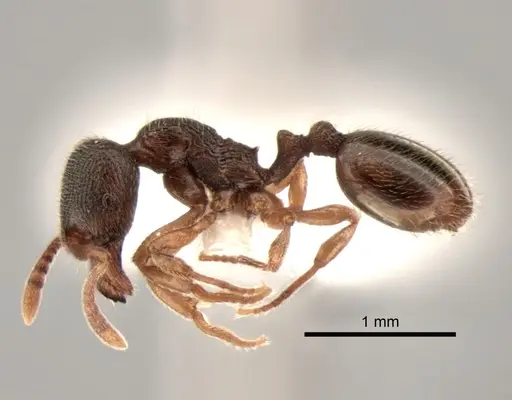
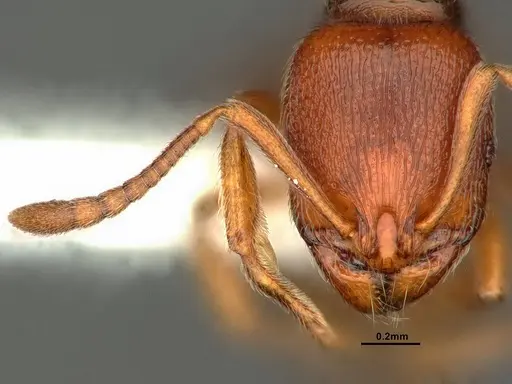
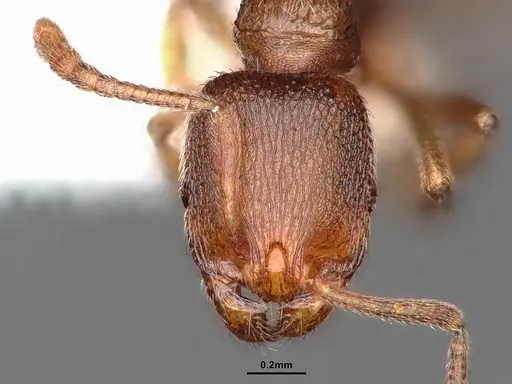
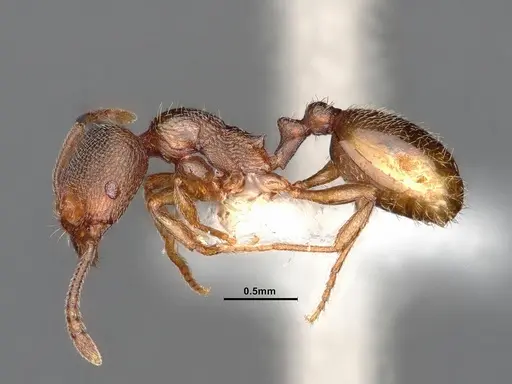
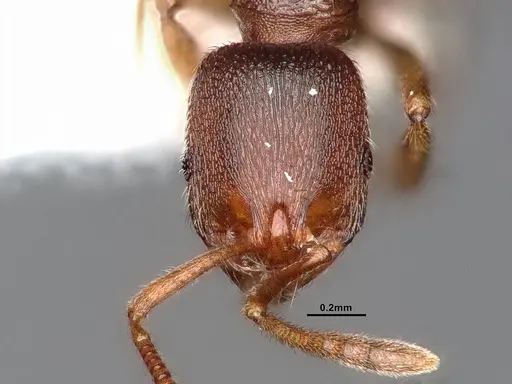
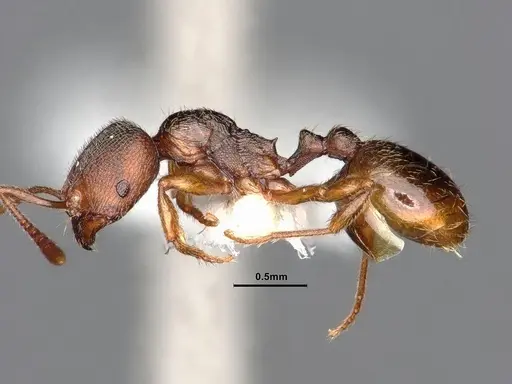
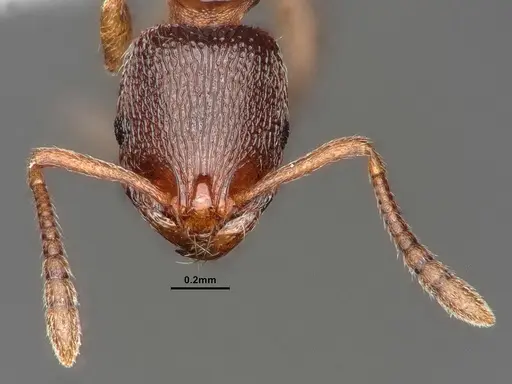
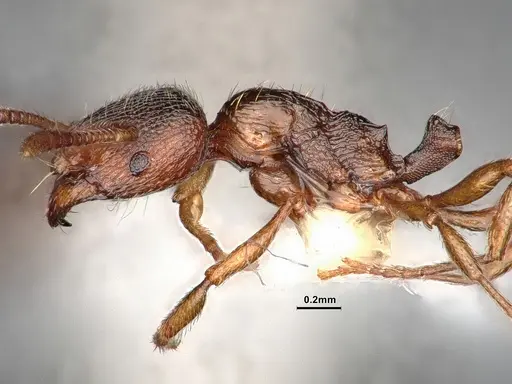
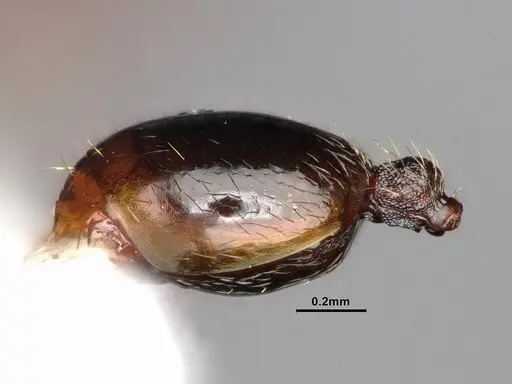
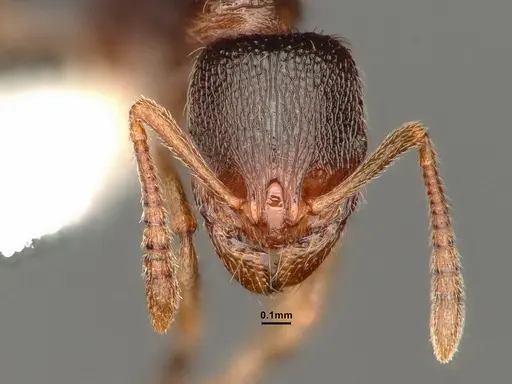
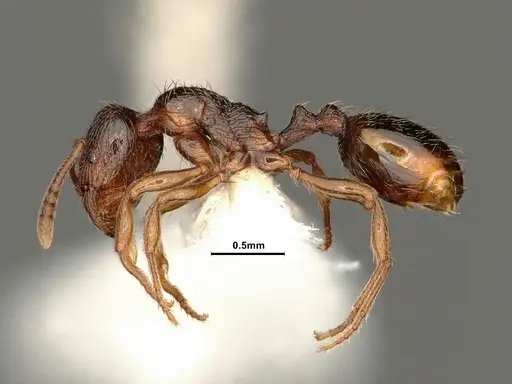
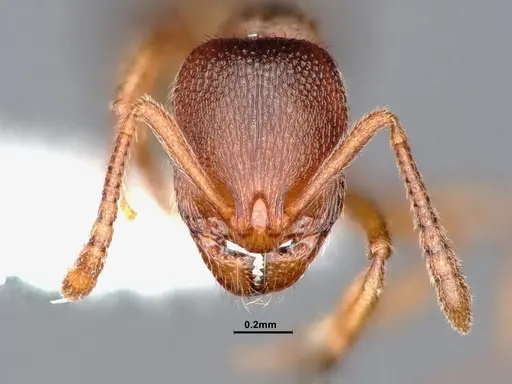
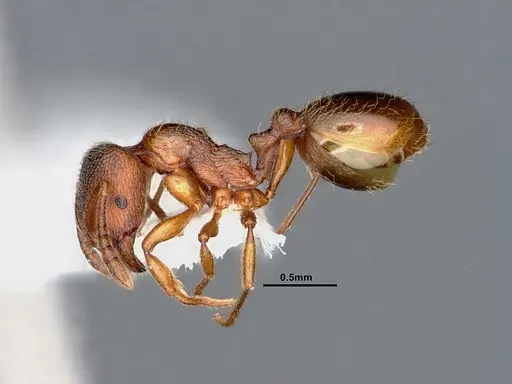
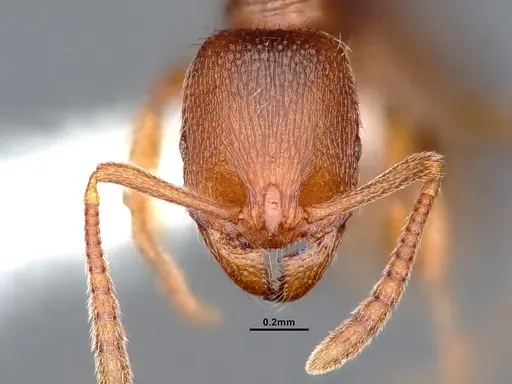
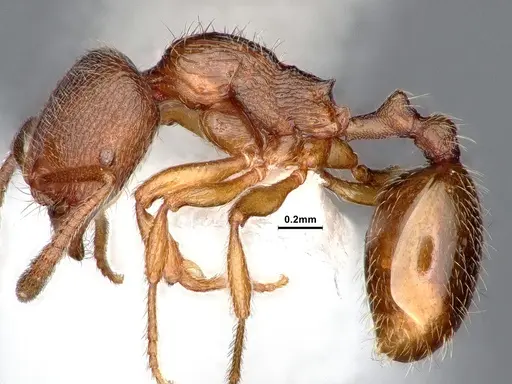
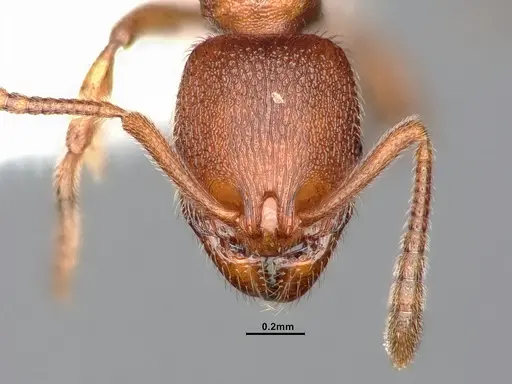
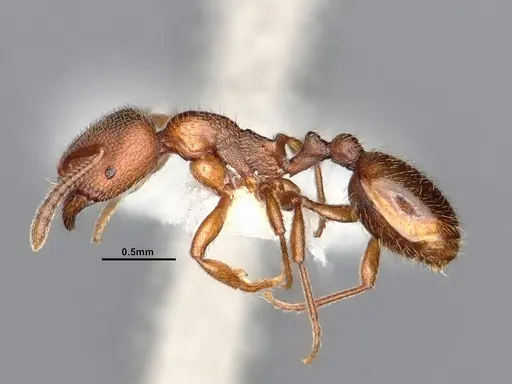
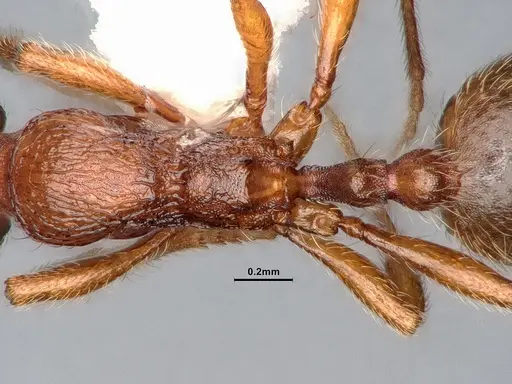
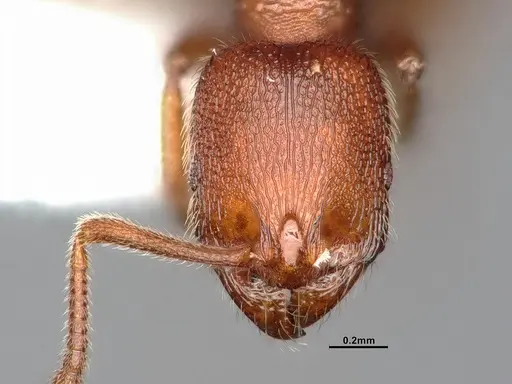
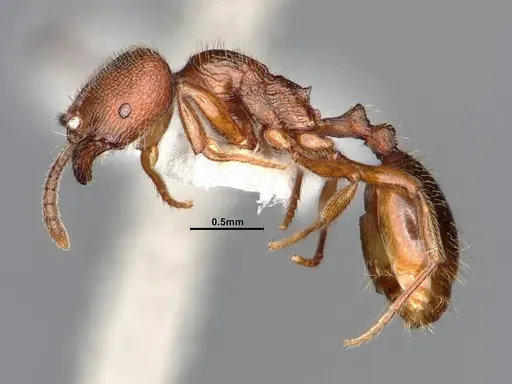
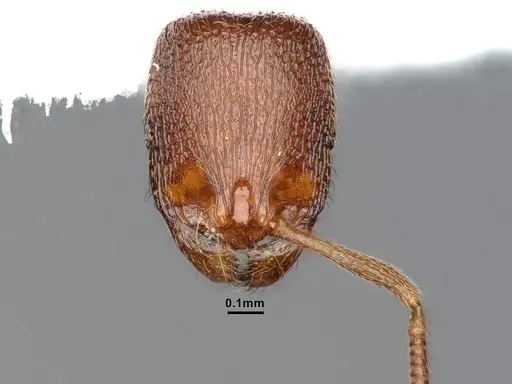
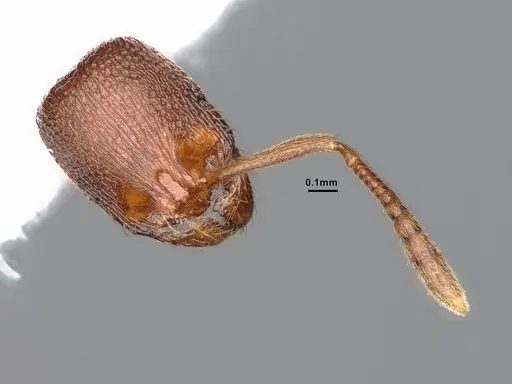
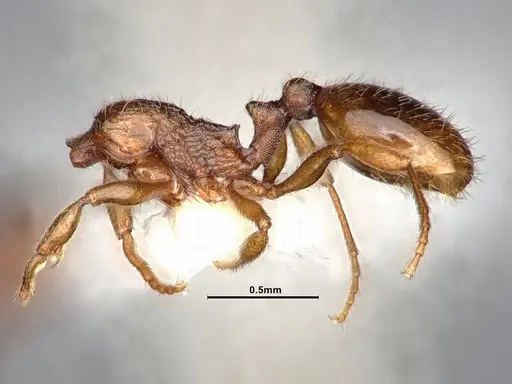
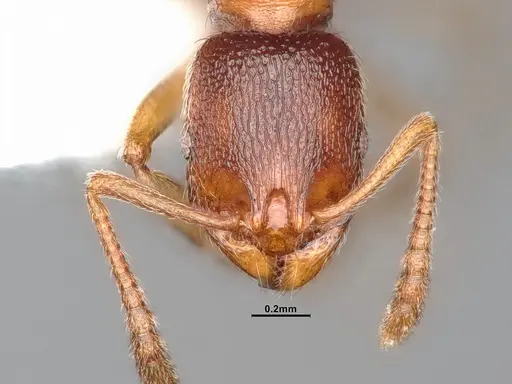
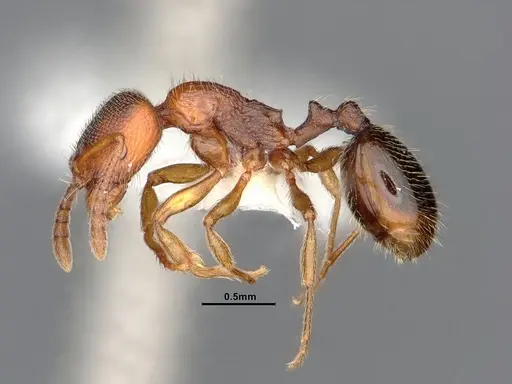
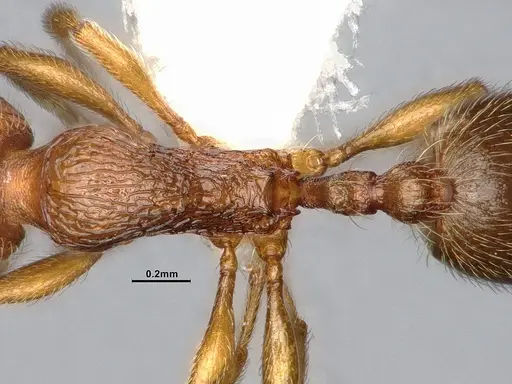
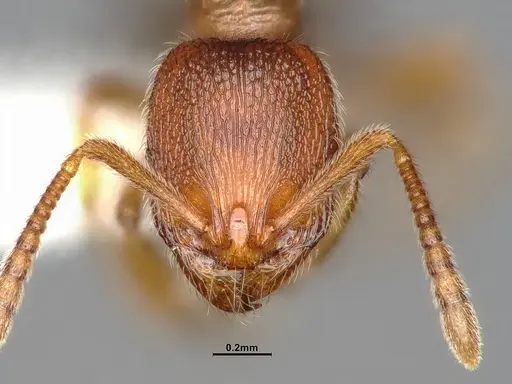
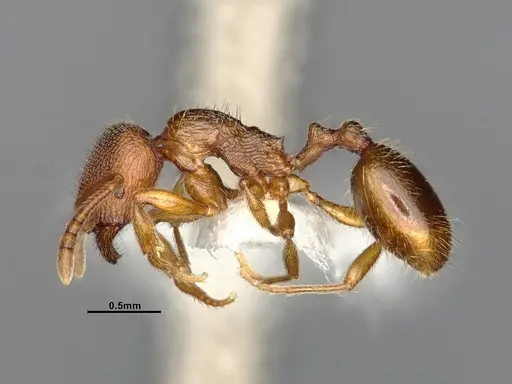
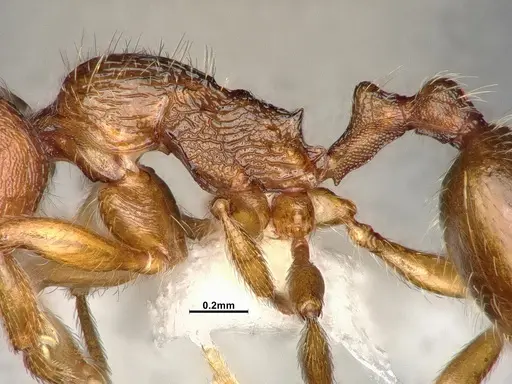
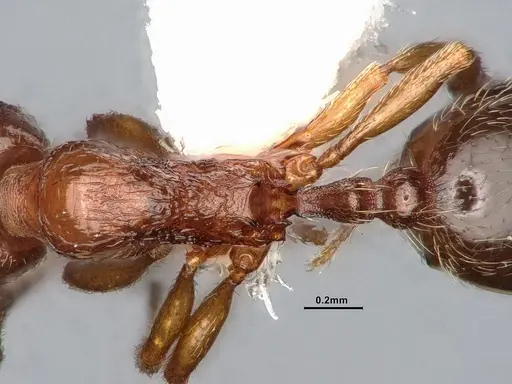
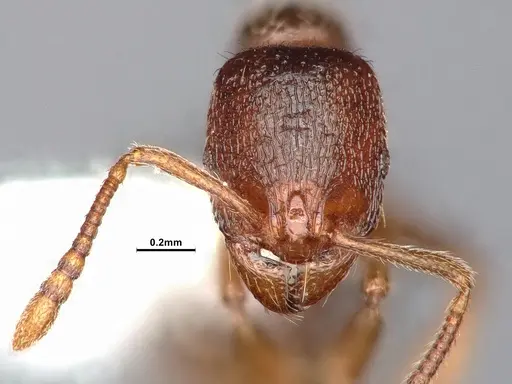
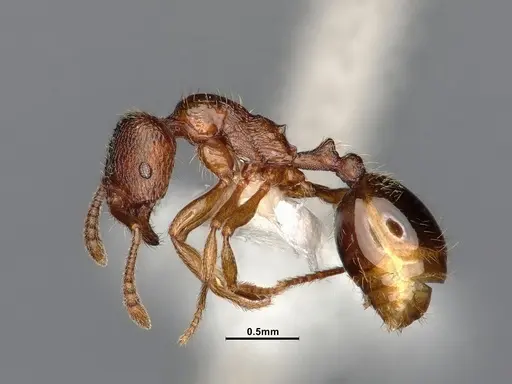
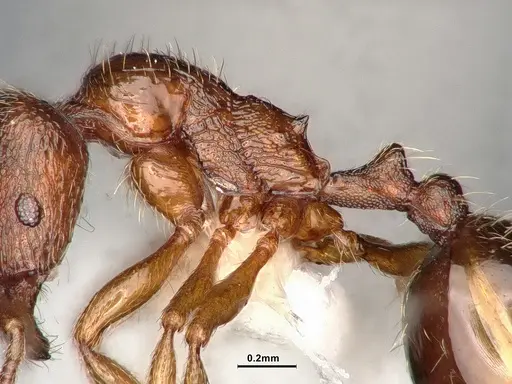
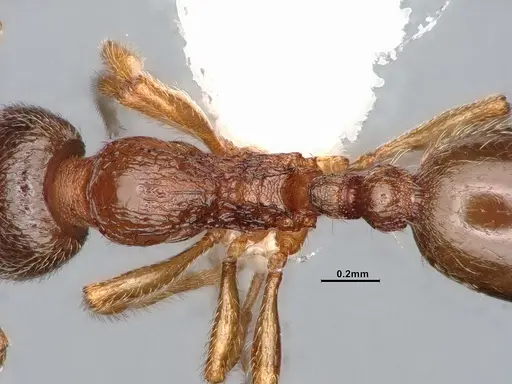
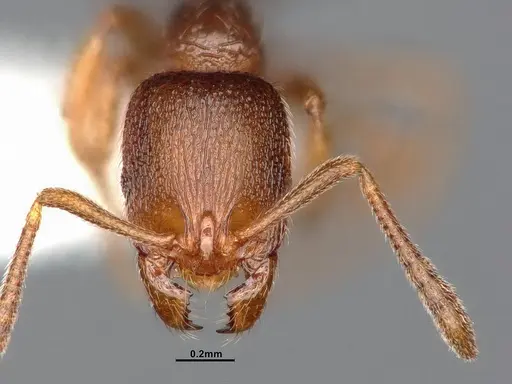
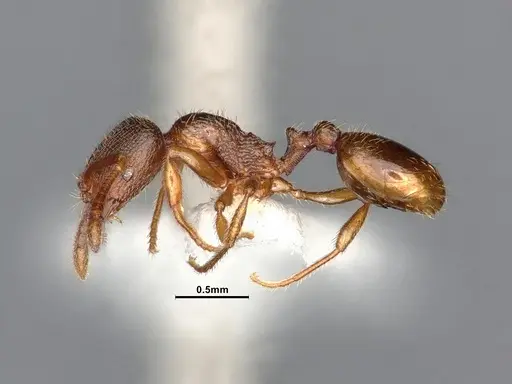
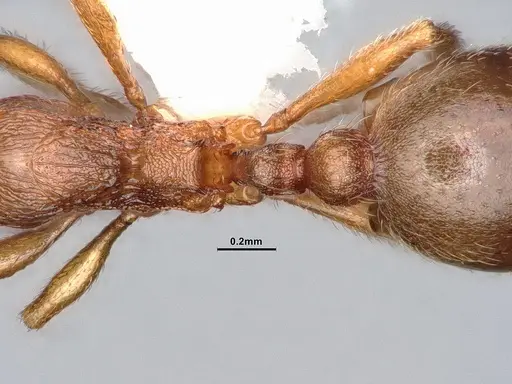
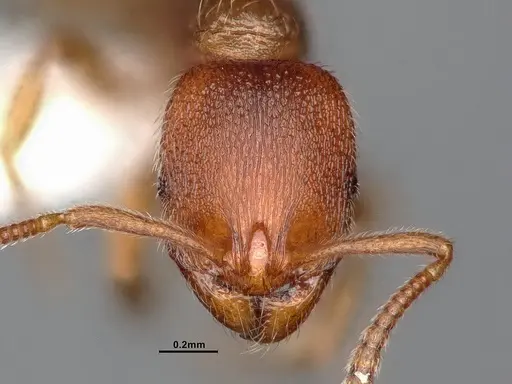
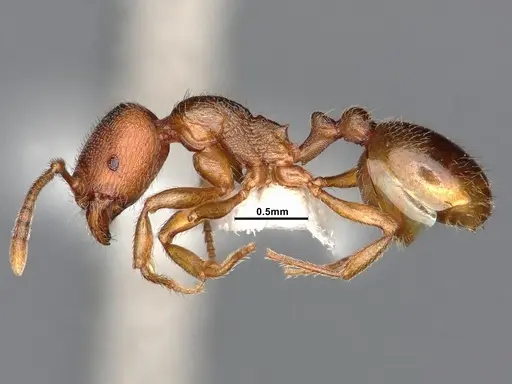
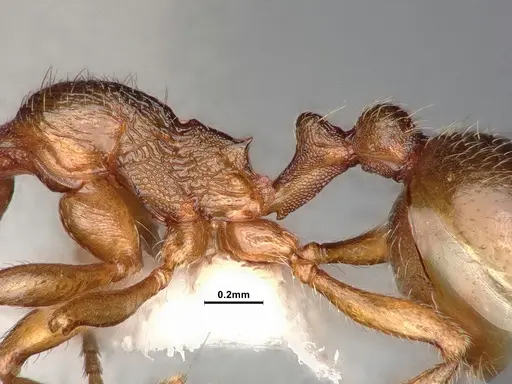
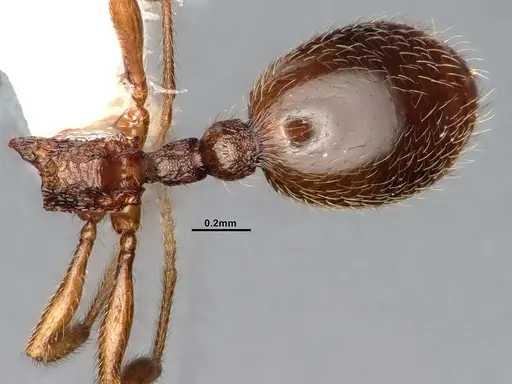
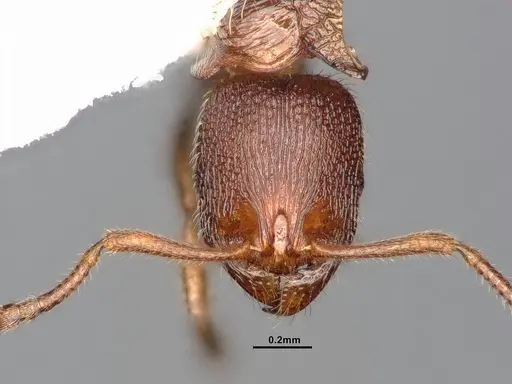
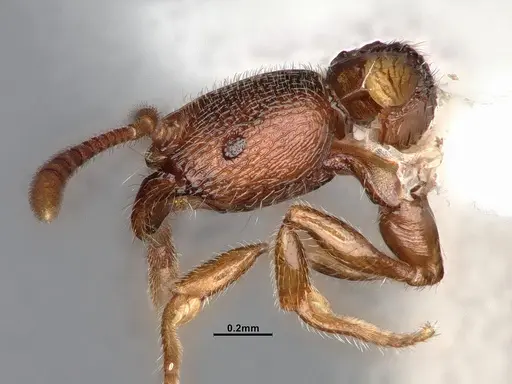
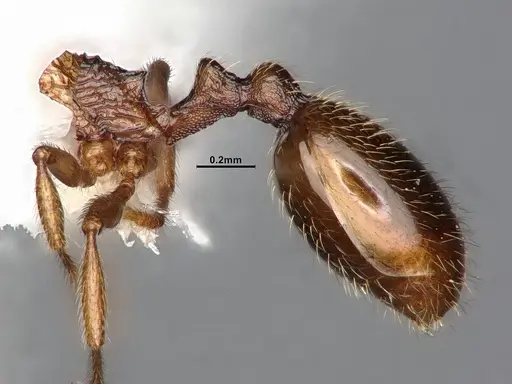
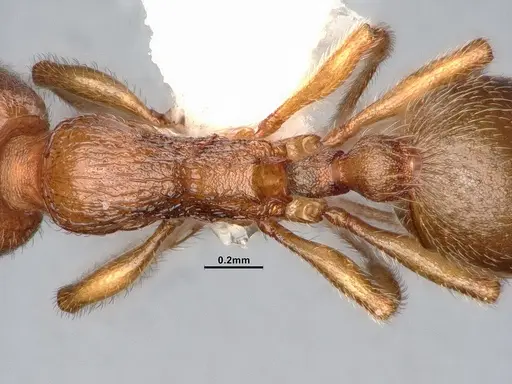
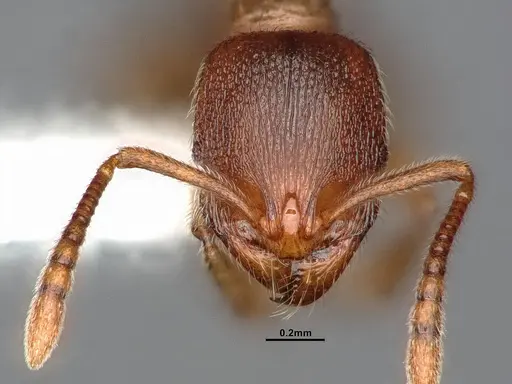
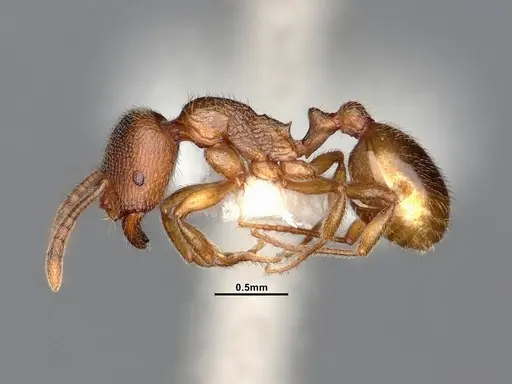
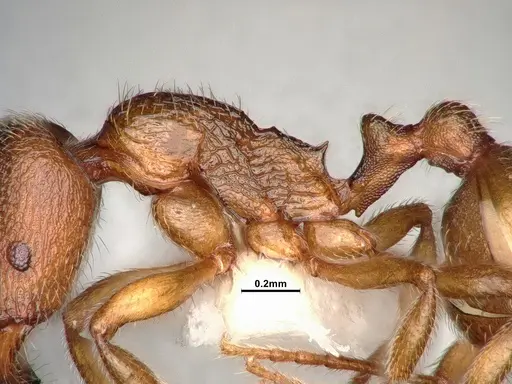
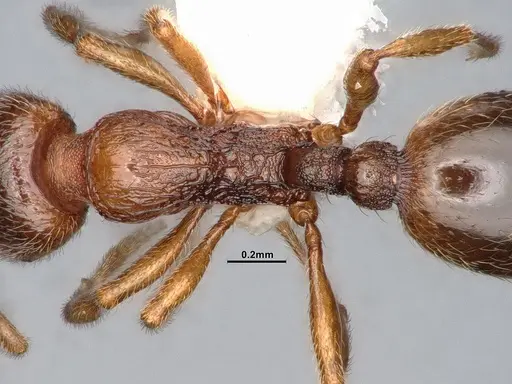
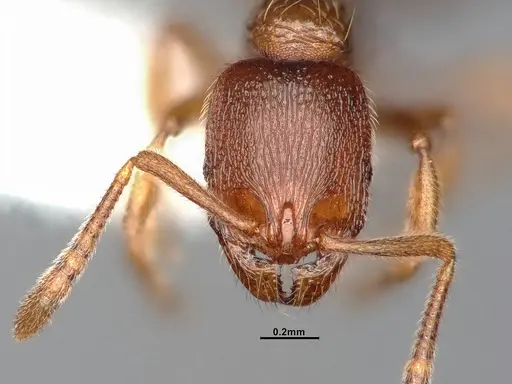
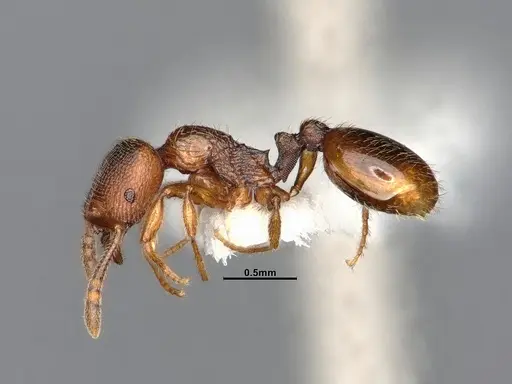
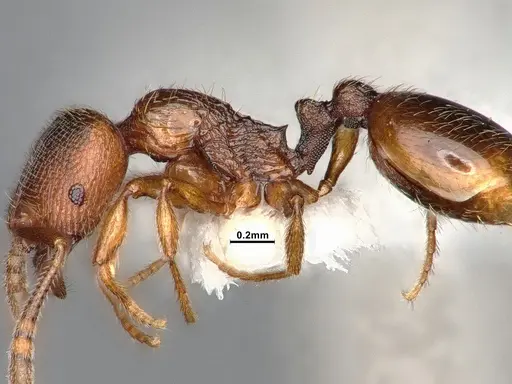
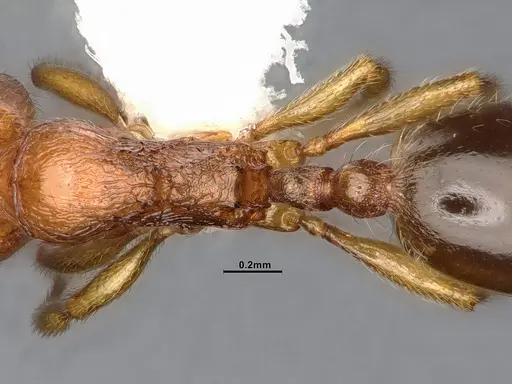
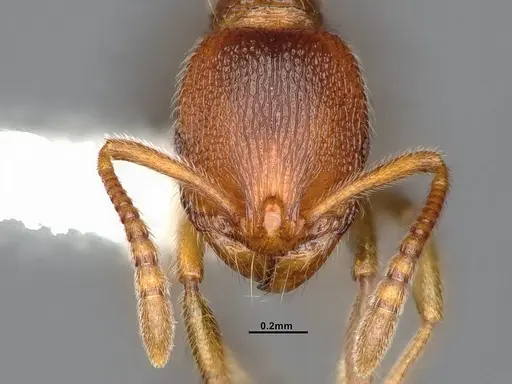
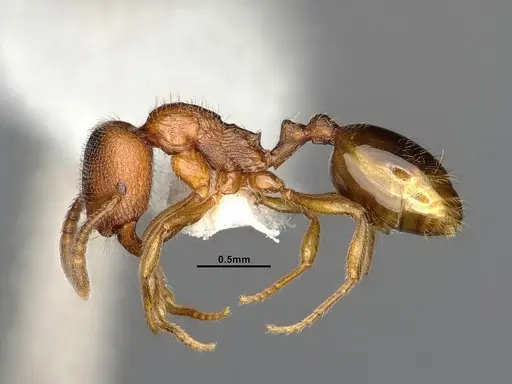
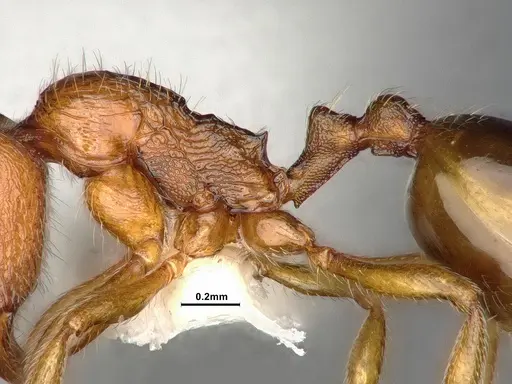
Stenamma punctatoventre is a small, cryptic ant native to the western United States, found in California and Washington . It belongs to the Myrmicinae subfamily and the smithi group, characterized by a unique clypeal structure where a median lobe projects over the clypeal margin . Workers are tiny and have a variable medium ferruginous (rusty brown) color – the head is usually darker and the tip of the abdomen is yellowish . These ants are litter-dwellers, preferring damp, shaded forest floors in conifer forests, mixed woodlands, and riparian areas. They nest under stones, in decayed wood, or within leaf litter . Research shows they are strongly associated with leaf litter samples and can tolerate serpentine soils, with higher occurrence on serpentine in northern California . They are solitary foragers and highly secretive.
Quick Summary
- Difficulty: Medium
- Origin & Habitat: Western United States (California and Washington). Found in conifer forests, mixed forests, riparian woodlands, and serpentine soil habitats at elevations from 1900ft to 6000ft [1][4].
- Colony Type: Unconfirmed – colony structure has not been studied directly for this species.
- Size & Growth:
- Queen: Total body length not published (head length is ~0.80mm, but total length unknown) [1]
- Worker: Total body length not published (head length 0.70-0.83mm, indicating very small ants) [1]
- Colony: Unknown – only single workers collected in surveys, likely very small based on litter-dwelling habits [4]
- Growth: Slow – inferred from small colony size and temperate habits
- Development: Unknown, estimated 8-12 weeks based on temperate Myrmicinae (Development not documented for this species. Temperature significantly affects speed.)
- Antkeeping:
- Temperature: Keep cool, around 18-22°C. As a Nearctic species from temperate forests (latitude 41°N), it prefers cooler conditions than tropical ants [6][4]. Avoid temperatures above 25°C.
- Humidity: High humidity is essential. These ants live in leaf litter and forest floors – keep the nest substrate consistently moist but not waterlogged. Damp forest floor conditions [1].
- Diapause: Likely yes – based on temperate habitat and latitude (41°N) [6]. Provide 2-3 months at 5-10°C during winter.
- Nesting: Prefers tight, humid chambers. Test tubes with a water reservoir work well for founding. For larger colonies, use a small Y-tong (AAC) or plaster nest with good humidity control. Avoid large open spaces, provide dark cover.
- Behavior: Shy, non-aggressive ants that forage singly in leaf litter. Workers are tiny and unlikely to sting – they rely on staying hidden. Their small size means they can escape through tiny gaps, so seal all connections. They are cryptic and spend most of the time hidden [1].
- Common Issues: high humidity can lead to mold if ventilation is poor – provide small vents., tiny size makes escape prevention critical – check all connections and use fluon or oil barriers., very little is known about this species, so keepers must rely on observation rather than established protocols., cold temperature requirements may be difficult to maintain in warm climates., wild colonies take time to establish – minimize disturbance during founding.
Housing and Nest Setup
Replicate their natural leaf litter habitat. Test tubes with a water reservoir work well for founding colonies – the narrow chambers mimic the tight spaces they use naturally [1]. As the colony grows, use a small plaster or Y-tong (AAC) nest with good humidity retention. Avoid nests with large chambers or wide tunnels – these ants are tiny and prefer confined spaces. Keep the nest humid but provide some ventilation to prevent mold. Add a layer of moist soil or coco fiber in the outworld for foraging. Cover the nest with an opaque sheet, they are cryptic and need darkness [1]. Check all connections for gaps – their small size means any loose joint is an escape route.
Feeding and Diet
Like most litter-dwelling Myrmicinae, Stenamma punctatoventre likely preys on small insects and micro-arthropods [1]. Offer small protein sources: fruit flies (Drosophila), tiny mealworms, or small crickets. They may also accept sugar water or honey water. Feed small amounts every 2-3 days and remove uneaten food to prevent mold. Portion sizes should be tiny – a single fruit fly per feeding is enough for a small colony. Avoid overfeeding, excess food can rot in the humid nest.
Temperature and Seasonal Care
This is a cool-temperate species from the western US, so keep it at 18-22°C. It naturally occurs at higher elevations (up to 6000ft in the Sierra Nevada) and latitudes around 41°N, so it dislikes heat [6][4]. Avoid temperatures above 25°C. During winter, provide a diapause period of 2-3 months at 5-10°C – a refrigerator or cool basement works. If kept at room temperature year-round, the colony may weaken or fail to reproduce. Allow a gradual temperature drop in autumn and rise in spring.
Behavior and Colony Dynamics
Stenamma punctatoventre is a cryptic, ground-dwelling ant. Workers forage singly in leaf litter rather than in trails [1]. They are non-aggressive and rely on hiding. Colony size is unknown but likely very small – surveys catch only single workers [4]. Queens are relatively small, founding behavior is unconfirmed but likely claustral like most Myrmicinae. The colony will grow slowly. Be patient and avoid disturbing the nest – too much vibration or light can stress them. Workers are tiny, so meticulously seal the setup.
Field Collection and Establishment
If you collect this species in the wild, look under stones, in decayed logs, or within leaf litter in forests – that's where workers are typically found [1]. They are most active during cooler parts of the day in spring and early summer. When collecting, take some surrounding substrate to help them acclimate. Transfer to a test tube setup quickly and maintain high humidity. Wild colonies may take weeks to settle – minimize disturbances. Because so little is known about their biology, careful observation is key.
Frequently Asked Questions
How long does it take for Stenamma punctatoventre to raise first workers?
This is not documented for this species. Based on related temperate Myrmicinae, expect 8-12 weeks from egg to worker at 20-22°C. Development will be slower if kept cooler.
Can I keep Stenamma punctatoventre in a test tube?
Yes, test tubes work well, especially for founding colonies. Use a small diameter tube (e.g.,16mm) since the ants are tiny. Keep the water reservoir full and cover the tube to maintain darkness and humidity [1].
Do Stenamma punctatoventre ants sting?
They have a stinger like other Myrmicinae, but they are too small and timid to be a concern for humans. They rely on hiding rather than stinging [1].
What temperature do Stenamma punctatoventre ants need?
Keep them cool – 18-22°C is ideal. They come from temperate forests and higher elevations in the western US, so they dislike heat. Avoid temperatures above 25°C [6][4].
Are Stenamma punctatoventre good for beginners?
This species is rated medium difficulty. Their high humidity needs, cool temperature requirements, and tiny size can be challenging. Plus, very little is known about their care. They are better suited for experienced keepers interested in cryptic forest ants.
Do Stenamma punctatoventre need hibernation?
Likely yes – as a temperate species from around 41°N latitude, they probably require a winter rest period. Provide 2-3 months at 5-10°C, similar to other North American temperate ants [6].
How big do Stenamma punctatoventre colonies get?
Unknown. Based on their solitary foraging and litter-dwelling habits, colonies are likely very small – probably fewer than 100 workers, but this is speculative. No colony size data exists [4].
What do Stenamma punctatoventre eat?
They likely feed on small insects and micro-arthropods found in leaf litter. Offer tiny protein sources like fruit flies, small mealworms, or springtails. Sugar water may be accepted. Feed small amounts every few days [1].
Where does Stenamma punctatoventre live in the wild?
This species is only recorded from California and Washington in the western United States. It lives in conifer forests, mixed forests, and riparian woodlands, in leaf litter or under stones, at elevations from 1900ft to 6000ft [1][4].
Why are my Stenamma punctatoventre dying?
Common causes: humidity too low (they need constantly moist substrate), temperatures too high (keep under 25°C), poor ventilation causing mold, or stress from frequent disturbance. Check that conditions match their cool, humid forest floor habitat.
Report an Issue
The current care sheet is based fully on literature. See inconsistencies, or something that's incorrect? Please , it will be resolved after review from an admin. Contributing to the blogs tab also helps providing information, to make us be able to further improve the caresheets. Thank you for your support!
References

This caresheet is licensed under CC BY-SA 4.0 .
Community Blogs
CASENT0005817
View on AntWeb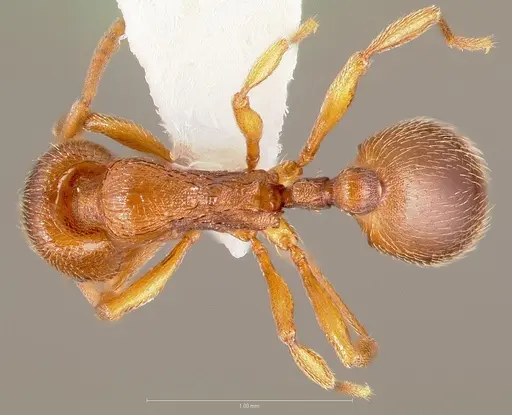
CASENT0005818
View on AntWeb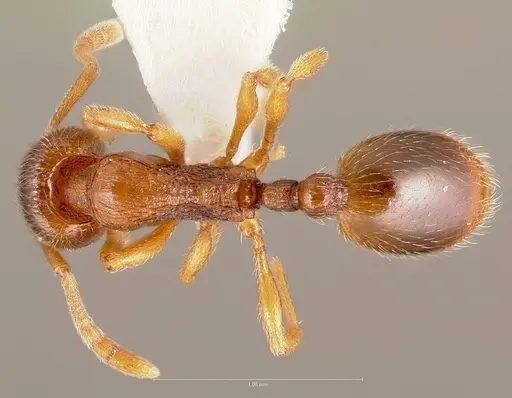
CASENT0005819
View on AntWeb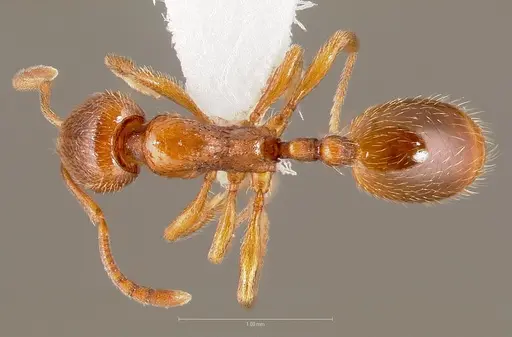
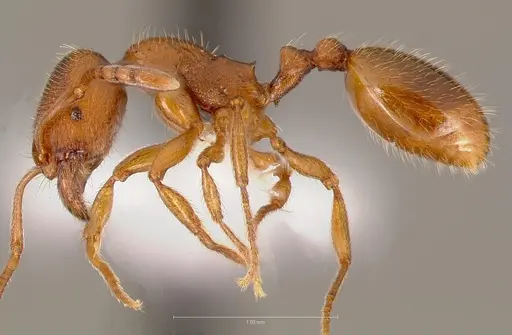
CASENT0126072
View on AntWeb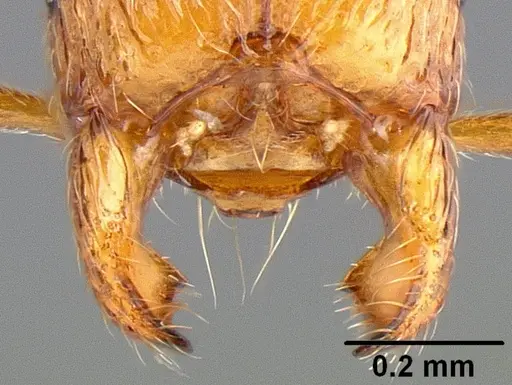
CASENT0221099
View on AntWeb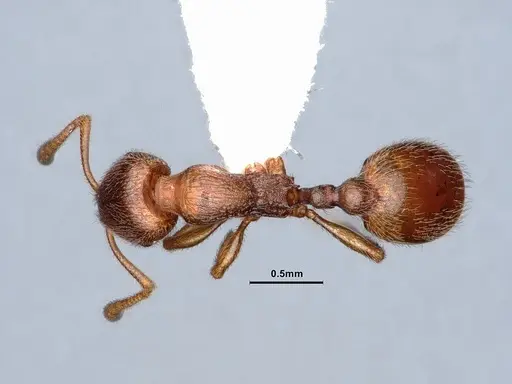
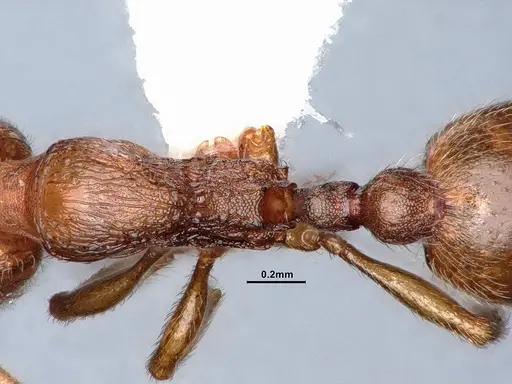
CASENT0761051
View on AntWeb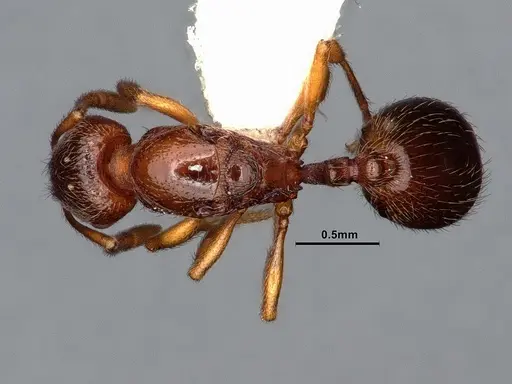
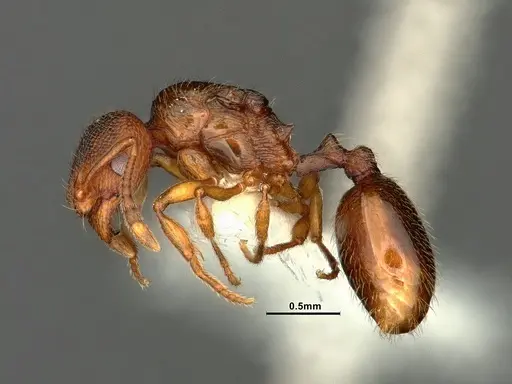
CASENT0862226
View on AntWeb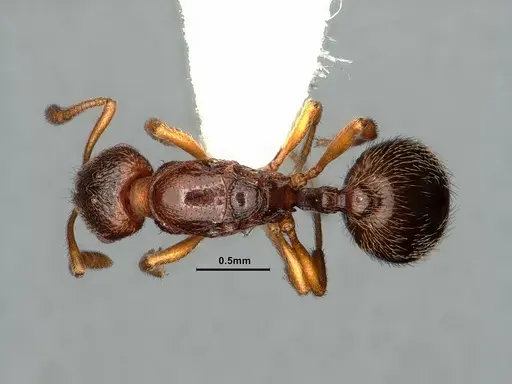
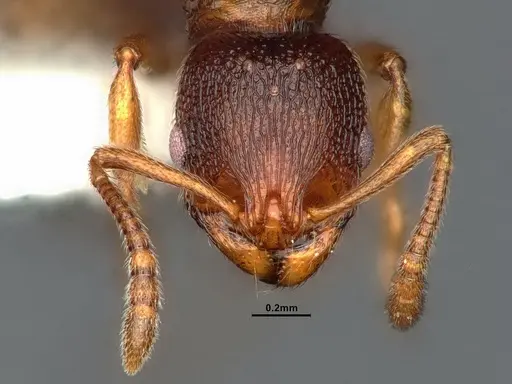
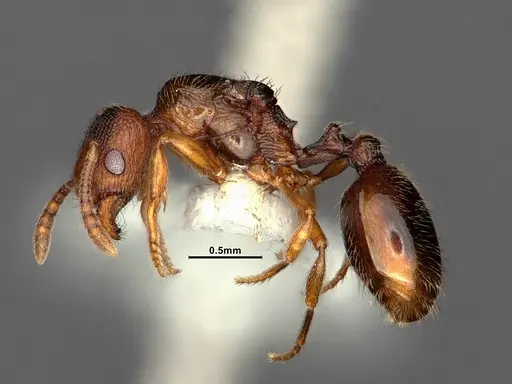
CASENT0882254
View on AntWeb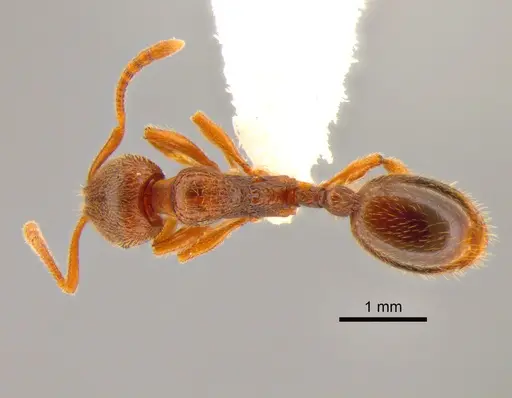
CASENT0882263
View on AntWeb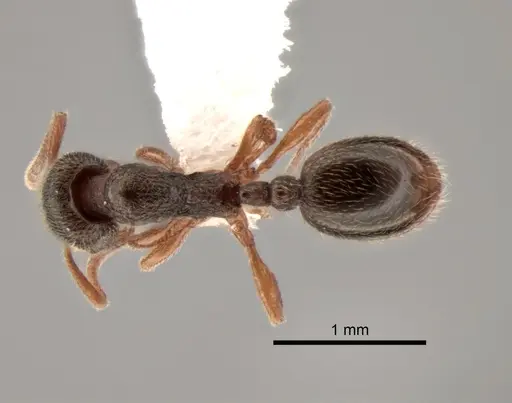
CASENT0883450
View on AntWeb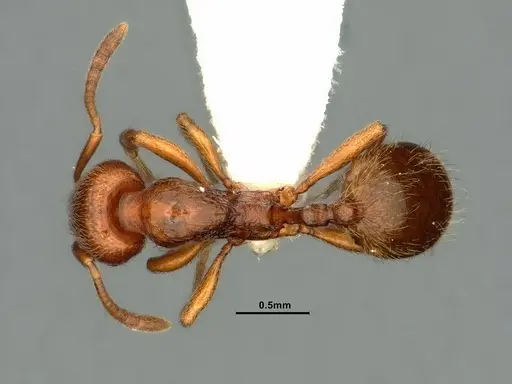
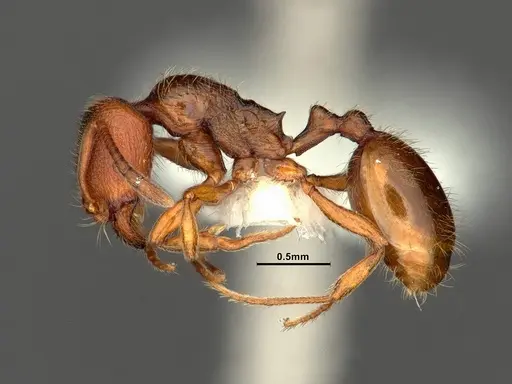
CASENT0883451
View on AntWeb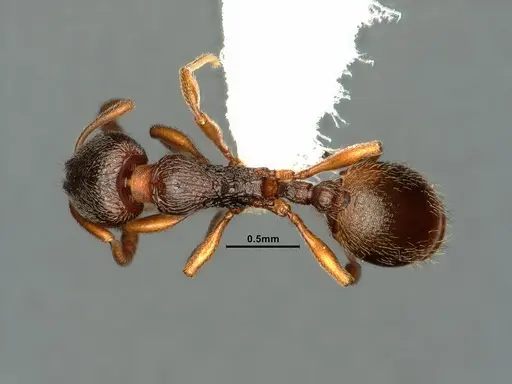
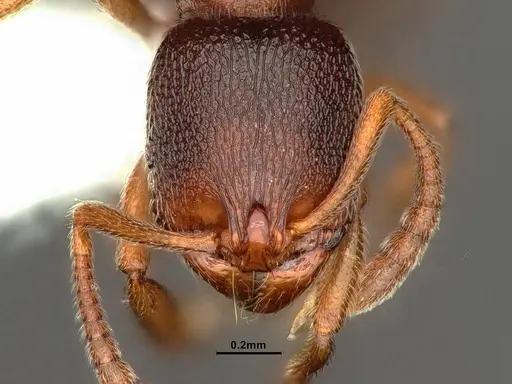
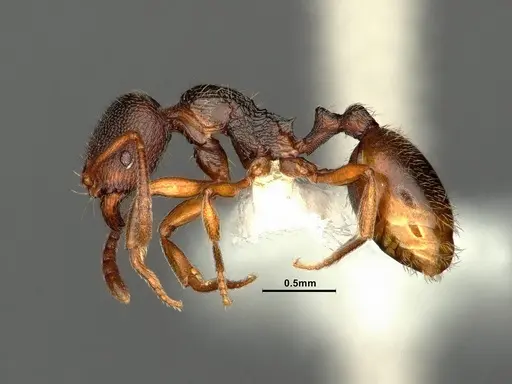
CASENT0884241
View on AntWeb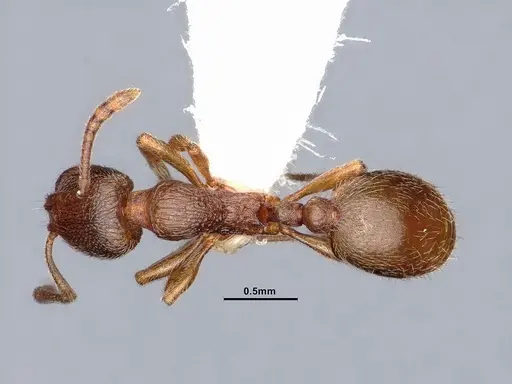
CASENT0884247
View on AntWeb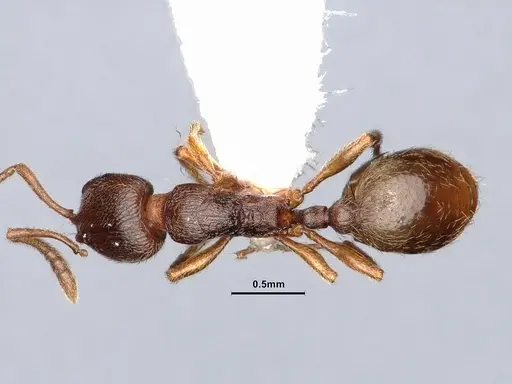
CASENT0884266
View on AntWeb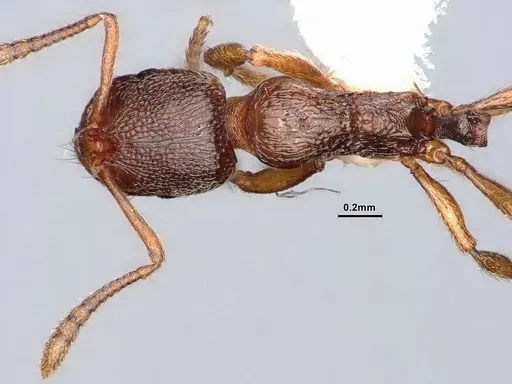
CASENT0884298
View on AntWeb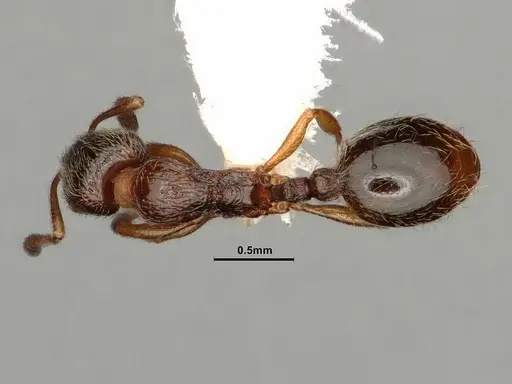
CASENT0884443
View on AntWeb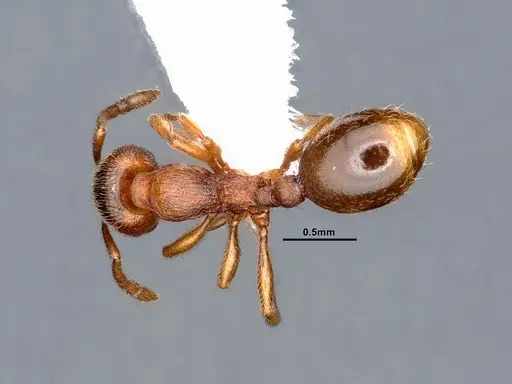
CASENT0884444
View on AntWeb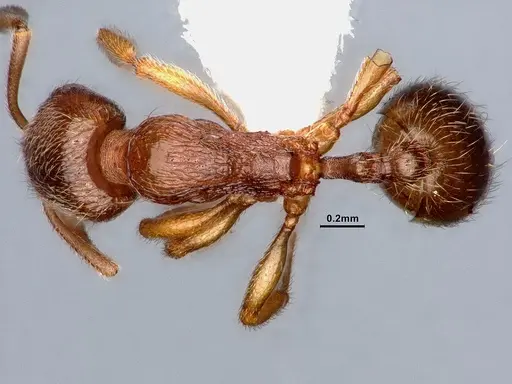
CASENT0884664
View on AntWeb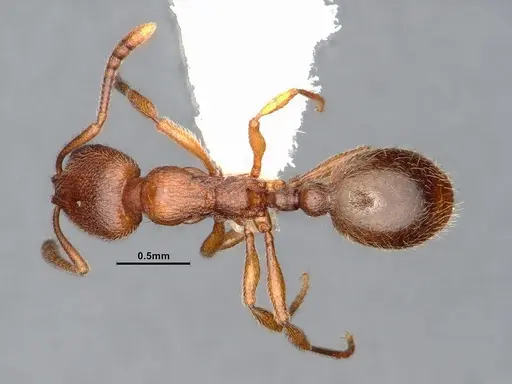
CASENT0885486
View on AntWeb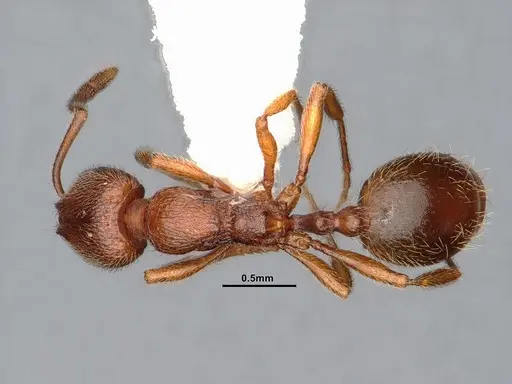
CASENT0885493
View on AntWeb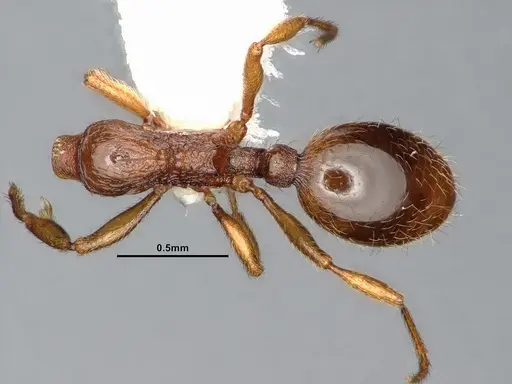
CASENT0885520
View on AntWeb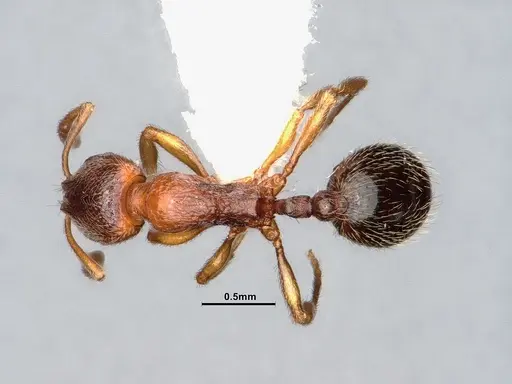
CASENT4031273
View on AntWeb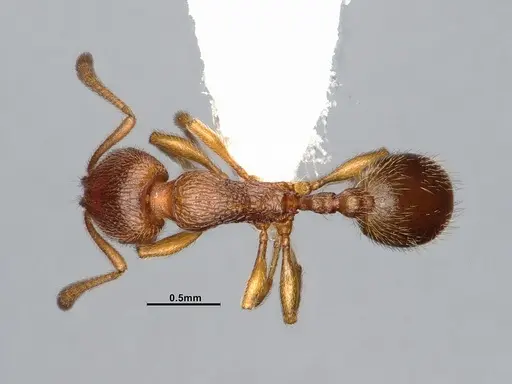
CASENT4031359
View on AntWeb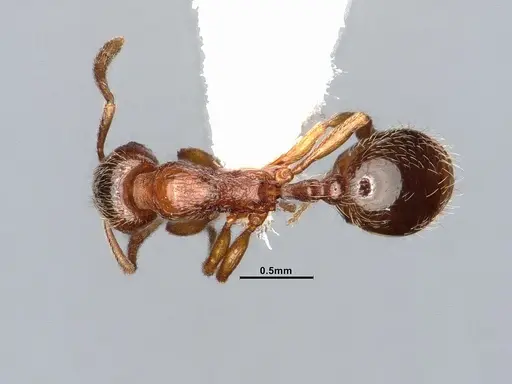
CASENT4031369
View on AntWeb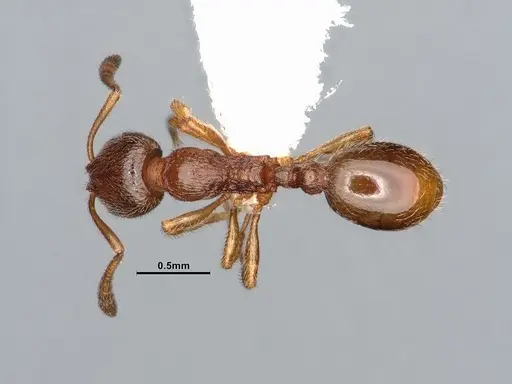
CASENT4031370
View on AntWeb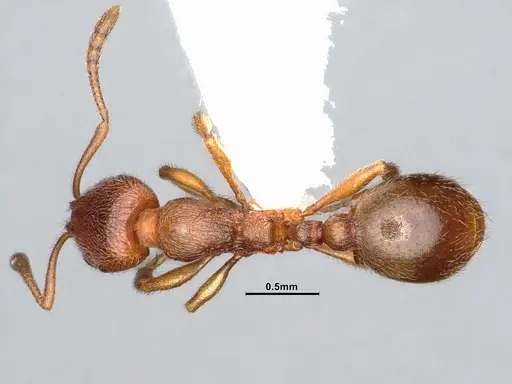
CASENT4031371
View on AntWeb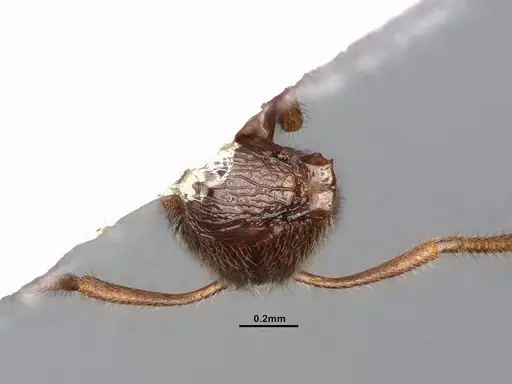
CASENT4031372
View on AntWeb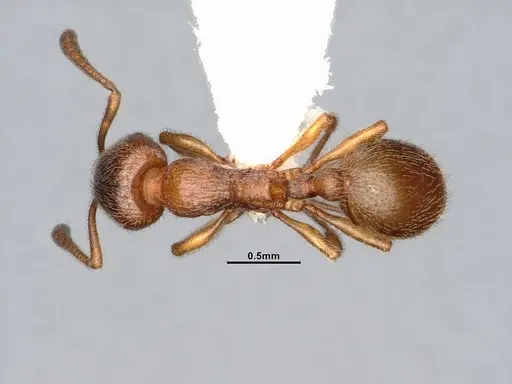
CASENT4031377
View on AntWeb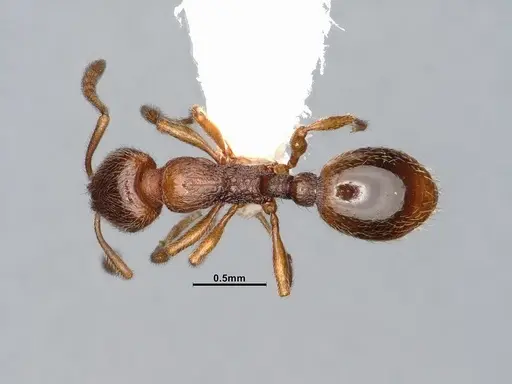
CASENT4032210
View on AntWeb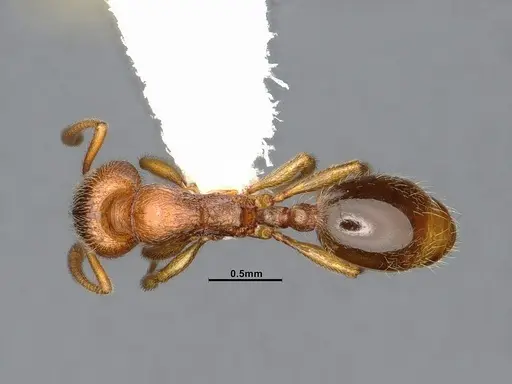
Literature
Loading distribution map...Loading products...