
Stenamma petiolatum
- Sci. Name
- Stenamma petiolatum
- Tribe
- Stenammini
- Subfamily
- Myrmicinae
- Author
- Emery, 1897
- Distribution
- Found in 2 countries
Introduction
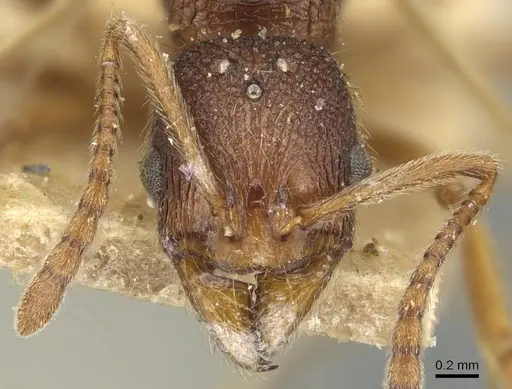
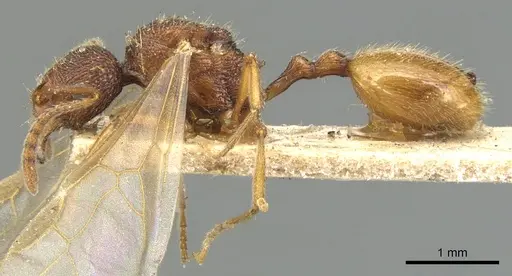
Stenamma petiolatum is a distinctive ant species known for its relatively large size and slender build compared to other European Stenamma. Workers measure 4.8-5.0 mm and queens reach 5.4-5.7 mm , making them some of the larger members of this genus. They have a rusty ferrugineous coloration and stand out due to the presence of standing hairs on their legs and scapes - a unique feature among European Stenamma species, which typically only have flat‑lying hairs . This species is an Italian endemic; confirmed records are limited to a few scattered localities in central and southern Italy, although some unconfirmed records exist from Malta, Croatia, Slovenia, and Corsica . What makes S. petiolatum particularly interesting is how little we know about it. Despite being described in 1897,it remains one of the rarest and most poorly collected ant species in Europe. It has been found in soil samples at moderate altitudes (around 750 m in Corsica) and appears to be a very discreet, ground‑nesting species . The male caste has never been definitively described .
Quick Summary
- Difficulty: Hard
- Origin & Habitat: Stenamma petiolatum is native to the Palearctic region, but confirmed records come only from Italy (Lazio, Campania, Sicily) [1]. Unconfirmed reports exist from Malta, Croatia, Slovenia, and Corsica, but these may represent misidentified specimens [1]. The species prefers moderate altitudes in vegetated areas, for example, it was found at 750 m near Zonza in Corsica, in soil samples [2][3]. It belongs to the Stenamma westwoodiii species group and is associated with woodland and shaded habitats [4].
- Colony Type: Unknown, based on typical Stenamma genus patterns, likely single‑queen colonies (monogyne), but no direct studies exist. No ergatoid replacement reproductives have been documented.
- Size & Growth:
- Queen: 5.4-5.7 mm [1]
- Worker: 4.8-5.0 mm [1]
- Colony: Unknown, related Stenamma species typically have small colonies (under 100 workers), but precise data are lacking.
- Growth: Unknown, likely slow because of small colony size and temperate habitat.
- Development: Unknown (no specific data available) (Based on related temperate Myrmicinae, development likely takes several weeks, but this is guesswork.)
- Antkeeping:
- Temperature: Likely room temperature (18-22 °C) given its temperate Italian origin [1][5]. Avoid prolonged heat above 25 °C. Provide a gradient so ants can choose.
- Humidity: Keep the nest substrate moderately moist but not waterlogged. Allow some surface drying between waterings to prevent mold.
- Diapause: Likely required as a temperate species. Provide a cool winter rest period of 8-12 weeks at 10-15 °C (if colony is from a native population).
- Nesting: Ground‑nesting species. In captivity, a naturalistic setup with soil or a Y‑tong/plaster nest with narrow chambers works well. They prefer dark, quiet locations.
- Behavior: Unknown in captivity. Based on related Stenamma, this species is likely calm and non‑aggressive. Workers are modest foragers that probably hunt small prey. Escape risk is low because workers are around 5 mm and cannot squeeze through standard barriers.
- Common Issues: extremely rare in the wild, queens are almost impossible to obtain for antkeeping, very little care information is available, so keepers must experiment and be prepared for failure, colonies grow slowly and remain small, requiring patience, wild‑caught colonies may carry parasites or fail to adapt to captivity, diapause is likely essential but its exact timing and duration are unknown
Housing and Nest Preferences
Stenamma petiolatum is a ground‑nesting species that in nature has been collected from soil samples at moderate altitudes, for instance near Zonza in Corsica at 750 m [2][3]. In captivity, a naturalistic setup with a soil chamber is recommended, but a Y‑tong (AAC) or plaster nest with narrow, damp chambers can also work. Keep the nest dark and quiet, as these ants likely dislike bright light. Provide a water reservoir to maintain moderate humidity without flooding. Because colonies remain small, a small to medium formicarium is sufficient. Escape prevention is straightforward, workers are around 5 mm, so standard barriers (fluon, oil) should be adequate.
Feeding and Diet
No specific information exists on the diet of Stenamma petiolatum. Based on typical Myrmicinae and other Stenamma, it probably preys on small invertebrates like springtails, mites, and tiny insects. In captivity, offer small live prey such as fruit flies and pinhead crickets. Provide sugar water or diluted honey, though protein is likely more important. Feed small amounts of protein 2-3 times per week and remove uneaten prey after 24-48 hours to prevent mold. If the colony accepts sugar, keep a small feeder available.
Temperature and Seasonal Care
This species originates from the temperate Palearctic region [5][1], so it does well at standard room temperature (18-22 °C). Avoid sustained temperatures above 25 °C. Provide a temperature gradient so the ants can move to their preferred zone. During winter, a diapause (hibernation) is likely needed. If you keep a colony from a wild Italian population, give it a rest period of 8-12 weeks at 10-15 °C (e.g., in a cool basement or garage). Reduce feeding and keep the nest slightly moist during this time. The exact requirements are unknown, so observe the colony carefully.
Colony Development
Very little is known about the colony development of Stenamma petiolatum. The queen founding type is unconfirmed, but based on the genus, it may be claustral (queen sealing herself in). The first workers are likely smaller than mature ones. The egg‑to‑worker timeline is unknown, estimate several weeks at room temperature. Colonies are expected to remain small, perhaps under 100 workers, but no data exist. Growth is likely slow compared to common ant species, so patience is essential.
Behavior and Temperament
Because no captive observations are published, behavior of Stenamma petiolatum is assumed to be similar to other European Stenamma. They are probably calm and non‑aggressive, avoiding confrontation. Workers are likely modest foragers, searching for prey in the vicinity of the nest. They possess a stinger (as Myrmicinae) but are not known to be defensive. Activity may be primarily nocturnal or crepuscular. Escape risk is low at 5 mm body size.
Frequently Asked Questions
Is Stenamma petiolatum suitable for beginners?
No, this species is extremely rare in the hobby and has very poorly documented care requirements. Its slow growth and small colony size are also challenging. Beginners should start with more commonly kept and better‑studied species.
How long does it take for Stenamma petiolatum to produce first workers?
The exact timeline is unknown because direct studies are lacking. Based on typical temperate Myrmicinae, it might take several weeks to a couple of months at room temperature, but this is only a guess.
Do Stenamma petiolatum ants sting?
As members of the subfamily Myrmicinae, they possess a stinger. However, no specific reports describe their sting or defense behavior. Based on related species, they are unlikely to be aggressive and would probably flee rather than sting.
What do Stenamma petiolatum eat?
No direct observations are available. In captivity, offer small live prey such as fruit flies, pinhead crickets, and springtails. Sugar water or honey water may be accepted. Feed protein 2-3 times per week and remove uneaten prey promptly to avoid mold.
How big do Stenamma petiolatum colonies get?
The maximum colony size is unknown. Related Stenamma species rarely exceed 100 workers, so this one likely stays small as well.
Does Stenamma petiolatum need hibernation?
Yes, this is a temperate Palearctic species [5][1] and almost certainly requires a winter diapause. Provide a cool period of 8-12 weeks at 10-15 °C. Reduce feeding and keep the nest slightly moist during this time.
Can I keep multiple Stenamma petiolatum queens together?
The colony structure is unknown, but based on other Stenamma, this species is likely monogyne (single queen). Combining unrelated queens is not recommended and has not been documented.
Where is Stenamma petiolatum found in the wild?
This species is primarily an Italian endemic, confirmed only from central and southern Italy (Lazio, Campania, Sicily) [1]. Unconfirmed records exist from Malta, Croatia, Slovenia, and Corsica, but these are likely misidentifications [1]. It is a very rarely collected species.
Why is Stenamma petiolatum so rarely kept?
It is extremely rare in the wild, with few confirmed museum specimens. Its limited distribution (only Italy) and cryptic lifestyle make wild collection very difficult. It is essentially unavailable in the antkeeping hobby.
What makes Stenamma petiolatum different from other Stenamma?
S. petiolatum is one of the larger European Stenamma species and is easily recognized by the presence of standing (erect) hairs on its legs and scapes, a unique feature among European Stenamma, which typically have only flat‑lying hairs. It also has a distinctly slender body and elongated petiole [1][2].
Report an Issue
The current care sheet is based fully on literature. See inconsistencies, or something that's incorrect? Please , it will be resolved after review from an admin. Contributing to the blogs tab also helps providing information, to make us be able to further improve the caresheets. Thank you for your support!
References

This caresheet is licensed under CC BY-SA 4.0 .
Community Blogs
CASENT0904149
View on AntWeb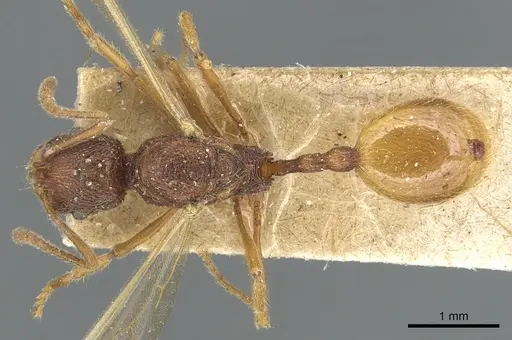
Literature
Loading distribution map...Loading products...