
Stenamma nonotch
- Sci. Name
- Stenamma nonotch
- Tribe
- Stenammini
- Subfamily
- Myrmicinae
- Author
- Branstetter, 2013
- Distribution
- Found in 2 countries
Introduction
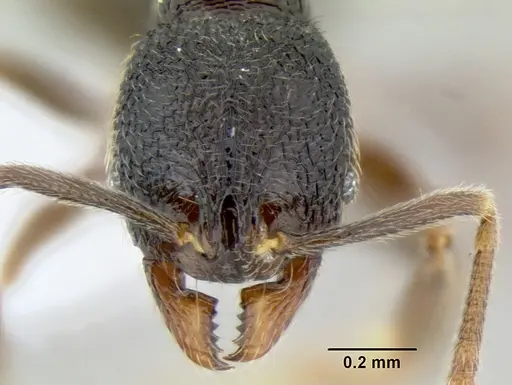
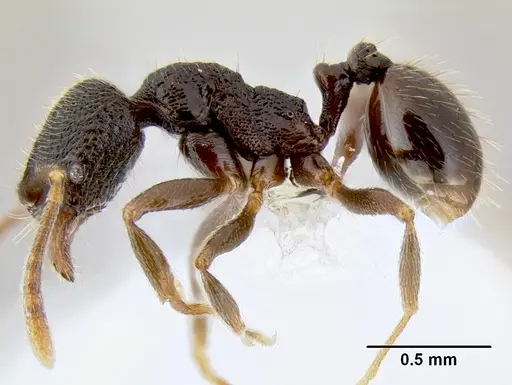
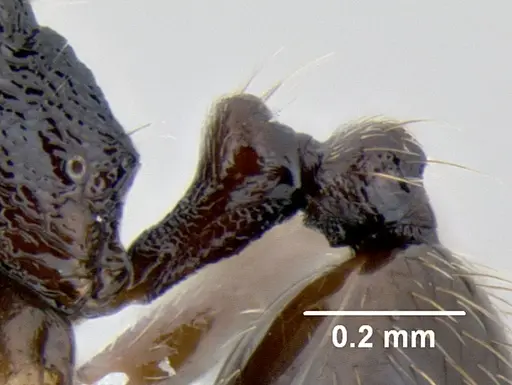
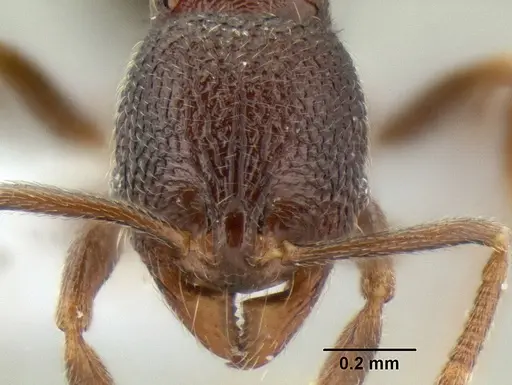
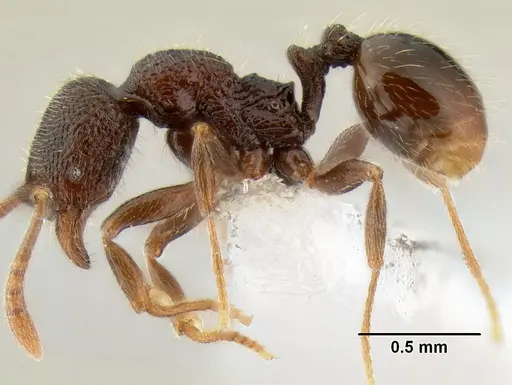
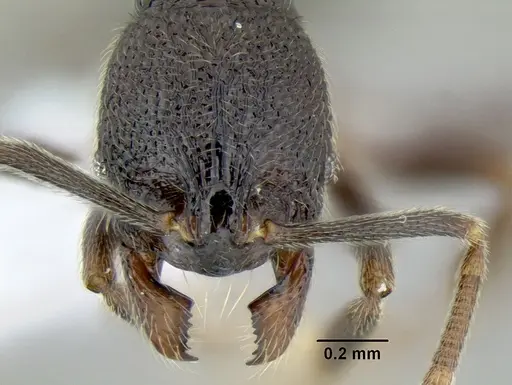
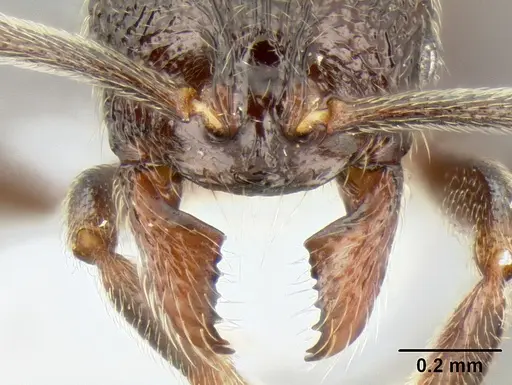
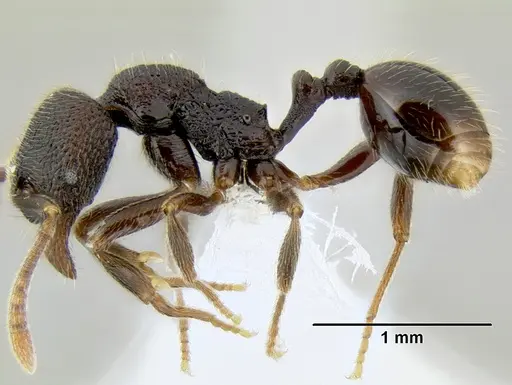
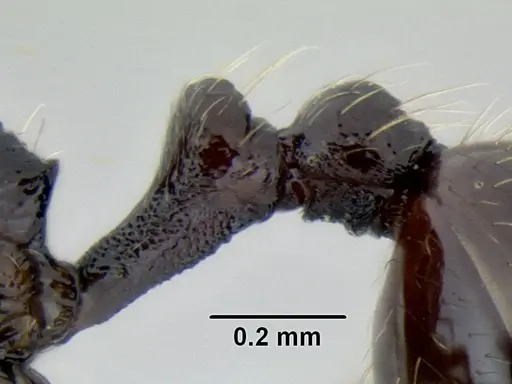
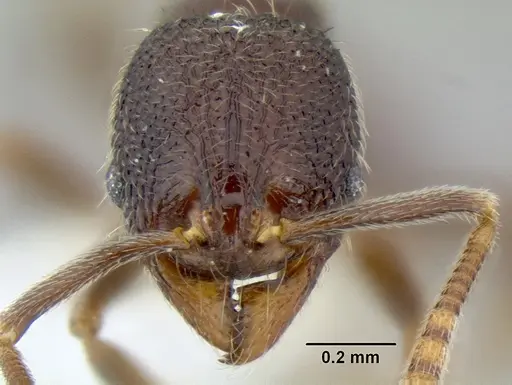
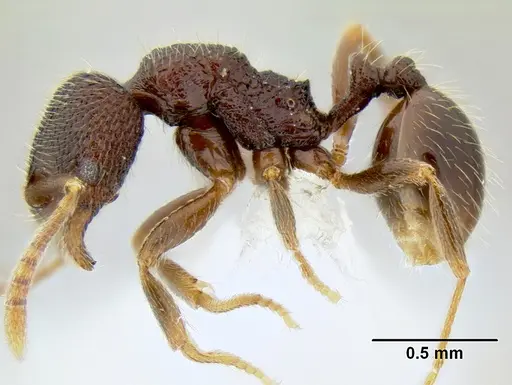
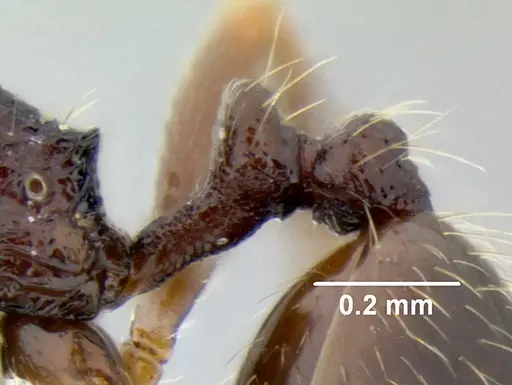
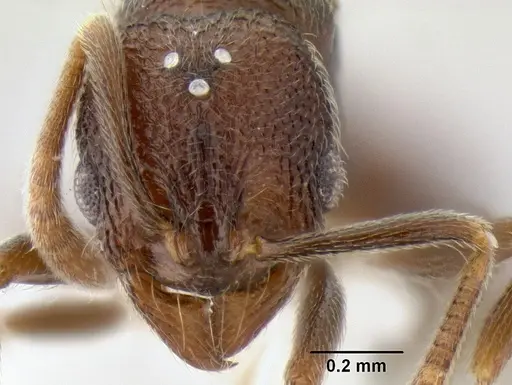
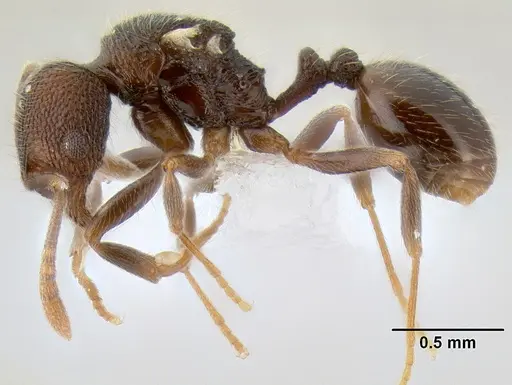
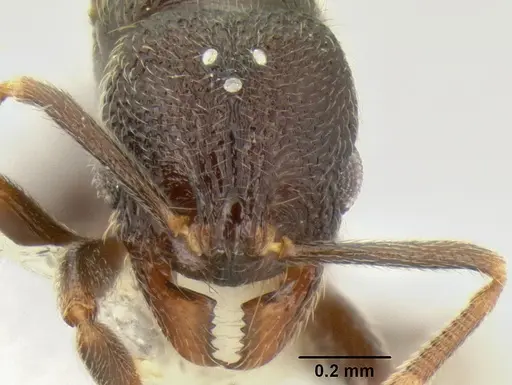
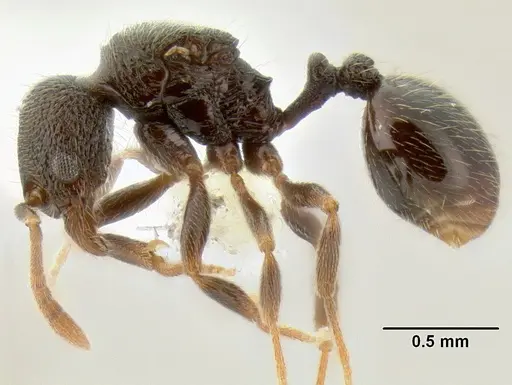
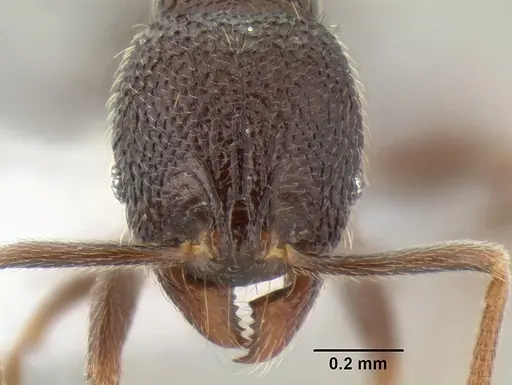
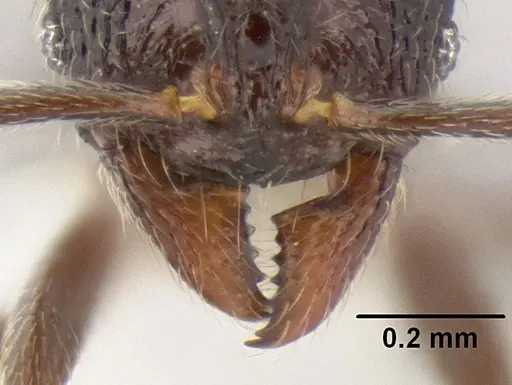
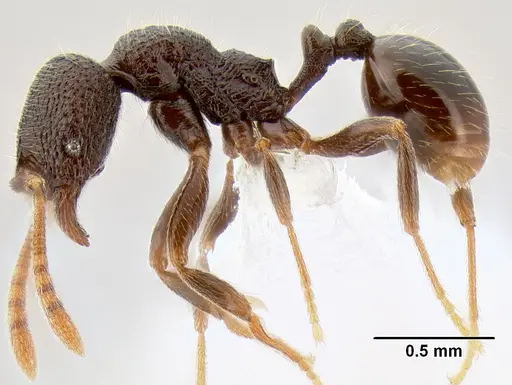
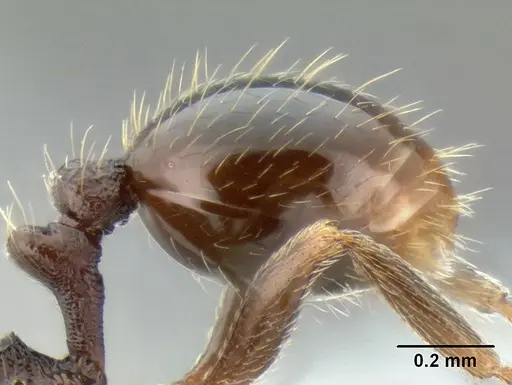
Stenamma nonotch is a small ant species from Southern Mexico to Guatemala . Its body color ranges from dark red-brown to nearly black, with lighter brown legs and antennae . A key feature is the front edge of the clypeus (the plate above the mouth) being smooth and notched – the species name 'nonotch' refers to this lack of a notch . The propodeal spines are reduced to small tubercles, and the eyes are tiny with only 4–7 lenses (ommatidia) . Males have never been collected . These ants live hidden in wet forest leaf litter, from lowland rainforest up to cloud forest at 2000 m elevation . Queens are also small and are commonly found in leaf litter samples, suggesting they nest directly in that micro-environment .
Quick Summary
- Difficulty: Expert
- Origin & Habitat: Southern Mexico to Guatemala – wet forest habitats including rainforest, mesophyll forest, cloud forest, oak-pine forest, and Liquidambar forest from sea level to 2000 m elevation [1][3]
- Colony Type: Colony structure is not documented. Likely monogyne (single queen) based on typical Stenamma patterns, but this is unconfirmed [1].
- Size & Growth:
- Queen: size data unavailable – total length not recorded in the literature
- Worker: size data unavailable – total length not recorded in the literature
- Colony: unknown – no data on maximum colony size
- Growth: unknown – no published data on colony growth
- Development: unknown – direct data not available (Based on its tropical habitat, development is likely continuous if kept warm, but exact timing is unknown.)
- Antkeeping:
- Temperature: Keep at 20–26 °C, matching their tropical wet forest origin [3]. Avoid drafts and temperature swings.
- Humidity: High humidity required – keep the nest substrate consistently moist (like damp forest floor) but not waterlogged [1].
- Diapause: No true diapause – as a tropical species, it shows reduced activity in cooler conditions but does not require a hibernation period [3].
- Nesting: Naturalistic setup with multiple layers of moist leaf litter, moss, and small bark pieces is ideal. Test tubes are not recommended – these ants need the humid, cryptic environment of a deep substrate.
- Behavior: Very cryptic and secretive – workers spend almost all their time hidden in the leaf litter. They are slow, non‑aggressive, and harmless to humans. Escape risk is moderate due to their tiny size, use fine mesh and tight lids.
- Common Issues: very little is known about this species – keeping it is experimental and success is not guaranteed, high humidity requirements can lead to mold if ventilation is poor – balance moisture with air flow, tiny workers may escape through standard gaps – use 0.5 mm mesh and seal the enclosure carefully, colonies are nearly invisible – keepers may find the lack of visible activity disappointing, wild‑caught colonies are likely very sensitive and may fail to establish in captivity
Housing and Nest Setup
Because Stenamma nonotch is a leaf‑litter specialist, the best setup mimics the forest floor. Use a container with a deep layer (5–10 cm) of moist, organic substrate – a mix of coco peat, sand, and decayed leaves works well [1]. Top this with live or dried moss, small pieces of bark, and a few dead leaves to create hiding spots. The nest area should be kept dark (use red film or a cover) and consistently humid. Avoid plaster or Y‑tong nests, as these dry out too quickly. Instead, use a soil‑based nest with a built‑in water reservoir to maintain moisture. Test tubes are not suitable because they cannot provide the required three‑dimensional leaf‑litter structure.
Feeding and Diet
Based on their habitat, Stenamma nonotch is probably an omnivorous scavenger, feeding on tiny arthropods, dead insects, and honeydew from root aphids [1]. In captivity, offer small live prey like fruit flies (Drosophila), springtails, and pinhead crickets. A drop of honey water or sugar water can be given once a week. Feed tiny amounts twice weekly and remove any uneaten prey after 24 hours to prevent mould. Because the ants are so small, prey must be appropriately sized – fruit flies and springtails are perfect. Avoid overfeeding, as leftover food quickly rots in the humid setup.
Temperature and Humidity
Maintain a temperature of 20–26 °C, reflecting the tropical wet forest of Southern Mexico and Guatemala [3]. Most rooms stay within this range, but avoid placing the colony near air conditioning vents or heaters. Humidity is the most critical factor – the substrate must always be damp, but not waterlogged. Mist the enclosure lightly every day or every other day, and consider connecting a water reservoir to the nest to keep humidity stable [1]. Do not let the substrate dry out, as the ants will quickly die. Good ventilation is also important to prevent mould, use a fine mesh lid that allows air exchange while keeping the humidity high.
Behavior and Observation
Stenamma nonotch is a master of camouflage – workers are tiny, slow, and spend nearly all their time buried in the leaf litter. You will rarely see them foraging on the surface. They do not sting or bite, and are completely harmless to humans [1]. Their secretive nature makes them a challenging species to observe, but also fascinating if you appreciate cryptic life. To watch them without disturbance, use a red light or place a dark cover over the nest except when feeding. Patience is required: these ants are not a display species. Their small size also means they can squeeze through tiny gaps – use a tight‑fitting lid and seal any cracks with silicone or fine mesh.
Frequently Asked Questions
How long does it take for Stenamma nonotch to produce first workers?
This is unknown – no development timeline has been published for this species. Given its tropical habitat, egg‑to‑worker time may be faster than in temperate species, but no specific data exists.
Can I keep Stenamma nonotch in a test tube?
No, a test tube is not recommended. These ants need a deep, moist substrate with leaf litter to feel secure – they are leaf‑litter specialists, not cavity nesters [1].
Do Stenamma nonotch ants sting?
As a member of the subfamily Myrmicinae, they have a stinger, but they are not known to use it defensively and are considered harmless to humans [2].
Are Stenamma nonotch good for beginners?
No – this species is rated Expert. Very little is known about its requirements, and success in captivity is uncertain. Beginners should first gain experience with well‑documented species.
How big do Stenamma nonotch colonies get?
Not documented. Based on related litter‑dwelling Stenamma, colonies probably remain small (a few hundred workers at most), but this is speculation.
Do Stenamma nonotch need hibernation?
Probably not – they come from tropical wet forests and likely have no true diapause. Keep them active year‑round at normal temperatures [3].
Why can't I see my Stenamma nonotch workers?
This is normal – they are extremely cryptic and spend almost all their time hidden in the substrate. Use a red light to observe them without disturbance [1].
What do Stenamma nonotch eat?
In the wild they likely eat tiny arthropods and honeydew. Offer fruit flies, springtails, and occasional sugar water. Feed tiny amounts twice weekly [1].
Can I keep multiple Stenamma nonotch queens together?
This is not documented. Based on typical patterns, they are probably monogyne (single queen). Do not attempt to combine queens, as it may lead to aggression.
Where is Stenamma nonotch found in the wild?
From Southern Mexico to Guatemala, in wet forests (rainforest, cloud forest, oak‑pine forest) from sea level to 2000 m. They are collected by sifting leaf litter [1][3].
Report an Issue
The current care sheet is based fully on literature. See inconsistencies, or something that's incorrect? Please , it will be resolved after review from an admin. Contributing to the blogs tab also helps providing information, to make us be able to further improve the caresheets. Thank you for your support!
References

This caresheet is licensed under CC BY-SA 4.0 .
Community Blogs
CASENT0603896
View on AntWeb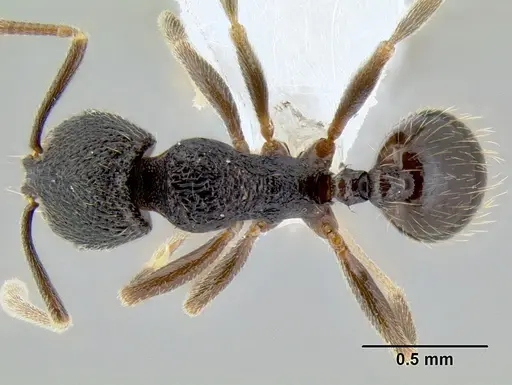
CASENT0603920
View on AntWeb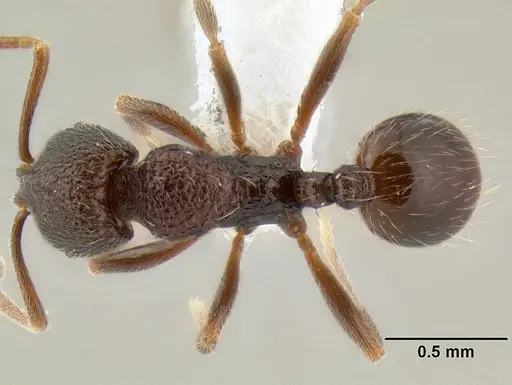
CASENT0604711
View on AntWeb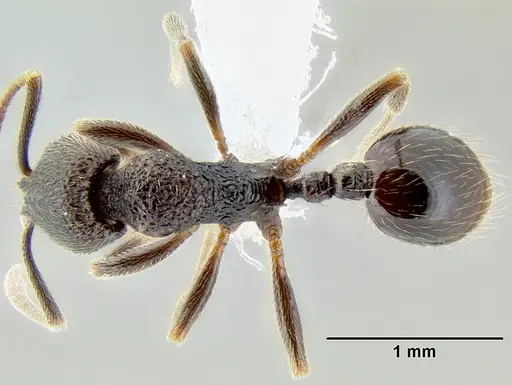
CASENT0604848
View on AntWeb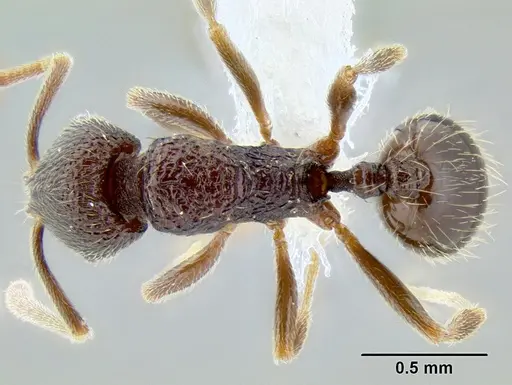
CASENT0605470
View on AntWeb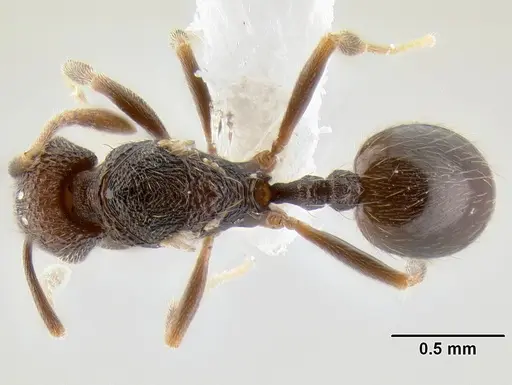
CASENT0605471
View on AntWeb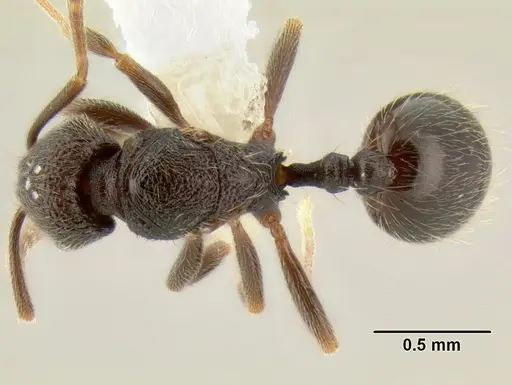
CASENT0605789
View on AntWeb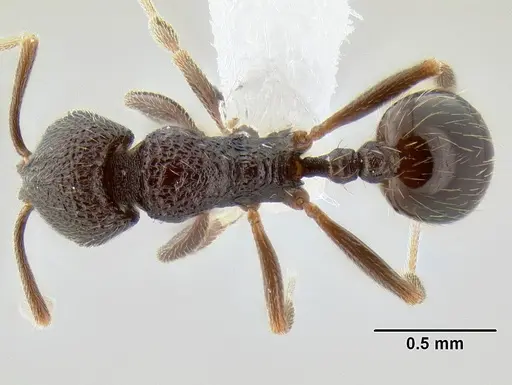
Literature
Loading distribution map...Loading products...