
Stenamma muralla
- Sci. Name
- Stenamma muralla
- Tribe
- Stenammini
- Subfamily
- Myrmicinae
- Author
- Branstetter, 2013
- Distribution
- Found in 2 countries
Introduction
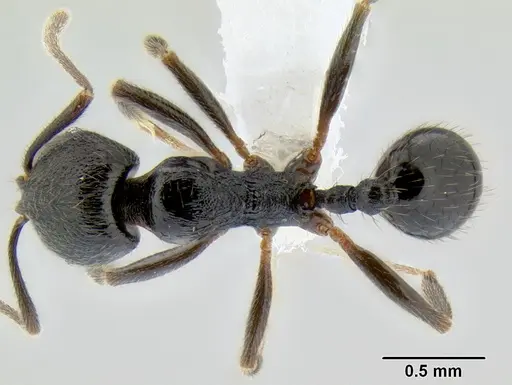
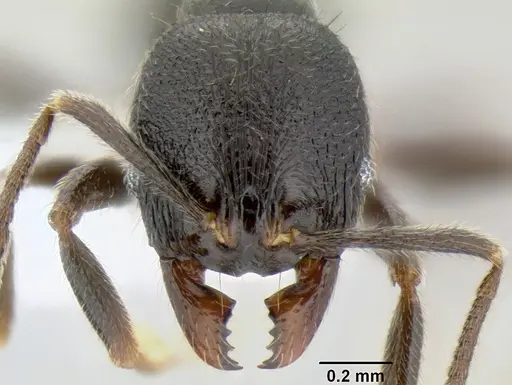
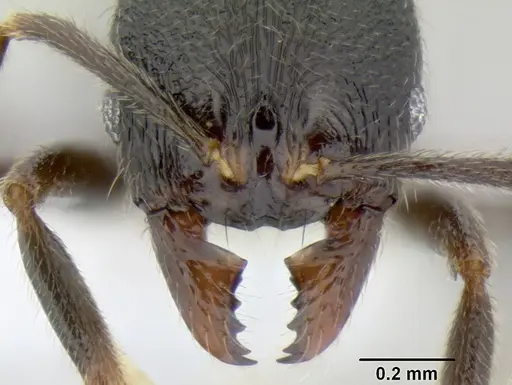
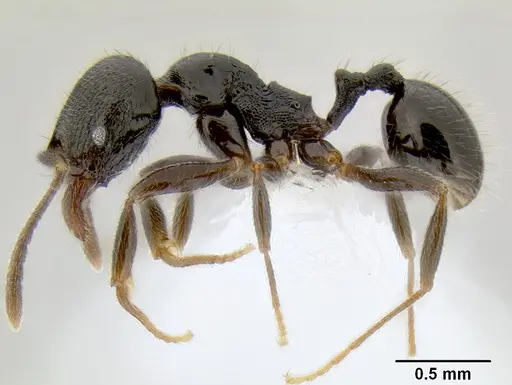
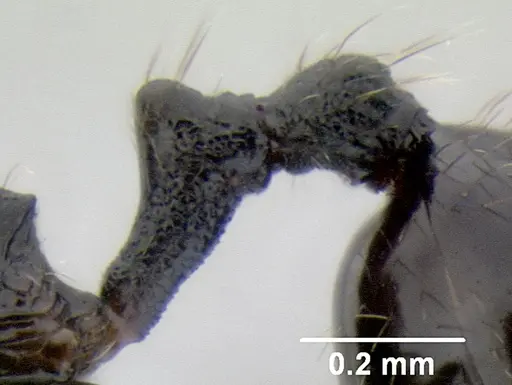
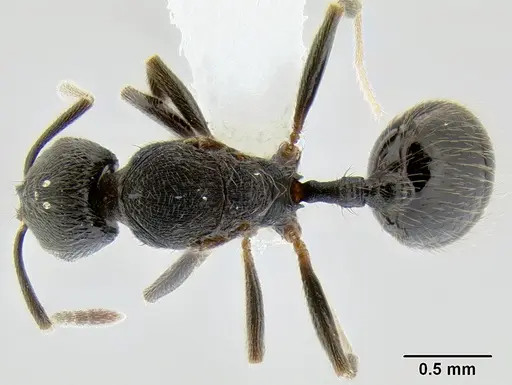
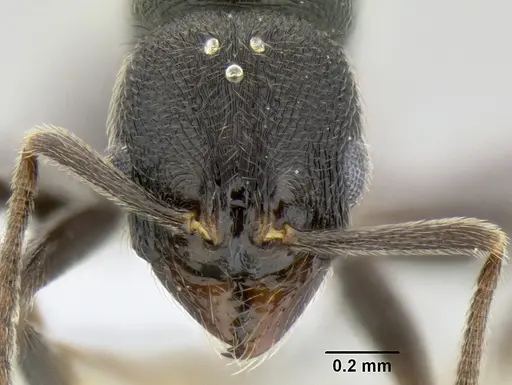
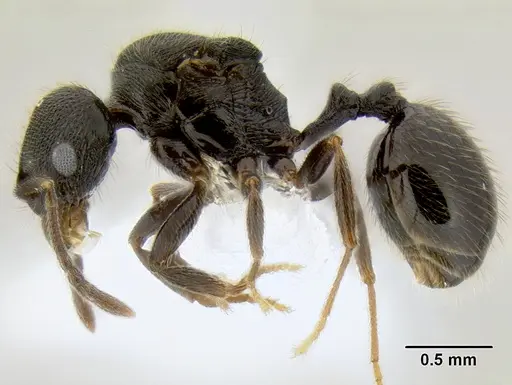
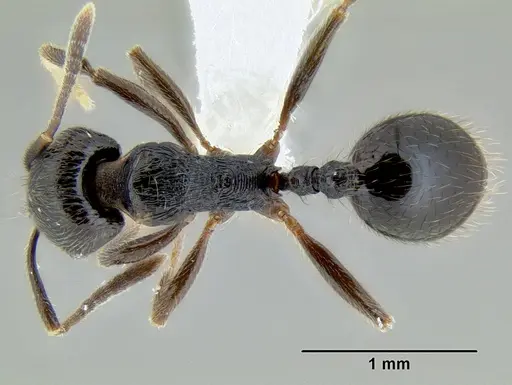
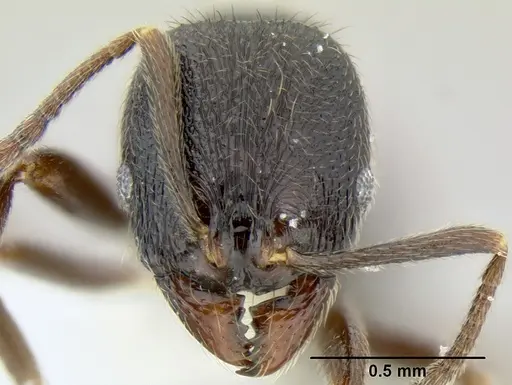
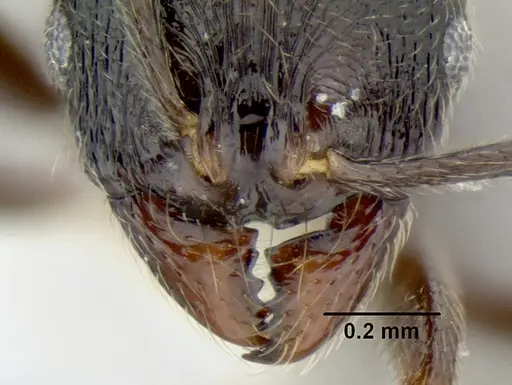
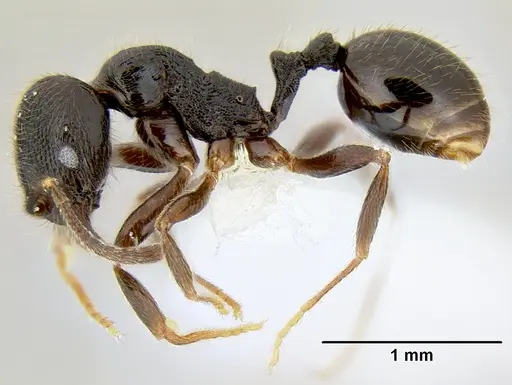
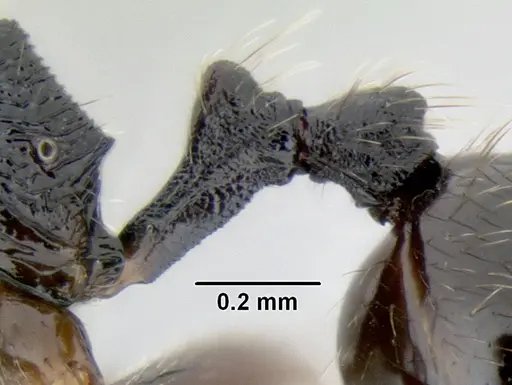
Stenamma muralla is a small ant native to the cloud forests of Honduras and Nicaragua. Workers are dark brown to black, with relatively large eyes and slender waist segments, especially a noticeably small postpetiole . The species was described by Branstetter in 2013 and belongs to the Middle American clade of the genus Stenamma . These ants live in montane wet forests at elevations of 1100–1900 meters, nesting in clay banks, dead wood, or at the base of tree ferns . One interesting trait is that some workers are distinctly larger, with a more sculptured pronotum – this seems to be a discrete size caste rather than just normal variation .
Quick Summary
- Difficulty: Medium
- Origin & Habitat: Honduras to Nicaragua – montane wet forest (cloud forest, mixed hardwood forest, pine‑mesophyll forest, ridgetop cloud forest, riparian cloud forest) at 1100–1900 m [1][3]
- Colony Type: Likely monogyne (single queen), based on typical Stenamma genus patterns. Males have never been collected, so nuptial flight timing is unknown [1][3].
- Size & Growth:
- Queen: Size data unavailable – only head length measurements exist, which are not body size [3]
- Worker: Size data unavailable – only head length measurements exist, which are not body size [1]
- Colony: Moderate – nests contain a few chambers, exact maximum worker count is unknown [3]
- Growth: Moderate – inferred from typical Stenamma development patterns
- Development: Estimated 6–10 weeks based on related Stenamma species (Development times are not specifically documented, estimate based on typical Myrmicinae development at optimal temperatures)
- Antkeeping:
- Temperature: Keep around 20–24°C – these are montane forest ants from cool, elevated habitats and do not tolerate heat well. Room temperature is likely appropriate for most keepers
- Humidity: High humidity required – think damp cloud forest floor. Keep the nest substrate consistently moist but not waterlogged, with some drier areas available for the ants to regulate their own conditions [3]
- Diapause: Likely required – montane tropical species may have reduced activity during cooler/drier periods. Consider a slight reduction in temperature during winter months rather than true hibernation
- Nesting: Provide a naturalistic setup with multiple chambers. These ants naturally nest in clay banks, dead wood, and soil. A Y‑tong or plaster nest with small, tight chambers works well because they prefer confined, humid spaces over open areas [3]
- Behavior: Shy, non‑aggressive ants that forage primarily in leaf litter and under debris. Workers are small and slender, making them excellent escape risks – use fine mesh barriers and tight‑fitting lids. They are not known to sting and pose no danger to keepers. They move relatively slowly and are often found in sifted leaf litter samples [3]
- Common Issues: high humidity management is critical – too wet causes mold, too dry causes colony decline, small size makes escape prevention essential – they can slip through standard test tube cotton, montane species are heat‑sensitive – keep away from direct sunlight and heat sources, slow colony growth can frustrate beginners – these are not fast‑growing ants, wild‑caught colonies may contain parasites from leaf litter samples that can devastate a captive colony
Housing and Nest Setup
Stenamma muralla does best in a setup that mimics its natural cloud forest habitat. A naturalistic terrarium with a layer of moist soil or plaster works well, along with pieces of dead wood, flat stones, or clay chunks to provide nesting sites. The main challenge is balancing high humidity with good ventilation to prevent mold. A Y‑tong (AAC) nest with small, tight chambers can also work, but these ants seem to prefer naturalistic arrangements where they can dig their own galleries. Whatever setup you use, make sure all connections between the nest and outworld are smooth and tight – their tiny size means any gap becomes an escape route. Provide a water tube or moisture reservoir to maintain humidity over time [3].
Temperature and Humidity
These montane forest ants prefer cooler temperatures than most tropical species. Aim for 20–24°C – that's close to room temperature in many homes, so you likely won't need extra heating. Avoid placing the colony near windows with direct sunlight or near heat sources, as they overheat easily. For humidity, think damp forest floor: the substrate should feel consistently moist but never waterlogged. Montane cloud forests have very high ambient humidity, so aim for 70–85% relative humidity in the nest area. Use a moisture meter or watch for condensation on the nest walls to gauge conditions. Give the ants a moisture gradient so they can pick their preferred microclimate [3]
Feeding and Diet
In the wild, workers have been collected at cookie baits, so they'll accept sugary foods [3]. They're also found in leaf litter samples, which means they likely hunt small invertebrates and scavenge for protein. Offer a constant supply of sugar water, honey, or diluted syrup. For protein, give them small live prey like fruit flies, springtails, or tiny crickets. Since the ants are small, keep prey items appropriately sized – anything much bigger than themselves may be ignored. Feed protein 2–3 times a week and remove uneaten food after 24 hours to prevent mold. Their small appetite means even tiny portions are enough [3].
Colony Development
Queens are slightly larger than workers, but exact body sizes are not recorded in the literature – only head measurements exist [3]. The founding process is not directly documented, but most Stenamma species are claustral: the queen seals herself in a chamber and raises the first brood using stored fat reserves. Expect to wait several months before the first workers (nanitics) appear. The colony will grow slowly at first, with numbers increasing gradually. A unique trait of this species is that some workers are distinctly larger, with a more sculptured pronotum – this appears to be a discrete size caste rather than just normal size variation. This has been observed in both leaf litter samples and nests, confirming they belong to the same colony [1].
Behavior and Temperament
Stenamma muralla is a shy, non‑aggressive species that poses no threat to keepers. Workers forage primarily in leaf litter and under debris on the forest floor. They are not known to sting and will usually flee rather than defend. However, their tiny size makes them excellent escape artists – even small gaps in tubing or lids can let them through. Always use fine mesh barriers and check connections regularly. Workers move slowly compared to many Myrmicinae, and colonies tend to be quiet and unobtrusive. This makes them interesting to observe, but they may not be as active as more common ant species [3].
Frequently Asked Questions
How long does it take for Stenamma muralla to produce first workers?
The exact timeline is not documented, but based on typical Stenamma and Myrmicinae development, expect 6–10 weeks from egg to worker at optimal temperatures. Claustral founding means the queen stays sealed in her chamber for several months raising the first brood, so patience is essential.
Are Stenamma muralla ants good for beginners?
This species is rated medium difficulty. They are not aggressive and do not have strict hibernation needs, but they require high humidity, specific temperature control, and excellent escape prevention. Beginners may find the slow growth and humidity management challenging
Do Stenamma muralla ants sting?
No, this species is not known to sting. Although they are Myrmicinae and technically have stingers, Stenamma species are shy and non‑aggressive. They will flee rather than defend, so they are safe to handle – but their small size means you must be careful not to crush them [3]
What do Stenamma muralla ants eat?
They accept sugary foods like sugar water, honey, or diluted syrup, and protein sources like small live insects. In the wild they have been collected at cookie baits, showing they scavenge for carbohydrates. Offer a varied diet with protein 2–3 times a week and constant access to sugar water [3]
Can I keep multiple Stenamma muralla queens together?
This is not recommended. While colony structure is not fully documented, Stenamma species typically form single‑queen colonies. Combining unrelated queens has not been studied and risks fighting and colony failure. Start with one queen per colony
Do Stenamma muralla need hibernation?
Not true hibernation, but these montane forest ants may benefit from slightly cooler conditions during winter months. Rather than a full diapause, reduce temperatures by a few degrees during the cooler season. They come from elevated cloud forests in Honduras and Nicaragua, so they are adapted to year‑round mild temperatures with possible seasonal variation
How big do Stenamma muralla colonies get?
Colony size is not well documented, but nests in the wild consist of a few chambers, suggesting moderate colony sizes. They are not known to form supercolonies. Expect colonies to potentially reach several hundred workers over time with slow but steady growth [3]
Why are my Stenamma muralla dying?
Common causes include: humidity too low (they need damp conditions), temperature too high (they are heat‑sensitive montane species), escape‑related losses due to their tiny size, or parasites from wild‑caught colonies. Check that your setup maintains consistent moisture without flooding, keep them at room temperature away from heat sources, and ensure all connections are escape‑proof
When should I move Stenamma muralla to a formicarium?
Wait until the colony has at least 20–30 workers before considering a move. These ants prefer naturalistic setups with moist substrate anyway, so a test tube setup with a small outworld can work long‑term. If you do move them, do so gently and provide plenty of moist chambers in the new setup
Report an Issue
The current care sheet is based fully on literature. See inconsistencies, or something that's incorrect? Please , it will be resolved after review from an admin. Contributing to the blogs tab also helps providing information, to make us be able to further improve the caresheets. Thank you for your support!
References

This caresheet is licensed under CC BY-SA 4.0 .
Community Blogs
Literature
Loading distribution map...Loading products...