
Stenamma manni
- Sci. Name
- Stenamma manni
- Tribe
- Stenammini
- Subfamily
- Myrmicinae
- Author
- Wheeler, 1914
- Distribution
- Found in 6 countries
Introduction
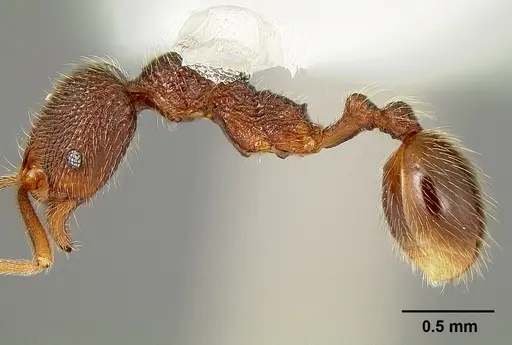
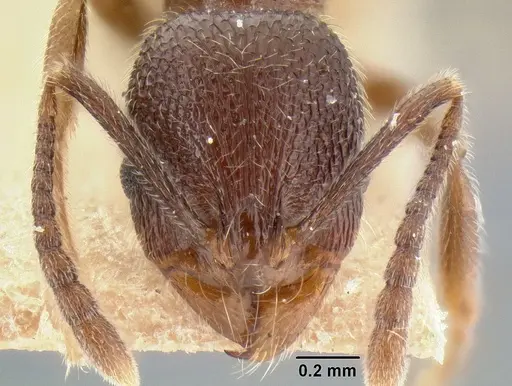
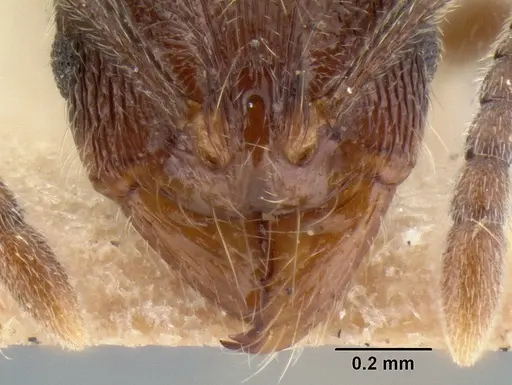
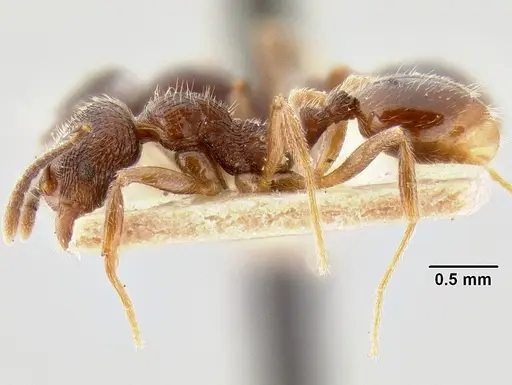
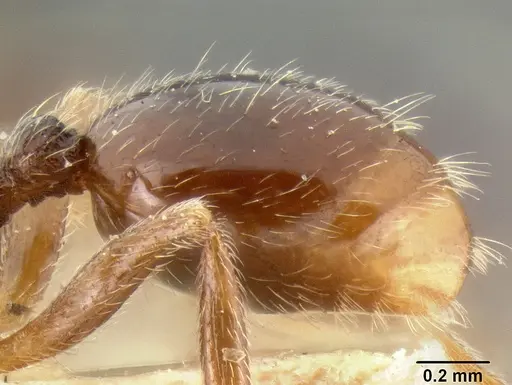
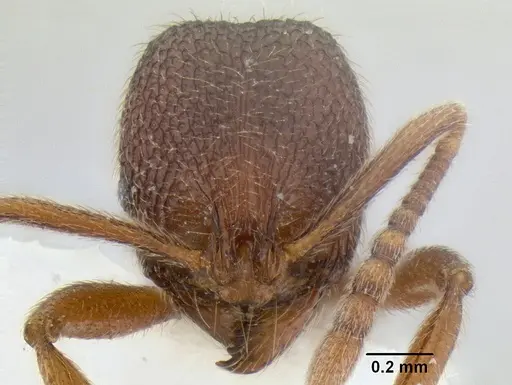
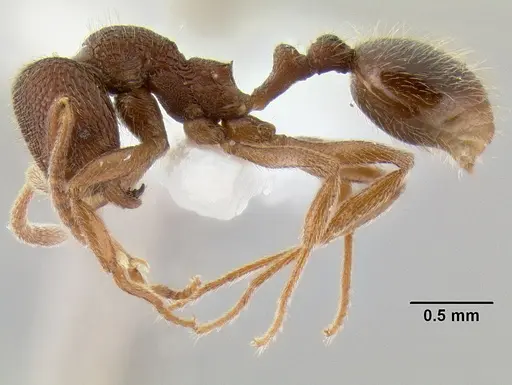
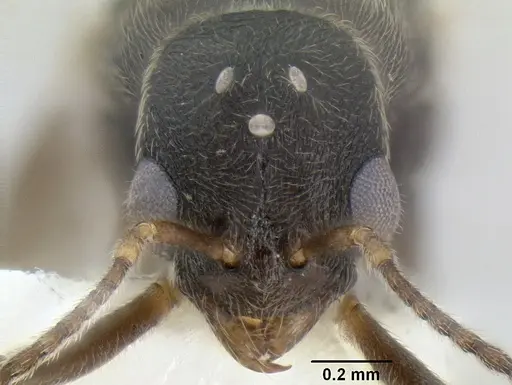
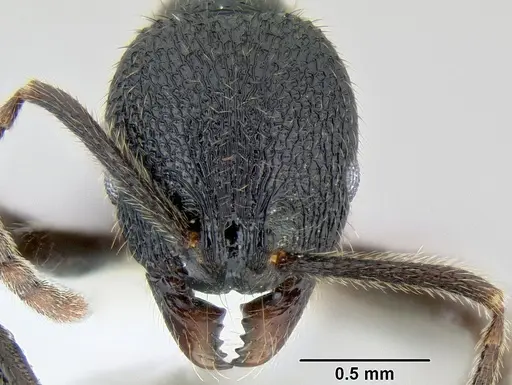
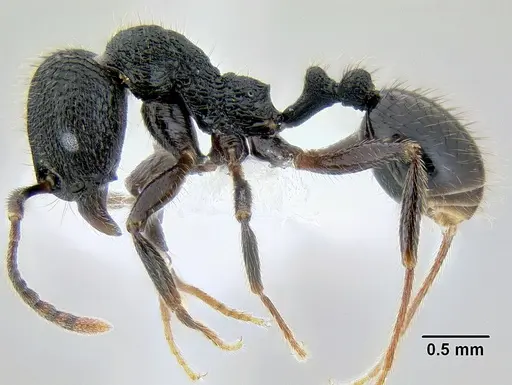
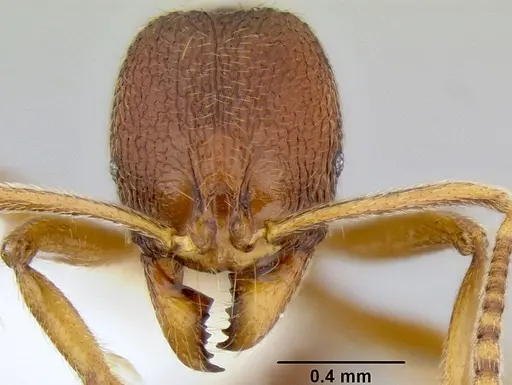
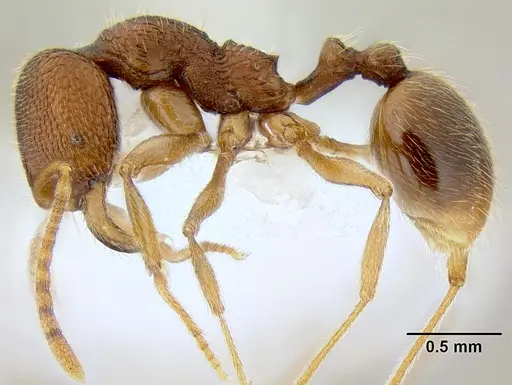
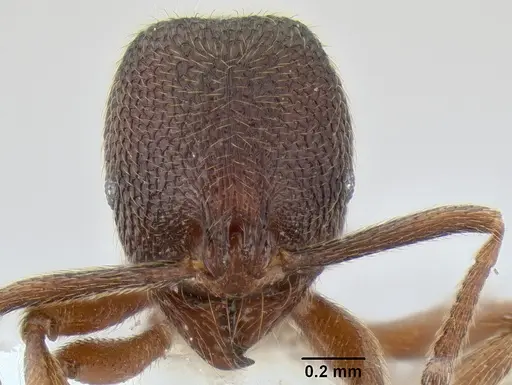
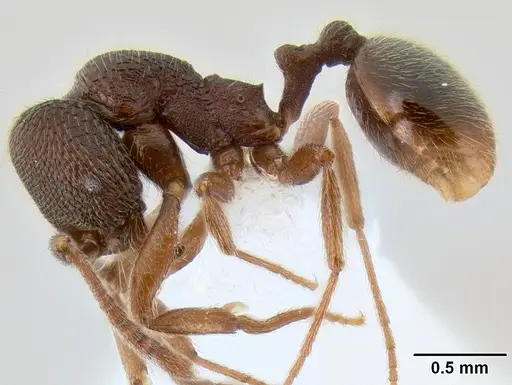
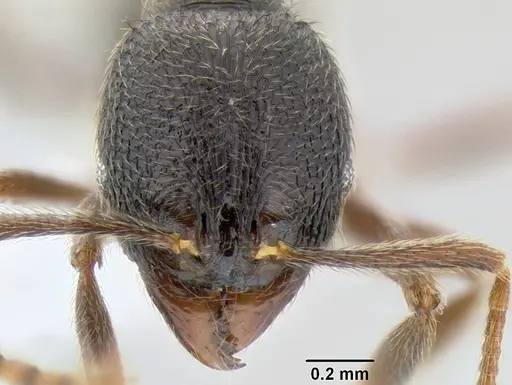
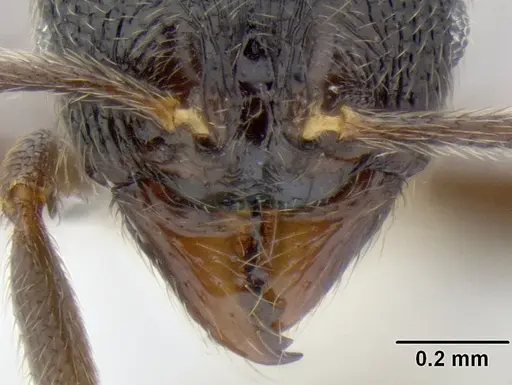
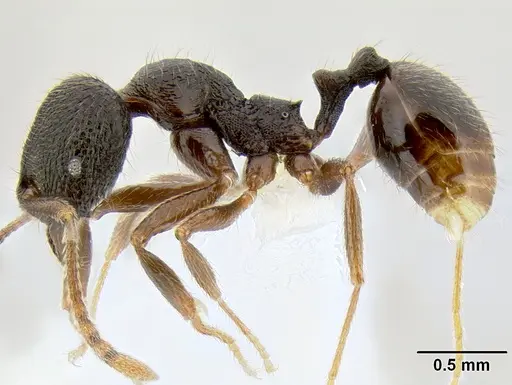
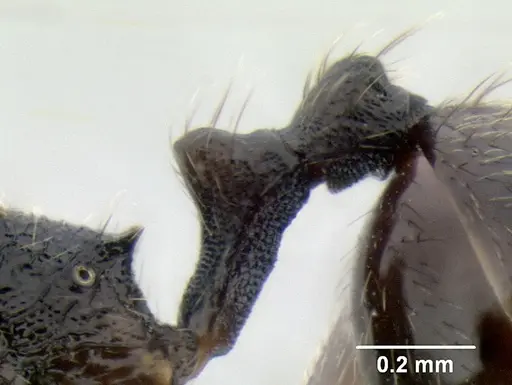
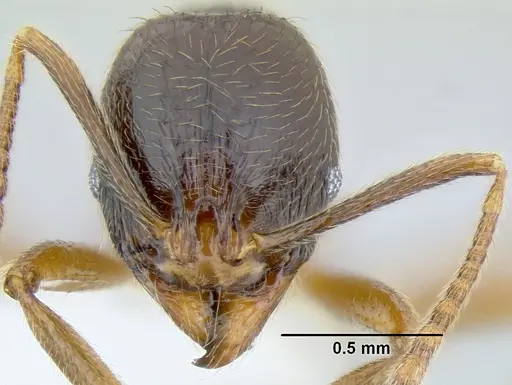
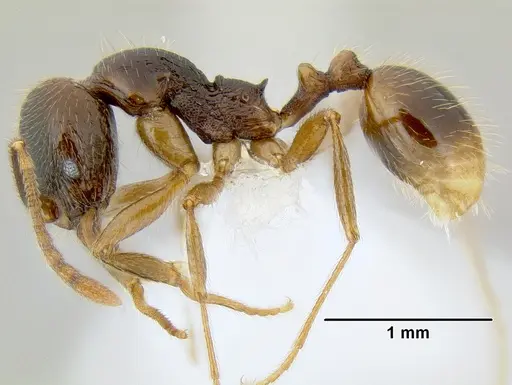
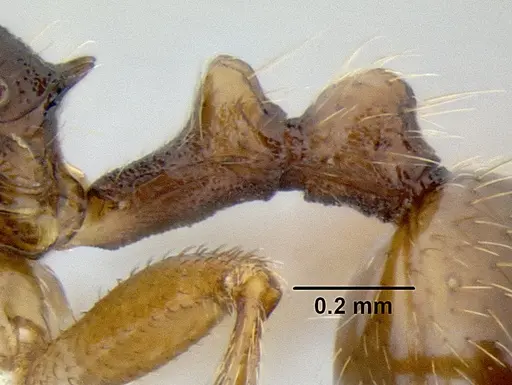
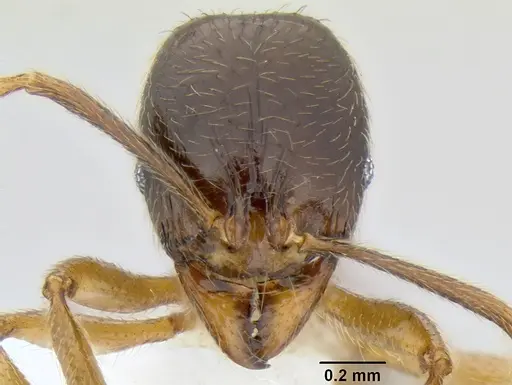
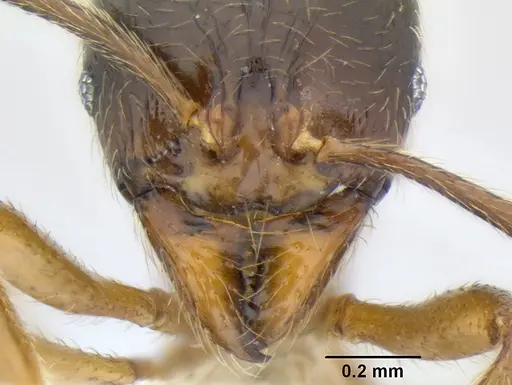
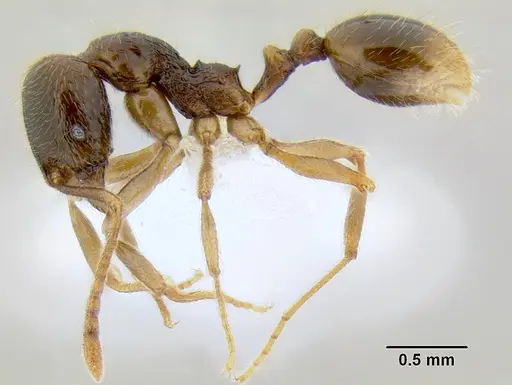
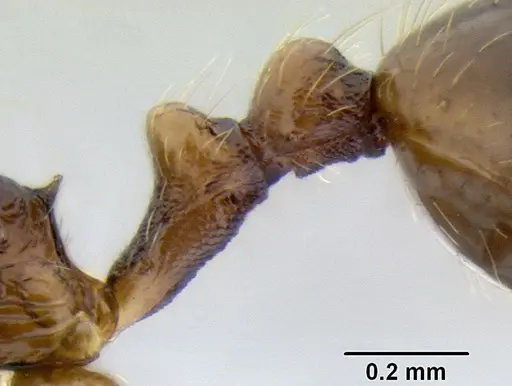
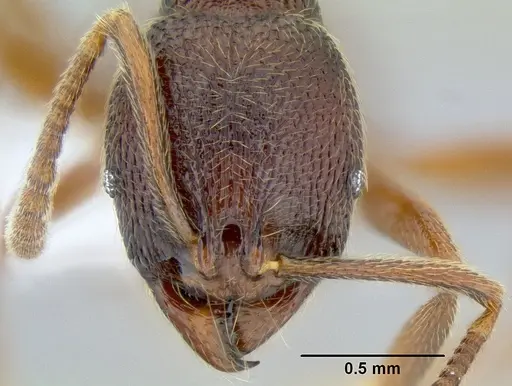
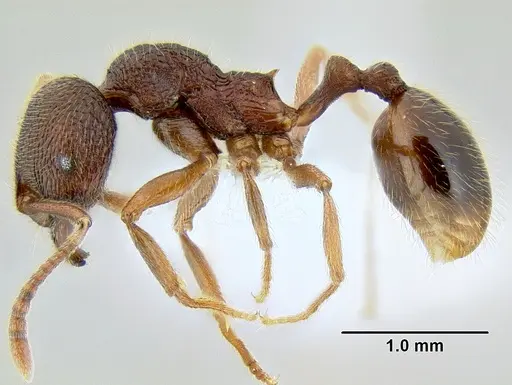
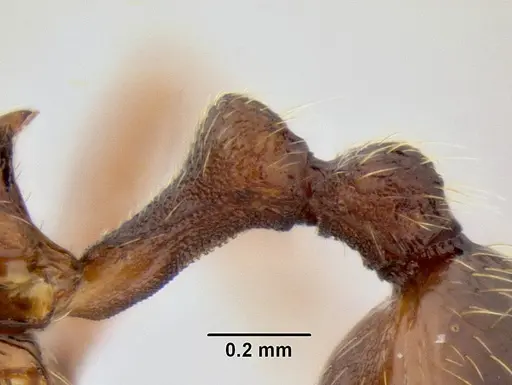
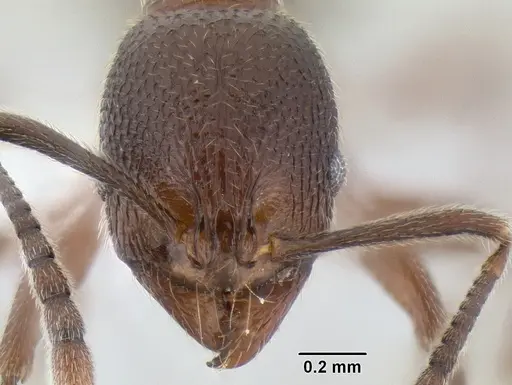
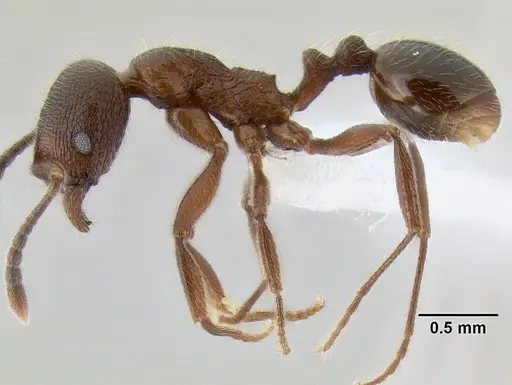
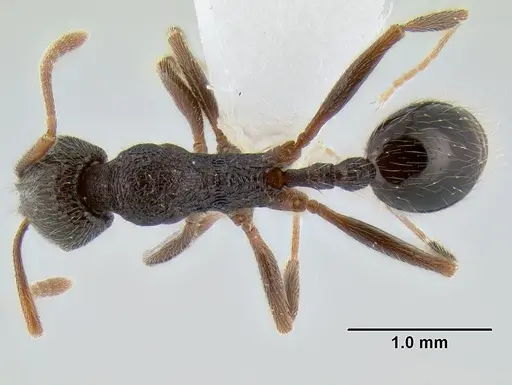
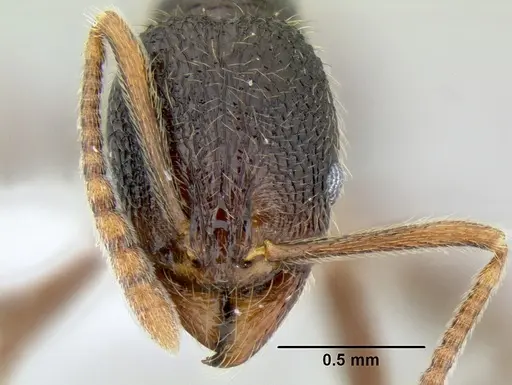
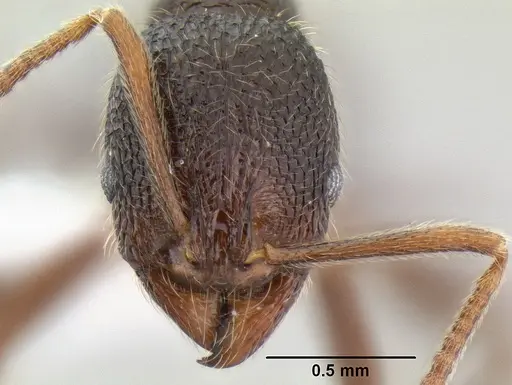
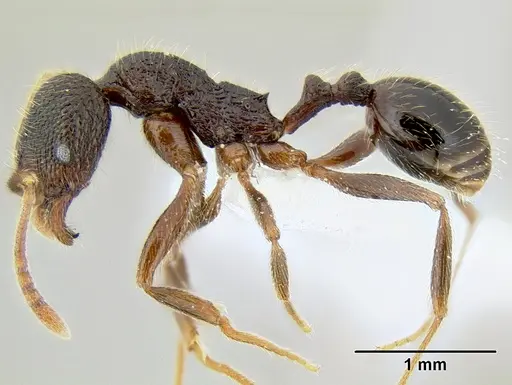
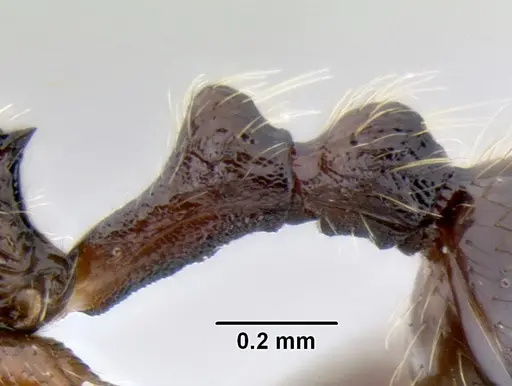
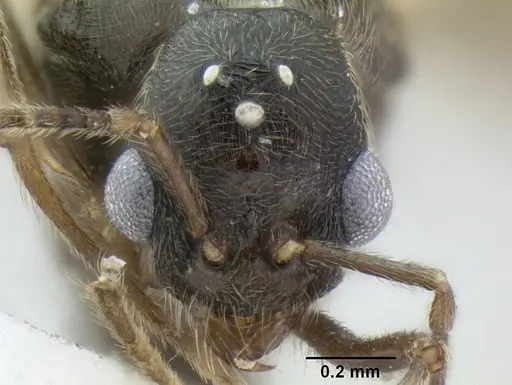
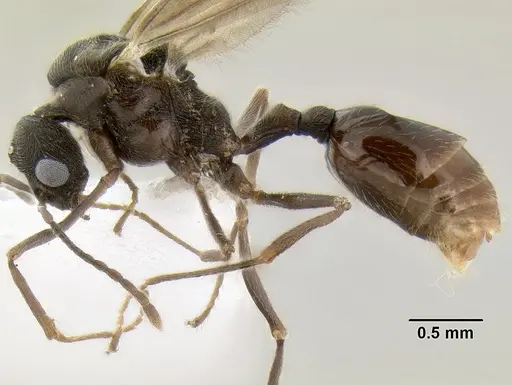
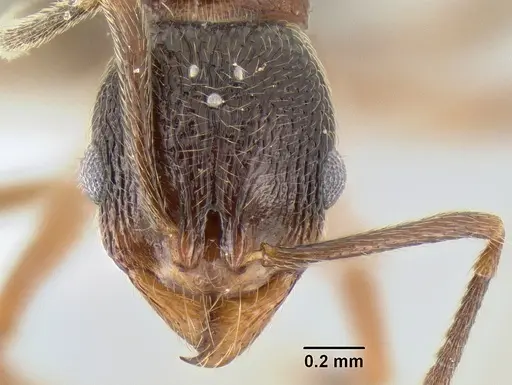
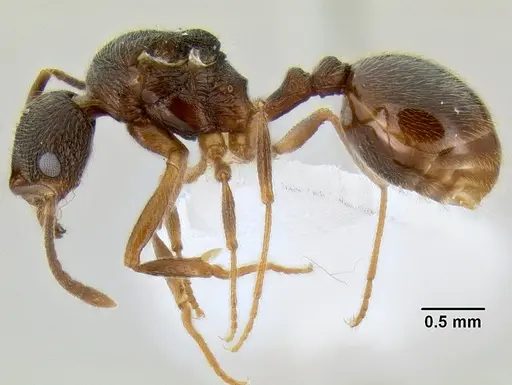
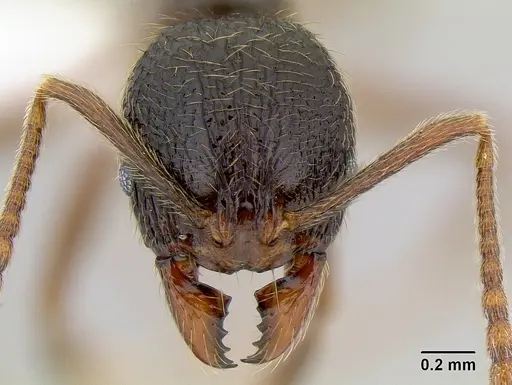
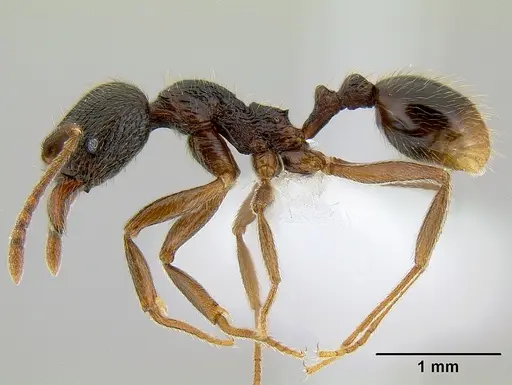
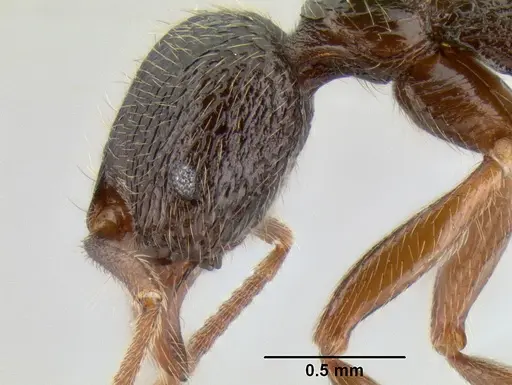
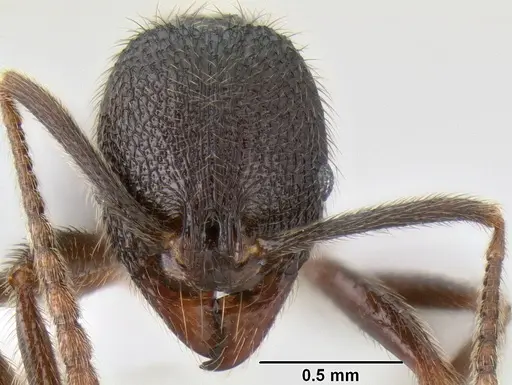
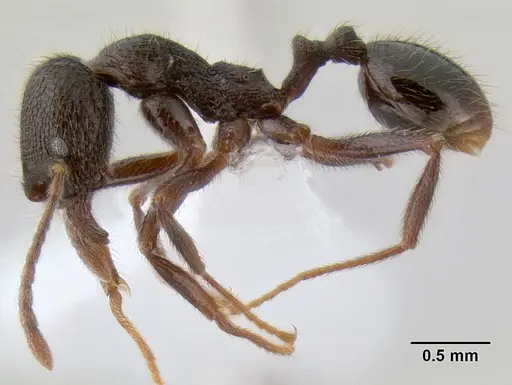
Stenamma manni is one of the largest and most conspicuous species in the Stenamma genus, native to the cloud forests and oak woodlands of Mexico and Central America . Workers are medium to large for a Stenamma, with a distinctive 4-segmented antennal club and short, tuberculate propodeal spines . Body color is highly variable - ranging from nearly black to red-brown, brown, or even yellow-brown depending on the population . This species occurs from 1200 to 3700 m elevation, most commonly between 2000 and 2500 m . It is found in wet montane forests (cloud forest) and drier seasonal habitats like oak woodland. Nests are built in logs, in leaf litter, under rocks, and in the ground . Colonies are very large, with hundreds to perhaps over a thousand workers living in multi-chambered nests, and are headed by a single queen . Workers are active solitary foragers on the ground surface . The species is highly variable with seven recognized variants .
Quick Summary
- Difficulty: Medium
- Origin & Habitat: Mexico to Nicaragua, at elevations of 1200-3700 m (most common 2000-2500 m) [3]. Found in wet montane cloud forests and drier oak woodlands [1][2]. Recorded from the Mexican states of Guerrero, Hidalgo, and Veracruz [5]. Nests in logs, leaf litter, under rocks, and in the ground [3].
- Colony Type: Monogyne, colonies have a single egg-laying queen. Very large colonies with hundreds to over a thousand workers [1].
- Size & Growth:
- Queen: Size data unavailable, one of the largest Stenamma species [1]
- Worker: Size data unavailable, medium to large for Stenamma [1]
- Colony: Hundreds to perhaps over a thousand workers [1]
- Growth: Moderate, inferred from large colony sizes
- Development: Estimated 6-10 weeks based on typical myrmicine development, no species-specific data available (Development likely temperature-dependent, being a high-elevation species, it may be slower than in lowland tropical ants.)
- Antkeeping:
- Temperature: Prefer cooler conditions consistent with their high-elevation cloud forest habitat [1][3]. Keep the nest area around 18-22°C and avoid temperatures above 25°C. A slight gradient can be provided using a heating cable on one side of the nest.
- Humidity: High humidity is essential. Keep the nest substrate consistently moist but not waterlogged. Provide a gradient with a drier area. Good ventilation is necessary to prevent mold in the humid environment [2].
- Diapause: Likely beneficial but unconfirmed. If provided, reduce temperature to approximately 15°C for 2-3 months during winter, reflecting their mountain origin. No specific study has tested this requirement.
- Nesting: Prefers naturalistic setups with multiple chambers. Y-tong (AAC) nests or plaster nests work well. Offer a setup that mimics their natural nesting conditions, logs, under rocks, in the ground [3]. Keep substrate damp.
- Behavior: Workers are active ground foragers that search for food individually (solitary foraging) [1]. They are not aggressive and typically flee when disturbed. Being a cryptic ant, they may appear shy. They are agile but not tiny, standard fluon barriers on test tube rims are sufficient for escape prevention. When foraging, they explore a wide area and accept various foods.
- Common Issues: high humidity requirements can lead to mold problems if ventilation is poor, provide airflow while maintaining damp substrate, large colony size requires significant space for a mature colony (hundreds to over a thousand workers), temperature sensitivity, they overheat easily above 25°C, so avoid warm rooms or direct sunlight, shy and cryptic behavior may make observation less exciting, they may hide in the nest during the day, founding method is unconfirmed, so starting from a queen may be unpredictable, wild-caught colonies are recommended for experienced keepers
Housing and Nest Setup
Stenamma manni does well in naturalistic or Y-tong (AAC) setups that can accommodate their large colony sizes. In the wild, they nest in logs, under rocks, and in the ground, typically in damp locations [3]. For captivity, use a setup with multiple connected chambers that allows the colony to spread out as it grows. Plaster nests also work well since they hold moisture effectively. The outworld should be spacious enough for foragers to search for food, as these ants are active solitary foragers [1]. Ensure excellent escape prevention, they are agile and will explore any gaps. Use fluon on tube rims and check connections between nest modules regularly.
Feeding and Diet
These ants are generalist foragers that will accept a variety of foods. In the wild, they forage singly on the ground surface and are commonly attracted to bait cards, suggesting they scavenge and hunt small prey [1]. Offer small live insects like fruit flies, pinhead crickets, or mealworms as protein sources. They also accept sugar water, honey, or diluted syrup. Feed protein 2-3 times per week and keep a sugar source available constantly. Remove uneaten food promptly to prevent mold in the humid environment they require.
Temperature and Seasonal Care
As a high-elevation cloud forest species [1], Stenamma manni prefers cooler temperatures. Keep the nest area around 18-22°C. They can tolerate brief periods slightly outside this range, but avoid overheating, temperatures above 25°C may stress them. During winter, simulate their natural seasonal cycle by reducing temperatures to around 15°C for 2-3 months. This cool period is likely beneficial, reflecting their mountain habitat, though it has not been experimentally confirmed. Use a heating cable only on one side of the nest if needed to create a slight gradient, and never place it directly on the nest material.
Humidity and Water Requirements
High humidity is critical for this species. They originate from damp cloud forest environments where moisture is abundant [2]. Keep the nest substrate consistently moist but not waterlogged, the substrate should feel damp to the touch. Provide a water source in the outworld, such as a test tube with a cotton plug or a small dish. In naturalistic setups, mist occasionally but monitor for standing water. Good ventilation is important to prevent mold while maintaining humidity, aim for damp air without stagnant conditions. The ants will naturally move between wetter and drier areas within the nest to self-regulate.
Colony Development and Growth
Stenamma manni colonies can grow very large, hundreds to over a thousand workers in established colonies [1]. The queen is significantly larger than workers, but exact body lengths are not documented. Development from egg to worker likely takes 6-10 weeks at optimal temperatures, based on general myrmicine patterns, no species-specific data exist. Growth is moderate, not as fast as some tropical species but steady under good conditions. First workers (nanitics) will be smaller than mature workers. As the colony grows, you may need to add new chambers or nest modules to accommodate the expanding population.
Frequently Asked Questions
Is Stenamma manni good for beginners?
Stenamma manni is rated as medium difficulty. While not the hardest species, they have specific humidity and temperature requirements that differ from more common ants. They need a cool, damp environment and can be shy. Beginners should have some antkeeping experience before attempting this species.
How long does it take for Stenamma manni to raise first workers?
Based on typical myrmicine development, expect 6-10 weeks from egg to first worker at optimal temperatures (around 20°C). No species-specific data are available, so this is an estimate. Be patient, these are not fast-growing ants.
Do Stenamma manni ants sting?
Stenamma manni belongs to the subfamily Myrmicinae, which includes species with functional stingers. However, this species is not aggressive and will typically flee rather than sting. They are considered harmless to humans.
Can I keep multiple Stenamma manni queens together?
No. This species is monogyne, meaning colonies have a single egg-laying queen [1]. Multiple queens would likely fight. Only introduce a single queen when starting a colony.
What do Stenamma manni eat?
They are generalist foragers. Offer small live insects (fruit flies, pinhead crickets, mealworms) as protein 2-3 times per week. Keep sugar water, honey, or diluted syrup available constantly. They forage singly on the ground surface [1].
How big do Stenamma manni colonies get?
Very large, hundreds to over a thousand workers [1]. This is one of the largest Stenamma species. You will need significant space for a mature colony.
Do Stenamma manni need hibernation?
They likely benefit from a cool period in winter. Reduce temperatures to around 15°C for 2-3 months. This reflects their high-elevation cloud forest habitat where temperatures drop seasonally, but no specific study has confirmed a required diapause.
Why is my Stenamma manni colony not active?
First check the temperature, they prefer cooler conditions (18-22°C). If too warm, they become sluggish. Also ensure humidity is high enough. These ants are naturally cryptic and may not be as visible as bolder species. They forage singly rather than in groups, so you might see only a few workers at a time.
When should I move Stenamma manni to a formicarium?
Wait until the colony has at least 20-30 workers and is actively foraging. They do well in naturalistic setups from the start. If using test tubes, transition when the colony outgrows the tube or when water condensation becomes problematic.
Are Stenamma manni aggressive?
No, they are not aggressive. When disturbed, they typically flee rather than attack. Workers are moderate-sized and not particularly defensive. They are considered safe to handle and observe [1].
Report an Issue
The current care sheet is based fully on literature. See inconsistencies, or something that's incorrect? Please , it will be resolved after review from an admin. Contributing to the blogs tab also helps providing information, to make us be able to further improve the caresheets. Thank you for your support!
References

This caresheet is licensed under CC BY-SA 4.0 .
Community Blogs
CASENT0126029
View on AntWeb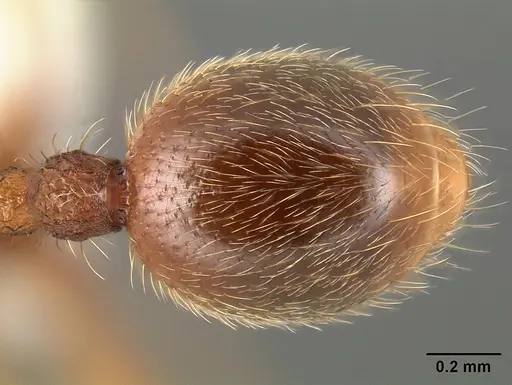
CASENT0126265
View on AntWeb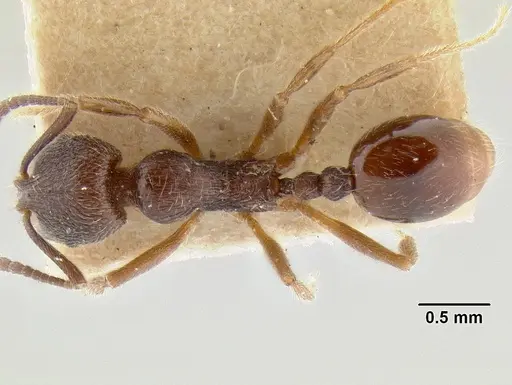
CASENT0126273
View on AntWeb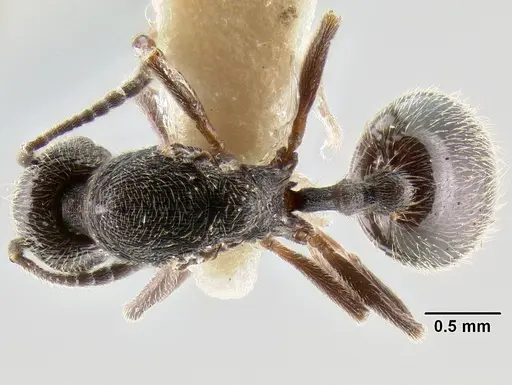
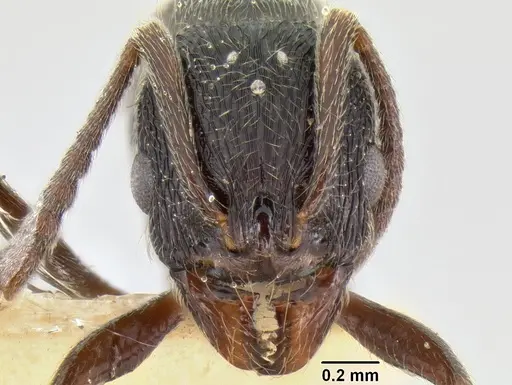
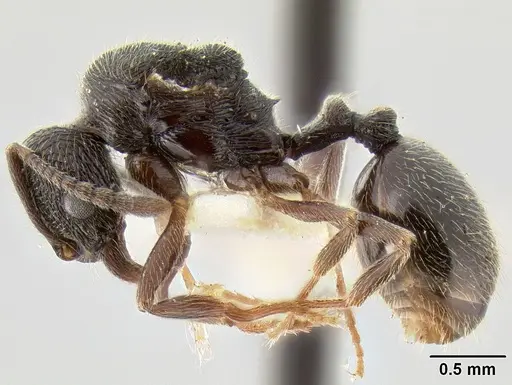
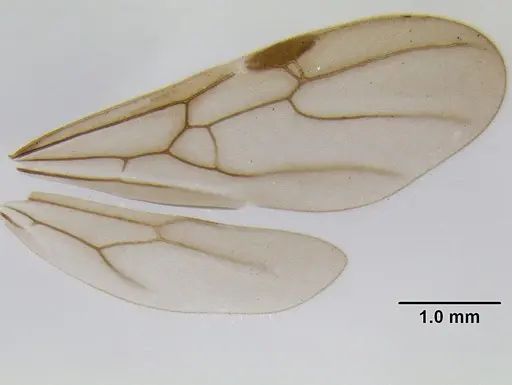
CASENT0126280
View on AntWeb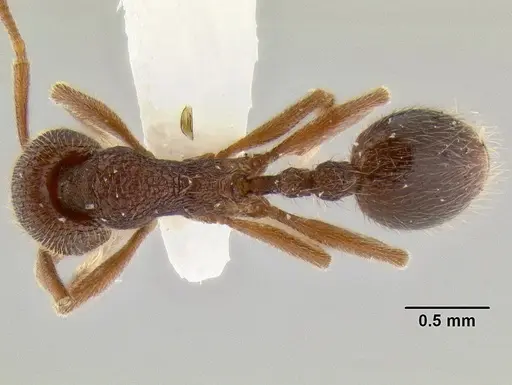
CASENT0126289
View on AntWeb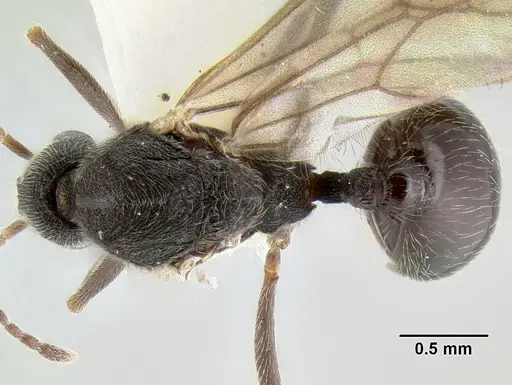
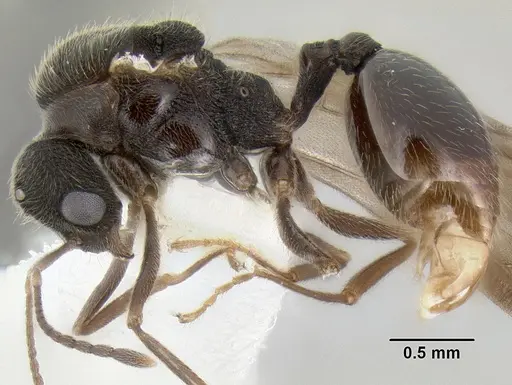
CASENT0194011
View on AntWeb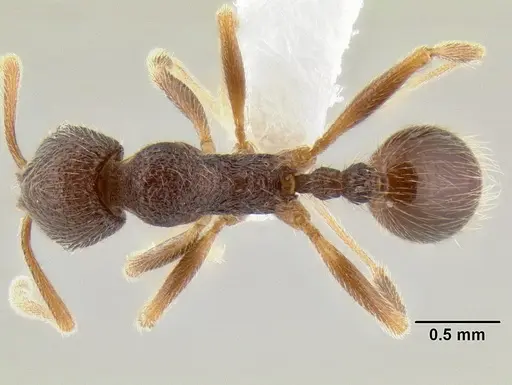
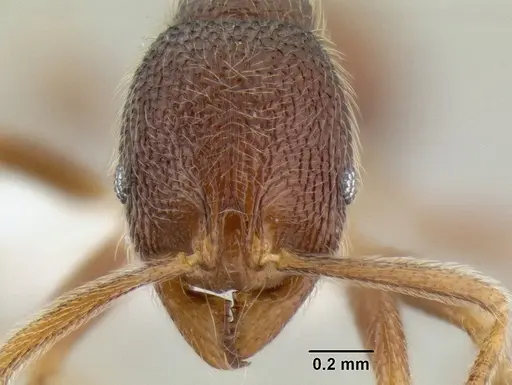
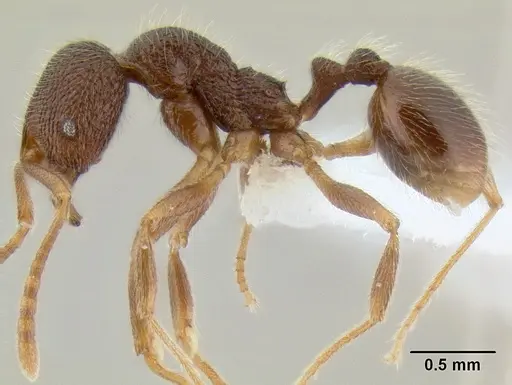
CASENT0604730
View on AntWeb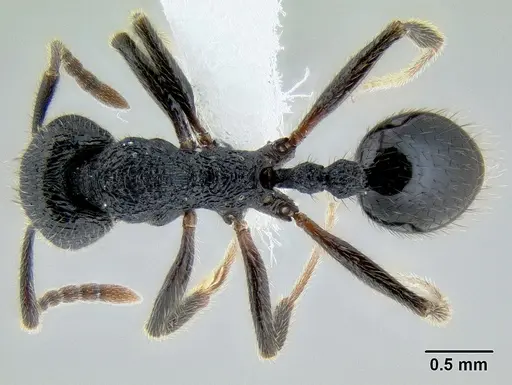
CASENT0604893
View on AntWeb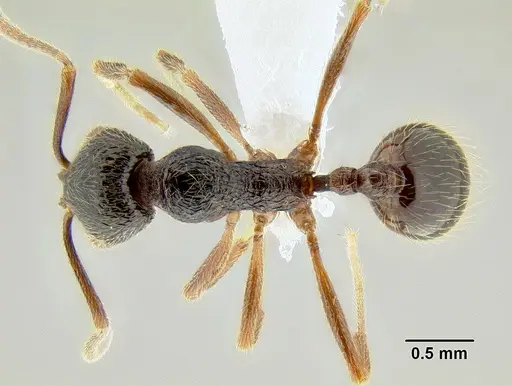
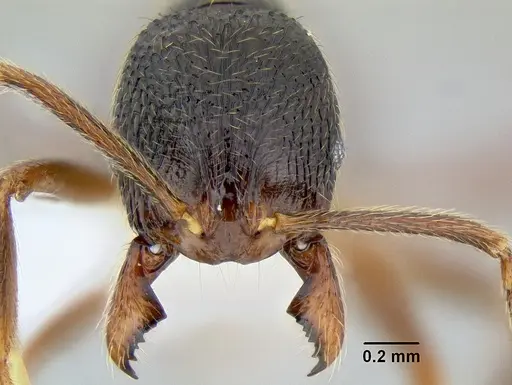
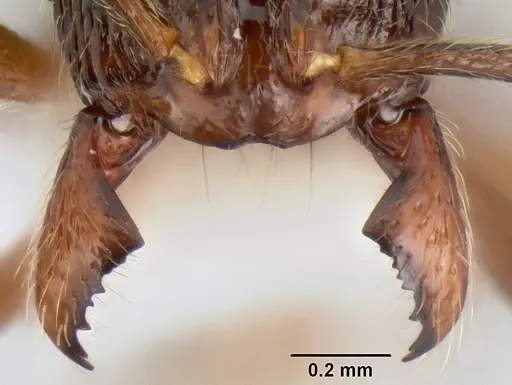
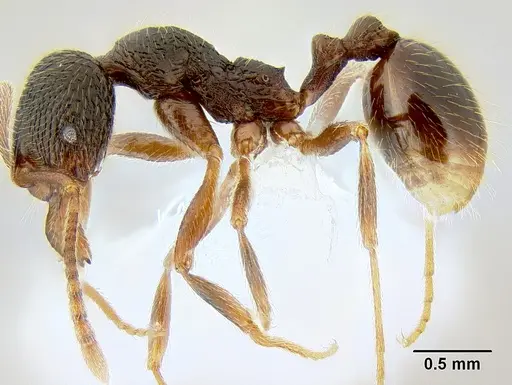
CASENT0605081
View on AntWeb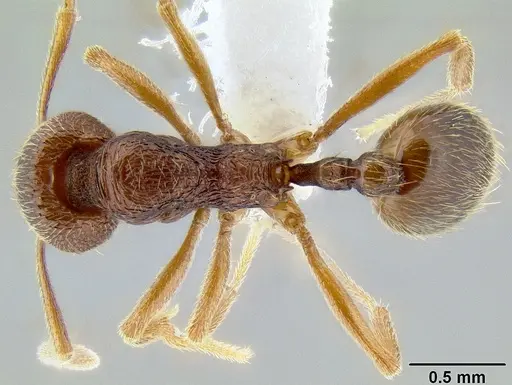
CASENT0605410
View on AntWeb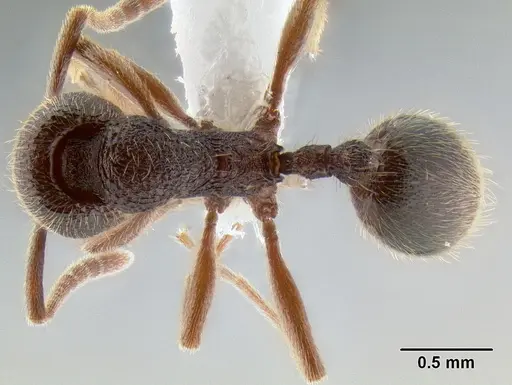
CASENT0605493
View on AntWeb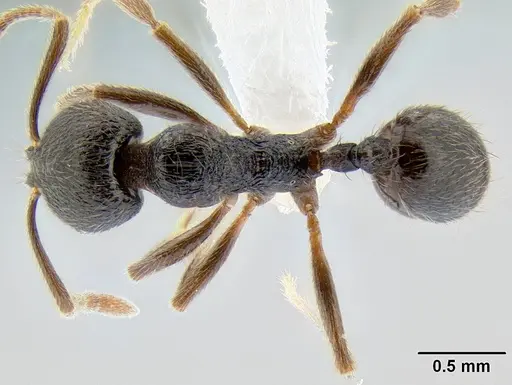
CASENT0605527
View on AntWeb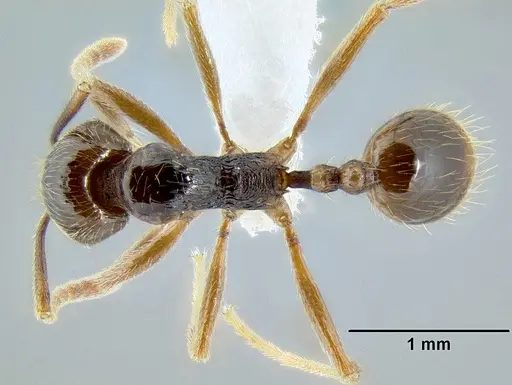
CASENT0605556
View on AntWeb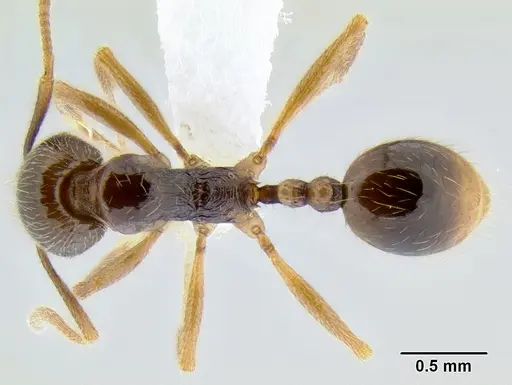
CASENT0605592
View on AntWeb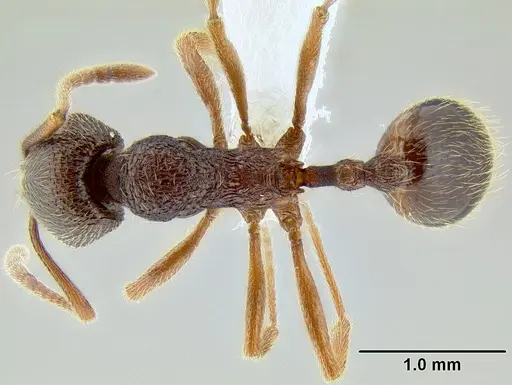
CASENT0606002
View on AntWeb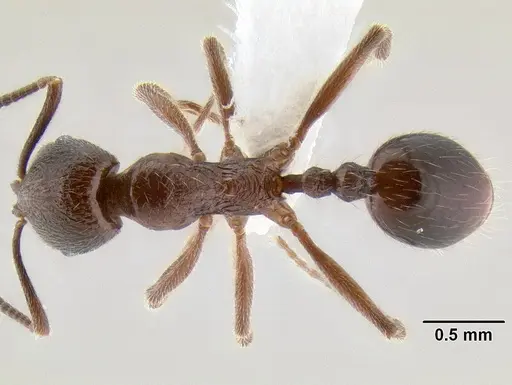
CASENT0606975
View on AntWeb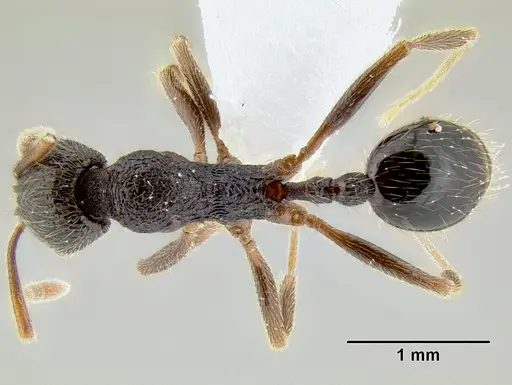
CASENT0607003
View on AntWeb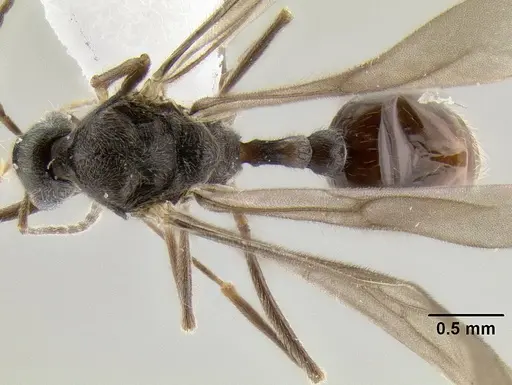
CASENT0607004
View on AntWeb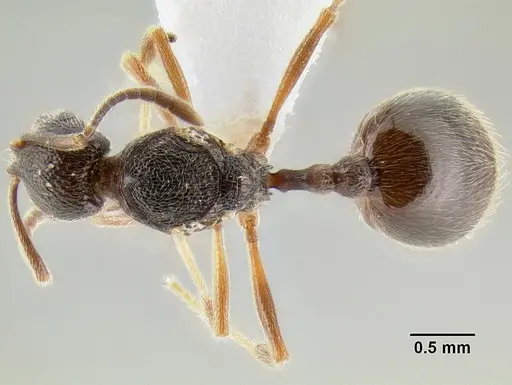
CASENT0621574
View on AntWeb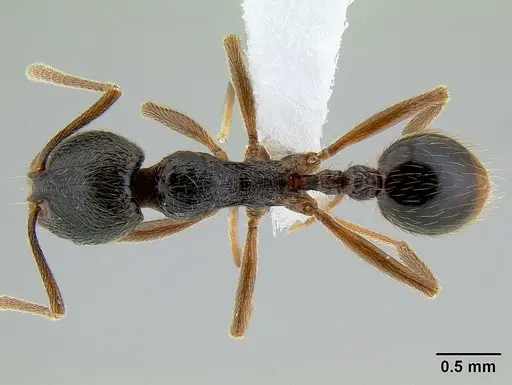
CASENT0622740
View on AntWeb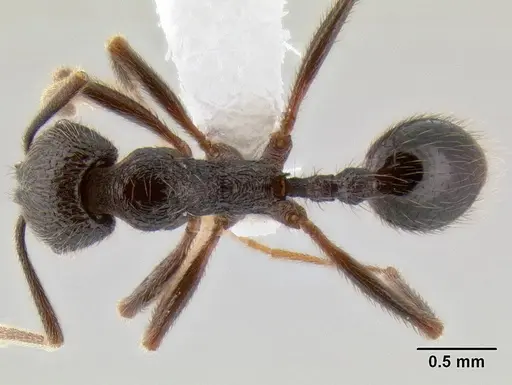
Literature
Loading distribution map...Loading products...