
Stenamma lippulum
- Sci. Name
- Stenamma lippulum
- Tribe
- Stenammini
- Subfamily
- Myrmicinae
- Author
- Nylander, 1849
- Distribution
- Found in 0 countries
Introduction
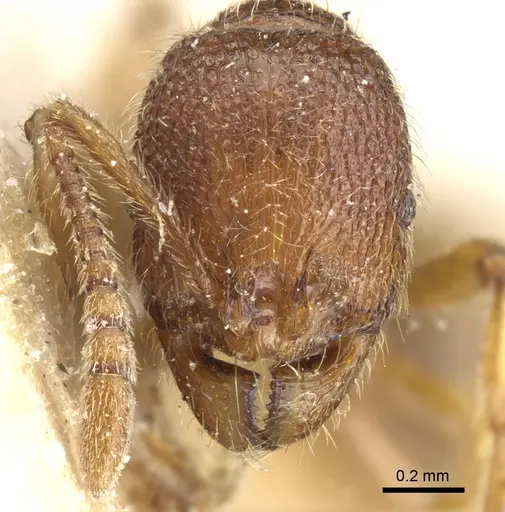
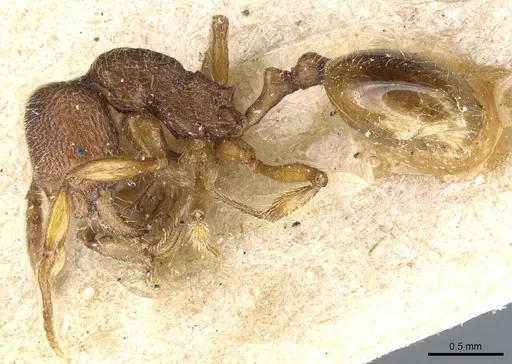
Stenamma lippulum is a small, ground-dwelling ant in the subfamily Myrmicinae. Workers have relatively long antennae, a distinct petiole shape, and are slender. On the head above the eyes, the surface has rugae (wrinkles) that form concentric loop-like structures . This species belongs to the westwoodii group and is found across the Palearctic region, with confirmed populations in southern Russia (type locality), the Caucasus (Georgia, Azerbaijan), and northern Israel . It was historically confused with Stenamma westwoodi before being revived as a separate species in 1993 . These ants nest in the ground . Their specific diet and behavior are not well documented, but as Myrmicinae they likely hunt small invertebrates in soil and leaf litter. Colonies remain modest in size, making them a manageable species for keepers interested in observing natural foraging behaviors, though many details of their biology are unconfirmed.
Quick Summary
- Difficulty: Medium
- Origin & Habitat: Palaearctic region spanning southern Russia (type locality), the Caucasus (Georgia, Azerbaijan, Abkhazia), and northern Israel. They inhabit shaded locations in the ground, typically in forested areas with leaf litter [6][4].
- Colony Type: Unconfirmed, no published data on colony structure. Based on general Stenamma patterns, likely monogyne (single queen), but this is not confirmed.
- Size & Growth:
- Queen: No body size measurements available for this species.
- Worker: No body size measurements available for this species.
- Colony: Unknown, no published estimates.
- Growth: Moderate (typical for ground-dwelling forest ants, but unverified for this species).
- Development: Unknown, no specific data for this species. Development times are likely similar to other temperate Stenamma, but unconfirmed. (All development data are inferred and unconfirmed.)
- Antkeeping:
- Temperature: Keep cool, similar to other Palearctic species. A range of 18-22°C is typical for many ants from this region, but specific requirements for S. lippulum are unconfirmed. Avoid temperatures above 25°C.
- Humidity: Keep the nest substrate consistently moist but not waterlogged. Specific humidity levels are unconfirmed, provide a moisture gradient so ants can choose their preferred zone.
- Diapause: Yes, as a temperate Palearctic species, they require a winter dormancy period. Based on climate data, keep at 5-10°C for 3-4 months during winter. Skip hibernation at your colony's peril.
- Nesting: In nature, nests in the ground [6]. Y-tong (AAC) or plaster nests work well in captivity. Provide dark, enclosed chambers. A naturalistic setup with soil substrate also works. Avoid dry, overheated conditions.
- Behavior: Likely peaceful and non-aggressive, but no specific behavior documented. Workers are probably active foragers that hunt small prey. They are small and not known for stinging, escape risk is low. Activity likely highest during cooler periods.
- Common Issues: colonies may fail if kept too warm, this species likely prefers cooler conditions., dry substrate causes stress and colony decline, monitor moisture closely., winter diapause appears essential, skipping hibernation typically causes decline., wild-caught colonies may carry parasites that can harm captive populations.
Temperature and Care
Stenamma lippulum is a Palearctic species and likely prefers cooler temperatures than many tropical ants. Keep the nest area at around 18-22°C, this range matches conditions in forest floors of the Caucasus and southern Russia. Avoid temperatures above 25°C. A heating cable on one side of the nest can create a temperature gradient, allowing workers to self-regulate. Stability is key, sudden temperature swings can stress the colony. Place the nest away from direct sunlight and heat sources.
Humidity and Substrate
These ants need moderate to high humidity, mimicking damp forest floor conditions. Keep the nest substrate consistently moist but not waterlogged, it should feel damp with no standing water. Provide a moisture gradient within the setup. In Y‑tong or plaster nests, ensure the water reservoir is large enough to maintain humidity without flooding. Check substrate moisture regularly and rehydrate when the surface begins drying. Good ventilation is important to prevent mold while maintaining humidity.
Feeding and Diet
Exact diet is not documented, but like many Myrmicinae, S. lippulum is likely predatory on small invertebrates. Offer live prey such as fruit flies, small crickets, and other tiny arthropods. They will probably also accept sugar sources occasionally (honey water or sugar water), though protein should form the primary diet. Feed every 2-3 days and remove uneaten prey after 24 hours to prevent mold. Young colonies should be offered small, appropriately sized prey items.
Nesting Preferences
In nature, S. lippulum nests in the ground, typically in shaded locations with leaf litter [6]. For captivity, Y‑tong (AAC) or plaster nests with tight chambers work well, these maintain humidity and provide dark, enclosed spaces. A naturalistic setup with a soil container also works and allows natural burrowing. The nest should have chambers scaled to the ants' small size, not too large. Provide an outworld for foraging and place the nest in a quiet, dark, cool location.
Winter Dormancy (Diapause)
As a temperate Palearctic species, S. lippulum likely requires a winter dormancy period to stay healthy. Reduce temperatures to 5-10°C for 3‑4 months during winter, typically from late autumn through early spring. This diapause is probably essential for the colony's biological cycle. During hibernation, reduce food offerings but ensure the nest does not dry out. Place the colony in a cool location (e.g., an unheated garage or basement) that stays above freezing. Do not feed during deep hibernation. Gradually warm the colony in spring to resume activity.
Behavior and Temperament
Workers are likely active foragers that hunt small prey. They are probably peaceful and not aggressive toward keepers. As a small ant, they pose no sting risk. Escape risk is low, standard barriers like fluon on the outworld rim are sufficient. Activity may be highest during cooler times of the day. No unusual behaviors (e.g., tandem running, slave‑making) have been reported.
Frequently Asked Questions
How long does it take for Stenamma lippulum to raise first workers?
Unknown, no specific data for this species. Development times are likely similar to other temperate ants (several weeks), but this is unconfirmed.
What temperature do Stenamma lippulum ants need?
Keep them at 18-22°C. This Palearctic species prefers cooler conditions than tropical ants, room temperature is often ideal. Avoid temperatures above 25°C.
Do Stenamma lippulum ants need hibernation?
Yes, they likely require a winter dormancy period. Reduce temperatures to 5-10°C for 3-4 months during winter. This diapause is probably essential for health and reproduction.
What do Stenamma lippulum ants eat?
Exact diet is not documented, but they are probably predatory on small invertebrates. Offer live prey like fruit flies and small crickets, plus occasional sugar sources.
Are Stenamma lippulum ants good for beginners?
Rated medium difficulty. They require cooler temperatures and proper hibernation, which adds complexity. Their modest colony size and peaceful nature make them manageable for those willing to provide proper conditions, but many care details are unconfirmed.
How big do Stenamma lippulum colonies get?
Unknown, no published colony size estimates. Likely modest (a few hundred workers at most) based on related species, but unconfirmed.
Can I keep multiple Stenamma lippulum queens together?
Probably not, most Stenamma are monogyne (single queen). Combining queens is not recommended, but no studies have tested this.
Do Stenamma lippulum ants sting?
They are not known for stinging and pose no danger to keepers. They may bite if threatened, but this is rare and harmless.
When should I move Stenamma lippulum to a formicarium?
Wait until the colony has at least 10-20 workers. This species prefers stable conditions, so avoid disturbing the founding queen. Once established in a test tube setup, they can be moved to a Y‑tong or plaster nest.
Why is my Stenamma lippulum colony declining?
Common causes likely include: temperatures too warm (above 25°C), dry substrate, skipping hibernation, or stress from disturbance. Check all care parameters. Wild-caught colonies may also carry parasites.
Report an Issue
The current care sheet is based fully on literature. See inconsistencies, or something that's incorrect? Please , it will be resolved after review from an admin. Contributing to the blogs tab also helps providing information, to make us be able to further improve the caresheets. Thank you for your support!
References

This caresheet is licensed under CC BY-SA 4.0 .
Community Blogs
CASENT0904151
View on AntWeb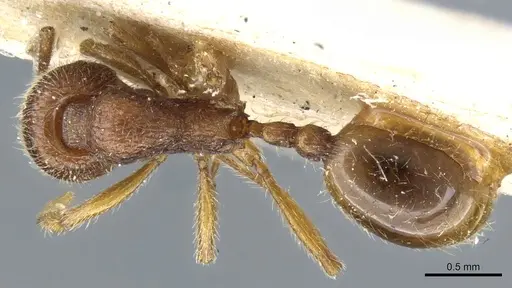
Literature
Loading distribution map...Loading products...