
Stenamma ignotum
- Sci. Name
- Stenamma ignotum
- Tribe
- Stenammini
- Subfamily
- Myrmicinae
- Author
- Branstetter, 2013
- Distribution
- Found in 2 countries
Introduction
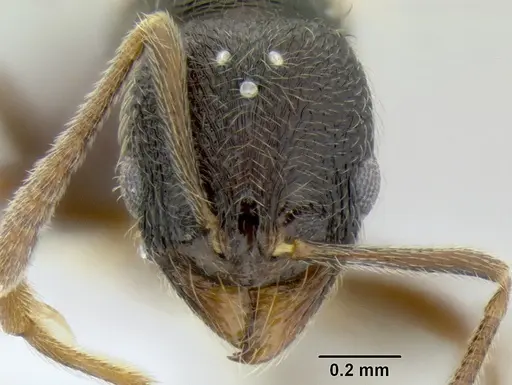
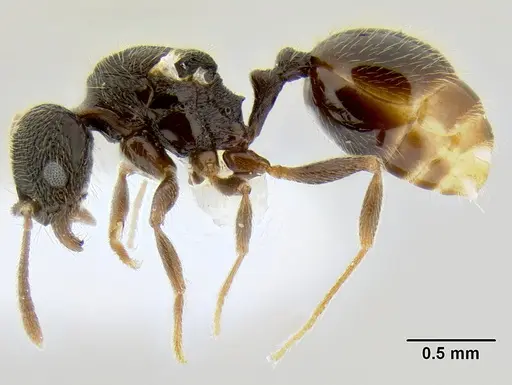
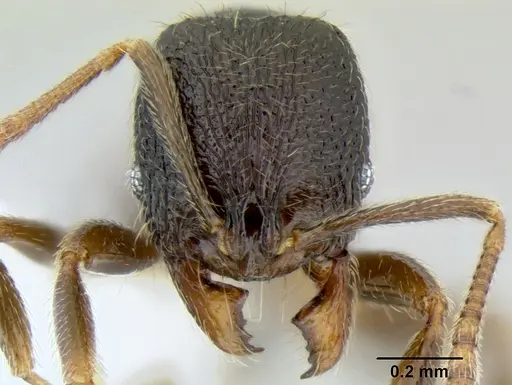
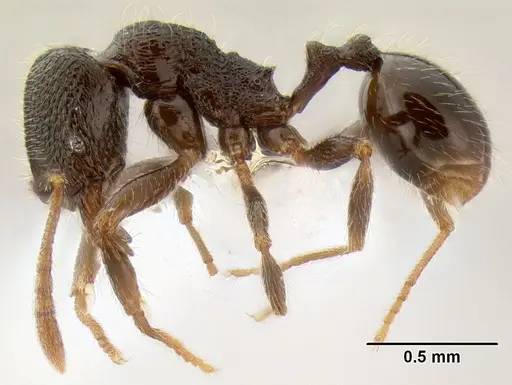
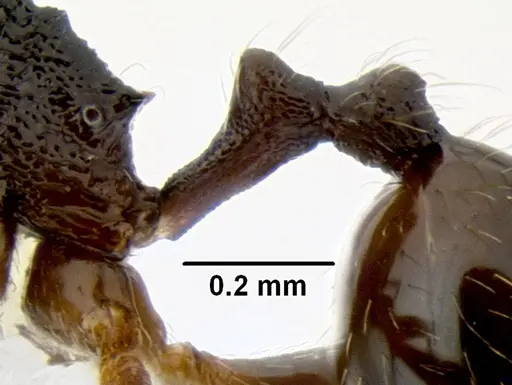
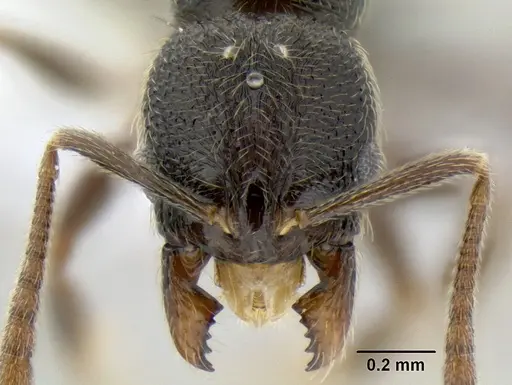
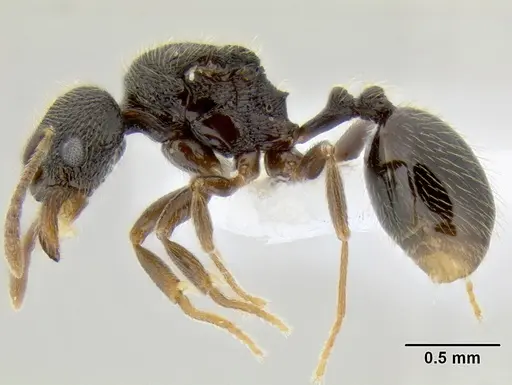
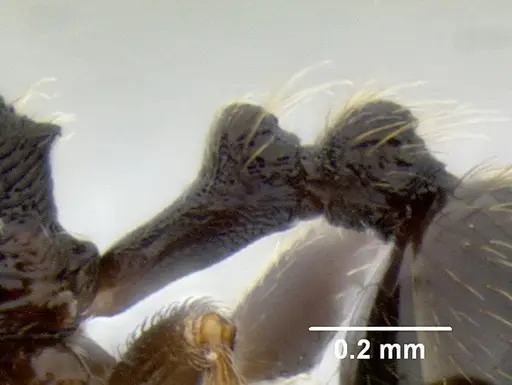
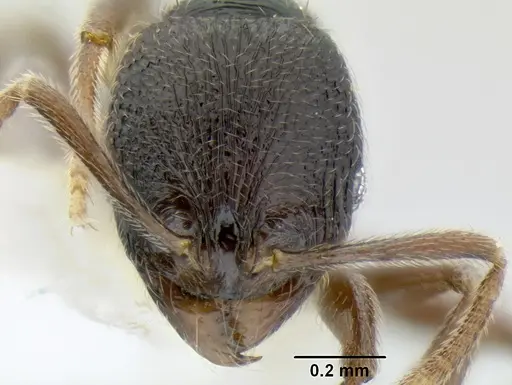
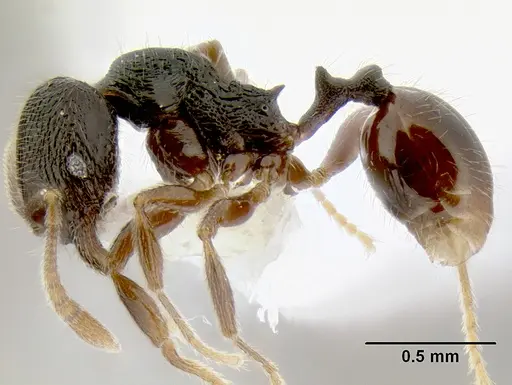
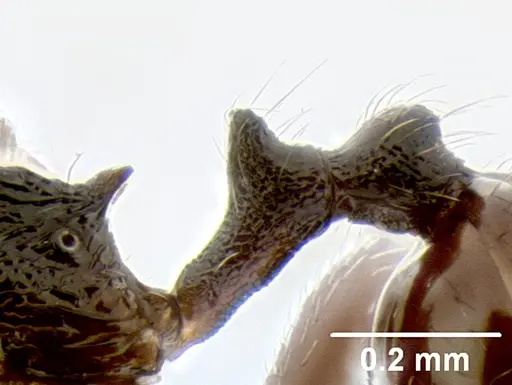
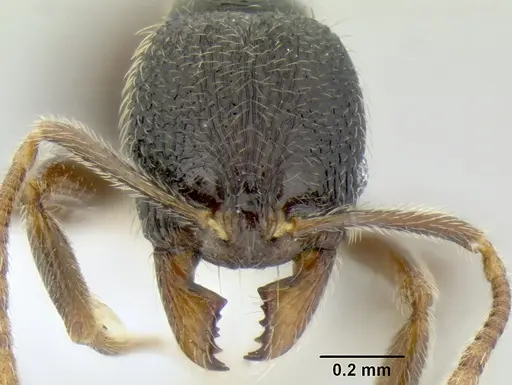
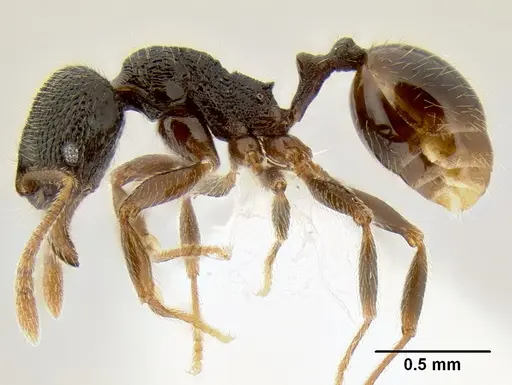
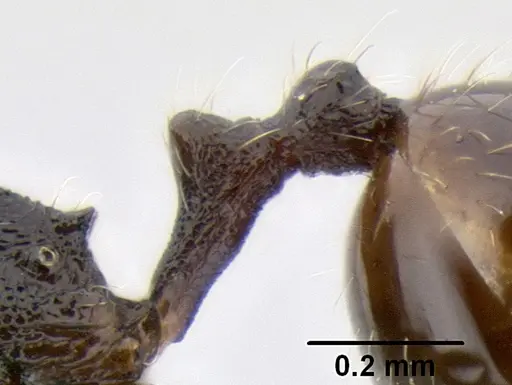
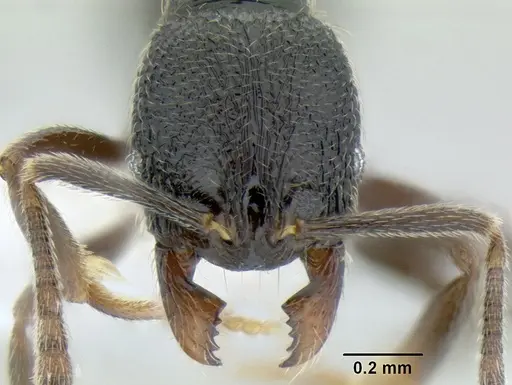
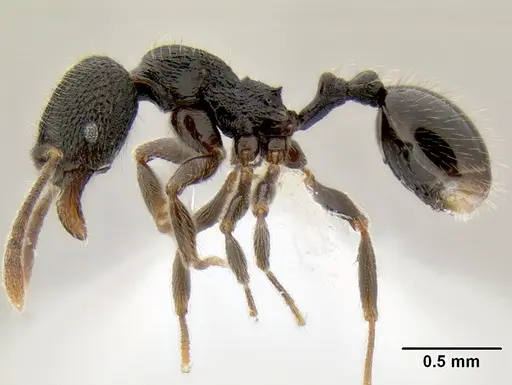
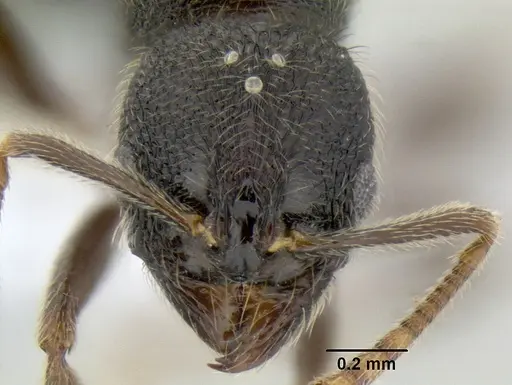
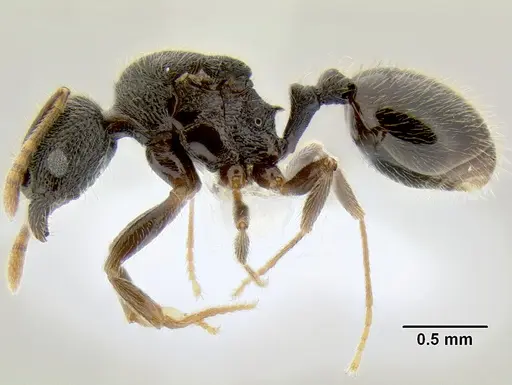
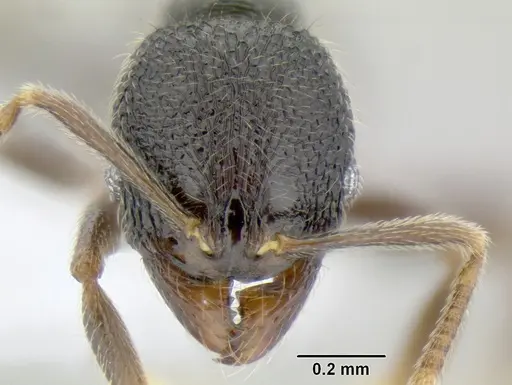
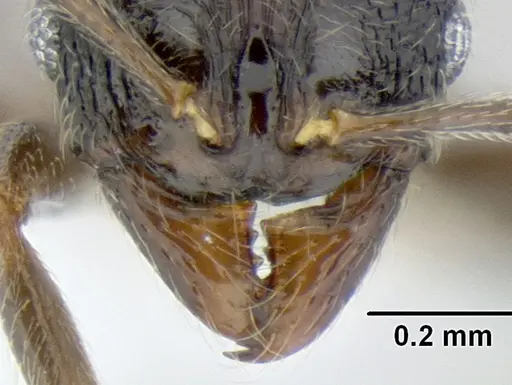
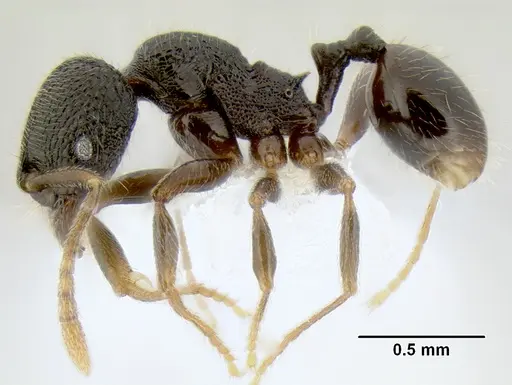
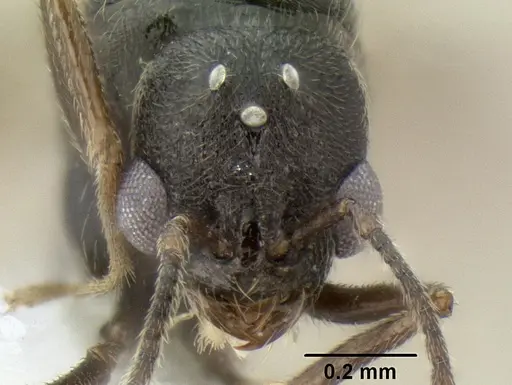
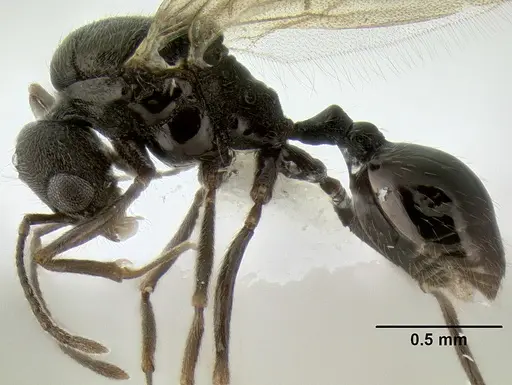
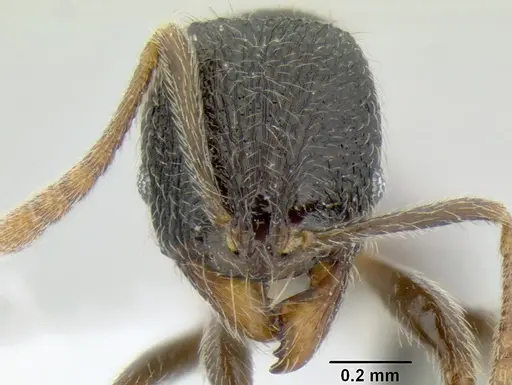
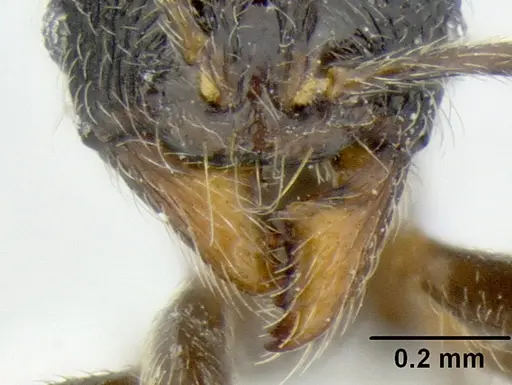
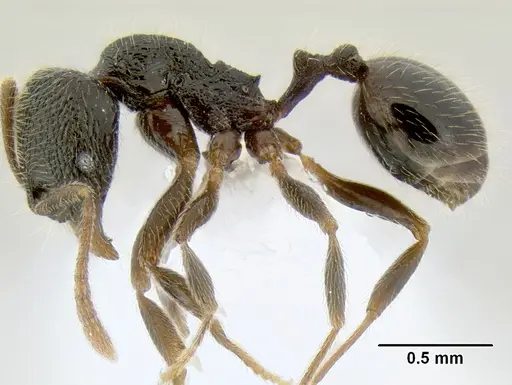
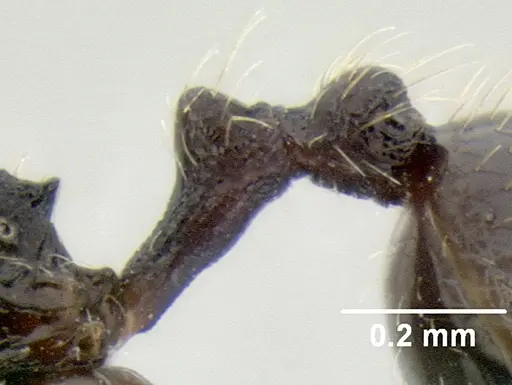
Stenamma ignotum is a small ant species from the cloud forests of southern Mexico and Guatemala. It was formally described in 2013 by Michael Branstetter . The body is mostly dark brown to brown, with a heavily wrinkled, net-like pattern on the head and sparse, upright hairs on the abdomen . This species lives in wet forests at elevations between 500 and 2070 m, most often above 1000 m . It spends almost its entire life in the leaf litter layer. Nests have been found under rocks and under fallen epiphytes (plants growing on other plants) on the ground . Because it's a new species with very little captive data, it's a difficult choice - only for experienced keepers who like Neotropical ants.
Quick Summary
- Difficulty: Expert
- Origin & Habitat: Southern Mexico to Guatemala. Lives in cloud forest, mesophyll forest, and wet oak forest at 500-2070 m elevation, most common above 1000 m [1][2]
- Colony Type: Unconfirmed, no colony structure studies exist. Probably single-queen colonies based on typical Stenamma patterns.
- Size & Growth:
- Queen: Total body length not given in literature, described as small-sized. Head length cannot be used as body size [1][2]
- Worker: Total body length not given in literature, described as small-sized. Head length cannot be used as body size [1][2]
- Colony: Unknown, no colony size data available
- Growth: Unknown, no development studies exist
- Development: Unknown, no data for this species (No captive studies have been done. Estimates from related species would be pure guesses.)
- Antkeeping:
- Temperature: Cool conditions recommended, aim for 18-22°C, matching their high-elevation cloud forest home
- Humidity: High humidity is critical. Keep the nest substrate consistently damp but not flooded, think damp forest floor
- Diapause: Unknown, no overwintering studies. Because they live in tropical cloud forests, they probably do not need true hibernation
- Nesting: Naturalistic setups with good moisture retention work best. In the wild they nest under rocks and in ground-level epiphytes [1]. Use Y-tong (AAC) or plaster nests that hold humidity well.
- Behavior: A cryptic, litter-dwelling ant that forages in the upper soil and leaf-litter layer [1]. They are not aggressive and will avoid confrontations. Their tiny size means you must take extreme escape prevention, they can slip through the smallest gaps. Activity is moderate, they are not hyperactive. Workers are docile and unlikely to sting.
- Common Issues: very limited data, this species was only described in 2013,so most care advice is inferred from habitat instead of captive studies, escape prevention is critical because workers are tiny (total body length not given, but head length is under 1 mm), high humidity needs can cause mold if ventilation is poor, unknown colony size and growth rate, you may not see quick results, wild-caught colonies may carry parasites or struggle to adjust to captivity
Natural History and Distribution
Stenamma ignotum is found only in the cloud forests of southern Mexico and Guatemala, from about 500 to 2070 m elevation, most often above 1000 m [1][2]. It lives in damp, shaded environments: cloud forest, mesophyll forest, and wet oak forest [1]. The type locality is 2 km southeast of Custepec, Chiapas, Mexico, at 1520 m [2].
Most specimens have been collected by sifting leaf litter from the forest floor, that's where they spend nearly all their time [1]. They have also been lured with cookie baits and found by general searching. Two nests have been documented: one under a rock and another under epiphytes on the ground, both in montane wet forest. One stray worker was collected from a mud bank [1].
The species was described in 2013,so biological data is very limited. Almost everything we know comes from the original description and collection records.
Housing and Nest Setup
Because these are litter-dwelling ants from wet cloud forests, you need to create a damp, shaded environment. A naturalistic setup with a deep layer of moist substrate works well, think forest floor with plenty of organic matter [1]. Y-tong (AAC) or plaster nests that hold moisture are good choices.
The key is keeping the substrate damp but not waterlogged. In the wild they nest under rocks and in ground epiphytes, so they like tight, dark spaces that stay humid [1]. Don't let the nest dry out, this species is adapted to steady moisture.
Escape prevention is absolutely critical. Workers are tiny, total body length isn't given, but head length is well under 1 mm. Standard gaps that work for larger ants will let them out. Use fine mesh and seal every connection. A test tube setup can work during founding, but you'll need to watch humidity because test tubes dry out fast.
Temperature and Humidity
Based on their high-elevation cloud forest home (most common above 1000 m), these ants do best in cool to moderate temperatures, think low to mid 20s°C at most, ideally 18-22°C. Avoid heat sources, they come from places that stay cool and stable year-round.
Humidity matters even more than temperature. They live in wet forests where the air and ground are always moist [1]. Keep the nest substrate damp but not soggy, and offer a gradient so workers can choose between wetter and drier spots. A water reservoir connected to the nest helps. Don't put the nest near heaters or in direct sun, dry conditions will stress the colony.
Feeding and Diet
In the wild, workers have been collected from cookie baits, so they will take carbohydrates [1]. But like most Stenamma, they likely hunt small invertebrates in the leaf litter. Offer tiny protein sources such as fruit flies, pinhead crickets, or other small arthropods. Sugar water or honey can be given now and then, but don't make it the main food.
Because no one has kept this species in captivity before, be ready to experiment. Start with small live prey that matches their size, anything too large will be ignored. Remove uneaten food after 24-48 hours to stop mold in the humid setup.
Colony Development and Growth
No specific development data exists for Stenamma ignotum. We don't know how long eggs take to become workers, or how big colonies get. Queens are small, total body length isn't reported, but head length is 0.66-0.74 mm [2].
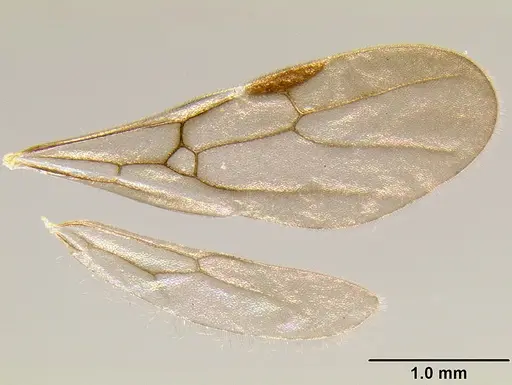
Wild colony sizes are unknown, no large colony has ever been collected. Given their tiny size and cryptic lifestyle, colonies are probably modest. Don't expect fast growth. Males have been collected but not formally described, so even the reproductive biology is poorly known [3].
Frequently Asked Questions
How long does it take for Stenamma ignotum to raise their first workers?
We don't know, no development data exists for this species. Any estimate would be a guess. Be patient and hope for the best.
What temperature do Stenamma ignotum ants need?
Based on their cloud forest home, keep them cool, aim for 18-22°C. Avoid heat. They prefer stable, cool conditions like those in Mexican and Guatemalan cloud forests.
Are Stenamma ignotum ants good for beginners?
No. This is an expert-level species. It was only described in 2013,so there's almost no captive data. Care advice is mostly guessed from habitat. Their tiny size, high humidity needs, and escape risk make them very challenging. Only try this if you have experience with rare Neotropical ants.
How big do Stenamma ignotum colonies get?
The maximum colony size is unknown, nobody has documented a large colony. Given their tiny workers and cryptic lifestyle, colonies are probably modest. Don't expect hundreds or thousands of workers.
Do Stenamma ignotum ants sting?
They are not known to be aggressive and are unlikely to sting. Like most small Myrmicinae, they have a stinger but will flee rather than fight. Their tiny size means any sting would be harmless to humans.
What do Stenamma ignotum ants eat?
They probably hunt tiny invertebrates in the leaf litter. Offer small live prey like fruit flies, springtails, or other tiny bugs. They have been collected from cookie baits in the wild, so they may accept sugar water or honey occasionally [1].
Can I keep multiple Stenamma ignotum queens together?
Colony structure is unconfirmed, no studies exist. Based on typical Stenamma patterns, they are probably single-queen (monogyne). Do not try to combine unrelated queens until more is known.
Do Stenamma ignotum ants need hibernation?
Diapause needs are unknown. Since they come from tropical cloud forests in southern Mexico and Guatemala, they probably do not need true hibernation. But they may have seasonal activity tied to wet/dry seasons. Don't force hibernation without more data.
How do I identify Stenamma ignotum ants?
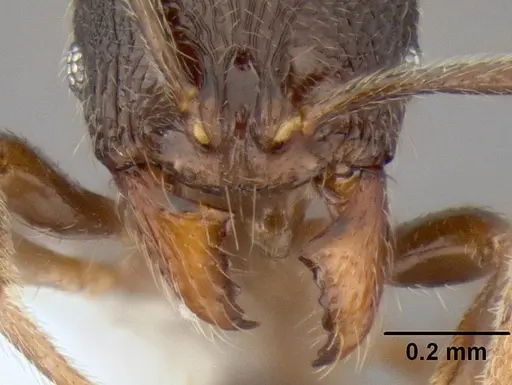
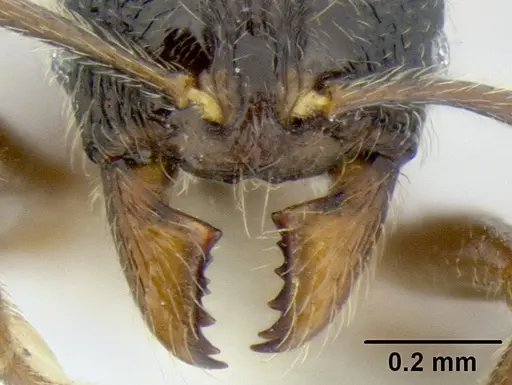
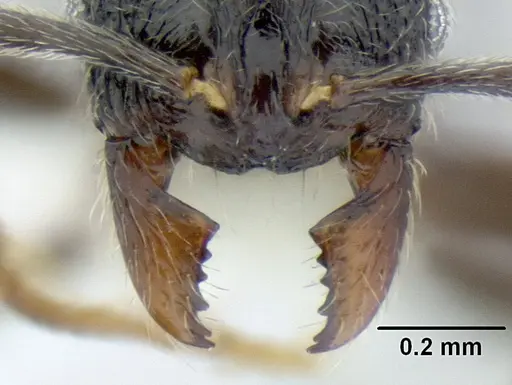
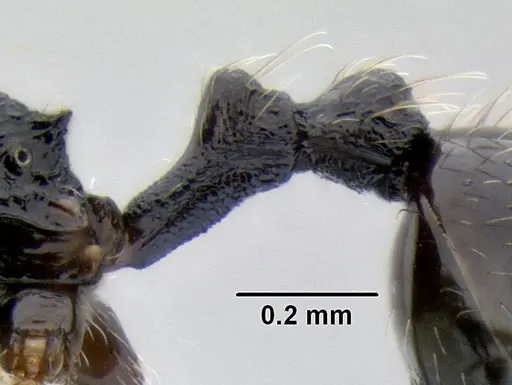
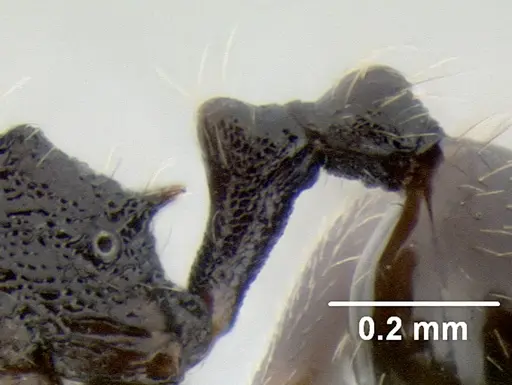
Workers are small (described as small-sized) and dark brown to brown. Key features: straight bottom edge of the mandible (no notch), a shallow notch on the front of the clypeus, and a heavily sculpted face with wrinkled net-like patterns. The propodeal spines are short and bump-like [1].
Where is Stenamma ignotum found in the wild?
It is native to cloud forests from southern Mexico to Guatemala, from 500 to 2070 m elevation, most commonly above 1000 m. It lives in wet forest types: cloud forest, mesophyll forest, and wet oak forest, usually in leaf litter on the forest floor [1][2].
Report an Issue
The current care sheet is based fully on literature. See inconsistencies, or something that's incorrect? Please , it will be resolved after review from an admin. Contributing to the blogs tab also helps providing information, to make us be able to further improve the caresheets. Thank you for your support!
References

This caresheet is licensed under CC BY-SA 4.0 .
Community Blogs
CASENT0600182
View on AntWeb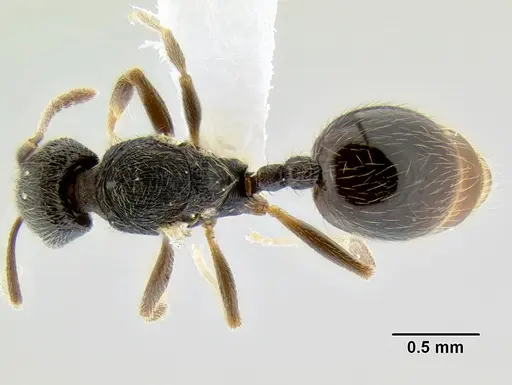
CASENT0603762
View on AntWeb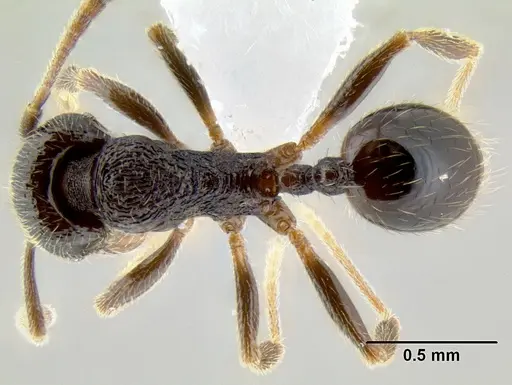
CASENT0603772
View on AntWeb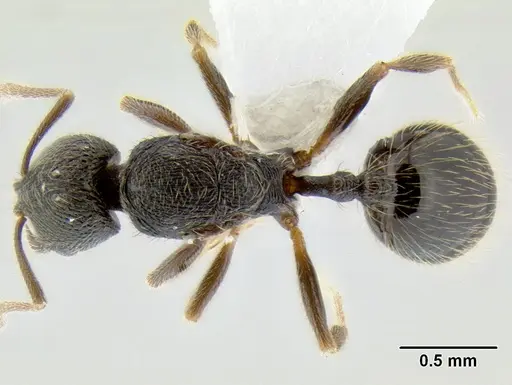
CASENT0604307
View on AntWeb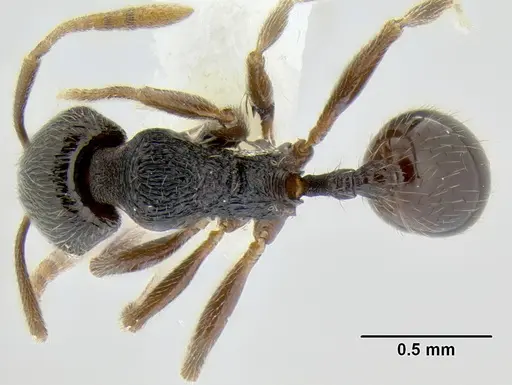
CASENT0604764
View on AntWeb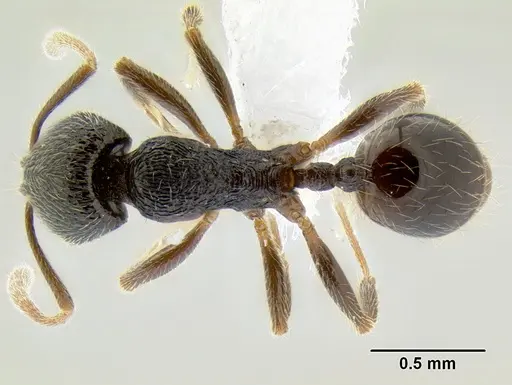
CASENT0604834
View on AntWeb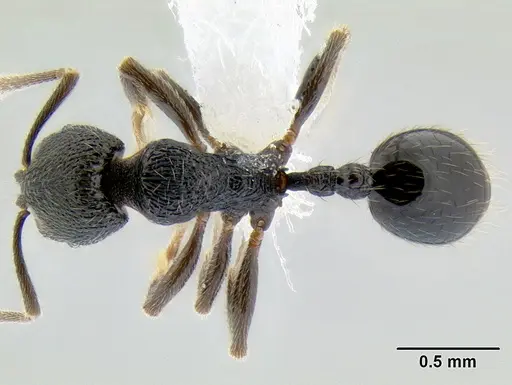
CASENT0605798
View on AntWeb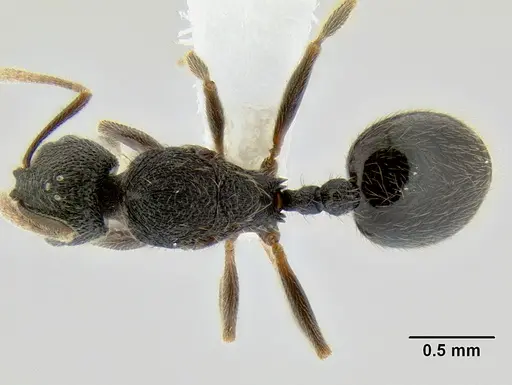
CASENT0605804
View on AntWeb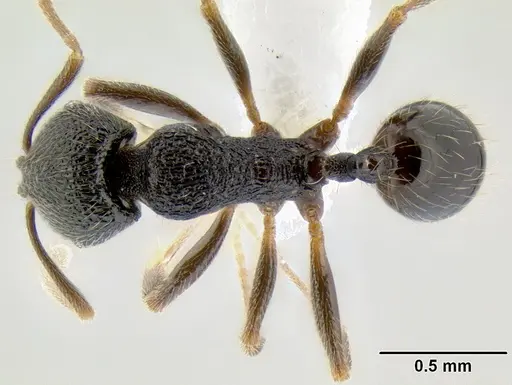
CASENT0607085
View on AntWeb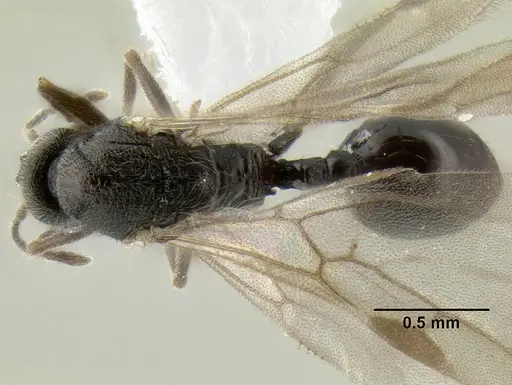
CASENT0620160
View on AntWeb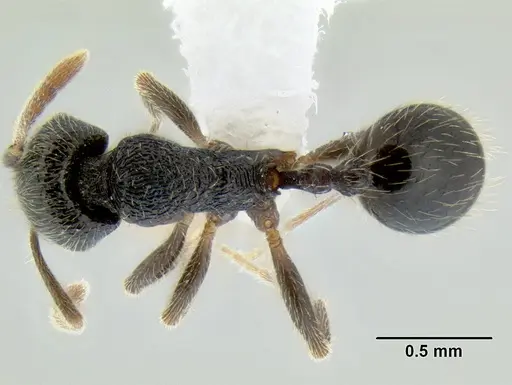
Literature
Loading distribution map...Loading products...