
Stenamma huachucanum
- Sci. Name
- Stenamma huachucanum
- Tribe
- Stenammini
- Subfamily
- Myrmicinae
- Author
- Smith, 1957
- Distribution
- Found in 2 countries
Introduction
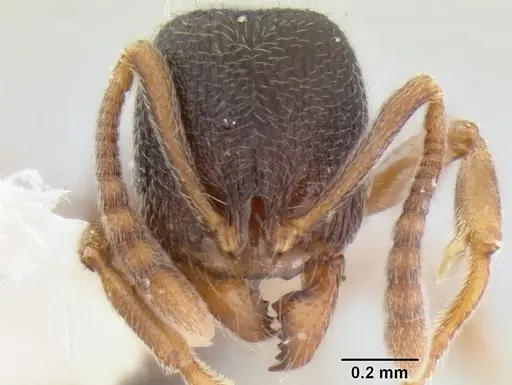
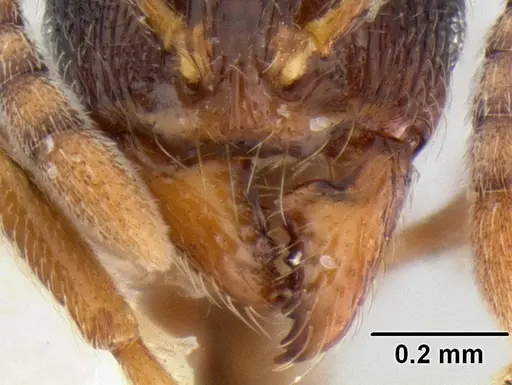
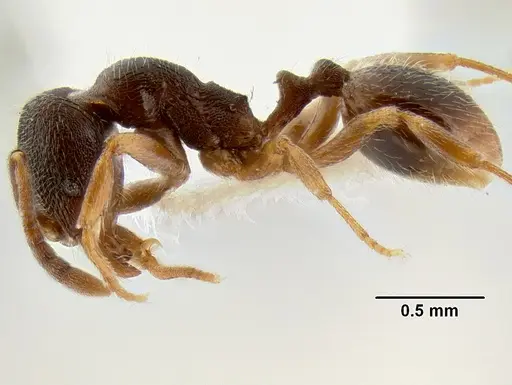
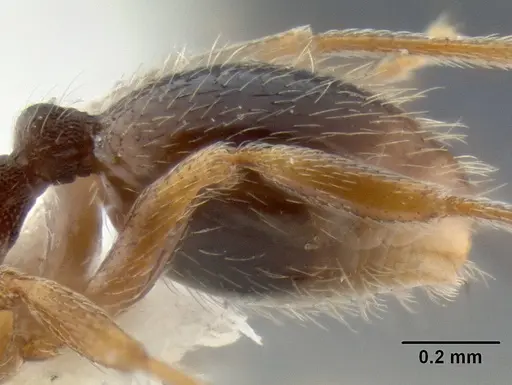
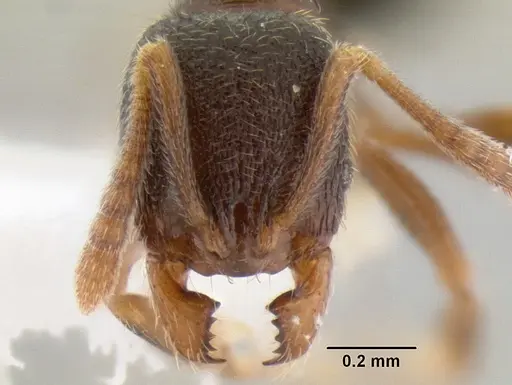
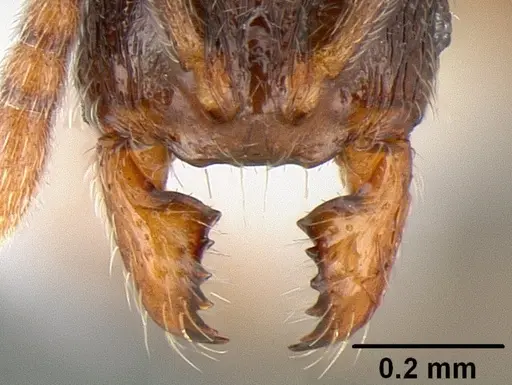
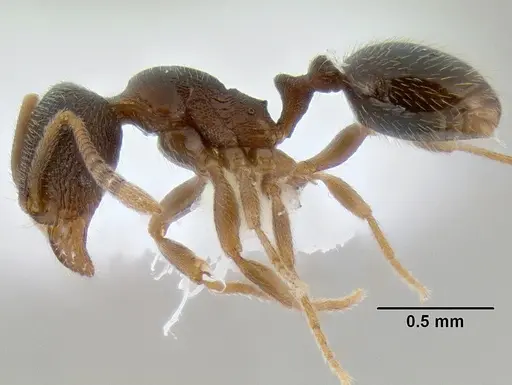
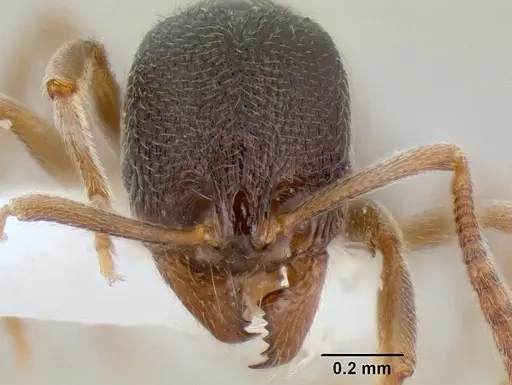
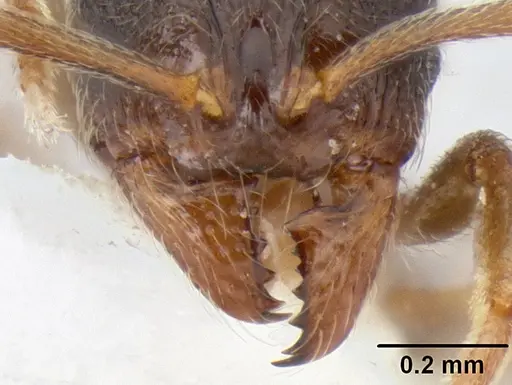
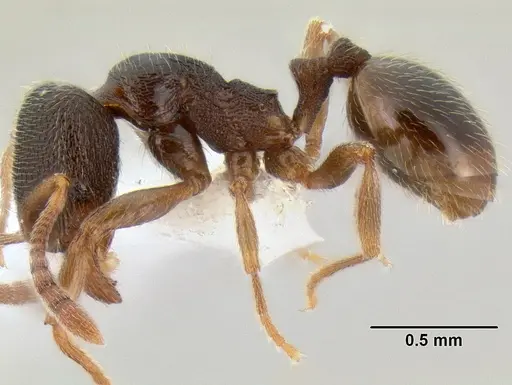
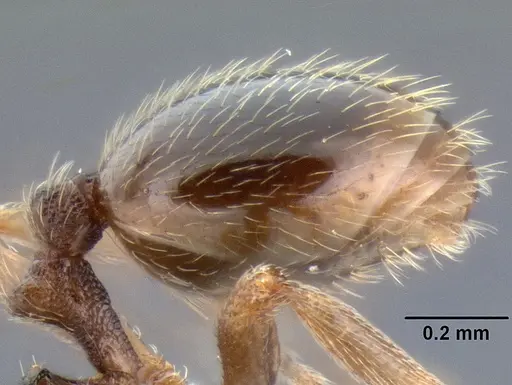
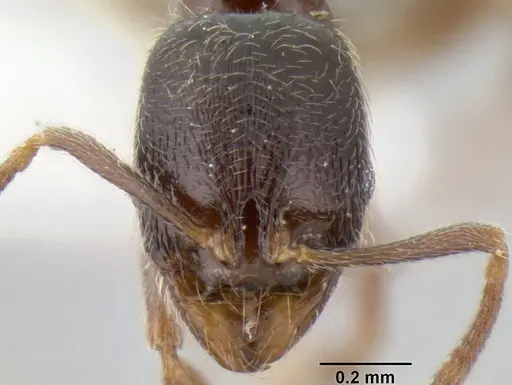
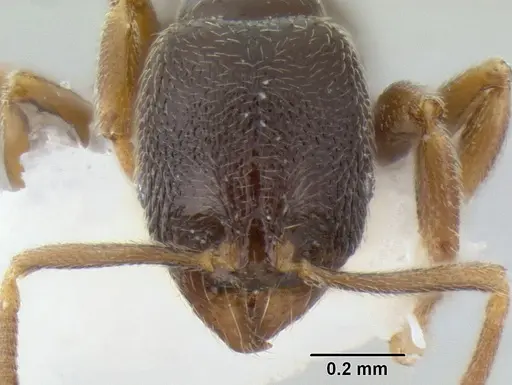
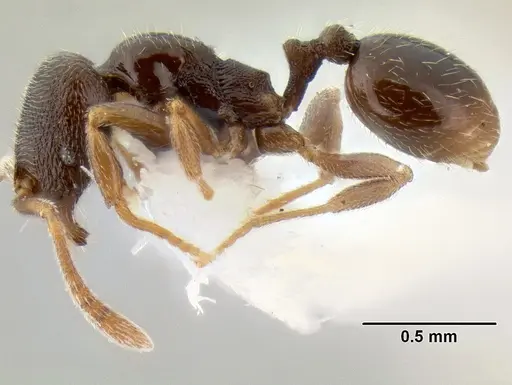
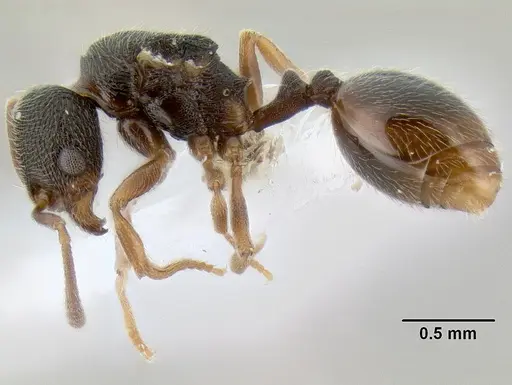
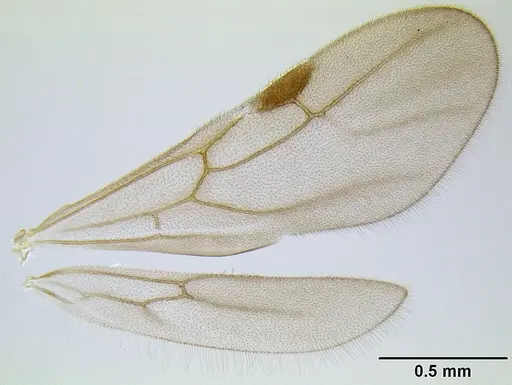
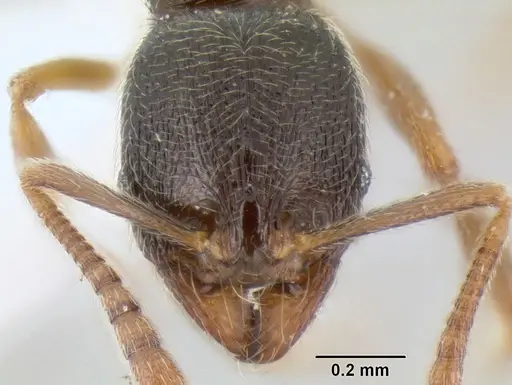
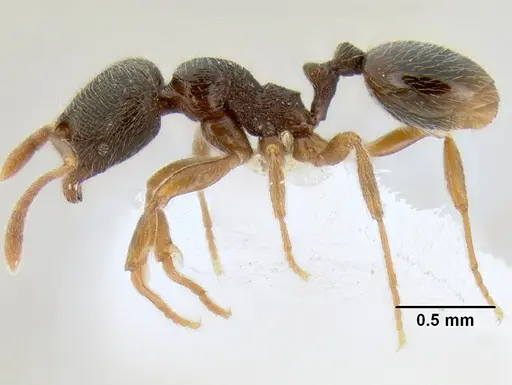
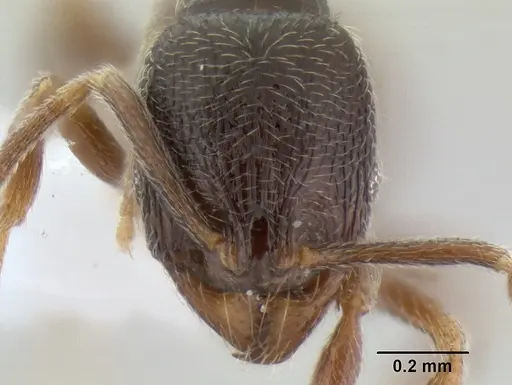
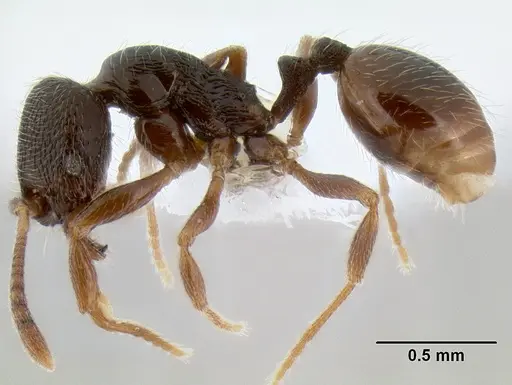
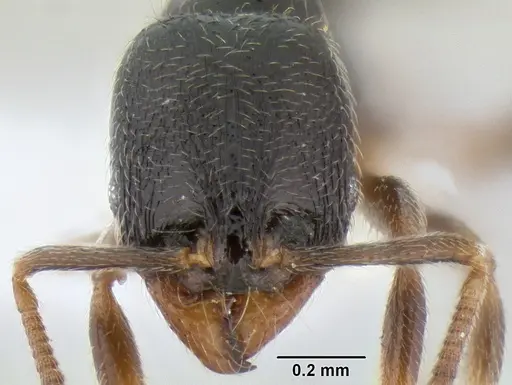
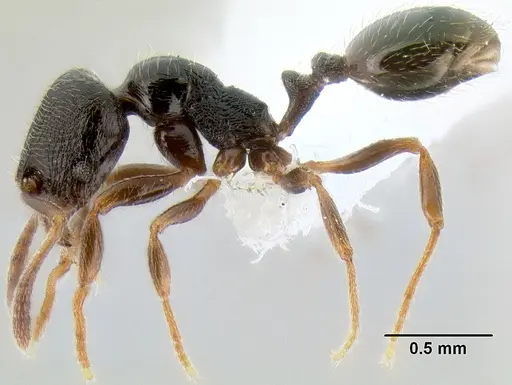
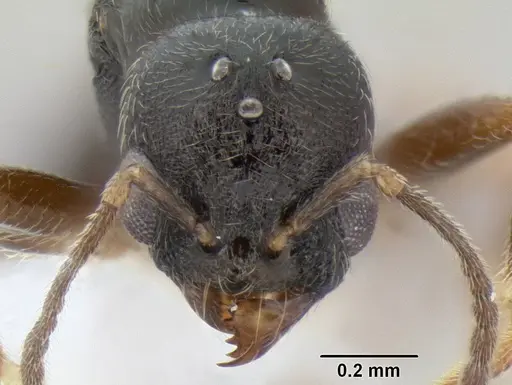
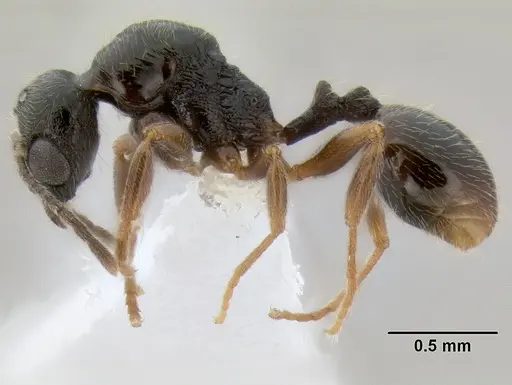
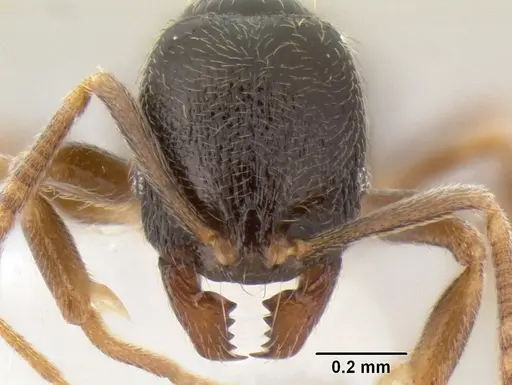
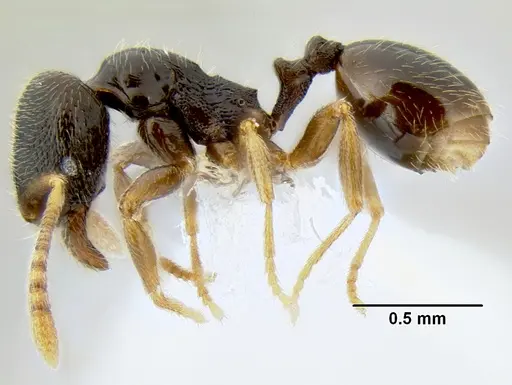
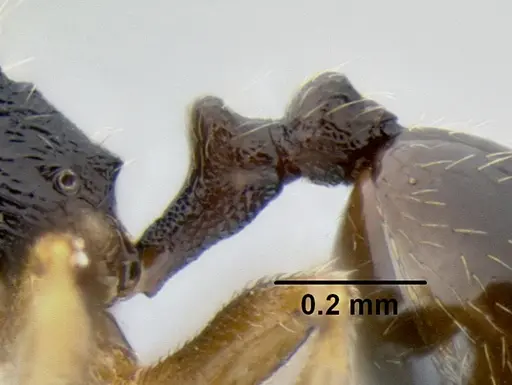
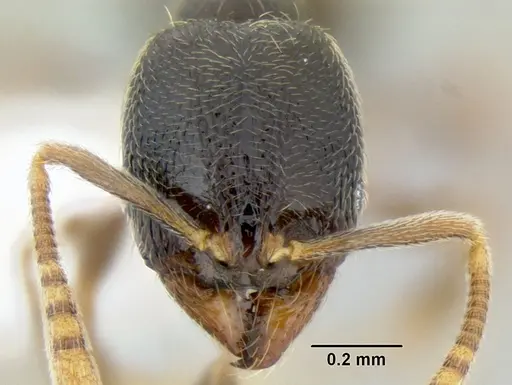
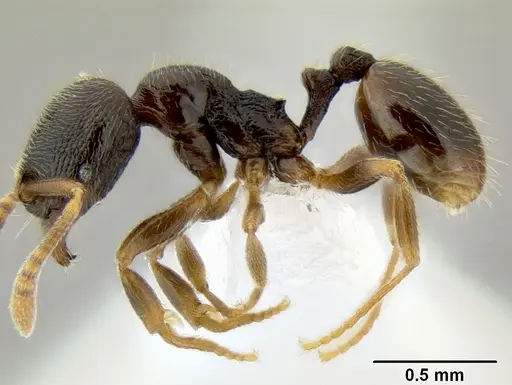
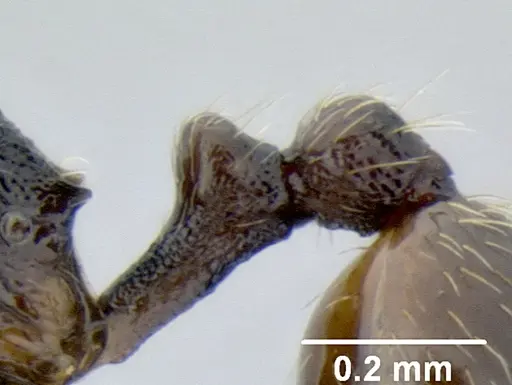
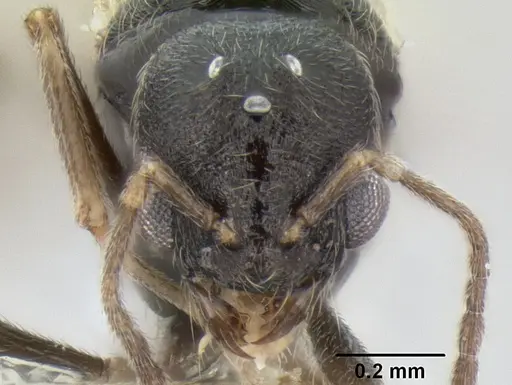
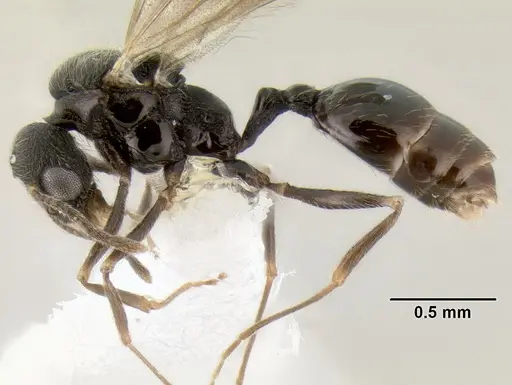
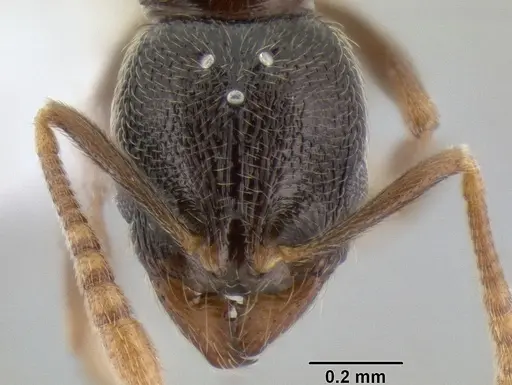
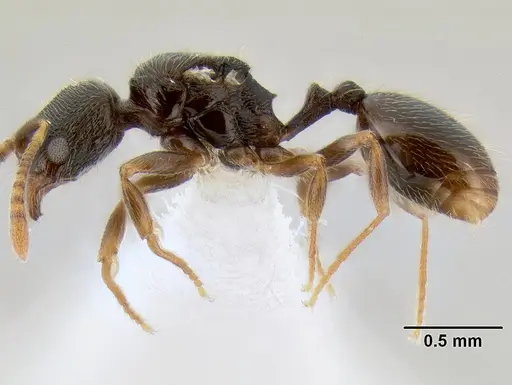
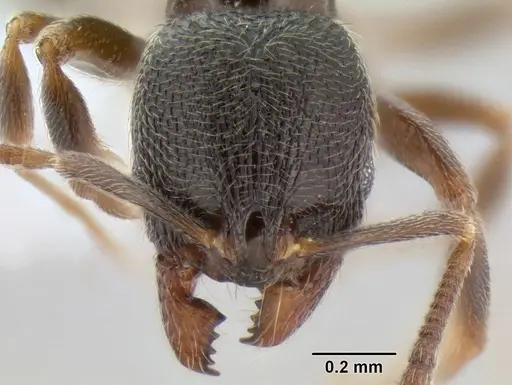
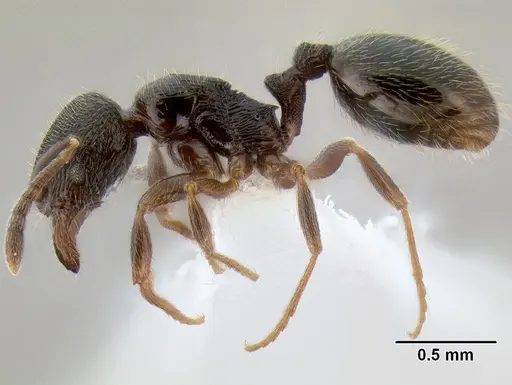
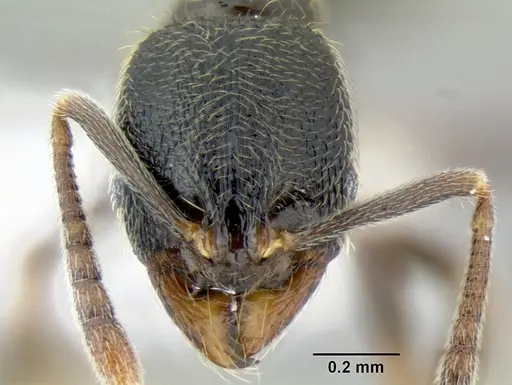
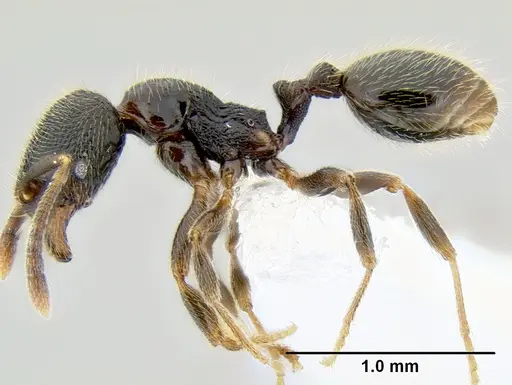
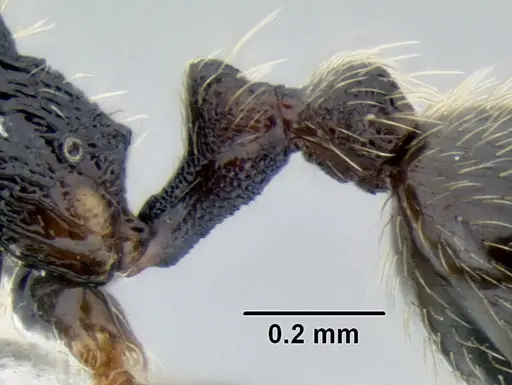
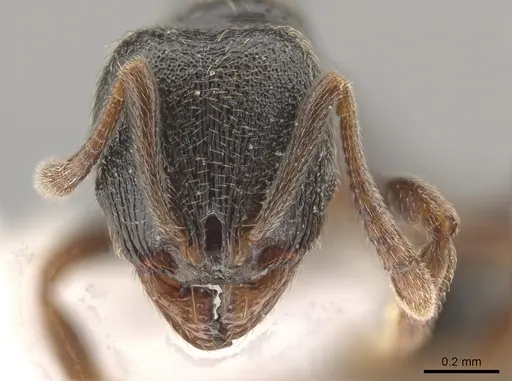
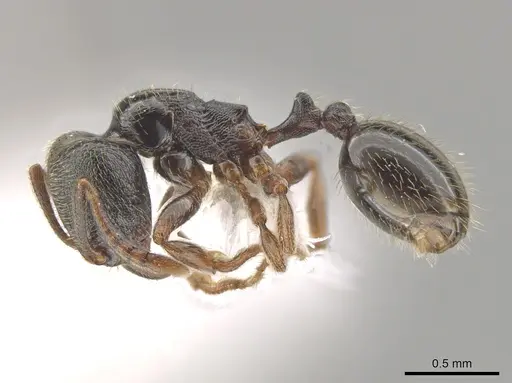
Stenamma huachucanum is a tiny, cryptic leaf litter ant native to the mountain forests of the American Southwest and Mexico. Workers are small, measuring 2.2-2.5 mm, with a dark brown to almost black body and lighter antennae and legs, giving a subtle bicolored look . Their eyes are tiny, with only 5-7 ommatidia, and they have extremely short, almost vestigial propodeal spines . This species lives deep in the leaf litter and is mostly found by sifting samples, though workers also nest under rocks in drier habitats . They are montane specialists adapted to cool, moist environments at 1,000-2,900 m elevation, most common between 1,600-2,500 m .
Quick Summary
- Difficulty: Hard
- Origin & Habitat: Mountain forests from Arizona and New Mexico south to Oaxaca, Mexico. Found in both dry seasonal habitats (oak-pine-juniper woodland, tropical deciduous forest) and wet cloud forests, at elevations of 1,000-2,900 m, most commonly between 1,600-2,500 m [2][3].
- Colony Type: Unknown. Colony structure has not been studied in this species [2].
- Size & Growth:
- Queen: Size data unavailable. Queens are similar in structure to workers but with standard queen modifications like a larger thorax and wings [4].
- Worker: 2.2-2.5 mm total length [1].
- Colony: Unknown. No documented colony size data exists for this species.
- Growth: Unknown, likely slow due to cool, high-elevation origins.
- Development: Unknown. No specific data available for this species. (Expect slow development if kept at cool temperatures. Development likely takes longer than tropical species due to their montane adaptation.)
- Antkeeping:
- Temperature: Keep cool, this is a montane species adapted to cool environments. Ideal temperature is unknown but based on habitat: start around 18-22°C and observe colony behavior. Avoid any heat mats or temperatures above 24°C, as overheating is likely fatal [3].
- Humidity: High humidity is essential. Keep the nest substrate consistently moist but not waterlogged. These ants come from cloud forests and damp leaf litter, so the setup must not dry out [2].
- Diapause: Unknown, but likely required. Montane temperate species often need a winter rest period. If keeping long-term, provide a cool period of 3-4 months at 10-15°C, observing colony activity.
- Nesting: Use Y-tong, plaster, or earth nests that hold humidity well. Provide small, tight chambers. Naturalistic setups with leaf litter and moisture-retentive substrate work. Avoid dry, open nests.
- Behavior: Very shy and non-aggressive. As a cryptic leaf litter species, their main defense is hiding, not fighting [2]. Workers forage individually in the leaf litter and do not form visible trails. They are not good climbers on smooth surfaces, but their tiny size (2.2-2.5 mm) means they can slip through very small gaps. They are docile and slow-moving.
Housing and Setup
Because Stenamma huachucanum is so tiny and cryptic, the housing setup matters more than with larger ants. Use Y-tong (AAC), plaster, or earth nests with small chambers that hold humidity well, these ants come from damp cloud forests and leaf litter [2]. The outworld should be simple but escape-proof: seal any gaps larger than 0.5 mm, as workers are only 2.2-2.5 mm long [1]. They are not strong climbers on smooth surfaces, but tiny ants can squeeze through cotton plugs and tube junctions. A water tube or regular misting helps maintain the high humidity they need.
Temperature Requirements
Temperature is the most critical factor for this species. As a montane specialist adapted to cool, high-elevation forests, Stenamma huachucanum cannot tolerate heat [3]. Avoid any heating cables or heat mats. Aim for nest temperatures around 18-22°C, if your room is warmer, keep the colony in the coolest spot. Temperatures above 24°C are dangerous. If workers cluster away from warmer areas or seem sluggish, the setup is too hot. A winter cooling period (diapause) is likely beneficial but not confirmed, if you attempt it, lower the temperature to 10-15°C for 3-4 months.
Feeding and Diet
Like most Stenamma, this species is probably a generalist predator and scavenger. In the wild they feed on small arthropods and likely honeydew [2]. In captivity, offer small protein sources: fruit flies, pinhead crickets, springtails, and tiny pieces of mealworm. Because of their small size, prey must be very small. They will accept sugar water or honey diluted to a thin syrup, but offer only a tiny drop to avoid drowning or mold. Feed small amounts 2-3 times per week for established colonies, less for founding ones. Remove uneaten food promptly.
Colony Establishment
No information exists on how Stenamma huachucanum founds colonies. Based on the genus, they may be claustral, but this is speculation. If you obtain a queen, provide a dark, humid, and undisturbed test tube or small chamber. Do not disturb her for several weeks. After the first workers (nanitics) appear, begin offering tiny prey. Wild-caught colonies are difficult to establish due to stress, look for established colonies with workers if possible. Growth will be slow, so patience is essential. [2][4]
Seasonal Care and Overwintering
Since this species lives in temperate mountains, a winter diapause is likely beneficial. In captivity, you can mimic this by gradually lowering the temperature to 10-15°C for 3-4 months (e.g., November-February). During this period the colony will become inactive, do not feed them. After the cooling period, slowly raise the temperature back to normal. This rest period may help trigger normal colony development and future reproduction. However, there is no direct research on their diapause requirements, so observe your colony carefully. [3][2]
Frequently Asked Questions
How long does it take for Stenamma huachucanum to produce first workers?
Unknown. No specific data exists for this species. Based on related montane ants, development is likely slow, possibly 6-10 weeks or more, but this is an estimate. Patience is required.
Can I keep Stenamma huachucanum in a test tube setup?
Yes, test tubes can work for founding, but be very careful with escape prevention because workers are only 2.2-2.5 mm and can slip through loose cotton. Use tightly packed cotton and a water reservoir for humidity. Monitor for drying.
Do Stenamma huachucanum ants sting?
They belong to the subfamily Myrmicinae, which includes species with stingers, but this ant is extremely tiny and docile. They have no functional stinger that can harm humans. Their main defense is hiding, not attacking.
What temperature is too hot for Stenamma huachucanum?
Avoid temperatures above 24°C. This species is adapted to cool mountain forests and overheating is a common cause of colony failure. Keep them below 22°C if possible and never use heat mats.
How big do Stenamma huachucanum colonies get?
Unknown. There is no published data on colony size. They are likely small, but no specific numbers exist.
Do they need hibernation or diapause?
Likely yes, but not confirmed. As a montane temperate species, a winter rest period of 3-4 months at 10-15°C is beneficial. This mimics their natural cycle and supports long-term health.
Are Stenamma huachucanum good for beginners?
No. Their specialized cool and humid requirements, unknown biology, and tiny size make them challenging. They are best for experienced keepers who can provide stable conditions.
Why are my Stenamma huachucanum dying?
The most likely causes are overheating (keep below 22°C), low humidity (nest must stay damp), or stress from disturbance. These ants are very sensitive. Check temperature first, if the colony is in a warm room, move it to a cooler spot.
Report an Issue
The current care sheet is based fully on literature. See inconsistencies, or something that's incorrect? Please , it will be resolved after review from an admin. Contributing to the blogs tab also helps providing information, to make us be able to further improve the caresheets. Thank you for your support!
References

This caresheet is licensed under CC BY-SA 4.0 .
Community Blogs
CASENT0104470
View on AntWeb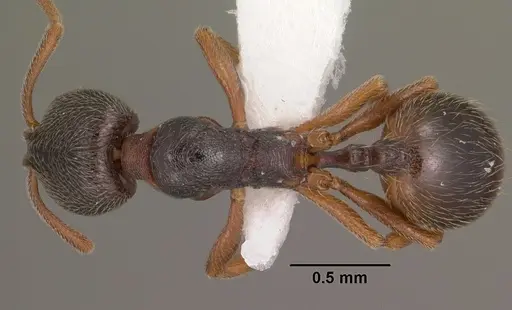
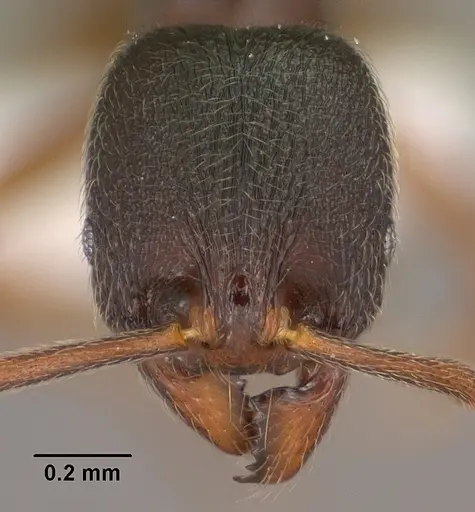
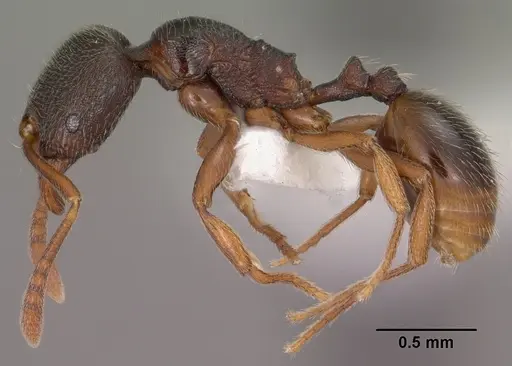
CASENT0105666
View on AntWeb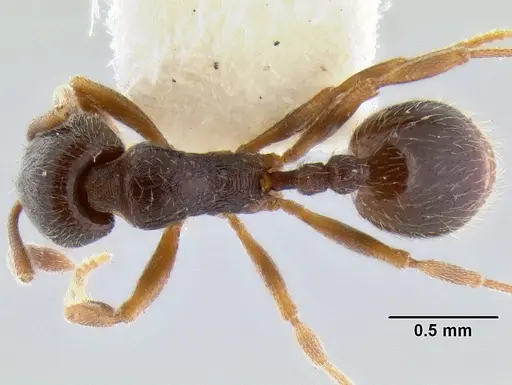
CASENT0126215
View on AntWeb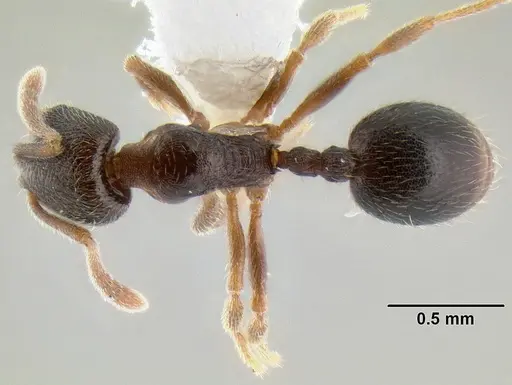
CASENT0126554
View on AntWeb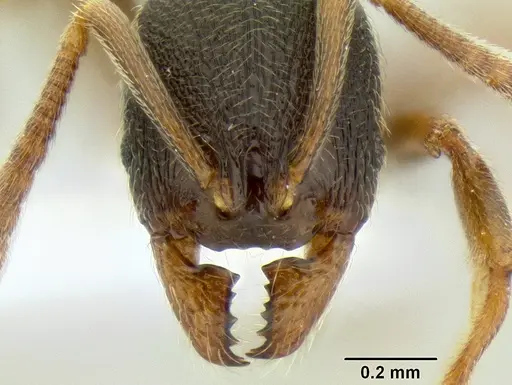
CASENT0126556
View on AntWeb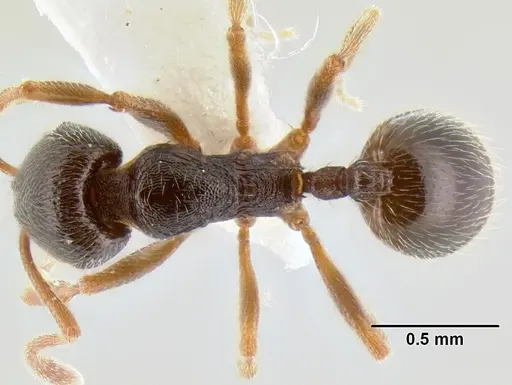
CASENT0126566
View on AntWeb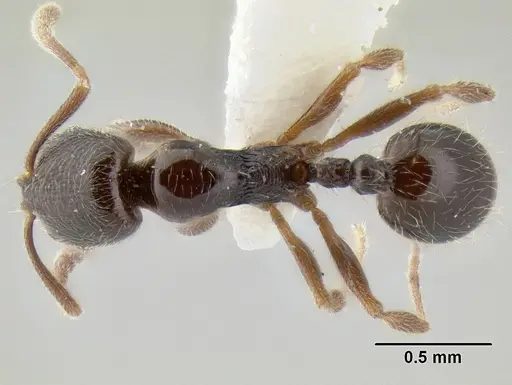
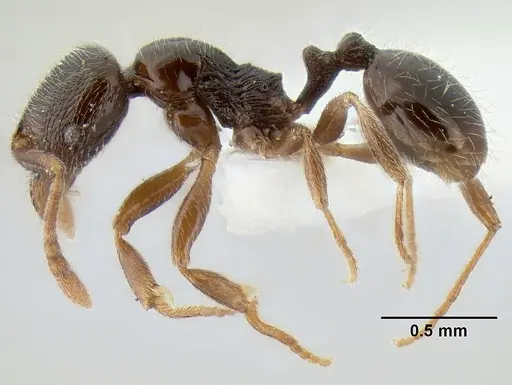
CASENT0126577
View on AntWeb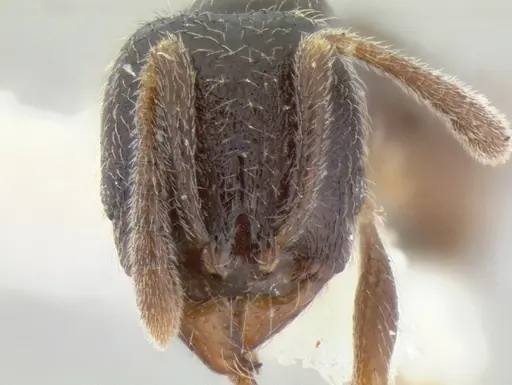
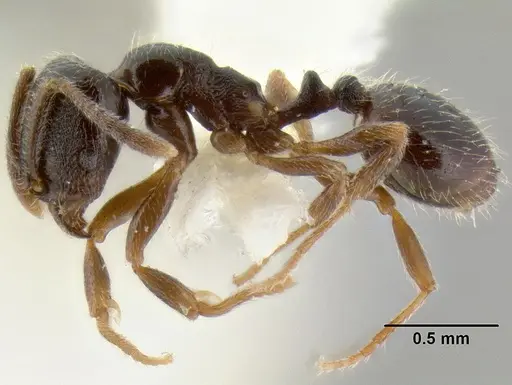
CASENT0126583
View on AntWeb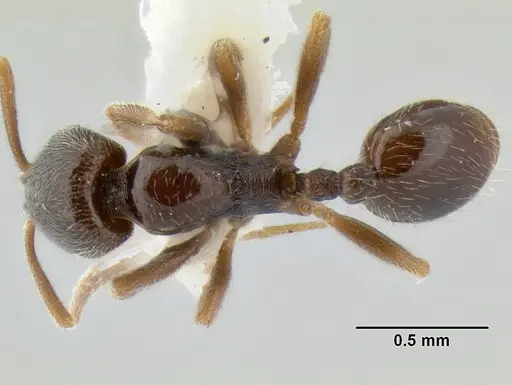
CASENT0600094
View on AntWeb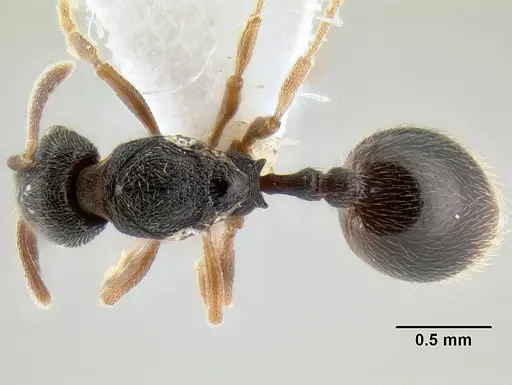
CASENT0600124
View on AntWeb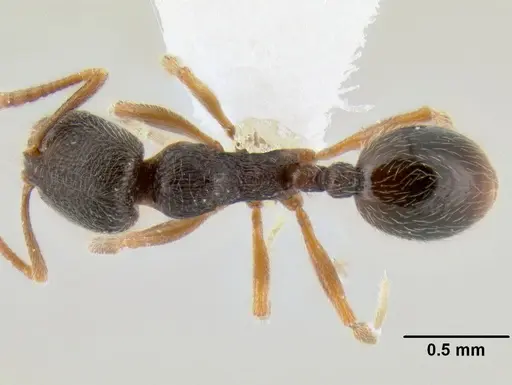
CASENT0604596
View on AntWeb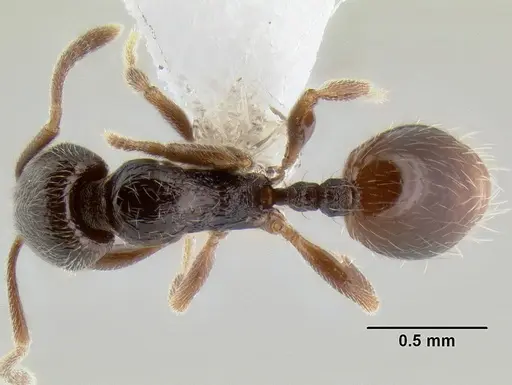
CASENT0605412
View on AntWeb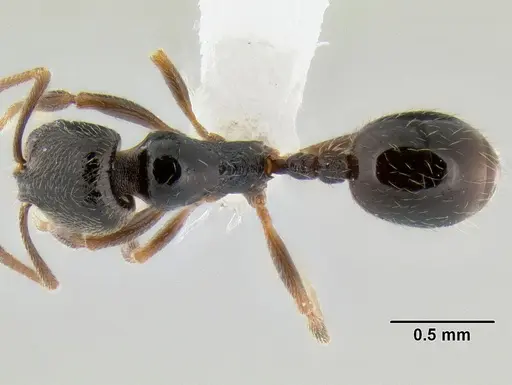
CASENT0605610
View on AntWeb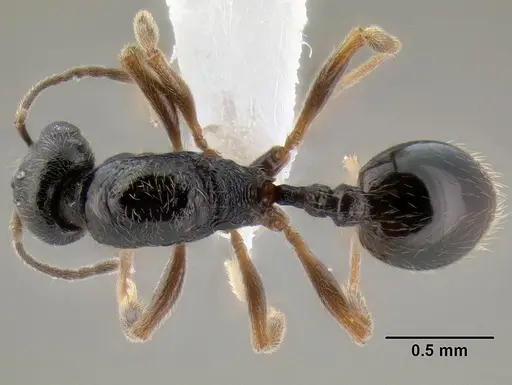
CASENT0605616
View on AntWeb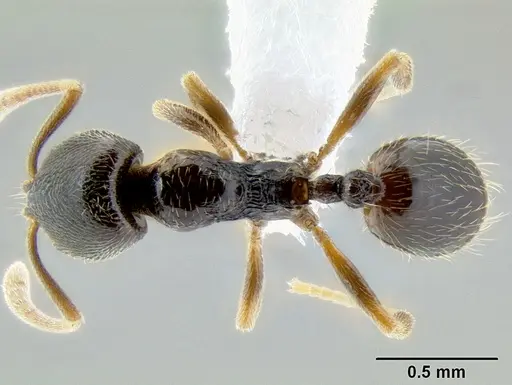
CASENT0605647
View on AntWeb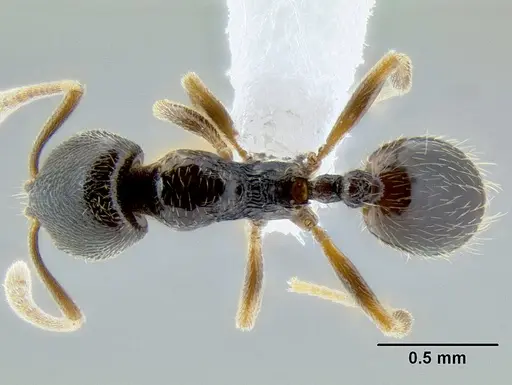
CASENT0605659
View on AntWeb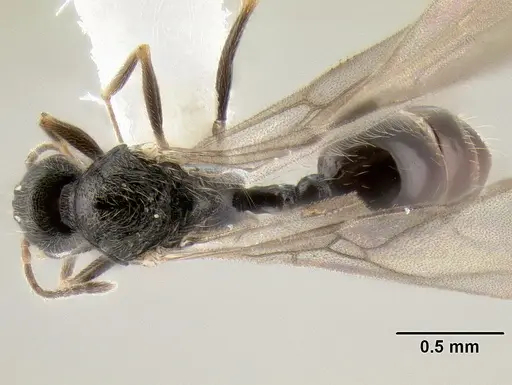
CASENT0605667
View on AntWeb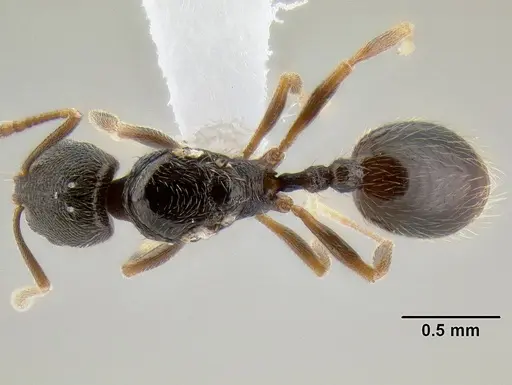
CASENT0605744
View on AntWeb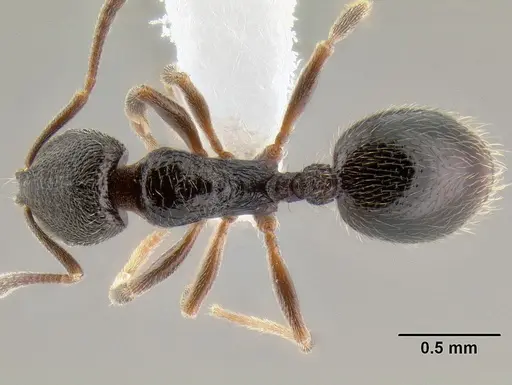
CASENT0605749
View on AntWeb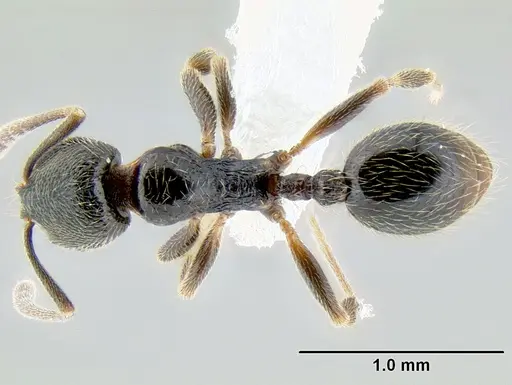
CASENT0653944
View on AntWeb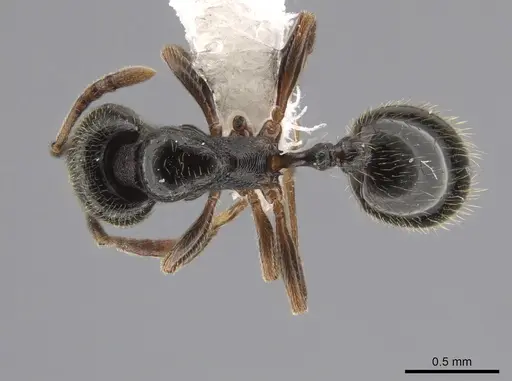
Literature
Loading distribution map...Loading products...