
Stenamma heathi
- Sci. Name
- Stenamma heathi
- Tribe
- Stenammini
- Subfamily
- Myrmicinae
- Author
- Wheeler, 1915
- Distribution
- Found in 1 countries
Introduction
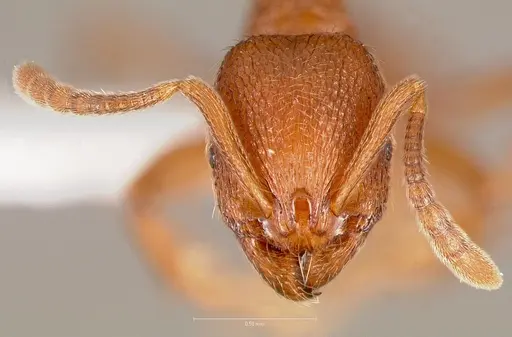
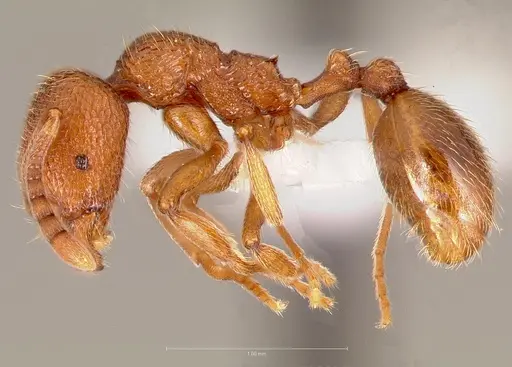
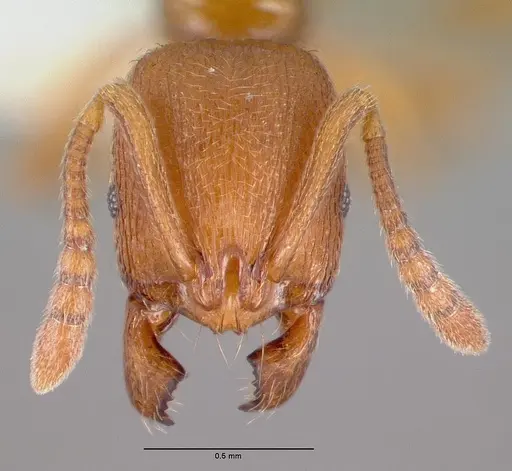
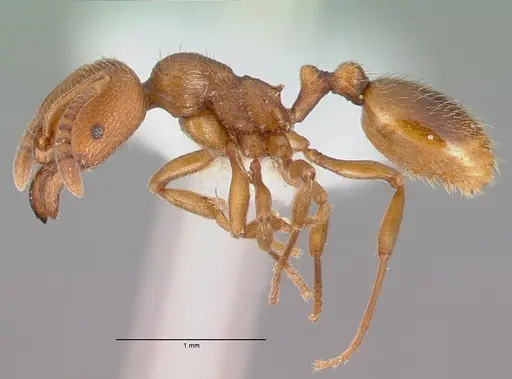
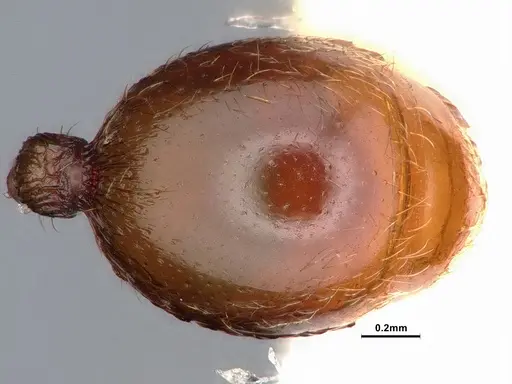
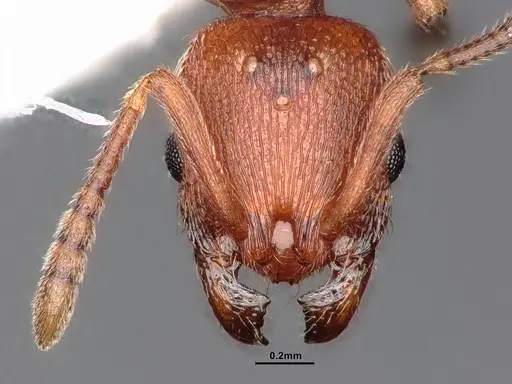
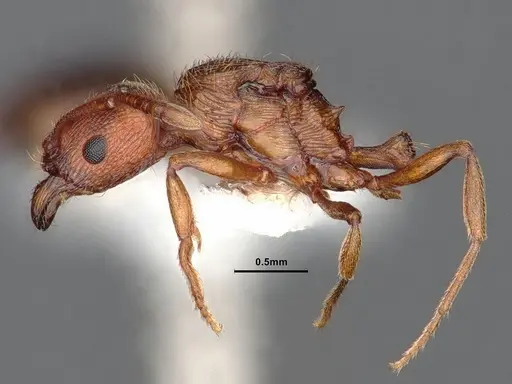
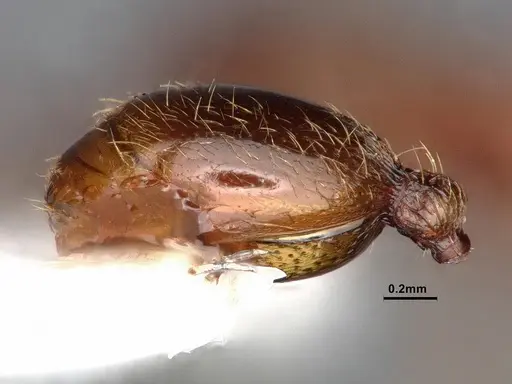
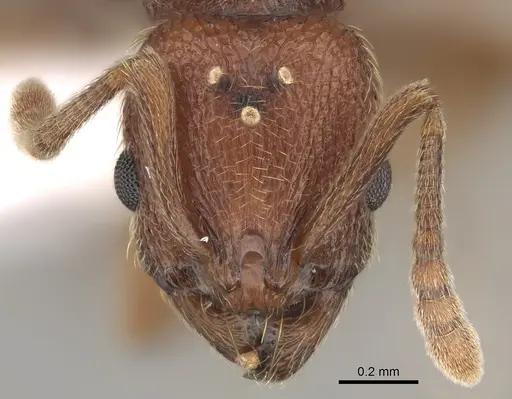
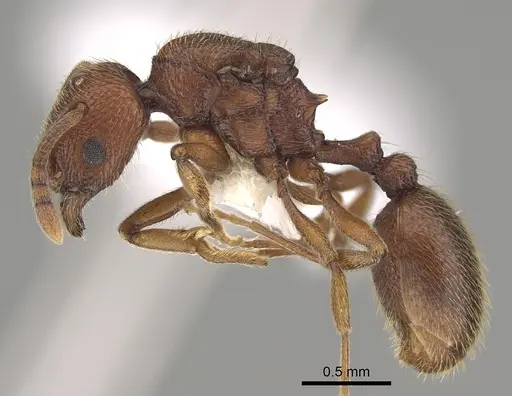
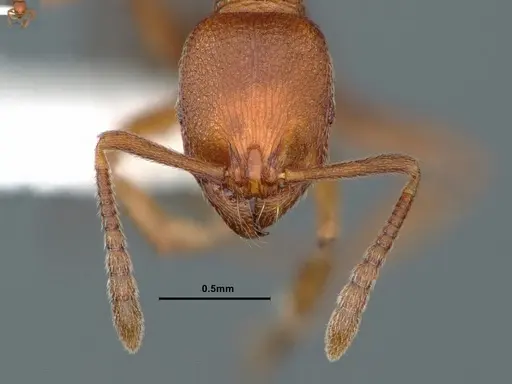
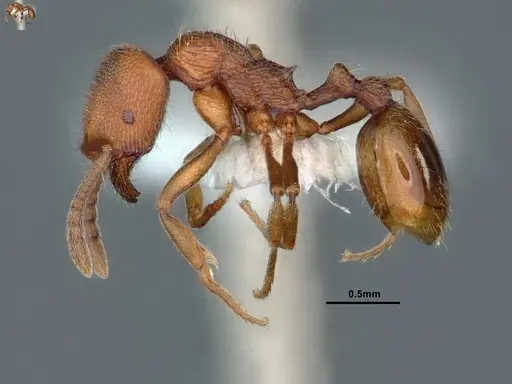
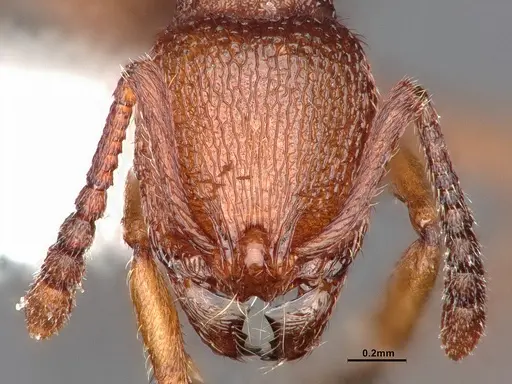
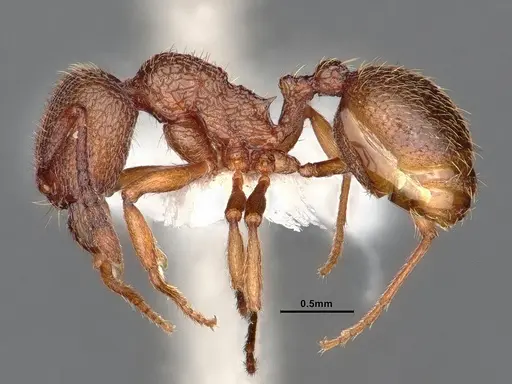
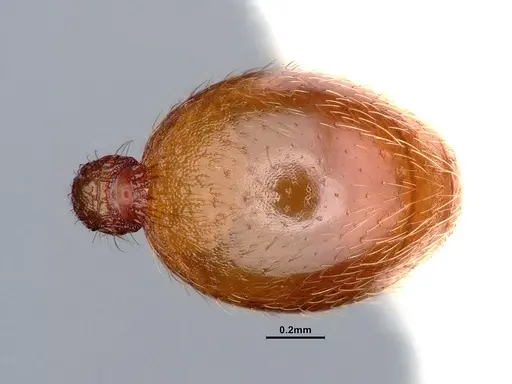
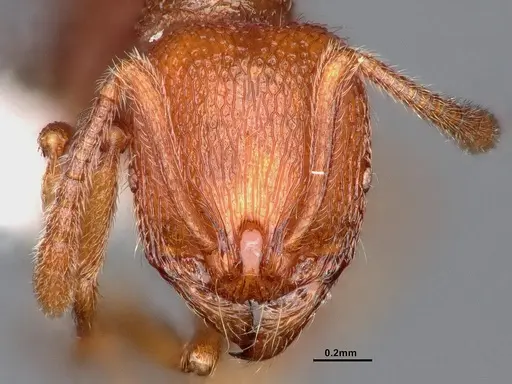
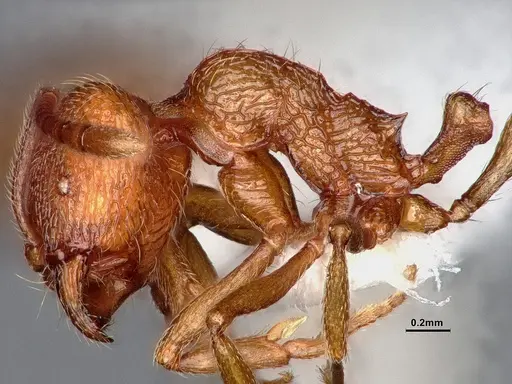
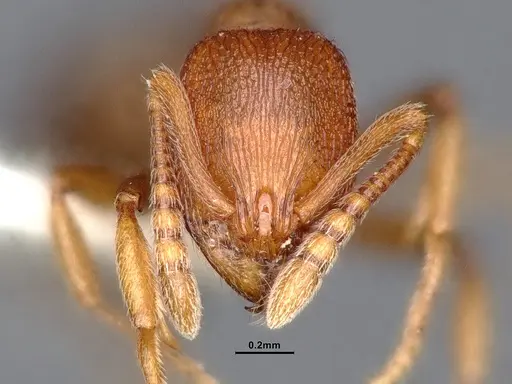
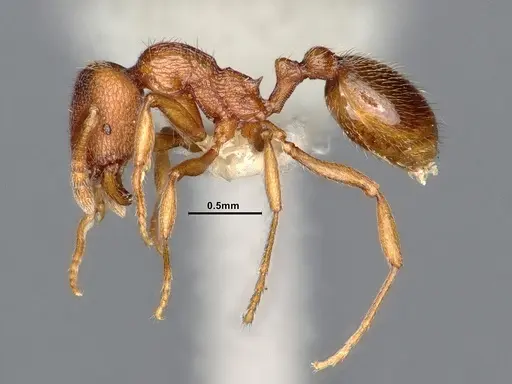
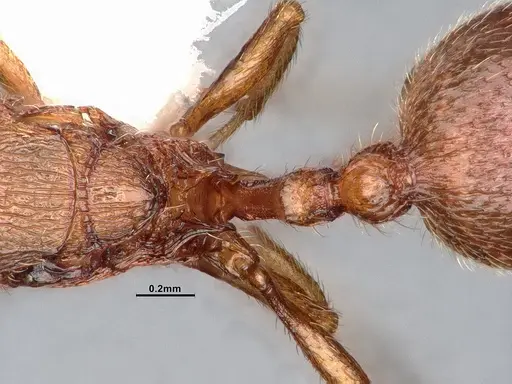
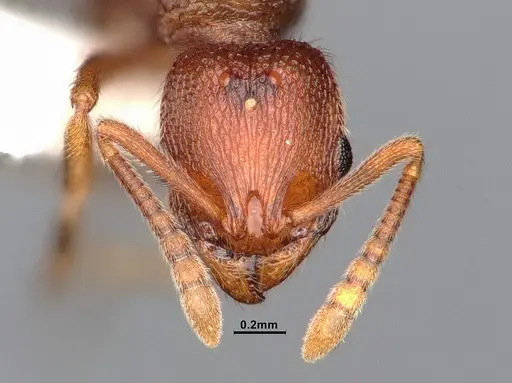
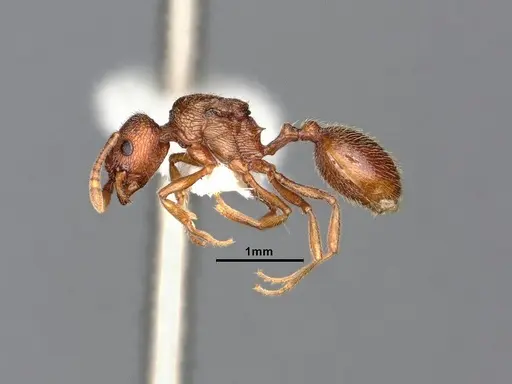
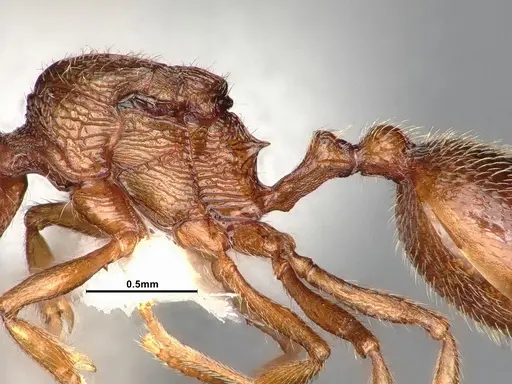
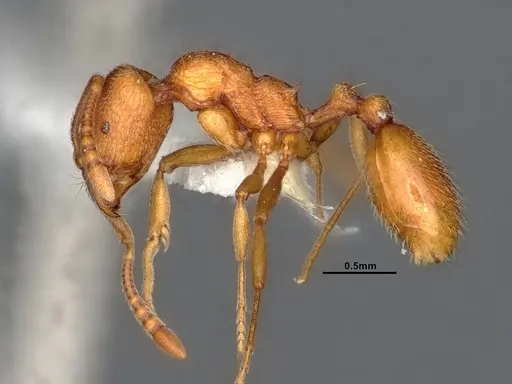
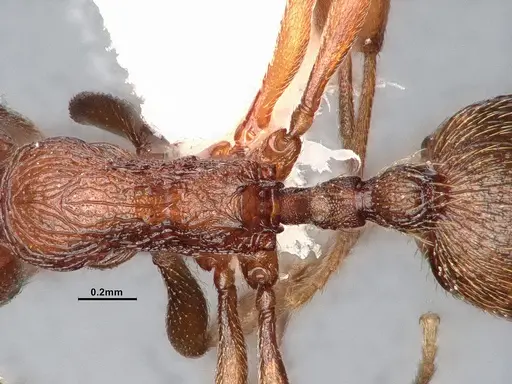
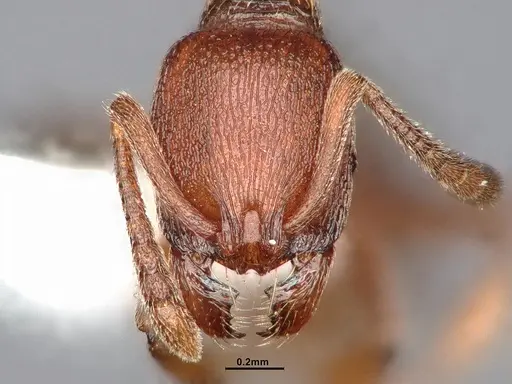
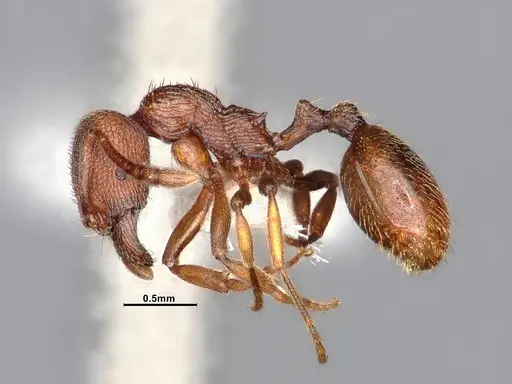
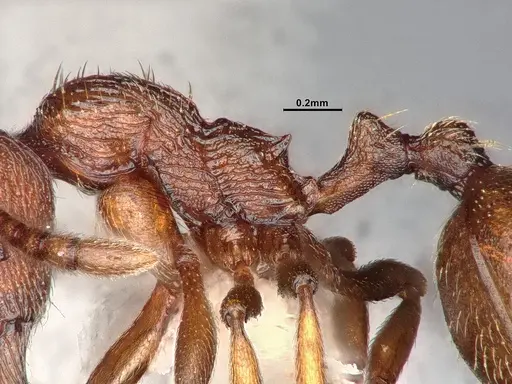
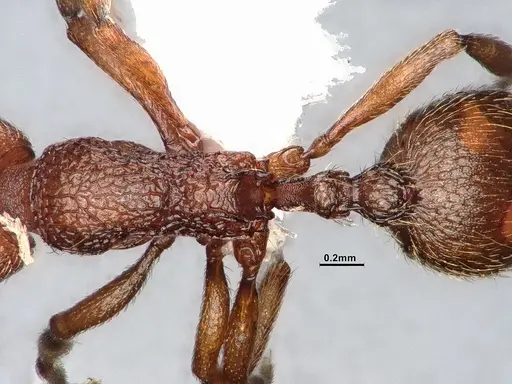
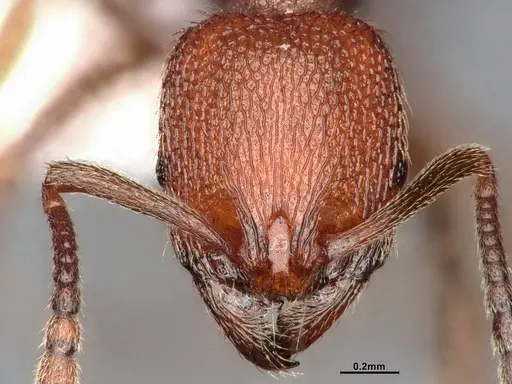
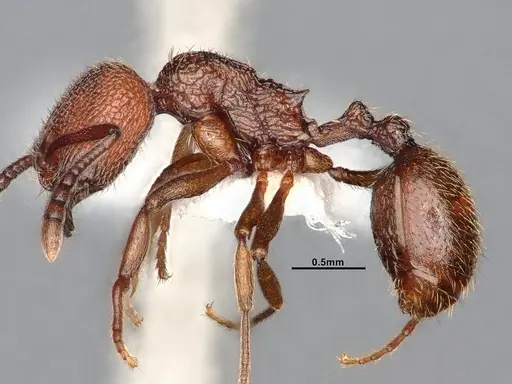
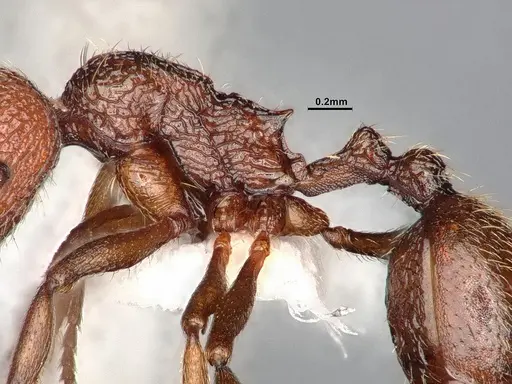
Stenamma heathi is a small, distinctive ant from the western United States and northern Mexico. Workers are 2.5-3.3 mm long and have a unique texture on the first abdominal segment: a shagreened surface with fine wrinkles and scattered pits, each pit holding a long hair . Among North American species, only Stenamma exasperatum shares this pattern. The body ranges from yellowish brown to dark reddish brown, with the gaster (back part of the abdomen) usually only slightly darker . Queens are a little larger than workers and have the same special sculpturing on the gaster . This species belongs to the heathi group within Stenamma and is found mostly in the California Floristic Province, including Yosemite and Sequoia National Parks . They nest under stones in forested areas, and have been collected from leaf litter in giant sequoia groves . It's one of four Stenamma species in California .
Quick Summary
- Difficulty: Medium
- Origin & Habitat: Western United States (California, Nevada) and northern Mexico (Baja California). Found in forested areas, especially in the California Floristic Province. Nests under stones and in leaf litter, usually in cooler, shaded spots [1][3][2].
- Colony Type: Colony structure is unconfirmed. Based on typical Stenamma patterns, likely single-queen (monogyne) colonies. No data on replacement queens for this species.
- Size & Growth:
- Queen: Size data unavailable, likely slightly larger than workers (2.5-3.3 mm) based on typical queen-worker size relationships in Stenamma.
- Worker: 2.5-3.3 mm [1]
- Colony: Unknown, likely small to moderate (under 500 workers) based on typical Stenamma colony sizes.
- Growth: Moderate, inferred from related species
- Development: 6-10 weeks estimated (Development time is unconfirmed for this species. Estimates based on typical Myrmicinae development at room temperature.)
- Antkeeping:
- Temperature: Keep at room temperature, roughly 18-22°C. As a temperate species from higher elevations in California and Nevada, these ants like it cooler than tropical species. Avoid overheating above 25°C, it may stress them.
- Humidity: Moderate humidity. As forest floor ants, they tolerate some moisture but need good drainage. Keep the nest substrate slightly moist but not waterlogged. Provide a moisture gradient so ants can choose their preferred zone.
- Diapause: Likely yes, as a temperate species with populations in Nevada and higher elevations, they probably need a winter rest. Give 2-3 months at 5-10°C.
- Nesting: They nest under stones in the wild. In captivity, use a naturalistic setup with soil or a soil-gypsum mix and flat stones, or use a Y-tong (AAC) / plaster nest with snug chambers. Avoid large, open spaces [1][2].
- Behavior: Generally docile and non-aggressive. As small forest ants, they are not defensive and rarely bite. Workers forage on the forest floor for small prey and honeydew. Escape risk is moderate due to their small size, use standard barrier precautions. These are cryptic ants that prefer to stay hidden.
- Common Issues: limited availability, this species is rarely available in the antkeeping hobby due to its restricted range., slow colony development, typical of Stenamma, colonies grow slowly, which can frustrate beginners., winter die-off if not given proper diapause, this temperate ant needs a cold period., wild-caught colonies may have parasites, always quarantine and monitor new colonies., difficulty establishing founding colonies, claustral founding may be slow and sensitive to disturbance.
Natural History and Distribution
Stenamma heathi lives in the western Nearctic region, mostly in the California Floristic Province. It has been found in California's Kings River Canyon (the type location), Yosemite National Park, Sequoia National Park, and in Washoe County, Nevada [1]. Mexican records come from Baja California, especially the Sierra San Pedro Martir [1][5]. The species belongs to the heathi group, which is closely related to Stenamma exasperatum [6]. Its coarse, wrinkled sculpturing on the thorax and gaster sets it apart from most other western Stenamma [6].
Housing and Nest Preferences
In the wild, Stenamma heathi nests under stones in forests. A naturalistic setup works best in captivity: use a substrate-based nest with soil or a soil-gypsum mixture, and top it with flat stones or other cover objects that mimic their natural nesting sites [1]. Y-tong (AAC) or plaster nests also work well, as long as the chambers are snug, these small ants prefer tight spaces.
Avoid large, open formicarium areas. Forest floor ants like these feel more secure in compact chambers that match the tight spaces under stones. Include some damp spots in the nest but also provide drier zones so the ants can self-regulate humidity. A water tube connected to the nest helps keep consistent moisture without flooding.
Temperature and Seasonal Care
Because it comes from higher latitudes and elevations in the western U.S., Stenamma heathi prefers cooler conditions than many common ant pets. Keep the nest area at room temperature, ideally 18-22°C. Avoid temperatures above 25°C, as this species is not adapted to tropical heat.
During winter, provide a diapause period of 2-3 months at 5-10°C. This mimics their natural seasonal cycle in California and Nevada, where winters are cool but not extreme. Move the colony to a cool spot like an unheated garage or refrigerator (if using a test tube setup) during the winter. Don't feed during diapause, but make sure the nest substrate doesn't dry out completely. [1]
Feeding and Diet
Like other Stenamma species, these are generalist foragers that probably eat small insects, honeydew, and nectar in the wild. In captivity, offer small protein sources such as fruit flies, tiny mealworms, and other very small arthropods. Sugar water or honey can be offered occasionally, though acceptance may vary.
Feed small prey items 2-3 times per week, adjusting based on colony size. Remove uneaten prey after 24-48 hours to prevent mold. Since workers are only 2.5-3.3 mm [1], prey items should be appropriately tiny, very small insects or crushed feeder insects work best.
Colony Development
Stenamma heathi colonies are likely small to moderate in size based on typical genus patterns. The queen is only slightly larger than workers, which suggests claustral founding: the queen seals herself in a chamber and raises the first workers alone using stored fat reserves.
Development from egg to worker probably takes 6-10 weeks at optimal temperature, though this is estimated from typical Myrmicinae development, not from direct observation of this species. Colonies grow slowly, which is normal for the genus. Be patient, founding colonies may take several months to produce their first workers and years to reach moderate size. [1]
Frequently Asked Questions
How long does it take for Stenamma heathi to produce first workers?
Exact timing is unconfirmed, but based on typical Stenamma development, expect 6-10 weeks from egg to first worker at room temperature. Founding colonies are slow, be patient during the claustral phase and avoid disturbing the queen.
What temperature do Stenamma heathi ants need?
Keep them at 18-22°C, cooler than many tropical ant species. They are adapted to temperate conditions in California and Nevada and may be stressed by temperatures above 25°C.
Do Stenamma heathi ants need hibernation?
Yes, likely a 2-3 month winter rest at 5-10°C. As a species from the western U.S. with populations in Nevada and higher elevations, they expect seasonal temperature drops.
How big do Stenamma heathi colonies get?
Colony size is unconfirmed but likely small to moderate, probably under 500 workers at maturity based on typical Stenamma colony sizes. They are not large colony formers.
What do Stenamma heathi ants eat?
They are generalist foragers. Offer small protein sources like fruit flies, tiny mealworms, or other small insects. Sugar water or honey can be offered occasionally.
Can I keep multiple Stenamma heathi queens together?
Not recommended, colony structure is unconfirmed but Stenamma are typically single-queen colonies. Combining unrelated queens has not been documented for this species.
Are Stenamma heathi ants good for beginners?
This species is medium difficulty. While generally docile, they are rarely available in the hobby and require specific cool-temperature conditions. Not the best for absolute beginners but suitable for those with some experience.
Do Stenamma heathi ants sting?
Stenamma are in the subfamily Myrmicinae, which includes species with stingers. However, this genus is not known for aggressive stinging behavior. They are docile forest ants unlikely to sting handlers.
When should I move Stenamma heathi to a formicarium?
Wait until the colony has at least 20-30 workers and the founding tube becomes crowded. Stenamma prefer snug chambers, so monitor for signs of stress or escape attempts indicating they need more space.
Why is my Stenamma heathi colony not growing?
Slow growth is normal for this genus. Make sure temperature is 18-22°C, humidity is adequate, and prey is small enough. Check that the queen is still laying eggs and the colony isn't being disturbed. If founding, remember claustral colonies can take months before first workers appear.
Report an Issue
The current care sheet is based fully on literature. See inconsistencies, or something that's incorrect? Please , it will be resolved after review from an admin. Contributing to the blogs tab also helps providing information, to make us be able to further improve the caresheets. Thank you for your support!
References

This caresheet is licensed under CC BY-SA 4.0 .
Community Blogs
CASENT0005815
View on AntWeb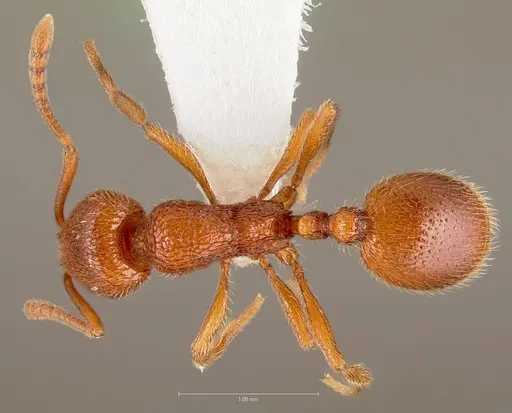
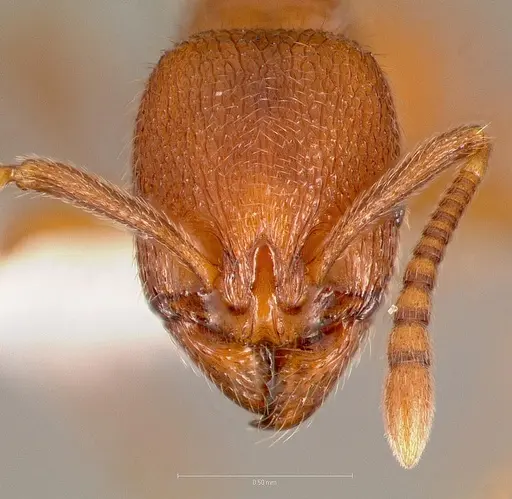
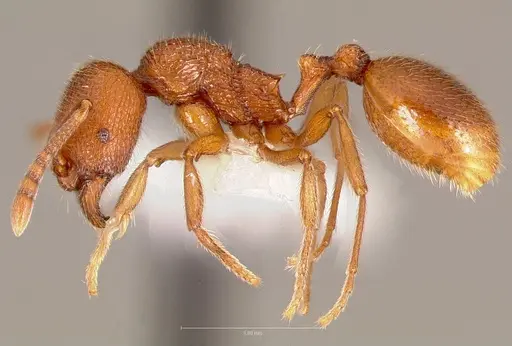
CASENT0005816
View on AntWeb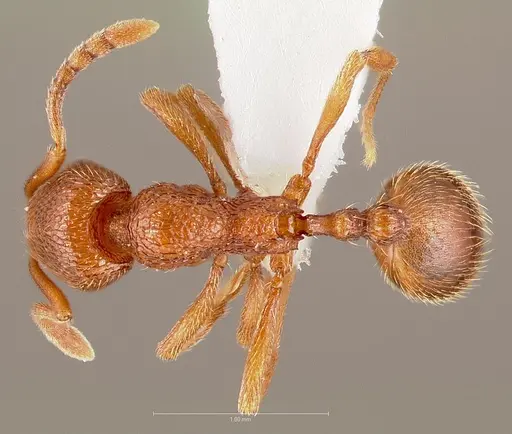
CASENT0010694
View on AntWeb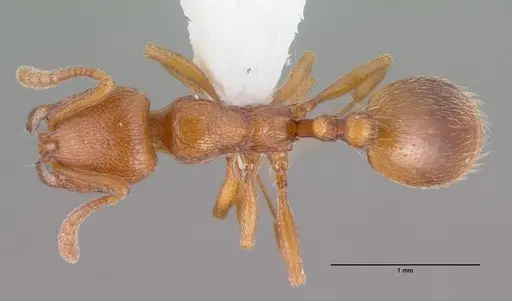
CASENT0106733
View on AntWeb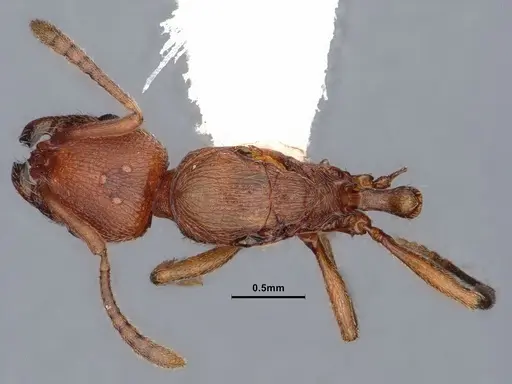
CASENT0862157
View on AntWeb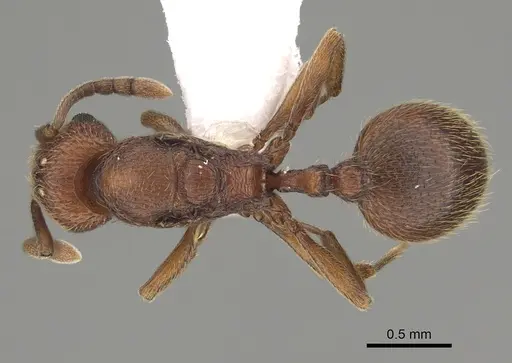
CASENT0883299
View on AntWeb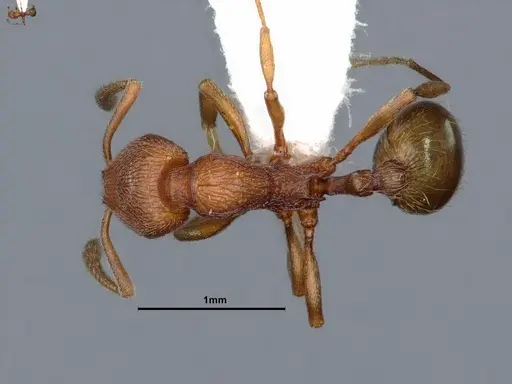
CASENT0884248
View on AntWeb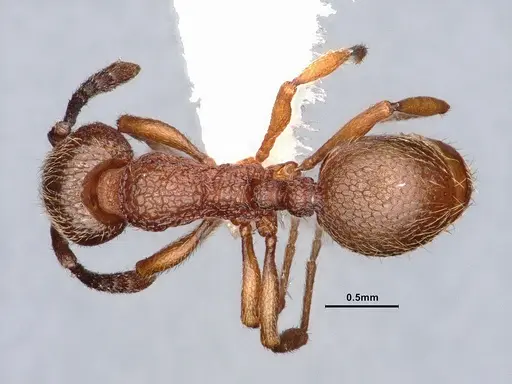
CASENT0884436
View on AntWeb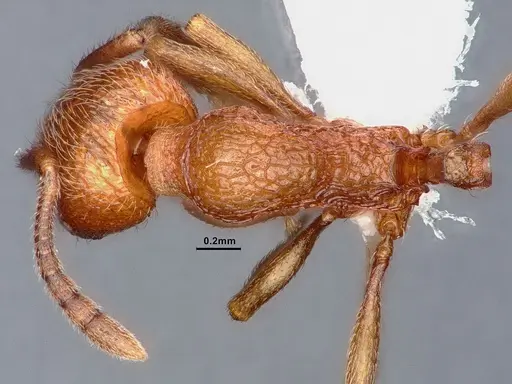
CASENT0884437
View on AntWeb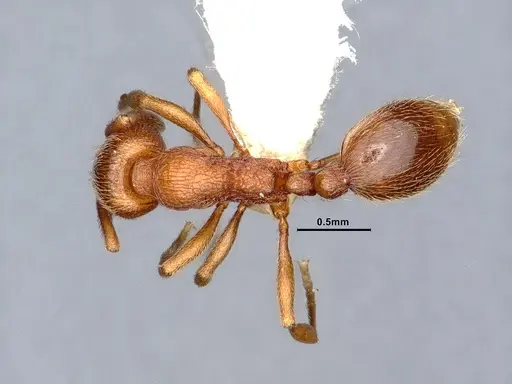
CASENT0885518
View on AntWeb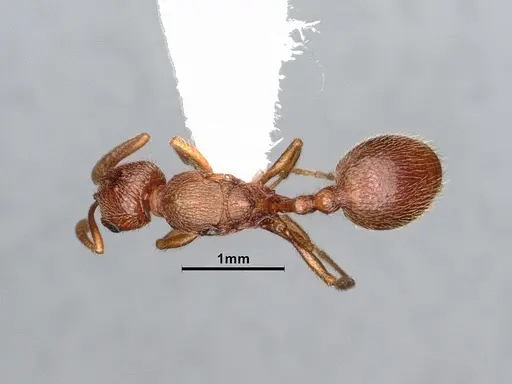
CASENT0885523
View on AntWeb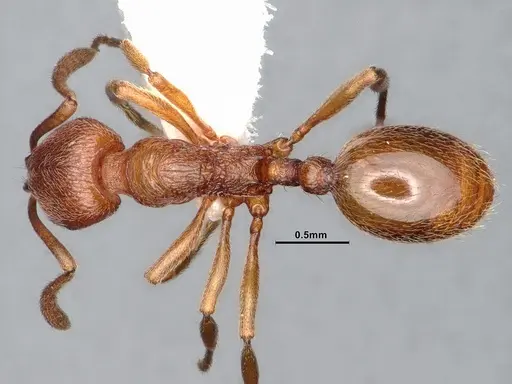
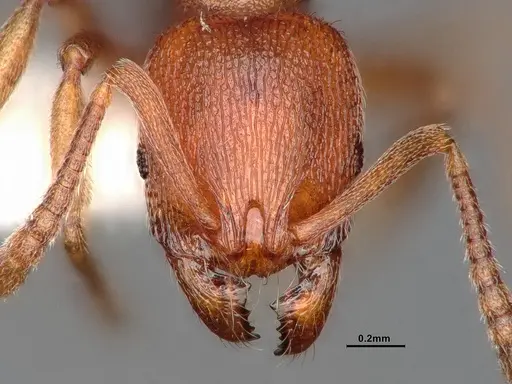
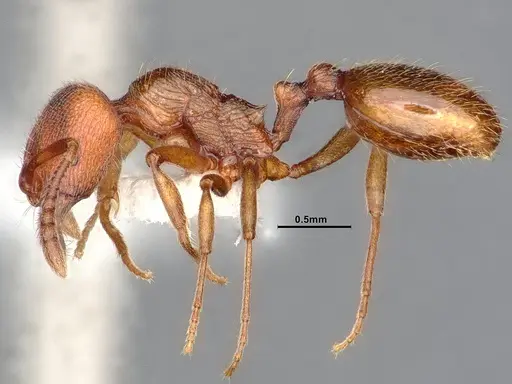
CASENT4031360
View on AntWeb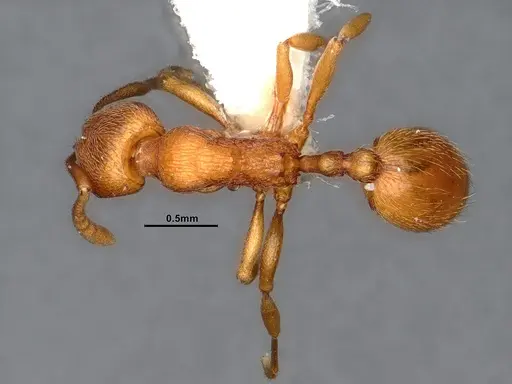
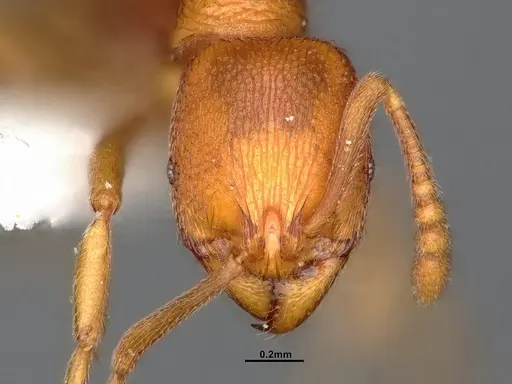
CASENT4031374
View on AntWeb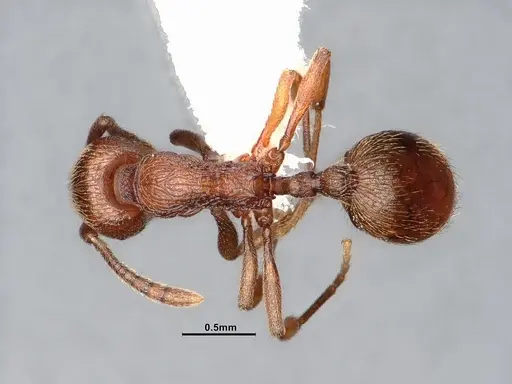
CASENT4031375
View on AntWeb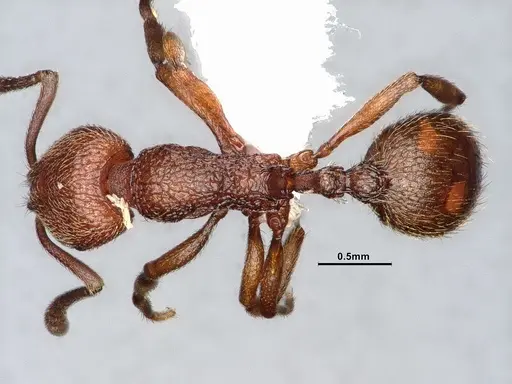
Literature
Loading distribution map...Loading products...